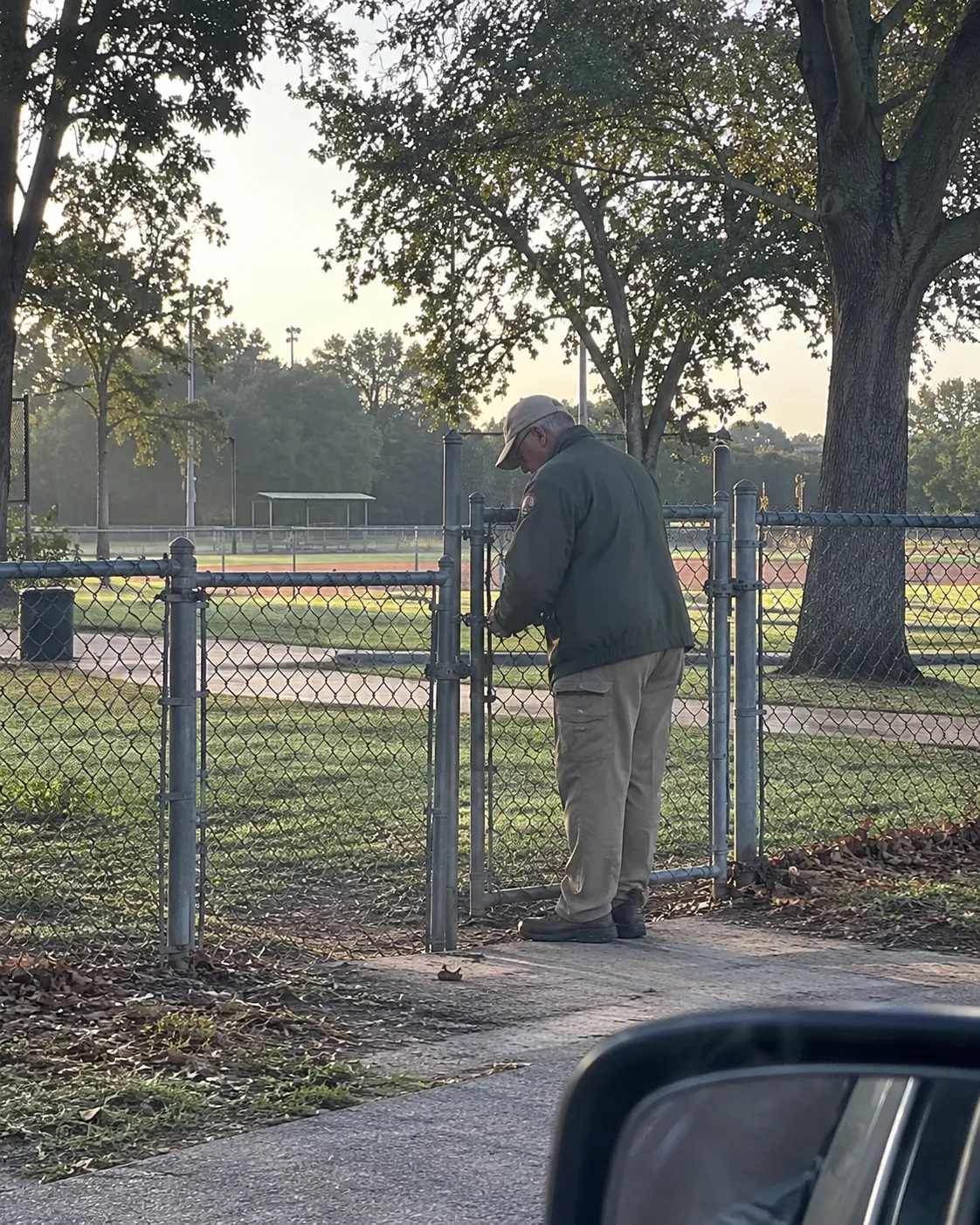
My Father Kept My Seed Jar for 31 Years. I Finally Understood Why After My Wife Died.
Ad Copy
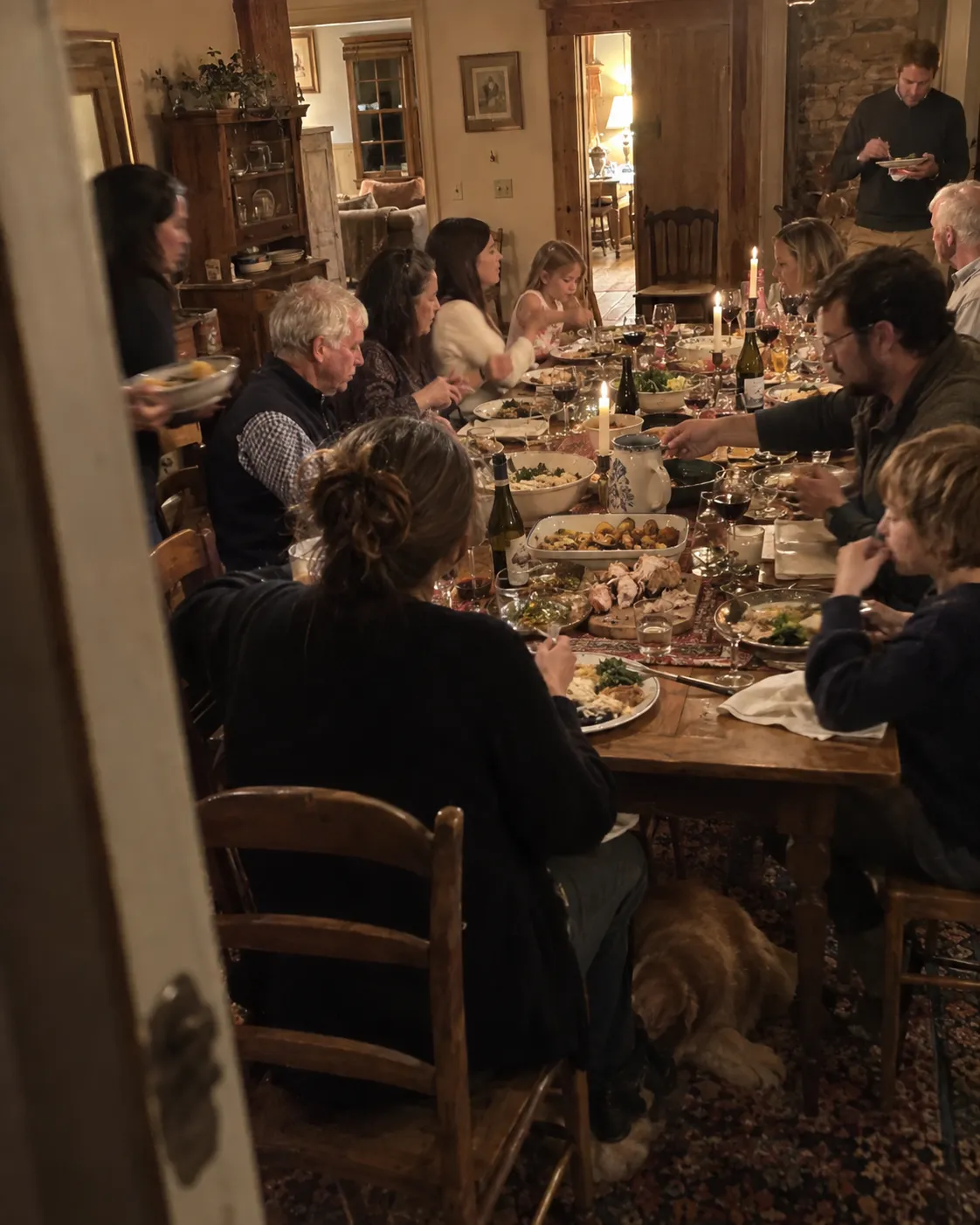
I left the Amish at twenty for an English nurse who came to check on my uncle's heart. Last November I buried her. She was fifty-six. At the funeral, my father — who hadn't spoken my name in thirty-one years — said three words at the grave that sent me back to his farm. I have to start at the funeral, because that's where this story turns, even though I'd rather start anywhere else. Kinsman Chapel, Middlefield, Ohio. A cold Thursday. My Claire in a casket at the front, and me in the receiving line doing the thing widowers do — shaking hands while your own voice sounds like it's coming from another room. Then the room changed. You could feel it before you saw it. Black hats. Three of them, and two women in plain dresses, filing in quiet at the back. My father. My sister and her husband. My mother, seventy-nine, in the navy-black of mourning, a hundred and ten miles from a farm she almost never leaves, standing in an English chapel with her hands folded, looking at me. Thirty-one years. No visits. No letters answered — and that part is mine, not theirs. It had never once occurred to me they knew Claire's name. They knew it. A cousin who still keeps one foot in both worlds had told them, the way you'd hear about weather in a country your child moved to. They stayed through the service. They stood at the back at the cemetery. And when it was over — when the English crowd had drifted to their cars, and it was just me and the tent and the hole in the ground with my wife in it — my father walked up beside me. Eighty-two years old. A beard gone the color of ash. He stood next to me looking at the grave, hat held over his chest, and I braced myself, because the last words this man had said to me were in 1994, and they hadn't been gentle. He said three words. Not *I'm sorry.* Not *come home.* Three words that made no sense at all standing over a coffin — three words I turned over for ten days like a key with no door, until I got in my truck one morning and drove north to find the lock. I'm going to hold them a while, the way I held them, because they won't mean to you now what they meant to me by the end. He said them, put his hat on, touched my shoulder once — the first time in thirty-one years — and the vans took them away. Let me back up. All the way back. My name is Aaron Raber. Third of six, no electricity in the walls, a produce and dairy farm outside Middlefield. Every child on the place had work that was theirs. My brothers had the milking. My sister had the henhouse. I had the seed shelf in the cellar — not a garden plot, the shelf itself, because I was the one with patient hands and my grandmother trusted me with it at eight years old the way English children get a bicycle. Beet seed, mostly — an old, dark strain her own mother carried over, never once crossed with anything the English bred. Every fall I helped shell it out, dry it, and jar it — my own jar, labeled in my own boy's handwriting, refreshed from the best roots every single year so the line never weakened. My great-grandmother started that shelf in a drought year when the family almost lost the whole seed line down to three saved roots, and she swore it would never happen again on her watch. I want to be fair to that life: it wasn't bad. It was beautiful and endless, and at nineteen I could stand in that cellar and see my whole future the way you see weather coming across a valley. My sister found that beautiful. I found it like a coat two sizes too heavy. In the fall my uncle's heart started giving him trouble, and the English visiting nurse who came twice a week was Claire — twenty-four, sharp, unimpressed by my Deitsch and delighted by everything else about me. She had a laugh that filled a kitchen. By the second month I was doing arithmetic no Amish boy is supposed to do. I left on a January morning with a duffel bag. My mother was the only one who knew. She stood at the barn door, took my seed-stained hands in her own, and said, in Deitsch, "Seed doesn't choose the wind, and the wind doesn't ask its permission. I won't hold what the wind did against you." Then she let me go. My father found out by supper, and my father was a different man about it, and what he said — weeks later, through a letter I never answered — was hard enough that I decided I'd never go back. Pride is a crop that comes up every year without planting, and I tended mine for thirty-one years. Claire and I married in 1995. I was raised to feed people from what I could grow myself, and I stepped straight into the decades built to erase that. Nobody warns the boy who leaves that the table is the church he actually attends now. The clothes were the costume. I never once thought of eating drive-thru as conversion, but it was. Claire worked twelve-hour shifts for thirty years — an ER nurse, then a hospice nurse near the end of her career, the kind of tired that eats a person from the inside without ever showing on a chart. She was strong and sharp right up until she wasn't. The first thing to go was how fast she bounced back — a double shift used to cost her a nap; by fifty it cost her two full days. Then her hands and feet ran cold all the time, even in July, and she started sleeping in socks in the middle of summer, and we both called it circulation, the way people call everything getting older. At fifty-four, her yearly physical came back clean. "Nothing here I'm worried about," her doctor said, the same line he'd said for a decade. And still — the cold hands, the slower recovery, the naps that turned into whole afternoons. I watched it for two years, and here's my confession: something in me knew. Not from any English source. From the cellar. My grandmother used to say, stirring a canning kettle, "A clean chart is not the same as a warm hand." I'd filed it under things quaint old women say. Claire's chart was clean the week she died. Fell asleep in her recliner after a shift and didn't wake up. Fifty-six years old. A clean chart, right up to the recliner. There was no error to find. I checked, the way widowers check at 3 a.m., as if finding one would mean an appeal could be filed. So: the funeral, the black hats, my father at the grave, the three words that made no sense. Ten days of turning them over. And one more thing happened in those ten days — my daughter Grace made me go get checked out, the way children do after they've buried one parent and aren't taking chances on the other. My own physical came back with the same shrug his doctor gave Claire for years. I sat there feeling the exact cold-handed, slow-to-recover tired I'd watched creep into my wife for two years, and I decided I wasn't waiting to find out what it meant. So I drove to Middlefield. My mother met me at the porch like no time had passed. My father sat at the long table that night — my place, fourth from the end, thirty-one years empty — and after supper, before I'd worked up the nerve to ask about the three words, my mother finally told me the whole drought story behind the seed shelf: how close the line had come to disappearing altogether, and how nobody in the family has thrown out a viable seed since, no matter how long it sits waiting for someone to plant it. My sister wrote a name down for me, in pencil, on a scrap torn off a feed sack. I put it in my coat, in the inside pocket, where a man keeps things he isn't going to lose. And then, because I'm my father's son, I didn't use it right away. I saw a red-labeled beetroot supplement at a pharmacy two days later, a nice photo on the box, and I thought: a beet is a beet, and my son Ben's numbers had run high since his twenties. I bought three bottles. A few weeks in, I even felt a small lift some afternoons, and let myself believe it. Then I opened a capsule over a white saucer, the way my grandmother always checked anything before it went in a jar. Dust brown — nothing close to the color that stained my hands every October as a boy. I couldn't prove a thing about it that morning, no lab, nothing but a lifetime of knowing what real beetroot looks like — but I knew that wasn't it. The name was still in my coat. Good Science — the company my mother's people had come to trust, grown two farms from where my own seed shelf started, pulled after first frost. 1,300 milligrams to the capsule, printed plain, no blends. I opened one over the same saucer. Deep red, almost violet at the edge, bleeding into a drop of water like ink into paper. I put my thumb in it, the way I hadn't in thirty-one years, and it stained. Two capsules the next morning, and I sat on my porch step paying attention on purpose. Twenty minutes in — warmth into my hands, a kind of clearing behind my eyes. I'll tell you plainly what that was and wasn't: it wasn't the whole story by itself. What actually builds — the real day-to-day difference — takes weeks of taking it the way you're supposed to, not twenty minutes on a porch step. The real proof came slower, around my own table. Me first: within two months my hands stopped running cold in the mornings, and I wasn't losing whole afternoons to a nap anymore. I sleep through the night now. Then my daughter Grace — thirty-four, her mother's build, her mother's twelve-hour-shift habits. I didn't ask her. I drove over with a bottle and her great-grandmother's seed story and put both on her counter and said, "Take it. For the kids." A month later she called me and said she wasn't hitting the wall at hour ten anymore, and then she asked me to tell her son about the seed shelf again. He's seven. He wants his own jar. Then Pete next door — Claire's age, retired, same slow-to-recover pattern I'd watched in her for two years. I gave him the bottle and the story too, and I want it on the record for anyone worried about doing this the right way: Pete talked to his own doctor first, kept every prescription he was already on exactly as written, and made his own decisions with his own physician the whole way through — nothing in this story replaces that conversation, ever. What Pete will tell you is his feet don't go cold on his evening walk anymore, and he's added another half mile to it without deciding to. And in October, I went back to Middlefield — and this time I didn't go alone. My whole English family spilled into my mother's yard. We stayed two days. My grandchildren gathered eggs. On the second evening, eighteen of us sat at the long table, and there were beets on it — pickled, crimson, in the same glass dish from my boyhood — and I watched my seven-year-old grandson spear one on his fork, consider it, and take another. My mother watched him too. Her fingers, folded on the table, still faintly red at the creases from putting up jars that morning. His, brand new, about to be. After supper, my father asked me to walk to the cellar. We went down together, past the canning shelves, to the far corner — and there it was. My jar. The one I'd labeled as a boy. Full, dark, sealed tight. Mine. Refreshed every single fall since I left, sitting exactly where I'd set it down. "Your seed's still good." Those are the three words. My father stood over my wife's coffin, after thirty-one years of silence, and the one thing he chose to tell me was that every autumn since 1994, my mother had shelled and dried and jarred a fresh batch from my own line — not the family's main stock, mine, kept separate, for a son who might never come back to plant it. In the cellar that evening, he said the rest: "It was not only your mother. Some years I did the shelling myself. We did not know if you would come. That was never the question. Good seed doesn't go bad from waiting. It just waits." That's the whole reason you're reading an ad that doesn't feel like one, in one sentence from an eighty-two-year-old man in a cellar: good seed doesn't go bad from waiting. It just waits. If someone in your life has a chart that keeps coming back clean while their hands stay cold and their afternoons keep disappearing into the recliner — hear me. A clean chart and feeling warm and capable are not always the same thing. A supplement isn't a substitute for your doctor, and it never will be — but supporting your everyday circulation and energy, alongside whatever your doctor already has you doing, is something you don't have to wait years to start.† Good Science Beetroot is 1,300 mg of beetroot powder, two capsules a day, no proprietary blend to hide behind. It supports healthy circulation, everyday energy, and cardiovascular wellness as part of a daily routine† — not a replacement for anything your doctor's prescribed, and not a promise about any specific condition. Here's the whole arrangement, plain: try it for 30 days. If it's not for you, send the bottles back — empty is fine — and Good Science refunds every dollar. One bottle is $34.99. Buy 3 and get 2 free — $79.99, five bottles total — is what most people in this story ended up ordering, once it was more than just themselves at the table. The same seed line, kept over a hundred and fifty years by a handful of families in one county, pulled once a year after first frost, when the red runs deepest. When a season's harvest sells through, it's gone until the next one. I keep bottles ahead now the way my mother keeps jars. My mother refreshed a jar for thirty-one years for a son who might never come. You only have to order once. — Aaron Raber, Middlefield, Ohio *P.S. — Talk to your doctor before starting any new supplement, especially if you take medication — don't change anything on your own, and don't let anyone you love change anything on theirs either. That's not a disclaimer, that's exactly how everyone in this story actually did it.*
More from Kenneth Walker Wellness
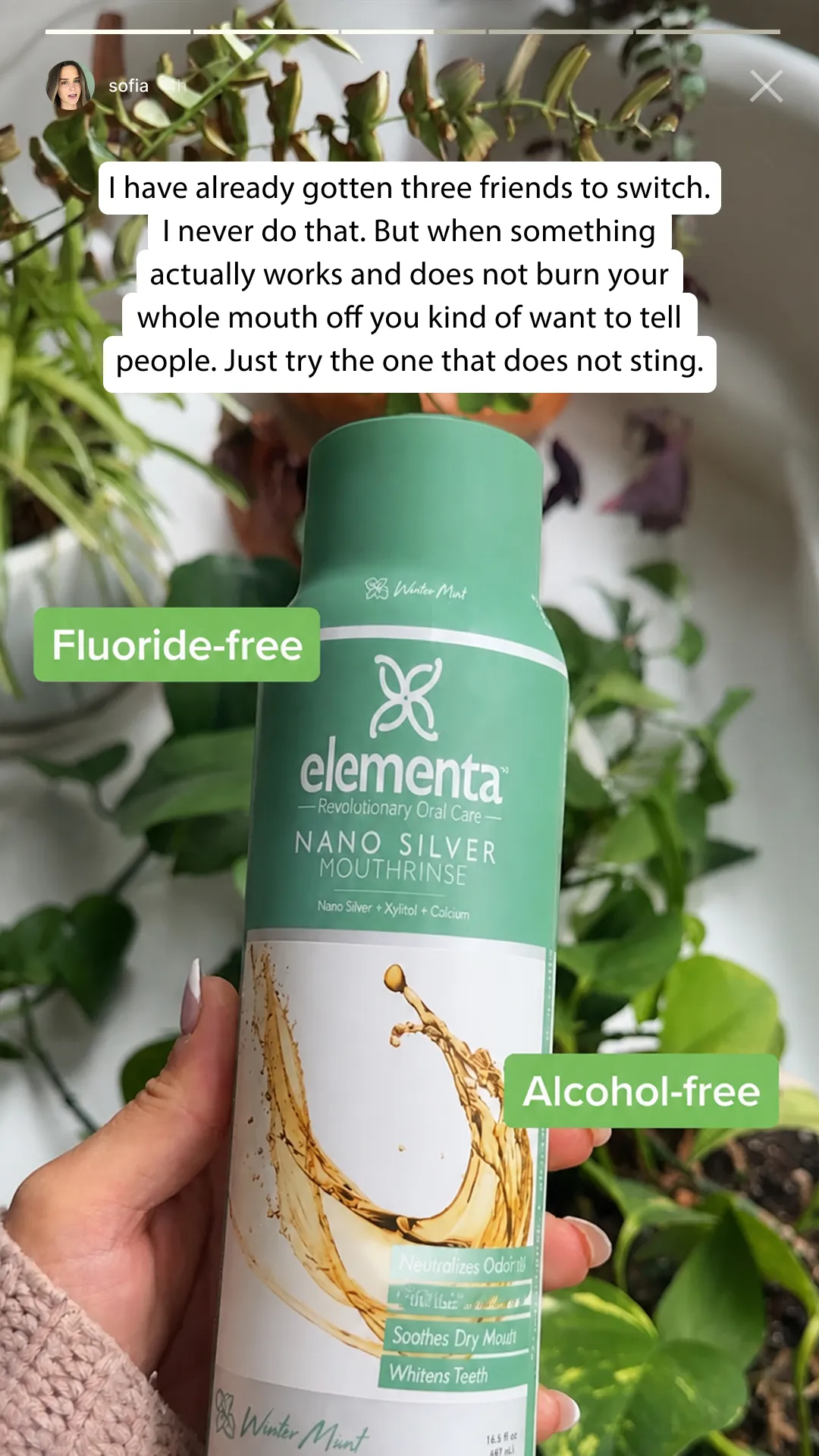
🤯 The Real Reason Your Breath Stinks (It's Not What You Think)
Kenneth Walker Wellness
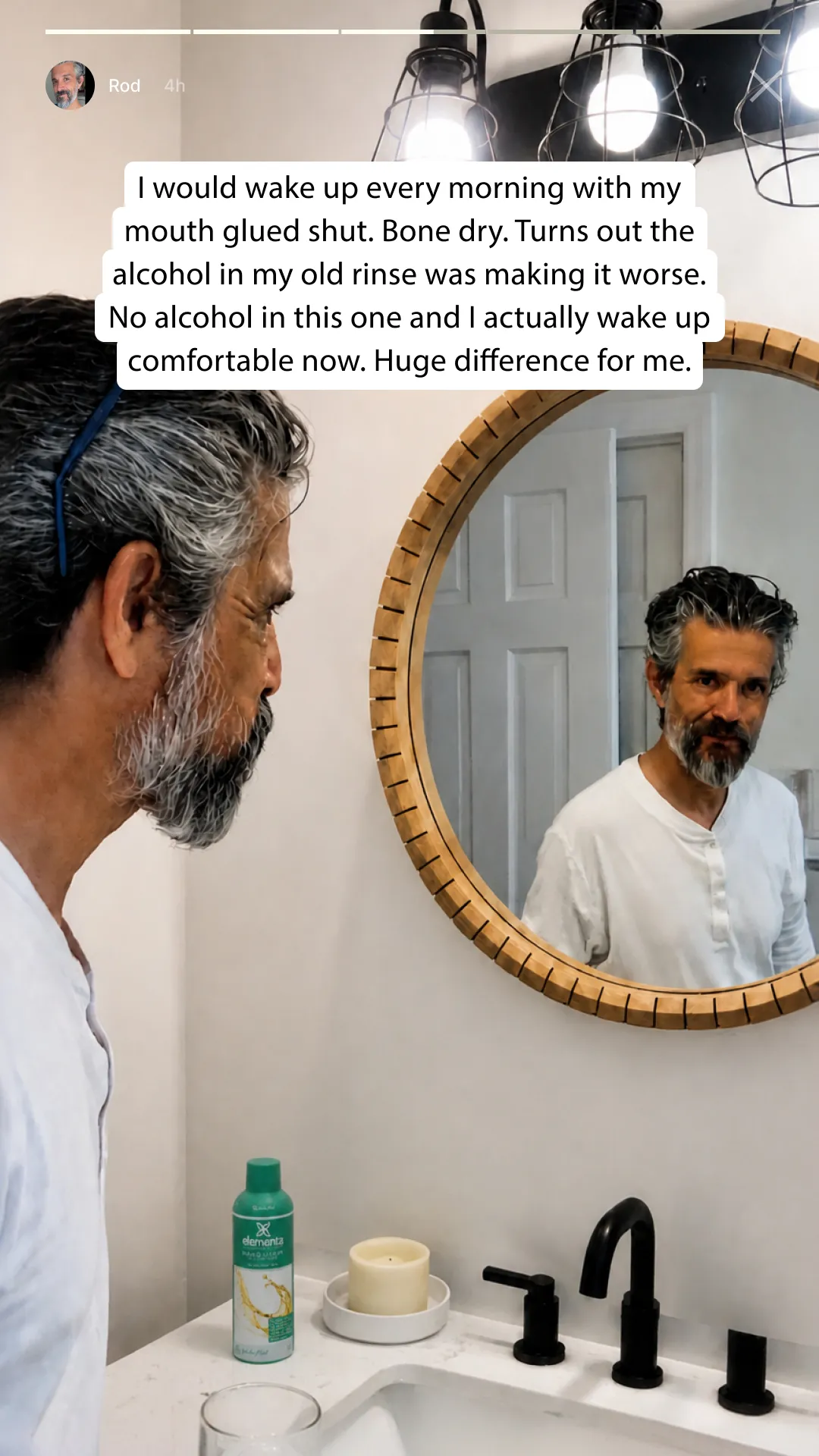
🤯 The Real Reason Your Breath Stinks (It's Not What You Think)
Kenneth Walker Wellness
🤯 The Real Reason Your Breath Stinks (It's Not What You Think)
Kenneth Walker Wellness
🤯 The Real Reason Your Breath Stinks (It's Not What You Think)
Kenneth Walker Wellness
My Family Kept Two Rows of Beets for Me for 38 Years. I Didn’t Know Why Until My Husband Died.
Kenneth Walker Wellness
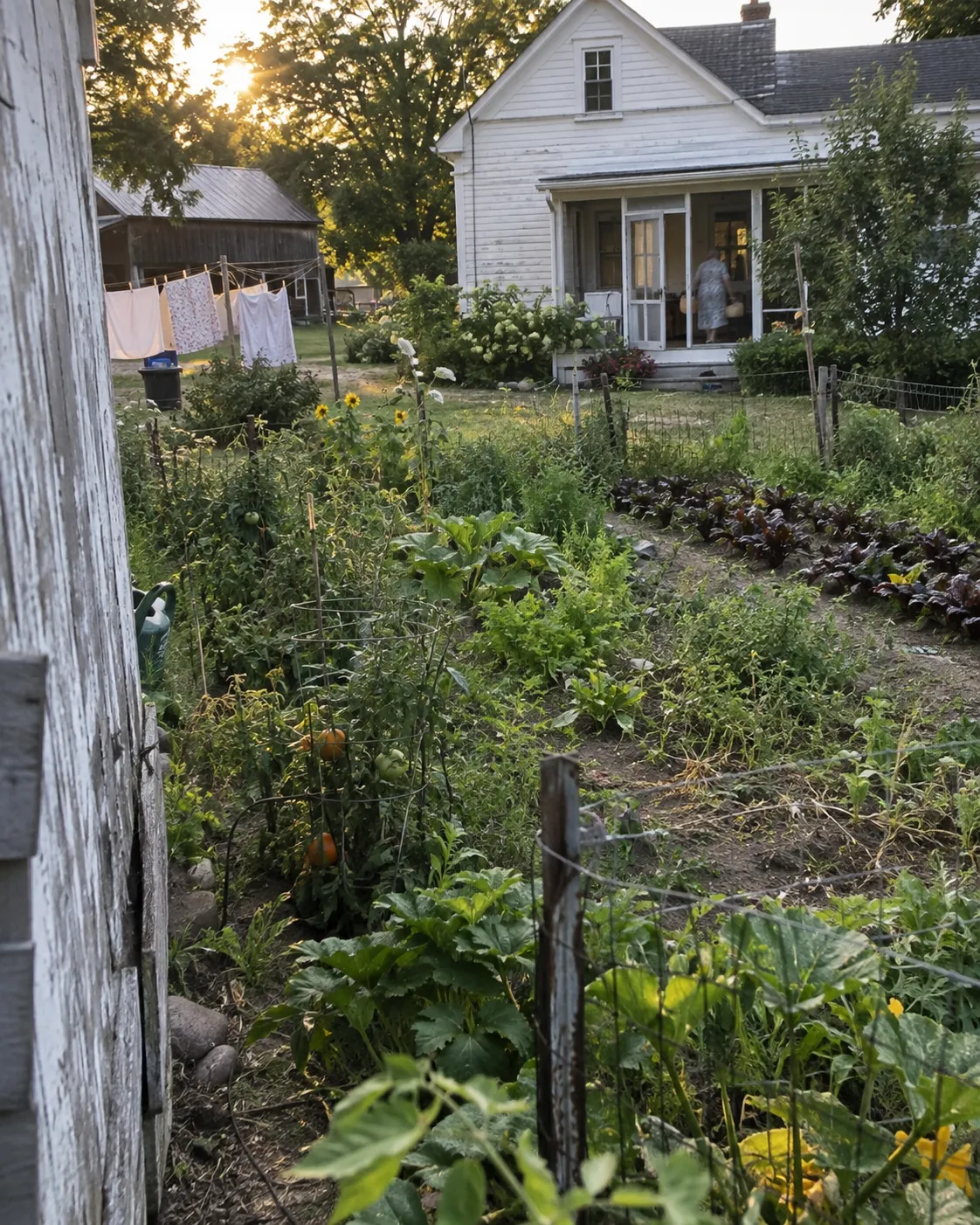
My Family Kept Two Rows of Beets for Me for 38 Years. I Didn’t Know Why Until My Husband Died.
Kenneth Walker Wellness
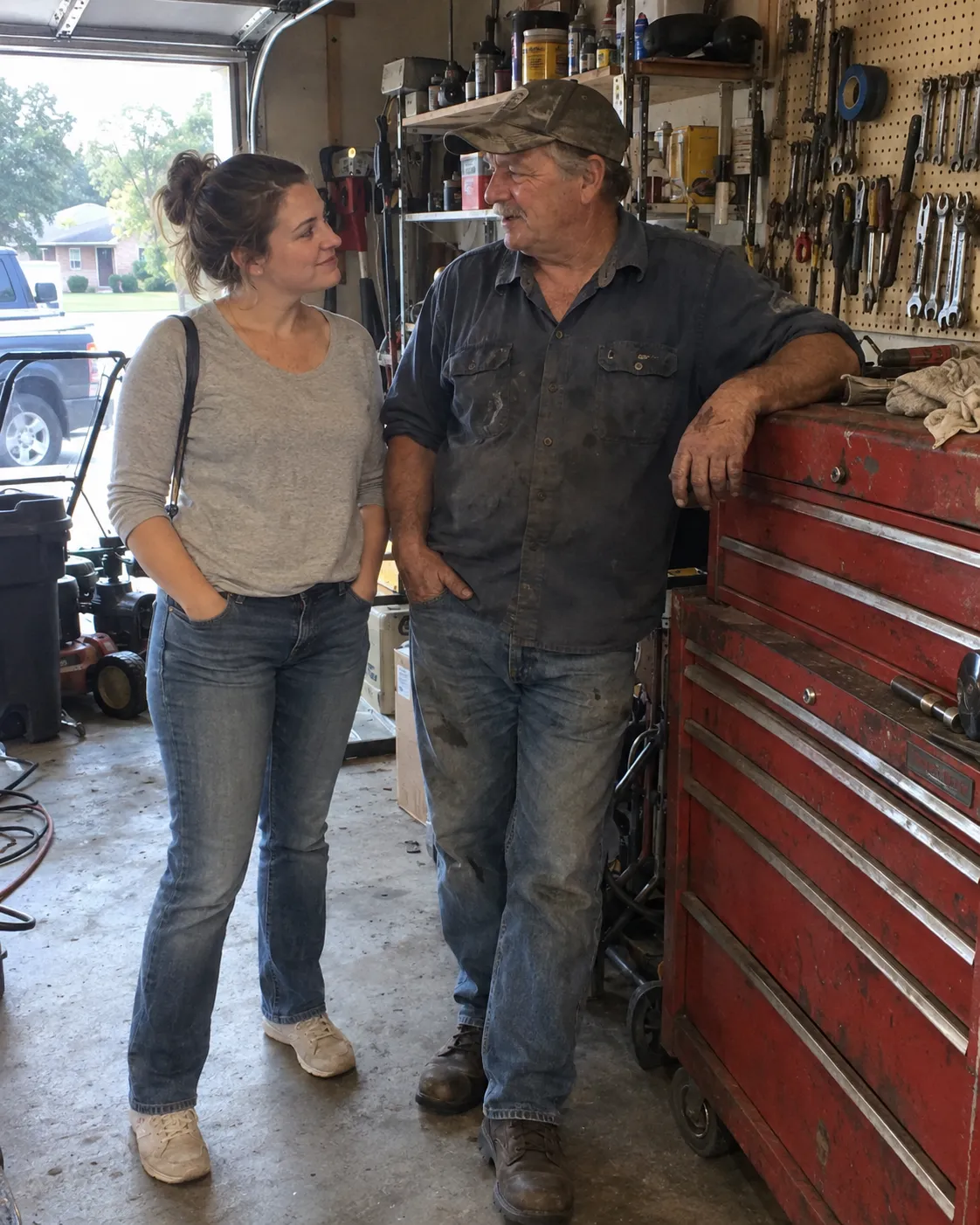
My Father Died Without Ever Saying What I Needed to Hear. Twelve Years Later, I Found His Letter.
Kenneth Walker Wellness
My Father Died Without Ever Saying What I Needed to Hear. Twelve Years Later, I Found His Letter.
Kenneth Walker Wellness
The Woman Who Ignored Every Big Claim on the Front
Kenneth Walker Wellness
My Father Kept My Seed Jar for 31 Years. I Finally Understood Why After My Wife Died.
Kenneth Walker Wellness
My Father Kept My Seed Jar for 31 Years. I Finally Understood Why After My Wife Died.
Kenneth Walker Wellness
My Father Kept My Seed Jar for 31 Years. I Finally Understood Why After My Wife Died.
Kenneth Walker Wellness

 Add to Chrome