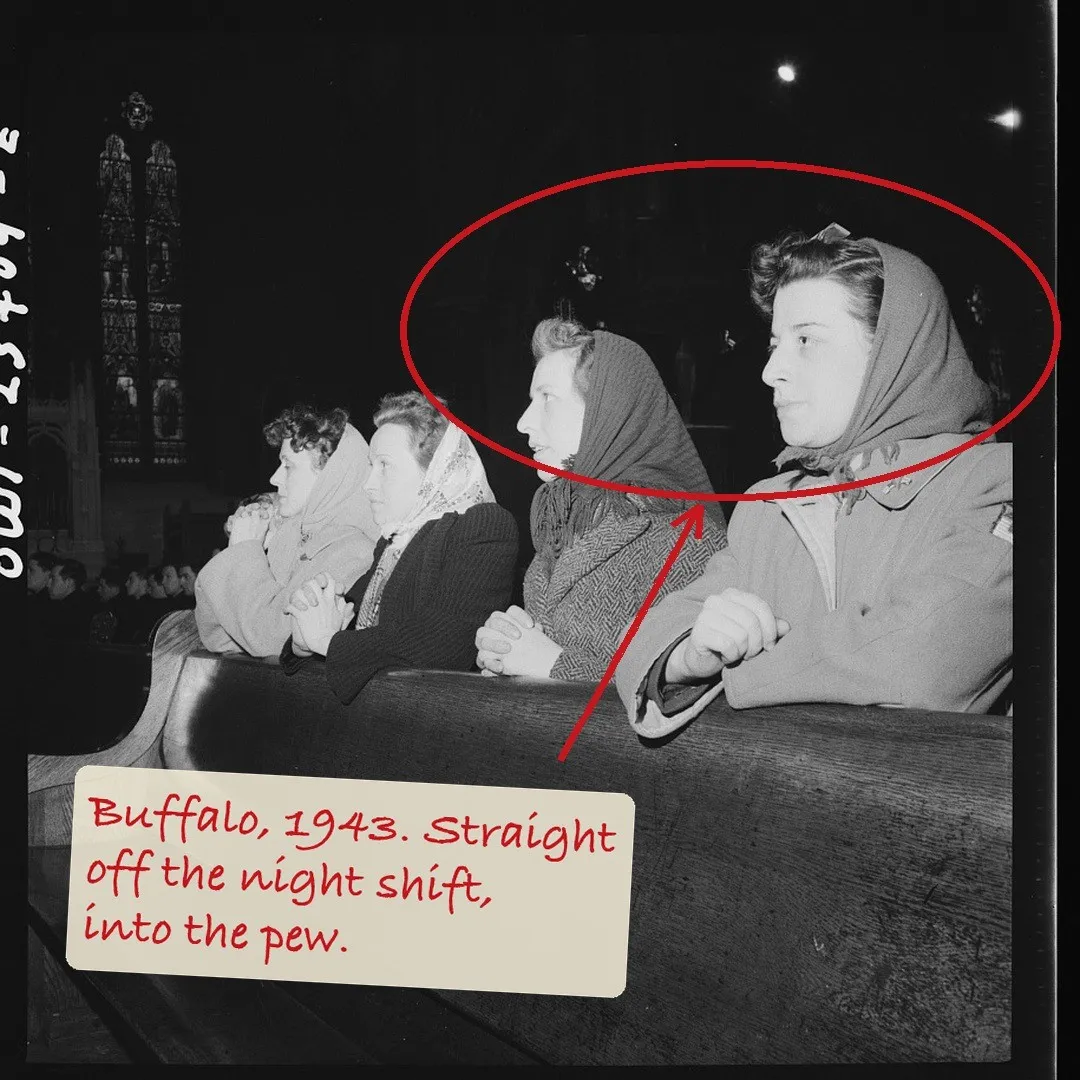
If you're a woman in America, read this 👆
Ad Copy
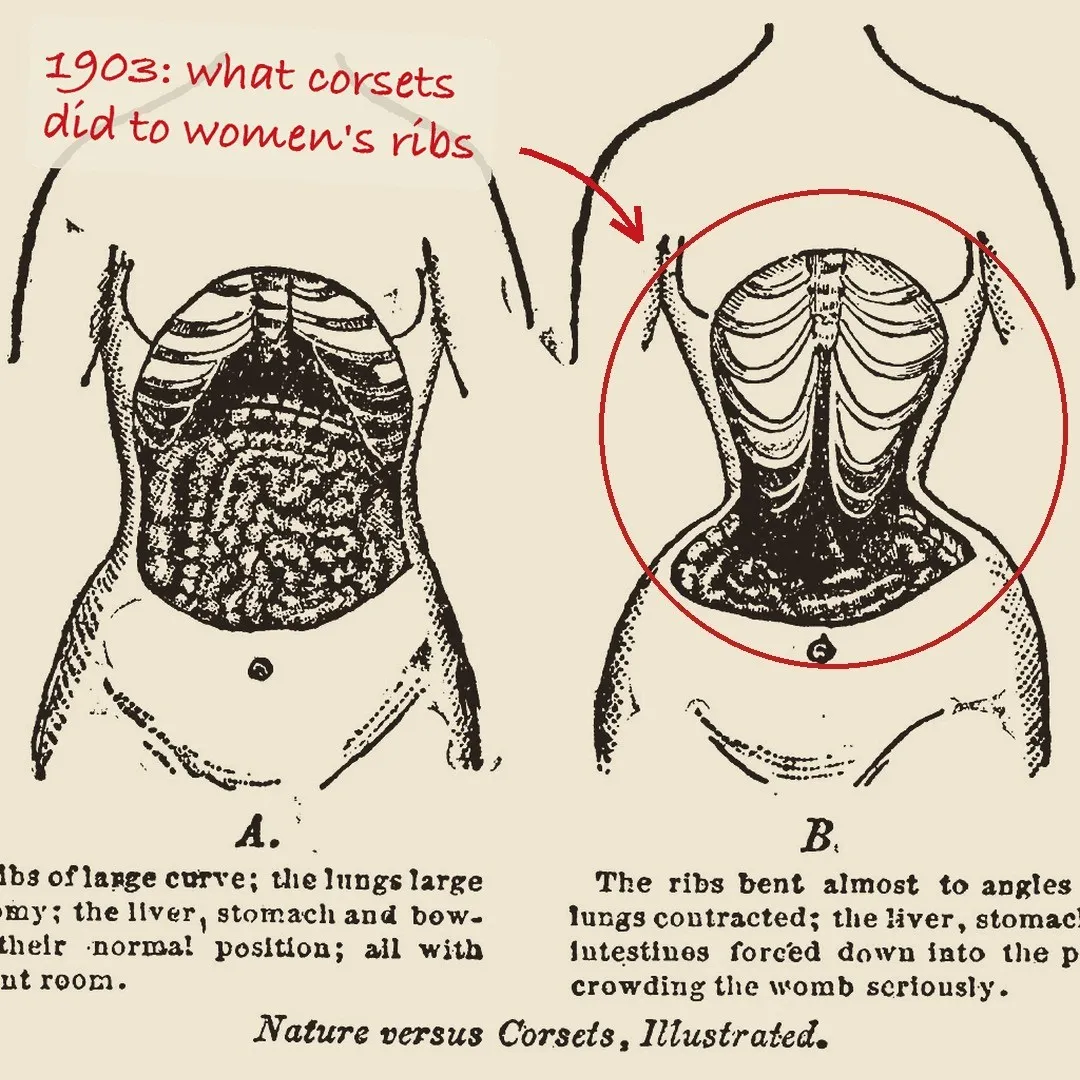
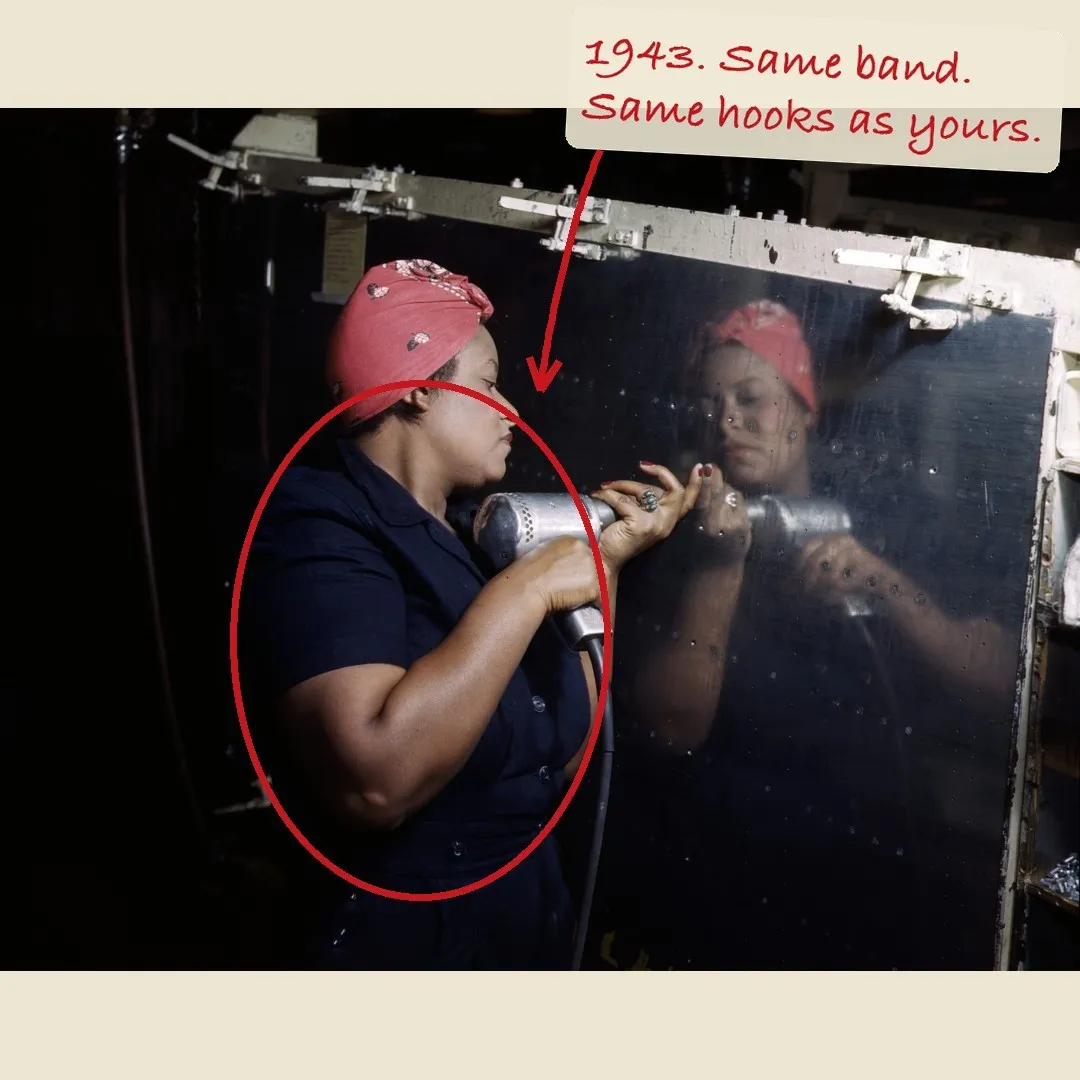
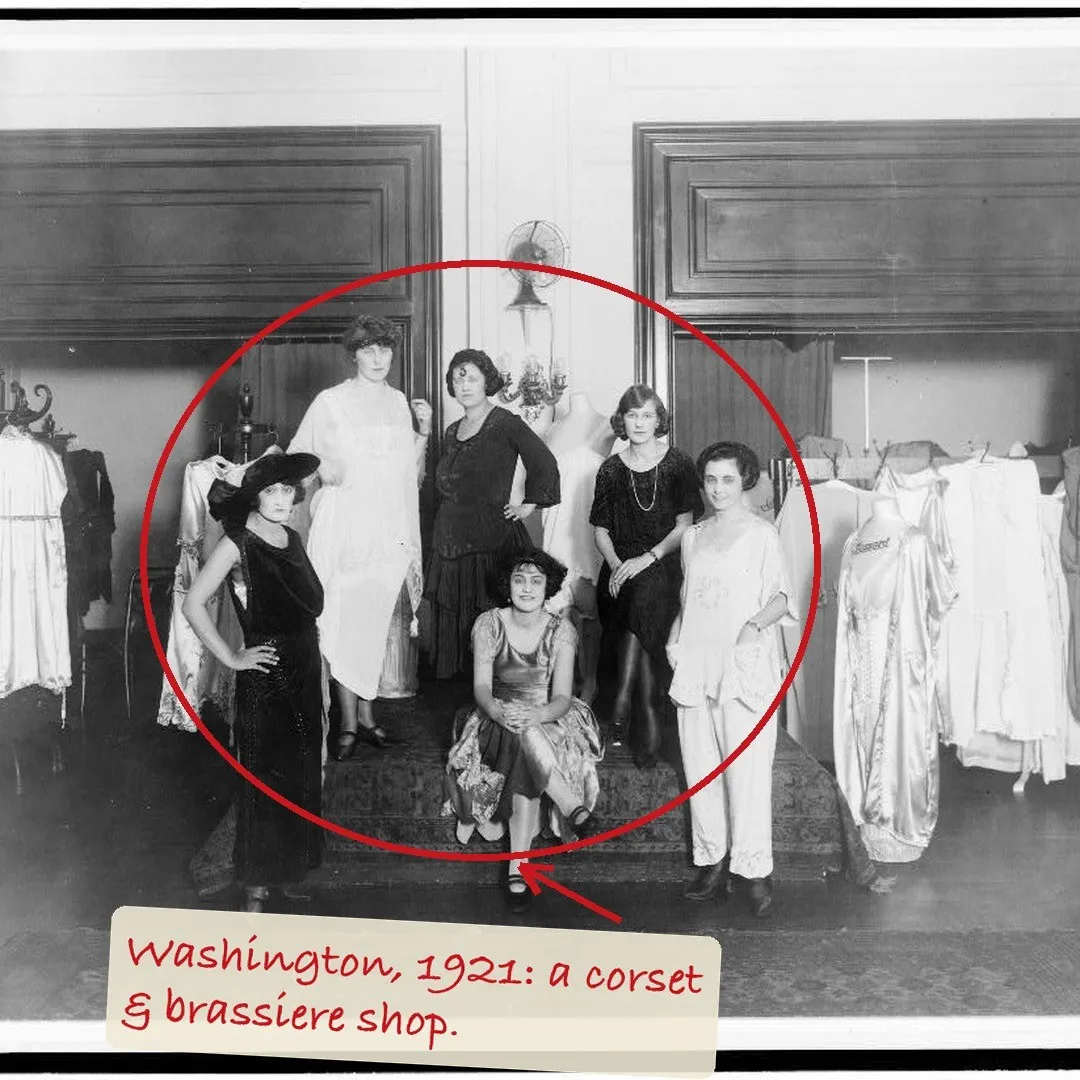
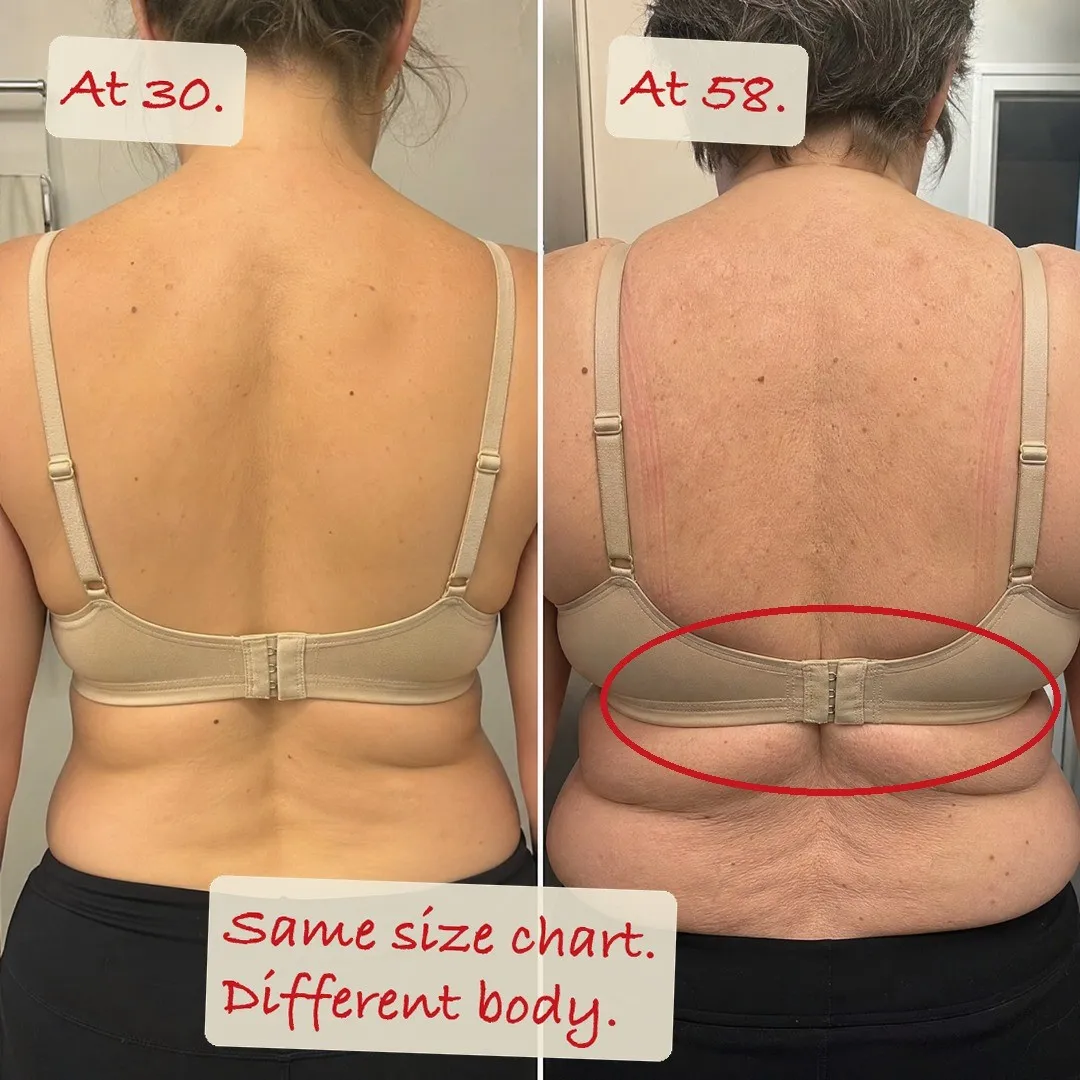
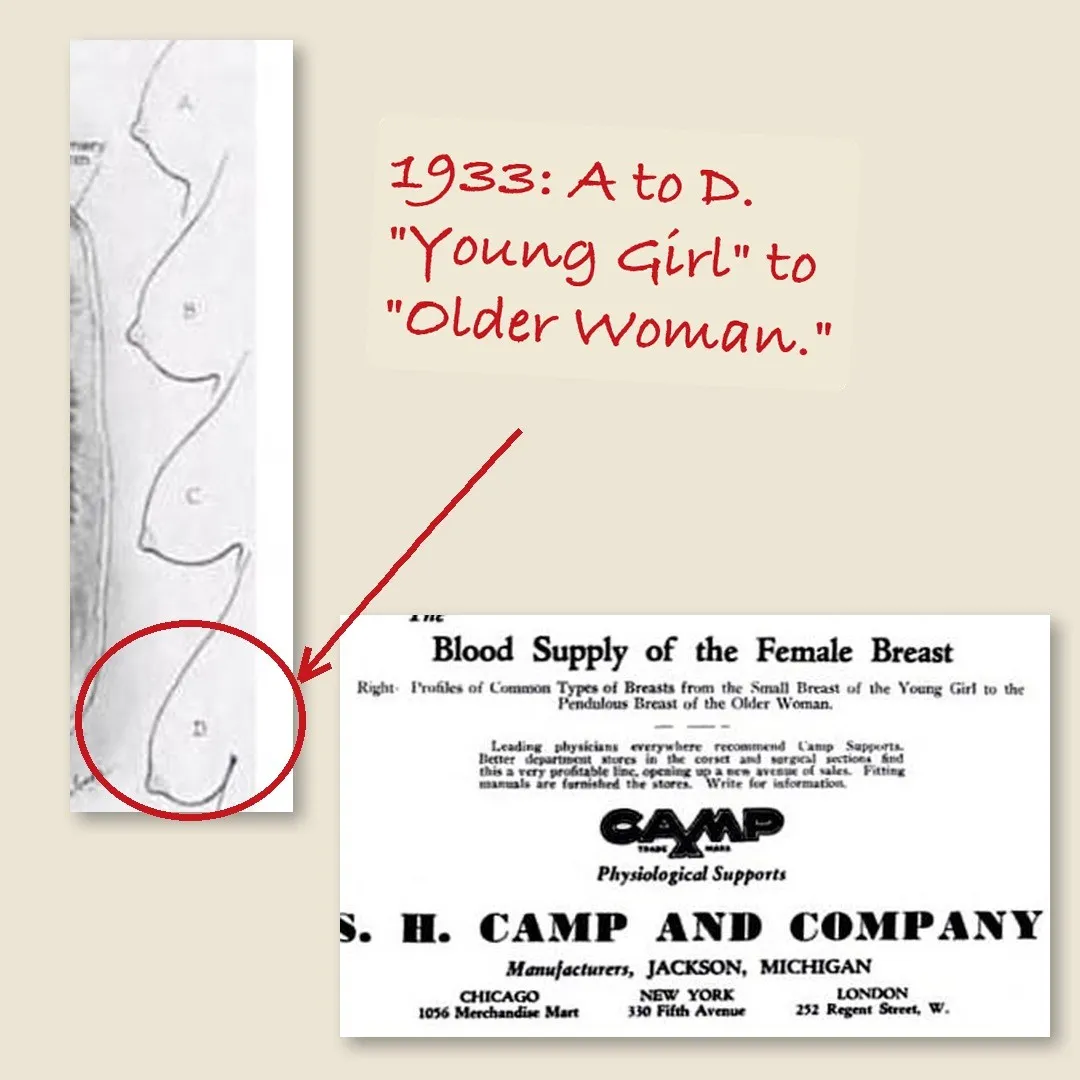
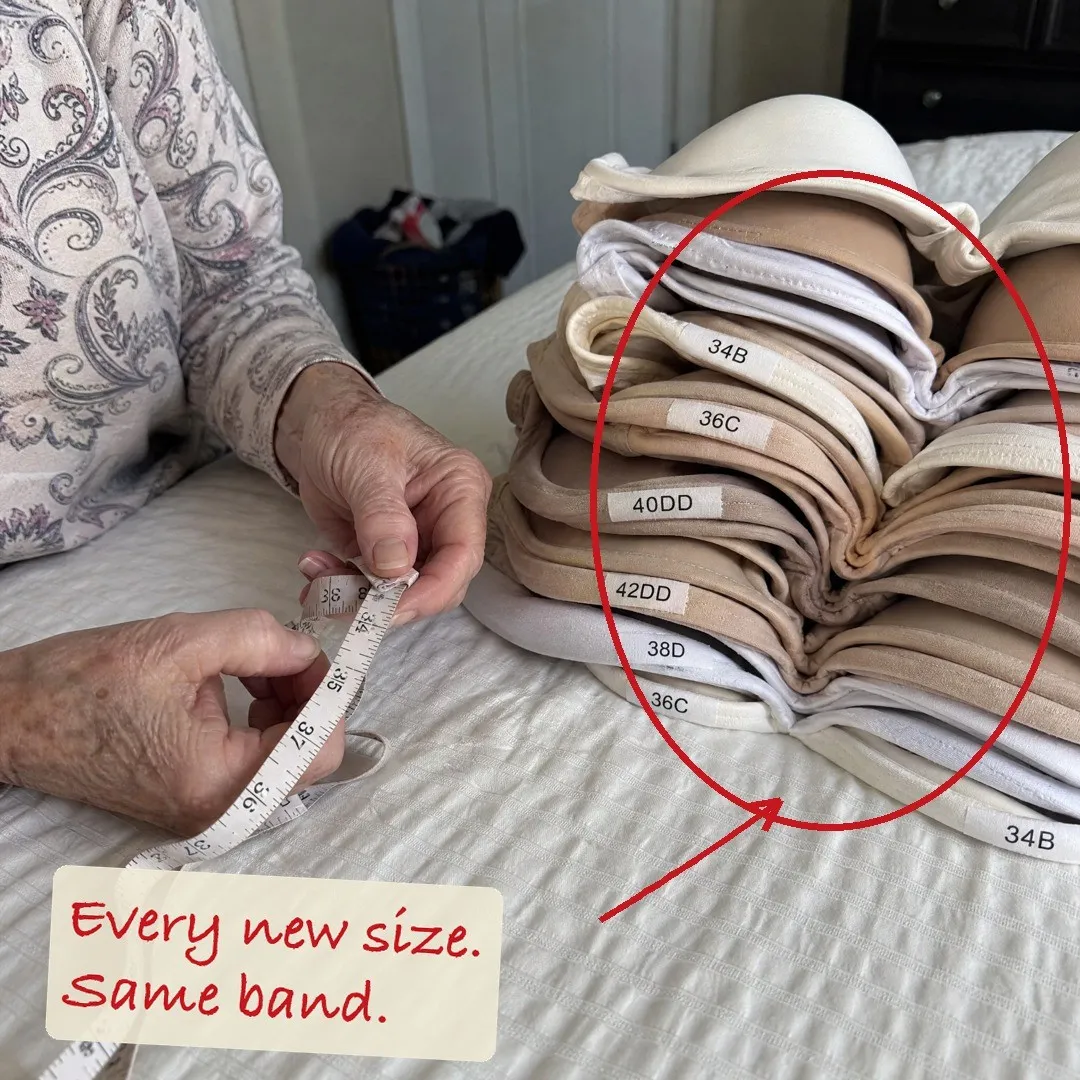
Every time this country asked American women to change what they wore, they changed. Boston, 1874. Washington, 1942. Buffalo, 1943. Every time, in a single season. There is one thing under your clothes nobody ever asked them to change. Please read this carefully. Marlene said it to me in the church parking lot three Sundays ago. I was reaching behind my back to pull my band down for the third time since the opening hymn. "You know you're dressed like it's 1914." Honestly, it stung. I'd worn my good blouse. I'd done my hair. I thought I'd done everything right. I'd been measured twice that year. I'd bought the "comfort" ones, the "wireless" ones, the ones with the wide band that were supposed to fix it. Seven bras in my top drawer, and I still couldn't get through a 70-minute service without fixing one. Then she said the sentence that stopped me. "Every woman in that choir has changed her whole life since she was 30. Not one of them has changed her bra." I need to back up. THE PATTERN. I need to walk you through something that's been sitting in front of me since that Sunday. Not my bra. Something older. A pattern American women have repeated every single time this country asked them to change. Boston, spring 1874. Women filled the Freeman Place Chapel to hear four women doctors talk about what women wore. Dr. Mary Safford-Blake. Dr. Caroline Hastings. Dr. Mercy Jackson. Dr. Arvilla Haynes. So many women came that the lectures were repeated by request in the towns around Boston. Frank Leslie's Illustrated Newspaper put the meeting on its front page on June 20th, 1874: a woman holding up a new kind of undergarment for a room full of women in their Sunday hats. The book of those lectures, printed that same year, said it plainly: "If an undue fulness of bust needs support, let the support come from above, and not from below." Women went home and started changing what they wore underneath. They changed. In one season. Always. Washington, 1942. Pearl Harbor was a Sunday in December. By February 11th, the nylon that went into women's stockings was going to parachutes and rope instead, and stockings disappeared from the stores. Some women drew a seam up the back of each leg with an eyebrow pencil so nobody could tell. On April 8th, the War Production Board put out an order called L-85. It cut the cloth in every woman's dress. Hems no wider than two inches. No more than one pocket. Women didn't march on Washington about it. They took up their hems and went to work. They changed. In one season. Always. Buffalo, New York, April 1943. A government photographer named Marjory Collins walked into 9 a.m. Sunday Mass and photographed women from the war plants in the pews in slacks, scarves tied over their hair. They'd come straight off the third shift. They hadn't gone home to change. They went to church in their work clothes, because that's what their country needed them to be that year. They changed. In one season. Always. That's the pattern. The country needs something. Women change what they wear. Fast. Without being asked twice. And when it was over, they changed again just as fast. In June 1946, somewhere between 30,000 and 40,000 women lined up in Pittsburgh, about 16 blocks long, for 13,000 pairs of nylons. The stockings came back. The hems came back down. The scarves came off. Every piece of it moved. Every single time. THE ONE THING NOBODY CHANGED. Now look at what never moved. On November 3rd, 1914, the U.S. Patent Office approved a drawing by one young New York woman, made for one party. A band that goes around your ribs. Straps that hang from your shoulders. Hooks in the back. 1942 came. The hems changed. The bra didn't. 1943 came. Women wore slacks to Mass. The bra under the slacks didn't change. Then 1968. Then 1985. Then 2000. Now 2026. New colors. New fabric. New words on the tag. Turn any one of them around. Band. Straps. Hooks. The same 1914 drawing. That's the warning. It isn't hidden. It's in your top drawer. WHY IT GETS HARDER EVERY YEAR. Before I tell you what Marlene told me, you need to understand why this gets harder every year instead of easier. A bra holds you up one way. It squeezes. The band grips your ribs, and the cups only stay up because the band is tight. Whatever the band can't hold, the straps carry, and they hang from your shoulders. The hooks keep all of it closed at one spot on your back. That works on the body it was drawn for. A girl about 20, dressing for one night of dancing. Your body changed. It was supposed to. You carried babies. You carried groceries and grandbabies and casseroles to every funeral in town. The ribs, the shoulders and the back you have now are not the ones you had at 20. The design didn't change. So every year the same band has a little more to squeeze, and the same straps have a little more to carry. That's not you failing. That's a 1914 drawing on a 2026 body. And here's the part that took me the longest to see. Every fix they sell you is more of the same. A wider band to spread the squeeze. More hooks to hold the wider band. Padded straps so the shoulders can carry more. Every "new" bra is the 1914 drawing asking your body to work a little harder. THE WAY OUT. Now go back to that chapel in Boston in 1874. "Let the support come from above, and not from below." Women knew it 150 years ago. The answer was never a tighter band. It was support built into what you wear, instead of strapped around you. Marlene has sewn every choir robe in our church for 22 years. She's had her tape measure on half the women in that sanctuary. She knows what's under every robe, and she knows what it does to them by the second hymn. "Ecclesiastes 3," she said to me in that parking lot. "To every thing there is a season. You had your season for that bra. It's over." "So what do I wear?" "What I wear." She moved the neck of her blouse over an inch so I could see. "It's a tank top with a real bra sewn inside. Avouria. Two real cups, right where they should be. No band around your back. No wire. No hooks. You pull it on like a T-shirt." https://avouria.com/products/avourias-built-in-comfort-bra-tanktop "You've sewn robes for 22 years and you wear a tank top?" "I've sewn robes for 22 years and I've watched every woman in that choir loft tug at her band during the offertory. I used to be one of them. I don't tug anymore. Support from above, not from below. They wrote that down in a chapel in 1874. It took me 60 years to read it." "Why didn't anybody tell us?" "Because we kept buying the band. Every time it bothered us, we bought a softer band, a wider band, a band with more hooks. We never stopped to ask why there had to be a band at all. The women in 1874 asked. The women in 1942 didn't wait to be asked. We're the first generation that just kept buying the same thing." https://avouria.com/products/avourias-built-in-comfort-bra-tanktop I went home and laid my seven bras out on the bed, turned around. Seven bands. Seven sets of hooks. Seven of the same 1914 drawing, bought over seven years, each one supposed to be the one that finally fixed it. I went to the website that afternoon. Ordered one. Then two more. My husband asked why three. "Because every generation of women in this country changed when it was time. My grandmother took up her hems in 1942. My mother changed every time we needed her to. I've been wearing the same thing since I was 13." He was quiet. Then he said, "So change." The first Sunday I wore it, I sat through the whole service. Stood for every hymn. Hugged everybody at the door. I didn't reach behind my back once. Marlene caught my eye across the parking lot and just nodded. The next Sunday, two women from the alto section asked me what I'd done different. I told them about Boston in 1874, and Buffalo in 1943, and the drawing from 1914. One of them laughed. The other one went quiet, then reached behind her back and pulled her band down, right there on the church steps, without even noticing she'd done it. https://avouria.com/products/avourias-built-in-comfort-bra-tanktop Every generation of American women has been asked to change, and every generation did. Their undergarments in 1874. Their hems in 1942. Their Sunday clothes in 1943. Their whole lives, every decade since. The answer was written down before the band was ever patented. Forty years before. In a chapel. By women, for women. Support from above, not from below. It sat in a book while more than a hundred years of bras were sold with a band around the ribs. The only thing that never changed is the one thing that was drawn for somebody else. This is your season to change it. It comes with a 90-day Perfect Fit Guarantee. If the size is wrong, you just exchange it. https://avouria.com/products/avourias-built-in-comfort-bra-tanktop P.S. Ecclesiastes 3:1. "To every thing there is a season, and a time to every purpose under the heaven." The women in that Boston chapel changed. The women of 1942 changed. The women at Mass in their slacks in 1943 changed. This is your season. https://avouria.com/products/avourias-built-in-comfort-bra-tanktop
More from Women of America
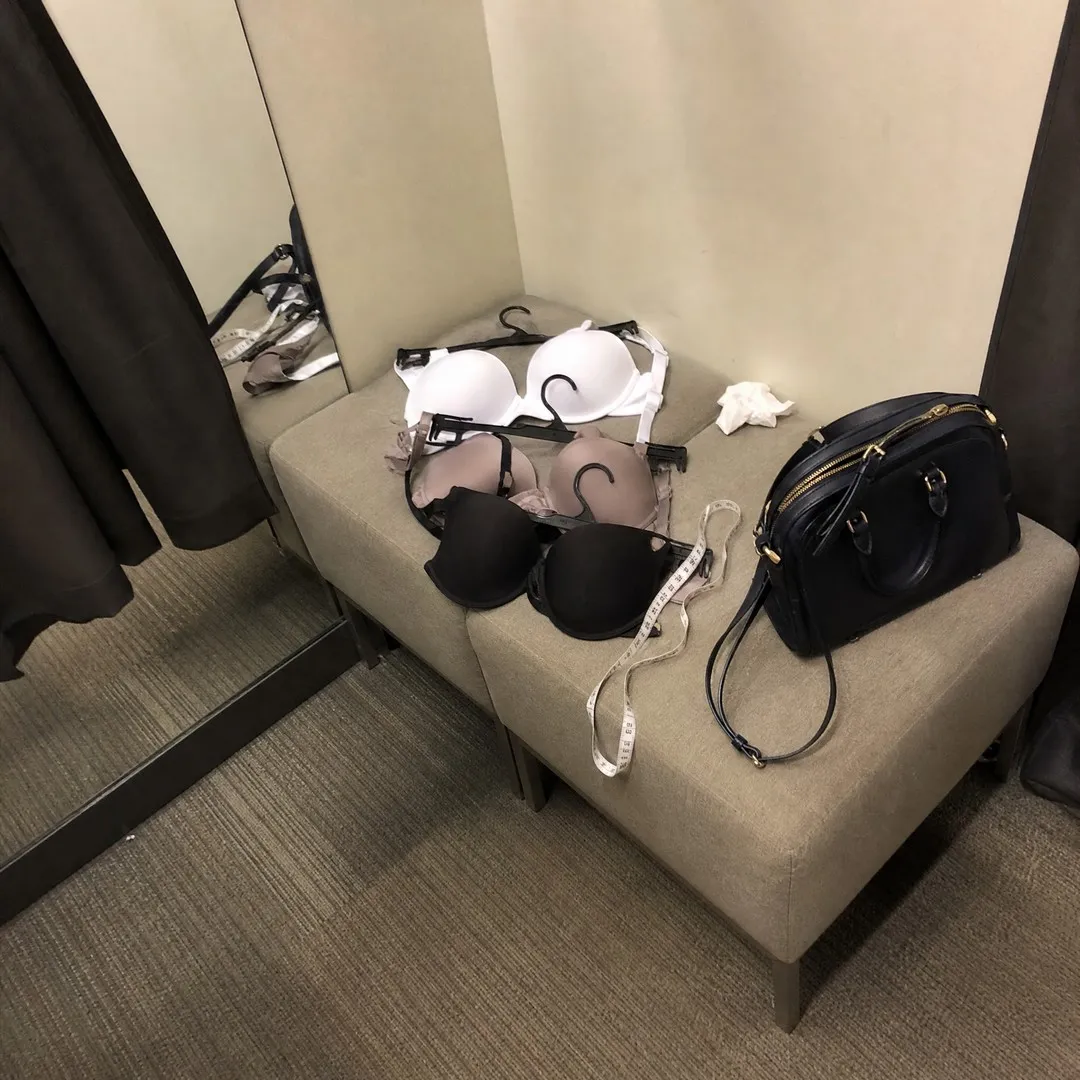
If you're a woman over 50, read this 👆
Women of America

Rip your bra off at home? Read this 👆
Women of America
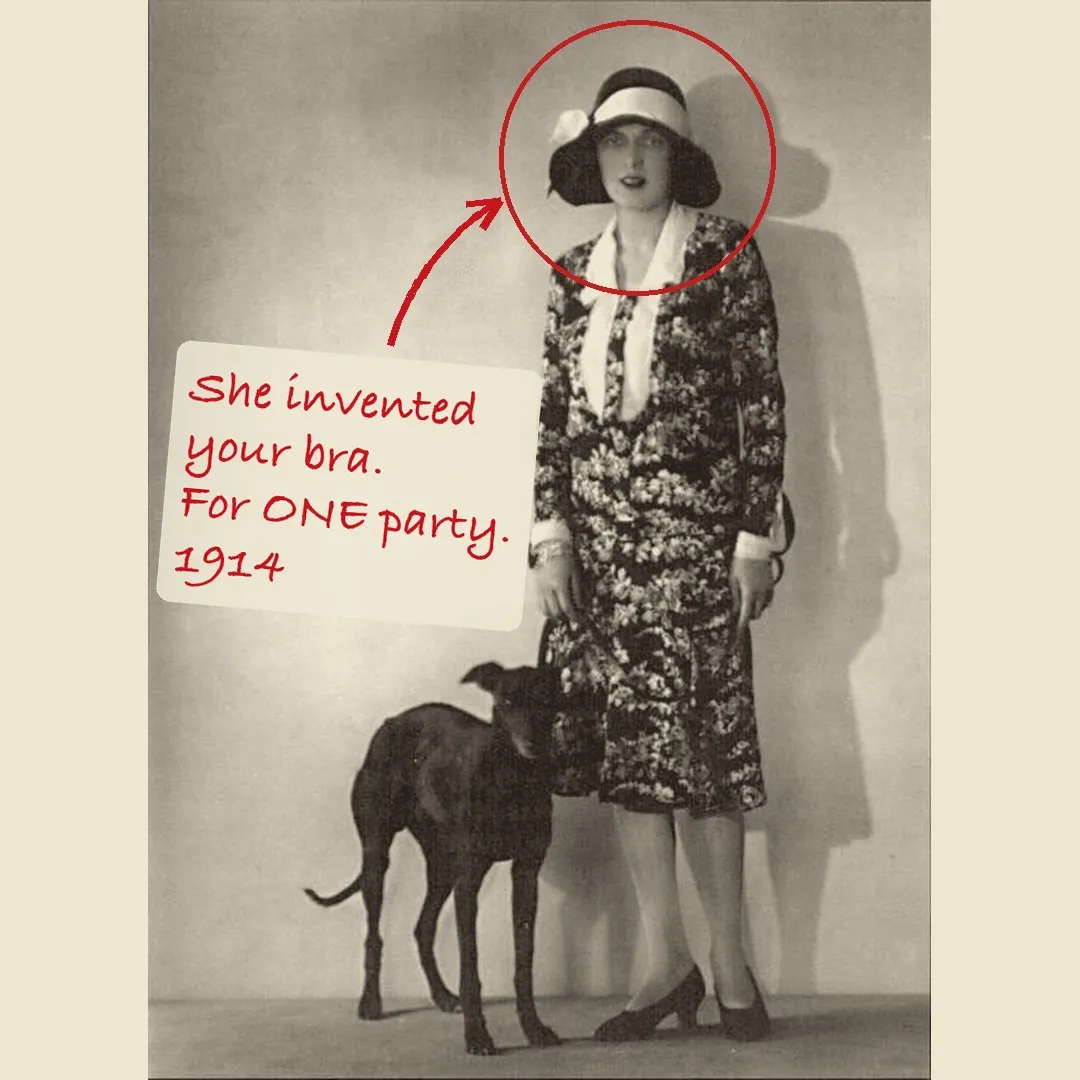
Worn a bra since 13? Please read this 👆
Women of America
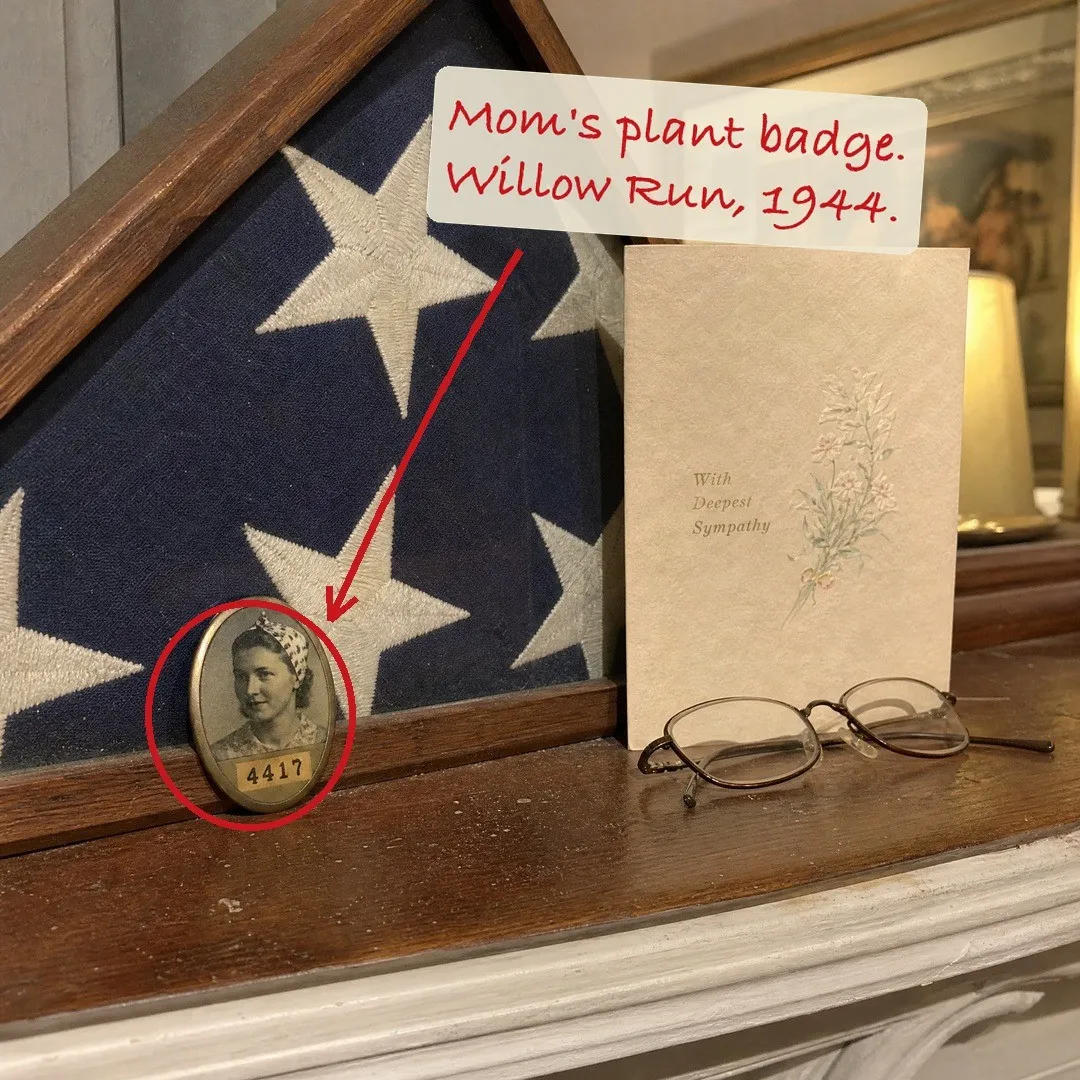
If you're a woman in America, read this 👆
Women of America
Worn a bra since 13? Please read this 👆
Women of America
Worn a bra since 13? Please read this 👆
Women of America
If you've lost weight lately, read this 👆
Women of America
Worn a bra since 13? Please read this 👆
Women of America
If you're a woman in America, read this 👆
Women of America
If you're a woman over 50, read this 👆
Women of America
If you've lost weight lately, read this 👆
Women of America
If you're a woman over 50, read this 👆
Women of America

 Add to Chrome