If you're a woman in America, read this 👆
Ad Copy
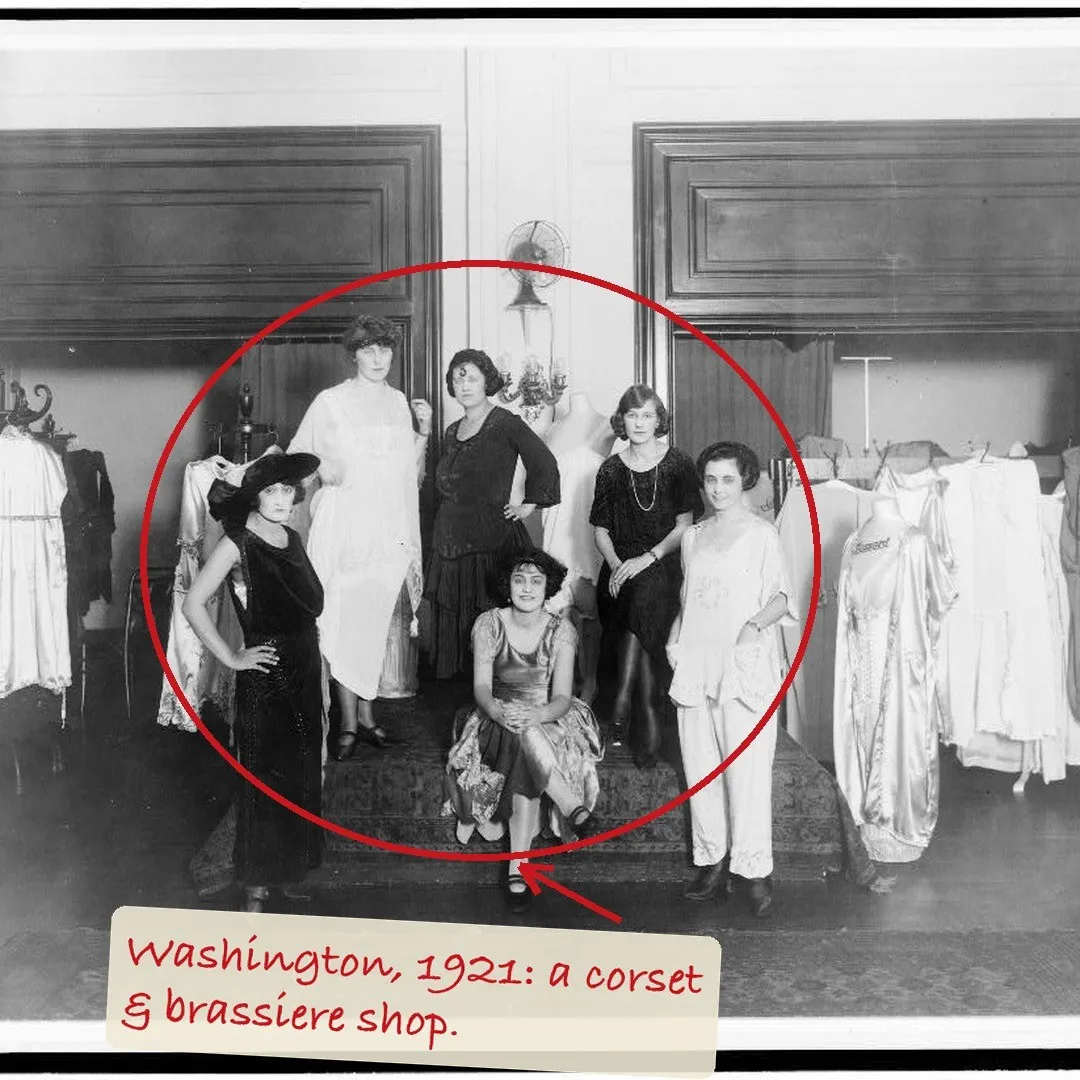
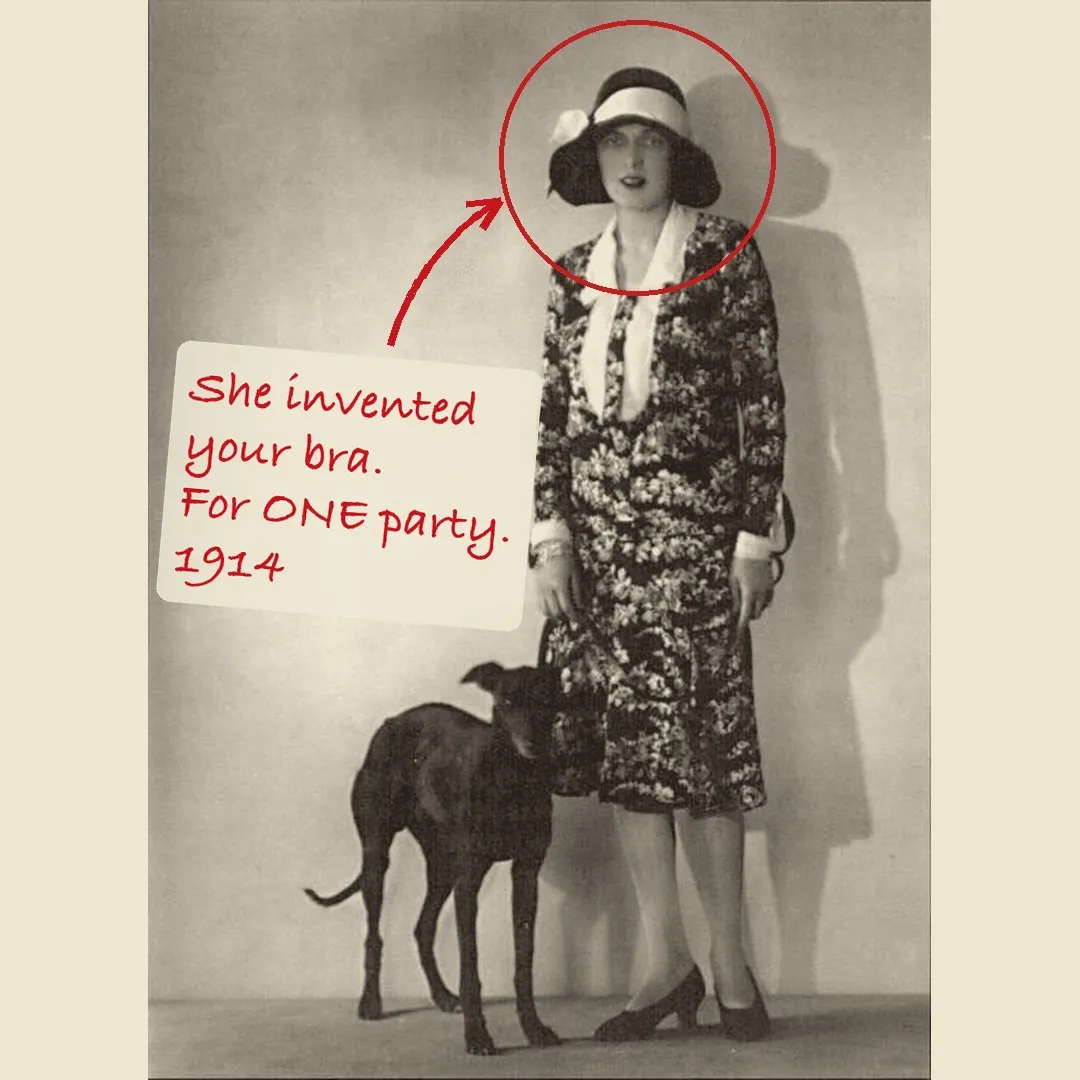
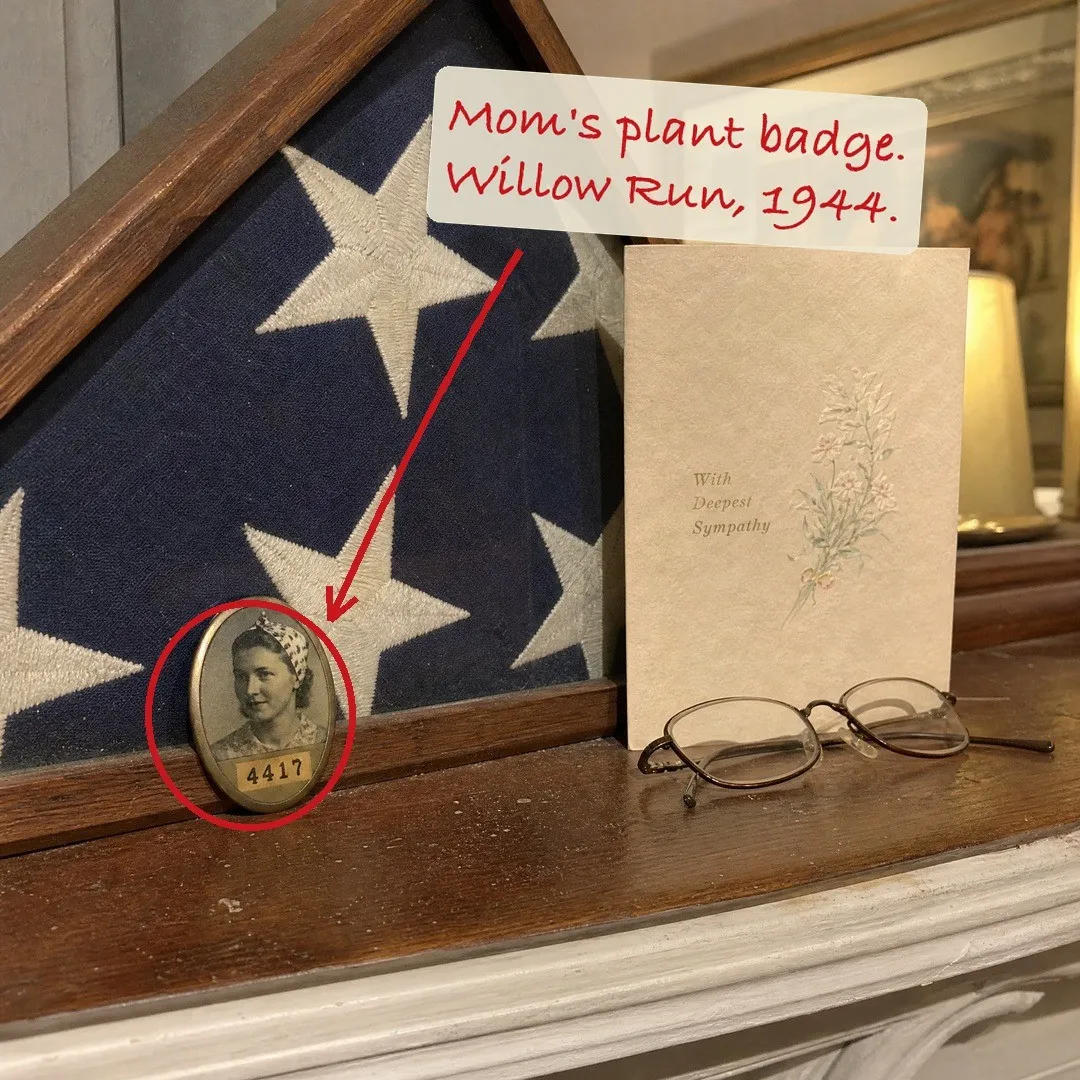
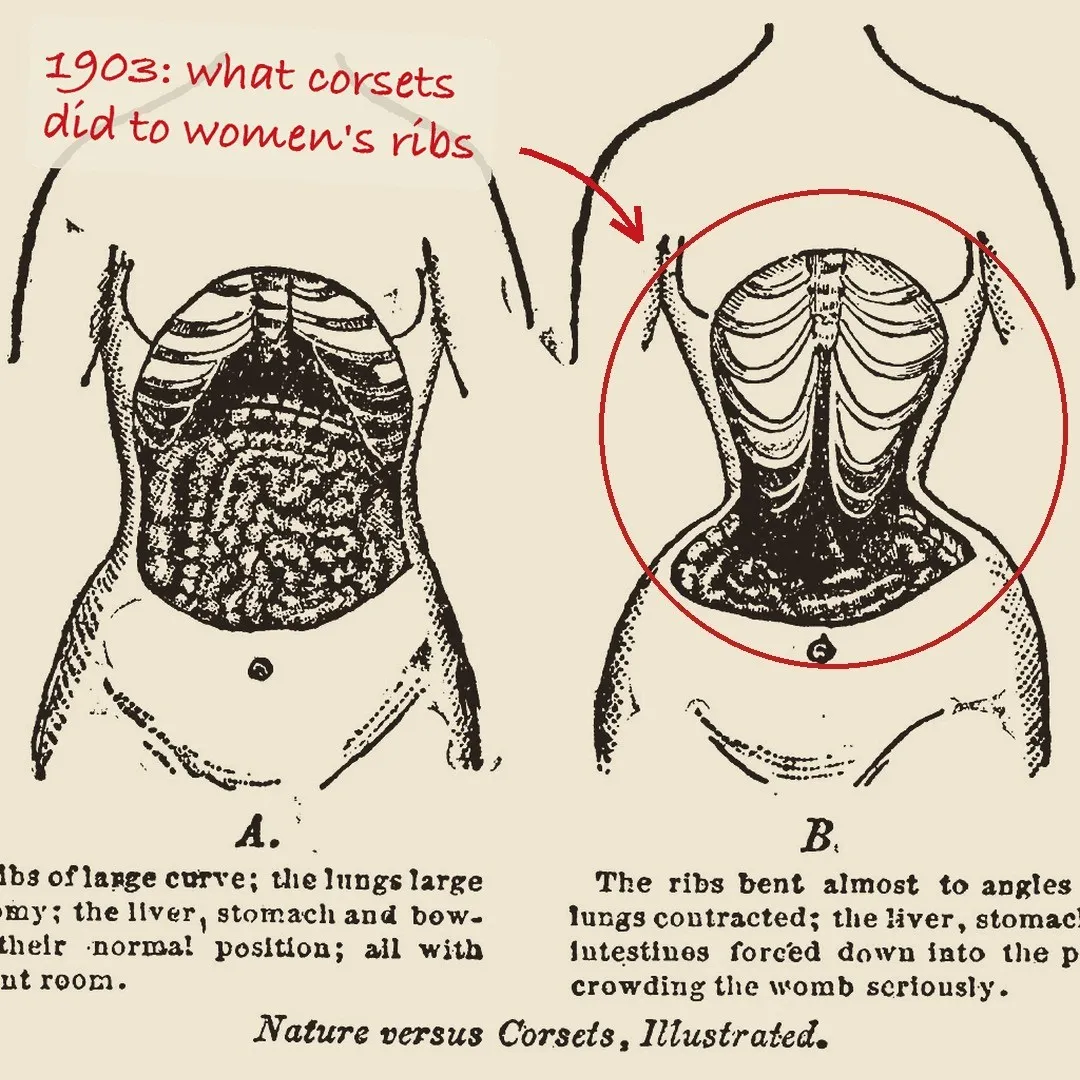
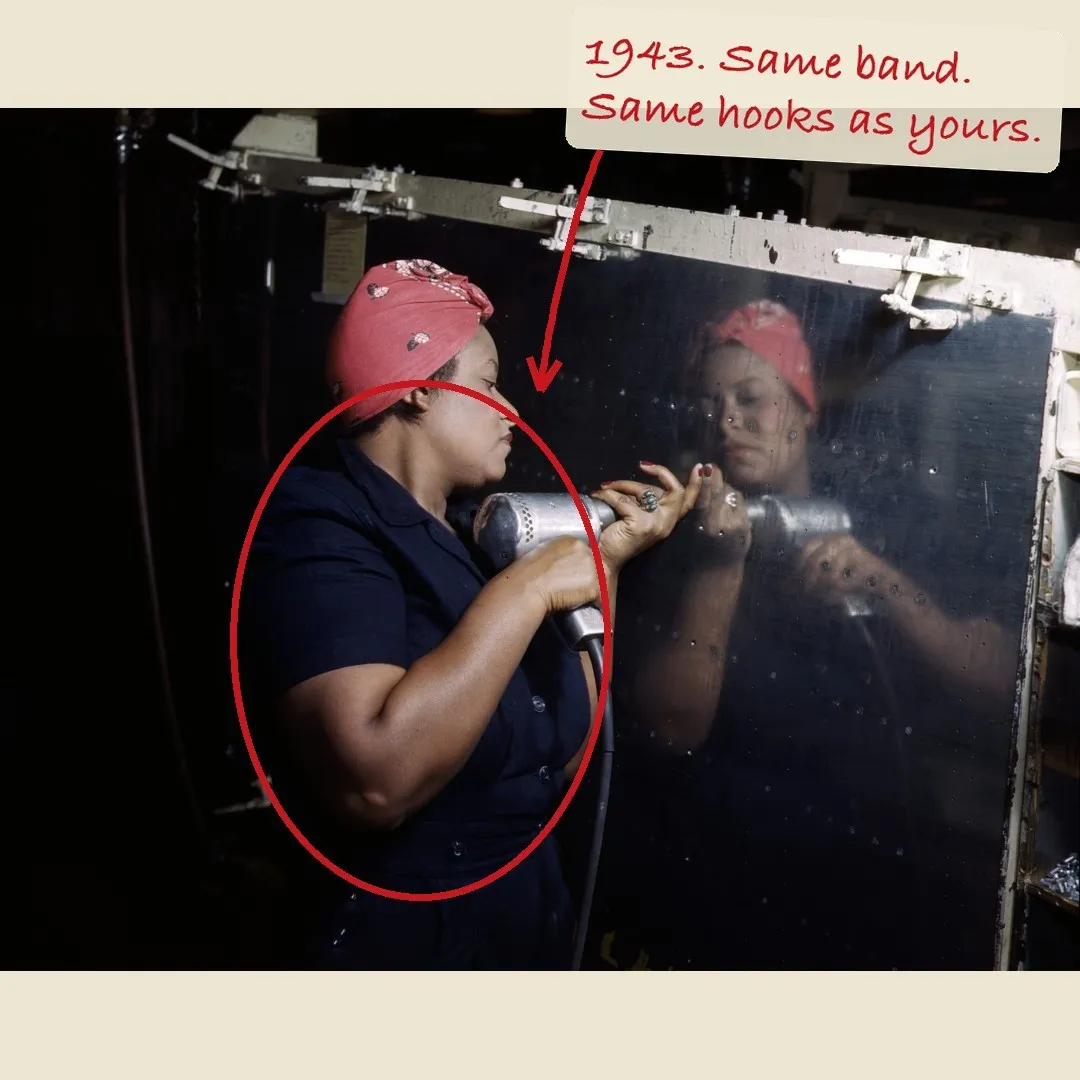
My name doesn't matter. My job does. For 14 years I've sorted photographs of American women from two world wars in a history museum archive. This fall I couldn't leave them at the museum anymore. Seven of us who work in that archive are doing something at home we've never done before. Dot said it to me last month, holding a 1942 photograph up to the light table. "You know you're wearing her bra." Honestly, it stung. I'm the one who catalogs that collection. I know those photographs better than my own family albums. I thought I knew everything in those boxes. Every date. Every plant. Every caption a government photographer typed up in 1942. I've walked veterans' wives and church groups and a busload of retired nurses through every one of them. Then she said the sentence that stopped me. "The girl in this picture was about 20. You're 61. Only one of you changed." I need to back up. My name doesn't matter. My job does. For 14 years I've volunteered in the photo archive of a home-front history museum in Michigan. Every Tuesday I sort, sleeve and label photographs of American women from the two world wars. In 14 years I've never taken that archive home with me the way I have this fall. I'm going to tell you two things. What I see in the boxes. And what I see in my own mirror. Because the distance between those two things is the part nobody tells women our age. WHAT I SEE IN THE BOXES. Women changing. Fast. In 1942 and 1943 the government sent photographers into the war plants. The originals are at the Library of Congress, and copies of a lot of them are in our boxes. Women spot-welding bomber parts at Willow Run. Women in slacks at the time clock at the De Soto plant in Detroit. Women with their hair tied up in bandanas so it wouldn't catch in the machines. In about a year, they changed their hair, their hems, their stockings and their pants. In 1940, about 27 out of every 100 American workers were women. By 1945, it was nearly 37. You can watch it happen box by box. The skirts get shorter. The slacks show up. The bandanas show up. By 1943 the women in the factory photos don't dress like their mothers anymore. And then there are two photographs I keep coming back to. The first is from about 1921. A fashion show at the Wells Shop, 1331 G Street in Washington, D.C., a store that sold corsets, brassieres, hats and bonnets. Six young women posed in the showroom. One in a big black hat. One in white silk pajamas. Racks of slips and nightgowns behind them, an electric fan on the wall. It looks like another world. The second is from the spring of 1942. A fashion show put on by the Chrysler Girls' Club at the Saks Fifth Avenue store in Detroit. One young woman modeling a brassiere and a girdle, standing next to a carved chair, her hair pinned up in rolls. Twenty-one years apart. Everything around those women changed. The hair. The hemlines. The shoes. A world war started. The idea under it didn't. A band around the ribs. Straps from the shoulders. Hooks in the back. The same drawing the U.S. Patent Office approved on November 3rd, 1914, for one young woman going to one party. And look at who's modeling it. Young women. Every time. About 20. WHAT I SEE IN MY MIRROR. I'm 61. Three children. Thirty-some years of carrying things. My body changed. It was supposed to. The bra I put on every morning is still drawn for the girl in the 1942 photograph. Here's what that looks like on a Tuesday. Six hours bent over a light table. By lunch the band has crawled up my back, and I'm pulling it down with one hand while I hold a photograph with the other. That's not my body failing. That's a 1914 drawing on a 61-year-old woman. WHAT WE DID. I told my husband that night. Not about the photographs. About the distance. The girl in the picture is who the bra was drawn for. I'm not. He asked what I was going to do. I told him what Dot had already done. Dot spent 30 years as the costume mistress for a community theater. She has dressed actresses for every decade from the Civil War to the 1970s. She can tell you how almost any garment in history was built just by turning it inside out. She explained it to me in the parking lot after our shift. "For 30 years I built what women wore under every decade. Corsets. Bodices. Bust supporters. Then in 1914 it all shrinks down to two cups and a band around the ribs. And that's where it stayed." "How many bras do you own?" she asked me. "Maybe eight." "Eight bands. You've been buying a better band every couple of years since you were 13. A wider one. A softer one. One with more hooks. You'll be buying them until you're 90, and every one of them will be the same drawing as the girl in that 1942 photograph. A better band is still a band." "So what do you wear?" "Something built a different way." She'd been wearing it since spring. A tank top with a real bra sewn inside. Avouria. Two real cups. No band around your back. No wire. No hooks. You pull it on like a T-shirt. "I've turned a thousand garments inside out," she said. "This is the first bra I've seen since 1914 that's built in instead of strapped on." Dot wasn't the only one. By the end of the summer, three of us in the archive were wearing one. By the time we pulled the photographs for the Veterans Day display, five. By the week after, seven. Seven of the eleven women who volunteer in that back room. Nobody coordinated it. Nobody sent an email. Women who handle the same photographs every week looked at the same 1921 and 1942 pictures and came to the same conclusion. The world changed. The bra didn't. So we changed it ourselves. I ordered mine the weekend after Dot showed me hers. I wore it the next Tuesday. Six hours at the light table. Bending, reaching, climbing the step stool for the top shelf boxes. I didn't reach behind my back once. At lunch Dot looked at me across the break room table and didn't say a word. She didn't have to. My granddaughter was over for dinner that night. She's 12. She asked why I'd worn a tank top under my cardigan to the museum. "Because I'm comfortable, honey." She's old enough to ask. Not old enough for the whole answer. The whole answer is in two photographs in a gray box, 21 years apart, with the same band-and-hooks idea in both of them. This is the same one seven of us in the archive wear: https://avouria.com/products/avourias-built-in-comfort-bra-tanktop When the women who catalog the history of what women wore start changing what they wear, pay attention. None of us bought a better bra. All of us stopped wearing a band. https://avouria.com/products/avourias-built-in-comfort-bra-tanktop Fourteen years in the archive. Two photographs. The same 1914 idea in both. The women in those boxes changed everything for their country. We finally changed the one thing nobody changed for them. It comes with a 90-day Perfect Fit Guarantee, so if the size is wrong, you just exchange it. https://avouria.com/products/avourias-built-in-comfort-bra-tanktop P.S. Look the 1942 photograph up yourself. Library of Congress, Chrysler Girls' Club fashion show, Detroit, spring 1942. Then go to your drawer and turn your own bra around. Same band. Same hooks. Eighty-four years later. https://avouria.com/products/avourias-built-in-comfort-bra-tanktop
More from Women of America
If you're a woman over 50, read this 👆
Women of America
If you're a woman in America, read this 👆
Women of America

Rip your bra off at home? Read this 👆
Women of America
Worn a bra since 13? Please read this 👆
Women of America
If you're a woman in America, read this 👆
Women of America
Worn a bra since 13? Please read this 👆
Women of America
Worn a bra since 13? Please read this 👆
Women of America
If you've lost weight lately, read this 👆
Women of America
Worn a bra since 13? Please read this 👆
Women of America
If you're a woman over 50, read this 👆
Women of America
If you've lost weight lately, read this 👆
Women of America
If you're a woman over 50, read this 👆
Women of America

 Add to Chrome