If you're a woman over 50, read this 👆
Ad Copy
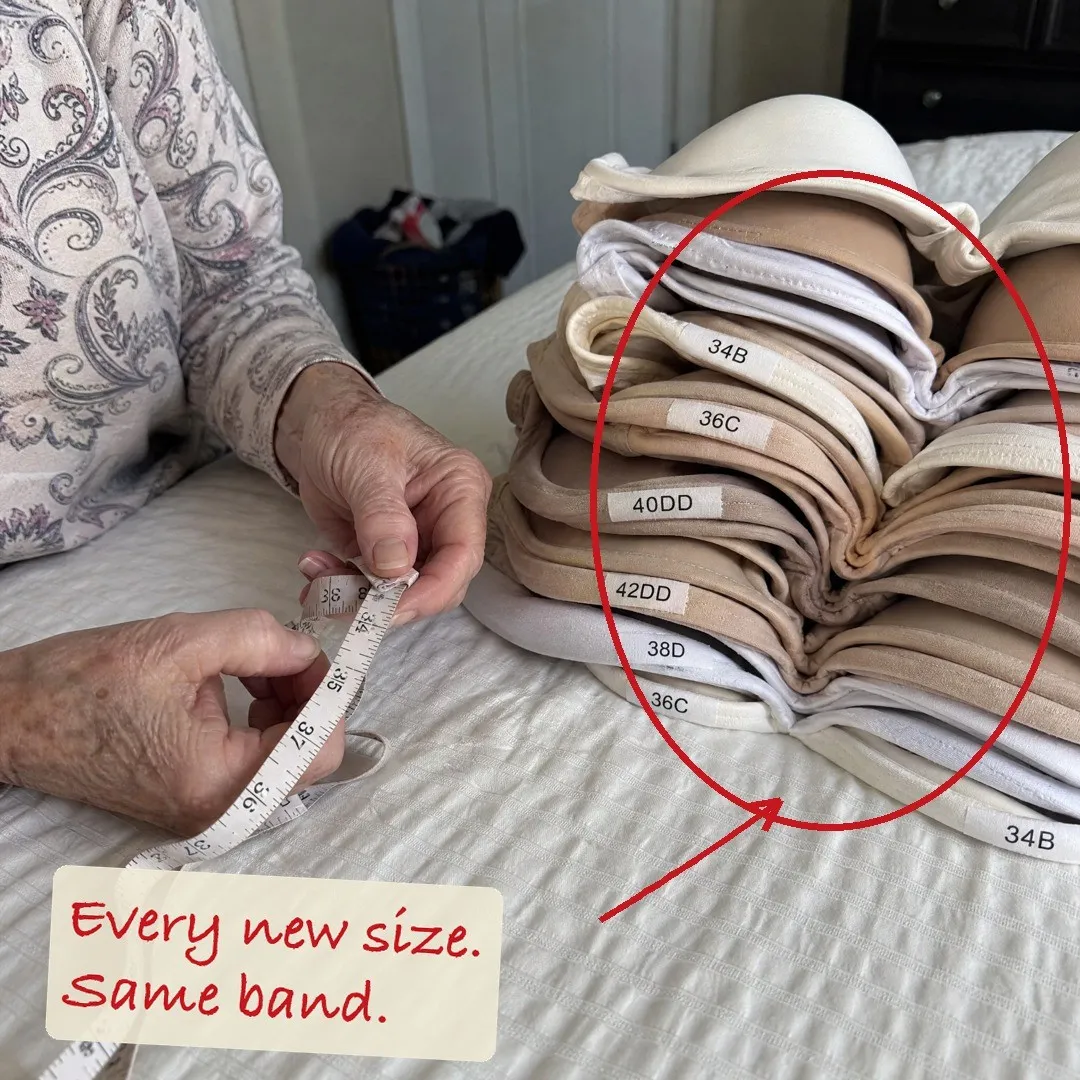
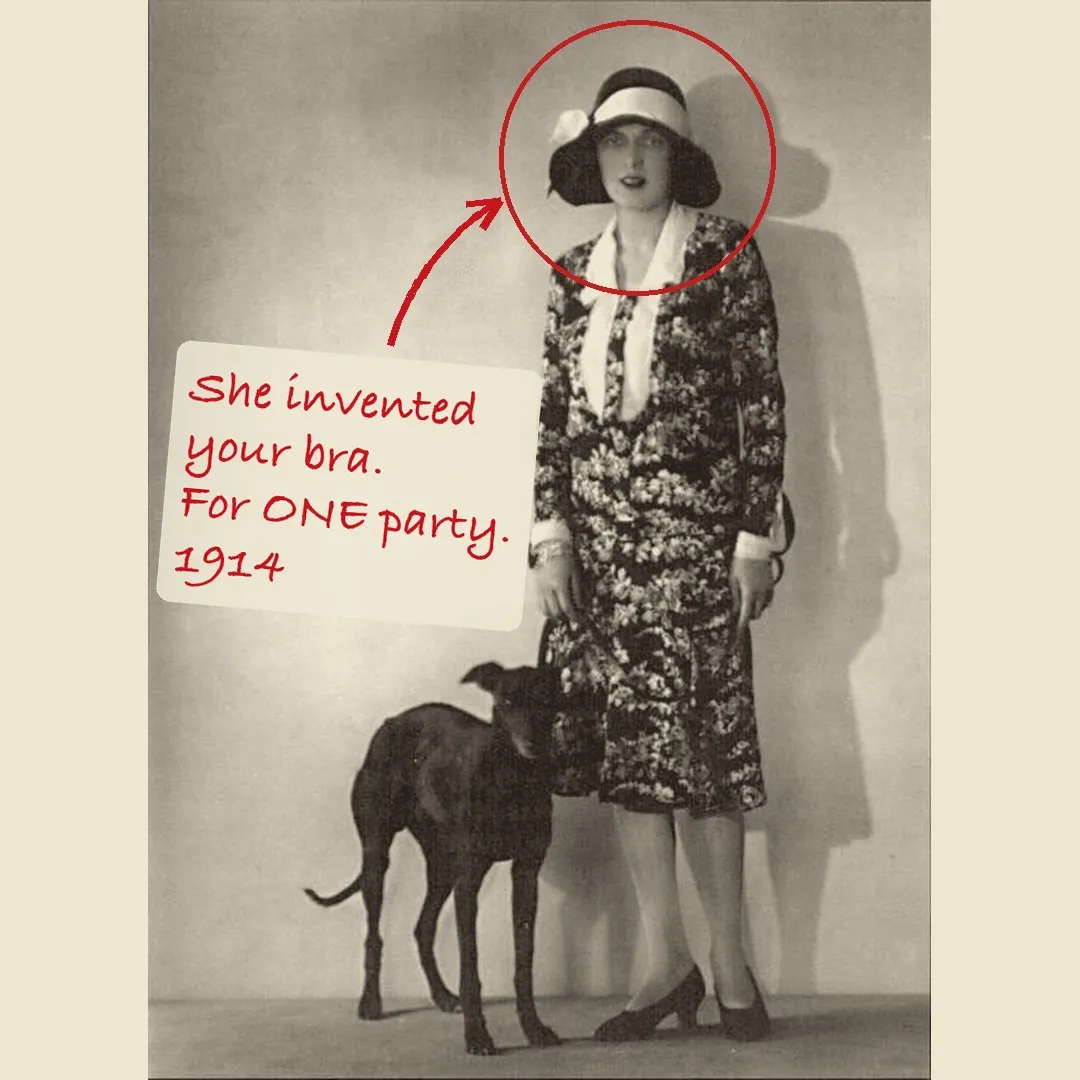
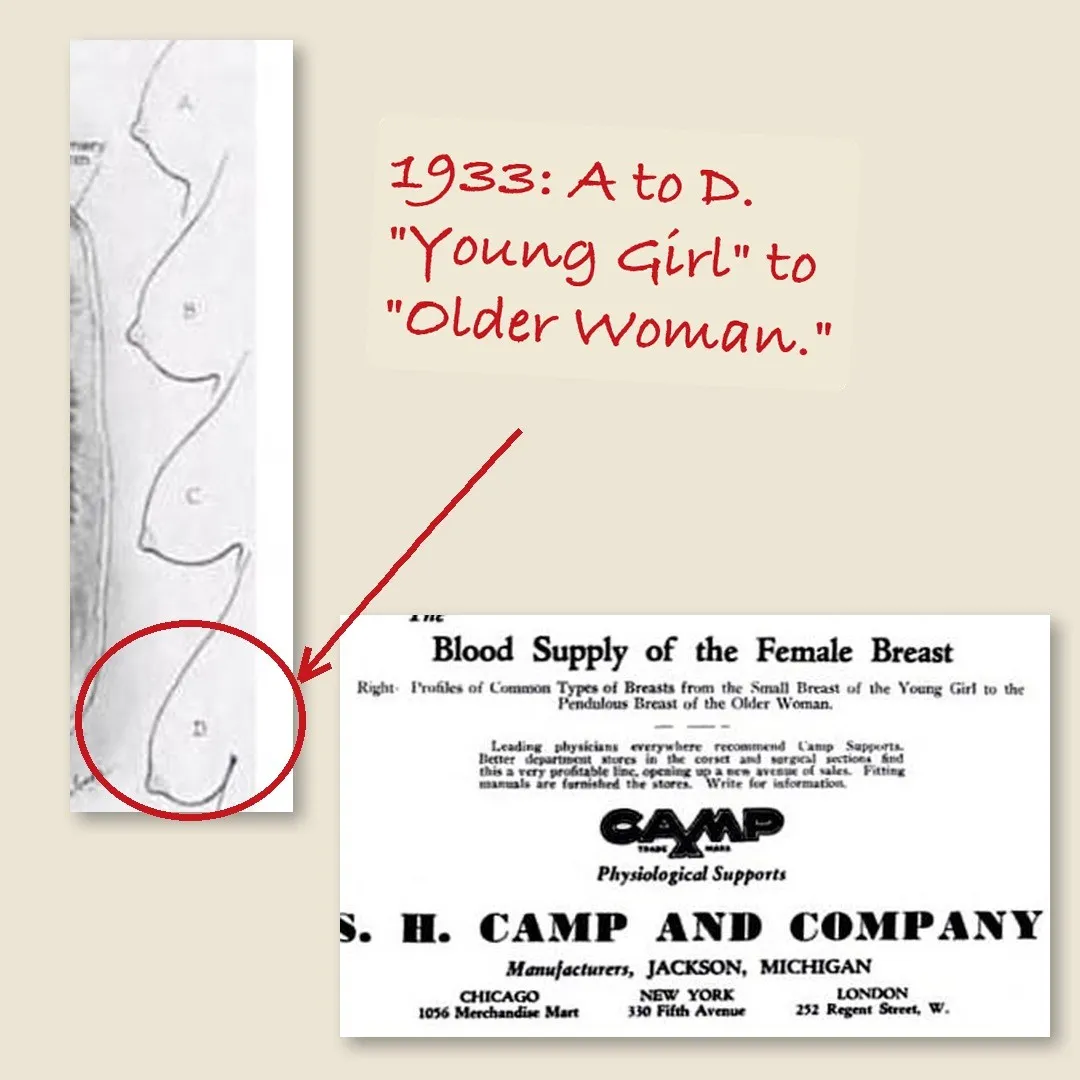
Last Sunday I counted every bra size I've bought since 1954. I wrote each one down in the same little notebook. There are eleven. That's when I called June. I taught home economics for 34 years. Sewing, patterns, fitting. I know how a garment is built. I know what it means when a pattern keeps getting altered and still never fits. Eleven sizes. The same design every single time. A band around the ribs. Hooks in the back. Straps over the shoulders. Only the letters and numbers changed. I sat at my kitchen table and read the list twice. My handwriting gets shakier as the years go down the page. 1954: 32A. I was 13. 1975: 36B. Three babies later. 1998: 38D. Menopause. 2011: 40DD. 2025: 42DD. And I still pull at it all day. June fitted bras at the department store downtown for 40 years. She's 88 now and sharp as a tack. She's the kind of woman who'll tell you the truth if you ask her straight. I said, "June. I just counted. Eleven sizes. Same bra. Tell me the truth. Was it ever going to fit?" Long pause. "Honey, I sold you four of those." "I know. I'm not mad. I'm asking." Another pause. "I'll say this. Every bra I ever sold was the same idea, made for a young woman at a party in 1914. When your body changed, all we could ever do was hand you a new letter. It wasn't made for you at 50. It's sure not made for you at 85." My stomach dropped. "So what do I do?" "Stop buying sizes. Find something that isn't strapped on. Then there's nothing left to outgrow." Then she hung up to go to bingo. I sat there with the notebook for a long time. Then I called my daughter. "Patty, come over after work. We need to talk about your bras." She's 60. She sat down across from me, and I watched her pull at her band before she even took her coat off. "How many sizes have you been since you turned 50?" She thought about it. "Four? Five?" Then I asked the question that changed everything. "When your body changes, what does a band do?" She didn't have an answer. Neither did I. Not for 72 years. Not until June. It squeezes. That's all a band can do. It holds you up by squeezing your ribs, and whatever it can't hold, your shoulders carry. When your body changes, and after 50 it changes, the band doesn't change with you. It just squeezes somewhere new. That's the red line. That's the dents in your shoulders. That's the roll across your back. That's the new size every few years. And here's what I found when I looked it up. The first bra patent in America was approved in 1914, for a young New York woman who sewed two silk handkerchiefs together for one ball. In 1932, a company started sorting women's chests into four letters, A through D. The letters got longer. The idea never changed. Something strapped on, made for a young body that wasn't going anywhere. Mine went somewhere eleven times. I added it up in the notebook. 72 years. 12 hours a day. 315,360 hours. In 34 years of teaching girls to sew, the first thing I taught them was this: you don't keep altering a pattern that was cut for somebody else. You change the pattern. Almost nobody in my life had ever changed the pattern. That's what hit me at that kitchen table. My daughter and I had drawers full of sizes, and not one thing made for the bodies we actually have. I went online that night with my reading glasses and found a tank top with the bra sewn right inside it. Avouria. Nothing strapped on. No band around your back. No wire. No hooks. My hands don't like hooks anymore. You pull it on over your head like a T-shirt. I ordered three. One for me. One for Patty. One for June. When mine came, I turned it inside out on the kitchen table, the way I'd check any garment. Two real cups, sewn right into the seams. Good, even stitching. I'd have given it an A. That Sunday I wore it to church and to lunch after. Five hours. I never once pulled at anything. When I got home I stood at the mirror and looked for the red line. Nothing. I sat down, opened the notebook, and under 2025 I wrote one more line. "No size. Nothing to outgrow." Patty called that evening. "Mom. Why didn't anybody tell us?" She ordered two more for her friends from church. June called on Tuesday. "Well," she said. "I should have been selling these." I don't know why nobody told us. June couldn't tell me why, and I stopped asking. But I know what a pattern cut for somebody else looks like. And I know what eleven sizes of the same mistake look like in my own handwriting. If you've bought a new size every few years since 50 and thought it was your body, it isn't. It's the pattern. Here's the link to the exact one I bought: https://avouria.com/products/avourias-built-in-comfort-bra-tanktop It comes with a 90-day Perfect Fit Guarantee, so if the size is off you just exchange it. Home economics taught me a lot. But the most important thing was this: when a pattern doesn't fit, you don't buy a bigger one. You change the pattern. P.S. Since that Sunday I've shown the notebook to six women at church. Every one of them counted her own sizes on her fingers. The lowest was seven. My friend Dorothy, 91, got to thirteen before she gave up counting. https://avouria.com/products/avourias-built-in-comfort-bra-tanktop
More from Women of America
If you're a woman over 50, read this 👆
Women of America
If you're a woman in America, read this 👆
Women of America
Rip your bra off at home? Read this 👆
Women of America
Worn a bra since 13? Please read this 👆
Women of America
If you're a woman in America, read this 👆
Women of America
Worn a bra since 13? Please read this 👆
Women of America
Worn a bra since 13? Please read this 👆
Women of America
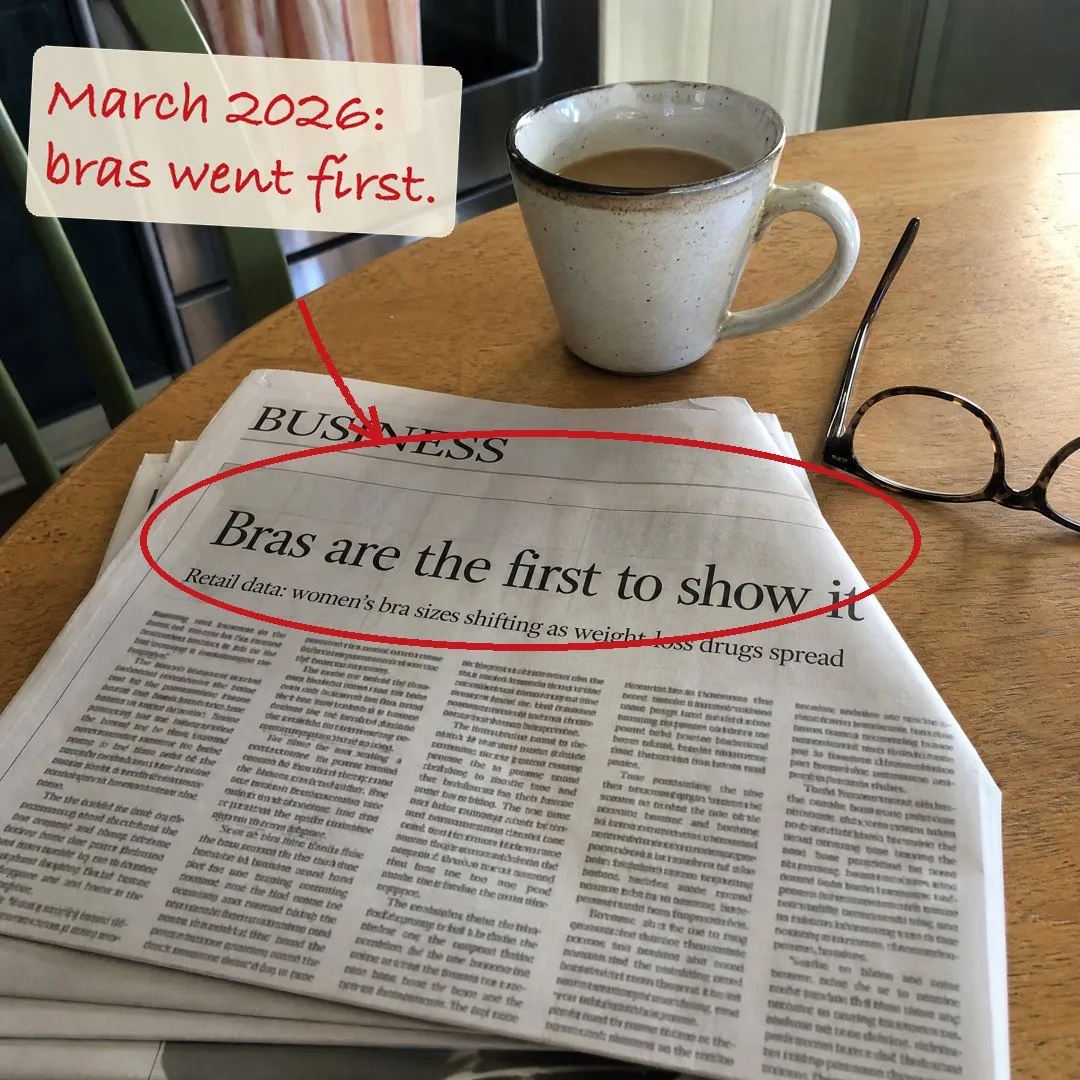
If you've lost weight lately, read this 👆
Women of America
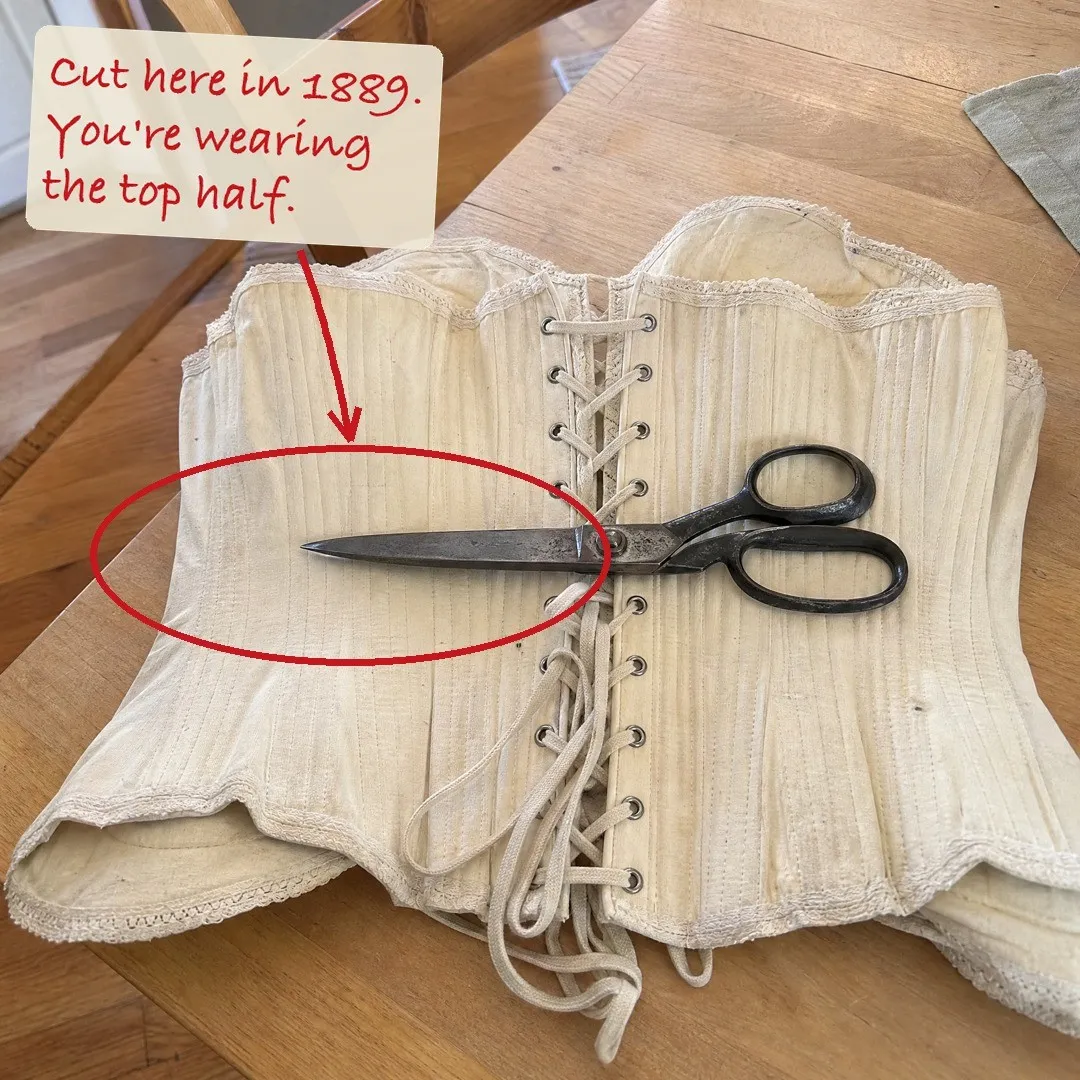
Worn a bra since 13? Please read this 👆
Women of America
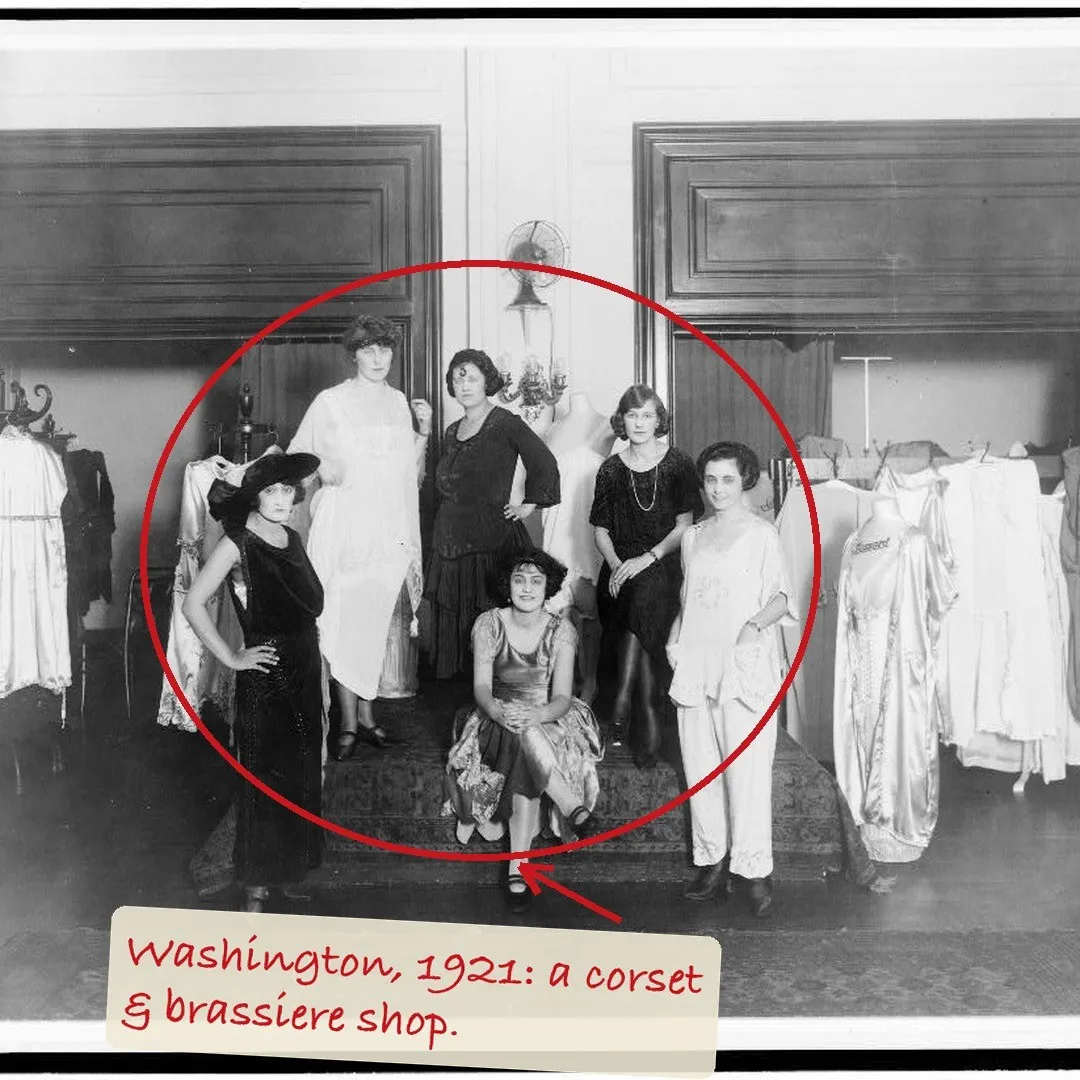
If you're a woman in America, read this 👆
Women of America
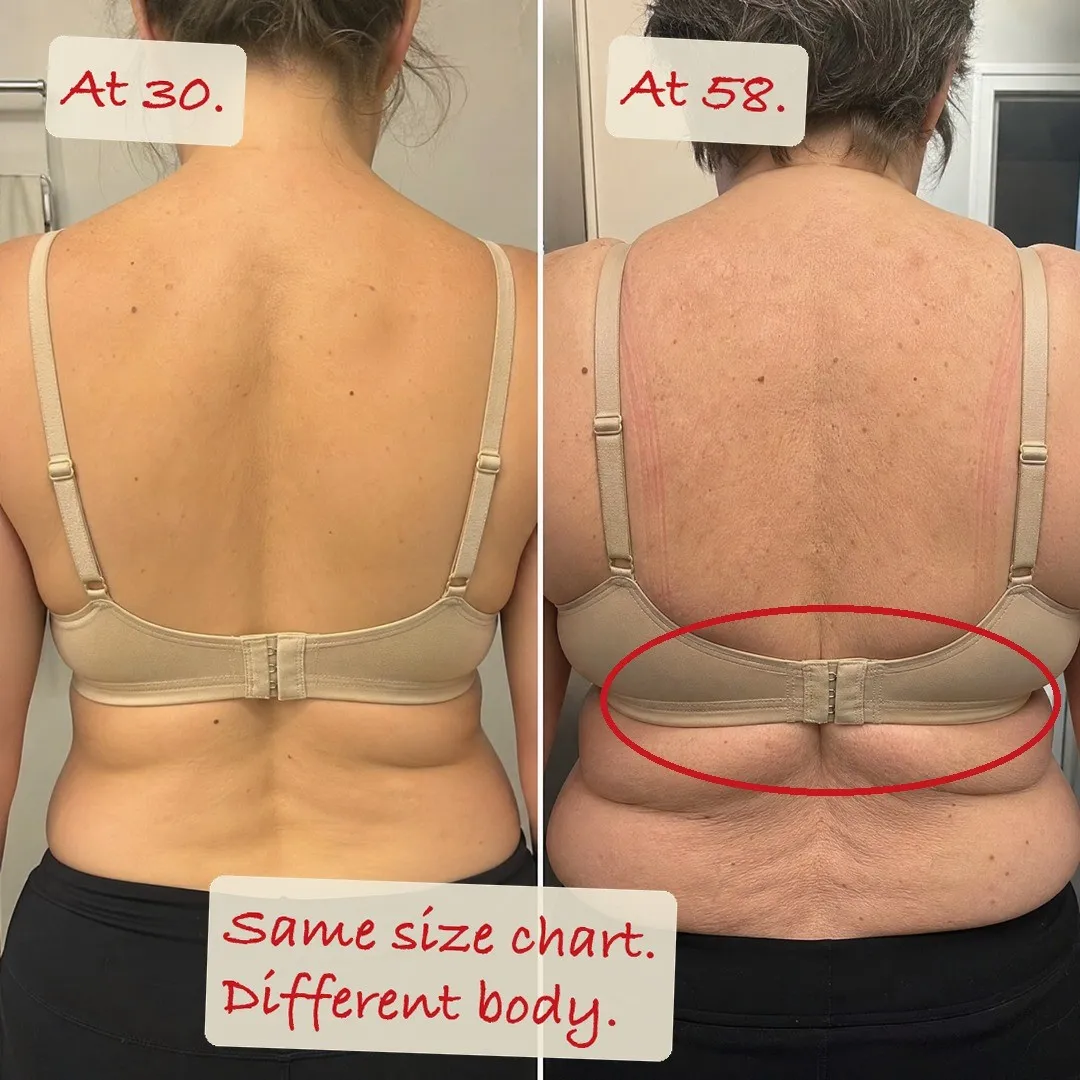
If you're a woman over 50, read this 👆
Women of America
If you've lost weight lately, read this 👆
Women of America

 Add to Chrome