If you're a woman over 50, read this 👆
Ad Copy
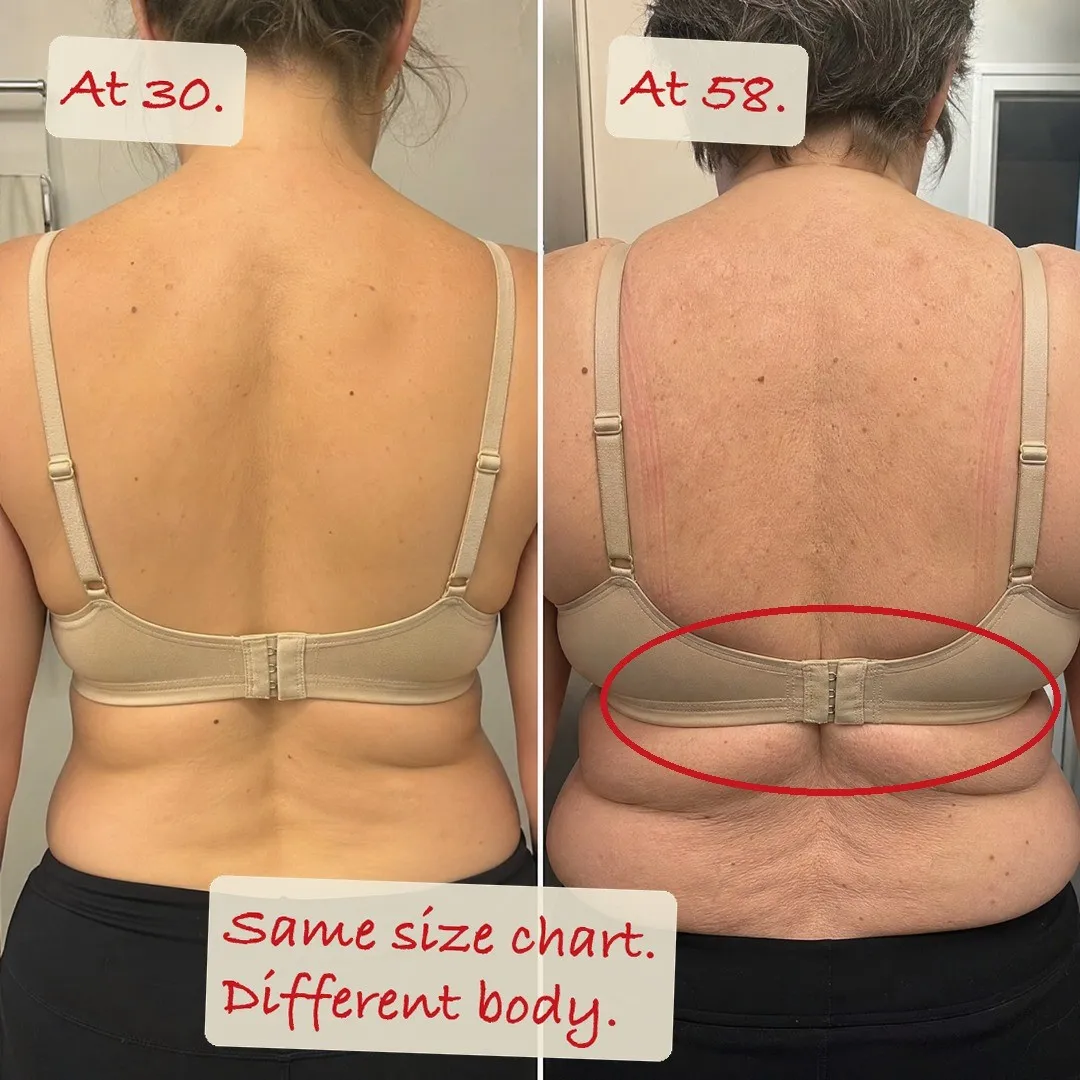
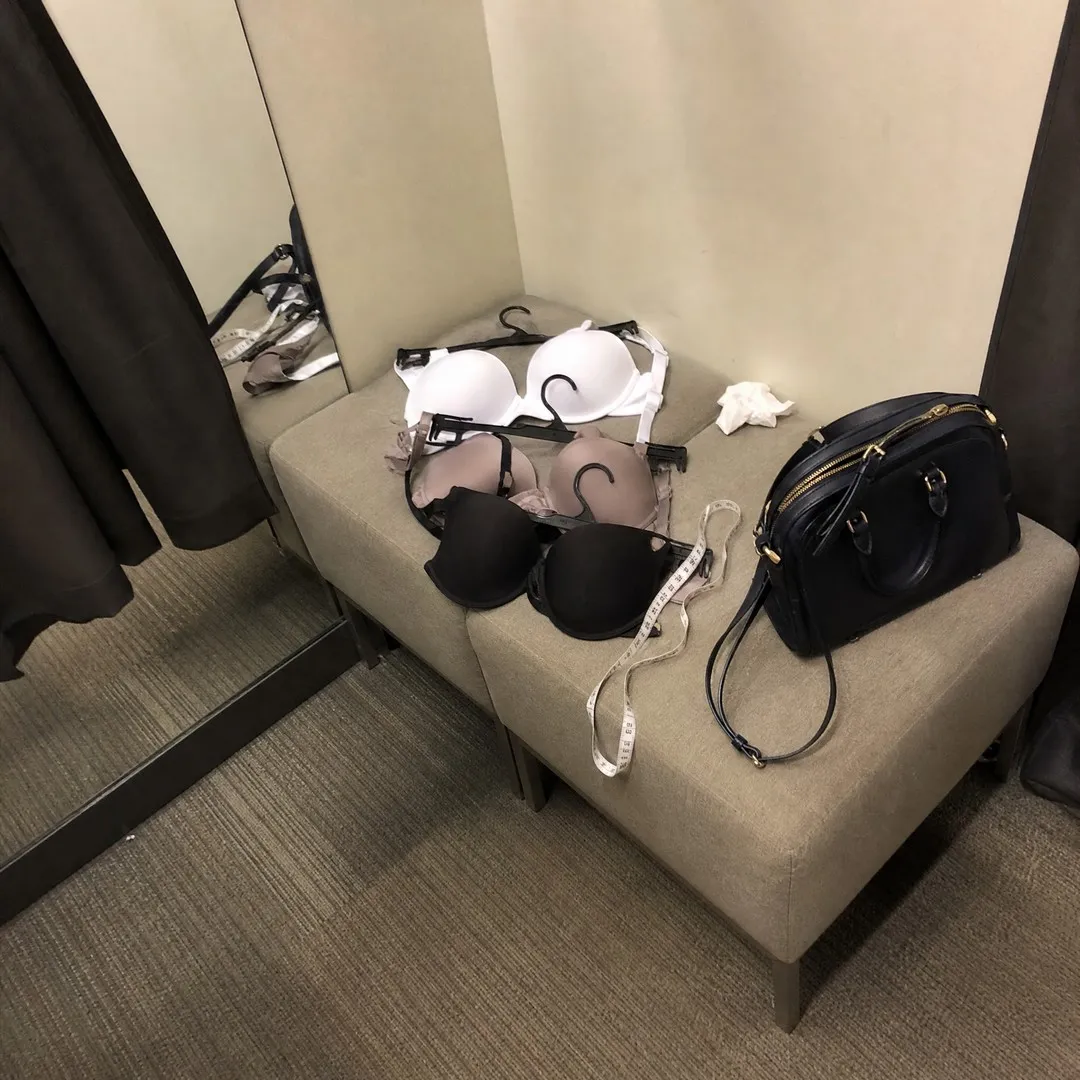
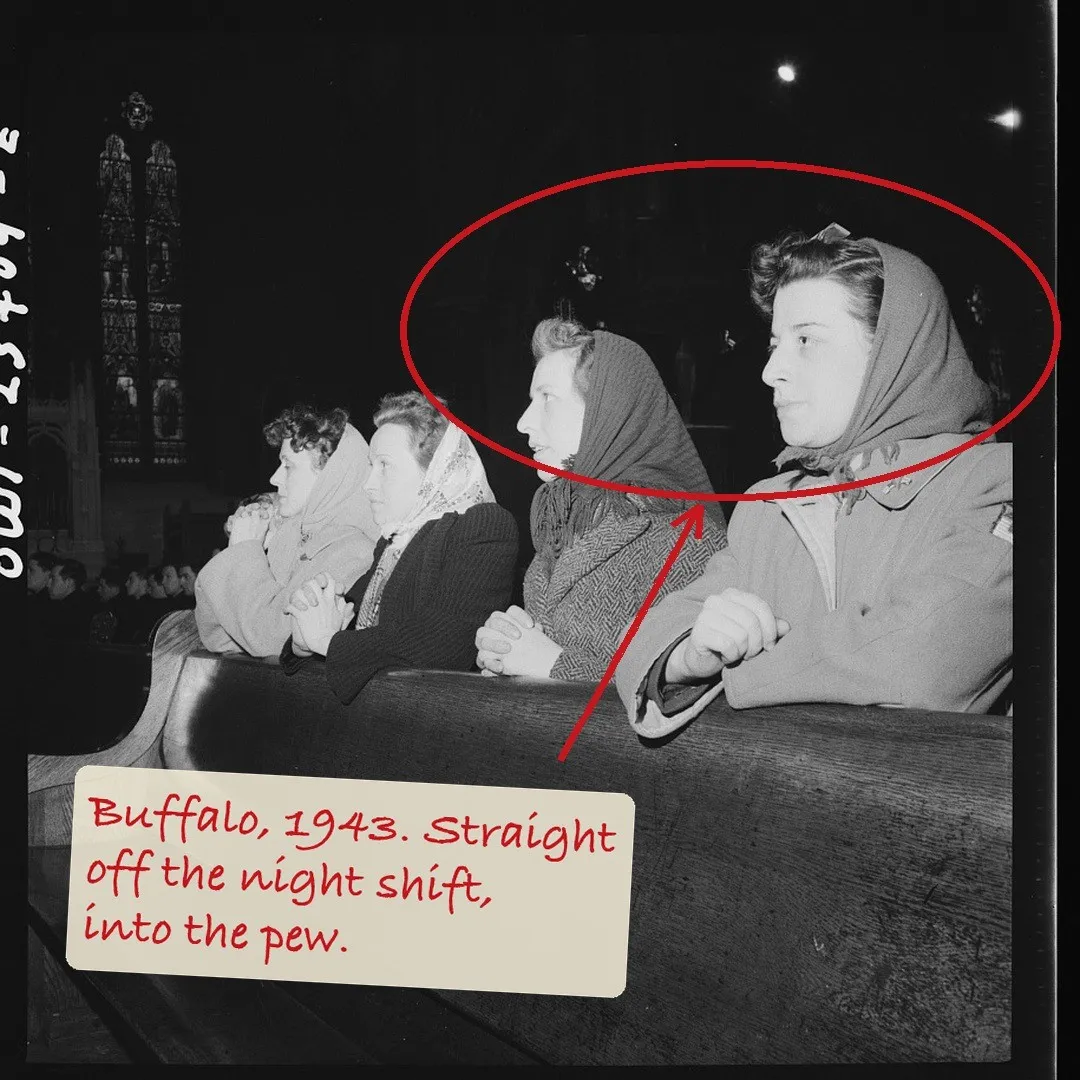
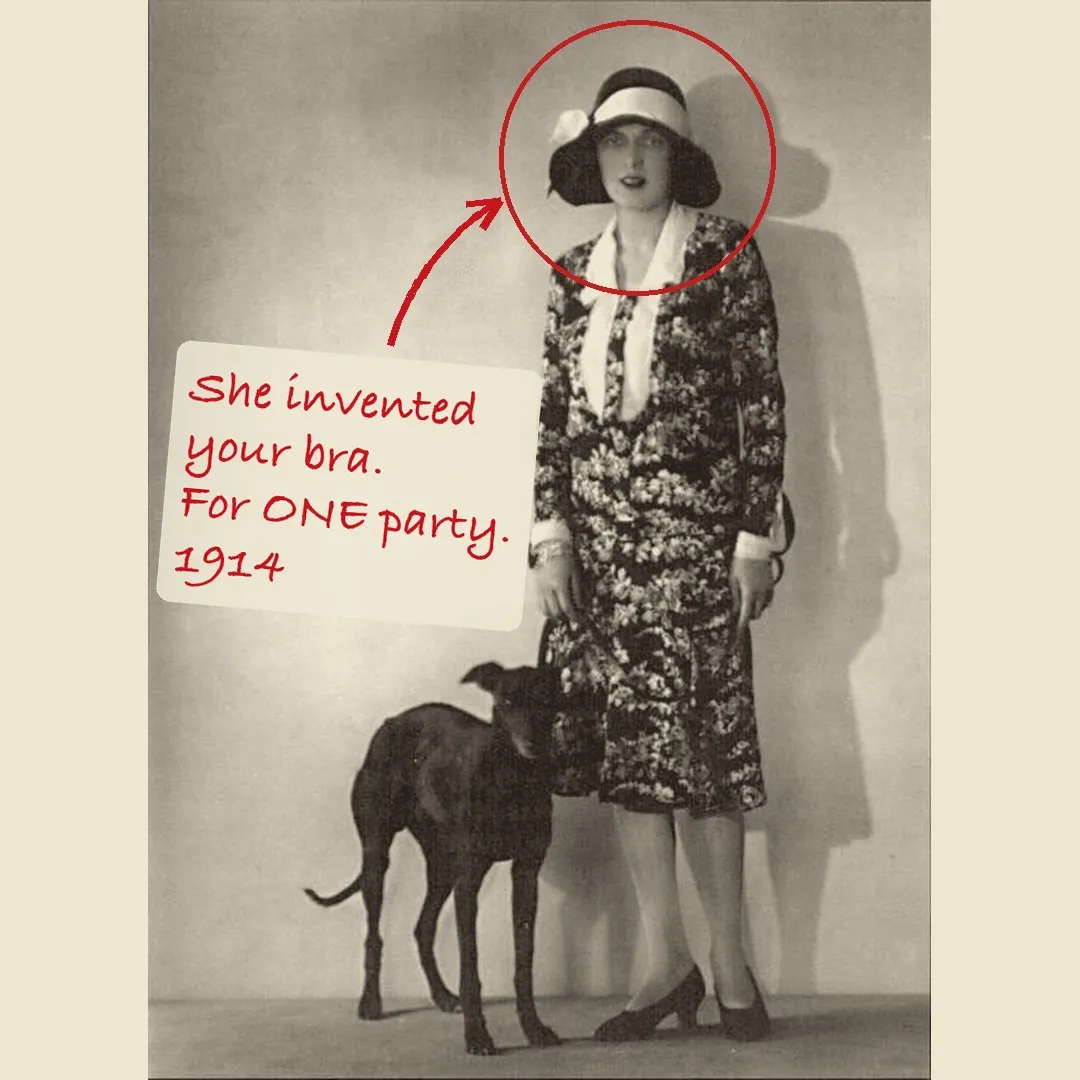
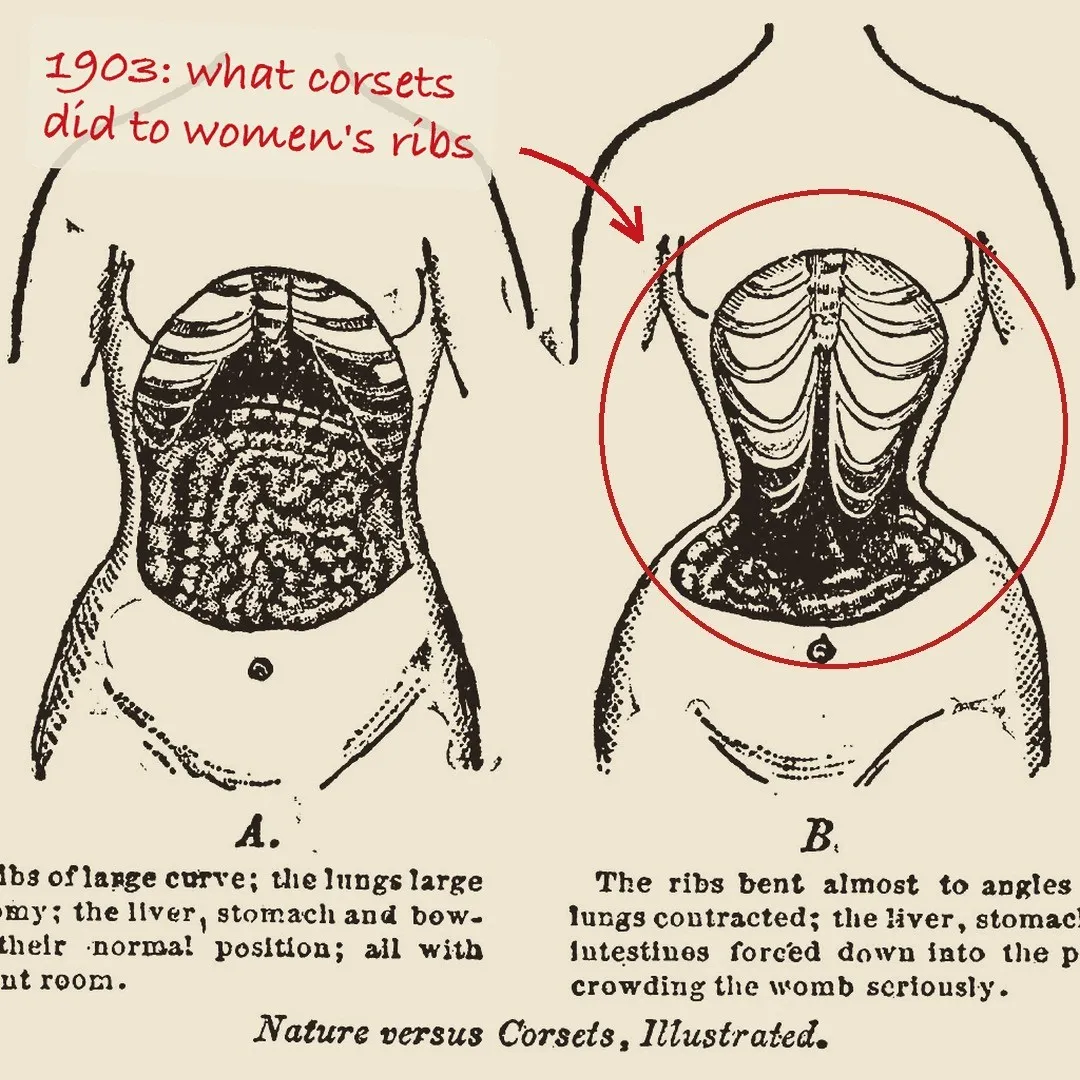
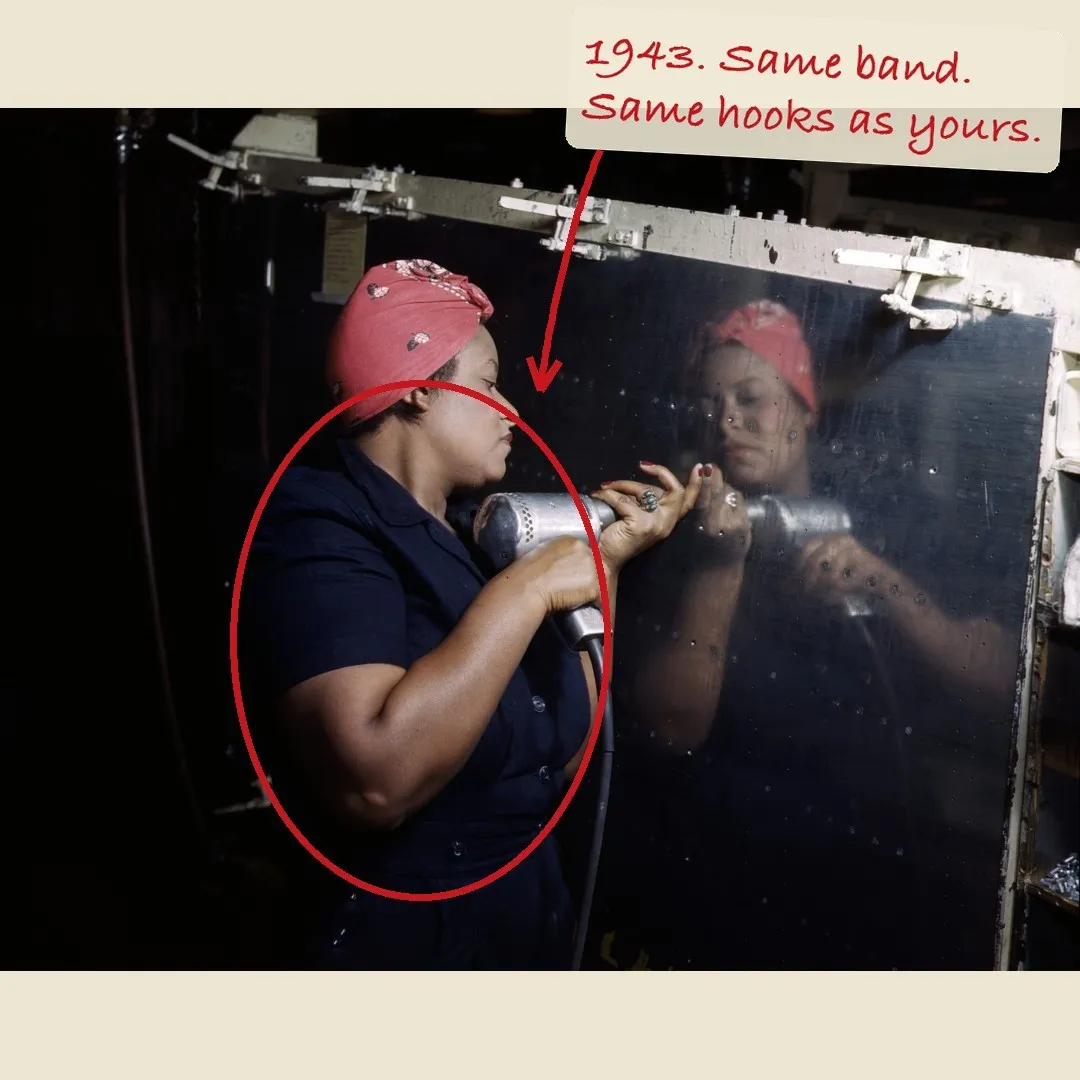
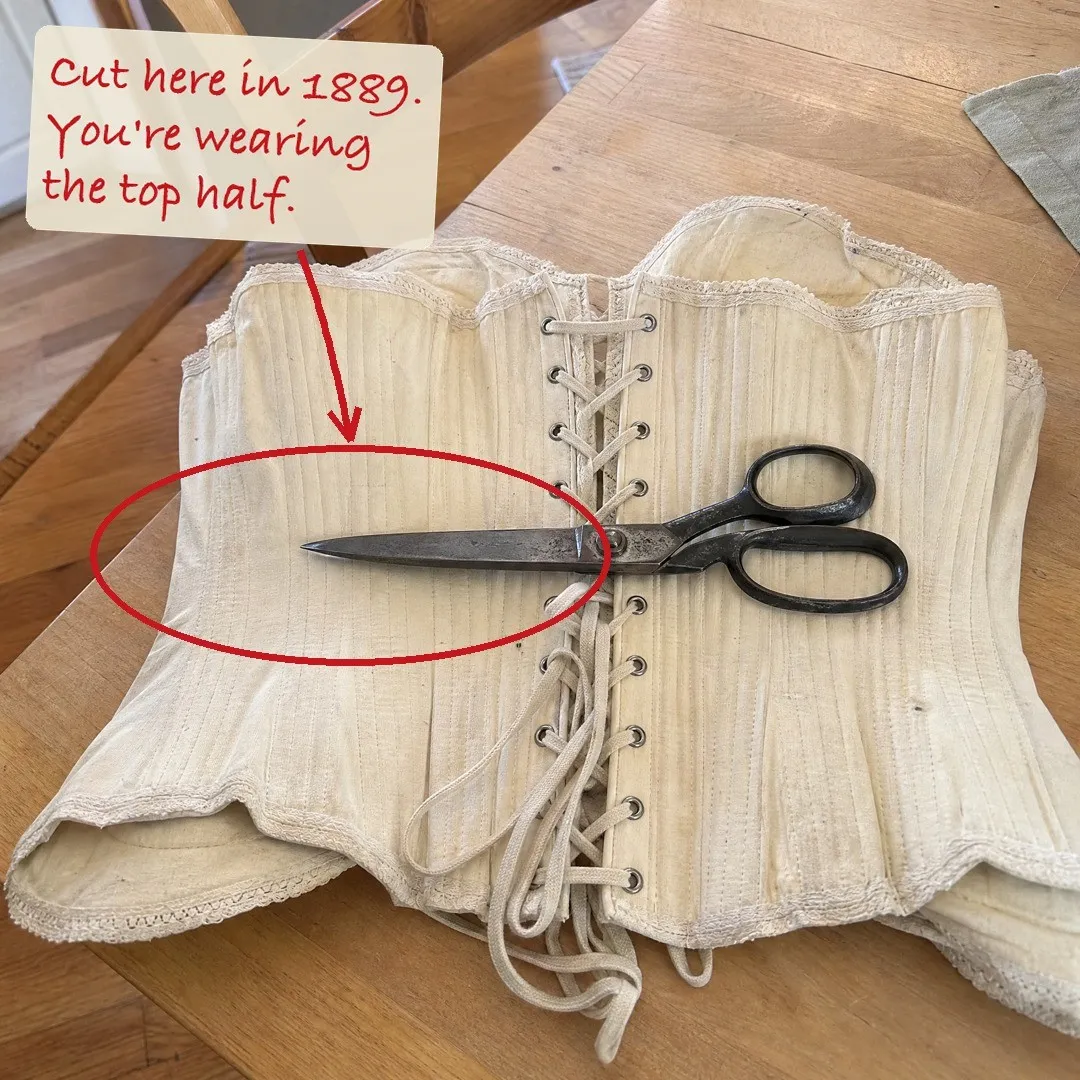
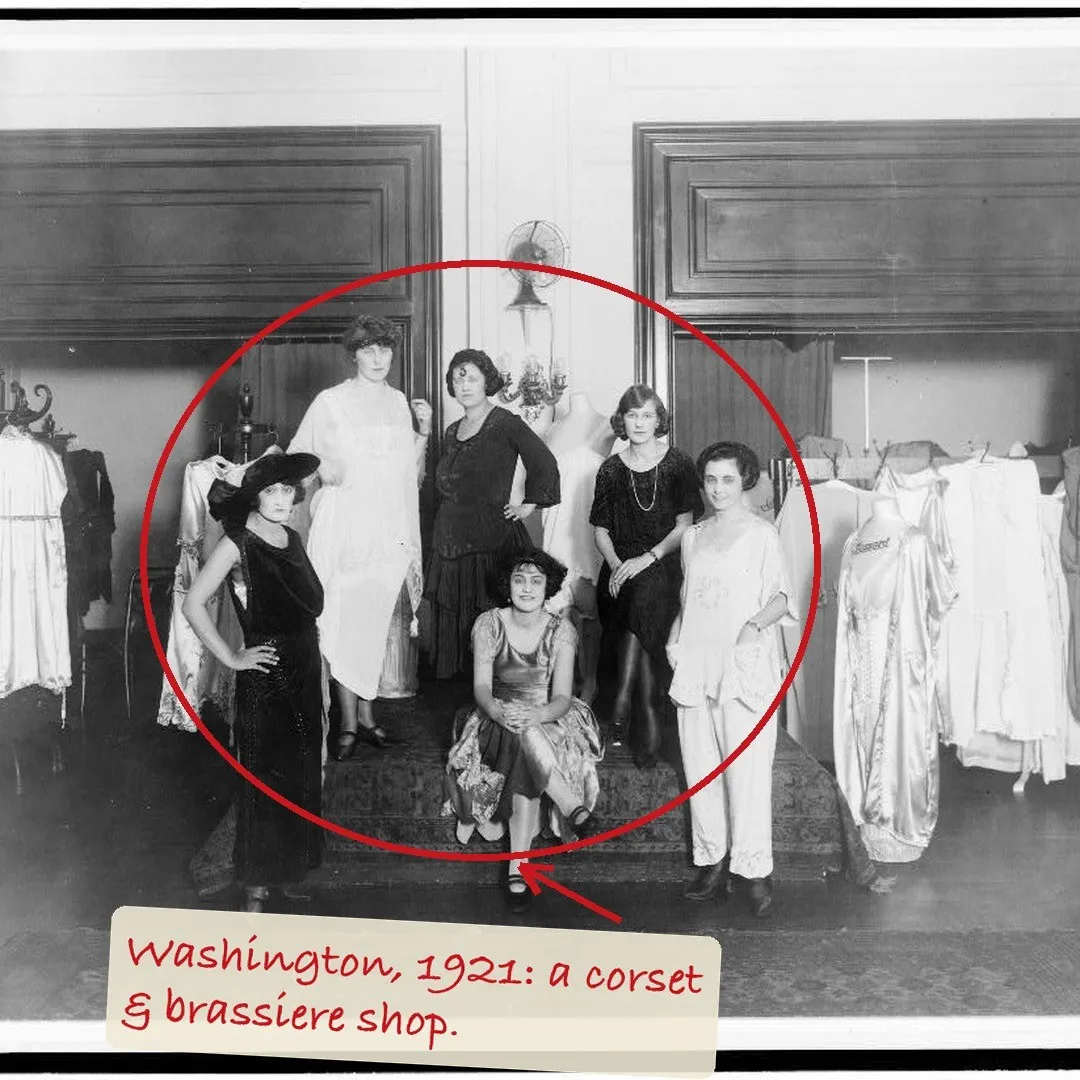
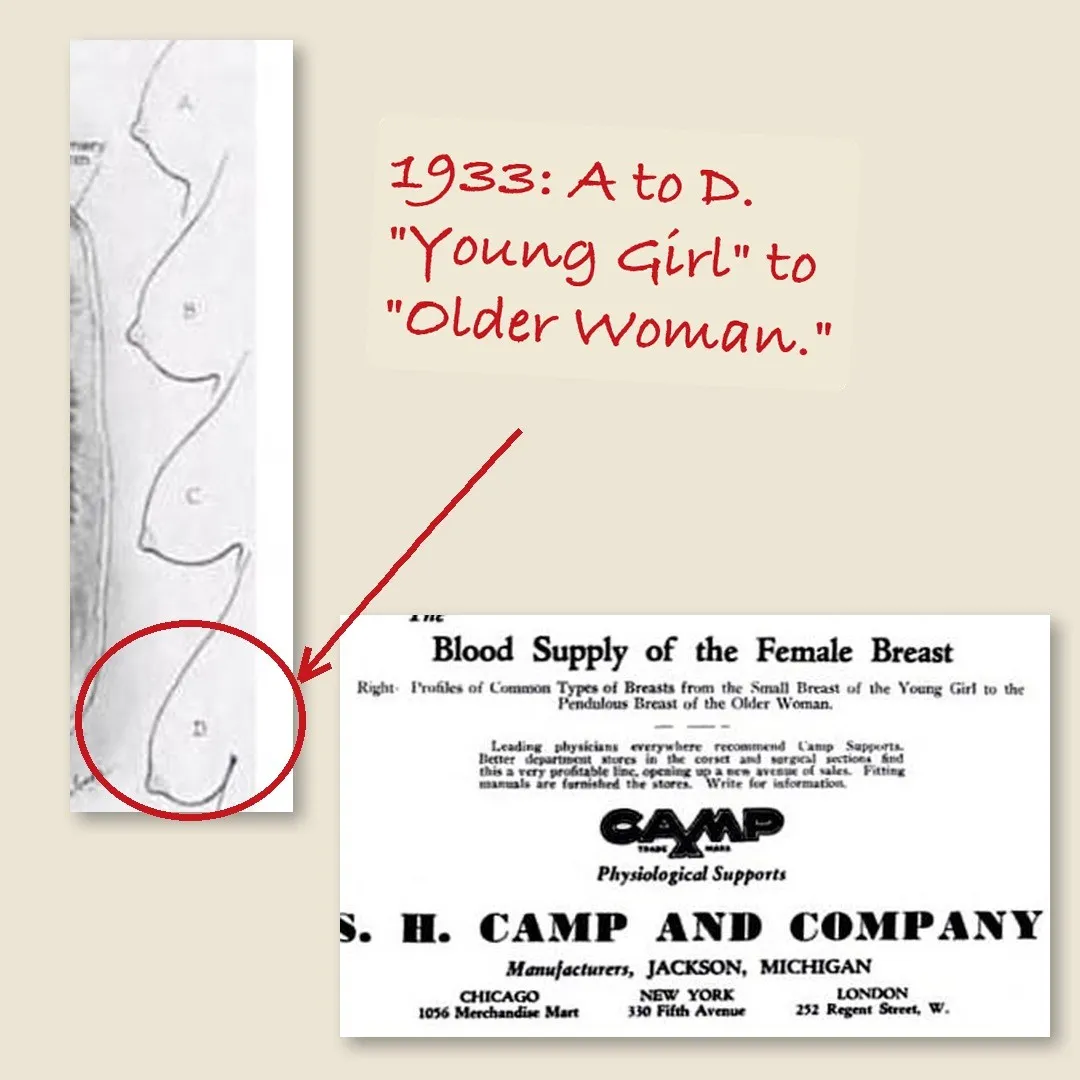
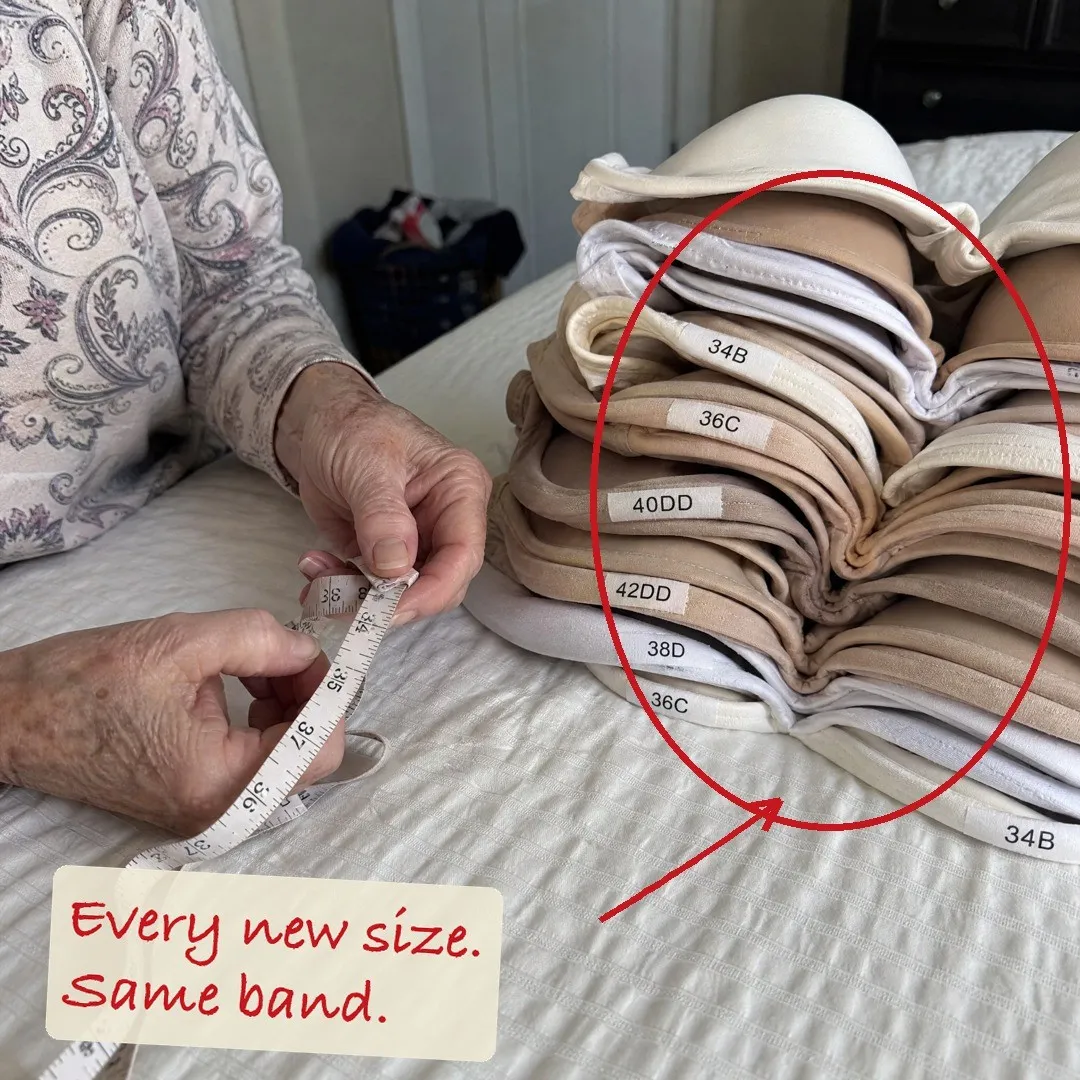
The size chart. That's what they gave us. That's what they gave YOU. Measure under, measure around, find your letter. I want to show you what that chart looked like on me at 30. Then at 45. Then at 52. Then at 58. Because the chart never changed. My body did. My name is Debbie. I'm 58, two kids, and I live outside Lexington, Kentucky. I'm not careless. I'm the kind of woman who reads the instructions before she plugs anything in. So when I needed a bra, I did what the box said. I measured under. I measured around. I found my row on the chart. Every box checked. Let me tell you about this past June. My son got married. I'd bought a new bra for the dress, the size the chart said, 40DD, my fourth size since I turned 45. By the time they cut the cake, the band had rolled up under my chest and the hooks were digging into my back like a fork. I spent most of the reception in the ladies' room with my dress unzipped, trying to fix it. My new daughter-in-law came in looking for me. "Debbie? Are you okay? You've been gone forty minutes." Honestly, it stung. Forty minutes of my own son's wedding, in a bathroom stall, fighting with my underwear. I thought I'd done everything right. I measured myself every year. I bought the size the chart said. I bought the "full figure" ones and the "minimizer" ones. I threw out anything with a stretched band, because the lady at the store said that was the problem. That night I took the dress off and saw the red line under my chest and the two dents in my shoulders. And one sentence came into my head that I haven't been able to shake. I did everything the chart said. I need to back up. At 30, I measured myself against that chart for the first time. 34B. I put it on and forgot about it. That's the picture on the left up top. At 45, the chart said 36C. The band started riding up by lunch. I thought I'd gained a little weight. I bought the new size. At 52, menopause. The chart said 38D. Now there was a red line by the end of every day, and I'd started standing with my shoulders rolled forward. I bought the new size. At 58, the chart said 40DD. The roll across my back. The dents. Pulling at it at every red light. That's the picture on the right. Same chart. Different body. Four sizes. One chart. And every single bra the chart sent me home with was the same thing in a bigger number. A band around my ribs. Hooks in the back. Straps hanging off my shoulders. So I went looking for where that bra came from in the first place. I'm a reader. I couldn't let it go. What I found was two doctors. Ira DeVer Warner and Lucien C. Warner were brothers from Chenango County, New York. Lucien gave lectures on how corsets were harming women. And when women kept wearing them anyway, the brothers decided women would never give corsets up, so they'd sell them a "health corset" instead. In 1874 they rented a wooden house in Cortland, New York, with $2,550 in starting money, and hired girls to sew corsets stiffened with Coraline, a fiber from a Mexican plant. That's their trade card, the second picture up top. Dr. Warner's. In 1876 they moved the business to Bridgeport, Connecticut. Within a few years they'd quit medicine. They grew to more than 1,000 workers making about 6,000 corsets a day, and they were millionaires by 1894. Then they bought the 1914 bra patent. The one a 19-year-old made for one party. And look at what they made it for. In 1931 Warner's named a corset "Youthlastic." In 1934, Time magazine reported that about 40% of the industry's corset styles were made for older women it described as "set in their ways." Not new designs for an older body. The old styles, for the women who wouldn't stop buying them. Thirty-four years after that, in 1968, a woman named Robin Morgan wrote a letter complaining the country prized "youth rather than maturity." She was talking about a beauty pageant. She could have been talking about my size chart. That's when it clicked for me. The chart was never measuring me. It was measuring how far I'd drifted from the young woman they built the bra for. And after menopause, you drift every couple of years. My neighbor Pat had been quiet through all of this. She's 66. Every morning since spring I'd watched her out in her garden in a tank top, kneeling, reaching, hauling bags of mulch. Never once did I see her reach back and pull at a strap. Never once did I see her adjust anything. The week after the wedding I walked across the street. "Pat. What are you wearing out there?" She looked at me. Then she brought me inside. She went to her bedroom and came back with a tank top. Turned it inside out on her kitchen table. There was a real bra sewn right inside it. Two real cups, built into the tank. "Avouria," she said. "No band. Nothing to ride up." No band around your back. No wire. No hooks. You pull it on like a T-shirt. "Where did you even find this?" "My daughter. She's a nurse in Louisville. She found them two years ago and mailed me three. She said she was tired of watching me tug at my straps on FaceTime." Pat had been wearing it since before I'd bought my 40DD. While I was measuring against the chart. While I was fighting with my bra in a bathroom stall at my son's wedding. Pat was gardening. Same street. Same age. Same chart. Different outcome. She gave me one of hers. It still had the tag on. "I knew somebody on this street was going to need it." I put it on that evening. Then I did the things that always gave a bra away. Reached up to the top shelf. Bent down to the bottom drawer. Sat in the car for an hour. Nothing rode up. Nothing dug in. There was no band to dig in. My husband watched me come down the stairs in it and didn't say anything for a while. Then: "Why didn't you have this at 45?" Because the chart said I was a 36C. And I believed it. 1.3 million American women reach menopause every year. Every one of them walks into a store and gets handed the same chart I did. The same columns. The same letters. Built for the same young woman. Here's what I need you to hear. A new size is a countdown. Two years, three if you're lucky, and you're back in front of that chart. A design with no band doesn't count down. There's nothing to outgrow. That weekend I emptied my dresser drawer into a trash bag. Every size since 45. That's the third picture. This is the same one Pat had. The same one I wear now: https://avouria.com/products/avourias-built-in-comfort-bra-tanktop It comes with a 90-day Perfect Fit Guarantee, so if the size is off you just exchange it. I've bought five since June. My sister. My daughter. My daughter-in-law's mother, who I'd sat next to at the wedding pulling at her own band. Two women from my Sunday school class. I will never spend forty minutes of something that matters in a bathroom stall again. The women who stopped pulling at their bands weren't the ones who followed the chart. They were the ones who stopped trusting it. https://avouria.com/products/avourias-built-in-comfort-bra-tanktop No band. No wire. No hooks. Nothing to outgrow at 60, or 70, or whatever comes after. Be Pat. Not me. https://avouria.com/products/avourias-built-in-comfort-bra-tanktop P.S. After the wedding I called the store where I bought that 40DD and asked if they had a different chart for women after menopause. The woman on the phone said, "The chart is just a starting point." A starting point. After 28 years of me following it to the letter. The chart isn't wrong because nobody noticed. It's wrong because it was never made for us. Stop measuring against it.
More from Women of America
If you're a woman over 50, read this 👆
Women of America
If you're a woman in America, read this 👆
Women of America

Rip your bra off at home? Read this 👆
Women of America
Worn a bra since 13? Please read this 👆
Women of America
If you're a woman in America, read this 👆
Women of America
Worn a bra since 13? Please read this 👆
Women of America
Worn a bra since 13? Please read this 👆
Women of America
If you've lost weight lately, read this 👆
Women of America
Worn a bra since 13? Please read this 👆
Women of America
If you're a woman in America, read this 👆
Women of America
If you've lost weight lately, read this 👆
Women of America
If you're a woman over 50, read this 👆
Women of America

 Add to Chrome