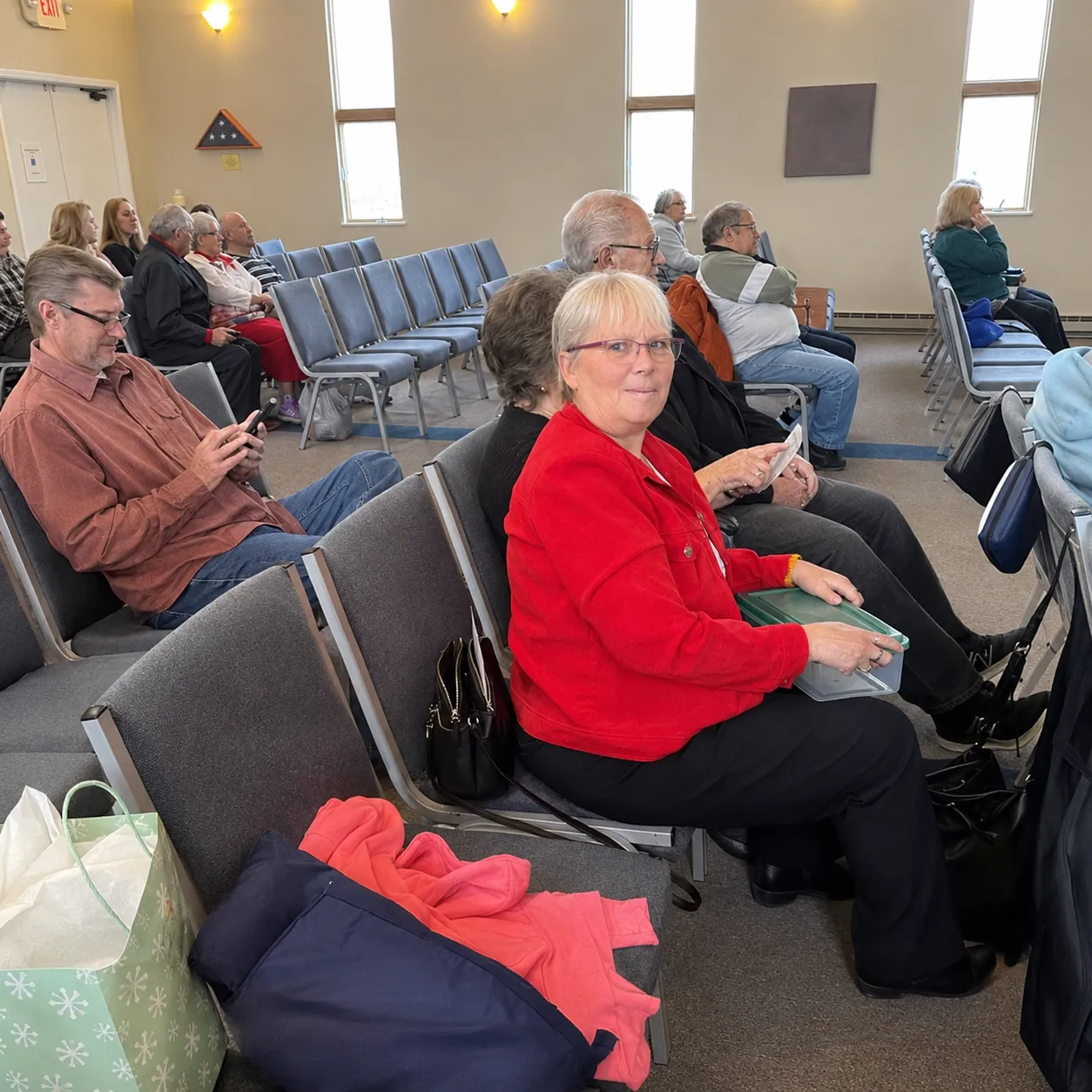
The Bible verse that explained her leaking
Ad Copy
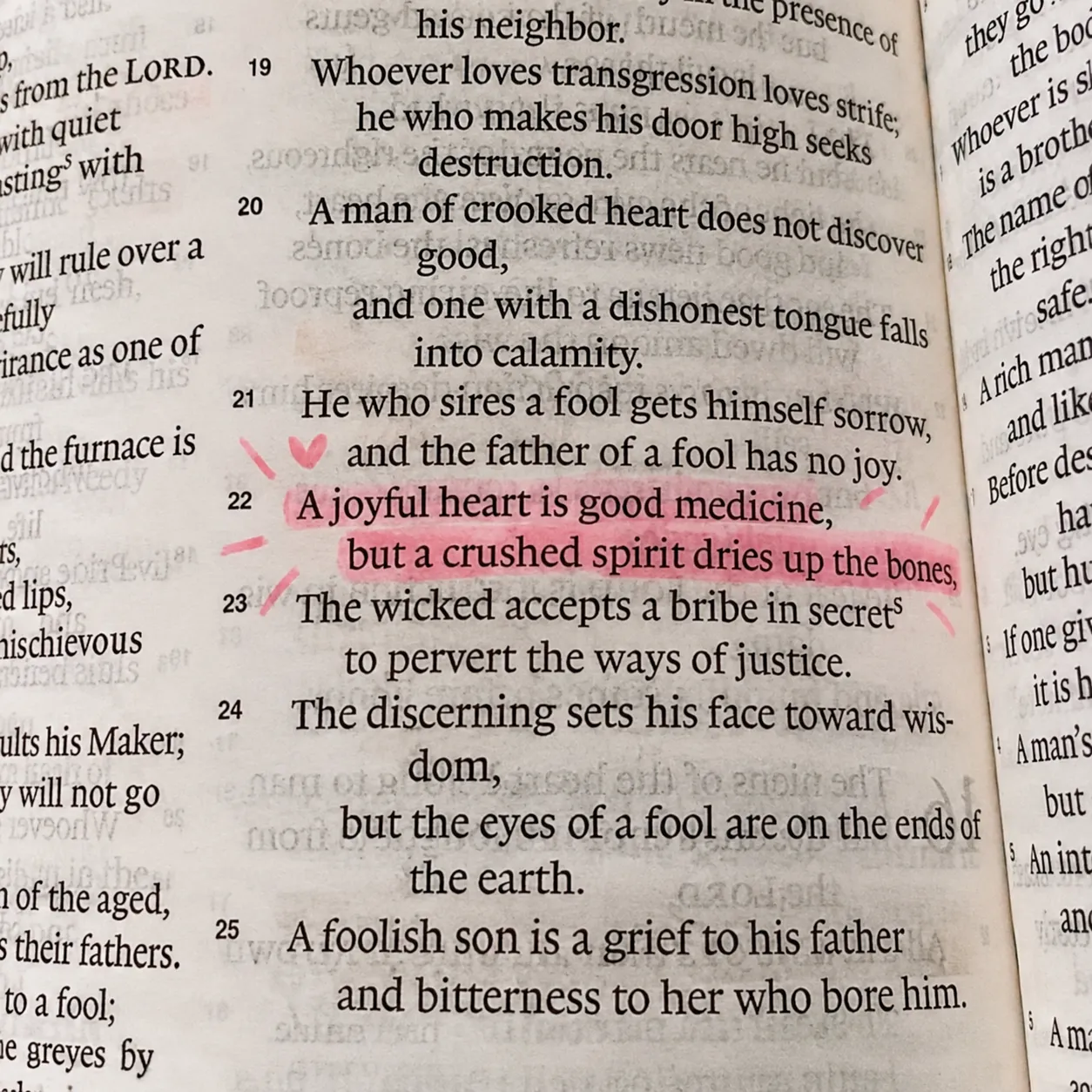
I have read Proverbs 17:22 more times than I can count. "A merry heart is good medicine, but a broken spirit dries the bones." I read it like poetry for forty years. Then my bladder started failing me, and that word dries would not leave me alone. I am Emily Grace Anderson. I am 61 years old, retired school librarian, rural Virginia. I have been a churchgoing woman my whole adult life and I do not say that lightly. For the past three years, my bladder had been running the show. The urgency that arrives before you are anywhere near ready. The night trips, two or three, every single night. The liner every day without question. The mental math before every car ride, every church service, every potluck. My doctor called it menopause and offered medication. The medication dried my mouth out and did not stop the leaking. I did Kegels for ten months and my muscles got stronger and nothing else changed. Then one Sunday morning I was preparing my devotional notes and I landed on that verse again. A broken spirit dries the bones. I had been reading it as a metaphor. That morning something told me to look closer. What I found in the next two hours rearranged everything I thought I understood about what was happening inside my body. My name is Emily Grace Anderson. I am 61 years old. I spent twenty-six years as a school librarian in a small town in rural Virginia. I retired at fifty-seven and expected to finally do the things I had put off. A serious vegetable garden. Afternoons reading whatever I wanted. Road trips with my sister Ruth. What I had instead was a bladder that made all of it complicated. I need to tell you what I found, because I spent three years managing something I did not have to manage the way I was managing it. And because nobody told me any of this. For most of my adult life I never gave my bladder a second thought. Then sometime around my mid-fifties things started shifting. I was going more often. Then with more urgency. Then sometimes not quite making it. Then I had an accident during a church retreat, in a cabin with four other women, because someone said something funny at the wrong moment. I excused myself and went to the bathroom and sat there for a while. I told myself it was temporary. That was three years ago. My doctor said it was common after menopause and offered me pelvic floor exercises. I did Kegels for ten months straight. I did them sitting in the pew. I did them in the car line at the pharmacy. I set a reminder on my phone twice a day. My muscles got stronger. The urgency did not change. Then she offered medication. I tried it for three months. My mouth was so dry I was waking up to drink water at 2am and then lying there unable to go back to sleep because now I had to figure out if the urgency was real or just the thirst. And I was still leaking. Then I tried three different bladder supplements I found in the vitamin aisle and online. The first one seemed to help for about two weeks, then stopped. The second did less than the first. The third did nothing I could detect. Here is the part I could not figure out. Each thing I tried bought me a little less than the one before. The first supplement gave me two weeks of something, then the urgency came back. The second gave me maybe ten days. By the third, I could not detect any change at all. It felt like my body was getting harder to reach. Like whatever was driving this was running deeper than anything I was throwing at it. At my annual checkup my doctor looked at my chart and said the thing I had been dreading. "Emily, we have tried a few things now. What you are experiencing is very common for women your age. Your pelvic floor is actually in good shape. I think we have done what we can do." She was kind about it. She is a good doctor. But she had a sentence ready, and when she said it, the investigating stopped. That is where the sentence always leaves you. I went home and went to my Bible the way I always do when I do not know what else to do. And I landed on Proverbs 17:22. A merry heart is good medicine, but a broken spirit dries the bones. I had read that verse dozens of times. That evening the word dries would not leave me alone. Not weighs on the heart. Not troubles the mind. Dries the bones. Something running out. Something being depleted from the inside. It felt like a nudge I was not supposed to ignore. So I did something I had never done before in forty years of reading that verse. I started looking into what bones actually mean throughout Scripture. What I found made me put my coffee down. Bones are mentioned more than a hundred times in the Bible, and almost every time they mean far more than skeleton. David wrote in Psalm 32 about hidden anguish that wasted his bones away. Proverbs 16:24 says gracious words are healing to the bones. Proverbs 15:30 says good news gives health to the bones. Over and over, the inner life of a person is placed in the bones. And in Hebrew the word for bone, etsem, is closely linked to the word for one's very self. When Scripture says something reaches the bones, it means it has reached the deepest part of you. I sat back in my chair. And I asked myself a question I had never thought to ask before. What if the body, the actual physical body, has its own hidden layer? An inner layer most people never think about until something goes wrong? I started reading in a way I had never done before. Not the devotional kind of reading. Medical reading, the kind where you follow one source into the next. I read about what happens inside the bladder after menopause. And I found something that nobody, not my doctor, not my OB years before her, not any of the supplements I had bought had ever mentioned to me. The inside of your bladder is lined with a thin protective coating. It is called the GAG layer. Its job is to keep urine from coming into direct contact with the sensitive tissue of the bladder wall. Urine is not just water. It contains acids and waste products that are hard on tissue. The GAG layer keeps that urine separated from the sensitive tissue underneath. Every time your bladder fills and empties, a small amount of this coating wears away naturally. When you are younger, your body rebuilds it continuously. You never notice it happening. After menopause, that rebuilding process slows down. Your body no longer maintains the GAG layer as efficiently as it once did. Little by little, the layer gets thinner. As it thins, urine begins reaching tissue it was never meant to touch. That tissue becomes irritated and reactive. When irritated tissue receives urine, the bladder sends urgency signals. Not because it is full. Because the tissue underneath the thinning lining is reacting to contact. That is why you rush to the bathroom and empty only a small amount. The bladder was not full. It was reacting. That is why the urgency comes back twenty minutes later. The bladder fills back to the point where the contact starts, and the signal fires again. This is not a muscle problem. This is a tissue problem. No amount of Kegels rebuilds a thinning protective lining. No pelvic floor exercise stops urgency signals generated by irritated tissue. The muscles get stronger. The underlying issue stays the same. That is why my physical therapy helped with the leaking under pressure but nothing changed about the urgency. I was strengthening muscle while the tissue underneath kept thinning. A merry heart is good medicine, but a broken spirit dries the bones. I had been reading it as a metaphor about emotion. What if the whole time it was also a physical description? The inner lining that renews itself, that keeps the inside of the organ protected, running dry. I do not think that is a coincidence. I think He made us fearfully and wonderfully and sometimes the answers have been there the whole time, waiting for us to look closely enough to see them. And once I understood what was actually happening, the whole ladder of things I had tried finally made sense. The medication I had taken works by calming urgency signals in the nervous system. It does not address the tissue generating those signals. So the tissue keeps thinning. The signal keeps misfiring. The dry mouth is a side effect of a drug that was never working on the right thing. Cutting back on fluids, which I had also tried on the advice of well-meaning friends, actually concentrates the urine. Concentrated urine is harder on already-irritated tissue. It makes the contact worse, not better. Kegels strengthen the muscle that holds the bladder closed under pressure. They do not reach the lining. They were the right answer to the wrong problem. Then I found something I had not expected to find. There are ingredients that have been shown to support the GAG layer directly. Not to quiet the signal. Not to strengthen the muscle. To support the actual tissue. A woman in the online group I had been in for two years had mentioned a formula she had been using for seven months. Her name was Marge and she was seventy-two. I had seen her comments over the months and thought very little of them, if I am honest, because she was older than the rest of us and I assumed her standards had shifted. One evening after my reading, I sent her a message. She described six ingredients. One by one. Pumpkin seed extract has been specifically studied for pelvic floor support. It supports the muscle tone and coordination that help the bladder hold properly under pressure and release fully when it needs to empty. For the leaking that happens when you laugh or sneeze or lift something, the bladder muscle needs to respond correctly to sudden pressure. Pumpkin seed extract supports that response. Red clover extract contains isoflavones that support estrogen-sensitive tissue. After menopause, the bladder lining and the tissue around the urethra lose the estrogen support they depended on. Red clover supports that tissue at the cellular level, without hormone therapy. Sodium hyaluronate is a form of hyaluronic acid. It is one of the key building blocks of the GAG layer itself. The same substance the protective lining is made of. Supporting the lining from the inside. That was the one that made me put the phone down for a moment. I had just spent an hour reading about the GAG layer and what thins it. And here was an ingredient that is literally part of what the layer is made of. Magnesium citrate is involved in both muscle contraction and nerve signaling. It helps calm the misfiring urgency signals that fire when the bladder is only half full. Most women over fifty are low on magnesium and do not know it. The kind of prolonged low-grade stress that becomes ordinary life pulls magnesium down steadily. And when magnesium is low, the nervous system cannot settle. The urgency signals misfire more easily. Sea buckthorn provides fatty acids that support the regeneration of mucosal membranes. The tissue that lines the bladder and urinary tract is mucosal tissue. Sea buckthorn supports the renewal of that tissue after it has thinned from estrogen loss. Cranberry extract is not just for infections. It supports bladder lining tissue and reduces the chronic low-level inflammation that contributes to constant urgency. Not treating an infection. Supporting the environment that keeps the lining healthy in the first place. "I looked for one formula with all six," Marge wrote. "Not six products. Not the bladder aisle at the health food store. One formula with all of them together." She sent me the name. UroControl. I did not order it that night. I am 61 and I have watched enough things come and go to know that a name means nothing until you read what is actually in it. So I did what I always do when I am not sure about something. I read about the GAG layer and what supports it. I read about sodium hyaluronate and what it does in mucosal tissue. I read about red clover and estrogen-sensitive tissue in the lower urinary tract. The ingredients held up. And the formula had all six in one place. I ordered it two days later. I told myself I would give it sixty days. If nothing changed, I would send it back and not think about it again. The first week, almost nothing. A little less urgency at night, maybe, but I had told myself not to track things day by day so I cannot say for certain. Then around day nine I realized I had not rushed. Not that I had rushed less. I had not had an urgent, cannot-wait-another-minute rush to the bathroom in nine days. I had not been tracking it. I noticed its absence. By the second week, something shifted with sleep. I woke up once. Then two nights later, not at all. I had not slept through the night in three years. I lay there in the dark for a moment before I got up. I did not want to move in case the stillness meant something I would jinx by acknowledging. By week four I decided to try something. I went one morning without a liner. I did not tell my sister Ruth. I did not want to explain it if it did not work. I got through the morning. Then the afternoon. Then I went to bed that night and realized I had not thought about my bladder once after breakfast. Around week six, Ruth called on a Saturday. "I want to drive up to see the fall color at the ridge. It is about a forty-minute walk each way." I said yes without calculating anything. I did not calculate the walk. I did not calculate the drive. I just said yes. We walked the whole thing. On the way back she said, "You seem different." I did not say anything for a moment. "I feel different," I said. She did not ask more than that. She did not need to. By week eight, I stopped wearing anything. No pad, no liner. My neighbor Frances has been dealing with this for five years. She started UroControl four weeks after I did. She called me on a Tuesday morning. I could hear something in her voice before she said anything. "I went to the farmer's market yesterday. I had coffee at a little stand near the entrance. I walked around for two hours. I did not plan a single step of it." She stopped for a moment. "I did not plan a single step." I knew exactly what she meant. Not that the leaking had reduced. Not that she was managing it better. That she had done the things she had stopped doing, and her body had let her. That is not a small thing. That is years of your life back. I am not going to tell you your body will respond the way mine did. Three years of thinning does not reverse on the same schedule for everyone. Every body is different, and I believe that down to my bones now, in a way I did not before. But I need you to hear this. If you have accepted that managing is the best you can do, you accepted the same thing I did. That the pads and the planning and the mental math before every errand is just your life now. That the urgency arriving before your bladder is half full is just getting older. That nothing can address what is actually happening to the tissue inside your bladder. The GAG layer is why the urgency feels uncontrollable. Not muscle weakness, and not willpower. Not a failure to do the exercises correctly. The protective lining that has been thinning since menopause, and urine reaching tissue it was never meant to reach. Your Kegels were strengthening muscle while that tissue kept thinning. Your medication was quieting a signal while the tissue generating it stayed untouched. That is not a complete answer. It was never designed to be one. Taking care of your body is not a lack of faith. I believe it is an act of stewardship. He made you fearfully and wonderfully and that includes the inner lining of your bladder and the tissue that depends on it. He wove the ingredients that support that tissue into His creation long before anyone named them. I was not replacing what my doctor had prescribed. I was adding something that addressed the part nothing else was reaching. UroControl is designed to be taken alongside your current care, not instead of it. If you are on medication or seeing a specialist, keep doing that. Add this alongside, and check with your doctor or pharmacist before you start, especially if you take prescription medication. The formula is called UroControl. secure.trylovy.com/adv4-gag-s Two capsules every morning with breakfast. Pumpkin seed extract, red clover extract, sodium hyaluronate, magnesium citrate, sea buckthorn, and cranberry extract. Six ingredients that support what actually changes in the bladder after menopause, in one formula. The first bottle is under thirty dollars. There is a 90-day money-back guarantee. If you do not feel the difference, if the urgency does not change, if the nights do not start getting quieter, full refund. Keep the bottle. If you have already tried Kegels and the urgency did not go away, the lining is what was missing. If you have tried a bladder supplement and felt nothing after two weeks, it was not aimed at the right thing. If you have been told this is just normal aging, you were told what your doctor had to offer. Not the whole story. I used to read Proverbs 17:22 like poetry. A broken spirit dries the bones. I read it differently now. Not as a metaphor about emotion. As a physical description of what happens to a body when something that is supposed to be rebuilt stops being rebuilt. The inner layer, running dry. The answer woven into His word long before anyone had a word for it. I wish someone had told me this before my first Kegel. Before the pond-water supplement. Before three years of treating a tissue problem like a muscle problem. So I am telling you now. Give it real time. Keep taking it on the days you feel no change. The first shift is usually quiet, like mine was. You notice the absence before you notice the presence. secure.trylovy.com/adv4-gag-s Every body is different, and results come at different times for different women. Give it real time before you decide. Keep taking it on the days you feel no change. Go get it. P.S. The first thing Frances said after the farmer's market was that she had not looked for the restroom when she walked in. For five years, that had been the first thing she did anywhere new. She said she did not even notice until she was already drinking her coffee. Your timeline will be your own. But after years of treating a tissue problem like a muscle problem, the worst thing you can do is keep waiting. Go get it.
More from Emily Grace Anderson

The Bible verse that explained her leaking
Emily Grace Anderson
The Bible verse that explained her leaking
Emily Grace Anderson

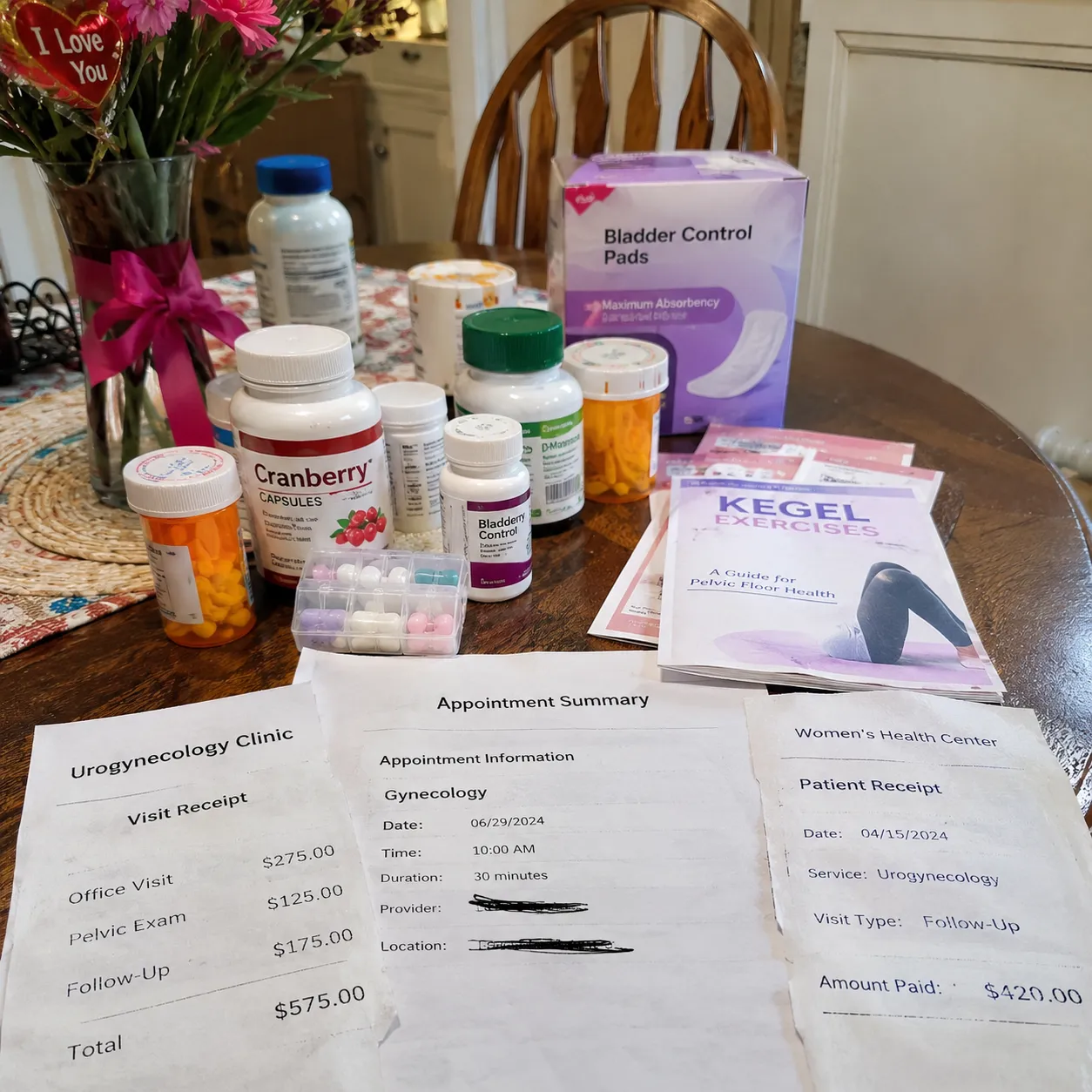
Here’s how to help your bladder
Emily Grace Anderson
Here’s how to help your bladder
Emily Grace Anderson
Here’s how to help your bladder
Emily Grace Anderson
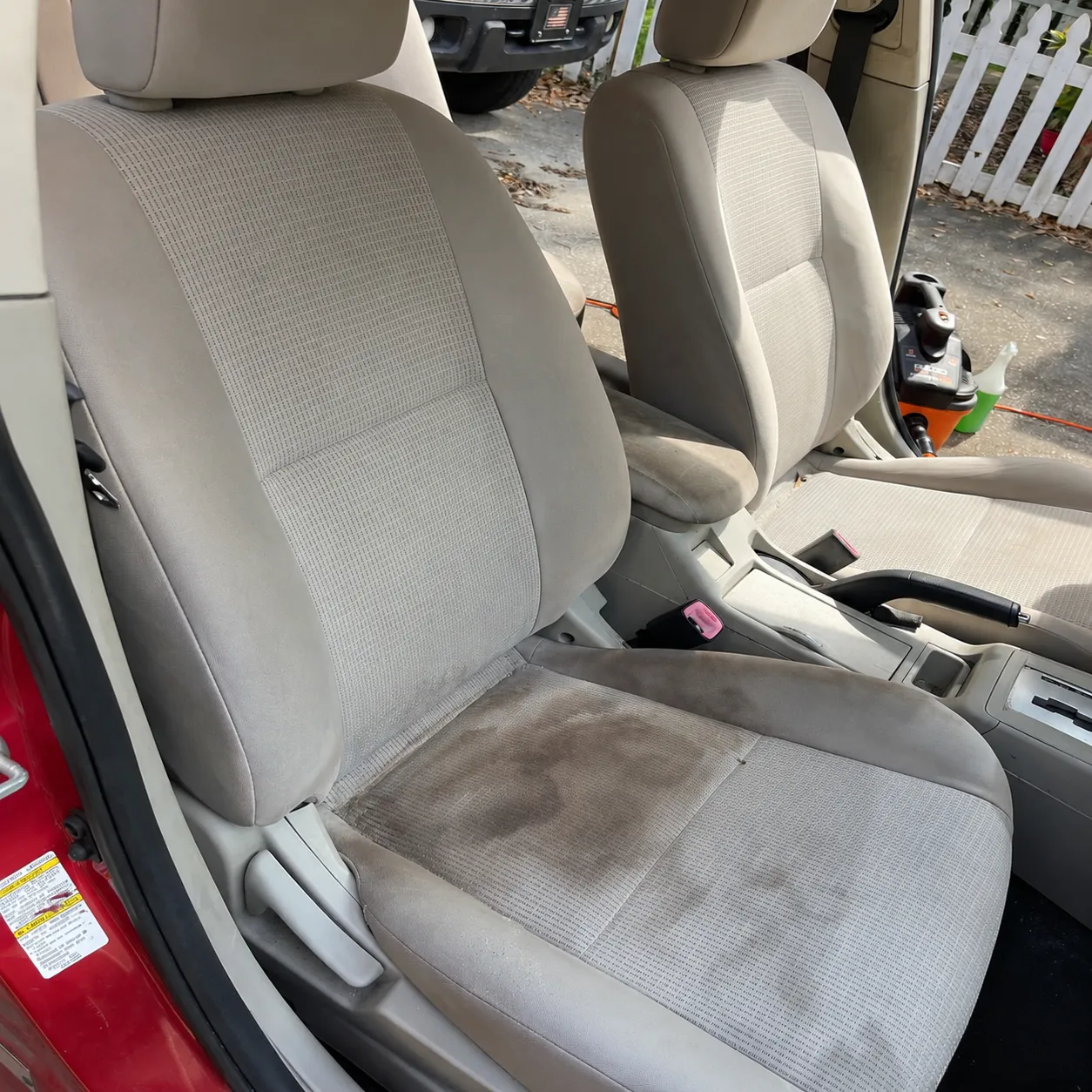
The Hysterectomy Lie She Hid for 12 Years
Emily Grace Anderson
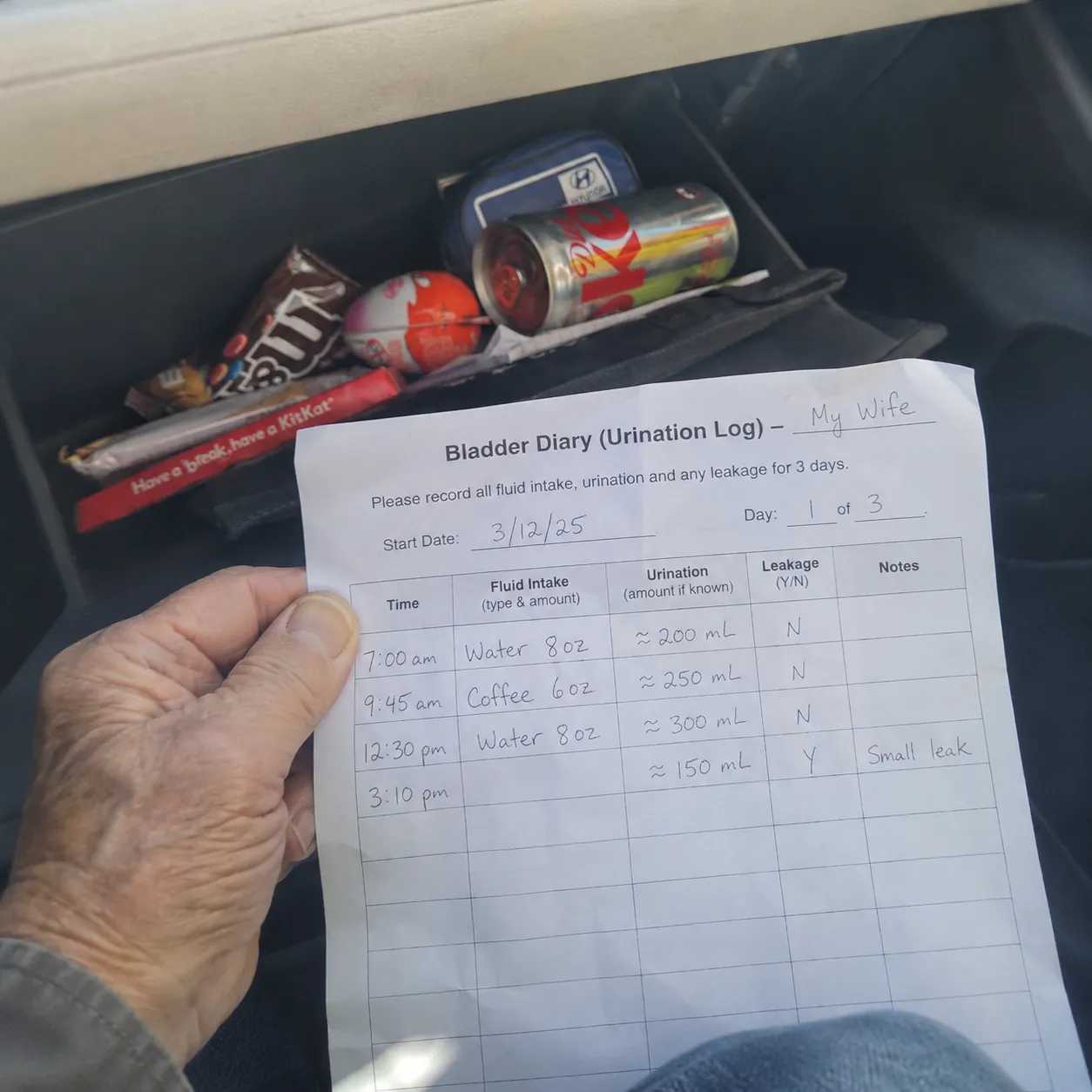
The Hysterectomy Lie She Hid for 12 Years
Emily Grace Anderson

The Hysterectomy Lie She Hid for 12 Years
Emily Grace Anderson
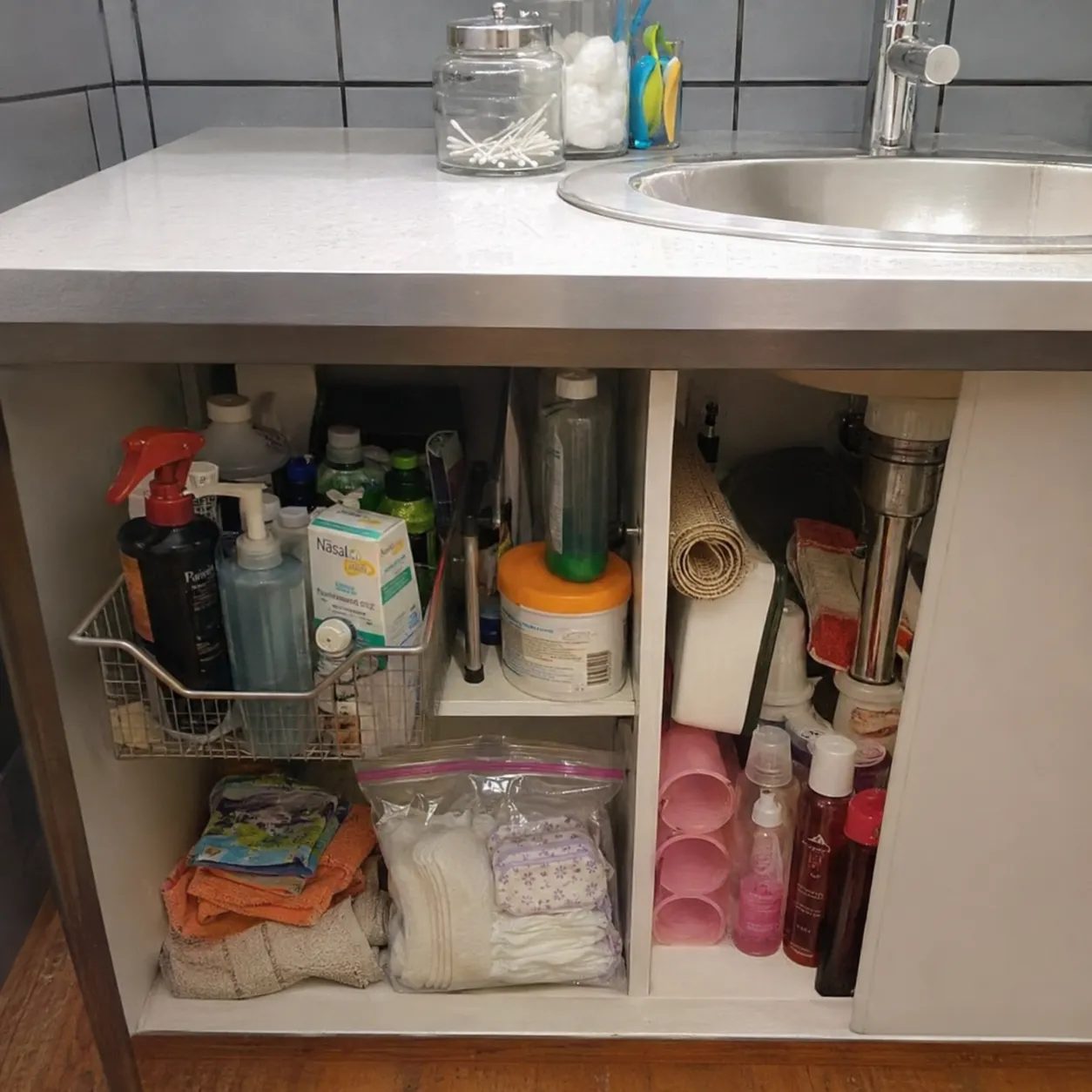
Is Your Bladder Running Your Schedule After Menopause?
Emily Grace Anderson
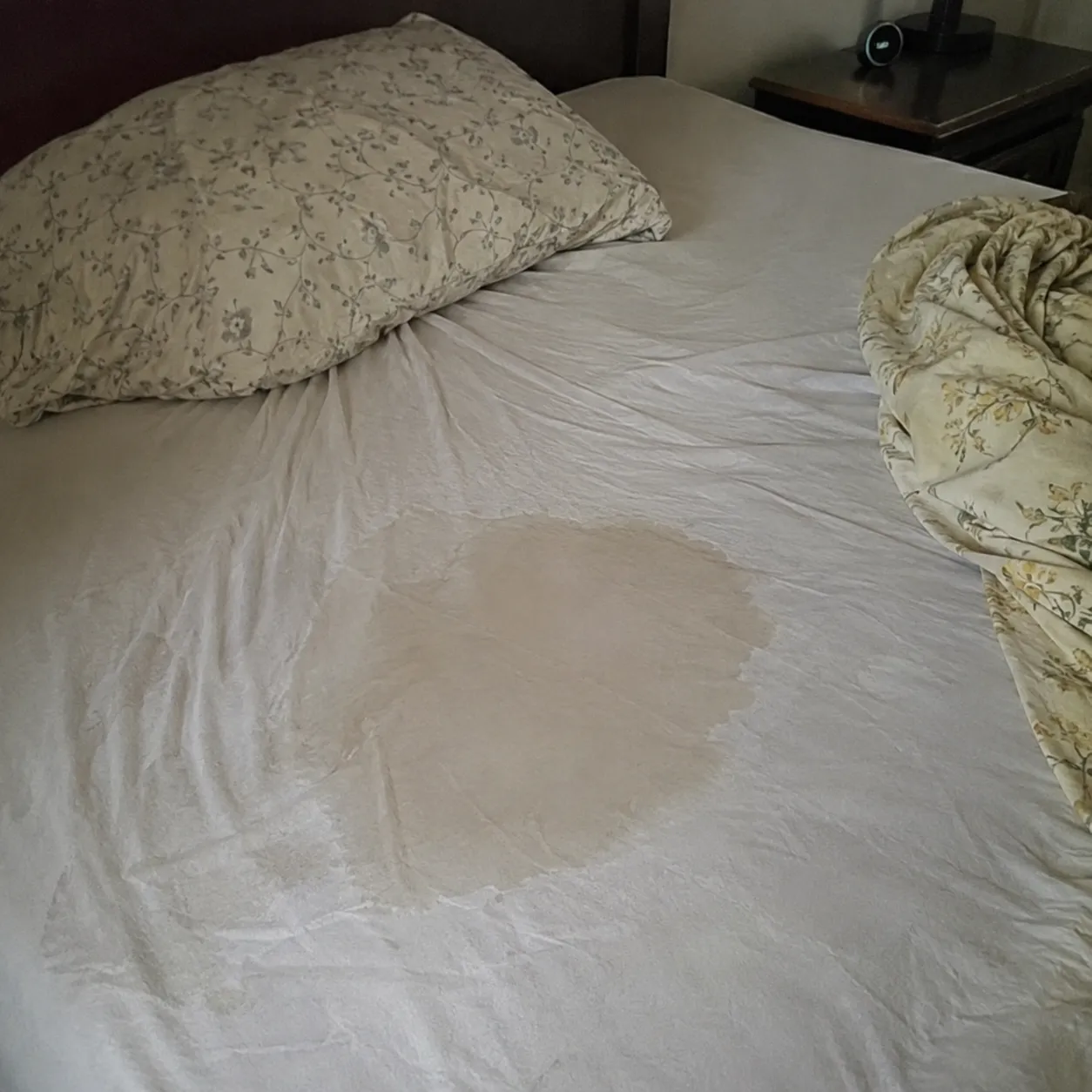
Is Your Bladder Running Your Schedule After Menopause?
Emily Grace Anderson
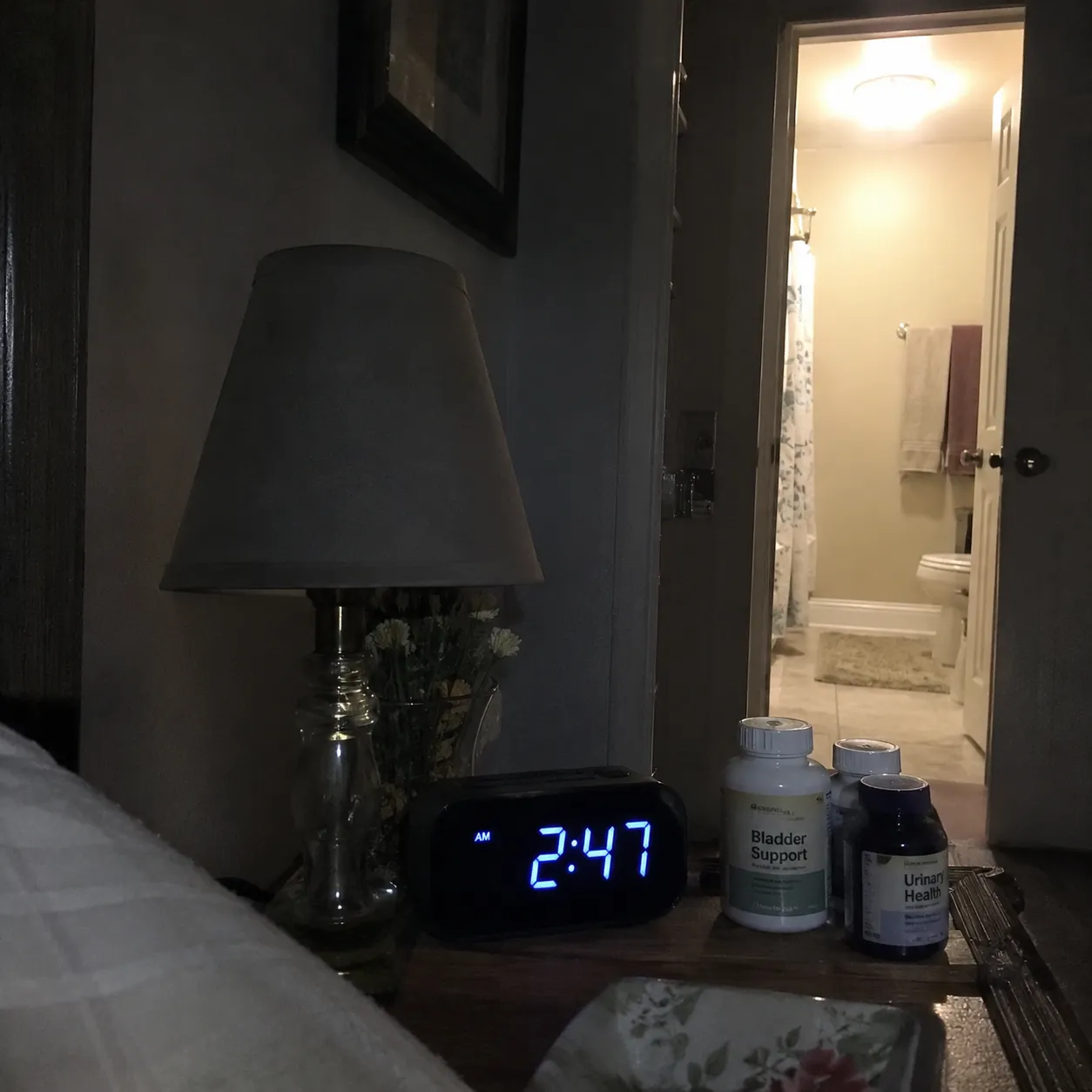
Is Your Bladder Sending False Alarms?
Emily Grace Anderson
Is Your Bladder Sending False Alarms?
Emily Grace Anderson

 Add to Chrome