The Hysterectomy Lie She Hid for 12 Years
Ad Copy
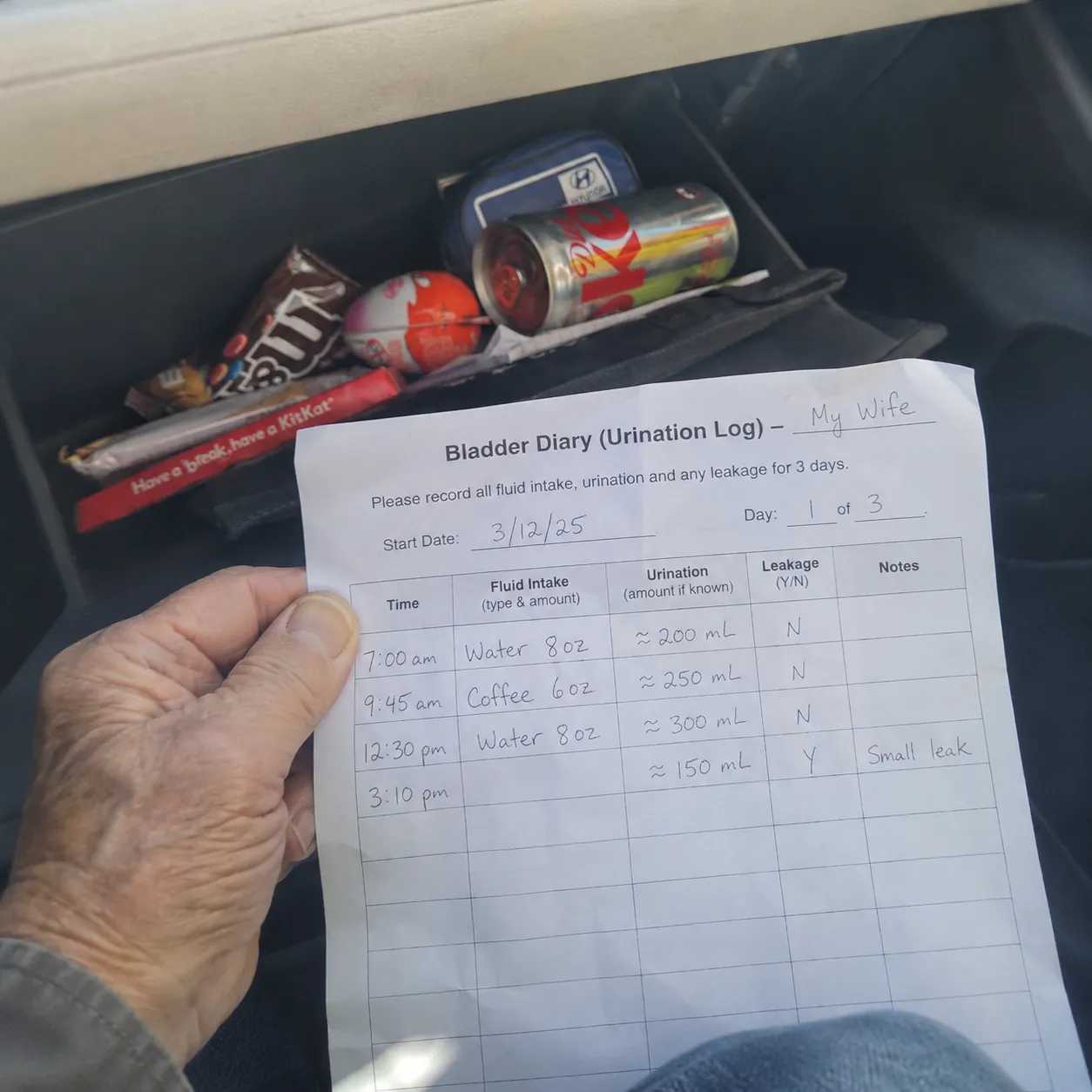
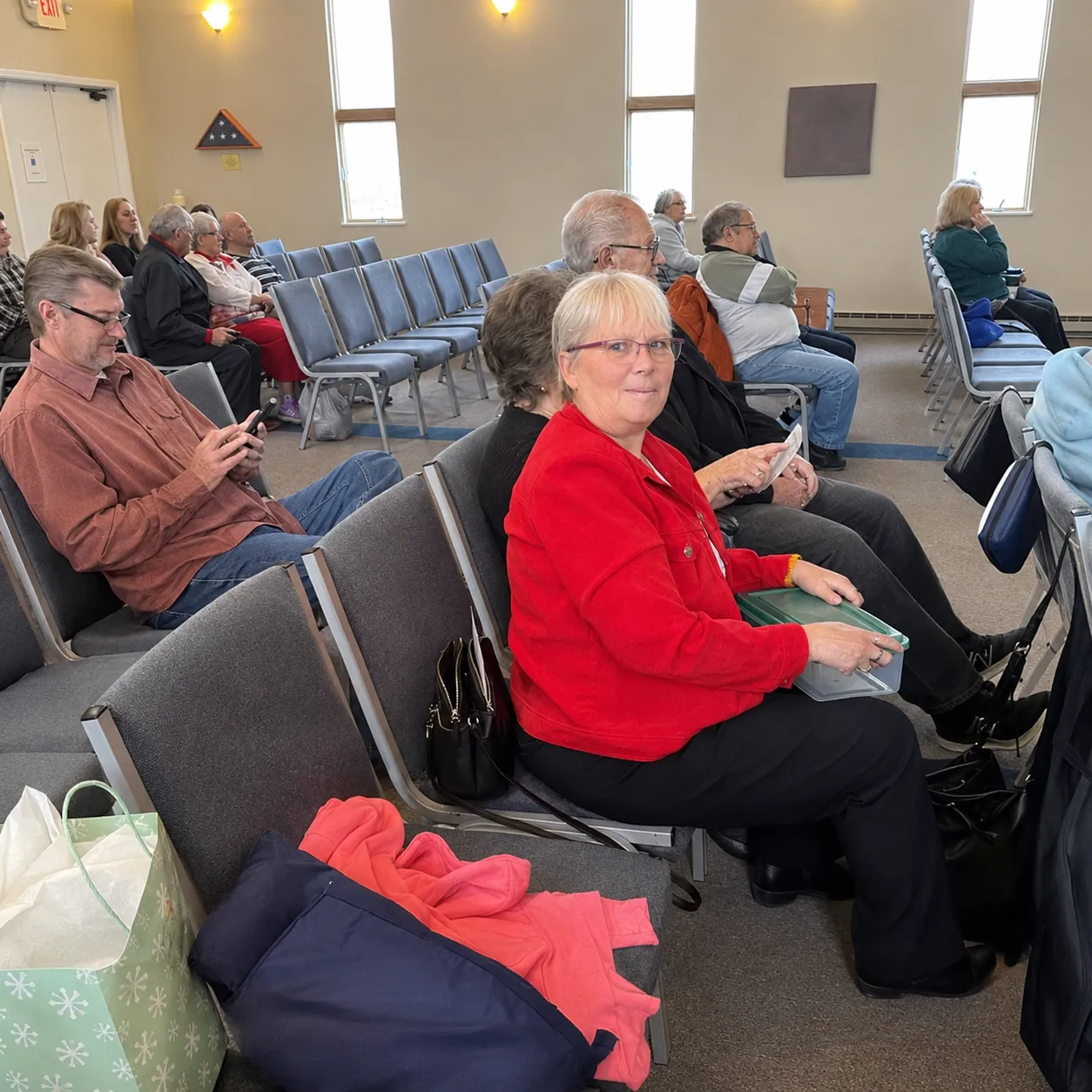
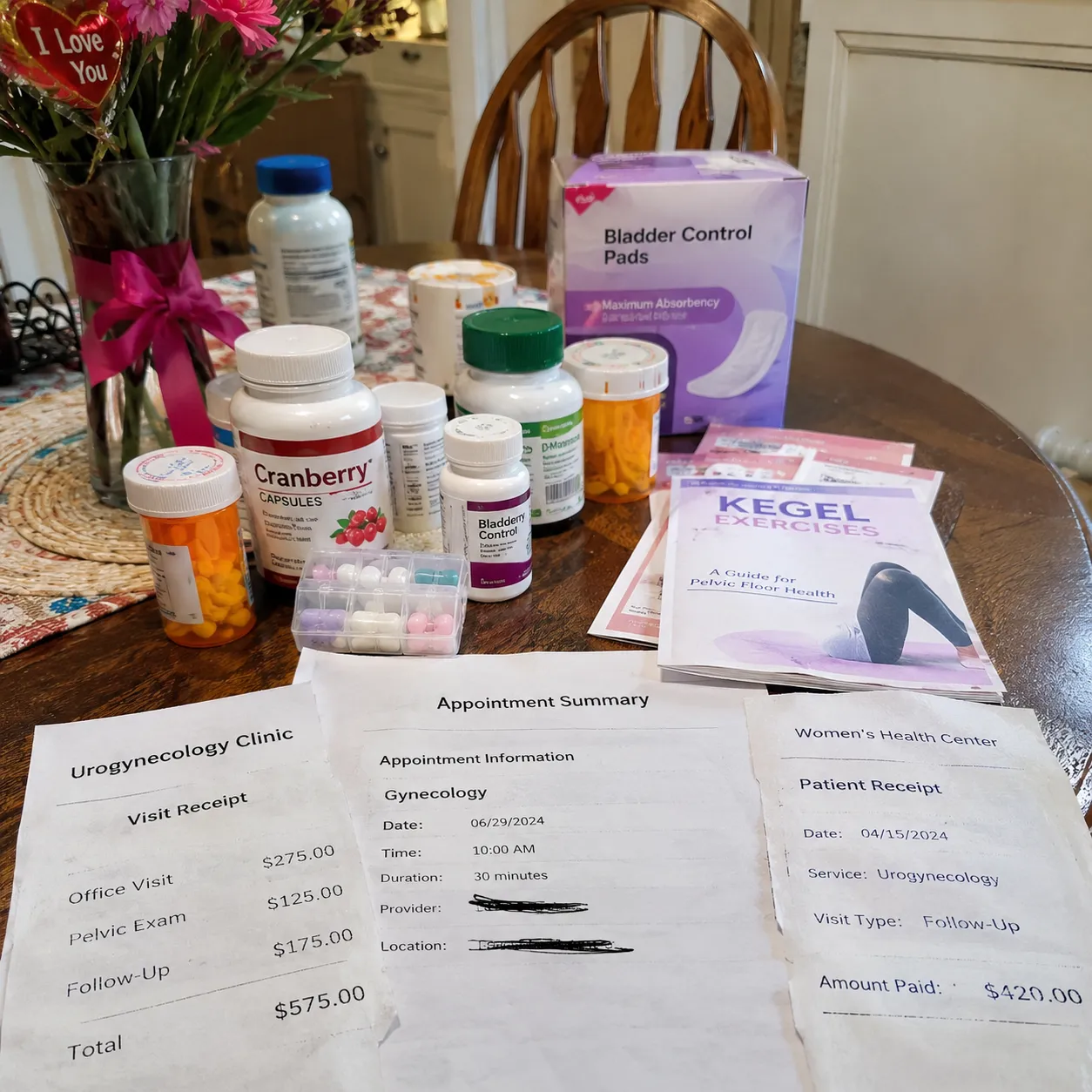
I found out my wife was leaking urine because of a hysterectomy she'd had twelve years earlier, and that too from a piece of paper in her glove box. I wasn't snooping. I was getting her tires changed. It was a Saturday morning in the middle of October, the kind of morning in Knoxville where the air finally cools off, and you roll the windows down and it actually helps. Emily's Buick needed new tires, and I'd offered to take it in so she could sleep late. The man at the counter asked for the registration. I went back out to the car and opened the glove box. Emily's glove box is where everything ends up. Napkins, church bulletins, a tire gauge, and one time a chocolate bar that melted all over the owner's manual. This time there was a piece of paper tucked behind the manual. Folded twice. The kind of folding you do fast, when you're trying to make something small. It was a bladder diary from her doctor's office. Three days of her handwriting. Every bathroom trip. Every leak. And at the bottom, in a nurse's handwriting, an appointment with a urologist. November 3rd. She'd had a hysterectomy twelve years ago. In August she'd come home from her physical and said, "Just routine. Everything's fine." I folded the paper back the way I found it, put it behind the manual and sat in that tire shop waiting room for an hour, wondering how long my wife had been carrying this by herself, and why she never said a word. My name is Dale. I'm 63 years old, and I've lived in Knoxville, Tennessee my whole life. I was a paramedic for 28 years before I retired. I've done CPR on a kitchen floor, delivered a baby in the back of an ambulance and sat with more scared families than I can count. It wasn't glamorous work, but it was real work, and I've always believed it mattered. Now I drive a few shifts a week for a medical transport company, taking folks to dialysis and back. My wife Emily is 61. Emily Grace Anderson. She taught kindergarten for 32 years at the elementary school three blocks from our house. She spent three decades teaching five-year-olds to raise their hand and tell a grown-up when something is wrong. We live off Sutherland Avenue in a house that needs a new roof and has a backyard that used to have a vegetable garden. Two grown kids, Jenna in Charlotte and Ben in Nashville. A beagle named Biscuit who takes Emily's side of the bed every time she gets up at night. Church on Sundays. Choir on Saturdays. Supper at her sister's house on the first Sunday of the month. A 2016 Buick with a glove box nobody has cleaned out since we bought it. And apparently, my wife had been keeping her bladder from me. Here's what I noticed before I found that paper. Not much. That's the cruel part. That's how the body works when something changes slowly. You adjust. You explain it away. You tell yourself it's just life. Emily started getting up at night sometime around the spring before last. Once. Then twice. Biscuit figured it out before I did. I'd wake up at 3 a.m. with a beagle on my wife's pillow and the bathroom light on down the hall. I told myself it was hot flashes. She'd had them on and off since the surgery. She started taking the aisle seat at church. Every single Sunday. She said it was easier on her knees. She stopped going on her Tuesday walks with the neighborhood ladies. She said it was the heat. Tennessee summers are not for the weak. She bought three pairs of dark navy slacks and said they were more slimming. There was a morning in July when she was in the bathroom a long time before her shower. When she came out, she just said, "Bad night," and stripped the sheets off our bed on a Tuesday. I didn't push. She came home from her doctor in August and said, "Everything's fine. Nothing to worry about." I believed her. Because Emily does not hide things. At least, I thought she didn't. She stopped laughing out loud at my jokes. She'd smile, and cross her legs, and change the subject. She sat out the slow dance at our nephew's wedding in September, and Emily has never sat out a dance in the 38 years I've known her. She dances the way other women breathe. I explained away every single one of those things. Hot flashes. Bad knees. Getting older. Sixty-one is different than forty. That's what I told myself. Then I sat in her car outside a tire shop holding a folded bladder diary that said otherwise. I carried that piece of paper in my head for 9 days. I knew what I was looking at. A bladder diary is simple. You write down every time you pee, about how much, and whether you leaked. Most healthy women go six to eight times a day, and zero or one time at night. Emily's diary showed fourteen trips on one day and twelve on another. Three and four trips every night. And a column marked "leak" with checkmarks running down it. "Sneezed, 6:40 a.m." "Laughing, 11:20 a.m." "Stood up from couch, 8:05 p.m." "Didn't make it, 3:15 a.m." In the ambulance, here's how we'd explain it. A bladder is supposed to fill quietly, hold when you cough or lift, and tell you to go when it's actually full. When it starts leaking under pressure and sending the signal early, something in how it's held or how it's signaling has changed. Emily's had changed. And she had said nothing. Not in August after the appointment. Not in September, after the parking lot or the wedding. Not in the first two weeks of October. Nothing. I didn't bring it up in those first 9 days, because I told myself I was waiting for the right moment. But the truth is, I was scared. Not of the numbers. Of the look on her face when I told her I knew. I've been married to Emily for 38 years. I know every expression she has. I know the one she wears when something is serious and she's trying not to let me inside it. I wasn't ready to see that face. The right moment didn't come on its own. It came at 11:30 on a Saturday night. I was already in bed, and Emily came back from her second bathroom trip of the night, and I just looked at her and said, "I found your bladder diary." She stopped. She stood in the doorway of our bedroom holding her robe closed, and I watched her face do exactly what I knew it would do. Not surprised. Not angry. Just tired in a way that had nothing to do with the hour. "When," she said. "October. Your glove box." She nodded. She sat down on the edge of the bed. And she told me everything. She'd started leaking about five years ago. A little when she sneezed at first. Then when she laughed. Then when she stood up too fast. Then the urge started coming out of nowhere, and some days she didn't make it. She'd been wearing a liner every day for three years and full pads for the last year. She'd been hiding them in a shoebox in the back of her closet so I wouldn't see. She'd tried a bladder pill two years ago on her own doctor's advice. It dried her mouth out so bad she couldn't sing in choir, and she felt foggy all day. She stopped it after a month and never told me she'd started. In August, she finally told her doctor how bad it had gotten. Her doctor gave her the bladder diary and referred her to a urologist for November. Emily filled out the diary. She made the appointment. And then she just didn't tell me. "I didn't want you to think of me as an old woman," she said. "Em." "I know." "You spent 32 years teaching five-year-olds to tell a grown-up when something's wrong, and you didn't tell me." She almost laughed. I almost did too. "I was going to tell you after November," she said. "When I knew more." I asked her what she would have done if November was bad. She was quiet for a long time. "I don't know," she finally said. The November appointment was not great. The urologist was kind and he didn't rush. He confirmed what the diary showed. Leaking when she coughed, laughed or stood up. Sudden urges that came before her bladder was full. Three or four night trips. Not an emergency. But not something to put on a shelf, either. He gave her a list. Kegels every day. A referral to pelvic floor physical therapy. Less coffee. Bathroom trips on a schedule. He offered a different bladder pill, and when she told him about the dry mouth, he said there were others to try. He said if things didn't get better, there were procedures they could talk about later. Come back in four months. Emily called me from the parking lot right after. She gave me the report the way she always gives hard news. Bright and steady, like a note home to parents. Then she said, in the voice that means she's holding something still, "I'm going to handle it, Dale." I know Emily. That's her saying, I am scared and I will not say it out loud. "Okay," I said. "We're going to handle it. Together." I started reading everything I could find. When something is wrong, I need to understand it. Not to panic. To understand it. Twenty-eight years on an ambulance will do that to you. I read about bladder control after menopause. About why women start leaking in their fifties and sixties. And the same word kept showing up in study after study. Hysterectomy. Women who've had a hysterectomy are more likely to have bladder problems years later than women the same age who haven't. Nobody had ever told us that. Not the surgeon. Not her family doctor. Not the urologist, who never once asked about her surgery. Here's the simple version of what I learned. When a surgeon removes the uterus, the ligaments that held it in place have to be cut. There's no other way to do the surgery. But some of those same ligaments also help hold the bladder in position. They help keep the angle where the bladder meets the urethra. That angle is part of what lets you hold urine when you cough, laugh, sneeze or lift. After the surgery, the bladder slowly loses some of that support. Over the years, it can shift. The angle changes. And that's when the leaking starts when there's pressure on it. That was Emily sneezing at 6:40 in the morning. The second thing was the lining. The inside of the bladder has a thin protective coating called the GAG layer. It keeps urine away from the sensitive tissue of the bladder wall underneath. Urine isn't just water. It has salts, acids and waste in it. That coating depends on estrogen to stay healthy. Emily's ovaries were removed with her uterus, so her estrogen dropped all at once, at 49. Without estrogen, the lining gets thinner. Urine starts touching tissue it was never meant to touch. That tissue gets irritated, and it sends the "go now" signal early, when the bladder is only half full. That was Emily getting up four times a night and barely peeing. The third thing was the nerves. The nerves that carry signals between the bladder and the brain run right through the area where the surgery happens. When they're disturbed, they can misfire. They send urgency when the bladder isn't full. They wake you up for nothing. Three things. The support, the lining and the signals. All changed by the same surgery. And here's what explained the timing. You don't feel any of this happening. The body makes up for it for years. Five years. Ten. Sometimes longer. Then one day it can't make up for it anymore, and the symptoms show up. By then the surgery is so far back that everybody blames age. Emily's surgery was at 49. Her leaking started at 56. Right on schedule, and nobody had ever connected the two. The standard advice addressed what the standard advice addresses. Kegels. Less coffee. Scheduled bathroom trips. And I believe in all of it. But Kegels work on the muscles. They can't put back ligaments that were cut. And they don't do anything for a lining that has thinned or nerves that are misfiring. The bladder pill calms the muscle so the urge isn't as strong. But it doesn't do anything for the tissue that's sending the signal. That's why Emily's urge came right back every time. And the pads just catch what leaks. None of it reached the lining. None of it supported the tissue that lost its estrogen twelve years ago. The urologist's job was managing the symptoms going forward. Nobody had a plan for what had been changing since the surgery. That gap was the thing I couldn't stop thinking about. I found what I was looking for at church on the second Sunday in December. Her name is Loretta Hayes. She's 64. Lives about three miles from us off Kingston Pike. I've known her for years the way you know people from church. I know her face, I know her family, I know a few things about her life but not the inside of it. What I knew about Loretta was that she'd worked as a nurse in the women's continence clinic at the hospital downtown for 18 years. Bladder problems, all day, every day. She retired about four years ago to take care of her husband after his stroke. That morning, I had not planned to say anything to anyone. I was going to have my coffee and a biscuit at fellowship hour and get back home. But we ended up standing next to each other at the coffee urn. She asked how Emily was doing, because Emily had quietly dropped out of choir in November. It was the kind of question that's meant to get a "fine, thank you." And instead of "fine, thank you," something in me just said, "Honestly, Loretta, not that great." We ended up outside on the church steps for almost an hour. I told her about the bladder diary. About the Saturday morning at the tire shop. About the November appointment. About the parking lot and the coffee that wasn't coffee. About the doctor's list that covered everything except what I was most worried about. She listened to all of it without interrupting. Then she said, "Did she have a hysterectomy?" I just looked at her. "Twelve years ago," I said. She nodded like she already knew. "Can I tell you what I've been telling my own family?" she said. Loretta talks the way a woman talks who has watched something up close for a long time and finally has a chance to say it plainly. "I saw hundreds of women like Emily," she said. "Had their hysterectomy at 45 or 50. Healed fine. Went back to their lives. Then, five, ten, fifteen years later, they start leaking, and they come in thinking they're just getting old." "Almost none of them ever connected it to the surgery. And honestly, most of their doctors didn't either." "It isn't one thing that goes wrong," she said. "It's three things. The support around the bladder, the lining inside it and the nerves that run through it. They all change with that surgery. Then the body hides it for years. Then it can't hide it anymore." She paused. "And here's what nobody tells them. Kegels can't fix a ligament that's gone. The pills can't fix a lining that's thin. They each touch one piece." I asked her what helps. She said the thing that has always been missing from the standard list is support for the tissue itself. Not only managing the urge. Supporting the lining and the tissue around it, so the bladder isn't reacting all day. "How much do you know about hyaluronic acid?" she said. "Not the face cream. The kind for the bladder." I told her I thought it was something in my wife's moisturizer. She smiled. "Most people do. But it's one of the actual building blocks of that lining inside the bladder. Some bladder clinics in Europe put a hyaluronic acid solution right into the bladder to support it." Loretta had spent years after retiring reading about women's bladder health. It started because her own sister began leaking in her late fifties, eleven years after her hysterectomy. She went back to the research she'd seen at the clinic, the things she'd always meant to look into but never had time for. Here's what she found. Most bladder supplements on the shelf are built around cranberry. Maybe a little pumpkin seed. And cranberry alone is not the same as supporting all three things the surgery changed. "That's the part that matters," she said. "One ingredient touches one piece. Emily's bladder lost support in several places at once. So it needs support in several places at once." And then she went through it in a way that finally made sense to me. She counted them off on her fingers right there on the church steps. "Sodium hyaluronate, a form of hyaluronic acid," she said. "It's a key part of the GAG layer, that protective coating inside the bladder. It supports the coating that keeps urine off the sensitive bladder wall. That's the coating that thinned when her ovaries came out." "Red clover extract. It has natural plant compounds called isoflavones that support estrogen-sensitive tissue. After surgical menopause, the bladder lining and the tissue around the urethra lost their estrogen support. Red clover supports that tissue without hormone therapy." "Sea buckthorn. It has fatty acids, including omega-7, that support the renewal of mucous membranes. That's the soft lining tissue that thinned from losing estrogen after her surgery." "Pumpkin seed extract. It supports bladder muscle tone and coordination. It helps the muscle hold when there's pressure, like a sneeze, and empty fully when she pees. It's been studied for pelvic floor support." "Magnesium citrate. Magnesium is involved in how muscles contract and how nerves send signals. It helps calm the misfiring urge signals, the ones that wake her up at 3 a.m. for nothing. Most women over 50 are low on magnesium and have no idea." "And cranberry extract. Not just for bladder infections. It supports the bladder lining and helps calm the ongoing irritation that keeps the urge coming back." "Six of them," she said. "Together. One for the lining. One for the tissue that lost its estrogen. One for the lining's renewal. One for the muscle. One for the signals. One for the irritation." "There's real research on each of these," she said. "Published studies. Not on Emily, and not on every woman. But enough that I'd want my sister on all six instead of one bottle of cranberry." She looked at me steady. "It is not a replacement for what her urologist is doing," she said. "I want to be very clear about that. She keeps her appointments. She does her exercises. But this is something the urologist's list doesn't cover. He's managing what he can measure. Nobody has been supporting what changed after that surgery." I drove home and spent the rest of that Sunday at the kitchen table with my laptop. I found the research she was talking about. Studies on hysterectomy and bladder problems later in life. Papers on the GAG layer and what happens to it when estrogen drops. Studies on pumpkin seed and leaking, red clover in women after menopause, magnesium and bladder muscle signals. And I found what Loretta had warned me about. Most bladder supplements had cranberry and not much else. Some had pumpkin seed. Some listed fifteen ingredients in a "proprietary blend," so you couldn't tell how much of anything was inside. Most of the hyaluronic acid I found was made for knees and skin. I didn't find a single one with all six. Until the second night. I found UroControl. Made by a company called Lovy. Sodium hyaluronate. Red clover. Sea buckthorn. Pumpkin seed. Magnesium citrate. Cranberry. All six, in one formula, made for women whose bladders changed after a hysterectomy and menopause. Two capsules a day. Every ingredient on the label. I ordered a bottle that same evening. I told Emily two days later, on a Tuesday night. I made chicken and dumplings, her favorite, and I sat across from her and laid it all out. What Loretta had told me on the church steps. The three things her surgery had changed. What I'd found in the research. What I'd ordered. Emily is skeptical of what she calls "miracle stuff." She'd already tried a bladder pill and two bottles of cranberry on her own. But she listened all the way through. She asked two good questions. Whether it was safe with her blood pressure pill. And whether Loretta really thought it could help. We called her pharmacist the next morning about the first one. And at the end of that dinner, she just said, "Okay." She started taking it on a Wednesday, two capsules with breakfast. Week 1 was nothing. I told her to expect nothing, and she said she wasn't expecting anything. Week 2, I noticed she had stopped going to the bathroom "just in case" before every errand. That had been a thing for two years. Bathroom before the grocery store. Bathroom before church. Bathroom before the mailbox. I didn't say anything. I just noticed she wasn't doing it anymore. Week 3, she sat in the middle of the pew at church. Not the aisle. The middle. She didn't get up once during the whole service. Week 4, she was at the kitchen counter pouring her coffee, and she said, without me asking, "I only got up once last night." That's Emily's language. She doesn't make a fuss. "Only once" is about as big as she's going to make it. I knew exactly what it meant. She started a new bladder diary that week, on her own. Week 6, the choir director called the house. She said, "I saw Emily at church Sunday, and she looked like herself again. Is she coming back to Saturday practice?" Emily went back that Saturday. She stood in the back row and sang the whole two hours. Week 8, I looked at her new diary on the counter. Eight trips a day instead of fourteen. One trip most nights. Some nights, none. And the leak column had two checkmarks in a whole week instead of two a day. She'd switched from full pads to thin liners. In March, she went back to the urologist for her follow-up. She brought both diaries with her. I waited in the parking lot. She came out, got in the car and said, "He said whatever I'm doing, keep doing it." Bright and steady. Like a note home to parents. But I watched her hands on her purse in her lap, and they weren't tight the way they get when she's holding something still. I put my hand on her arm. She let me. I need to say one thing before I give you the link. I'm a retired paramedic. I'm not going to tell you this is a cure or that it fixes everything. Emily still sees her urologist. She still does her Kegels. She's still doing every single thing the doctor told her to do. UroControl is designed to be taken alongside your current care, not as a replacement for it. Always check with your doctor or pharmacist before adding anything new, especially if you take prescription medication. But there's a difference between managing a problem and supporting what's underneath it. The urologist manages the symptoms going forward. That's his job, and Emily has a good one. But the support, the lining and the signals that changed after her hysterectomy, and kept changing for twelve years before anyone measured anything, that's not what a pill or a pad handles. That was the piece nobody had addressed. Loretta told me about this because 18 years in a continence clinic will teach you things the standard list misses. She wasn't prescribing anything. She was pointing at something real that nobody had pointed at for us. I'm doing the same thing for you right now. Maybe someone in your life had a hysterectomy years ago and is leaking now. Maybe you're the one who found the paper. Or maybe you're the one hiding it. This is worth knowing about. Because it doesn't stay the same. Every year the lining keeps thinning and the support keeps shifting, the urge comes earlier, the night trips go up and the leaks get harder to hide. The product is UroControl. All six ingredients together. That's the whole point. Two capsules a day. They offer a 90-day money-back guarantee. If it's not for her, she sends it back within 90 days and gets a full refund. Emily is on her fourth bottle. Last week she found me at the computer putting in the reorder and said, "You don't have to do that. I'll get it." And she pulled up the site and ordered it herself. That's how you know, with Emily, that something is real. secure.trylovy.com/adv2-hy Twelve years after her surgery, my wife danced the slow dance at our anniversary dinner. Go get it. P.S. I still have that first bladder diary. It's in my nightstand drawer, under the church directory. Emily found it in there once and didn't say a word. She just put it back. I think we're both keeping it for the same reason. To remember what was quietly getting worse before we did anything about it. And to remember that we did. Go get it.
More from Emily Grace Anderson

The Bible verse that explained her leaking
Emily Grace Anderson
The Bible verse that explained her leaking
Emily Grace Anderson
The Bible verse that explained her leaking
Emily Grace Anderson

Here’s how to help your bladder
Emily Grace Anderson
Here’s how to help your bladder
Emily Grace Anderson
Here’s how to help your bladder
Emily Grace Anderson
The Hysterectomy Lie She Hid for 12 Years
Emily Grace Anderson

The Hysterectomy Lie She Hid for 12 Years
Emily Grace Anderson
Is Your Bladder Running Your Schedule After Menopause?
Emily Grace Anderson
Is Your Bladder Running Your Schedule After Menopause?
Emily Grace Anderson
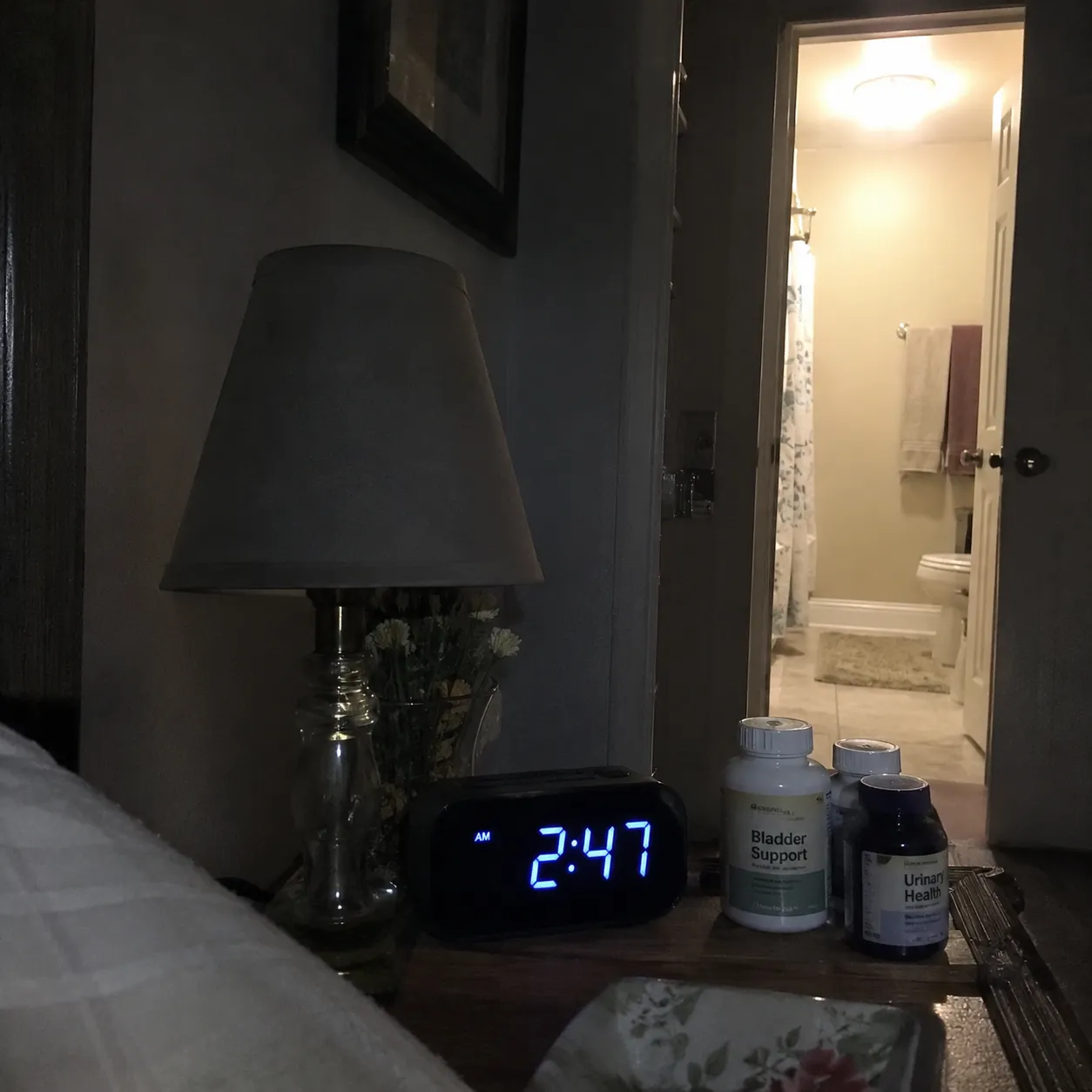
Is Your Bladder Sending False Alarms?
Emily Grace Anderson
Is Your Bladder Sending False Alarms?
Emily Grace Anderson

 Add to Chrome