Is Your Bladder Sending False Alarms?
Ad Copy
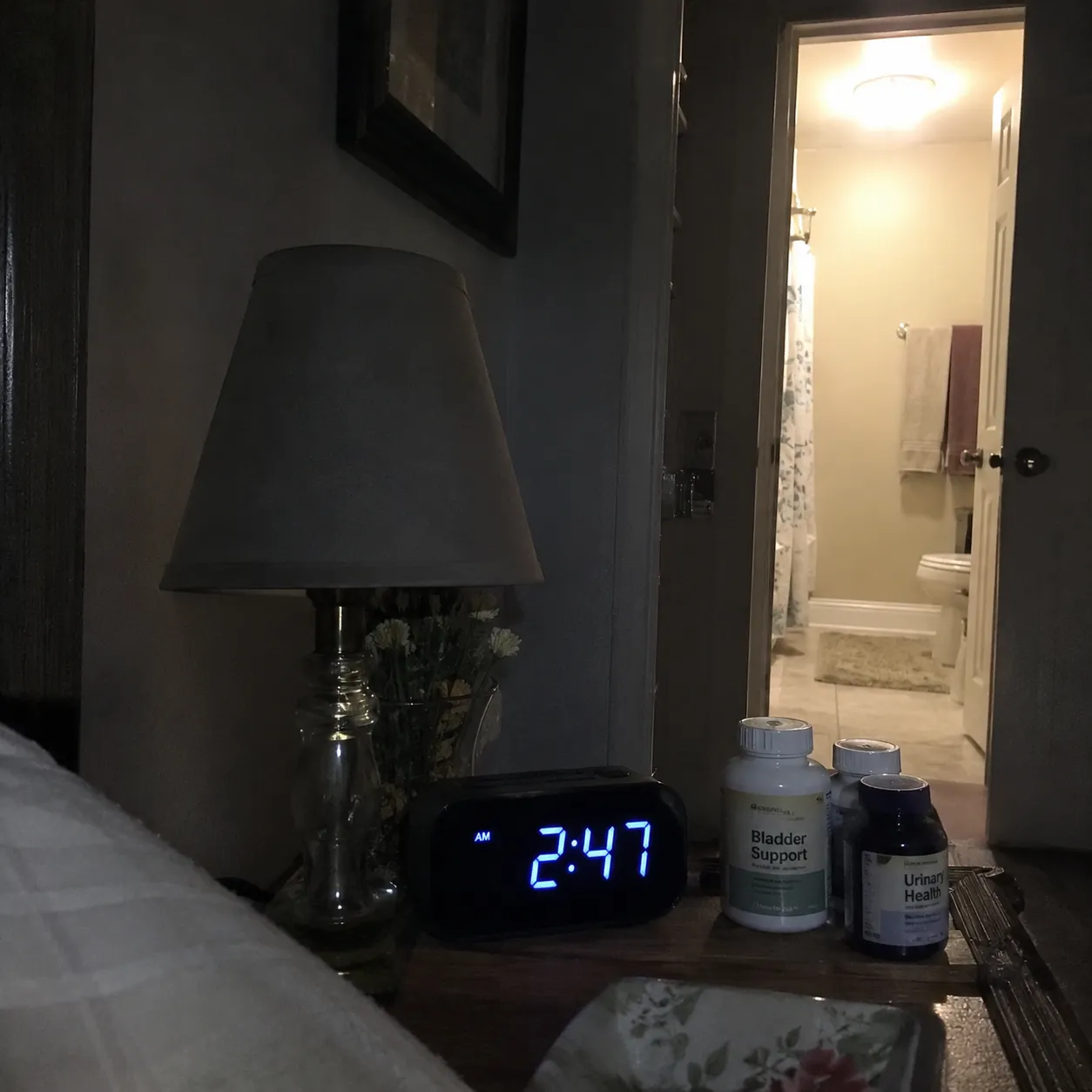
My physical therapist was the one who told me why I was losing control of my bladder. Not my gynecologist. Not my internist. Not the two specialists I had already seen. My physical therapist. She was asking about my week, the way she always does at the start of a session, and I mentioned I had skipped a walk with my neighbor because I had not wanted to be too far from a bathroom. She stopped what she was doing. Looked at me. And said: "Emily, how long has it been like this?" I already knew it was bad. I had been managing it for three years. But hearing someone else say it out loud, in that careful tone she uses when something is worth paying attention to, that is when it landed. I am 63 years old. Former middle school teacher. Married 31 years. Three kids, four grandchildren. And I could not make it through a walk around the block without calculating every exit. I had tried everything I knew to try. I had done what every doctor told me to do. And nothing had changed. What I had not been told was why. That is what I want to share with you. I had been dealing with bladder problems for three years before anyone explained what was actually causing them. My name is Emily Grace Anderson. I am 63 years old. I taught middle school English for eighteen years before I retired. I have been married to the same man for thirty-one years. I have three grown children and four grandchildren. I am not a doctor. I do not have a medical background. What I have is three years of trying everything and getting nowhere, and then one conversation that finally made sense of all of it. It had started the way these things usually do. A little more urgency than before. Needing to go more often. Getting up once at night, then twice. Leaking a small amount when I coughed or sneezed. Wearing a liner every day, the way I had always assumed I eventually would. I told myself it was normal. My gynecologist told me it was normal. My internist told me it was normal. Both of them said the same word: age. That is when I found out what it feels like to be dismissed with one word after spending years trying to fix something that is making your life smaller every month. Because it was making my life smaller. I took the aisle seat at every event so I could leave without climbing over anyone. I stopped going to the gym in the mornings because there was no bathroom break in the class I liked. I turned down a half-day road trip with my daughter because I could not predict what would happen an hour from home. I skipped my friend's outdoor art opening because it was at a vineyard with one portable toilet and I was not willing to do that math in public. My husband would suggest walks after dinner and I would find reasons to say no. Not because I did not want to go. Because I could not predict what would happen if we went too far from the house. I was building my entire day around a 20-minute bladder. I told myself I was managing. What I was actually doing was shrinking. I had tried everything I could find. I did pelvic floor physical therapy for eight months with two different therapists. Both of them were excellent. I did the exercises every single day without skipping. The leaking when I coughed improved a little. The urgency and the night trips did not change. I cut my caffeine to one cup in the morning and stopped drinking anything after six in the evening. My sleep got worse because I was thirsty, and I was still waking up twice a night. I tried a bladder supplement I had seen reviewed online. Cranberry and something called D-mannose. I took it for four months. Nothing changed. I tried the first prescription medication my urologist offered. The dry mouth was so severe I could not wear my contact lenses. I stopped after six weeks. I tried the second one. My urgency improved about 30 percent. The leaking did not change. The doctor called it a good response. I stopped taking it after three months because a 30 percent improvement was not enough to stay on a medication indefinitely. Three years. That is how long I spent doing everything right, being told I was doing everything right, and still getting up twice a night and planning every outing around the nearest bathroom. Then my physical therapist, the one I had been seeing for a shoulder issue that had nothing to do with any of this, asked how long I had been managing things this way. I told her. She paused. She said: "Have you ever looked into the GAG layer?" I had never heard that term. I went home that evening and typed it into my search bar. What came back was dense. Medical journal abstracts. Forum threads from women who had clearly been living with this for years. A handful of research summaries I had to read three times to follow. I stayed up until midnight and felt like I had a piece of something but not the whole picture. I called her the next day. She gave me the name of a urogynecologist who had written about it and suggested I look for research on bladder lining support after menopause specifically. That sent me in a different direction. I spent the next two weeks reading in the evenings after my husband went to bed. I hit dead ends. I found articles that referred to other articles I could not access. I found supplement company pages that made claims I could not verify. I found a few women in online forums who described exactly what I had been experiencing for three years, and reading their words felt like the first time anyone had described my situation accurately. They talked about urgency that did not match how full they were. They talked about rushing to the bathroom 20 minutes after they had just been. They talked about doctors who called it normal aging and moved on. They talked about the GAG layer. Some of them had found things that helped. Some had not. I started to understand the mechanism piece by piece, not in one night but over several weeks of coming back to it and reading a little more. Here is what I eventually put together. The inside of the bladder is lined with a protective coating. It is called the glycosaminoglycan layer, or the GAG layer. This coating sits between the urine and the sensitive tissue of the bladder wall. Its job is to keep the urine separated from the tissue underneath. When the coating is intact, the bladder fills, holds, and empties in a normal cycle. The urgency signal arrives when the bladder is genuinely full. Every time the bladder fills, stretches, and empties, this coating experiences normal wear. When you are younger, your body continuously renews it. After menopause, that renewal process slows. The coating thins. Urine begins to reach tissue it was never meant to touch. That tissue becomes irritated and reactive. When urine touches irritated bladder tissue, the bladder sends urgency signals even when it is only half full. A bladder that is half full feels exactly as urgent as one that is completely full. You rush to the bathroom. You pee a small amount. The signal temporarily stops. The bladder fills back up to that same point. The urgency returns. You rush to the bathroom again. This is not a muscle problem. This is a tissue problem. This is why I had been going to the bathroom every hour. Not because I was producing more urine. Because my bladder was reacting to urine touching tissue it was not supposed to be touching, and that signal was firing at half capacity. This is also why Kegels help some women but had not helped me. My muscles were getting stronger. But the tissue sending the urgency signal was not changing. Stronger muscles cannot fix irritated tissue. The alarm keeps going off no matter how strong you make the walls around it. Now I understood why the exercises had not worked. I understood why cutting fluids had made things worse, not better, because concentrated urine is more irritating to already-sensitized tissue. I understood why the cranberry supplement had done nothing, because supporting the urinary tract against infections is not the same as repairing the structural layer that keeps urine away from the bladder wall. I understood why the medication had quieted the urgency only partially, because it was turning down the nerve signals without changing the tissue that was generating them. Take away the medication, the signals come back at full volume. None of these approaches was wrong. None of them was aimed at the right target. What my bladder needed was for the coating to be supported at the tissue level. Not signals turned down. Not muscles strengthened around the problem. The tissue itself. Over those weeks I had been building a list of the ingredients that kept appearing in the research on bladder lining support after menopause. Not on one site. Across multiple studies, forum discussions, and summaries written by practitioners who worked with women dealing with urgency and leaking. Six compounds kept appearing. I want to explain what each of them does, because understanding why each one is in the formula was what made me confident enough to try it. Pumpkin seed extract supports the tone and coordination of the bladder muscle. The muscle has two jobs: hold urine without leaking under pressure, and release fully when you need to go. When those two things are out of sync, both holding and releasing become unpredictable. Pumpkin seed extract has been studied for pelvic floor support and has evidence for helping the muscle do both jobs more reliably. Red clover extract contains isoflavones. The bladder lining and the urethral tissue are estrogen-sensitive. After menopause, estrogen support to those tissues drops sharply. The tissue that depends on estrogen begins to change. Red clover isoflavones provide support to estrogen-sensitive tissue without hormone therapy. For women who cannot use estrogen, or do not want to, this matters. Sodium hyaluronate, the pharmaceutical name for hyaluronic acid, is one of the key structural parts of the GAG layer itself. The GAG layer is made partly of hyaluronic acid. After menopause, the body produces less of it. Supplying sodium hyaluronate supports the coating from the inside, giving the body what it needs to maintain the layer that keeps urine away from the tissue beneath it. This is the most direct connection to the specific problem the GAG layer thinning causes. Magnesium citrate is involved in both muscle contraction and nerve signaling. The urgency signal is partly a nerve signal. When nerves misfire and send signals that do not match how full the bladder actually is, magnesium helps calm that misfiring. Most women over 50 are low on magnesium and do not know it. Sea buckthorn contains fatty acids that support the regeneration of mucosal membranes. Mucosal membranes throughout the body are affected by the estrogen decline that comes with menopause. The bladder lining is a mucosal tissue. Sea buckthorn provides the fatty acids that this tissue uses in its repair cycle. Cranberry extract does more than prevent urinary tract infections. Its active compounds reduce chronic low-grade inflammation in the bladder lining. That inflammation is part of what makes the tissue reactive. A bladder dealing with ongoing inflammation fires urgency signals more easily. Reducing that inflammation as part of a broader tissue-support approach addresses one of the conditions that makes the GAG problem worse over time. None of these six ingredients alone is a complete answer. Together, they address the tissue, the coating, the nerve signaling, and the inflammation at the same time. What I had been taking before was addressing one of those things in isolation. I had been cycling through single-target approaches for a problem that involved multiple systems at once. I went looking for a formula that contained all six. That was harder than I expected. Most of what I found had one or two of them. Some had more but at doses that did not match what the research had used. A lot of them made claims on the label that had nothing to do with the bladder lining at all. I had been at this for about a month when I mentioned to my daughter what I was looking for. She is thirty-four and better at this kind of research than I am. She took over. Three weeks later she called on a Sunday evening. "Mom, I think I found it. It has all six. The formulation is clean. The dosing matches what you have been reading about. The reviews are from women describing exactly what you have been going through." She sent me the link. I read the reviews for an hour. Women describing urgency that had resolved. Night trips down from three to one. Leaking that had faded after years of being told nothing could be done. Not overnight. Not in one week. Gradual, over two to three months, the way tissue change actually works. That was what made me believe it. The timeline was realistic. Overnight results do not come from tissue repair. Anyone claiming otherwise is selling you something that works by sedating the signal, not by rebuilding anything. I ordered two bottles. One for me. One for a neighbor who had been dealing with the same thing for four years. I started taking UroControl the first week of November. Week one, I noticed almost nothing. That was expected. Tissue change does not happen in seven days. What I did notice was that by day five, I had slept through the night twice without getting up. I had done that occasionally before, so I did not make anything of it. But I noticed. Week two, I was waking up once most nights instead of twice. My daytime urgency was about the same, but I was making it to the bathroom without rushing. The difference between urgent and desperate is real and significant. I was urgent. I was not desperate. Week three, something shifted. I went on a walk with my neighbor. About two miles. I did not think about the bathroom once. When I got home I stood in the kitchen and realized what had just happened. Forty minutes walking and I had not calculated a single exit. I called my daughter. "It is working." Week four, my husband asked if I wanted to go to the farmers market on Saturday morning. I said yes without thinking. We were there for two hours. I used the bathroom once, when I actually needed to. Not twice as a precaution. Not once at the entrance before we went too far in. Once. When I needed to. He did not say anything about it. But I could tell he noticed. By the end of the second month, the change was clear enough that I stopped doubting it. I was waking up once at night, sometimes not at all. My daytime urgency had quieted enough that I was not planning my movements around the bathroom anymore. I went back to morning gym classes. I accepted an invitation to a half-day workshop that required sitting in a conference room for three hours. I brought a liner. I did not use it. I called my neighbor to tell her. She had been on UroControl for six weeks. She said: "Emily, I went to my granddaughter's recital last week. The whole thing. Ninety minutes. I did not leave once." That was the moment I decided to tell other women about this. Because I spent three years being told this was just my age, just my hormones, just something to manage. No one told me there was an inner lining that could thin. No one told me that lining could be supported. I do not understand why that is not the first thing women are told when they walk in and describe what I described. I am not saying UroControl is a cure. I am saying it is the only thing I tried that actually addressed the problem instead of working around it. I want to say something about the other women I have spoken with since I started. My neighbor went from three night trips to one over six weeks. A woman I know from my walking group had been on bladder medication for two years. She did not want to stay on it forever. Her doctor had agreed she could try coming off slowly if she had something to support the transition. She used UroControl during that period. Three months later she was off the medication entirely and her urgency was lower than it had been when she was on it. Her doctor's response: "Whatever you are doing, keep doing it." She is. I want to be clear about one thing before I finish. UroControl is not a replacement for care you are already receiving. If you are on medication your doctor prescribed, do not stop taking it on your own. Add UroControl alongside it, the way I did, the way my neighbor did during her transition. Talk to your doctor or pharmacist before you add anything new, especially if you are already on prescription medication. That is not a warning on a label. That is what I would tell any woman I care about. I also want to be honest about timing. Every body is different. For me, the biggest change came between weeks three and eight. For my neighbor it was more gradual and spread across the first two months. The woman from my walking group had a slower start but steady improvement through month three. Do not stop taking it because you feel nothing dramatic at day ten. Tissue repair does not happen on a one-week timeline. Give it real time. Keep taking it even on the days you notice no change. Those days are still the tissue being supported. Here is what I know now that I did not know three years ago. The bladder has an inner lining that can be supported or allowed to thin. Menopause accelerates the thinning. Most women are never told this. Most treatments are aimed at the symptoms of thinning, not at the thinning itself. That is why Kegels help some women partially. That is why medication helps some women partially. That is why the generic cranberry supplement did nothing. None of them were aimed at the tissue. The urgency is real. The night trips are real. The leaking is real. But they are symptoms of something happening at the tissue level, and the tissue level is where the support needs to go. Do not wait the way I waited. I lost three years to something that was addressable. Three years of planning my life around a 20-minute window. Three years of turning down things I wanted to do. Three years of a problem that had an answer I simply had not been given. The tissue keeps thinning. The longer it goes without support, the more reactive the bladder becomes. Some of that change reverses with consistent support. Some of it does not. I cannot tell you which category you will fall into. I can tell you that starting sooner gives you more to work with. UroControl comes with a 90-day money-back guarantee. If you take it consistently for three months and your urgency has not improved, your night trips have not reduced, and you are not experiencing less leaking, you get every dollar back. No forms to fill out. No explanations required. If the results are not there for you personally, you lose nothing. But I am confident you will feel the difference. Because I did. My neighbor did. The woman from my walking group did. The tissue responds when you give it what it needs. Do not give it another three years of nothing. Go to secure.trylovy.com/adv4-gag-s and get UroControl. If your bladder has been running your schedule for years, if you have been doing everything right and still rushing to the bathroom, if you have been managing and adjusting and calling it your new normal, please do not wait any longer. Every body is different. Every timeline is different. But the tissue only gets more reactive with time, not less. The guarantee is there. The evidence is there. Go get it. P.S. I told three women at my granddaughter's birthday party about UroControl. Carefully, because we do not normally talk about things like this. All three ordered it. All three came back and said some version of the same thing: "Why did nobody tell me about this sooner?" That question does not have a good answer. But if you are reading this, at least now you know. Go get it.
More from Emily Grace Anderson

The Bible verse that explained her leaking
Emily Grace Anderson
The Bible verse that explained her leaking
Emily Grace Anderson

The Bible verse that explained her leaking
Emily Grace Anderson

Here’s how to help your bladder
Emily Grace Anderson
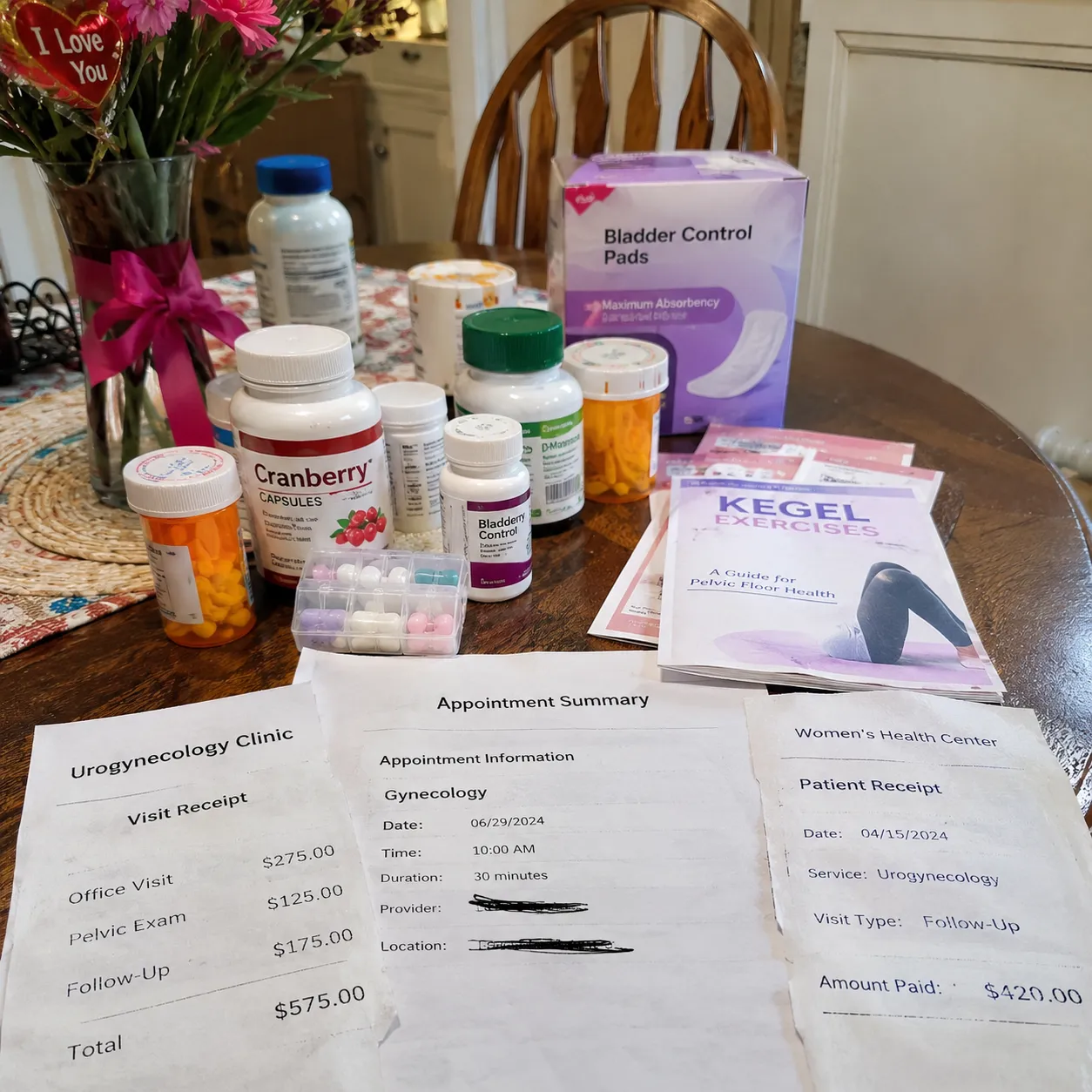
Here’s how to help your bladder
Emily Grace Anderson
Here’s how to help your bladder
Emily Grace Anderson
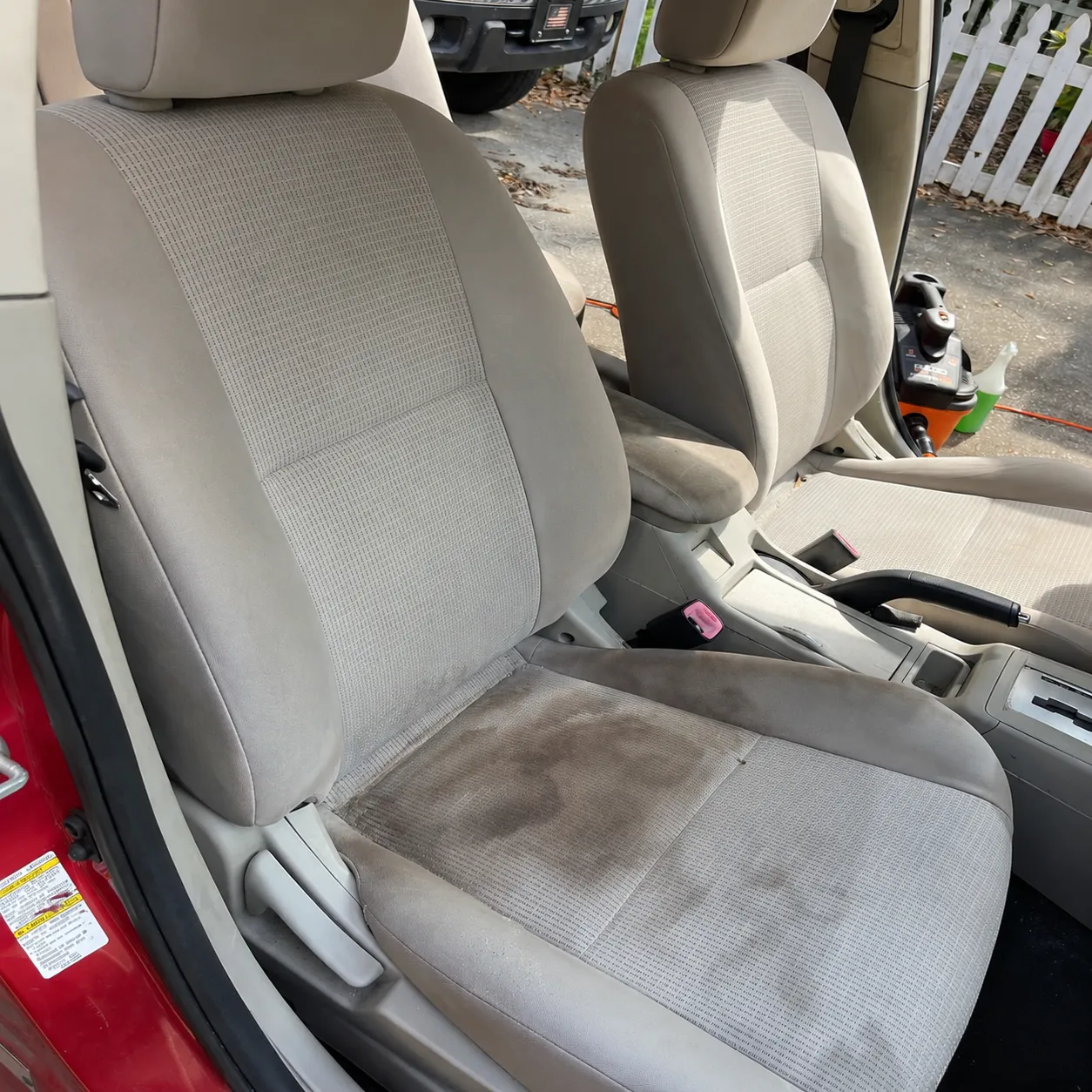
The Hysterectomy Lie She Hid for 12 Years
Emily Grace Anderson
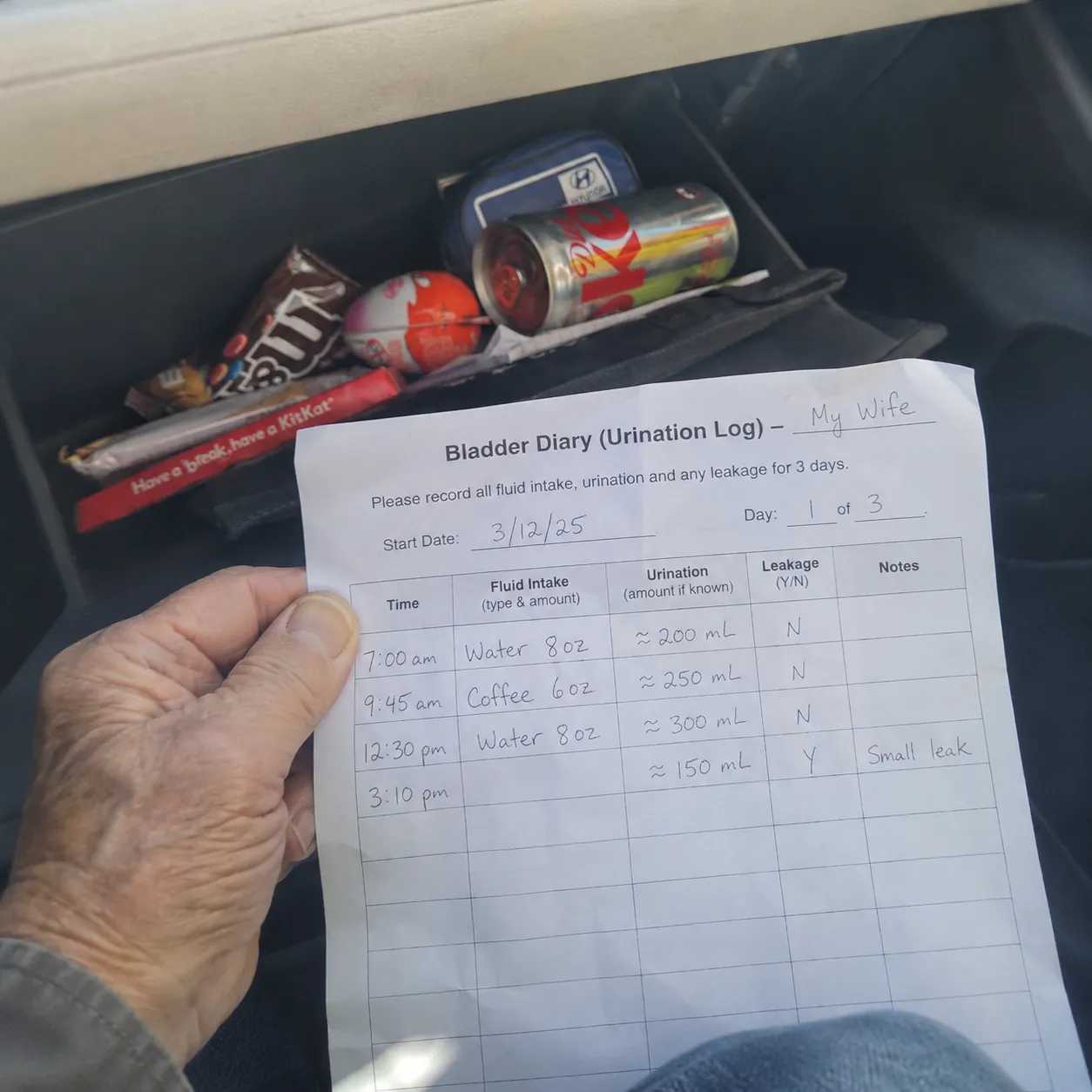
The Hysterectomy Lie She Hid for 12 Years
Emily Grace Anderson

The Hysterectomy Lie She Hid for 12 Years
Emily Grace Anderson
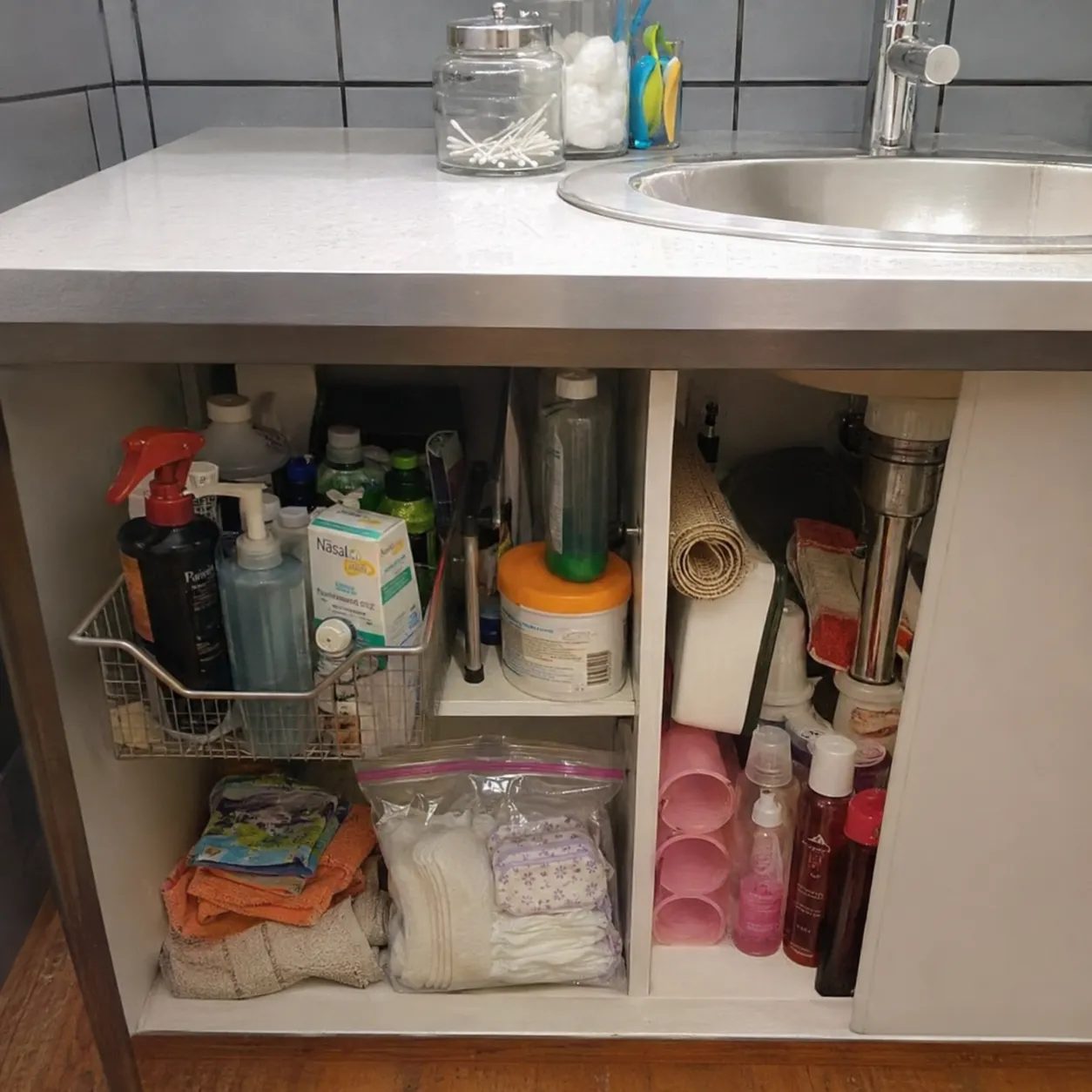
Is Your Bladder Running Your Schedule After Menopause?
Emily Grace Anderson
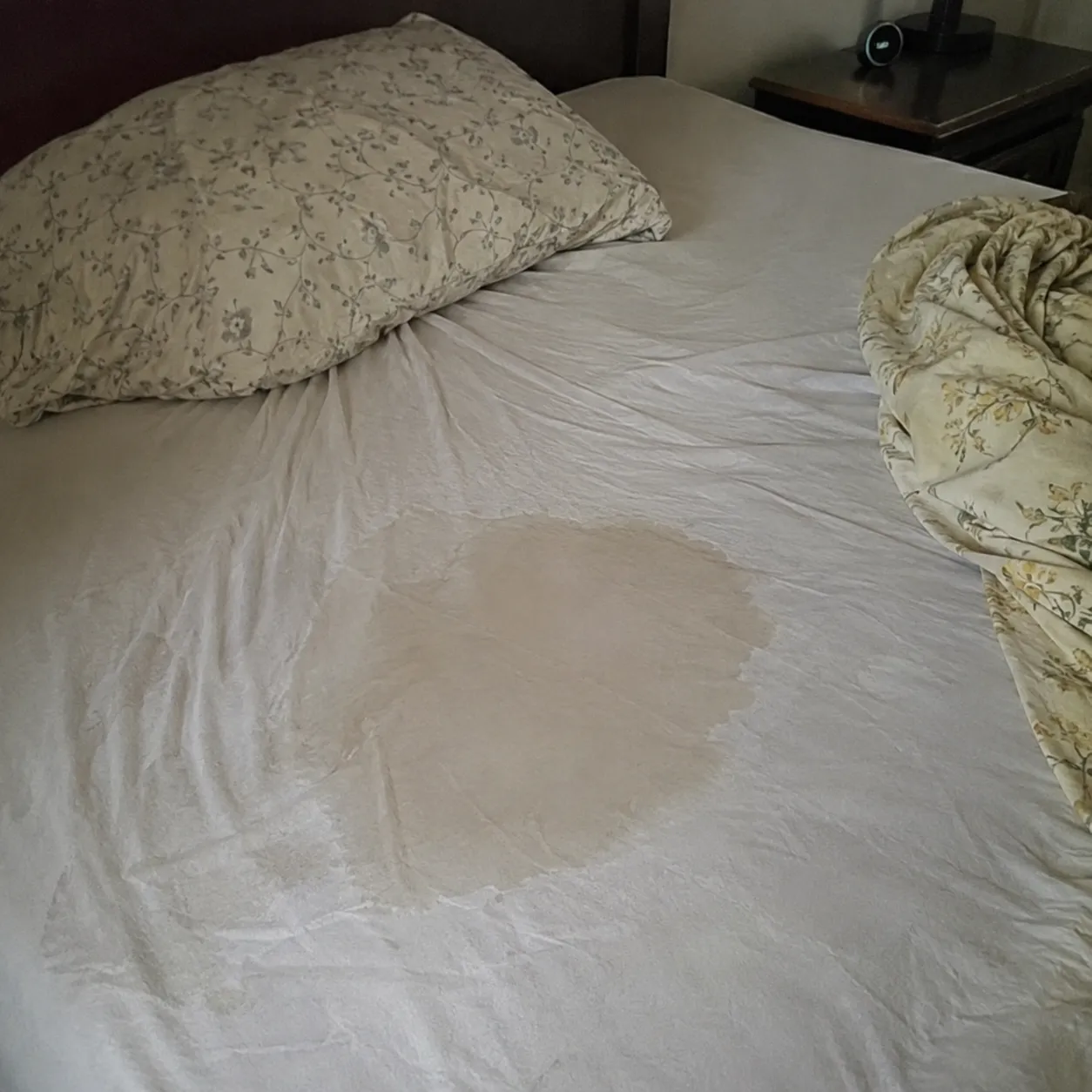
Is Your Bladder Running Your Schedule After Menopause?
Emily Grace Anderson
Is Your Bladder Sending False Alarms?
Emily Grace Anderson

 Add to Chrome