Is Your Bladder Running Your Schedule After Menopause?
Ad Copy
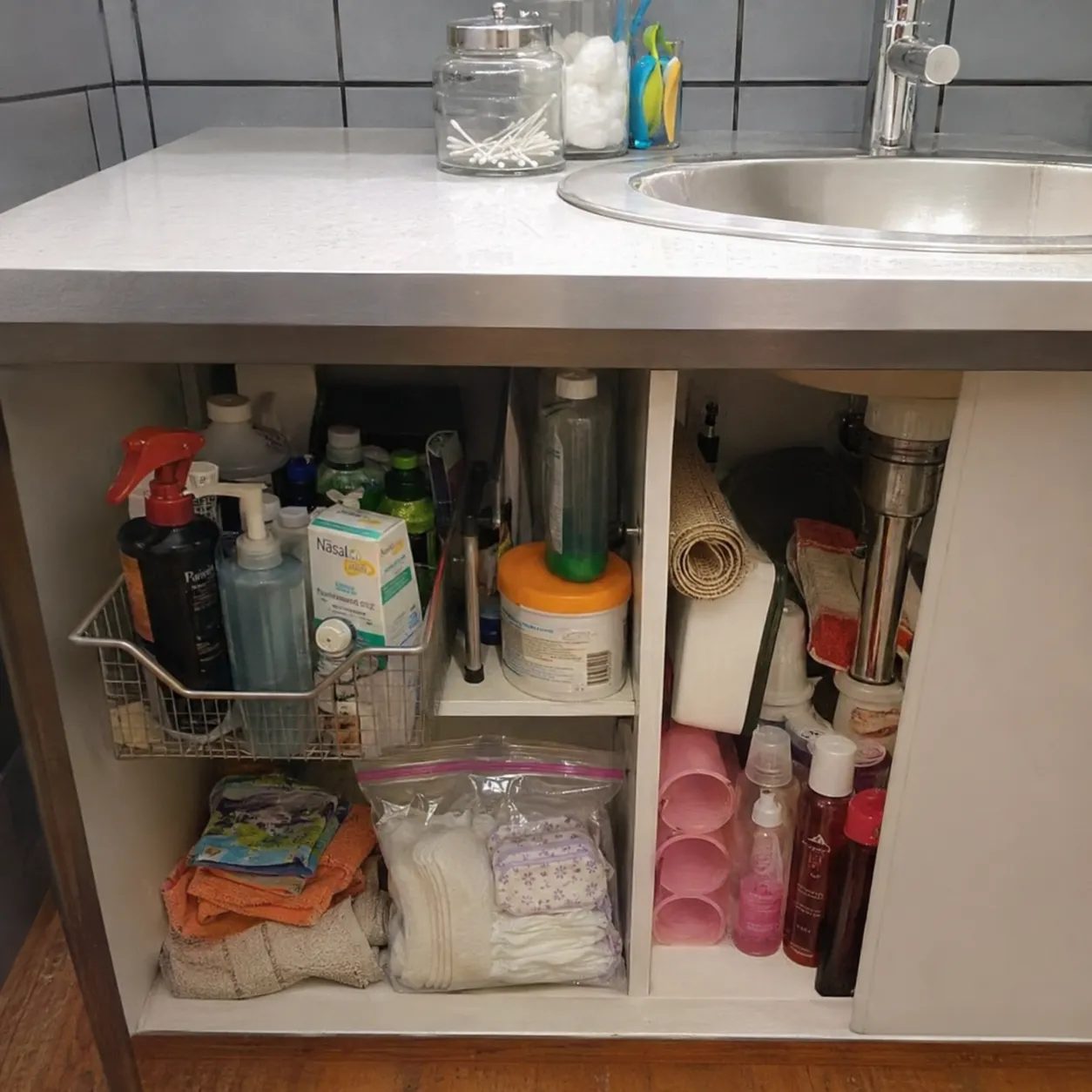
My husband found the bag under the bathroom sink on a Sunday morning. He was looking for the extra shampoo, which is where I always keep it, and instead he found the other thing I keep there. A zip bag with nine liner pads in it. Not in a box. Not in a drawer. In a zip bag, tucked behind the cleaning supplies, the way you hide something you are embarrassed about. He brought it to the kitchen doorway and held it up without saying a word. I was standing at the counter with my coffee and I could not think of a single thing to say. He is not a man who makes you feel small. He never has been. He just stood there with that bag and looked at me with an expression I had not seen on his face in thirty-four years of marriage. He said, "How long?" I said, "A while." He set the bag on the counter and sat down at the table. And then he said the thing that undid me. He said, "Why didn't you tell me?" And the answer to his question is the reason I am writing this. I had been managing bladder problems for two years before I understood what was actually causing them. My name is Emily Grace Anderson. I am sixty-three years old. I spent thirty years as a court reporter in Phoenix, Arizona. My job was to sit in a room for hours at a time, completely still, capturing every word. Depositions. Hearings. Trials. No breaks when testimony was running. No getting up. You learn very quickly, in that job, to manage your body around your schedule rather than the other way around. I was good at it. What I did not realize until two years into the bladder problems was that I had carried that same habit into my retirement. I was managing around it instead of solving it. And the reason I finally stopped managing is the same reason Sandra finally stopped pretending. My husband found something I had been hiding. Here is how that happened. I had been having urgency for about three years. It crept in the way these things do. One night trip became two. The urgency that used to give me five minutes of warning started giving me two. I started leaking when I laughed hard or sneezed without bracing. I started wearing a liner every day. At first I told myself it was temporary. Then I told myself it was just what happens. My gynecologist said it was very common after menopause. She was right that it was common. She was not particularly specific about why. I tried the exercises. Every morning, faithfully, for four months. The leaking under pressure reduced a little. The urgency and the night trips did not change. I cut my coffee to one cup in the morning and nothing after noon. I cut my water intake after six in the evening. I slept a little less broken on some nights. I was still up twice on most nights. I tried a bladder supplement I found at the pharmacy. Cranberry and pumpkin seed. I took it for six weeks. Nothing changed. I went back to my gynecologist. She referred me to a urologist. The urologist offered me medication and said my bladder would likely stabilize over time. I filled the prescription. The side effects started within the first week. Dry mouth bad enough that I was waking up for water on top of waking up for urgency. The urgency improved somewhat during the day. The night trips stayed at two. The leaking when I sneezed did not change. My urologist called this a reasonable response. I continued for three months. Then I stopped. Because I had tried everything reasonable and gotten partial results at best, and I had quietly decided this was just how it was going to be. I arranged my life around it. I sat near doors. I kept a liner in every bag I owned. I stopped accepting car trips over an hour unless I was driving so I could control the stops. I told my husband I just preferred shorter outings now. He believed me. For about a year and a half, he believed me. Then he went looking for the shampoo. He found the zip bag under the sink instead. Nine liner pads in a zip bag tucked behind the cleaning supplies. He brought it to the kitchen doorway and held it up. He said, "How long?" I said, "A while." He sat down at the kitchen table and said, "Why didn't you tell me?" Thirty-four years of marriage and I had been hiding a bag of liners under the sink like it was something shameful. I sat down across from him. I told him the whole thing. The two years. The exercises. The medication. The supplement that did nothing. The night trips. The planning. All of it. He listened to every word. Then he said, "So what do we do about it." Not what do you do. What do we do. I did not have an answer. He said, "Let me look into it." I told him I had already looked. He said, "You looked for things to try alone. Let me look with you." I let him look. Three days later he came to me with something he had found. He had been talking to our neighbor Frank. Frank's wife Lorraine had dealt with the same thing for years. Frank had mentioned it because Dennis and I had been talking about it, and Frank said Lorraine had found something that had made a real difference and he would ask her to call me. Lorraine called me the next morning. She was sixty-seven. Retired postal clerk. Sharp and no-nonsense, which is why I trusted what she said. She told me she had been dealing with urgency and night trips for four years before she understood what was actually causing them. She said, "Emily, they tell you it's just menopause. And it is related to menopause. But that is not the specific thing that is happening. And once I understood the specific thing, I understood why everything I had tried was only working a little." I asked her what the specific thing was. She said, "Let me tell you the way it was explained to me." I got a notepad. She said: "Your bladder has a lining on the inside. Not just a wall. A coating on top of the wall. Its job is to sit between your urine and the sensitive tissue underneath. When that coating is intact, your bladder fills, holds, and signals you when it is actually full. The urgency arrives when you are genuinely full. That is how it is supposed to work." "I understand." "After menopause, that coating thins. Not because you are old. Because it is maintained by estrogen, and your estrogen levels have dropped. The coating thins and urine starts reaching tissue it was never meant to touch. That tissue becomes irritated. When tissue is irritated, it overreacts. Your bladder starts sending urgency signals when it is half full. Half full feels the same as completely full. You rush to the bathroom. You empty a small amount. The signal stops temporarily. Your bladder fills back to that same level. The signal comes back. That is the cycle." I could feel the hair on my arms stand up. She was describing exactly what I had been living with. I said, "And that is why I go again twenty minutes after I just went." "That is exactly why. You are not producing more urine. Your bladder is reacting too early because the tissue underneath the lining is irritated. And the exercises and the medication and the cranberry supplement you tried, they were not aimed at the lining. They were aimed at the muscles and the nerve signals. The lining was thinning the whole time." "And the night trips." "Same thing. At night when you are lying still and your bladder is filling slowly, you used to sleep through it because the lining was doing its job. Now the lining is thin enough that urine reaches the sensitive tissue at a lower fill level. The signal wakes you earlier than it should." I had not understood any of this until that phone call. My gynecologist had told me urgency and leaking were common after menopause. She had not told me about the lining. No one had told me about the lining. Lorraine said, "Here is the other thing. The lining is not static. Your body can support it. There are specific compounds that give the lining what it needs to maintain itself. And when the lining is better supported, the irritation reduces. The cycle slows down. The signals come at the right time instead of too early." I asked her what compounds. She said there were six that she had found in the research, and that the person who had explained this to her had gone through each one, so she was going to do the same for me. "Pumpkin seed extract. This one is for the bladder muscle. After menopause, the muscle that holds the bladder closed under pressure becomes less coordinated. Any sudden pressure, a sneeze, a cough, a laugh, can push urine past it before it has time to respond. Pumpkin seed extract has been specifically studied for pelvic floor muscle support. It helps the muscle respond faster and hold more reliably under pressure." "Red clover extract. The bladder lining and the urethral tissue are sensitive to estrogen. After menopause, that estrogen support drops away. Red clover contains isoflavones that provide some of that support to the tissue without hormone therapy. For women who cannot take estrogen or do not want to, this is the piece that addresses the estrogen sensitivity directly." "Sodium hyaluronate. This is the specific compound the bladder lining is partly made of. The inner coating contains hyaluronic acid. After menopause, the body produces less of it, which is part of why the coating thins. Sodium hyaluronate is the pharmaceutical-grade form of hyaluronic acid, and it supports the coating from the inside. This is the most direct connection to what is actually happening to the lining." "Magnesium citrate. The urgency signal is a nerve signal. Even once the lining starts improving, those nerve pathways have been misfiring for a long time. Magnesium is involved in nerve conduction and muscle relaxation. It helps settle the misfiring signals. Most women over sixty are low on magnesium and have no idea." "Sea buckthorn. The bladder lining is a mucosal tissue. Sea buckthorn contains fatty acids that support mucosal tissue repair. After menopause, the estrogen changes affect mucosal tissues throughout the body. Sea buckthorn gives this tissue what it needs for its own repair process." "Cranberry extract. And this is not the same use as cranberry for infections. The active compounds in cranberry reduce the chronic low-grade inflammation in the bladder lining. That inflammation is part of what keeps the tissue reactive. Reducing it, alongside everything else, helps bring the whole system down to a level where the urgency signals are coming at the right time." "Six compounds," I said. "All aimed at the lining and the tissue, not just the signals." "That is the difference. The exercises strengthen the muscle. The medication quiets the nerve signal. These six work on the lining that is driving the signal in the first place." I asked her why no one had suggested this combination. She said, "Because each of these has research behind it, but the research was done on them separately. And the standard treatment protocols are based on what has the most trial data in the specific form that gets written into guidelines. These compounds have support, but it was not assembled into something that showed up in the standard of care. The practitioners who are tracking outcomes have been using this combination. The guidelines have not caught up." I asked her if there was a formula with all six. She said there was one she had been taking for seven months. She gave me the name. UroControl. I went looking on my own first, the way you do. I found bladder supplements at the pharmacy with two or three of the compounds. One had pumpkin seed and cranberry. One had cranberry and magnesium. None of them had all six. None of them specified the form of the compounds. I called Lorraine back. She said, "You went to the pharmacy, didn't you." I said I had done my research. She said, "What you found is a urinary tract supplement. Cranberry and pumpkin seed for infections and muscle tone. That is a different category than bladder lining support. Those are not the same thing." "So what is different about UroControl." "All six at the doses that show up in the research. And the specific form of each one matters. Sodium hyaluronate rather than plain hyaluronic acid, because the pharmaceutical-grade form is what the clinical research was built on. Sea buckthorn oil rather than powder, because the fatty acids that support mucosal repair break down during the processing that turns most supplements into capsules. If the form is wrong, the compound does not reach the tissue." I ordered it that week. Before I tell you what happened, I want to say something directly. I was still on the bladder medication my urologist had prescribed when I started taking UroControl, reduced to once a day at her suggestion. I did not stop taking it on my own. If you are on medication your doctor prescribed, you do not stop because you read this. You take UroControl alongside it, the way I did, and you tell your doctor what you have added. The decision to reduce my prescription came from my urologist after my follow-up showed improvement. That was her call, not mine. Talk to your doctor or pharmacist before you add anything new, especially if you are on a prescription. That is what I would say to any friend who called me today. Week two, the urgency was different. Not gone. But the edge was off it. The difference between the urgency arriving as an emergency and the urgency arriving as a signal I could respond to in the next few minutes. I had been living with the emergency version for two years. I noticed the difference. Week three, I slept through the night. One night. I woke at five-thirty, looked at the ceiling, and lay there for a long moment before I understood what had not happened. I had not been up once. Week four, I laughed at something my husband said at dinner and nothing happened. I laughed again to make sure. Nothing happened. He looked at me like I had lost my mind. I told him I was fine. I could not explain yet what had just not happened. Week five, I looked at my book club calendar and I said yes to the meeting. Not the meeting in Marianne's house, which is around the corner. The monthly meeting at the library, which runs two hours. I went. I sat in the middle of a row. I got up once. Week six, my husband asked if I wanted to drive up to see my sister in Tucson. It is an hour and forty minutes. I had been declining that drive for over a year. I said yes. I did not calculate the exits on the way. I stopped once, when I needed to, about an hour in. He did not say anything. But when we got to my sister's house and I walked in without asking where the bathroom was, I saw him notice. He reached for my hand. Week eight, I called Lorraine. She asked how I was doing. I told her the night trips had gone to one, sometimes none. The daytime urgency had quieted to something I could manage. The leaking when I sneezed had almost stopped. She said, "Emily, give it a few more weeks. What you are describing is tissue change. That is different from a drug suppressing a signal. This is slower and it is going to keep going." She was right. By month three, my urologist looked at my follow-up and reduced my prescription to once every other day. Her note said: "Significant improvement in urgency and nocturia. Continue current regimen." I still take UroControl. Every body handles this differently. Some women feel something at week two. Some do not feel a real difference until week six or seven. I felt almost nothing in the first two weeks and that quiet skeptical voice got loud. What made me keep going was Lorraine telling me plainly that this takes real time, and that the days when I felt nothing were still the days the tissue was being supported. Keep taking it even on the days you notice no change. Those days count. I went back through the two years I had spent managing around this. The planning. The liner in every bag. The seat near the door. The car trips I had declined. The drives I had handed off to my husband without explaining why. None of that was necessary. It was necessary while the tissue was going unsupported. It did not have to stay that way. I am not saying UroControl fixes everything for everyone. I am saying it addressed what was actually causing the problem, and nothing I had tried before had done that. I sent it to two women from my court reporting network. One of them had been managing with pads for three years and had stopped attending her granddaughter's weekend swim meets because the pool facility had one bathroom at the far end of the building. She texted me at week eight. She said she had gone to the meet last Saturday. She sat in the stands for the full session. The other woman had been declining the annual trip she and her two sisters took every spring because the drive was three hours and she did not trust herself in the car that long. She called me at week ten. She said, "Emily. We booked the trip." That was the moment I decided that staying quiet about this was the wrong choice. I spent two years hiding a zip bag under the sink. I do not have a reason to hide anything anymore. The lining of the bladder keeps thinning if it goes unsupported after menopause. The tissue keeps becoming more reactive. The signals keep arriving earlier than they should. Some of what has already thinned recovers with consistent support. Some of it does not. Starting sooner leaves more tissue to work with. UroControl has a 90-day money-back guarantee. If you take it consistently for three months and your urgency has not improved, your night trips have not reduced, and you are not leaking less, you get every dollar back. No forms to fill out. No explanations required. If your body does not respond, you lose nothing. But I am confident you will feel the difference. Because I did. Because one woman went to her granddaughter's swim meet. Because another booked a trip she had been declining for years. Go to secure.trylovy.com/adv4-gag-s and get UroControl. If your bladder has been managing your schedule, if you have done everything reasonable and are still rushing to the bathroom, if you are sitting near the door and declining drives and calling it your new normal, please do not wait any longer. The tissue keeps thinning. Every body is different and every timeline is different, but the direction does not change on its own. The guarantee is there. The evidence is there. Go get it. P.S. I told you about two women I sent UroControl to. What I did not tell you is that I almost did not reach out to either of them. I told myself it was not my place. My husband said, "You spent two years hiding what was happening because you thought it was something to be ashamed of. How many other women are doing the same thing right now?" He was right. If you have a friend who is sitting near the door, who always has a liner in her bag, who has quietly stopped doing things she used to do, please share this with her. She probably has not told anyone either. She does not need to keep hiding it. Go get it.
More from Emily Grace Anderson

The Bible verse that explained her leaking
Emily Grace Anderson
The Bible verse that explained her leaking
Emily Grace Anderson

The Bible verse that explained her leaking
Emily Grace Anderson

Here’s how to help your bladder
Emily Grace Anderson
Here’s how to help your bladder
Emily Grace Anderson
Here’s how to help your bladder
Emily Grace Anderson
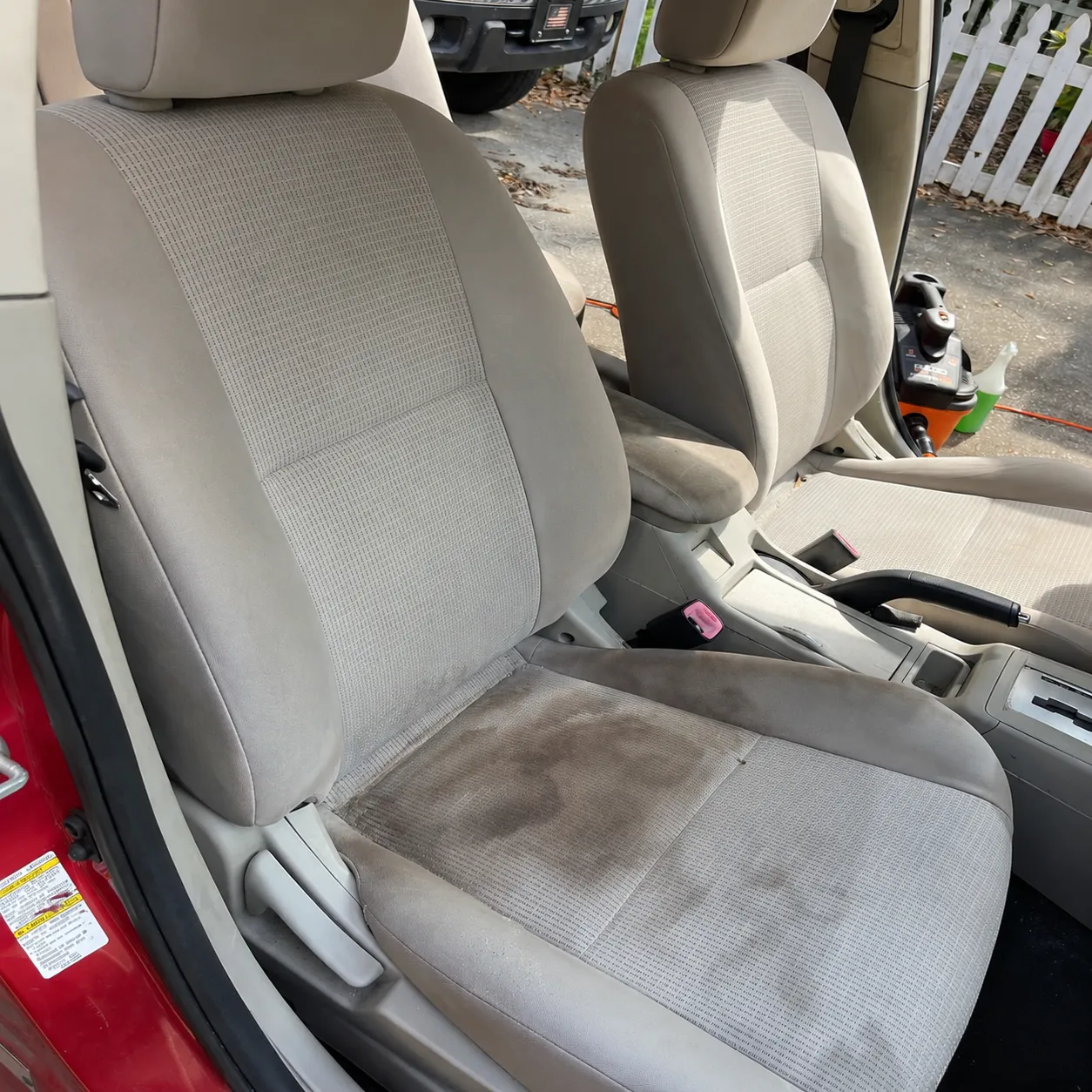
The Hysterectomy Lie She Hid for 12 Years
Emily Grace Anderson
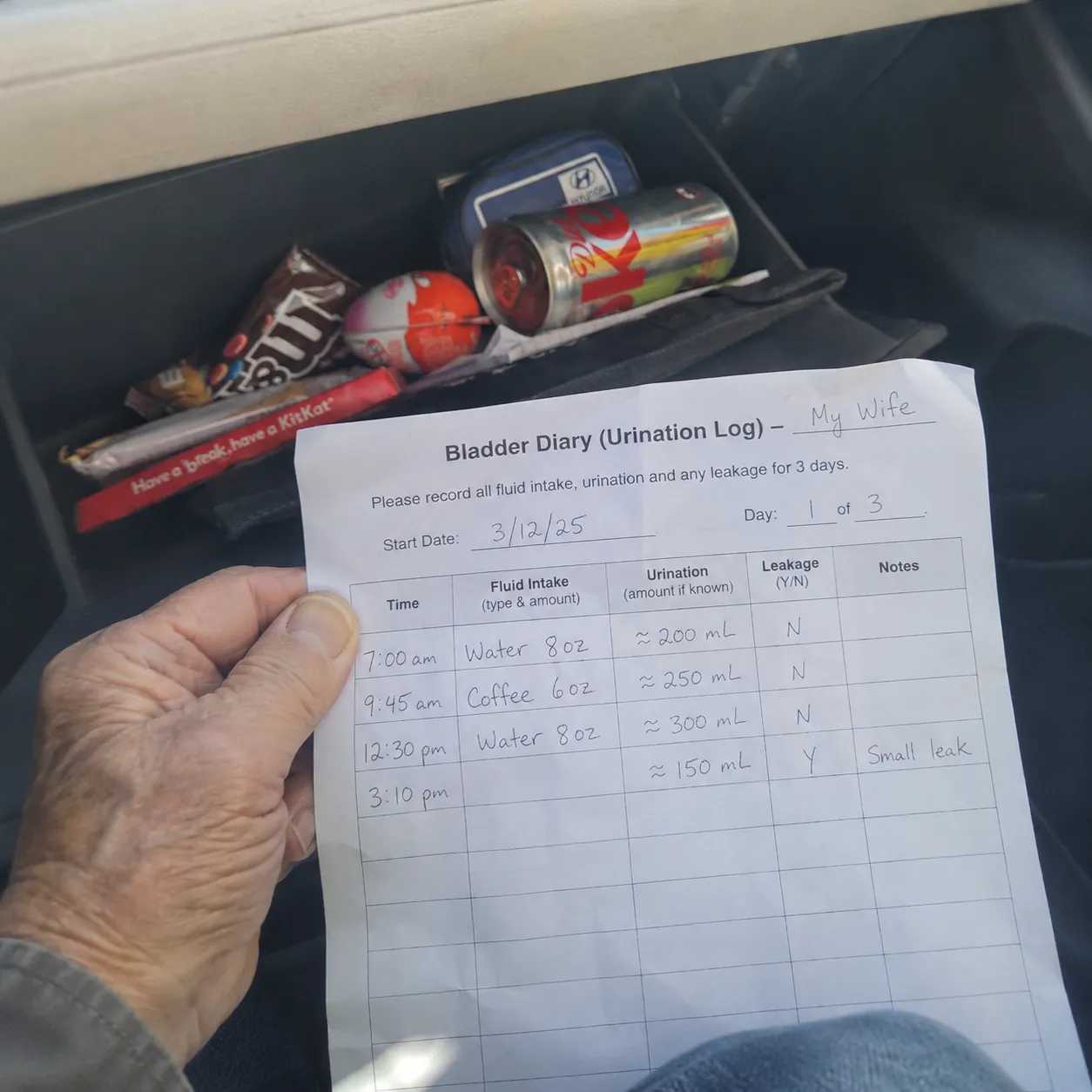
The Hysterectomy Lie She Hid for 12 Years
Emily Grace Anderson

The Hysterectomy Lie She Hid for 12 Years
Emily Grace Anderson
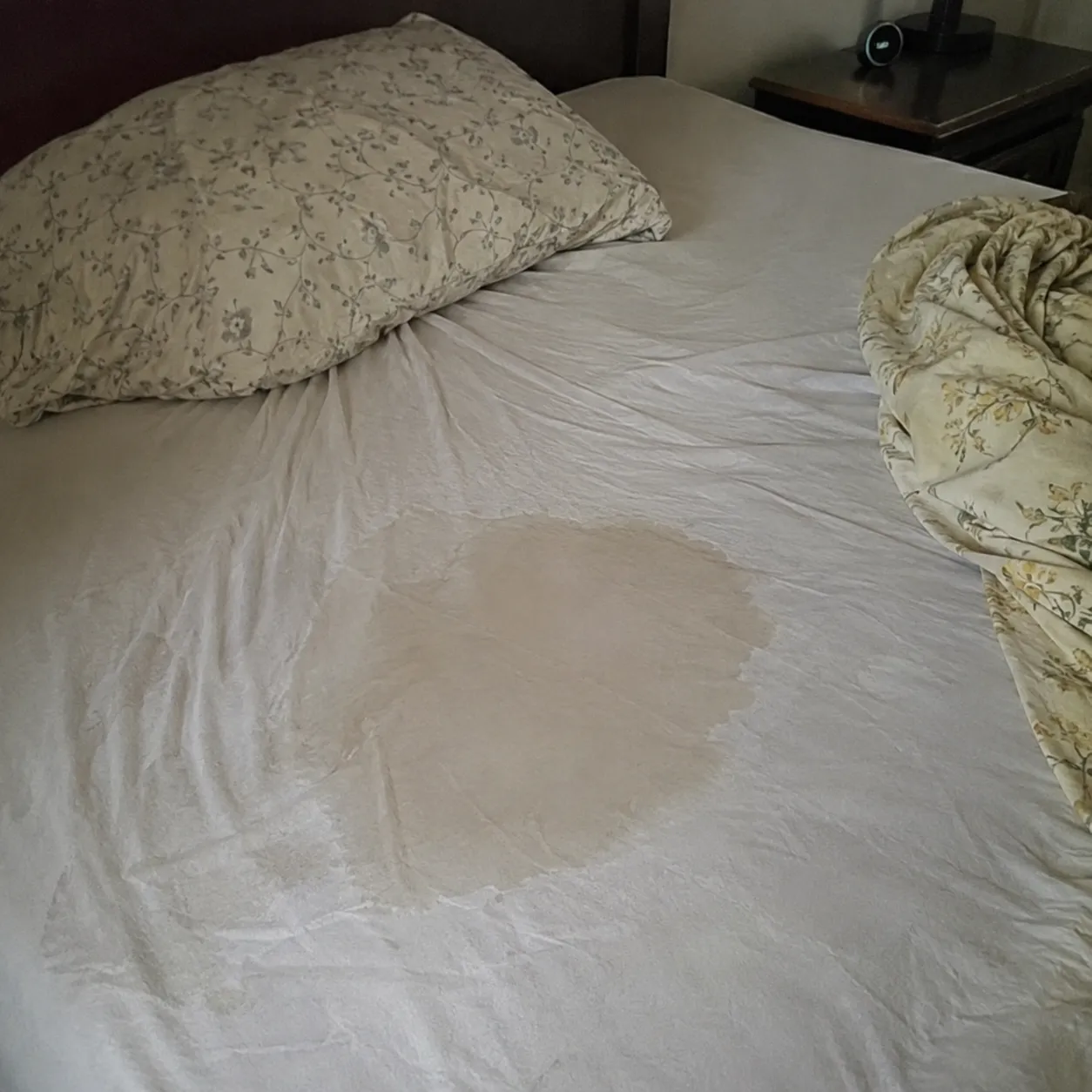
Is Your Bladder Running Your Schedule After Menopause?
Emily Grace Anderson
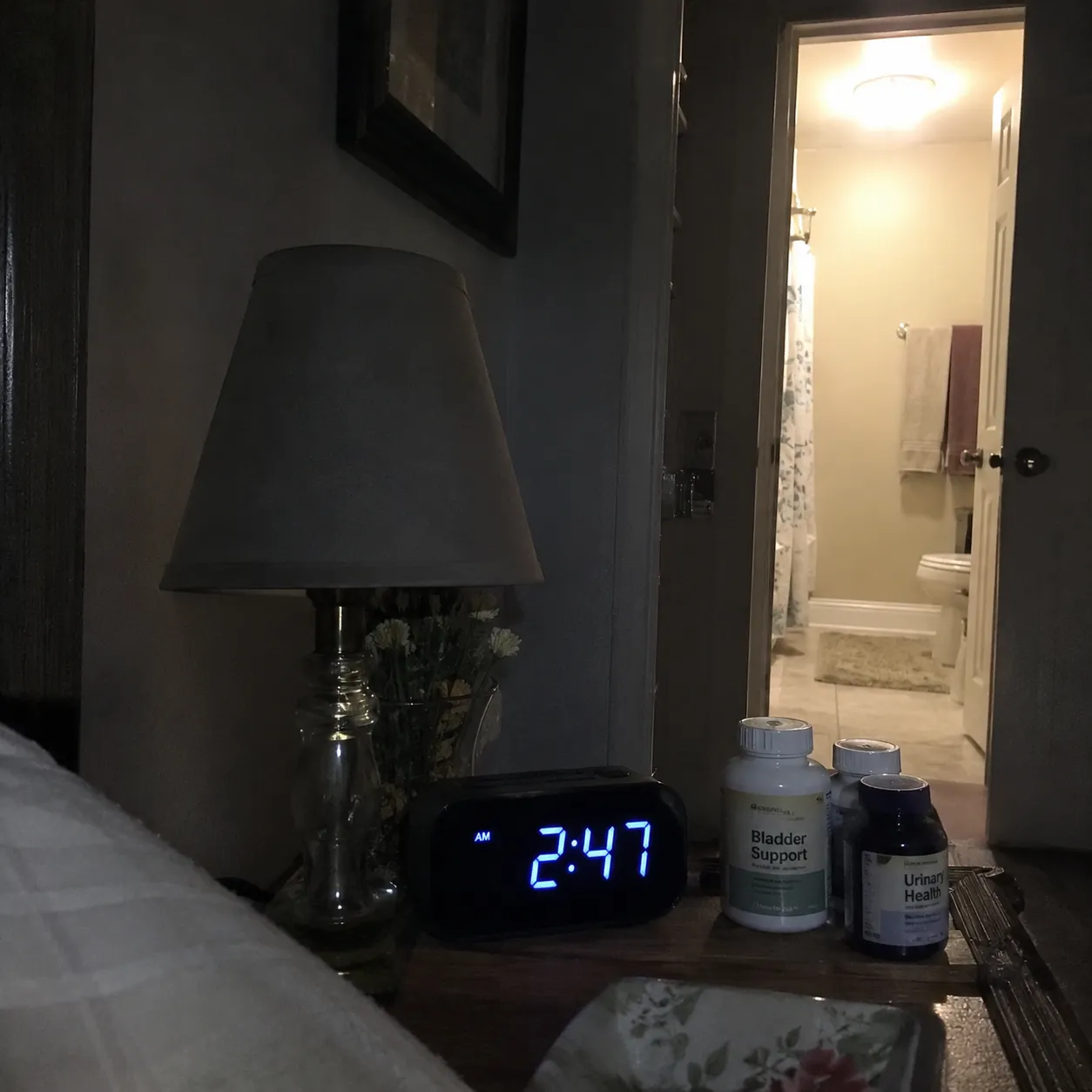
Is Your Bladder Sending False Alarms?
Emily Grace Anderson
Is Your Bladder Sending False Alarms?
Emily Grace Anderson

 Add to Chrome