
The Relief Mineral For Fibromyalgia
Ad Copy
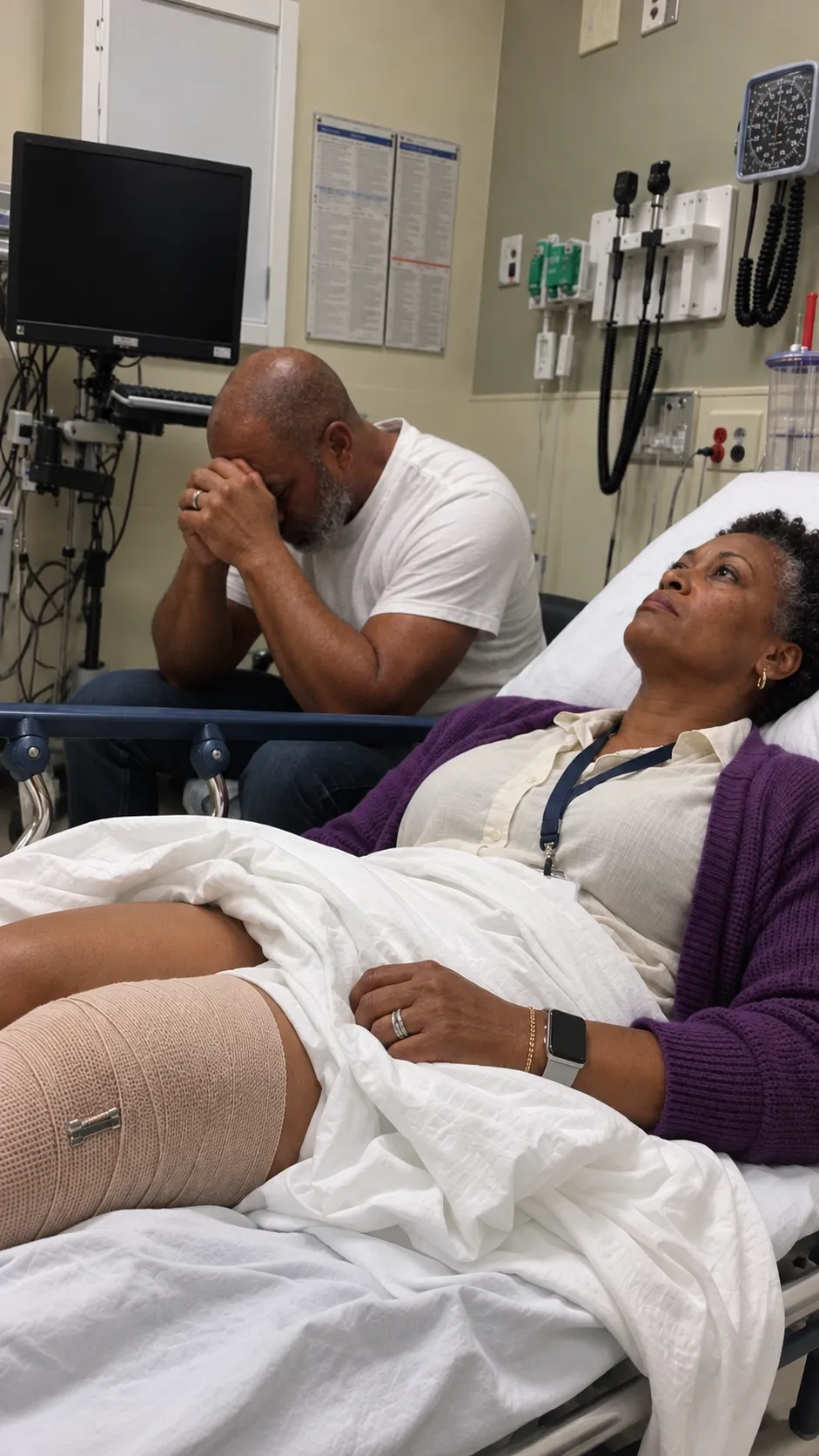
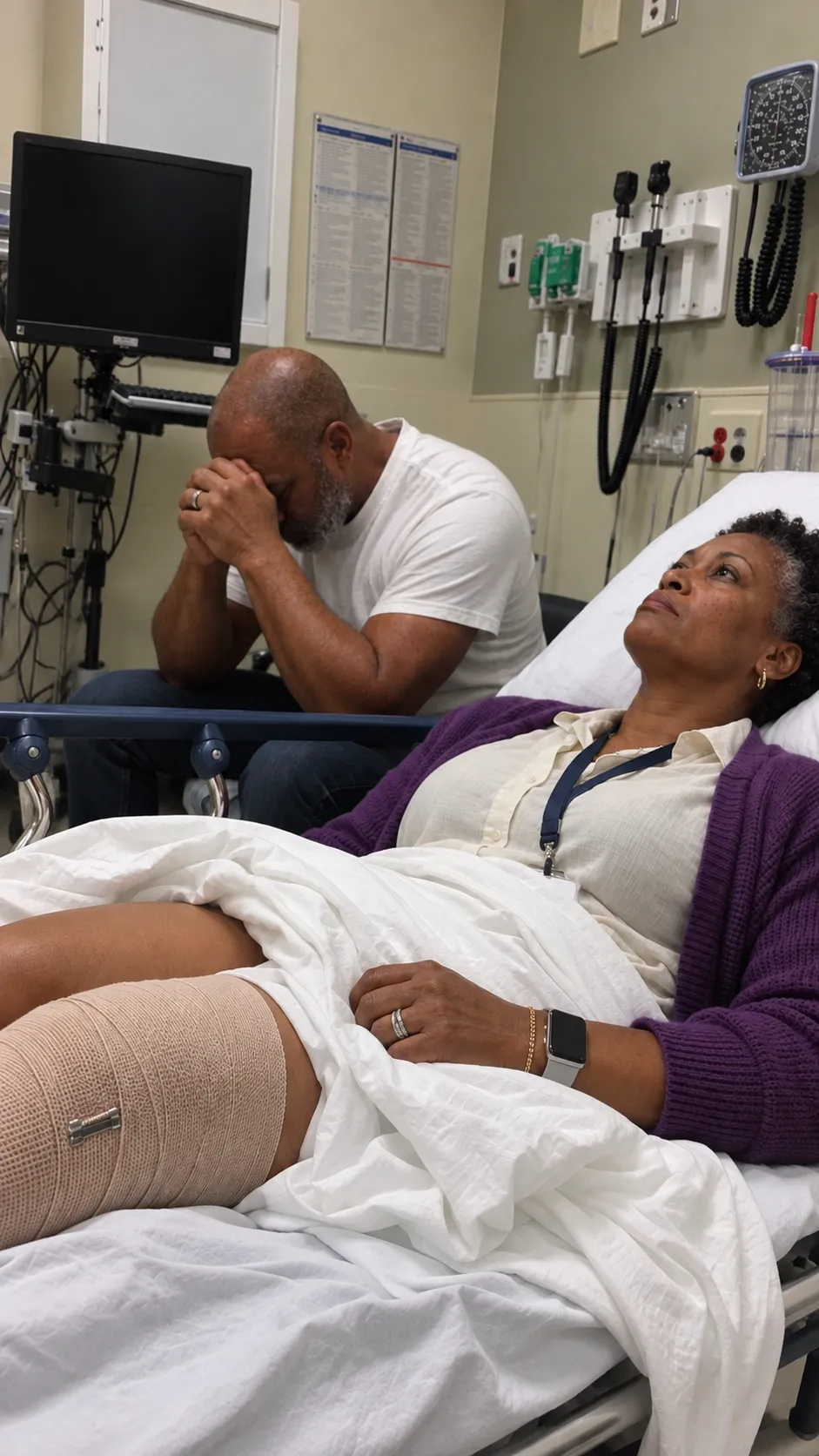
I was told it was fibromyalgia when I was forty seven. I am fifty four now. It was never fibromyalgia. I eliminated gluten. Then dairy. Then sugar. I tried stretching every morning and spent the next two days in bed after every session. I showed up for the heating pads, the compression wraps, the hot baths at one in the morning, the Epsom salts my sister swore by. Once everything had run its course, I tried to see a specialist. The first time the wait was eleven months. The second time my insurance denied it. So I stayed with the one doctor I had — the same one I had seen for everything since I was thirty. He knew my chart better than he knew my face. He never ran an intracellular panel. He never ordered a four-point cortisol test. He gave me Cymbalta before he ran a single diagnostic test. An antidepressant. For pain he had not investigated. When I told him it was not helping, he adjusted the dose. When the new dose failed, he added gabapentin and told me to come back in three months. "Your bloodwork looks fine," he said. "Fibromyalgia is what we call it when we've ruled everything else out. There's no structural explanation." He gave me a pamphlet about pacing myself. He did not look up from my chart when he handed it to me. I thought I was going crazy. Every test normal. My doctor unconcerned. And every single morning my entire body hurt in a way I could not locate and could not describe. It was not in one joint. Not in one muscle. It was in everything at once, spread across me with no center and no edge. The ache was already waiting when the alarm went off. Ten hours flat and I woke up feeling like sleep had never happened. By mid morning my muscles felt locked, like they were tensed against something that never arrived. By afternoon the fatigue was so deep I had to lie down just to make it through to dinner. And it was not regular tiredness. It was the kind that made thinking hard, made finishing a sentence hard, made standing in front of the fridge and forgetting what it was called feel completely normal. My granddaughter Maya would reach for me and my whole body would tense — not because I did not want her close, but because thirty two pounds of a child who trusts you could physically hurt. Every single day became a calculation. Making dinner meant the rest of my evening was gone. Walking to the mailbox meant I would pay for it before bed. So I started turning things down — family dinners, Sunday cookouts, even walking a plate next door when somebody in the neighborhood passed. I missed Maya's birthday party because two hours standing in a kitchen might as well have been a marathon. Where I come from, you do not stop for pain. My mama worked the cafeteria with two bad knees for twenty two years. Never called in sick. Never sat down during a shift. Never said a word about it. That was the standard. You carry it. You show up. You keep going. My mama used to say: "Some bodies just wear out faster, baby. That's all it is." I believed her. For most of my life I believed her. So I did not tell my family how bad it had gotten. Because that is not what the women in my family do. You handle it. You carry it. You do not put it on someone else. My sister came over on Sundays. She cooked, cleaned up, got down on the carpet with Maya like none of it cost her a thing. I sat watching from the same corner of the same sofa, week after week. I resented her for being able to do it. Then I felt sick for resenting her. Then I went back to looking at my hands. From the outside, nothing looked wrong with me. On the inside I was going under. And my one appointment every three months ended with the same lines. "Let's stay the course." "Stress is not helping." "Have you considered your weight?" I tried losing weight. Two weeks of worse pain was what I got for it. At some point I accepted this was just how things were going to be — that however many years I had left would be spent on the sideline watching everyone else live while I sat at the edge of it. The way my mama did. In the recliner at the end of the hallway. For twenty two years. She passed in 2019. In that recliner. I was holding her hand. Then my daughter Keisha said something not a single doctor ever had. Keisha is a nurse. She works the floor at a hospital where she sees women who look like me every single shift. Women in pain. Women dismissed. Women handed prescriptions before anyone orders a proper workup. She came by one evening after her shift, and I told her I could not even make dinner anymore without sitting down halfway through. She paused. "Mama, has anyone ever looked at what your cortisol does overnight? Or tested what your magnesium is actually doing at the cellular level?" I nearly laughed. "Baby, I have taken magnesium. It did absolutely nothing." "A routine blood panel does not show what is going on inside your cells," she said. "And whatever you picked up off that shelf almost certainly never got past your digestive tract." "So you are saying magnesium is the reason for all of this?" "I am saying you may not have fibromyalgia at all, Mama." She sat down across from me. "Your body relies on a stress hormone called cortisol. It is supposed to spike in the morning to get you moving, then fall at night so your body can rest and rebuild. But when you have been under sustained pressure for years — and Mama, you have been carrying it since you were seventeen — your nervous system gets locked in overdrive. Cortisol stays elevated when it should be dropping. And elevated cortisol does one thing relentlessly — it drains your magnesium." "Every single night while you are lying there trying to rest, that cortisol is pulling magnesium out of your cells and flushing it from your system." "What difference does that make?" "Because magnesium is what your body uses to shut down for the night. It is what allows a clenched muscle to finally release, what dials a pain signal back instead of amplifying it, and what pulls you into the deep restorative sleep where your body actually heals. When you are depleted, none of those processes happen." "Once cortisol is burning through magnesium faster than your diet can replenish it, your nervous system loses the ability to stand down. Your muscles stay partially contracted around the clock, aching everywhere at once — that vague, impossible to pinpoint pain is simply a body that has lost the ability to switch off." "And the way even Maya climbing into your lap hurts? That is your nervous system amplifying signals it should be screening out. The sleep that never restores anything — you skim the surface all night and open your eyes more drained than when you closed them." "But every test I have had for years has come back normal," I said. "Because the test he runs measures the magnesium circulating in your bloodstream — not the magnesium stored inside your cells, which is where ninety nine percent of it belongs and where the deficit actually occurs. Your blood can read perfectly fine while your cells are running on fumes. And cortisol? He draws it once, first thing in the morning, when it is naturally at its highest in everyone. He never sees what it is doing at two in the morning, when it should be at its lowest and yours is surging." "But I genuinely have tried magnesium." She paused. Then she said something that stopped my breathing. "Mama, what form was it?" "What do you mean what form?" "Go get the bottle. Look at the back." I went to the bathroom cabinet. The bottle was still there. I turned it over. Magnesium (as magnesium oxide). "That is what I thought," Keisha said. "Oxide. Your body absorbs maybe four percent of it. The rest passes straight through. It never reaches the cells where the deficit actually lives." I stared at that bottle. And then I thought about something that made my chest go tight. Three years ago, before Mama passed, I had gone to the pharmacy and bought her a bottle too. She had the same pain. All over. Every day. The bottle said magnesium on the front. She took it for four months. Nothing changed. I bought her the wrong one. And nobody told me there were two kinds. She took oxide for four months. Four months closer to the end. With a mineral her body never absorbed. In a recliner I watched her disappear into. Keisha saw it on my face. "It was not your fault, Mama. 8 out of 10 bottles on that shelf say magnesium on the front and oxide on the back. The industry does not tell you they are different. You read the label. You trusted the label. The label was incomplete." Then she said: "But I am not going to let the same thing happen to you." She rang me the following day on her lunch break. "You put back what your cortisol has been stripping out every night. And you use a form your body can genuinely absorb — magnesium bisglycinate." "It is magnesium bound to glycine, an amino acid that escorts it directly through the gut lining and into the cells that have been starved of it. Your body absorbs nearly the entire dose. And it is gentle enough that it will not wreck your stomach the way the oxide did." "Take it every evening and the magnesium starts refilling those cells. Your nervous system finally receives the signal that it is safe to stand down. Your muscles unclench. The pain dial turns back. And actual restorative sleep begins returning." It sounded impossibly straightforward. But after seven years of dragging myself from morning to night, and my daughter being a nurse who sees women like me every shift, I was past caring how simple it sounded. "Where would I even find it?" "Do not just grab whatever is closest," she said. "Most brands use forms your body can barely process, or they bury a small dose inside a proprietary blend so you never know what you are actually getting. The one I have been recommending to women on my floor is Celuvida — pure magnesium bisglycinate in a gummy. Fully dosed. Nothing hidden. No oxide." I searched for it that evening. Third party tested. Transparent dosing. No proprietary blend masking the numbers. 90 day money back guarantee. After seven years of things that let me down, one more attempt was not going to break me. I ordered three bags that night. Ninety days. I was not going to make the same mistake my mama made with three weeks of the wrong form. I began the next evening. Day one, nothing happened. Day two, I woke up and something was different — in a way I had not felt in years. The thick, everywhere ache was slightly softer. Not absent. Just turned down. That had not happened once in seven years. By day four I made it all the way through the afternoon without collapsing onto the couch. I pushed myself up, walked to the kitchen, and noticed halfway there that I had not braced for it. The heating pad was still on the cushion, untouched. I had not even thought to reach for it. By the end of the second week the calm stretches — the ones where my body was not screaming — had nearly tripled. And I had slept longer without waking than I had in years. Then week three arrived. I opened my eyes before the alarm and just waited. For the grip across my shoulders. For the deep pull down my legs. For that full body weight that had been there to meet me every single morning for seven years. It was gone. Maya came over that afternoon. She climbed into my lap the way she always tried to, and I tensed out of reflex — then caught myself. There was no pain. Thirty two pounds. My arms held. My hands held. She put her head on my shoulder and fell asleep. I sat there and I did not move. Because I did not want whatever was happening to stop. My sister was watching from the kitchen doorway. She did not say anything then. But she texted me that night. "I haven't seen you hold that baby like that since before mama passed." I sat in the dark reading that text over and over. That evening I made dinner for the first time in months. Not because I had to. Because my body let me. I made a plate and walked it next door to the woman whose husband had passed last month. I had not done that in two years. My sister stood in my kitchen doorway watching me wrap the foil. She did not say anything. She did not have to. Week four, my husband looked over at me from across the kitchen and said, "you are moving like yourself again." I do not have fibromyalgia. I never did. What I had was seven years of a magnesium deficit that kept my nervous system locked on high alert and my body locked in pain — and the one person in a white coat I had access to never thought to check for it. He looked at my chart. Every visit. For seven years. And not once did he look at me. My mama did not have a body that wore out faster. She had the same deficit. The same loop. The same pain. And nobody told her either. For twenty two years. I still deal with stress. I still work. I still live the same full life I always have. But now I guard against the deficit. Every evening I chew two gummies. The magnesium goes back in. My nervous system powers down the way it was designed to. Thirty seconds. Something I chose for myself. Not something the system handed me. You were given the fibromyalgia label after years of tests that never found anything. The prescriptions came before the tests. And underneath all of it, nothing truly shifted. Ten hours in bed and you still wake up feeling like rest never happened. The pain still shows up everywhere and nowhere at once. And at some point you stopped making plans, stopped making a plate, stopped holding the people who reach for you — because you have no idea which body is going to greet you in the morning. And you have not told your family how bad it really is. Because that is not what we do. I am not claiming you definitely have a magnesium deficit. But I spent seven years treating something I never had, while the actual problem deepened with every night I let it go. And my mama spent twenty two. Celuvida is pure magnesium bisglycinate your body can genuinely absorb. Not the cheap fillers packaged to look like magnesium at the pharmacy. Full dose. Third party tested. Two gummies before bed. There is a full 90 day money back guarantee. If nothing changes, every penny back. One email. But if it does — the way it did for me — you will notice the heavy ache start to lift within the first few days, make it through an afternoon standing before the first week is over, hold your granddaughter without shaking by the end of the month, and make a plate and walk it next door because your body finally let you. My mama would have loved this. She really would have. Start the 90-Day Protocol. You do not have to keep managing a condition you might not even have. And you do not have to carry it alone anymore.
More from Black Women’s Health Tips

The Relief Mineral For Fibromyalgia
Black Women’s Health Tips
The Relief Mineral For Fibromyalgia
Black Women’s Health Tips
The Relief Mineral For Fibromyalgia
Black Women’s Health Tips
The Relief Mineral For Fibromyalgia
Black Women’s Health Tips

The Relief Mineral For Fibromyalgia
Black Women’s Health Tips

The Relief Mineral For Fibromyalgia
Black Women’s Health Tips
The Relief Mineral For Fibromyalgia
Black Women’s Health Tips
The Relief Mineral For Fibromyalgia
Black Women’s Health Tips
The Relief Mineral For Fibromyalgia
Black Women’s Health Tips

“Mom won’t get up.”
Black Women’s Health Tips

“Mom won’t get up.”
Black Women’s Health Tips

“Mom won’t get up.”
Black Women’s Health Tips

 Add to Chrome