
The Relief Mineral For Fibromyalgia
Ad Copy
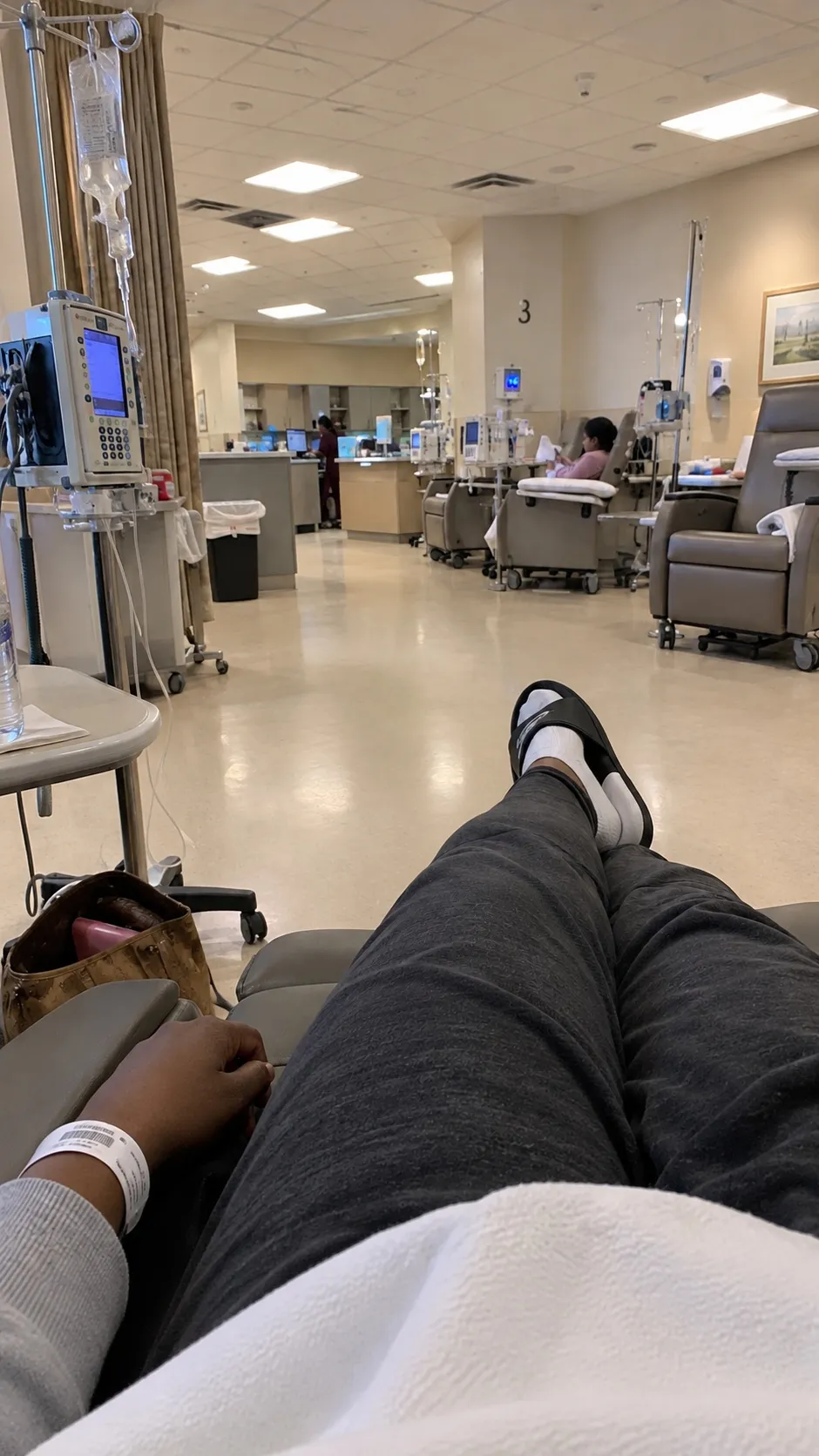
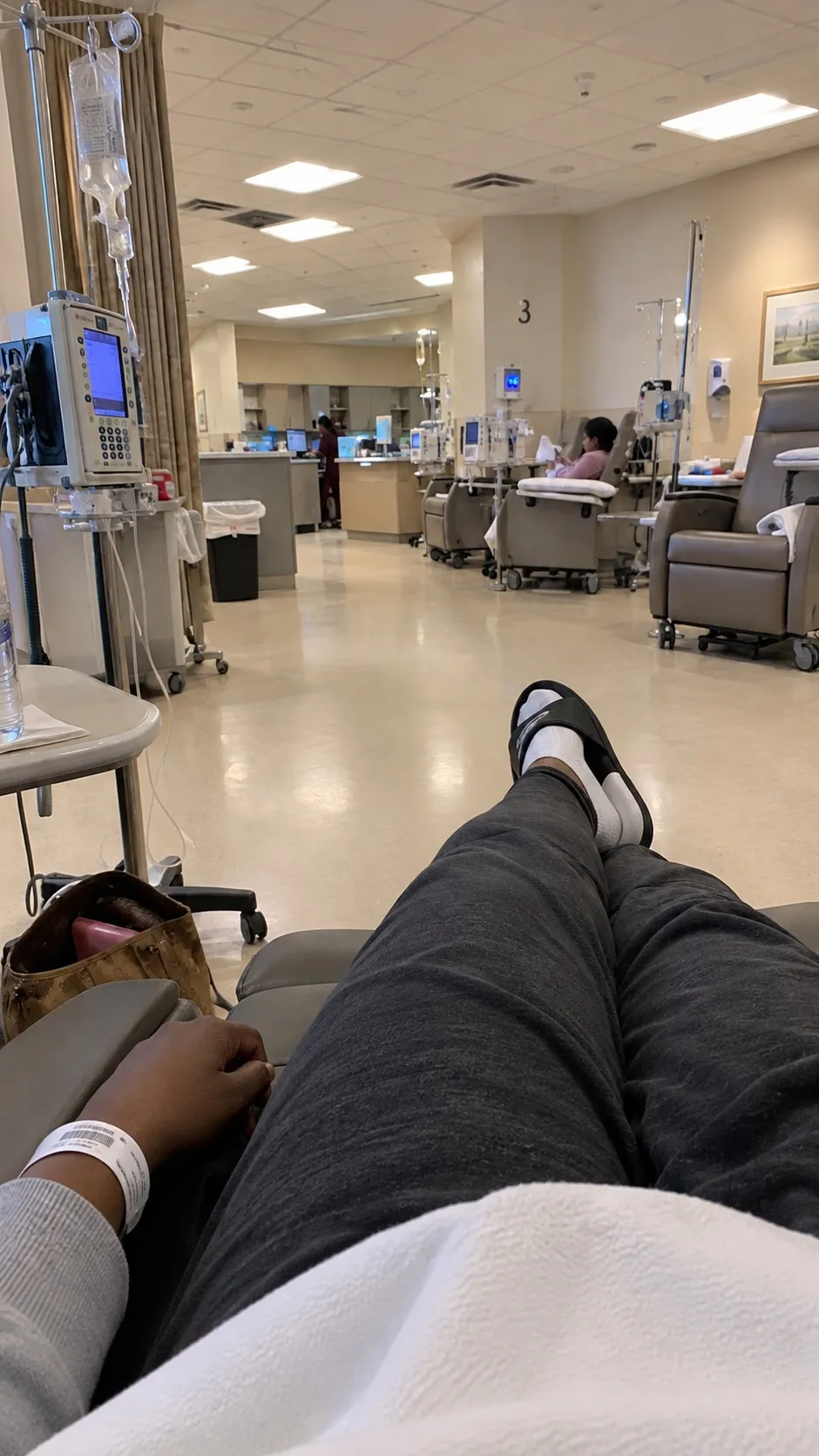
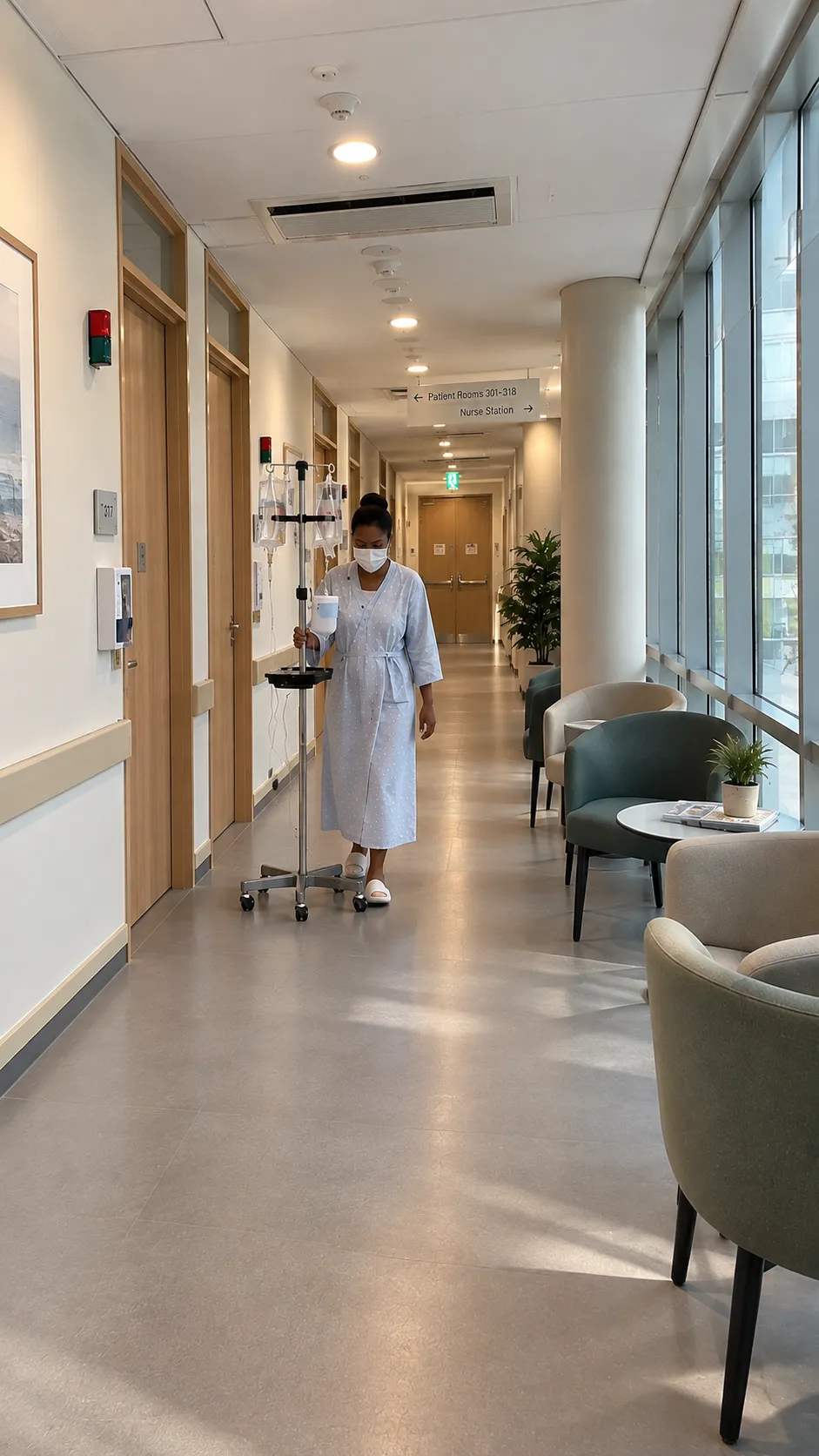
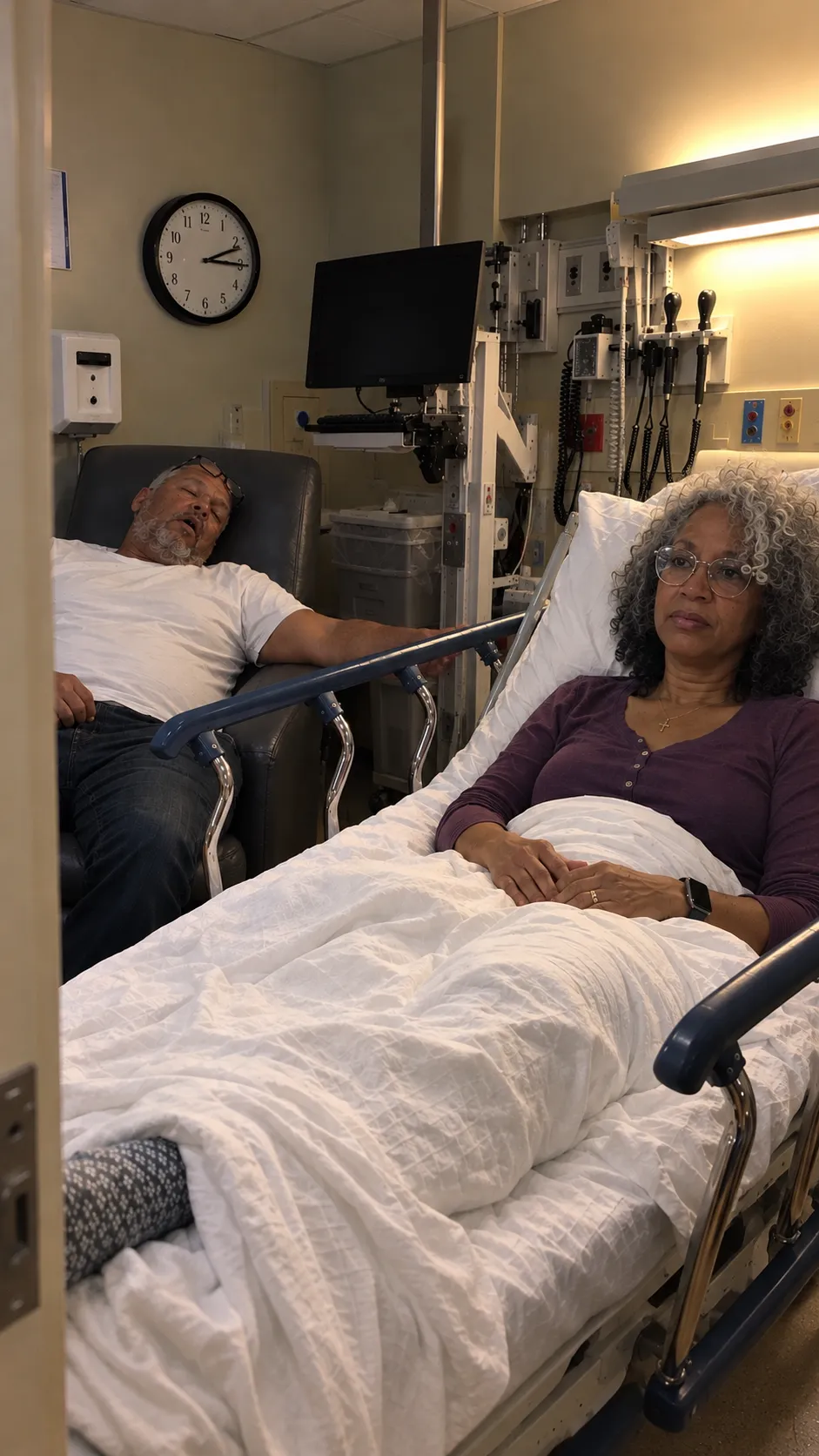
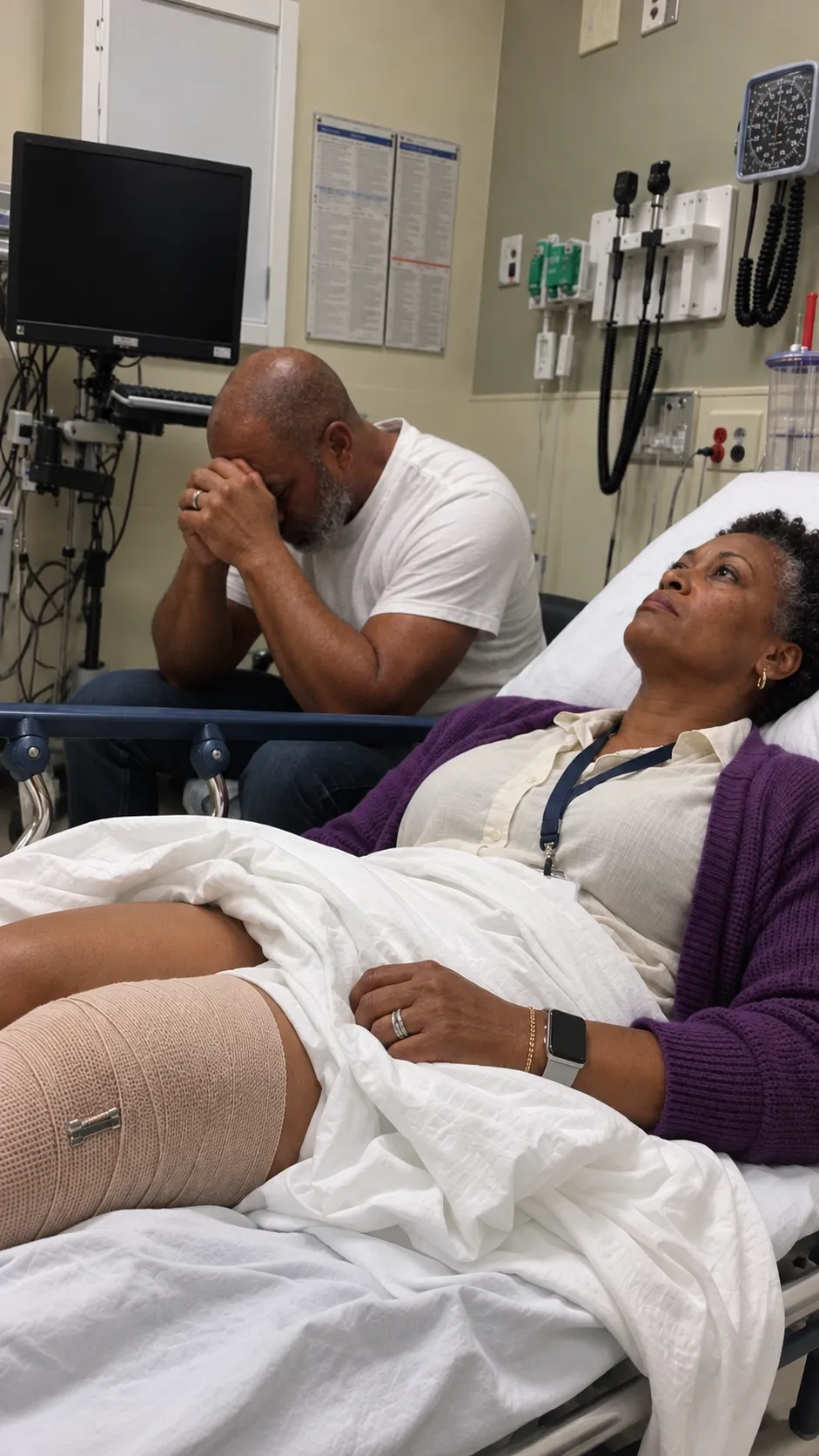
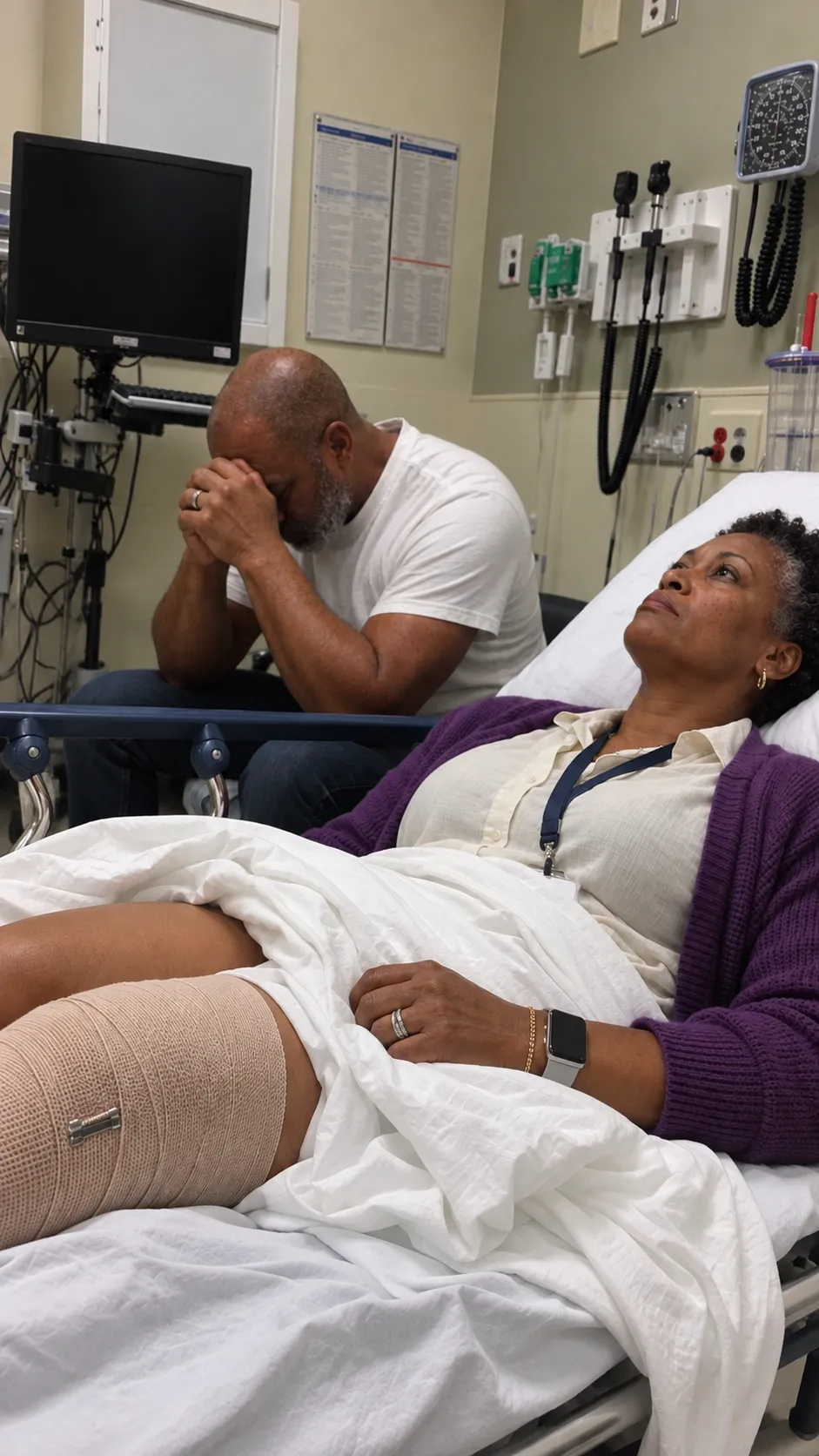
I was diagnosed with fibromyalgia at 47. I'm 54 now. Turns out I never had fibromyalgia at all. For seven years, I "managed" a condition I didn't actually have. My doctor gave me Cymbalta before he ran a single test. An antidepressant. For pain he hadn't even investigated. When I told him it wasn't helping, he adjusted the dose. When the new dose didn't help either, he added gabapentin and told me it would "take the edge off." It took the edge off me. Not the pain. Then came the parade of things I tried on my own — turmeric, fish oil, CBD, and a magnesium I grabbed off a pharmacy shelf that did nothing at all. I cut out gluten. Then dairy. Then sugar. I tried stretching in the mornings and paid for every session with two days flat on my back. I did the heating pads, the compression sleeves, the warm baths at midnight, the Epsom salts my sister swore by. When nothing worked, I tried to get a referral to a specialist. The first time the wait was eleven months. The second time my insurance denied it. So I stayed with the one doctor I had. The one who knew my chart better than he knew my face. He looked at my chart every visit. I do not think he ever once looked at me. "Your labs look fine," he said. "Fibromyalgia is the diagnosis we land on when everything else is ruled out. There's nothing structurally wrong." He handed me a pamphlet on pacing myself and told me to come back in three months. I felt like I was losing my mind. The tests were normal. My doctor wasn't worried. And every single day my whole body hurt in a way I couldn't point to and couldn't explain. The pain didn't live in one joint or one muscle. It lived in all of me at once, everywhere and nowhere I could point to. By the time my alarm went off, I already ached. Ten hours in bed, and I woke up like I'd never slept at all. By mid-morning my muscles felt gripped, like they were bracing for something that never came. By afternoon I'd be so wiped out I had to lie down just to make it to dinner. And the exhaustion wasn't the kind sleep fixes. I was worn out in a way that made it hard to think, hard to finish a sentence, hard to remember the word for "refrigerator" while I stood right in front of it. My granddaughter Maya would reach for me and I'd have to hand her back — not because I didn't want to hold her, but because my arms would shake under thirty-two pounds of trust. Every day turned into math. If I made dinner, that was my evening gone. If I walked to the mailbox, I paid for it that night. So I stopped saying yes to things — family dinners, Sunday cookouts, even walking a plate next door when somebody passed. I missed Maya's birthday party because standing in a kitchen for two hours felt like something my body would punish me for. Where I come from, you do not stop for pain. My mama worked the cafeteria with two bad knees for twenty-two years. Never missed a shift. Never sat down. Never complained. That was the standard. You carry it. You show up. You keep going. My mama used to say: "Some bodies just wear out faster, baby. That's all it is." I believed her. For a long time I believed her. So I didn't tell my family how bad it had gotten. Because that is not what the women in my family do. You handle it. You carry it. You don't put it on someone else. My sister would come over on Sundays. She'd cook, clean up, get down on the floor with Maya like none of it cost her a thing. I watched her from the same end of the same couch, week after week. I resented her for it. Then I hated myself for resenting her. Then I went back to staring at my hands. On the outside I looked fine. Inside I was drowning. And my one appointment every three months ended the same way. "Let's stay the course." "Stress makes it worse." "Have you thought about your weight?" I tried losing weight. I paid for it with two weeks of worse pain. I started to believe this was just my life now. That I'd spend whatever years I had left watching everyone else move through the world while I sat on the edge of it. The way my mama did. In the recliner at the end of the hallway. For twenty-two years. She passed in 2019. In that recliner. I was holding her hand. Then my daughter Keisha said something no doctor ever had. Keisha is a nurse. She works the floor at a hospital where she sees women who look like me every single shift. Women in pain. Women dismissed. Women handed prescriptions before anyone orders a proper workup. She came by one evening after her shift, and I told her I couldn't even make dinner anymore without sitting down halfway through. She looked at me the way nurses look at people when they already know what's wrong. "Mama, has anyone ever checked what your cortisol is doing at night? Or what your magnesium is actually doing inside your cells?" I almost laughed. "Baby, I've taken magnesium. It didn't do anything." "A standard blood test doesn't show what's happening inside your cells," she said. "And the magnesium you grabbed off a shelf probably never made it past your stomach." "You're telling me magnesium is behind all this?" "I'm telling you that you might not have fibromyalgia at all, Mama." She sat down across from me. "Your body runs on a stress hormone called cortisol. In the morning it's supposed to rise and wake you up. At night it's supposed to drop so your body can rest and repair. But after years under real pressure — and Mama, you have been under pressure since you were seventeen — your nervous system gets stuck in the on position. Cortisol stays high when it should be low. And high cortisol does one thing with brutal consistency — it burns through your magnesium." "Every night, while you're trying to sleep, that cortisol pulls magnesium out of your cells and flushes it out of your body." "Why does that matter?" "Because magnesium is the switch your body uses to power down. It's what lets a gripped muscle finally let go, what turns a pain signal down instead of up, and what carries you into the deep sleep where your body does its repairs. Run low on it, and every one of those jobs stops getting done." "When your cortisol burns through magnesium faster than food can replace it, your nervous system loses its off switch. Your muscles never fully release, so they ache all over, all the time — that diffuse, can't-point-to-it pain is just a body that's lost the ability to power down." "The way even Maya climbing into your lap hurts? That's your nervous system turning the volume up on signals it's supposed to filter out. And the sleep that never feels like sleep — you drift in the shallow end all night and wake up more tired than when you lay down." "But I've had normal labs for years," I said. "Because the test he runs measures the magnesium floating in your blood — not the magnesium inside your cells, which is where almost all of it lives and where the shortage actually is. Your blood can look fine while your cells run on empty. And cortisol? He tests it once, in the morning, when it's naturally high in everyone. He never catches what it's doing at two in the morning, when it's supposed to be at rock bottom and yours is climbing." "I really have tried magnesium, though." She paused. Then she said something that stopped my breathing. "Mama, what form was it?" "What do you mean what form?" "Flip the bottle over. What does it say on the back?" I got up and went to the bathroom cabinet. The bottle was still there. I turned it over. Magnesium (as magnesium oxide). "That's what I thought," Keisha said from the kitchen. "Oxide. Your body absorbs maybe 4% of it. The rest passes straight through. It never reaches the cells where the shortage actually lives." I stared at that bottle. And then I thought about something that made my chest go tight. Three years ago, before Mama passed, I had gone to the pharmacy and bought her a bottle of magnesium too. She had the same pain I have. All over. Every day. The bottle said magnesium on the front. She took it for four months. Nothing changed. I bought her the wrong one. And nobody told me there were two kinds. She took oxide for four months. Four months closer to the end. With a mineral her body never absorbed. In a recliner I watched her disappear into. Keisha saw it on my face. "It wasn't your fault, Mama. 8 out of 10 bottles on that shelf say magnesium on the front and oxide on the back. The industry doesn't tell you they're different. You read the label. You trusted the label. The label was incomplete." Then she said: "But I'm not going to let the same thing happen to you." She called me the next day on her lunch break. "You replace what your cortisol has been stealing every night. And you do it with a form your body can actually absorb — magnesium bisglycinate." "It's magnesium bonded to glycine, an amino acid that carries it straight through your gut wall and into the cells that have been starving for it. Your body takes in nearly all of it. And it's gentle, so it won't tear up your stomach the way the oxide did." "Take it every night and the magnesium floods back into those cells. Your nervous system finally gets the signal it's safe. Your muscles let go. The pain volume comes down. And real sleep starts coming back." This sounded too simple. But I'd been dragging myself through every day for seven years, and my daughter is a nurse who sees women like me every shift. So I listened. "Where do I even get it?" "You can't just grab any bottle," she said. "Most of them use forms your body can barely absorb, or they hide a weak dose behind a blend so you never know how much you're really getting. The one I've been recommending to women on my floor is Celuvida. Pure magnesium bisglycinate in a gummy. Full dose. No fillers. No oxide." I looked it up that night. Third-party tested. Full dose. No proprietary blend hiding the numbers. 90-day money-back guarantee. After seven years of things that failed me, one more try didn't scare me. I ordered three bags that night. 90 days. I was not going to make the same mistake my mama made with three weeks of the wrong form. I started the next evening. Day one, I felt nothing. Day two, I woke up and something was off — in a good way. The heavy, all-over ache was a little lighter. Not gone. Just quieter. That hadn't happened in seven years. By day four I made it clear through the afternoon without needing to lie down. I got up from the couch and walked to the kitchen and realized I hadn't braced myself to do it. The heating pad sat cold on the cushion. I'd forgotten to reach for it. By the end of the second week the quiet hours — the ones where my body wasn't screaming — had nearly tripled. And I'd slept a longer stretch than I had in years. Then came week three. I woke up before my alarm and lay there waiting for it. The grip in my shoulders. The deep ache down my legs. That full-body heaviness that had met me every single morning for seven years. It wasn't there. Maya came over that afternoon. She climbed into my lap the way she always tried to, and I braced out of habit — then realized I didn't need to. Thirty-two pounds. My arms held. My hands held. She put her head on my shoulder and fell asleep. I sat there and I did not move. Because I did not want whatever was happening to stop. My sister was watching from the kitchen doorway. She didn't say anything then. But she texted me that night. "I haven't seen you hold that baby like that since before mama passed." I sat in the dark reading that text over and over. That evening I made dinner for the first time in months. Not because I had to. Because my body let me. I made a plate and walked it next door to the woman whose husband had passed last month. I hadn't done that in two years. My sister stood in my kitchen doorway watching me wrap the foil. She didn't say anything. She didn't have to. Week four, my husband looked at me across the kitchen and said, "you're moving like yourself again." I don't have fibromyalgia. I never did. What I had was seven years of a magnesium shortage that kept my nervous system stuck on high and my body stuck in pain — and the one person in a white coat I had access to never thought to look for it. He looked at my chart. Every visit. For seven years. And not once did he look at me. My mama didn't have a body that wore out faster. She had the same shortage. The same loop. The same pain. And nobody told her either. For twenty-two years. I still have stress. I still work. I still live the same busy life I always have. But now I protect myself from the shortage. Every night I chew two gummies. The magnesium goes back in. My nervous system powers down the way it's supposed to. It takes thirty seconds. Something I chose for myself. Not something the system handed me. You were handed the fibromyalgia label after years of tests that kept coming back clean. The prescriptions came before the tests. Underneath it all, nothing really changed. Ten hours in bed still leaves you waking up like you never slept. The pain still lives everywhere and nowhere. And somewhere along the way you stopped making plans, stopped making a plate, stopped holding the people who reach for you — because you never know which version of your body is going to show up. And you haven't told your family how bad it really is. Because that is not what we do. I'm not telling you that you definitely have a magnesium shortage. But I spent seven years treating a condition I didn't have, while the real problem got worse every night I ignored it. And my mama spent twenty-two. Celuvida is pure magnesium bisglycinate your body can actually absorb. Not the oxide dressed up as magnesium you find at the pharmacy. Full dose. Third-party tested. Two gummies before bed. There's a full 90-day money-back guarantee. If nothing changes, every penny back. One email. But if it does — the way it did for me — you'll feel the heavy ache start to ease within a few days, get through an afternoon on your feet before the first week is out, hold your granddaughter without shaking by the end of the month, and make a plate and walk it next door because your body finally let you. My mama would have loved this. She really would have. Start the 90-Day Protocol. You don't have to keep managing a condition you might not even have. And you don't have to carry it alone anymore. Seven years of "managing" something that was never actually there.
More from Black Women’s Health Tips

The Relief Mineral For Fibromyalgia
Black Women’s Health Tips

The Relief Mineral For Fibromyalgia
Black Women’s Health Tips
The Relief Mineral For Fibromyalgia
Black Women’s Health Tips
The Relief Mineral For Fibromyalgia
Black Women’s Health Tips
The Relief Mineral For Fibromyalgia
Black Women’s Health Tips

The Relief Mineral For Fibromyalgia
Black Women’s Health Tips
The Relief Mineral For Fibromyalgia
Black Women’s Health Tips
The Relief Mineral For Fibromyalgia
Black Women’s Health Tips
The Relief Mineral For Fibromyalgia
Black Women’s Health Tips

“Mom won’t get up.”
Black Women’s Health Tips

“Mom won’t get up.”
Black Women’s Health Tips

“Mom won’t get up.”
Black Women’s Health Tips

 Add to Chrome