Ceylon Cinnamon 7200mg Equivalent with MCT Oil
Ad Copy
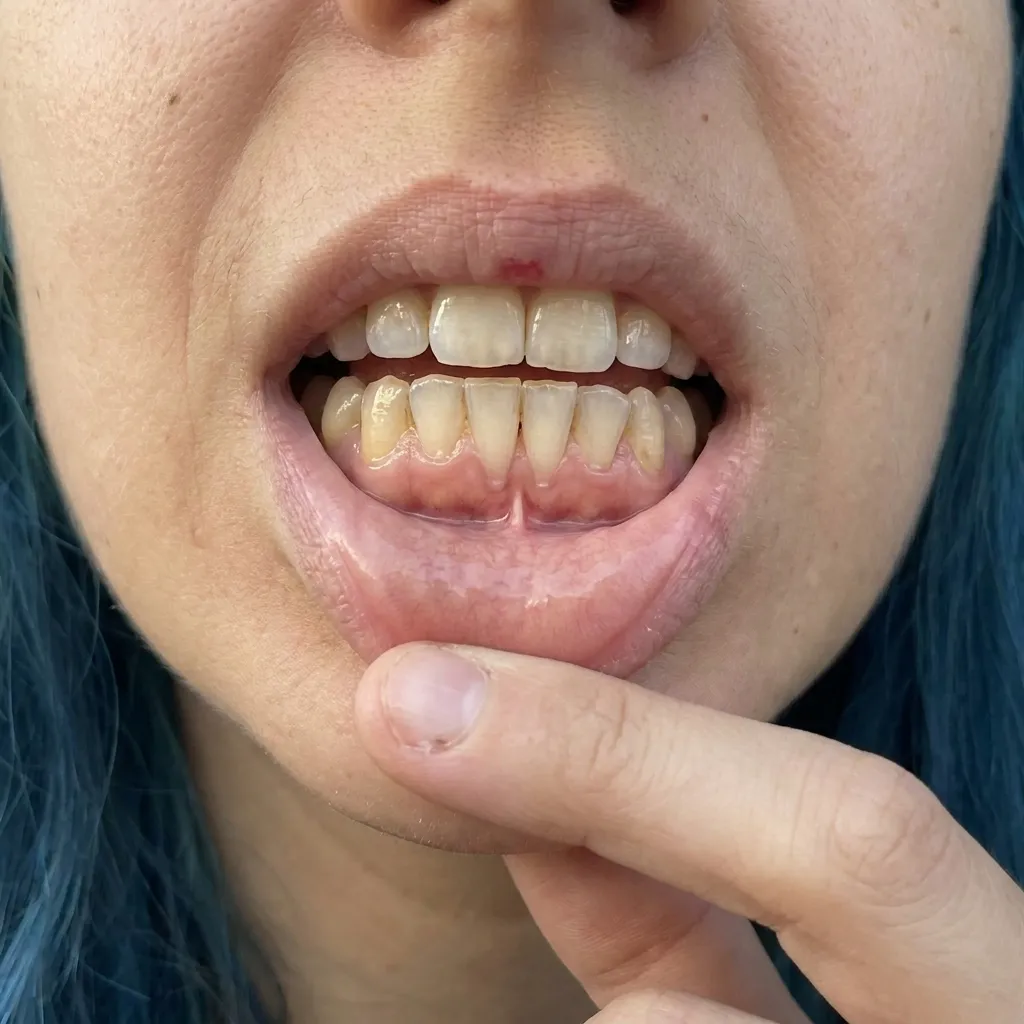
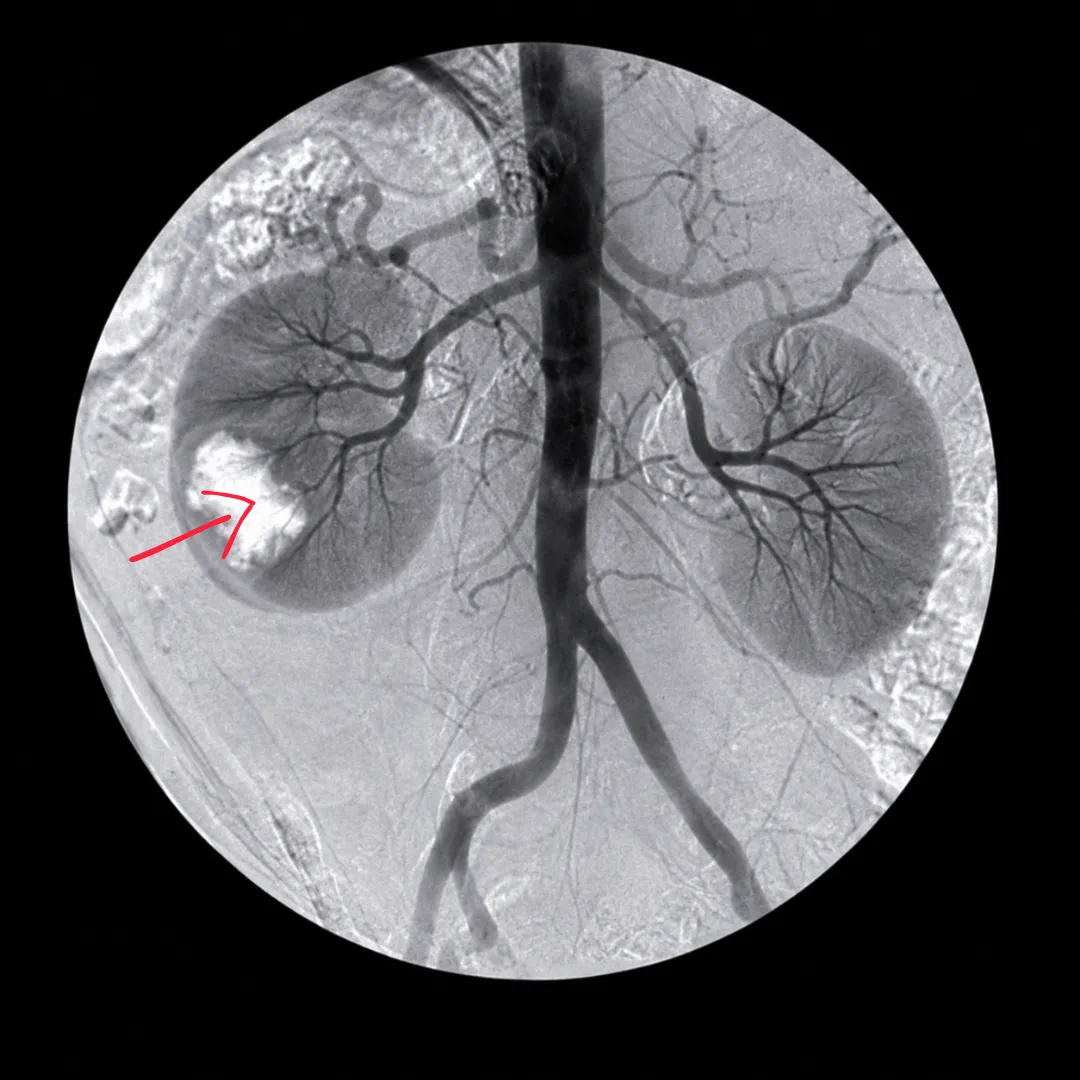
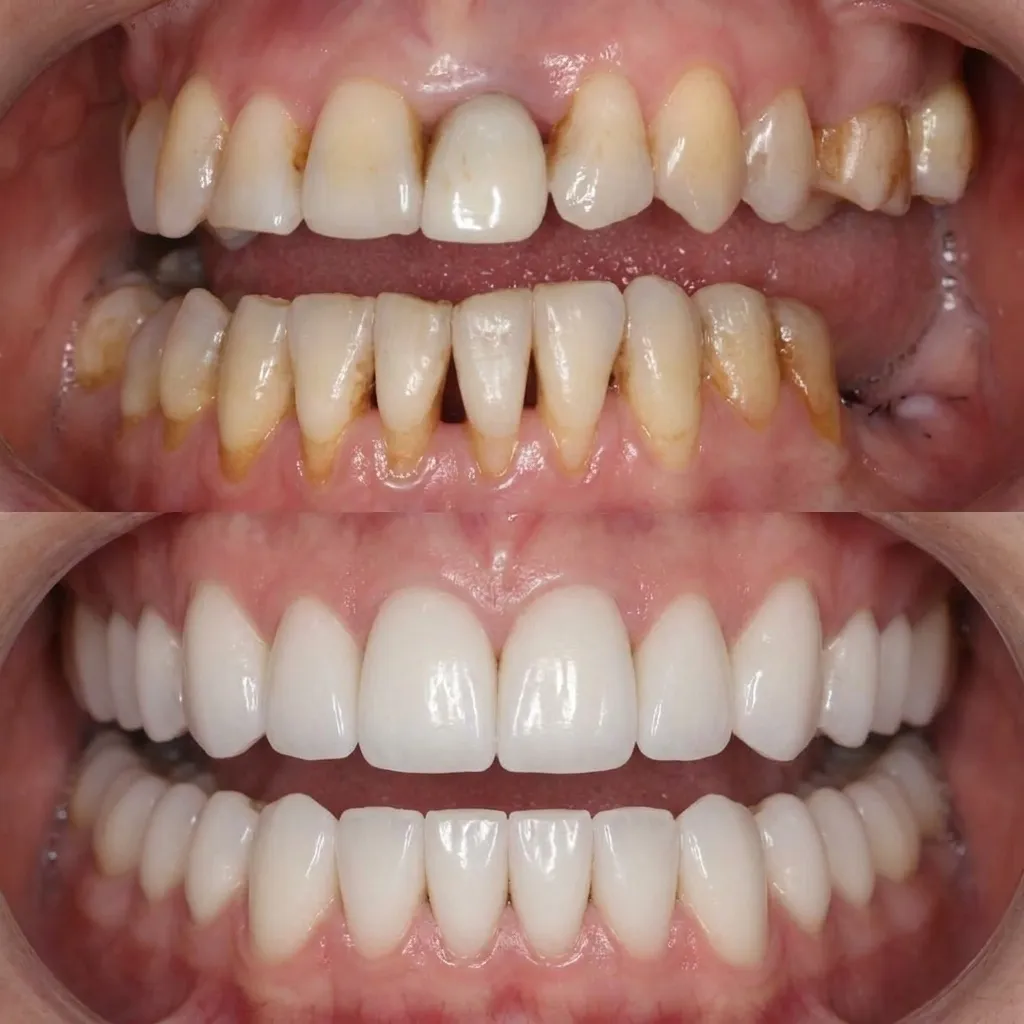
Receding gums are usually a warning sign that your blood sugar is quietly destroying the protein your gums are built from. I am a periodontist. And I only really understood that after it happened to my own husband. If your gums keep receding even though your hygiene is good, roots showing, teeth looking longer, pockets deepening at every cleaning, you need to hear this. My husband has been dealing with this for about a year and a half. And I have spent more nights than I would like to admit reading studies I should have read years ago. Turns out it is not just him. Thirty percent of adults over 60 are prone to gum recession no matter how well they brush. Their hygiene is on point. Their gums pull back anyway. And once it starts pulling back, it does not stay in one place. It spreads tooth to tooth and speeds up with age. It is the number one reason people over 60 lose teeth. Everyone thinks gum recession is always about brushing wrong or not cleaning enough. But for most people over 60, that is not it at all. My husband brushed carefully. Flossed every night. Never missed a cleaning in twelve years. His hygienist kept telling him his hygiene was excellent and his gums kept receding anyway. Here is what I actually found. Your gum tissue is built from protein. It is the scaffolding that holds the gum tight against the tooth, anchors the tissue to the bone, and keeps the root covered. When that scaffolding breaks down, the gum has nothing left to hold its position. It slides back. The root shows. That is your recession. After 60, your body is already producing far less of that structural protein than it did twenty years ago. But here is the piece nobody in dentistry is saying out loud. In people with elevated blood sugar, even borderline, even the kind your doctor calls managed, that tissue is not just aging. It is being actively destroyed. Faster than the body can repair it. With every meal that spikes your blood sugar, a portion of that glucose attaches to the proteins in your gum tissue in a process called glycation. Over time these glucose-protein bonds break down the scaffolding from the inside. The gum loses its grip on the tooth. The root exposes. And the immune cells that are supposed to control the bacterial infection in the pockets get so disrupted by the chronic blood sugar burden that they stop working properly. The bacteria stay. The inflammation stays. The destruction continues. Researchers who have actually measured gum inflammation found numbers that stopped me cold when I read them. In patients with high blood sugar, the average inflammatory burden in the gums measured 329 on the clinical scale. In patients with controlled blood sugar, that same score measured 54. Six times the destruction. The same gums. The same brushing. The only difference was what was happening in the blood. Six times. That is what was happening to my husband. His blood sugar was destroying his gum tissue faster than his body could repair it. He did not need to brush more or brush softer. He needed the destruction to stop at the source. And that is why nothing his dentist offered was working. The cleanings. The prescription rinse. The sensitivity toothpaste. None of that stops the blood sugar from destroying the gum tissue every single day. So the gum keeps pulling away. Even a gum graft only covers the exposed spot. It never addresses why the tissue is being destroyed in the first place. So very often it fails. The recession keeps spreading to the other teeth because the driver is still there. Every graft is covering a wound that is still being made. There has been research for years connecting blood sugar to periodontal disease. Most dentists know it exists. The problem is not that the connection is unknown. The problem is that periodontal treatment and metabolic management sit in two separate offices, managed by two separate specialists who rarely talk to each other. Your periodontist is focused on the tissue. Your physician is focused on the blood sugar numbers. Neither of them is watching what happens at the point where the two meet, inside the gum tissue itself, every single day. So the graft gets scheduled. The Metformin gets refilled. And the driver of the destruction keeps running between the two appointments, addressed by neither. So I went looking for how you actually stop the glycation destroying gum tissue at the source. And the research kept pointing to the same thing. It has to reach the bloodstream. It has to slow the blood sugar spikes that trigger glycation. And it has to quiet the inflammatory signal the years of accumulated damage have been broadcasting through the gum tissue. I spent weeks reading studies. I found a thread online from a woman asking why her Sri Lankan grandmother had kept all her original teeth into her eighties despite never once seeing a dentist. The thread had thousands of responses. Comment after comment pointed to the same thing. True Ceylon cinnamon. The kind grown in Sri Lanka. The kind woven into Sri Lankan cooking and traditional medicine for over a thousand years. A name kept appearing in the thread. Kumari. An older Sri Lankan woman living outside Boston. People said she had helped family members with exactly this kind of problem. I drove four hours to find her. Her kitchen smelled like cinnamon and warm bread. She poured tea without asking. And she explained what I had been missing. The milk thistle and supplements people reach for, she said, shield the surface. They never reach the glycation driving the destruction underneath. The chlorhexidine manages the bacteria. It never reaches what is destroying the tissue from the inside. Your husband's protocol was treating the results of his disease. Not the cause. She walked to a shelf and lifted down a dark glass jar. Inside were curled pieces of bark, deep reddish-brown, layered like rolled paper. The smell reached me from across the room. True Ceylon cinnamon, she said. Cinnamomum verum. I told her my husband had tried cinnamon capsules from the pharmacy. They had done nothing. She set the jar down. That is not what you think it is. What is in the pharmacy is not cinnamon in the way that matters. It is cassia. A different plant from China. It contains almost none of the two compounds that matter. And it contains a compound called coumarin that burdens the liver at daily doses. Real Ceylon cinnamon contains two compounds your husband needs. The first is MHCP. It fits into the same receptors that insulin uses in the muscle cells. When those receptors open, blood sugar after a meal has somewhere to go instead of building in the bloodstream. When blood sugar stops spiking, the glycation slows. The gum tissue stops being destroyed from the inside, meal by meal. The second is cinnamaldehyde. The compound that gives cinnamon its smell. It quiets the inflammatory signal that years of glycation damage have been broadcasting through the gum tissue. As that signal quiets, the immune cells in the tissue start functioning properly again. They clear the bacterial infection the way they should have been doing for years. The tissue can start to rebuild. Two compounds. From one plant. One shuts off the incoming destruction at the source. The other helps the tissue begin its own repair. But it has to be the right form, she said. Both compounds are fat-soluble. Without an oil to carry them, they pass through the body and never reach the bloodstream. This is why cinnamon and coconut have always gone together in Sri Lankan cooking. The coconut carries the cinnamon into the blood. She told me about a company her niece in Boston had found. DNA-verified Cinnamomum verum, sourced from Sri Lanka. Concentrated twelve to one to match the dose in the published research. Suspended in MCT oil, from coconut, so both compounds actually absorb. Third-party tested per batch. Made in the USA. She wrote the name on a piece of paper. Metabolae. I ordered it from the parking lot before I pulled out. I gave it to my husband. Week 2: The bleeding when he rinsed stopped. He mentioned it at breakfast almost as an aside. He said the sink had been clean. He was not sure if he was just rinsing differently. He was not rinsing differently. Week 4: The cold sensitivity had eased enough that he started drinking his coffee at normal temperature again. He had been drinking it lukewarm for months without telling me. Week 6: He told me one morning that the tooth that had felt slightly loose felt solid. He had been testing it every day. He had not said anything because he had not trusted it yet. Week 8: I examined him myself in my office with my instruments. His pocket depths at the two worst sites had each decreased by a full millimeter. Not held. Decreased. The tissue along his lower front teeth had a firmness and a color it had not had in eighteen months. I measured the most receded site twice. Week 12: My husband had a scheduled quarterly visit with the doctor managing his diabetes. The bloodwork came back differently than it ever had. His fasting glucose had dropped from an average of 141 to 96. His A1C had come down from 7.4 to 5.8. His doctor asked him what he had changed. He said his wife had recommended a Ceylon cinnamon supplement. There was a long pause. Then he said whatever you are doing, keep doing it. He cut the Metformin from twice a day to once. I want to be clear that these are his numbers, from his experience. Results like these are not guaranteed and will vary from person to person. And then the thing I still find difficult to say out loud as a periodontist. At his periodontal evaluation the following month, the imaging showed something I looked at twice and then a third time. The bone loss at two sites had stabilized. At one site there was early evidence of remineralization. I have told patients for twenty-three years that bone loss is permanent. That we can slow it. That we can sometimes halt it. That we cannot reverse it. His bone came back. I started taking it myself the following week. The low-grade fatigue I had been carrying for years, gone. I sleep through the night. I have energy I had not felt since my early forties. We both take it every morning. One softgel next to the morning coffee. It is the last thing either of us will ever skip. Now compare that to a gum graft, which runs several thousand dollars and involves cutting tissue from the roof of your mouth and suturing it to the receded site. It covers the spot that was already destroyed. It does not stop the blood sugar from destroying the new tissue in the same way. And it comes with no guarantee. Most of what calls itself cinnamon at the pharmacy or online will do nothing for you, and now you know why. It is cassia from China with almost none of the active compounds and a coumarin load that adds its own burden on top of everything the glycation is already doing to your tissue. Metabolae is not on Amazon. It is not in Walmart. It is not available through any third-party marketplace. The only way to confirm you are getting the DNA-verified formula, the correct species, the stated concentration, the MCT oil delivery, and the batch-tested product is to buy directly from Metabolae. If you see a Metabolae listing anywhere else, it is not the real product. If your gums have been receding and your dentist keeps saying we will monitor it, you have two options. Wait and let it keep spreading until the only thing left is a graft. Or stop the destruction at the source while the tissue can still respond. Every month you wait, the gum gets thinner. The bone gets lower. The tooth gets closer to mobility. The 90-day money-back guarantee means if the bleeding does not stop, if the sensitivity does not ease, if the pocket depths do not move, you send it back, empty or full, and every penny comes back with it. The chlorhexidine my husband rinsed with every day for eighteen months never came with a promise like that. You can decide what that tells you. I have decided what it tells me. Dr. Katherine Sterling Periodontist, 23 years in practice P.S. I need to say this clearly, because my husband reduced his Metformin in this account and I do not want you doing the same on your own. He reduced it because his doctor reviewed his bloodwork at week 12, an A1C drop from 7.4 to 5.8 he had never seen on any medication alone, and made that call himself. That is the only version of adjusting any prescription I would support. If you are on Metformin, a GLP-1 medication, or any combination, do not change them on your own. Bring your bloodwork to your doctor after 60 or 90 days on Metabolae and let your doctor decide. P.P.S. Do not stop early. The first few weeks are quiet. What MHCP does in those weeks happens inside the muscle cells, before the blood sugar settles and the glycation slows and the inflammatory signal in the tissue begins to quiet. My husband's bleeding stopped at week 2. The sensitivity eased by week 4. The pocket depths moved at week 8. The bone imaging was the slowest of everything, because tissue heals slowly and bone heals even slower. Give it the full 90 days. That is exactly the window the guarantee covers. P.P.P.S. To anyone reading this who has already had a gum graft. I am not telling you the graft was the wrong decision. In many cases it was necessary. What I am telling you is that if the blood sugar driving the destruction is still running high, the graft is covering a wound that is still being made. The recession will continue at adjacent teeth. You will be back in the chair. Metabolae addresses what is still destroying. That is the part the graft never touched.
More from Nutritionist - Megan Gibs, PhD
Ceylon Cinnamon 7200mg Equivalent with MCT Oil
Nutritionist - Megan Gibs, PhD
Ceylon Cinnamon 7200mg Equivalent with MCT Oil
Nutritionist - Megan Gibs, PhD
Ceylon Cinnamon 7200mg Equivalent with MCT Oil
Nutritionist - Megan Gibs, PhD
Ceylon Cinnamon 7200mg Equivalent with MCT Oil
Nutritionist - Megan Gibs, PhD
Understanding Changes In Kidney Health 🔬
Nutritionist - Megan Gibs, PhD
Ceylon Cinnamon 7200mg Equivalent with MCT Oil
Nutritionist - Megan Gibs, PhD
Ceylon Cinnamon 7200mg Equivalent with MCT Oil
Nutritionist - Megan Gibs, PhD
Ceylon Cinnamon 7200mg Equivalent with MCT Oil
Nutritionist - Megan Gibs, PhD
OFFER ENDS TODAY AT 23.59
Nutritionist - Megan Gibs, PhD

Metabolae was created for people who've tried everything to manage their blood sugar—and still feel like they're fighting a losing battle. We don't make pills that mask symptoms. We make softgels designed to help your cells respond to insulin again, so glucose finally moves where it belongs—and your kidneys, eyes, and body get relief. Thousands of diabetics have turned to Metabolae because traditional options weren't enough. Our formula combines Ceylon cinnamon bark extract with pharmaceutical-grade MCT oil—simple, natural, and backed by the kind of results you can see in your labs. Try Metabolae risk-free for 90 days. If your blood sugar and A1C don't improve, you pay nothing. No paperwork, no hoops. Just real results or your money back. We're here because we know what it's like to feel ignored by the system—and we're giving you a way forward.
Nutritionist - Megan Gibs, PhD
Ceylon Cinnamon 7200mg Equivalent with MCT Oil
Nutritionist - Megan Gibs, PhD

Ceylon Cinnamon 7200mg Equivalent with MCT Oil
Nutritionist - Megan Gibs, PhD

 Add to Chrome