Ceylon Cinnamon 7200mg Equivalent with MCT Oil
Ad Copy
Half the women with type 2 diabetes I built meal plans for came back a year later with worse numbers than the day I met them. I kept writing the plans anyway. I need to tell you why I stopped. My name is Megan Gibson. I am a registered dietitian. I have been doing this for twenty-two years, most of it in a cardiometabolic clinic attached to a hospital system, working alongside cardiologists and endocrinologists who sent me the patients whose numbers would not behave. My job was the food. Their job was the prescriptions. That was the division of labor, and for two decades I never once questioned whether the division itself was the problem. I built the plans. Mediterranean pattern. Oily fish three times a week. Soluble fiber at breakfast. Plant sterols. Cut the refined carbohydrate. Move thirty minutes a day. I have written some version of that plan more than four thousand times. The women followed it. Not all of them, but more than people assume. The ones who came back to me were the ones who followed it, because the ones who did not follow it stopped booking. And I watched their charts anyway. A1C holding at 7.1. Blood pressure creeping. LDL flat. Triglycerides climbing. And a cardiologist down the hall adding a statin at one appointment and increasing the blood pressure medication at the next, while I sat in my office adjusting portion sizes for a woman who was already eating better than I was. I told myself the plan was working and the disease was just aggressive. That is what you tell yourself when the alternative is that you have been handing out instructions that cannot structurally do what you promised them they would do. I know that now because a patient named Margaret put four printed research papers on my desk and made me feel like I had been doing part of my job wrong for two decades. But I want to tell you about Margaret's older sister Carol first. Because if I do not tell you about her, none of the rest of this is going to make sense. Carol is four years older than Margaret. She used to grow roses in every corner of her back garden. She hosted Christmas for fifteen people without breaking a sweat. She was the kind of woman who taught her younger sister how to drive, how to argue with a plumber, how to push back on a doctor when something felt off. Carol was diagnosed with type 2 diabetes at 51. Metformin. Then lisinopril at 53 when the blood pressure would not come down. Then a statin at 55. Three bottles on the counter and a chart that her doctor described, every single year, as well managed. At 57 she started feeling her feet in the evenings. Not pain. A kind of buzzing that she could not describe well enough for anyone to write it down. At 58 she could not finish a flight of stairs without holding the banister halfway up. Her cardiologist said the blood pressure numbers looked good and asked whether she was getting enough sleep. At 59 she gave up the garden. Twenty years of roses. She told Margaret she just did not have it in her hands or her back anymore. Her chart, the whole time, looked tidy. A1C at 7.0. LDL down on the statin. Blood pressure sitting at 134 over 82 on the medication. Everyone pleased. Fifteen-minute review, prescriptions renewed, see you next year. I have sat across from a hundred Carols. The chart says controlled. The patient says hollowed out. And we move on to the next appointment because the numbers are where the guidelines want them. Margaret sat down in my office three years ago. She was 58. Diagnosed with type 2 at 51, so seven years in. Metformin twice a day. Lisinopril added at 54. Her A1C was 7.3. Blood pressure 147 over 91. LDL 4.4. Triglycerides up. Her cardiologist had told her that if the next panel looked like this one, they would be having the statin conversation. She sat in my chair and she said, I do not want to become my sister. She asked me for six months. She wanted to see what she could do first. She told me what she had watched happen to Carol. I softened. I gave her the six months and I built her the best plan I have ever built for anybody. Here is what she did, because Margaret is stubborn and she reads too much. Mediterranean pattern, properly, not the supermarket olive oil version. Oily fish three times a week. Steel cut oats every morning with ground flaxseed. Plant sterol spread. A sterol yogurt drink daily. She cut the crackers, the bread, the evening biscuits, almost entirely. She walked five miles a day with her neighbor Pauline. She did two Pilates classes a week at the community center. She logged every meal for twenty-two weeks and brought me the logs in a binder. I was quietly hopeful. She was doing everything right. She was doing it better than right. Five months in, she came back for her retest. A1C: 7.1. LDL: 4.2. Blood pressure: 144 over 89. She had shifted her A1C by two tenths of a point. That was it. I have seen this result hundreds of times. A woman in her late fifties does everything the plan tells her to do, for months, without a single deviation, and the number barely moves. And the only thing waiting on the other side is the prescription she came in trying to avoid. Margaret sat in the parking lot afterward and cried. I did not know that at the time. She told me later. There were other things bothering her that she had mentioned in passing during appointments. The kind of things patients mention on their way out the door, almost as an afterthought. Her hands and feet were colder than they used to be, even in summer. She was getting cramp in her left calf on the longer walks. Stairs felt heavier. Not harder. Heavier. Like something small was missing from the engine. I had noted them. I had not connected them. I should have. They were not signs of being in her late fifties. They were signs of something else entirely, and I would understand what when Margaret came back three months later with a set of blood results that made me look at my screen twice. But I am getting ahead of myself. What happened next came from somewhere neither of us expected. A retired cardiologist named Dr. Jane Bellingham, who had spent her career in academic cardiology, gave a talk at a senior learning program that Margaret's neighbor Pauline dragged her to in October. The talk was meant to be about aging well. What it turned into, according to Margaret, was forty minutes that made her feel like she had been lied to for thirty years. Dr. Bellingham explained that the number I had been managing, and the number her cardiologist had been managing, were both downstream of something neither of us was measuring. Arteries are not rigid pipes. They are living tissue. Three layers of cells with a smooth inner lining called the endothelium that regulates blood pressure, clotting, and how easily blood moves through the vessel. When glucose cannot clear the bloodstream, that sugar saturated blood moves through the arteries continuously. Glucose inflames the endothelial cells lining the inside walls. It triggers oxidative stress. It activates NF-kB, the body's master inflammation switch, which sends inflammatory proteins into the arterial wall. The wall thickens. It stiffens. It loses the flexibility that normally lets it expand and contract with each heartbeat. The heart has to push harder against a vessel that no longer gives way the way it should. That is where elevated blood pressure comes from in a metabolic patient. Not salt. Not stress. Not genetics alone. The arterial wall is being stiffened from the inside by sustained glucose exposure, and the heart compensates by generating more force to push blood through vessels that stopped cooperating. The blood pressure medication manages the force. It does not repair the wall. The glucose keeps circulating. The stiffening continues. And at the same time, insulin resistance is telling the liver to overproduce VLDL, the precursor to LDL cholesterol. The cholesterol climbs for the same reason the blood pressure climbs. Same upstream failure. Two downstream measurements. Two separate prescriptions. One root that neither drug touches. Then Dr. Bellingham said the part that I have not been able to put down since. The reason glucose cannot clear is that every cell in the body has doors on its surface called GLUT4 transporters, and in insulin resistance those doors stop responding to the signal. Insulin arrives. The doors do not open. The pancreas sends more insulin. Still nothing. The glucose stays in the blood. Metformin tells the liver to produce less glucose. It reduces the flood. It does not touch the doors. And that is when I understood what I had spent twenty-two years doing. Every plan I ever wrote reduced the input. Fewer carbohydrates in. Less refined sugar in. Smaller portions in. Every single intervention I had was on the input side. Not one of them opened the drain. That is the mechanical reason Margaret moved her A1C two tenths of a point after five months of perfect compliance. It is not willpower. It is not that she was secretly cheating. She reduced what was going in. Nobody ever fixed what was failing to come out. I sat with that for about a week. It is not a comfortable thing to understand about your own profession at 46. Margaret went home and spent three evenings in the research databases. Not glossy websites. Actual papers. And then she came into my office and put four printed abstracts on my desk. I spent a weekend reading them. The compound with the trial data behind it was Ceylon cinnamon. Specifically Ceylon, Cinnamomum verum, which is a different plant from the cassia cinnamon that sits in every spice aisle and in almost every cinnamon supplement sold in this country. Ceylon's active compounds work on GLUT4 translocation directly. They act on the doors. And I will tell you what sat with me most as I read those papers on a Saturday night at my kitchen table. The reason none of this had crossed my desk in twenty-two years is that you cannot patent a tree bark. There is no representative walking into our clinic with a pen and a glossy folder on it. No quarterly bonus structure attached to a spice that has been used for four thousand years. A compound with this much mechanistic data behind it should be in every metabolic conversation I have with a woman over fifty. It has been in none of mine. Until now. Margaret, being Margaret, did what most patients would do first. She went to the pharmacy and bought the cheapest cinnamon capsules on the shelf. 1,000mg, Ceylon printed right there on the label. Six weeks later her A1C came back at 7.0. Basically nothing. She came back to the research. The mistake was obvious once she saw it, and she explained it to me with the quiet confidence of a retired schoolteacher who has marked one too many wrong answers. There are three failure points, and her bottle had hit all three. Species. Most products labeled Ceylon are cassia. Cassia is a different plant with a different chemistry. It contains almost none of the compounds that trigger GLUT4 activation, and it contains up to 250 times more coumarin than Ceylon, a compound that stresses the liver at daily supplement doses. She was not taking the wrong amount. She was taking the wrong plant. Dose. The research showing measurable metabolic movement used the equivalent of six to seven thousand milligrams of raw Ceylon bark daily. Most bottles contain 500 to 1,500mg. That is not a small gap. That is the difference between a therapeutic dose and a decorative amount. Delivery. Ceylon's active compounds are fat soluble. They need a fat carrier to cross the intestinal membrane and reach the bloodstream. A dry powder capsule has no fat in it. The compounds arrive at the gut, find no carrier, and pass through unabsorbed. She had not failed. She had been taking the wrong product, at the wrong dose, in a form that could not be absorbed. Margaret found Metabolae through a woman in a metabolic health forum she reads. The woman had posted her before and after panels on clinic letterhead, and the comment thread underneath was genuine. Other women posting their own numbers, arguing about timing. Margaret brought me the sourcing details before she ordered, because that is the kind of patient she is. Verified Cinnamomum verum, third party tested per batch. A 12:1 concentrated extract delivering the equivalent of 7,200mg of raw Ceylon bark per serving. Suspended in MCT oil from coconut, because the compounds cannot cross the gut wall without a lipid carrier. Made in the USA in a GMP certified facility. Non-GMO. Full paperwork available on request. As a dietitian, I could not find a reason to tell her not to try it. She ordered a three month supply. One softgel a day with breakfast. She did not tell her husband. She did not tell Carol. She wanted to see what the numbers did without anyone else's opinion in the room. The first thing she reported was not her A1C. It was her hands. About nine days in, she was washing up after Sunday lunch and realized her fingers were warm. Not from the water. Just warm, at rest. The low level chill she had been carrying for two years had gone. Her neighbor Pauline noticed it on their walk the following week. Margaret was keeping up on the hill that usually left her puffing. Then small things kept stacking up. She slept through the night for the first time in months at the end of week three. No more waking at three in the morning with her heart too loud. She stopped needing the afternoon coffee at three o'clock. The cramp in her left calf, the one she had stopped mentioning because she was tired of hearing that she was not twenty anymore, it went. At the six week mark she paid out of pocket for a panel because she could not wait for her scheduled retest. Fasting glucose down 34 points from where it had been sitting for three years. Triglycerides down meaningfully. Blood pressure, taken at home over a week of mornings, averaging 136 over 84. Her ratios had shifted the way the research said they would. Three months in she came back to me for her scheduled retest. A1C: 6.4. LDL: 3.1. Triglycerides in range. Blood pressure at the clinic: 131 over 80, down from 147 over 91. I looked at the screen. Then at her. Then at the screen again. Margaret. What have you been doing. She told me. All of it. The talk. The papers. The product. The three failure points. I wrote Ceylon cinnamon extract, MCT carrier, 7,200mg equivalent into her notes, and I could see she did not expect me to. Her cardiologist did not start the statin. He moved the conversation to the next panel and told her to keep doing whatever she was doing. She sat in the parking lot for ten minutes before she drove home. She told me that at her next appointment, laughing. Not crying this time. Just sitting with it. She called Carol that night. She told her everything. The talk. The research. The product. The numbers. Carol was quiet for a long time. Then she said, Margaret, why is none of this in any dietitian's office. Margaret did not have a good answer. Neither did I, when she relayed the question. Carol started on Metabolae the following week, alongside her metformin and her lisinopril and her statin. She is six weeks in now. The buzzing in her feet in the evenings has quieted. She walked the length of her own road last Sunday without holding onto anything. Her next panel is in six weeks and I will not pretend to know what it is going to say. But Margaret told me Carol sounded like herself on the phone last night. Not like the version Margaret had been talking to for two years. That is the bit I want you to take from this, if you take anything. I am a dietitian. I am not in the habit of recommending supplements. Most of what is sold in that aisle is expensive urine, and I have told patients that to their faces. But I have now read the mechanism, and I have watched what happened in one patient's blood work, and I cannot un-see it. If your numbers will not move and you are being told to try harder at the plan, do not do what Margaret did at the pharmacy. Do not buy a 1,000mg cinnamon capsule with Ceylon printed on the front and assume that is what was studied. It is not. That product and the one in the research are essentially different substances. You want verified Ceylon, Cinnamomum verum, at a dose that matches the research rather than a token amount, delivered in a fat carrier that lets it absorb. Metabolae is the only formula I have found that meets all three on the bottle. One softgel delivers a 12:1 concentrated extract equivalent to 7,200mg of raw Ceylon bark, suspended in MCT oil from coconut. Third party tested per batch. Made in the USA in a GMP certified facility. Thirty softgels to a bottle. One a day with breakfast. No cinnamon burn. No aftertaste. They offer a ninety day money back guarantee. I think that is fair, because ninety days is honestly how long you need to see what a panel is doing. Margaret's circulation shifted in the first fortnight. Her sleep deepened in week three. The numbers showed up on paper at six weeks and were more pronounced at twelve. If the numbers do not move for you, send back what is left and you get every dollar back. I am not telling anyone to refuse a medication or stop one they are on. That is a conversation for you and your doctor, and Margaret and her cardiologist had theirs with all the cards on the table. But if you are where Margaret was, seven years into a diagnosis, doing everything the plan asks, watching the numbers sit still while the prescriptions accumulate, your sister or your mother already further down the same road and not the same person she used to be, then ninety days is worth it. I wish I had known at the start of my career what Margaret's stubbornness taught me at 46. I would have asked a different question. I spent twenty-two years asking what my patients were putting in. I never once asked why it was not coming out. — Megan Gibson, RD
More from Nutritionist - Megan Gibs, PhD
Ceylon Cinnamon 7200mg Equivalent with MCT Oil
Nutritionist - Megan Gibs, PhD
Ceylon Cinnamon 7200mg Equivalent with MCT Oil
Nutritionist - Megan Gibs, PhD
Ceylon Cinnamon 7200mg Equivalent with MCT Oil
Nutritionist - Megan Gibs, PhD
Ceylon Cinnamon 7200mg Equivalent with MCT Oil
Nutritionist - Megan Gibs, PhD
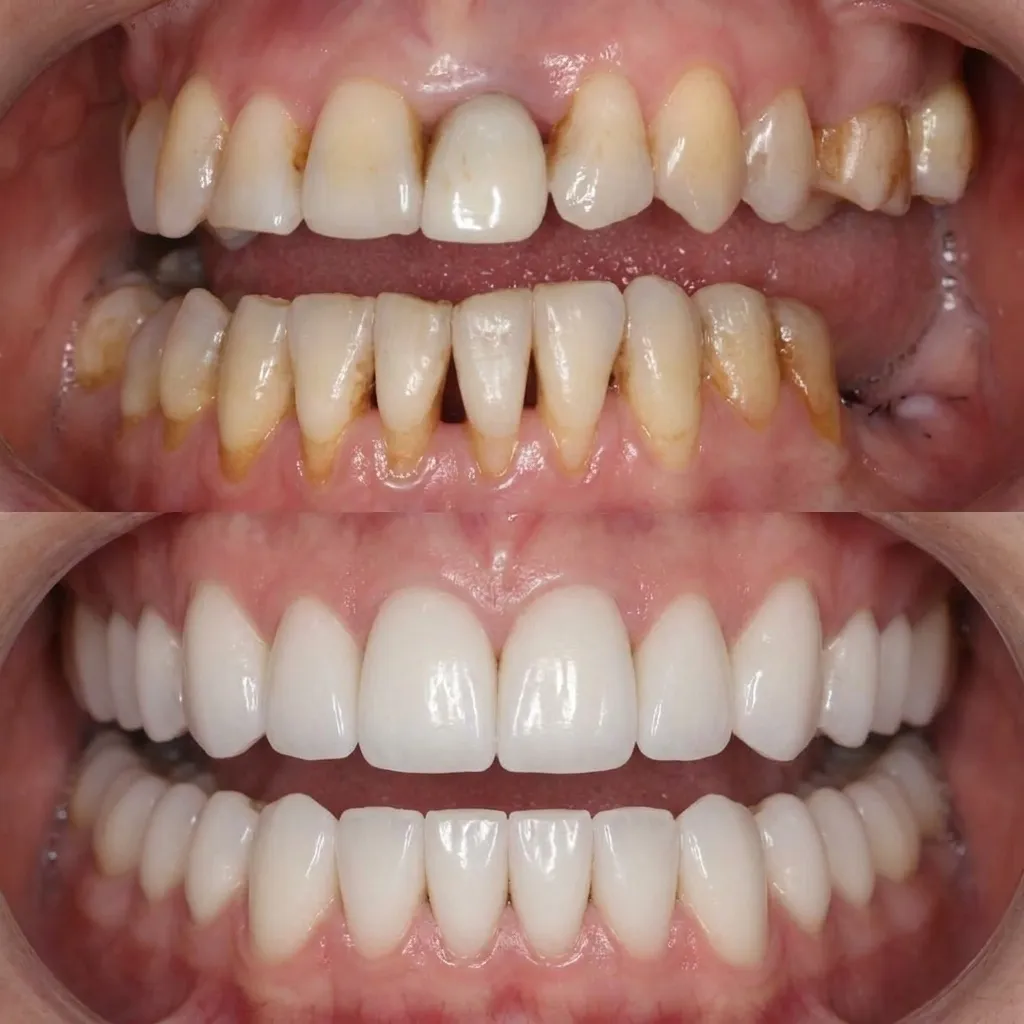
Understanding Changes In Kidney Health 🔬
Nutritionist - Megan Gibs, PhD
Ceylon Cinnamon 7200mg Equivalent with MCT Oil
Nutritionist - Megan Gibs, PhD
Ceylon Cinnamon 7200mg Equivalent with MCT Oil
Nutritionist - Megan Gibs, PhD

Ceylon Cinnamon 7200mg Equivalent with MCT Oil
Nutritionist - Megan Gibs, PhD
OFFER ENDS TODAY AT 23.59
Nutritionist - Megan Gibs, PhD

Metabolae was created for people who've tried everything to manage their blood sugar—and still feel like they're fighting a losing battle. We don't make pills that mask symptoms. We make softgels designed to help your cells respond to insulin again, so glucose finally moves where it belongs—and your kidneys, eyes, and body get relief. Thousands of diabetics have turned to Metabolae because traditional options weren't enough. Our formula combines Ceylon cinnamon bark extract with pharmaceutical-grade MCT oil—simple, natural, and backed by the kind of results you can see in your labs. Try Metabolae risk-free for 90 days. If your blood sugar and A1C don't improve, you pay nothing. No paperwork, no hoops. Just real results or your money back. We're here because we know what it's like to feel ignored by the system—and we're giving you a way forward.
Nutritionist - Megan Gibs, PhD

Ceylon Cinnamon 7200mg Equivalent with MCT Oil
Nutritionist - Megan Gibs, PhD
Ceylon Cinnamon 7200mg Equivalent with MCT Oil
Nutritionist - Megan Gibs, PhD

 Add to Chrome