Understanding Changes In Kidney Health 🔬
Ad Copy
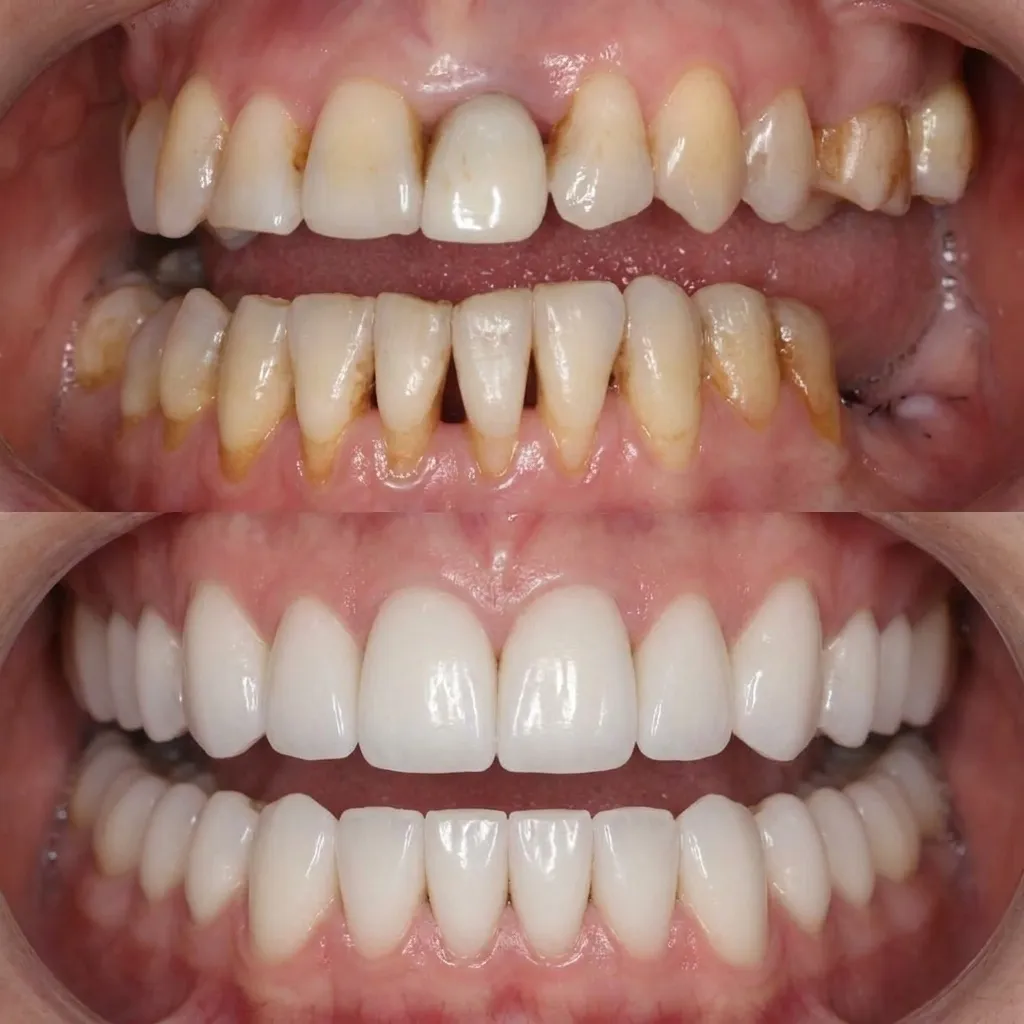
I've performed over 500 periodontal surgeries in my career. 542 procedures in 24 years. Not one of those charts had a number that would have immediately alarmed another dentist. And for years, I believed it was the right thing to do. Scale the roots. Treat the pockets. Reduce the bacteria. The inflammation settles. That's what every textbook says. But after enough years in practice, something started to bother me. Patients I treated would come back six months later with the inflammation spreading to new sites. Some came back losing the same teeth we had spent months fighting to save. The pockets improved. The teeth didn't stay. And no one could explain why. I remember one patient clearly. A 61-year-old retired schoolteacher named Barbara. She had been brushing twice a day, flossing every night, and keeping every cleaning appointment for nearly thirty years. She came to me because her four lower front teeth were in serious trouble. Deep pockets. Persistent bleeding. Bone loss already showing on the x-ray. She was terrified of losing them. We went through two full rounds of periodontal treatment. She followed every instruction without missing a single step. Eleven months later she came back and said, Two of them are loose. I can feel it when I press on them. I told her the disease sometimes finds new territory. That we would need to go further with our approach. What I didn't tell her was that I had no real explanation for why this kept happening to patients who were doing everything right. That was the day I started questioning everything I thought I knew. If treatment is clearing the infection, why did her disease keep advancing? If we're doing everything the protocol says, why were her teeth still loosening? That question kept me up at night. I'm Dr. Katherine Sterling. Board-certified periodontist. I trained at one of the top periodontal programs in the country. For 24 years, I had built my practice around the same standard of care. I believed in it. I recommended it to every patient who walked through my door. But after Barbara, I had to know. I started reading every new study I could find. Late nights at my kitchen table. Cold coffee beside my notes. American journals first. Then European ones, because that's where the research on the deeper mechanisms of periodontal disease was actually happening. Then I found it. A review in a peer-reviewed journal I had cited in my own presentations, without ever reading past the summary. The finding stopped me cold. In patients with persistent periodontal disease despite full treatment compliance, blood sugar dysregulation was present in the overwhelming majority of cases. I read it three times. The bacteria weren't driving the disease. The blood sugar was. The researchers writing the papers knew it. The journals publishing it knew it. The evidence had been building for years. Patients are almost never told. Because blood sugar is not what a periodontist addresses. It doesn't fit inside a dental billing code. It lives entirely outside the conversation we are trained to have. A course of periodontal treatment runs anywhere from $2,000 to $6,000 depending on severity. Most patients with persistent disease need it repeated. Some go through it on a rolling cycle for years. They come in faithfully. They follow every instruction. They leave believing they have addressed the problem. Six months later the inflammation is back. The pockets are deepening again. The disease is finding new teeth. They are back where they started, minus thousands of dollars, and nobody has told them why. I had spent 24 years treating Barbara and hundreds of women like her. Improving things for a season. Watching them come back. And the entire time, the research explaining why it kept happening was sitting in journals I had already read. But the question I really needed answered was this. If standard periodontal care isn't stopping the disease, what is? That's where the real research started. For the next year I read everything I could find. American journals kept returning to the same interventions. European journals were asking a different question entirely. That's where I found him. Dr. Anders Rosling. A periodontist and senior researcher at Uppsala University in Sweden. He had been publishing on the relationship between blood glucose metabolism and periodontal tissue response for years. His work had received almost no attention in the United States. I emailed him through his department. Introduced myself as a practicing American periodontist who had spent the last year following the research he kept appearing in. He responded within two days. We exchanged emails for nearly three weeks. Then he agreed to a video call. What he told me changed how I practice. For decades, doctors were taught that gum disease was an infection. A bacterial problem with a bacterial solution. Settle the bacteria, resolve the disease. That was the doctrine. The infection is real. The bacteria are real. But in most of the patients who never fully resolve, the bacteria are not the reason. The reason is what is feeding the environment the bacteria live in. Here's what is actually happening in your mouth. Your gum tissue depends on a healthy internal environment to fight infection and repair itself after every bacterial assault. After years of elevated blood sugar, even in the range most internists call borderline, that environment begins to break down. Glucose saturates the tissue. The immune cells that should clear infection become sluggish. The repair cycle that should close the pocket damage after a cleaning slows. The tissue that should recover between appointments stops recovering. Your gums aren't losing the fight against bacteria because of the bacteria. They're losing because the tissue itself has been compromised from the inside. The same blood sugar has been feeding the inflammation, slowing the healing, and degrading the tissue structure continuously, between every appointment you keep. After age 50, if your fasting glucose has been running high for years, your gum tissue may already be significantly affected. Your hygienist cannot see this. Your x-rays don't show it. Your pocket depths won't reflect it until the damage is well advanced. This is what was happening in Barbara's mouth. This is what was happening in the mouths of every patient I had treated faithfully for years and watched decline anyway. The blood sugar was breaking down their gum tissue from the inside. Untouched. Every single time they left my office. Periodontal treatment does not reach this. Cleanings reduce the bacterial load. They don't restore the tissue the blood sugar has been breaking down between appointments. Scaling treats the surface infection. It doesn't change the internal environment the bacteria keep returning to. Prescription rinses. Laser therapy. Irrigation. None of them reach the mechanism underneath. This is why treatment keeps failing women who are doing everything right. Standard periodontal care removes bacteria from an environment that is still being slowly destroyed from below. The bacteria return because the environment welcomes them back. The tissue cannot mount a proper defense. The pocket deepens. The bone follows. It is like clearing water from a flooded floor without ever finding the broken pipe. The floor keeps flooding. The damage continues. The patient keeps coming back. That's why Barbara's disease kept progressing. That's why it found new teeth. That's why women who follow every instruction for thirty years still end up being told there is nothing left to do. If you have kept every appointment, followed every instruction, and spent thousands on treatment, hear this. Your gum disease is not advancing because you failed. It is advancing because the thing driving it was never addressed. Nobody told you to address it. It does not appear anywhere in the consent form you signed before your last procedure. It has nothing to do with your brushing or your floss or the prescription rinse you have been using faithfully for years. The bacteria your dentist treats every six months are not the reason your tissue keeps breaking down. The blood sugar nobody mentioned is. And the longer it goes unaddressed, the more tissue you lose that cannot come back. Then I asked Dr. Rosling the question I had come for. What actually works? He pointed me toward a body of research that had been accumulating for a decade in journals most American periodontists had never opened. Not a new drug. Not a new technique. A plant compound that had been sitting in peer-reviewed literature for years, producing consistent results, with almost no one in American dentistry paying attention. True Ceylon cinnamon. Cinnamomum verum. Grown exclusively in Sri Lanka. He explained the mechanism. Every cell in your body has tiny receptor doors on its surface. Their job is to open, pull glucose out of your blood, and burn it as energy. In insulin resistance, the condition underneath most cases of persistent blood sugar elevation, those doors stop responding to the signal that should open them. Glucose has nowhere to go. It stays in your blood. It circulates through your gum tissue, hour after hour, year after year. Breaking the tissue down the entire time. True Ceylon cinnamon contains two active compounds that address this directly. The first is MHCP. It activates those receptor doors without needing the broken signal. The glucose moves. The circulating load that has been degrading your gum tissue drops. The Journal of the American College of Nutrition found MHCP was 20 times more effective at activating this pathway than any other natural compound tested. Diabetes Care found an 18 to 29 percent reduction in fasting glucose in patients on consistent Ceylon. The second compound is cinnamaldehyde. It repairs the internal tissue structure that elevated blood sugar has been degrading. The gum tissue that has been fighting infection on a compromised foundation for years finally has what it needs to begin recovering. One compound stops the damage from continuing. The other begins repairing what has already been broken. Together, they address the mechanism underneath the periodontal disease that no dental treatment has ever reached. Dr. Rosling's team had tracked patients who added high-dose, properly absorbed Ceylon alongside their standard periodontal care over a 12-month period. The group that added Ceylon: periodontal inflammation markers dropped significantly. Tissue response held between appointments instead of reverting. Pocket depth improvements persisted at follow-up instead of bouncing back. The group that received standard care alone: continued progression at the same rate as before. The bacteria were the same in both groups, he told me. What changed was the environment. Once I understood what the mechanism actually was, I knew exactly what I needed to find. Not a new dental technique. Not a stronger rinse protocol. Not another procedure. Something that could address what the blood sugar was doing to the tissue from the inside, before the bacteria ever had the chance to take hold. I set three criteria for myself. Whatever I was going to recommend to a patient would need to influence how glucose moves at the cellular level. It would need to be absorbed into tissue, not pass through the gut unused. And it would need published research behind it, not a manufacturer's claim. I spent weeks narrowing the field. Then I ordered the first thing I found that looked right. Ceylon cinnamon capsules off Amazon. Generic. Around $15. Dry powder, 1,000mg per capsule. I took it for three weeks. Almost nothing moved. I almost closed the file entirely. But something in the research kept pulling at me. The studies that produced real results used concentrated extract at the equivalent of 6,000 to 7,200mg of raw bark daily. What I had ordered was 1,000. And the active compounds are fat-soluble. A dry powder capsule carries no fat. Most of what I was swallowing was passing straight through without ever reaching the tissue it was supposed to repair. I had the right idea. I had the wrong product. That was when I remembered Barbara. She had delayed her six-month recheck twice. When she finally came in, I braced myself for what I was going to see. Her pocket depths had reduced. Her tissue was firmer than it had been at any appointment in two years. My hygienist came to get me because she wanted me to confirm the measurements before she charted them. I asked Barbara what she had changed. She said her daughter had been ordering her something called Metabolae. A softgel. Concentrated Ceylon from Sri Lanka. 7,200 mg equivalent. 12-to-1 extract. Suspended in MCT oil from coconuts. DNA-verified. Third-party tested. Comes in a resealable bag, not a bottle. Right species. Right dose. Right delivery. I ordered it that afternoon. I know how this sounds. I spent 24 years dismissing patients who came in with supplement bottles. I know what skepticism about cinnamon feels like because I had it myself for two decades before I read the research. This is not kitchen cinnamon sprinkled on oatmeal. This is not the same thing you may have tried before that did nothing. The extract that moved Barbara's numbers and stabilized her tissue is a different product in every way that matters. Different species. Different concentration. Different delivery format entirely. I started recommending it to my patients eight months ago. Barbara was the first. We agreed she would add it alongside her next course of treatment and track her response over 12 weeks. Week 4: the bleeding she had described every time she brushed, which had been happening for so long she had stopped mentioning it, was almost gone. Week 8: her gum tissue looked different at her recheck. Firmer. Less inflamed. Her hygienist asked what she had changed in her home care. Week 12: my hygienist measured each site twice before she charted it. Site 1: pocket depth reduced from 4.5mm to 2.9mm. Site 2: pocket depth reduced from 4.1mm to 2.7mm. Sites 3 and 4: stabilized. No further progression. Barbara didn't need the referral I had been preparing to write. She didn't lose her teeth. That was 8 months ago. Her tissue is still stable. The teeth I had been losing confidence in keeping are firm in her mouth. Imagine walking into your next hygiene appointment without bracing yourself. Not preparing for the number your hygienist is about to read. Not calculating in the back of your mind whether this is the appointment where she refers you somewhere else. Not sitting in that chair already grieving the teeth you are watching slowly change. Imagine her setting down the probe, looking at the chart, and asking what you changed in your home care. Because the numbers are different than they were six months ago. Imagine leaving that appointment without a referral in your hand. Without a procedure date on the calendar. Without the weight of knowing you are going to sit in that chair again in a few months and hear the same thing you have been hearing for years. That is what it looks like when the mechanism is finally being addressed. That is what Barbara's appointment looked like at month twelve. That is what your appointment could look like, if you address what your dentist's treatment has never been able to reach. Your periodontist is not hiding this from you. American dental training focuses on bacterial control and mechanical intervention. The connection between blood sugar metabolism and periodontal tissue response is not part of the standard curriculum. Most American periodontists graduated before this body of research reached the visibility it has now. That's not a criticism. It's where the knowledge gap sits. But you don't have to wait for the system to catch up. If you have been told that further periodontal treatment is your only remaining option, ask one question first: has anyone looked at what your blood sugar is doing to the tissue we're trying to save? If you are approaching another procedure, understand what is feeding the disease before you commit. If you have already been through treatment and the inflammation is still coming back, address the mechanism before you go through it again. The product I now recommend to my own patients is Metabolae. Concentrated Ceylon cinnamon from Sri Lanka. 7,200 mg equivalent per softgel. 12-to-1 extract. Suspended in MCT oil so the fat-soluble compounds actually reach your tissue instead of passing through. DNA-verified species. Third-party tested. Comes in a resealable bag, not a bottle. If your tissue doesn't respond, your fasting glucose doesn't shift, and your hygienist sees no measurable change at your next recheck, you pay nothing. The guarantee covers 90 days. I don't receive anything for sharing this. I'm sharing it because I spent 24 years treating a disease without addressing what was driving it. I watched women do everything right and lose their teeth anyway. Before you go looking: most of what is sold as cinnamon on Amazon, Walmart, and third-party marketplaces is not Ceylon at all. It is cassia. A different plant entirely. Cassia contains up to 250 times more coumarin than true Ceylon, a compound that accumulates in the liver at daily doses. A significant portion of what gets listed online as Ceylon cinnamon is sourced from China with no verified species authentication behind it. And even the products legitimately labeled Ceylon are almost always underdosed and packed as dry powder, which means the active compounds pass straight through without ever absorbing. That is why every patient who has ever told me I tried cinnamon and nothing happened was taking the wrong thing. Metabolae is not sold on Amazon, at Walmart, or through any third-party marketplace. The only way to get the DNA-verified species, the stated dose, the MCT oil delivery, and the tested formula is to order directly from them. I won't keep watching this happen when I know there is something that reaches what no cleaning ever could. Your gums aren't broken. Your blood sugar is breaking them. ~ Dr. Katherine Sterling, Periodontist, 24 years
More from Nutritionist - Megan Gibs, PhD
Ceylon Cinnamon 7200mg Equivalent with MCT Oil
Nutritionist - Megan Gibs, PhD
Ceylon Cinnamon 7200mg Equivalent with MCT Oil
Nutritionist - Megan Gibs, PhD
Ceylon Cinnamon 7200mg Equivalent with MCT Oil
Nutritionist - Megan Gibs, PhD
Ceylon Cinnamon 7200mg Equivalent with MCT Oil
Nutritionist - Megan Gibs, PhD

Ceylon Cinnamon 7200mg Equivalent with MCT Oil
Nutritionist - Megan Gibs, PhD

Ceylon Cinnamon 7200mg Equivalent with MCT Oil
Nutritionist - Megan Gibs, PhD
Ceylon Cinnamon 7200mg Equivalent with MCT Oil
Nutritionist - Megan Gibs, PhD
OFFER ENDS TODAY AT 23.59
Nutritionist - Megan Gibs, PhD

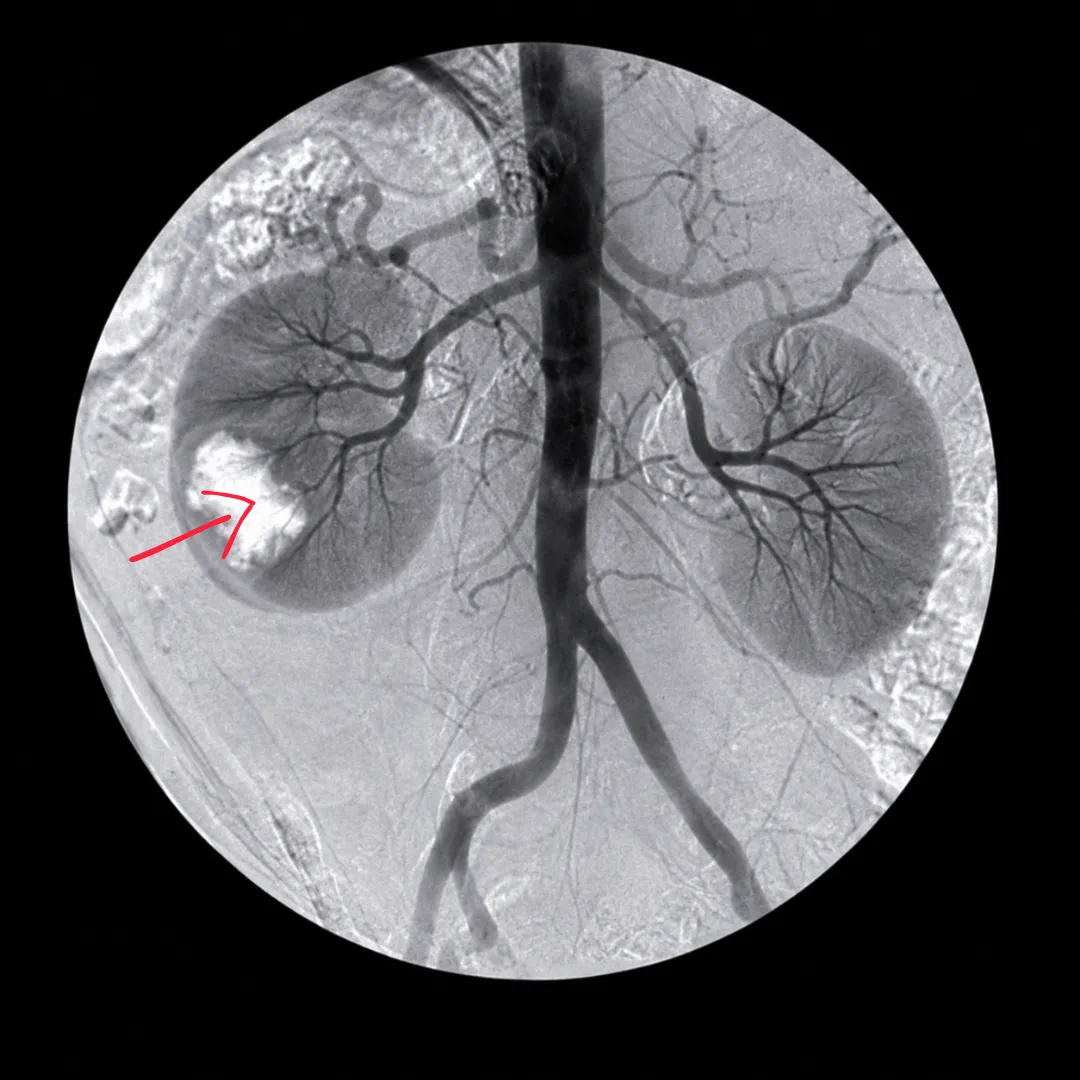
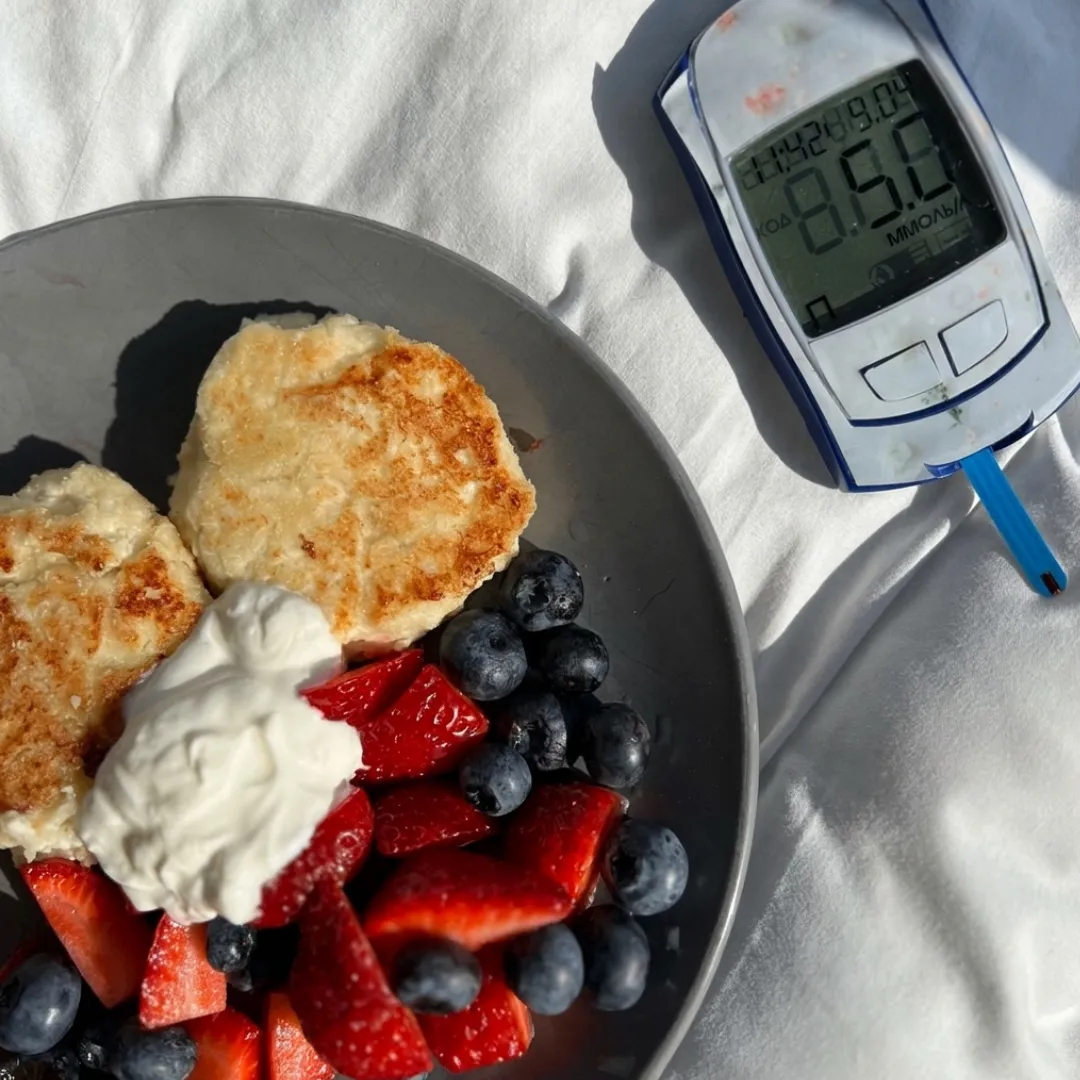
Metabolae was created for people who've tried everything to manage their blood sugar—and still feel like they're fighting a losing battle. We don't make pills that mask symptoms. We make softgels designed to help your cells respond to insulin again, so glucose finally moves where it belongs—and your kidneys, eyes, and body get relief. Thousands of diabetics have turned to Metabolae because traditional options weren't enough. Our formula combines Ceylon cinnamon bark extract with pharmaceutical-grade MCT oil—simple, natural, and backed by the kind of results you can see in your labs. Try Metabolae risk-free for 90 days. If your blood sugar and A1C don't improve, you pay nothing. No paperwork, no hoops. Just real results or your money back. We're here because we know what it's like to feel ignored by the system—and we're giving you a way forward.
Nutritionist - Megan Gibs, PhD
Ceylon Cinnamon 7200mg Equivalent with MCT Oil
Nutritionist - Megan Gibs, PhD

Ceylon Cinnamon 7200mg Equivalent with MCT Oil
Nutritionist - Megan Gibs, PhD
Ceylon Cinnamon 7200mg Equivalent with MCT Oil
Nutritionist - Megan Gibs, PhD

 Add to Chrome