
Ceylon Cinnamon 7200mg Equivalent with MCT Oil
Ad Copy
I'm a dietitian, and if your A1C is sitting between 6.4 and 7.2, here's exactly what I would do to eat the foods you love again. I would stop avoiding every family dinner. I would stop counting every gram on my own plate. That is not managing a condition. That is not living. I'm Megan Gibson. I've been a registered dietitian for 24 years, most of them inside a hospital diabetes program. I have handed out more restriction sheets than I can count. Cut the bread. Cut the rice. Cut the fruit after 6 PM. Weigh the portion. Log the meal. Come back in three months. I've watched people follow that sheet like scripture. And I've watched them come back three months later, thinner, tired, joyless, holding a lab result that barely moved. So when I tell you that eating less was never the thing standing between you and a normal number, I need you to understand exactly what I mean. Here is what nobody explained when they handed you that sheet. Your blood sugar is high for one of two possible reasons. Either too much sugar is coming in. Or the sugar that comes in has nowhere to go. Every diet you have ever been put on treats the first one. Not one of them touches the second. Think of a sink filling with water. The tap is your food. The drain is your cells pulling that sugar out of your blood and burning it for fuel. You have spent years turning the tap down. Half a bagel instead of a bagel. Cauliflower rice instead of rice. Berries instead of a banana. Sweetener instead of sugar. Skipping the cake at your own grandson's party and telling the room you were full. And the water still sits there. Because the drain is closed. That is not a willpower problem. That is a plumbing problem. And no amount of turning the tap down empties a sink with a closed drain. It only means you get to be hungry while the water level stays exactly where it was. That is the part that made me sit quiet at my own desk. We were prescribing subtraction and calling it a treatment plan. Your metformin reduces the flow. It does not open the drain. Your low-carb diet reduces the flow. It does not open the drain. Your walk after dinner helps a little, for a few hours, and then the drain closes again. And here is what stopped me cold, reading past midnight with 24 years of clinical nutrition behind me. The research on how to open that drain at the cellular level already exists. Published. Peer reviewed. Sitting in databases that a 20-minute nutrition consult leaves no room to read. There is a specific compound that goes to the cell and works on the door itself. Not the food. Not the flow. The door. And for years I was not mentioning it. Not because I was hiding it. Because the gap between published research and clinical practice is not malice. It is funding. It is a system that pays for what it can patent and leaves everything else sitting in a journal. You cannot patent a bark compound. So no company funds the large trials that would put it in front of a hospital dietitian. The studies stay in the database. Patients keep coming back thinner, hungrier, and still stuck at 6.9. That is not your fault. You cut what we told you to cut. You gave up the foods that made eating feel like something other than a chore. You did the hard part, and you did it for years. The system gave you half the answer and then let you believe the missing half was discipline. Let me tell you about the other half. Eight months ago a patient came back for his follow-up. Ron. 58. Type 2 for nine years. On metformin. A1C at 6.9 for three visits straight. This is a man who weighed his rice on a kitchen scale for three years. Who ate the same four dinners on rotation because he knew what they did to his meter. Who told me once that he had forgotten what it felt like to be hungry for something instead of just hungry. His A1C came back at 6.1. Fasting glucose 101, down from 141. And he had put back on four of the pounds he had lost, which is not what happens when somebody finally gets strict. I asked him what he had changed. He laughed at me. 'I stopped changing. I've been eating bread again.' I thought he was joking. He was not. He had eaten pasta twice that week. He had eaten the cake at his daughter's engagement party. He had stopped weighing his rice in February. Then he reached into his coat and set a bag on my desk. Ceylon cinnamon. Concentrated extract. 7,200mg equivalent, suspended in MCT oil. Called Metabolae. I picked it up the way I pick up anything a patient brings me. Skeptically. Read the panel. Set it down. Told him I was glad the number came down and that we would keep watching it. That night I could not stop thinking about the four pounds. Because A1C does not drop 0.8 while somebody is eating more. Not in a nine-year type 2. Not without something changing on the inside. At 11:40 PM I started reading. Here is what I found. True Ceylon cinnamon, and I mean Cinnamomum verum specifically, not cassia, not the jar in your cabinet, not the generic capsules at the pharmacy, contains active compounds called Type-A Polymers and MHCP. These compounds do something a diet cannot do. They travel to the cell and trigger the GLUT4 transporters to surface. GLUT4 is the door. It is the physical gateway that lets glucose leave your bloodstream and enter the cell where it was always supposed to go. In a metabolically healthy person those doors open when you eat. In someone with a stuck A1C, they stay shut, and the sugar circles the bloodstream with nowhere to land. MHCP works on the lock. Cinnamaldehyde and the Type-A Polymers support the same pathway upstream, through AMPK activation, which is the same cellular signal your muscles use during exercise. When the doors open, the glucose clears. The drain opens. And a plate of rice stops being a threat, because your body finally has somewhere to put it. A study published in the Journal of the American College of Nutrition found MHCP was 20 times more effective at activating this cellular pathway than any other natural compound tested. A randomized, double-blind, 12-week human trial showed significant A1C reduction in type 2 patients. A study in Diabetes Care, which is the American Diabetes Association's own flagship journal, found an 18 to 29 percent reduction in fasting blood glucose across multiple cinnamon doses in diabetic patients. That is not fringe research. That is the ADA's own journal. Now. You have probably already tried cinnamon. You bought a bottle at some point, took it for a month, watched your meter do nothing, and decided it was one more thing that does not work on you. I need you to understand exactly why it failed. There are three reasons, and you were never told a single one of them. First. You were almost certainly taking the wrong plant. The cinnamon in your cabinet is cassia. It looks the same. It smells the same. It is a completely different species. And at the doses required to move blood sugar, cassia quietly burdens your liver. The European Food Safety Authority documented that as little as a quarter teaspoon a day pushes daily coumarin intake past safe limits. Coumarin damages liver tissue at therapeutic doses. So the honest version is this. You were not taking too little. You were taking the wrong plant. True Ceylon contains roughly 250 times less coumarin. It is the only species that appears in the clinical research showing real metabolic results. Second. You were catastrophically underdosed. The trials that produced those numbers used concentrated extract in the range of 6,000 to 7,200mg equivalent daily. Walk into any pharmacy and read the label on the cinnamon bottle. You will see 500mg. Maybe 1,000mg of raw powder. That is not a small gap. That is the difference between a therapeutic dose and a decorative one. Third, and this is the one almost nobody knows. Even real Ceylon, correctly dosed, in a dry capsule, will likely do nothing. The active compounds in Ceylon are fat-soluble. Your cell walls are a double layer of fat molecules. Fat-soluble compounds need fat to cross them. A dry powder capsule contains no fat. So the compounds arrive in your gut, find no carrier, and pass straight through you without ever reaching the cells they were meant to reach. Your cinnamon did not fail because the mechanism is wrong. It failed because it was never delivered. That bag Ron set on my desk was Metabolae. True Ceylon. Cinnamomum verum, sourced from Sri Lanka. DNA-verified at the species level, which means a Certificate of Analysis, not a claim printed on a label. A 12:1 concentrated extract at 7,200mg equivalent per softgel, which is the range that corresponds to the published trials. Suspended in organic MCT oil from coconut. Not as filler. As the delivery vehicle. The fat bridge that carries the active compounds through the cell wall and into the cells where they do their work. Third-party tested. GMP-certified. Non-GMO. Every batch verified for purity, potency, and coumarin. I ordered a bag that night. My own fasting glucose had been sitting at 114 for two years. Not alarming. Not moving either. And I will admit the private embarrassment of that, given what I do for a living. Week 1, nothing happened with the meter. What changed was the afternoon. The wall I hit around 2 PM after lunch stopped arriving. I ate a normal lunch and stayed awake through my afternoon appointments without coffee. Week 2, I almost quit. Fasting glucose was 111. Three points. I had convinced myself the energy thing was placebo and I was ready to write the whole thing off as another supplement I had fallen for. I kept going out of stubbornness more than belief. Week 3, fasting glucose came back 103. I tested three times because I assumed the strip was bad. Week 4, I did something I had not done in six years. I ate a full bowl of pasta at my sister's house and tested at the 90-minute mark. My spike was 34 points smaller than what I would have predicted. I sat at that table with the meter in my lap and something in my chest went loose. Week 6, the cravings quieted. Not willpower. They simply stopped showing up around 4 PM the way they always had. Week 10, my fasting glucose was running between 92 and 99. A colleague ran a full panel on me. My A1C came back 5.4. It had been 6.0. She looked at the sheet. Looked at me. 'What are you doing differently?' I told her I was eating more. She did not like that answer. So I handed her the research I had been reading at midnight for a month. She read for ten minutes, closed the folder, and said, 'Keep doing whatever you're doing.' Ron came back at his next follow-up. A1C 5.8. Fasting glucose 96. He told me he had eaten a slice of his own birthday cake for the first time since 2019, and that his wife had cried in the kitchen afterward, and that he had not understood why until later that night. I have recommended Metabolae to eleven patients since. The pattern repeats. Denise, 62, gave up bread four years ago and hated every single day of it. She used to bake. She stopped, because she said it was cruel to fill the house with a smell she was not allowed to have. Her A1C went from 7.1 to 6.2 in five months. She bakes on Sundays now. She eats a slice of it warm, standing at the counter, the way she used to. Walter, 66, ate the same grilled chicken and green beans five nights a week because he was afraid of everything else on the menu. Fasting glucose 148 down to 107. He told me the best part was not the number. It was that his wife stopped cooking two separate dinners. That is the part the lab report never captures. Deprivation is not just hard. It is lonely. You sit at your own family's table and eat differently than everyone around you, and every meal becomes a quiet reminder that your body has turned into something you manage instead of something you live in. You were told that was the price. It was never the price. It was just the only lever anybody knew how to hand you. Now, here is what I need you to understand about why most Ceylon products on the shelf will still do nothing for you. It is not the mechanism. The mechanism is published, replicated, and real. It is that most products use the wrong species, because cassia mislabeled as Ceylon is the industry standard rather than the exception, and without DNA verification you have no way of knowing what is actually inside the capsule. It is that most products are dosed at a fraction of what the trials used. And it is that most use a dry format for compounds that physically cannot cross a cell wall without fat. Same mechanism. Completely different execution. That is the difference between the bottle you already tried and Ron eating cake at his own birthday with a 5.8. So if you are sitting there with an A1C your doctor calls managed, eating food you do not enjoy, at a table where everyone else is having something better, try Metabolae risk-free. Ninety-day money-back guarantee. No questions asked. If your fasting glucose does not come down, if your A1C does not move, if you see no difference at all in 90 days, you pay nothing. The people who see real movement are the ones who commit to at least three months, because that is how long an A1C takes to reflect what is actually happening in your blood. A1C is a 90-day average. You cannot rush it. You can only give it enough time to tell you the truth. The 90-day guarantee means those three months cost you nothing if the number does not move. Here is what happens if it does. Somewhere around week 2 to 4, your fasting number starts coming down. The crash after lunch stops arriving. The 4 PM cravings go quiet on their own. And then one evening you eat something you had written off years ago. Rice. Bread. A piece of your granddaughter's birthday cake, cut by her, handed to you on a paper plate, at a table where you have spent six years saying no thank you. You eat it. And nothing catastrophic happens. Then at your next appointment, the one where your doctor has been saying let's keep an eye on it for two years, she pauses over your labs. Looks at the number. Looks at you. Asks what you changed. You tell her you started eating again. She is quiet for a second. Then she uses a word you have not heard in years of appointments. 'Improving.' Not managed. Improving. One softgel daily with breakfast. That is the entire protocol. No weighing. No logging. No sheet. They do sell out. It is a small company sourcing verified Ceylon through a certified supply chain in Sri Lanka and doing it properly, which is slow. If you see out of stock, sign up for the notification. If it is available, order now. There is a promotion running currently. Three bags at a significant discount, which is the same three months the A1C needs before it can show you anything real. If you are dealing with any of this: A fasting number that will not come below 130 no matter what else you cut out. An A1C that has sat between 6.4 and 7.2 through three visits and two diets. Meals that feel like a chore instead of a pleasure. A menu you read looking for permission. A birthday cake you said no to. A spouse cooking two dinners. A crash every afternoon at 2 PM that you have started scheduling your day around. Give it 90 days. Test your fasting glucose every morning. Eat normally. Go back for your labs. If nothing moves, you get your money back. But if it does, you will understand why I now say something to every patient in that program that I would not have said three years ago. Turning the tap down was never going to empty the sink. Our parents never had the option to open the drain. We do. ~ Megan Gibson, RD, Clinical Dietitian, 24 years
More from Nutritionist - Megan Gibs, PhD
Ceylon Cinnamon 7200mg Equivalent with MCT Oil
Nutritionist - Megan Gibs, PhD
Ceylon Cinnamon 7200mg Equivalent with MCT Oil
Nutritionist - Megan Gibs, PhD
Ceylon Cinnamon 7200mg Equivalent with MCT Oil
Nutritionist - Megan Gibs, PhD
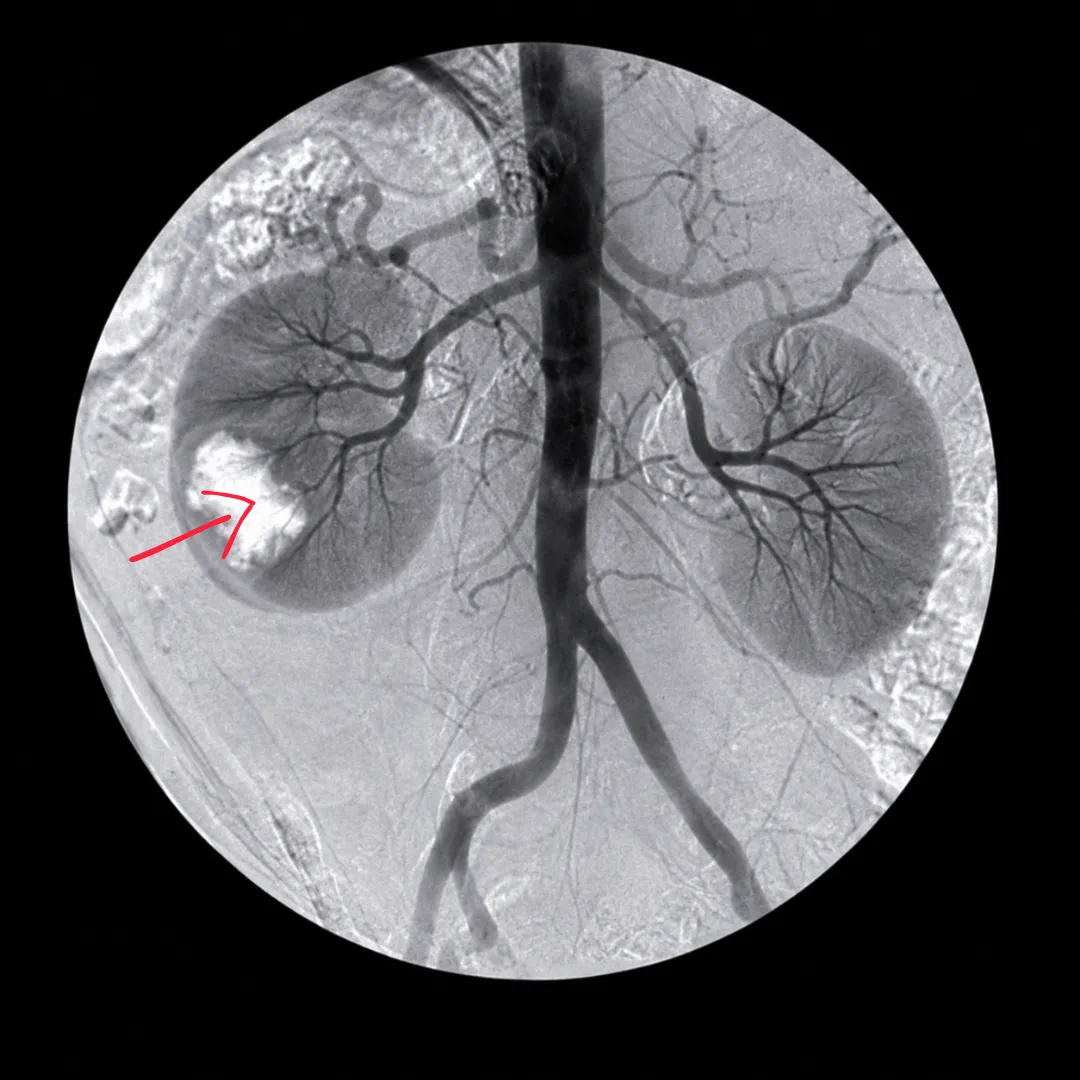
Ceylon Cinnamon 7200mg Equivalent with MCT Oil
Nutritionist - Megan Gibs, PhD
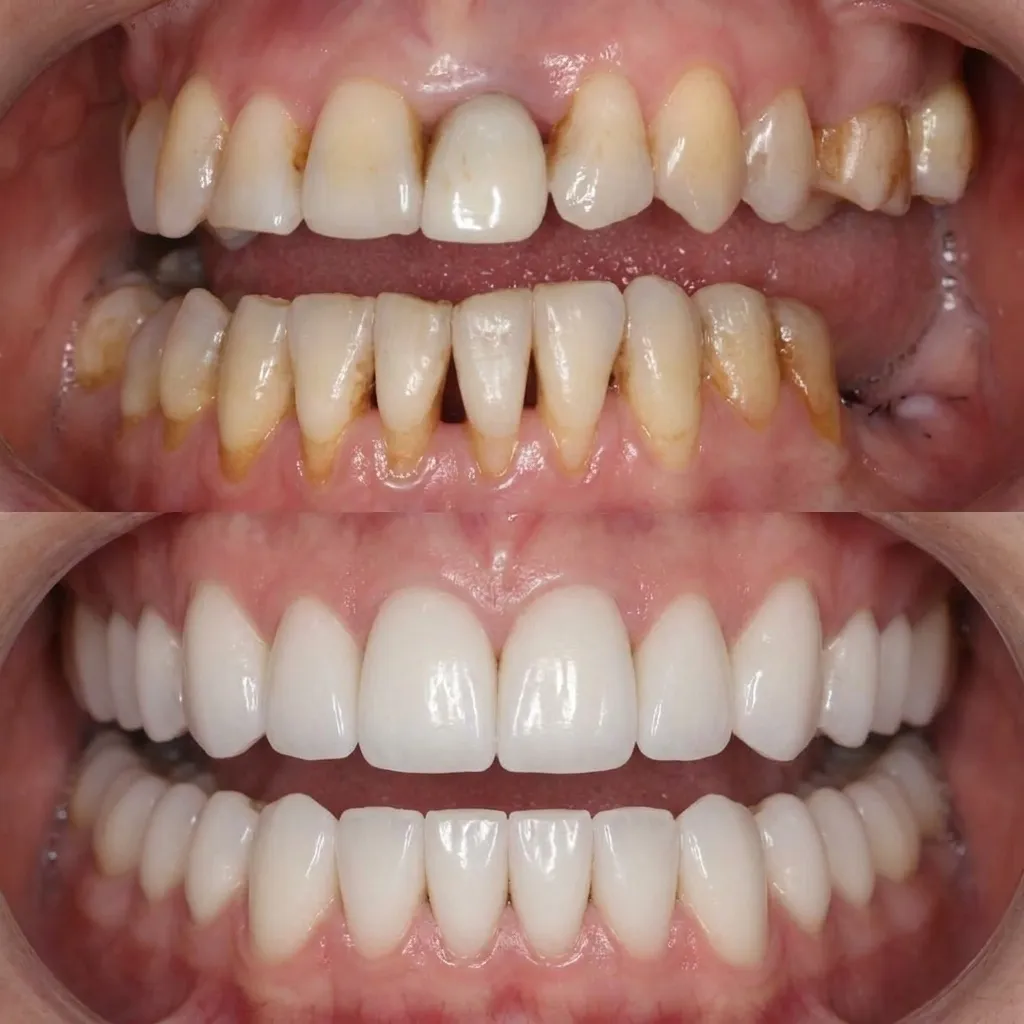
Understanding Changes In Kidney Health 🔬
Nutritionist - Megan Gibs, PhD
Ceylon Cinnamon 7200mg Equivalent with MCT Oil
Nutritionist - Megan Gibs, PhD
Ceylon Cinnamon 7200mg Equivalent with MCT Oil
Nutritionist - Megan Gibs, PhD
Ceylon Cinnamon 7200mg Equivalent with MCT Oil
Nutritionist - Megan Gibs, PhD
OFFER ENDS TODAY AT 23.59
Nutritionist - Megan Gibs, PhD

Metabolae was created for people who've tried everything to manage their blood sugar—and still feel like they're fighting a losing battle. We don't make pills that mask symptoms. We make softgels designed to help your cells respond to insulin again, so glucose finally moves where it belongs—and your kidneys, eyes, and body get relief. Thousands of diabetics have turned to Metabolae because traditional options weren't enough. Our formula combines Ceylon cinnamon bark extract with pharmaceutical-grade MCT oil—simple, natural, and backed by the kind of results you can see in your labs. Try Metabolae risk-free for 90 days. If your blood sugar and A1C don't improve, you pay nothing. No paperwork, no hoops. Just real results or your money back. We're here because we know what it's like to feel ignored by the system—and we're giving you a way forward.
Nutritionist - Megan Gibs, PhD
Ceylon Cinnamon 7200mg Equivalent with MCT Oil
Nutritionist - Megan Gibs, PhD
Ceylon Cinnamon 7200mg Equivalent with MCT Oil
Nutritionist - Megan Gibs, PhD

 Add to Chrome