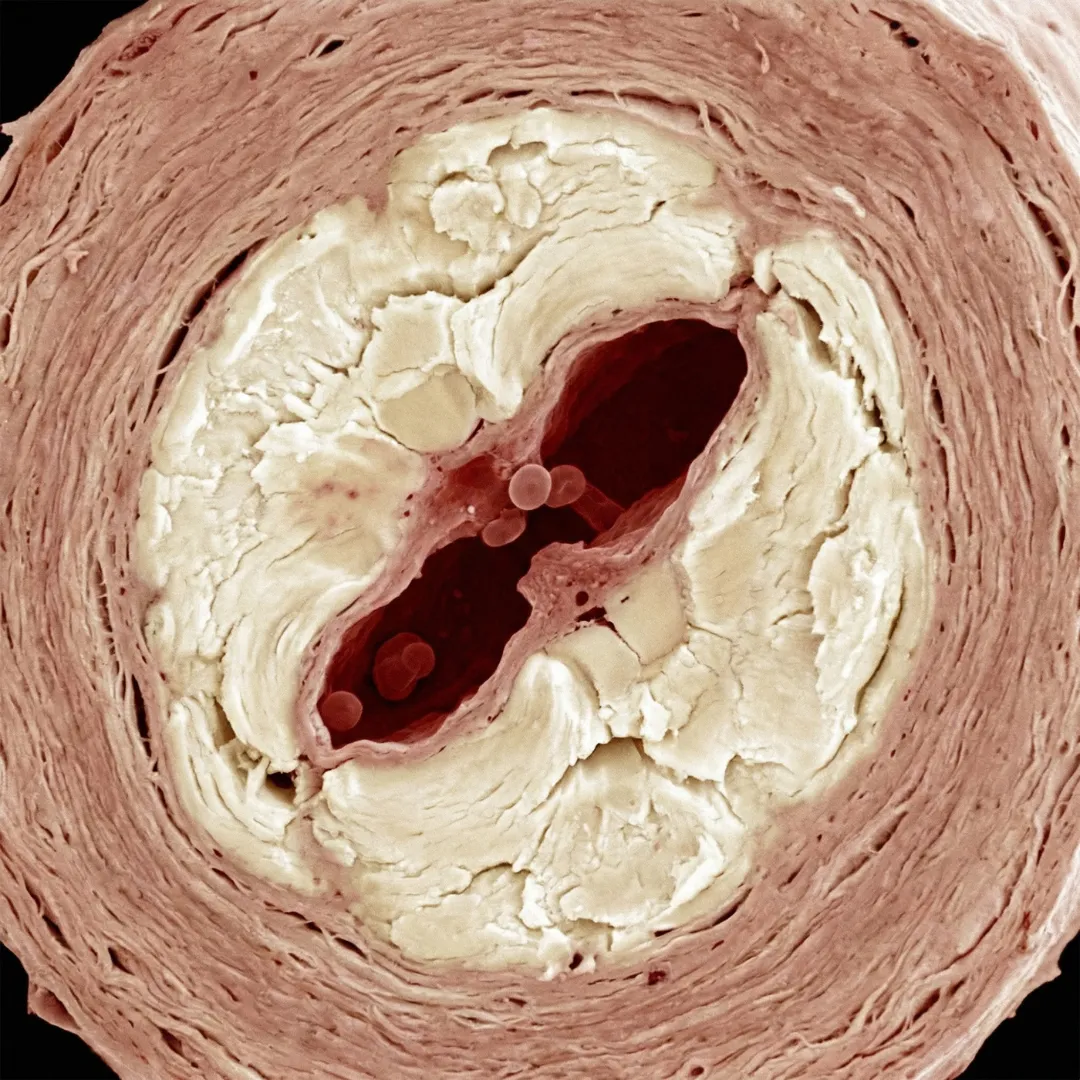
Ceylon Cinnamon 7200mg Equivalent with MCT Oil
Ad Copy
Your wife finds you on the kitchen floor at 6 AM, grey-faced, clutching your chest, and the last clear thought you have before the ambulance arrives is that your doctor said your blood pressure was something to keep an eye on. He kept an eye on it. For years. While your arteries grew stiffer and less flexible under strain he could measure at every visit. Your blood pressure climbed from 138 to 146 to 155. He nodded each time. Adjusted a dose. Told you to watch the salt. Your blood pressure was 156/98 the morning your heart ran out of room to push through. Long before modern medicine had a name for cardiovascular disease, ancient physicians already understood this pattern. Patients whose blood ran sweet almost always developed hard, pounding pulses. The vessels stiffened. The heart worked harder. And eventually the heart could not keep up. For over 2,000 years, they treated both conditions with the same substance. Cinnamon. Not the imitation sitting on grocery store shelves today. The original bark that empires burned villages to control. My name is Benjamin Harrington. For most of my career, I have studied how ancient civilizations used plants as medicine before modern science isolated their active compounds. I trace the compounds back through trade routes, medical texts, and the historical record. It is quiet, careful work and most people outside the field have never heard of it. Three years ago, that work stopped being academic and became personal. Fasting glucose: 181. A1C: 7.1. Blood pressure: 156/98. My physician said the words I had been hearing my colleagues dread for years. We need to start you on metformin. And we may need to add an antihypertensive. Your blood pressure is heading toward Stage 2 hypertension. At this rate, we need to take your cardiovascular health seriously. I nodded. Took the prescription. Filled it at the pharmacy downstairs. And left it in my desk drawer for three months. Not because I am reckless. Not because I am in denial. But because I have spent my career reading the medical texts that modern medicine left behind. And I knew there were answers buried in history that modern cardiology had stopped looking for. Here is what most people never hear from their doctor. The blood pressure medication they prescribe does one thing. It forces your vessels open. It manages the reading on the monitor. But it does not address the upstream factor that is putting your arteries under strain in the first place. That upstream factor is glucose. In 2003, researchers at the USDA Human Nutrition Research Center published findings showing that compounds in cinnamon improved glucose metabolism at the cellular level. They identified a compound called Methyl Hydroxychalcone Polymer, MHCP, that mimicked insulin signaling at the receptor site. Peer-reviewed. Published. Replicated. What the study also showed, and what most people missed, is that when cells absorb glucose more efficiently, less of it stays in the bloodstream. And less circulating glucose means less oxidative stress on arterial walls. This was not alternative medicine. This was published nutritional biochemistry. A separate body of research, including a 2006 meta-analysis in the Journal of Medicinal Food, found that cinnamon supplementation was associated with meaningful reductions in fasting blood glucose levels across multiple controlled trials. But I did not find this in a journal first. I found it in a 6th-century medical text. And that is the part of the story nobody tells. Cinnamon was not always a spice. It was one of the most valuable medicines on earth for over 2,000 years. In the 1500s, Portuguese soldiers burned entire villages in Sri Lanka to control the cinnamon trade. The Dutch East India Company made it a capital offense to sell a single stick outside their supply chain. Men were executed for bark. Physicians used it to treat what they called disorders of the blood and hardening of the vessels. Kings did not sprinkle it on oatmeal. They locked it in vaults. I have a 16th-century Dutch trade manifest in my office at Johns Hopkins. Cinnamon was listed above silver. Above silk. Above everything except gold itself. And when I looked at my blood pressure reading of 156/98 and my glucose reading of 181, I asked myself the question I had been asking about ancient medicine my whole career. What did they know that we forgot? I went back to the sources. I started with Dioscorides. The Greek physician whose De Materia Medica was the foundation of Western pharmacology for 1,500 years. He documented cinnamon for disorders of the blood and hardening of the vessels. I moved to Ibn Sina. Avicenna. The Persian polymath whose Canon of Medicine described cinnamon as essential for conditions of excessive thirst, wasting, and the stiffening of channels through which blood flows. Excessive thirst. Wasting. Stiffening blood vessels. The classical descriptions of what we now recognize as metabolic and cardiovascular stress. The combination that puts the most strain on the heart. Then I found the text that changed everything. A 12th-century Arabic translation of a 6th-century Sinhala medical treatise from Sri Lanka. The island where true cinnamon originated. I had to work through the Arabic slowly. My Arabic is functional, not fluent, and the medical terminology required cross-referencing three separate glossaries before I was confident in the translation. The physicians described a preparation of cinnamon bark, ground and dissolved in coconut oil, given to patients whose sweet urine attracted ants and whose pulse had become hard and rapid. That is how ancient physicians identified metabolic and cardiovascular strain. They observed that ants were attracted to the patient's urine because of the sugar content. And they measured cardiovascular stress by checking if the pulse was strong and fast. A sign that the heart was working harder than it should. The treatment was cinnamon. Specifically, Ceylon cinnamon. Dissolved in fat. For 1,400 years, this was documented medicine for both the metabolic condition and the cardiovascular strain it causes. Then something happened. Demand outgrew supply. Ceylon cinnamon only grows in Sri Lanka. Limited land. Slow cultivation. Expensive to harvest. Traders found a shortcut. A cousin species from Southeast Asia. Cassia. Cinnamomum cassia. Looked the same. Smelled close enough. Cost almost nothing to grow. They called it cinnamon and shipped it by the ton. Nobody asked questions. The chemistry was not the same. Not even close. True Ceylon cinnamon contains MHCP, the compound the USDA researchers identified. In published trials, it mimics insulin signaling at the receptor level. When your cells respond to that signal and absorb glucose more efficiently, less glucose circulates through your bloodstream. Less circulating glucose means less oxidative stress on your arterial walls. Less arterial stress means your cardiovascular system can function the way it is supposed to. This is not speculation. A 2012 review in the Annals of Family Medicine, covering ten randomized controlled trials, found that cinnamon supplementation was associated with statistically significant reductions in fasting glucose, total cholesterol, LDL, and triglycerides. Cassia contains almost none of the active MHCP. What Cassia does contain is coumarin. Up to 250 times more than Ceylon. Coumarin is hepatotoxic. The European Food Safety Authority has flagged it for liver risk at sustained daily intake. So we replaced a cardiovascular support compound with a liver-straining substitute, called them the same thing, and filed cinnamon under spice. The ancient physicians knew the difference. The trade companies knew the difference. The men who died protecting those Sri Lankan groves knew the difference. We forgot. I sat in my office until 3 AM reading these texts, looking at my blood pressure monitor reading 156/98, and realizing that the answer had been in my own research the entire time. The next morning, I ordered Ceylon cinnamon capsules from Amazon. The dry powder kind. I took two capsules every morning for three weeks. My fasting glucose dropped from 181 to 174. My blood pressure stayed at 156/98. Seven points on glucose. Zero improvement on the cardiovascular side. I was not surprised. The ancient texts were explicit. The bark was prepared in fat. Coconut oil. Sesame oil. Always fat. I had ignored that detail. I assumed it was ceremonial. It was not. It was biochemistry. Cinnamon's active compounds are fat-soluble. Without a lipid carrier, they pass through the gut largely unabsorbed. The compound that was supposed to be supporting my cardiovascular system never reached the cells that needed it. Modern pharmacology has confirmed what the Sinhala physicians understood 1,400 years ago. Fat-soluble compounds require a lipid matrix for bioavailability. Without it, you are swallowing powder that your body barely registers. So I did what they did. I bought MCT oil. Medium-chain triglycerides derived from coconut oil. I opened the capsules, mixed the Ceylon powder into a tablespoon of MCT oil, and took it every morning. Day three. My usual 2 PM crash did not happen. I was just alert. Steady. Present. Day five. I slept through the night for the first time in two years. No lying awake with my heart pounding at 3 AM. Just sleep. I tested my fasting glucose that morning. 158. Twenty-three points lower than when I started. Week two: 134. And my blood pressure had moved for the first time. 150/94. Week three: 118. Blood pressure: 142/88. The pressure headaches I had been living with for a year were gone. Week four: 101. Blood pressure: 136/84. Now, I want to be honest about what these numbers mean. This is one person's experience. My results are not guaranteed for everyone. Individual responses depend on metabolic health, diet, activity level, genetics, and how far along the metabolic challenge has progressed. The published trials show a range of responses, and some people see more modest improvements. But the direction was unmistakable. And it was consistent with what the clinical literature suggested was possible when the right species, at the right dose, in the right delivery format, actually reaches the cells. The afternoon crashes were gone. The constant thirst was gone. The brain fog was gone. The heart palpitations that jolted me awake at night had quieted. And for the first time in eighteen months, my numbers were moving in the right direction without pharmaceutical intervention. Three months later, I walked into my doctor's office with a glucose log, blood pressure readings, and a folder of the medical texts I had been working from. She looked at my numbers for a long time. Your fasting glucose is averaging 96. Yes. Your A1C is 5.7. Down from 7.1. Yes. She pulled up my blood pressure readings. Your blood pressure is averaging 128/82. It was 156/98 three months ago. I nodded. We do not usually see blood pressure improve this much without medication. Once it climbs like yours had, we typically manage it long-term. But your numbers have come down significantly. She reviewed my other markers. Your inflammatory markers have improved. Your lipid panel looks better across the board. Your overall cardiovascular profile is stronger than it has been in years. She looked up. What changed? I did not take the metformin. Her face tightened. I took Ceylon cinnamon. The real species. Cinnamomum verum. Dissolved in MCT oil. The same preparation documented in medical texts from the 6th century. The mechanism is consistent with published research on MHCP and AMPK activation. I brought the studies. I handed her a folder with eight published papers and my working translation of the Sinhala treatise. She read for ten minutes. Your lipid numbers improved. Your inflammatory markers came down. Your cardiovascular profile has shifted. I know. She sat back. Keep doing whatever you are doing. That was nine months ago. My fasting glucose is consistently between 92 and 100. My A1C is 5.5. My blood pressure is stable at 128/82. My doctor says my metabolic and cardiovascular markers are the best they have been in over a decade. I sleep through every single night. The crashes are gone. The fog is gone. The worry that my cardiovascular health was declining while I watched. That worry is gone. I found what the ancient physicians knew. What the empires fought wars over. What we lost when we replaced medicine with sawdust and called it the same thing. The problem was, I had recreated a 1,400-year-old preparation in my kitchen. I was grinding capsules, measuring oil, choking down a gritty mixture every morning. It worked. The research supported it. The numbers confirmed it. But most people would never do that for a single week, let alone every day for the rest of their lives. That is when I realized the real challenge was never discovering the mechanism. It was making it practical. A company called Metabolae had already solved that problem. They built what I had been making by hand every morning, but in a form anyone could take consistently. True Ceylon cinnamon. Cinnamomum verum, sourced from Sri Lanka. DNA verified, not just labeled. 7,200mg equivalent per softgel. A 12:1 concentrated extract. The clinical dose that corresponds to the levels used in published research and the ancient preparations. Suspended in MCT oil. The fat-soluble delivery that the Sinhala physicians understood 1,400 years ago and that modern bioavailability science has confirmed. Third-party tested. Every batch verified for purity and coumarin levels. Because Cassia, the substitute that replaced Ceylon, contains up to 250 times more coumarin and has been flagged for liver risk with daily use. One softgel. Once a day. No gritty oil mixture. No measuring. No guessing. The same compound. The same mechanism. The same preparation that kings locked in vaults and empires went to war over. Optimized for modern delivery so you will actually take it every day. When you order Metabolae today, you are not just getting a bag of softgels. You are getting the full Metabolae Cardiovascular Support System. What is inside: The Metabolae Ceylon Cinnamon and MCT Oil Softgels. 30-day supply. One softgel per day. The clinical dose in the bioavailable format. The Blood Sugar Tracking Guide. A simple daily log so you can see your numbers move week by week. Knowing your trend is what keeps you consistent. The 30-Day Metabolic Reset Plan. A day-by-day walkthrough of what to expect. When energy shifts. When sleep improves. When glucose numbers typically begin to change. When cardiovascular markers follow. No guessing. No wondering if it is working. The Doctor Visit Preparation Checklist. Exactly what to ask your physician, which markers to request, and how to track your progress in language your doctor understands. Because the best outcomes happen when you and your doctor are looking at the same numbers. The Heart-Healthy Recipe Guide. Meals designed to complement what the softgels are doing. Supporting stable glucose and healthy cardiovascular function from both sides. I have told five colleagues about this. Three had pre-diabetic numbers with blood pressure creeping up. Two were fully type 2 with cardiovascular concerns their doctors were already monitoring closely. All five came back with similar experiences. Better sleep within the first week. Stable energy. Lower fasting glucose within a month. Blood pressure readings improving by weeks three to four. Their doctors noticing the changes without being told what had shifted. One colleague. 62 years old. Fasting glucose of 176 and blood pressure of 151/94. His glucose dropped to 104 in six weeks and his blood pressure came down to 130/80. His cardiologist said his cardiovascular risk profile had improved significantly. He called me and said, why does nobody know about this? I told him the truth. Because we forgot. Because we substituted. Because we filed one of the most well-documented cardiovascular support compounds in human history under spice and stopped paying attention. Because we did not understand that the same mechanism that supports healthy blood sugar also supports the arterial health that blood sugar affects. Here is what I want you to understand. The ancient physicians documented this. Modern clinical research has investigated the mechanism. MHCP mimics insulin signaling at the receptor level. Cinnamaldehyde activates AMPK, the same metabolic pathway that exercise activates to support glucose uptake. When your cells absorb glucose more efficiently, less of it circulates through your blood. Less circulating glucose means less oxidative stress on your arterial walls. Your cardiovascular system can function the way it was designed to. Both history and science point in the same direction. But you have to get the details right. True Ceylon. Not Cassia. Clinical dose. Not 500mg token amounts. Fat-soluble delivery. Not dry powder that passes through you. Third-party tested. Not mystery capsules from unknown sources. That is Metabolae. Cinnamon used to be worth more than gold because people understood what it could do for the heart and the blood. Then we forgot. Then we faked it. Then we filed it under spice and moved on. The original still grows in Sri Lanka. Still carries the compound that supports your metabolic and cardiovascular health at the cellular level. Still does what it did when kings locked it in vaults and physicians used it to support hearts under strain. You will not find it at Costco. But you can find it in Metabolae. Tap below. Try it for 90 days risk-free. See what happens when you stop settling for sawdust and start taking the bark that built empires. ~ Dr. Benjamin Harrington, PhD, Medical History, Johns Hopkins University P.S. A few things I wish I had known before I started. 1. Do not waste money on cheap cinnamon capsules. I tried them first. Seven points on glucose in three weeks. Zero on blood pressure. The powder does not absorb without fat. The ancient physicians documented this 1,400 years ago. Modern bioavailability research has confirmed it. I just had to learn it myself. 2. Most cinnamon supplements are Cassia, not Ceylon. Different species. Up to 250 times more coumarin. Flagged by the European Food Safety Authority for liver risk with daily use. If the label does not specify Ceylon (Cinnamomum verum), it is almost certainly Cassia. 3. What the research suggests for timeline: Sleep quality tends to improve first, usually within the first week. Energy stabilizes around week two. Fasting glucose numbers typically begin shifting between weeks two and four. Blood pressure readings often follow around weeks three to four. Full metabolic and cardiovascular benefit takes eight to twelve weeks. Individual results vary. 4. Metabolae offers a 90-day money-back guarantee. Open the bag, take it for the full 90 days. If your numbers do not move, you get every dollar back. 5. They sell out regularly. Small company, growing fast. If it is in stock, order now. If you are dealing with: Blood pressure that keeps creeping up no matter what you change A doctor who keeps adjusting medications but your numbers barely shift Heart palpitations that wake you up at night Chest tightness that comes and goes and worries you every time The nagging feeling that your cardiovascular health is heading in the wrong direction Afternoon crashes that leave you useless by 2 PM Fasting glucose that stays stubbornly high no matter what you eat The quiet concern that something is happening inside your arteries and nobody is addressing it The compound that empires went to war over still exists. The mechanism that published research has investigated is still there. The preparation the ancient physicians documented still works. We just forgot. Then we faked it. Then we moved on. Metabolae is the original. The one they fought wars over. The one your body still recognizes. Tap below. Try it for 90 days. See what happens when you stop settling for sawdust and start taking the bark that built empires.
More from Dr. Benjamin Harrington
Ceylon Cinnamon 7200mg Equivalent with MCT Oil
Dr. Benjamin Harrington
Ceylon Cinnamon 7200mg Equivalent with MCT Oil
Dr. Benjamin Harrington
Ceylon Cinnamon 7200mg Equivalent with MCT Oil
Dr. Benjamin Harrington
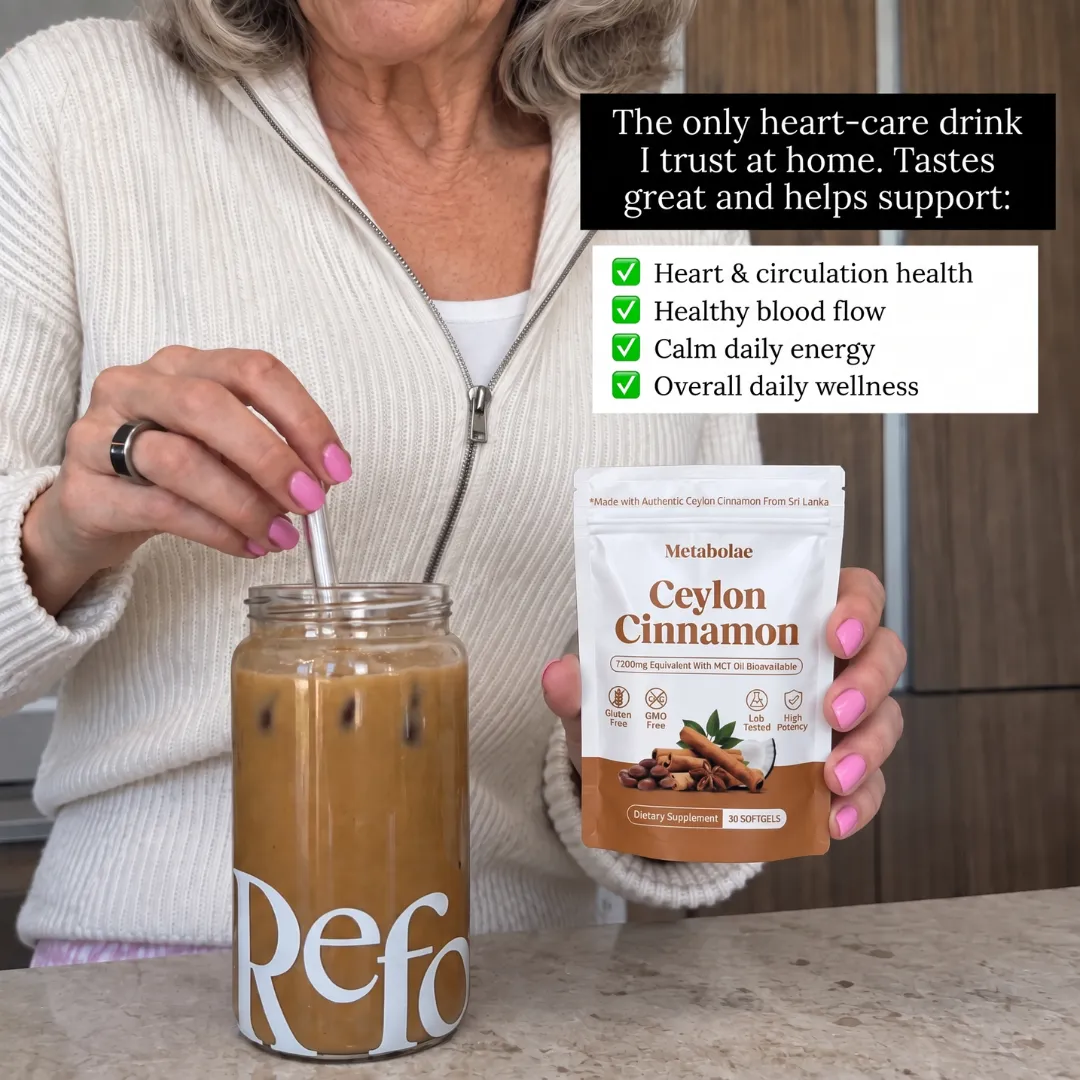
Ceylon Cinnamon 7200mg Equivalent with MCT Oil
Dr. Benjamin Harrington
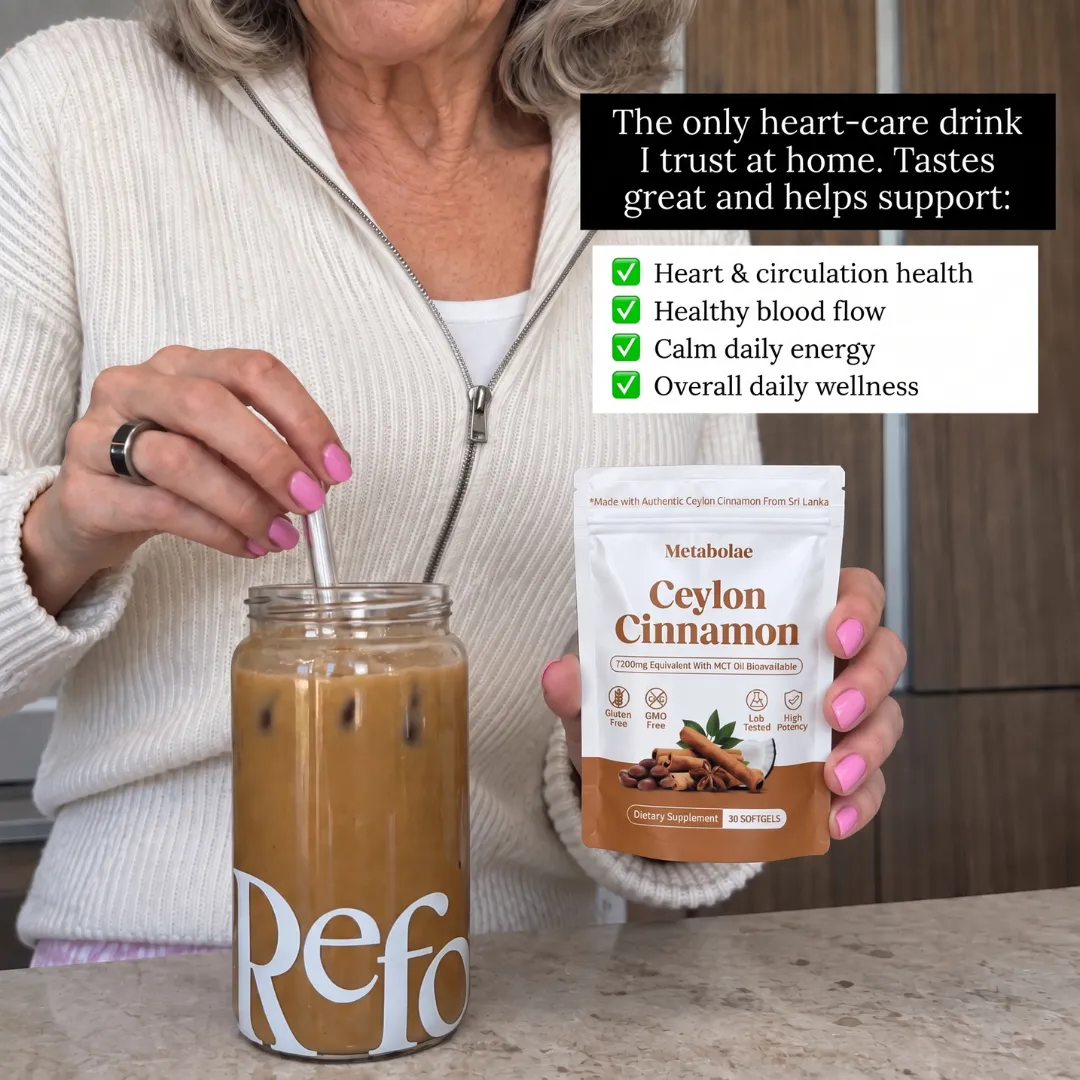
Ceylon Cinnamon 7200mg Equivalent with MCT Oil
Dr. Benjamin Harrington
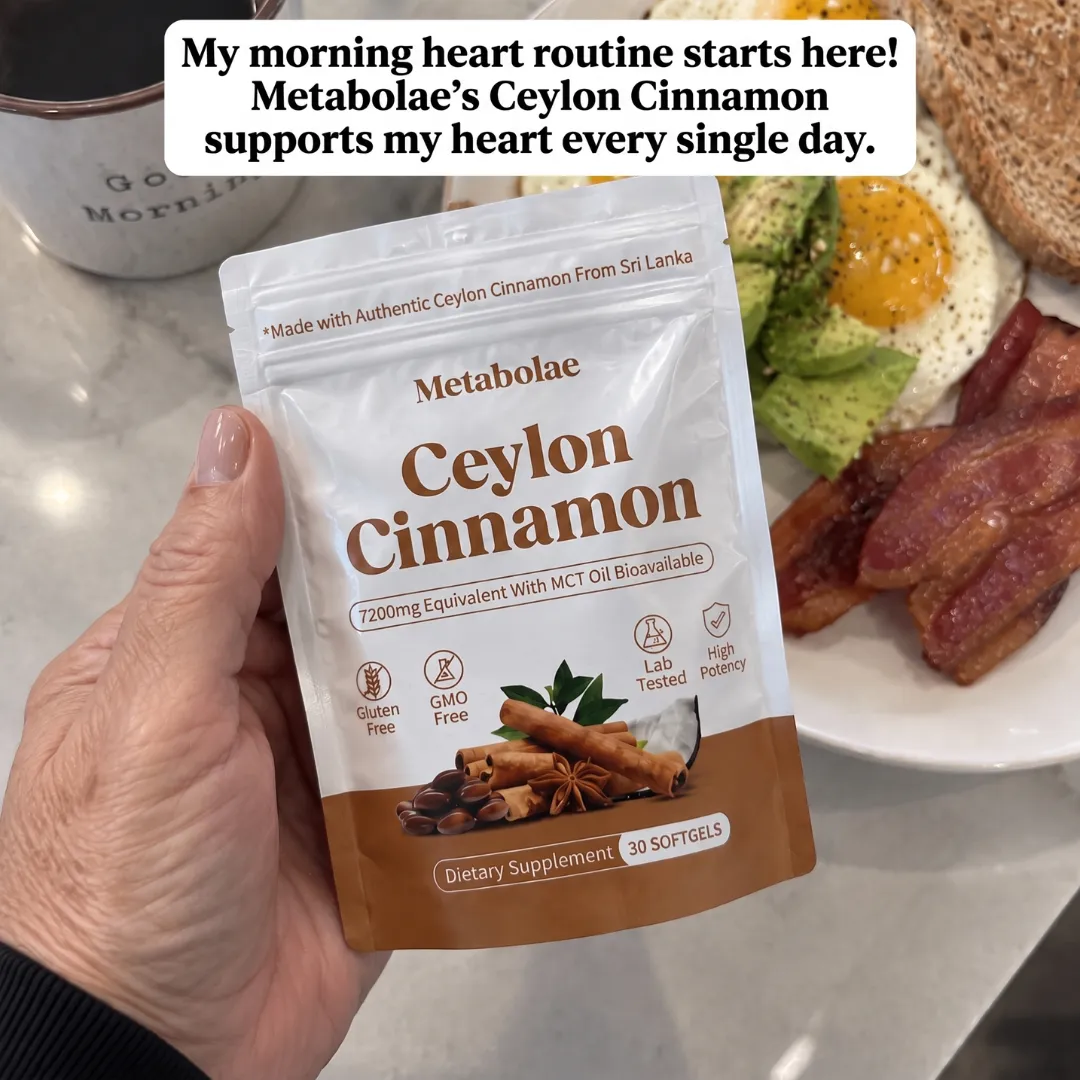
Ceylon Cinnamon 7200mg Equivalent with MCT Oil
Dr. Benjamin Harrington
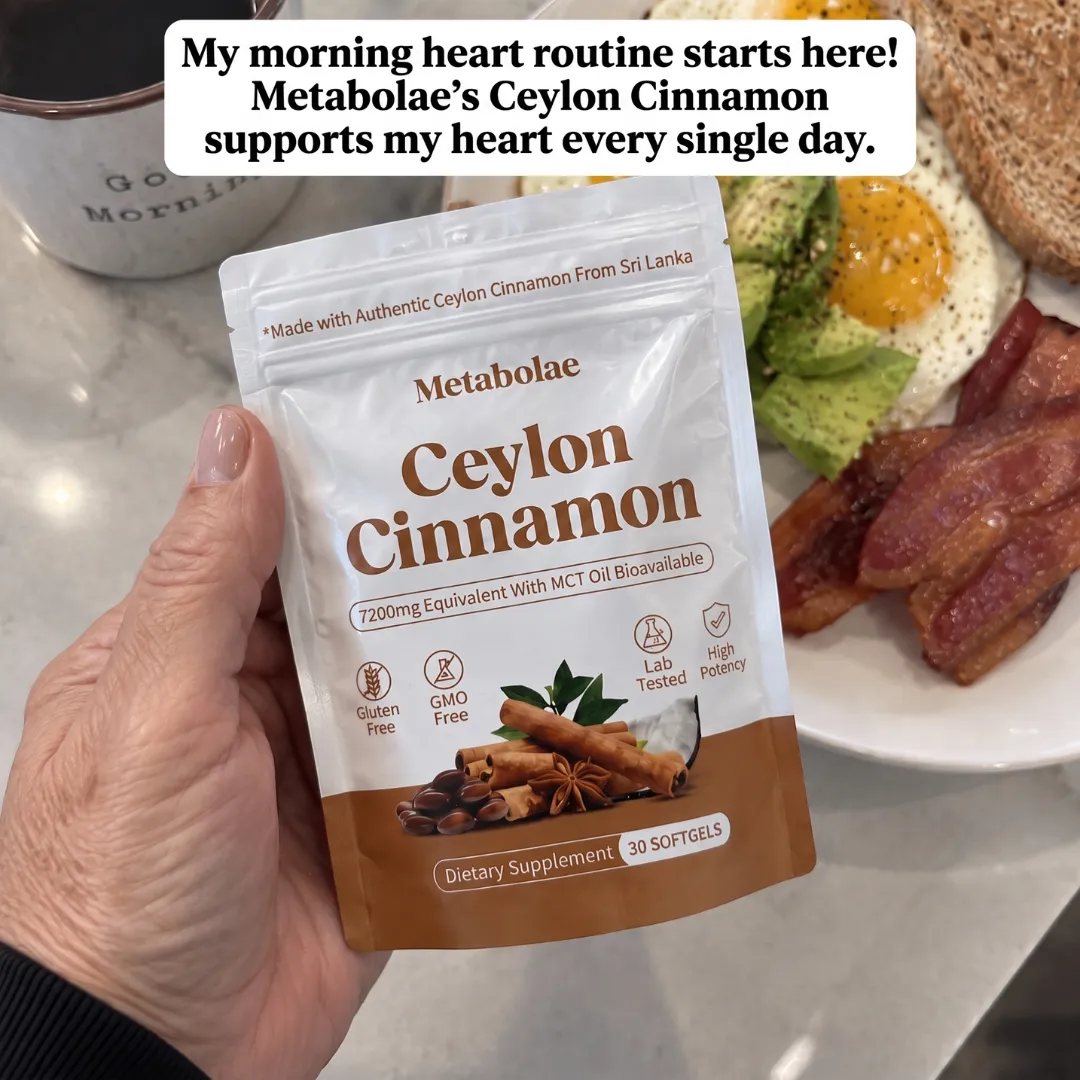
Ceylon Cinnamon 7200mg Equivalent with MCT Oil
Dr. Benjamin Harrington
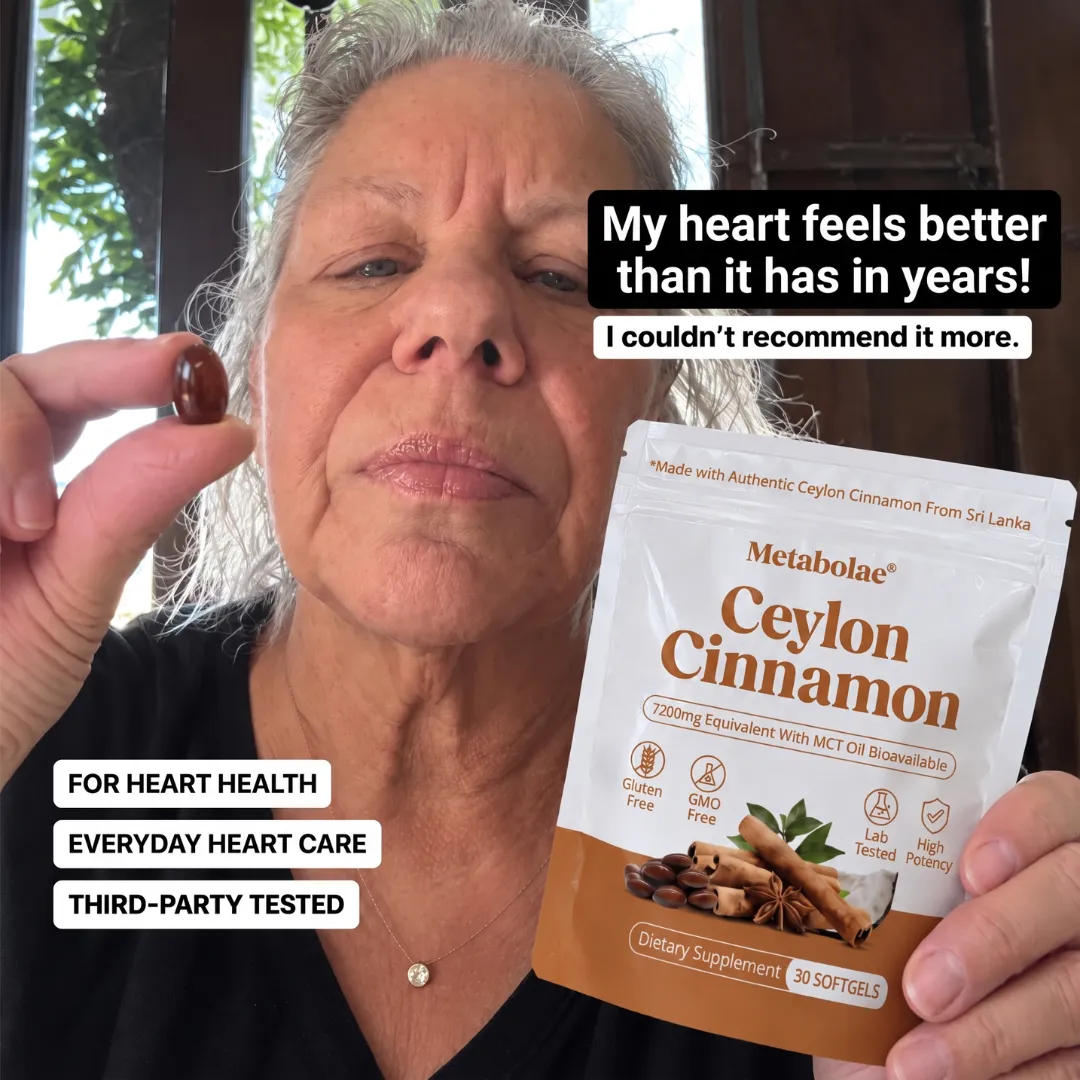
Ceylon Cinnamon 7200mg Equivalent with MCT Oil
Dr. Benjamin Harrington
Ceylon Cinnamon 7200mg Equivalent with MCT Oil
Dr. Benjamin Harrington
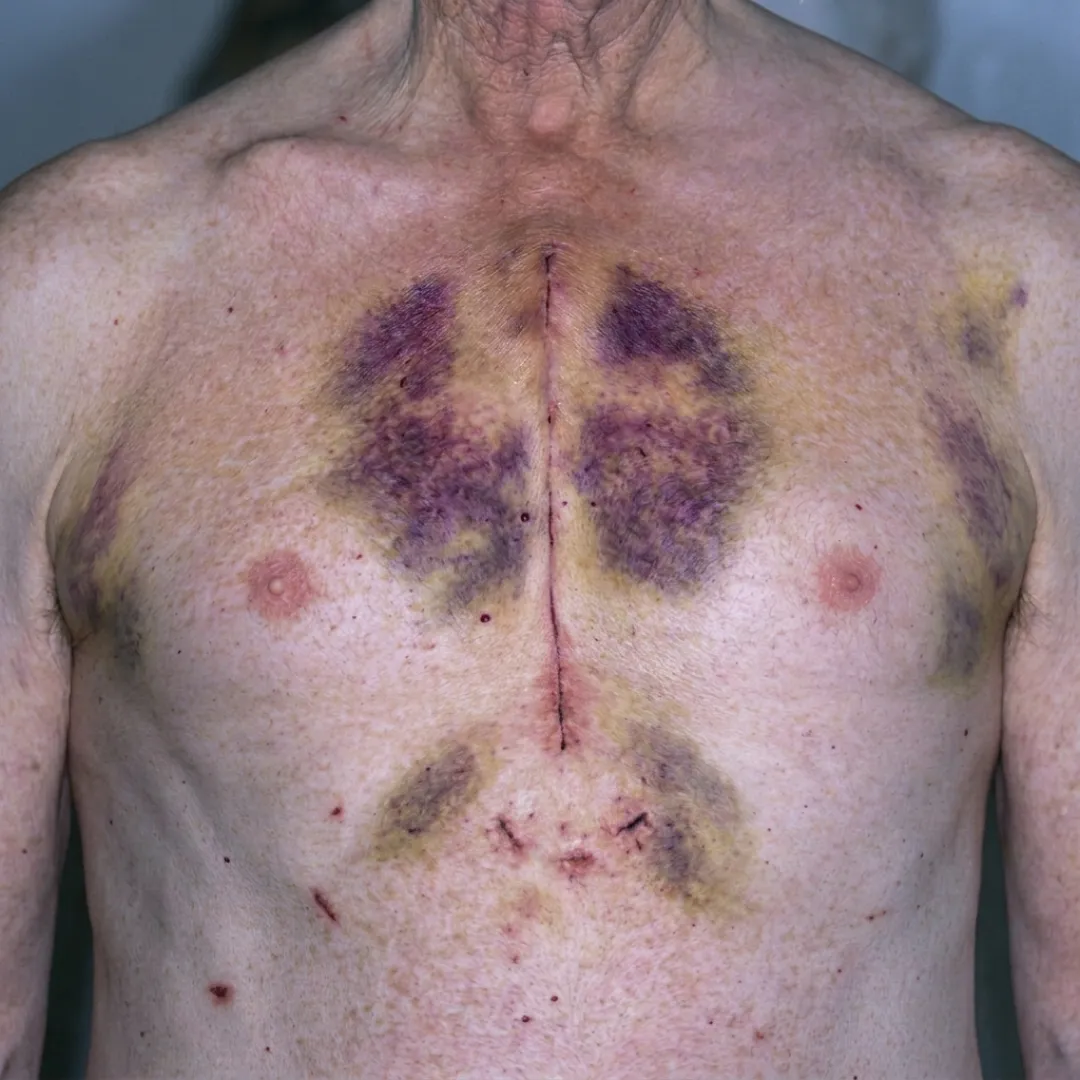
Ceylon Cinnamon 7200mg Equivalent with MCT Oil
Dr. Benjamin Harrington

Ceylon Cinnamon 7200mg Equivalent with MCT Oil
Dr. Benjamin Harrington

Ceylon Cinnamon 7200mg Equivalent with MCT Oil
Dr. Benjamin Harrington

 Add to Chrome