Ceylon Cinnamon 7200mg Equivalent with MCT Oil
Ad Copy
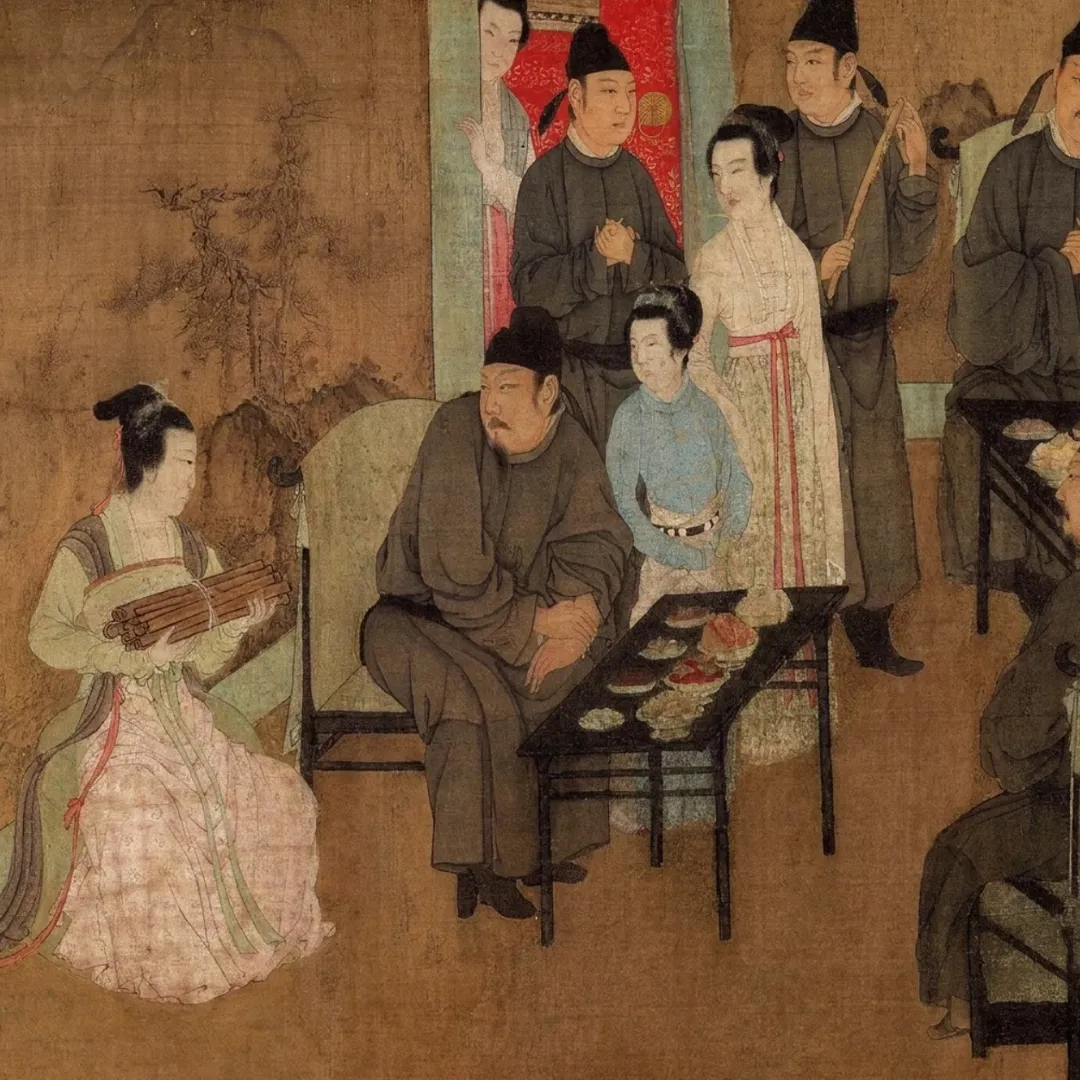
During the collapse of an empire, a Chinese doctor watched two-thirds of his family die. Not from war. Not from the plague sweeping through the provinces — though that was killing tens of thousands. From something quieter. A disease that made people drink water endlessly, waste away, and die when their hearts finally gave out. He called it xiaoke — "wasting thirst." The first thing he reached for was something sitting in almost every kitchen. Cinnamon. Not as a spice. As a medicine. One he considered so essential to the heart that he built entire formulas around it. His name was Zhang Zhongjing. Some historians call him the Chinese Hippocrates. Around 200 AD, while the Eastern Han Dynasty collapsed around him, he wrote one of the oldest clinical textbooks in human history — the Shang Han Lun. In it, he documented a preparation called Gui Zhi — cinnamon twig — and prescribed it specifically for the heart meridian. The channel through which blood and life itself flowed. He wasn't guessing. He was treating patients who were dying from what we now call metabolic heart failure — the exact combination of blood sugar destruction and cardiovascular collapse that kills more people today than any other disease on earth. Chinese medicine was 2,000 years ahead of its time. Modern cardiology is just now catching up. --- I'm Dr. Benjamin Harrington. I spent 28 years at the University of Chicago studying comparative medical history — specifically, how ancient civilizations diagnosed and treated the diseases we now manage with pharmaceuticals. Most of my career has been academic. Translating texts. Cross-referencing pharmacopeias. Publishing papers that maybe forty people read. Then two years ago, I became the kind of patient I'd been reading about for three decades. Fasting glucose: 174. A1C: 6.9. Blood pressure: 152/96. My physician used the phrase "aggressive intervention." Metformin immediately. Blood pressure medication likely within six months. Statin if my lipids didn't improve. I sat in the parking lot for twenty minutes. Not because I was scared of the drugs. Because I'd spent my entire career reading what physicians did about this exact constellation of symptoms before those drugs existed. And the record was not silent. It was loud. Specific. Repeated across centuries and civilizations. And the compound it kept coming back to — in Chinese medicine, in Ayurvedic texts, in Arabic pharmacopeias, in Sinhala medical treatises — was cinnamon. --- Zhang Zhongjing didn't have a blood pressure cuff. He didn't have a glucometer. But he had something modern medicine has largely abandoned: a framework for understanding that blood sugar and heart failure were the same disease. In Traditional Chinese Medicine, cinnamon is classified as one of the most powerful Yang tonics in the entire pharmacopeia. It enters three meridians — the Heart, the Lung, and the Bladder. Practitioners understood it as acting directly on the heart and circulation. The condition Zhang Zhongjing treated — xiaoke, "wasting thirst" — maps almost perfectly onto what we now call type 2 diabetes with cardiovascular complications. Excessive thirst. Frequent urination. Wasting of the body. And eventually, failure of the heart. TCM practitioners didn't separate these into different diseases requiring different specialists and different pills. They saw them as one process. Sugar poisoning the blood, blood damaging the vessels, vessels destroying the heart. One disease. One root. And they treated the root. The Shang Han Lun contains 113 herbal formulas. Gui Zhi — cinnamon — appears in more of them than almost any other ingredient. Zhang Zhongjing didn't reach for it occasionally. He built his medicine around it. But here's what most people don't understand — and what cost me a year of failed self-treatment before I figured it out. When Zhang Zhongjing wrote "Gui Zhi," he wasn't talking about the cinnamon sitting in your kitchen cabinet. --- I need to tell you about two plants. Because the difference between them is the difference between medicine and sawdust. Cinnamomum verum — true Ceylon cinnamon — grows in Sri Lanka. It's the species Zhang Zhongjing used. The species that appears in every ancient pharmacopeia I've ever translated. The one that empires fought wars over. In the 1500s, Portuguese soldiers burned entire villages in Sri Lanka to control the Ceylon cinnamon trade. The Dutch East India Company made it a capital offense to sell a single stick outside their supply chain. Men were executed for bark. This was not a cooking ingredient. It was a strategic military asset. Cinnamomum cassia — Cassia — grows in Southeast Asia. It's cheaper. Grows faster. Looks similar enough to fool anyone who isn't paying attention. At some point in history, traders started shipping Cassia and calling it cinnamon. The switch was so complete that today, over 95% of the "cinnamon" sold worldwide is Cassia. The chemistry is not the same. Not remotely. True Ceylon cinnamon contains a compound called Methyl Hydroxychalcone Polymer — MHCP. This compound mimics insulin at the cellular receptor level. Your cells cannot distinguish between MHCP and insulin. When MHCP binds to the receptor, glucose enters the cell. Blood sugar drops. The pancreas gets relief. Cassia contains almost none of it. What Cassia does contain is coumarin. Up to 250 times more than Ceylon. Coumarin is hepatotoxic — it damages the liver with repeated use. The European Food Safety Authority has issued warnings about daily Cassia consumption for exactly this reason. So here's what happened to medicine. We had a compound that ancient physicians across five civilizations prescribed for the exact metabolic disease that now kills more people than cancer. We replaced it with a cheap botanical cousin that doesn't contain the active chemistry. We called them the same name. And we filed the whole thing under "spice." Then we wondered why cinnamon supplements don't work. --- I made this exact mistake. After my diagnosis, before I understood any of this, I ordered cinnamon capsules from Amazon. The bottle said "cinnamon bark extract." It cost $14.99. I took two capsules every morning for a month. Fasting glucose went from 174 to 168. Six points. Blood pressure didn't move at all. I almost gave up. Almost filled the prescription my doctor had been urging me to fill. Almost accepted that the ancient texts I'd spent my career studying were poetry, not medicine. Then I had a conversation that changed everything. --- Her name was Dr. Mei-Ling Huang. Seventy-one years old. A TCM practitioner with a clinic in the back of an herb shop in Chicago's Chinatown — the kind of place you'd walk past without noticing. I didn't find her through a referral. I found her through a footnote. I was translating a commentary on the Shang Han Lun — a 14th-century annotation that described the specific preparation method Zhang Zhongjing used for his cinnamon formulas. The commentator noted that the bark must be "true gui," not the common substitute, and must be dissolved in animal fat or sesame oil before ingestion. Dissolved in fat. That detail stopped me cold. Because it appeared in every tradition I'd ever studied. The 6th-century Sinhala physicians prescribed cinnamon dissolved in coconut oil. Ayurvedic texts specified ghee. Arabic physicians used olive oil. And here was a Chinese commentator from the 1300s saying the same thing. Five civilizations. Same compound. Same preparation method. I mentioned this at a medical history conference. After the talk, a colleague introduced me to Dr. Huang. Said she still made traditional preparations by hand. I drove to her clinic the following Saturday. It was small. Clean. Smelled like dried herbs and something faintly sweet. Glass jars lined every wall — bark, roots, dried flowers, things I couldn't name. She was behind a wooden counter, grinding something with a mortar and pestle. I told her I was a medical historian studying the Shang Han Lun. She barely looked up. "Which formula?" "Gui Zhi Tang." She stopped grinding. "You're sick," she said. Not a question. "How do you know?" "Nobody comes to me about Gui Zhi Tang unless they're sick or their mother is sick. You're too old for it to be your mother." I laughed. Then I told her my numbers. She listened without expression. When I finished, she said something I'll never forget. "Your Western doctors will give you one pill for the sugar and a different pill for the pressure and a third pill for the cholesterol. Three branches. They'll cut all three. And you'll take those pills for the rest of your life because they'll never touch the root." She held up a piece of bark. "Zhang Zhongjing understood that the sugar, the pressure, and the heart are the same disease. One root. You treat the root, the branches die on their own." "What's the root?" I asked. She looked at me like I was a slow student. "The sugar. The sugar poisons the blood. The poisoned blood damages the vessel walls. The damaged walls become stiff and inflamed. The heart has to push harder and harder to force blood through vessels that won't give. The pressure rises. The heart fails. One root. One disease." I stared at her. A 71-year-old woman in a back-room herb shop had just described the pathophysiology of metabolic hypertension and diabetic cardiovascular disease with more precision and clarity than the cardiology textbook sitting on my desk at the university. "And the treatment?" I asked. She set the bark in front of me. "This is Ceylon. Cinnamomum verum. Not the garbage in the grocery store. Not the capsules from Amazon. The true bark." "How do you take it?" "The same way Zhang Zhongjing prescribed it. The same way my grandmother took it. Ground and dissolved in fat." She pulled a small jar from behind the counter. Dark golden oil with fine particles of bark suspended in it. "Sesame oil. Some of my patients use coconut. It doesn't matter which fat. What matters is that you use one. Without the fat, the medicine passes through you." "Why?" "The compounds are fat-soluble. Cinnamaldehyde. The polymer that mimics insulin. They need a lipid to cross the gut lining and enter the blood. Dry powder in a capsule is almost useless. The ancient physicians knew this. I know this. Your Amazon capsules taught you this." She was right. The six-point drop from dry capsules suddenly made perfect sense. The active compounds — MHCP and cinnamaldehyde — are lipophilic. Without a fat carrier, bioavailability is negligible. The compound passes through the digestive tract essentially intact. Every ancient tradition specified fat because every ancient tradition understood bioavailability — they just didn't call it that. I asked Dr. Huang about her own health. She showed me her most recent bloodwork without hesitation. Fasting glucose: 88. At 71 years old. Blood pressure: 122/76. No medications. Not one. "How long have you been taking cinnamon this way?" "Since I was twenty-three. My grandmother started me. She lived to 93. Her mother lived to 91. Neither took a Western pill in their lives." I asked the question I'd been circling. "Can I try your preparation?" She made me a two-week supply. True Ceylon bark, finely ground, suspended in cold-pressed sesame oil. She charged me forty dollars. "Take one tablespoon every morning. Empty stomach. Don't eat for thirty minutes." Then she said, "And throw away those Amazon capsules. You might as well be eating sawdust." --- I want to be precise about what happened next, because precision is what separates anecdote from evidence, and I've been a researcher long enough to know the difference. I started Dr. Huang's preparation on a Tuesday morning. The taste was strong. Earthy. Oily. Not unpleasant, but not something you'd look forward to. Day three: I usually hit a wall around 2:30 PM. The kind where my vision gets fuzzy and I have to put my head on my desk for twenty minutes. It didn't happen. I was still working at 4 PM. Alert. Clear. Day five: I slept through the night. This sounds unremarkable unless you've spent two years waking up at 3 AM to urinate, then lying awake until 5. I slept from 10:40 PM to 6:15 AM without waking once. Day six: I tested my fasting glucose. 156. Eighteen points lower than where I started. In six days. On bark dissolved in oil. I tested again to confirm. 158. Close enough to rule out a fluke. I called Dr. Huang. "Too soon to celebrate," she said. "The sugar drops first. The vessels take longer to heal. Keep going." Week two: fasting glucose 138. Week three: 119. I checked it twice. I hadn't seen a number below 120 in over two years. Week four: 104. I sat at my kitchen table and stared at the meter for a full minute. Then I checked my blood pressure. 142/88. Down from 152/96. Ten points systolic, eight diastolic. In four weeks. Dr. Huang had predicted exactly this. "The sugar drops first. Then the vessels begin to heal. Then the pressure follows. Because you're treating the root, not the branches." Root and branches. I started hearing it in my sleep. --- At eight weeks, I went back to my physician. She pulled up my previous numbers on her screen. Then she looked at my glucose log. "Your fasting glucose is averaging 98." "Yes." "Your A1C has dropped from 6.9 to 5.6." "Yes." She opened my blood pressure readings. "You're averaging 130/82. Down from 152/96." I nodded. "Benjamin, blood pressure at your level typically requires medication to bring down. We don't usually see natural normalization once it's been elevated this long." She scrolled through more data. "Your triglycerides are down. CRP is down. Fasting insulin is lower. Your metabolic panel looks significantly better than it did eight weeks ago." She leaned back. "What changed?" I told her everything. Zhang Zhongjing. The Shang Han Lun. The distinction between Ceylon and Cassia. Fat-soluble delivery. Dr. Huang's preparation. The specific biochemistry of MHCP mimicking insulin at the receptor level. She listened without interrupting. When I finished, she said, "Your numbers are your numbers. I can't argue with the data. Keep doing what you're doing, and let's recheck in three months." Three months later. Fasting glucose: consistently between 91 and 99. A1C: 5.4. Blood pressure: stable at 126/80. She told me my cardiovascular risk profile had improved more in five months than she typically sees in patients on standard pharmacological intervention. "I'm not going to pretend I fully understand the mechanism," she said. "But your arterial inflammation markers are down. Endothelial function has improved. The stress on your heart has decreased measurably." Then she said something that hit me harder than any of my test results. "Whatever this is doing, it's not just managing your blood sugar. It's repairing downstream damage." Root and branches. Zhang Zhongjing documented it in 200 AD. Dr. Huang's grandmother lived it. And now my own physician was confirming it with modern imaging. --- Here's the science behind what the ancient physicians observed. MHCP — the compound found in true Ceylon cinnamon and largely absent from Cassia — mimics insulin at the receptor level. When it binds to insulin receptors on cell membranes, glucose channels open. Blood sugar enters cells. The pancreas doesn't have to overproduce insulin to force the process. Cinnamaldehyde activates AMPK — adenosine monophosphate-activated protein kinase. This is the same metabolic pathway that exercise activates. It tells cells to take up glucose without additional insulin. It's the reason researchers have called cinnamon a "metabolic exercise mimetic." When blood sugar drops, the cascade reverses. Glucose stops glycating — bonding to and damaging — arterial walls. The endothelial lining begins to repair. Inflammation decreases. Vessels regain elasticity. The heart no longer has to force blood through rigid, inflamed channels. Blood pressure drops. Not because something is forcing the pressure down. Because the reason the pressure was high in the first place is being repaired. You don't need three pills for three symptoms. You need to treat the one root that's producing all three branches. Zhang Zhongjing understood this in 200 AD. Modern medicine split it into endocrinology, cardiology, and nephrology — three departments, three specialists, three prescriptions — and lost the insight that a Chinese physician had during the collapse of an empire. --- I went back to see Dr. Huang four months after our first meeting. I brought my lab results. She looked at them, nodded, and set them aside like they were expected. "Good. You treated the root." Then I told her my problem. "I believe in this. But I can't keep coming to your shop every two weeks for a jar of oil. And I can't tell other people to do that either. What I want is something with this exact medicine — true Ceylon, clinical dose, fat-soluble delivery — that someone in Ohio or Florida or London can take without finding a 71-year-old TCM practitioner in the back of an herb shop." She looked at me for a long time. "That's the problem with the West. You discover fire and then complain that you have to gather wood." I laughed. She didn't. "But you're right," she said. "The preparation is the barrier. If someone solved the preparation, more people would take the medicine. And more people need to take this medicine." A colleague at the university had already told me about a company called Metabolae. I'd looked into them. And what I found was exactly what I'd been looking for. True Ceylon cinnamon. Cinnamomum verum. Sourced from Sri Lanka — not just labeled, but DNA verified. The same species Zhang Zhongjing prescribed. The same species every ancient pharmacopeia documented. The same species Dr. Huang grinds by hand. 7,200mg equivalent per softgel. A 12:1 concentrated extract. The clinical dose that corresponds to the preparations in the Shang Han Lun and the amounts Dr. Huang gave me — not a token 500mg sprinkle. Suspended in MCT oil — medium-chain triglycerides derived from coconut oil. The fat-soluble delivery that five civilizations understood was necessary and that my failed Amazon capsules taught me the hard way. Third-party tested. Every batch verified for purity and coumarin levels. Because if you accidentally take Cassia instead of Ceylon, you're not getting the MHCP your cells need and you're loading your liver with a compound that damages it. One softgel. Once a day. No grinding bark. No mixing oil. No finding Dr. Huang. The same medicine. The same mechanism. The same root-level treatment that an imperial Chinese physician documented during the fall of a dynasty — optimized so that anyone can take it. I brought the softgels to Dr. Huang on my next visit. She turned one over in her hand. Read the label carefully. "Cinnamomum verum. Sri Lanka. MCT." She opened a capsule, smelled it, touched a drop to her tongue. "This is the real bark. Good extraction. The oil is right." Then she said, "Same root. Easier to plant." I asked if she'd recommend it. "I've been grinding bark for forty-eight years. My wrists are not what they were. If this is the same medicine in a form that doesn't require me — yes. More people should take it." Then she looked at me. "The question was never whether the medicine works. Zhang Zhongjing answered that 1,800 years ago. The question is how many more people have to take pills that cut branches before someone shows them the root." --- Since my own experience, I've told eight colleagues about this. Six were pre-diabetic with elevated blood pressure. Two were fully type 2 diabetic. Every one of them came back with the same progression. Sleep improved within the first week. The 2 AM wake-ups stopped. The 3 PM crashes disappeared. Energy stabilized by week two. Not a spike — a floor. Steady, clean focus from morning through evening. Fasting glucose dropped measurably between weeks two and four. The biggest mover was a 64-year-old colleague who went from 182 to 108 in seven weeks. His endocrinologist asked what he was doing. Blood pressure started falling around weeks three and four. One colleague — 58 years old, blood pressure 148/94, on the verge of medication — dropped to 128/80 in six weeks. His cardiologist said his vascular inflammation markers had improved more than he'd expected to see without pharmacological intervention. Every single one of them asked me the same question. "Why doesn't anyone know about this?" I tell them what Dr. Huang told me. What Zhang Zhongjing demonstrated 1,800 years ago. What five civilizations documented independently. We forgot. We substituted. We replaced the real compound with a cheap impostor and called them the same name. We divided one disease into three departments and started prescribing three pills. We filed one of the most powerful medicines in human history under "spice" and stopped looking at it. We started cutting branches and forgot there was a root. --- Here's what I want you to understand. When your blood sugar is high, glucose bonds to the walls of your arteries. It makes them rough. Inflamed. Stiff. This is glycation — the same process that turns meat brown in a pan. It's happening inside your blood vessels every time your glucose spikes. Damaged vessel walls trigger inflammation. Inflammation causes the vessels to lose elasticity. Stiff, inflamed vessels resist blood flow. Your heart has to pump harder. Your blood pressure rises. This isn't high blood pressure and high blood sugar as two separate problems. It's one process. One root producing two branches. Three pills — metformin, ACE inhibitor, statin — cut three branches. The root keeps growing. The pills keep the numbers in range. The disease keeps progressing underneath. MHCP from true Ceylon cinnamon addresses the root. Lower the glucose. Stop the glycation. Let the vessel walls heal. Let the inflammation resolve. Let the heart stop straining against rigid pipes. The pressure drops because there's nothing left to raise it. Zhang Zhongjing described this mechanism — in different language, with different tools — in 200 AD. During a plague. During a civil war. While his family was dying around him. He reached for cinnamon. Dr. Huang's grandmother reached for the same bark in 1940s China. Dr. Huang has been reaching for it every morning for forty-eight years. She's 71. Her glucose is 88. Her blood pressure is 122/76. She has never taken a pharmaceutical in her life. Her grandmother lived to 93. Her great-grandmother to 91. The medicine works. It's always worked. But you have to get it right. True Ceylon — Cinnamomum verum — not Cassia. The species with MHCP. The species that mimics insulin. The species empires went to war over. Clinical dose — 7,200mg equivalent, concentrated. Not a 500mg token that makes you feel like you tried something. Fat-soluble delivery — suspended in MCT oil so the compounds actually cross the gut lining and enter the bloodstream. Not dry powder that passes through you the way my Amazon capsules passed through me. Third-party tested — verified for species authenticity and coumarin levels. Because if you're taking Cassia every day, you're not getting the medicine and you're accumulating a compound that damages your liver. That's Metabolae. One softgel. Once a day. The same root-level medicine that Zhang Zhongjing prescribed during the fall of an empire — in a form that doesn't require you to find Dr. Huang. --- I visited Dr. Huang last month. Brought her tea. We sat in the back of her shop and talked for two hours. At one point she said, "In Chinese medicine, we say you can treat the biao or the ben. The branch or the root. A good physician always treats the root. A lazy physician cuts branches forever." She sipped her tea. "Western medicine is not lazy. It is brilliant at emergencies. Brilliant at surgery. Brilliant at crisis. But for the slow diseases — the ones that build over years, that start with sugar and end with the heart — it cuts branches. And patients pay for branch-cutting every month for the rest of their lives." She set down her cup. "Zhang Zhongjing knew the root. My grandmother knew the root. I know the root. Now you know it." She looked at me. "The question is whether you'll share it or keep it in academic papers that forty people read." That's why I wrote this. --- Tap below. 90 days risk-free. See what happens when you stop cutting branches and start treating the root. ~ Dr. Benjamin Harrington, PhD, Comparative Medical History, University of Chicago, 28 years P.S. A few things I wish I'd known before I started: 1. Don't waste money on dry cinnamon capsules. I tried them first. Six points in a month. The powder doesn't absorb without fat. Zhang Zhongjing specified this in the preparation notes. A TCM practitioner in Chinatown confirmed it 1,800 years later. I had to learn it the hard way. 2. Most "cinnamon" supplements are Cassia, not Ceylon. Different species. Different chemistry. Up to 250 times more coumarin — a compound linked to liver damage with daily use. If the label doesn't specify Cinnamomum verum or Ceylon, it's almost certainly Cassia. 3. Timeline: Sleep improves first — usually within a week. Energy stabilizes around week two. Blood sugar drops show up between weeks two and four. Blood pressure begins normalizing around weeks three to four. Full benefits take 8–12 weeks. 4. Metabolae offers a 90-day money-back guarantee. If your numbers don't improve, you pay nothing. 5. They sell out regularly. Small company, growing fast. If it's in stock, I'd order now. If you're dealing with: Fasting glucose that won't come down no matter what you try Blood pressure that keeps climbing toward the medication conversation Afternoon crashes that destroy your focus and make you useless by 3 PM Brain fog that makes you reread the same email four times Waking up at 3 AM every night and lying there until dawn The quiet fear that your heart is heading somewhere you can't come back from The feeling that your pills are managing symptoms while the real problem keeps growing underneath The medicine that a Chinese physician prescribed during the fall of an empire — the compound that five civilizations documented independently, that empires went to war over, that a 71-year-old TCM practitioner in Chinatown has been taking every morning for forty-eight years — still exists. We just forgot. Then we faked it. Then we split one disease into three departments and started cutting branches. Metabolae is the root. You can cut branches forever. You can't heal your arteries without the right compound, at the right dose, in the right delivery system. Zhang Zhongjing knew. Dr. Huang's grandmother knew. Dr. Huang knows. Now you know. Tap below. Try it for 90 days. See what happens when you stop cutting branches and start treating the root.
More from Dr. Benjamin Harrington
Ceylon Cinnamon 7200mg Equivalent with MCT Oil
Dr. Benjamin Harrington
Ceylon Cinnamon 7200mg Equivalent with MCT Oil
Dr. Benjamin Harrington
Ceylon Cinnamon 7200mg Equivalent with MCT Oil
Dr. Benjamin Harrington
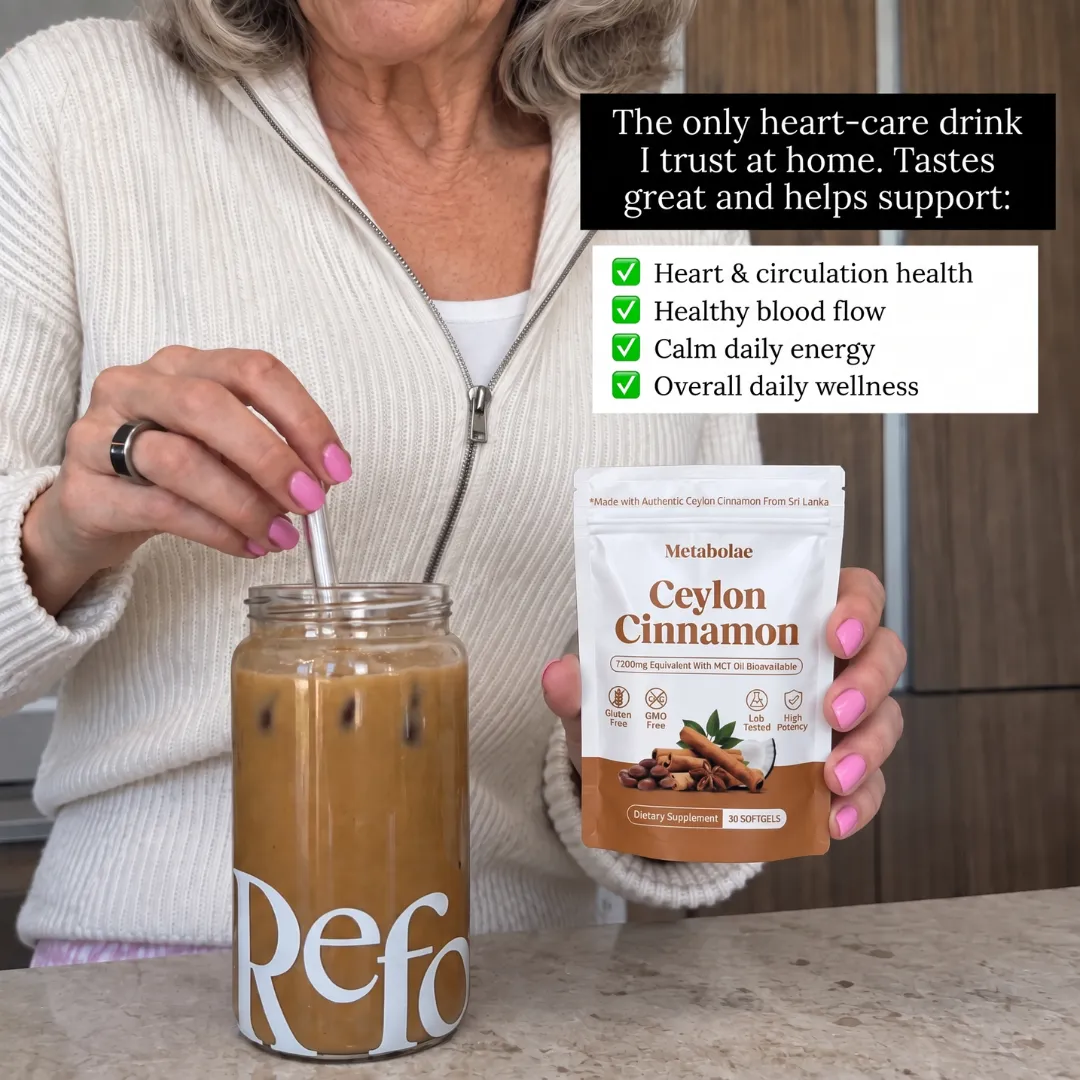
Ceylon Cinnamon 7200mg Equivalent with MCT Oil
Dr. Benjamin Harrington
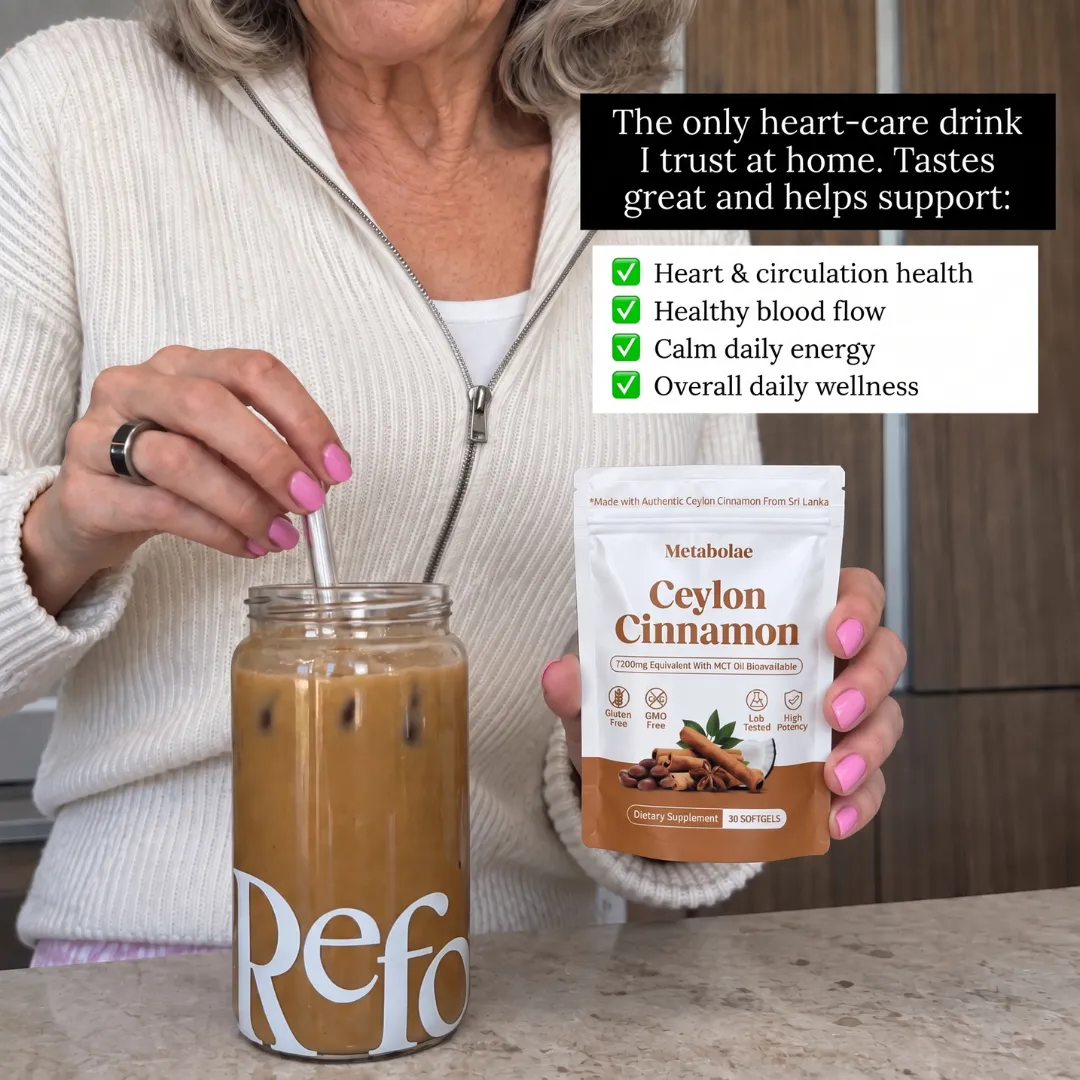
Ceylon Cinnamon 7200mg Equivalent with MCT Oil
Dr. Benjamin Harrington
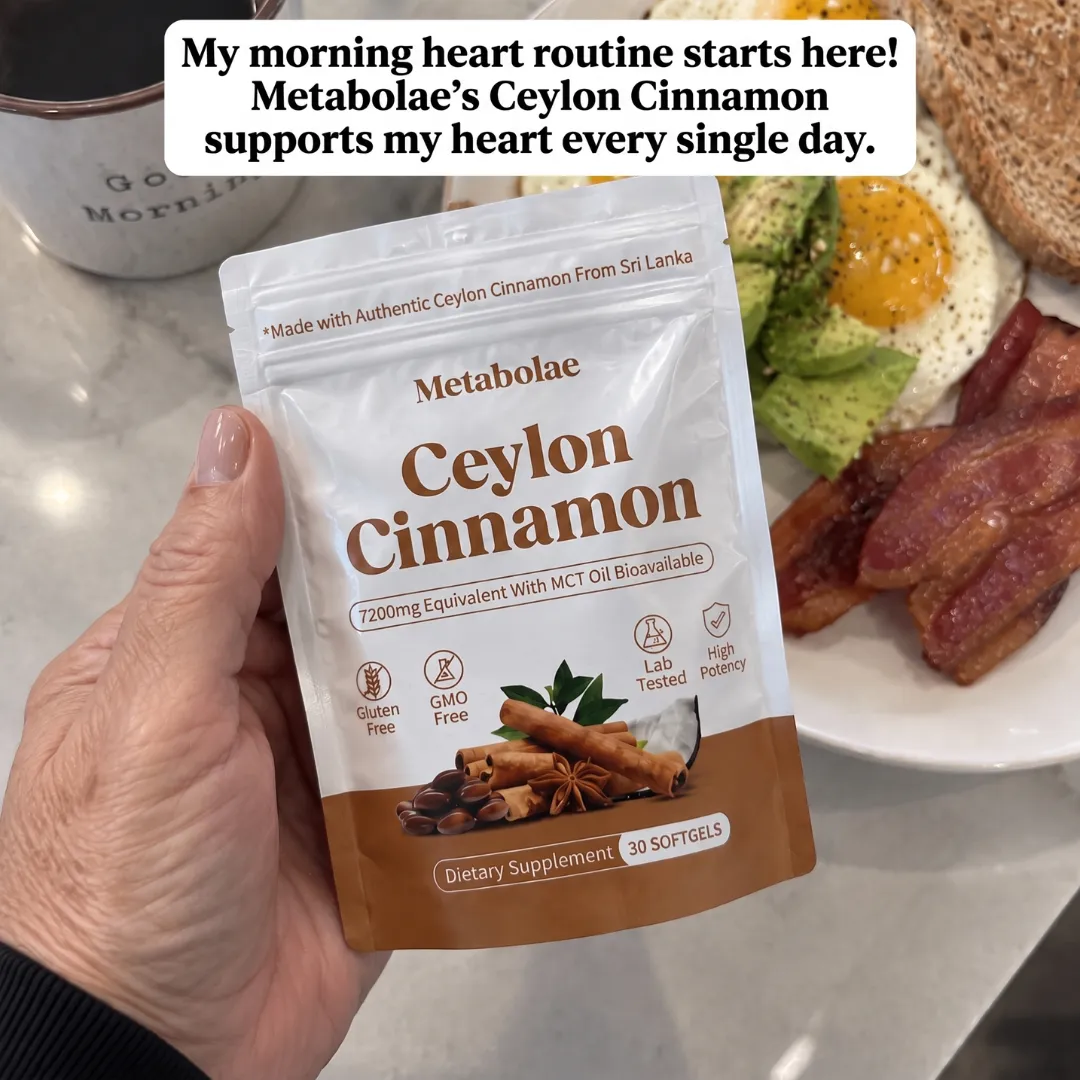
Ceylon Cinnamon 7200mg Equivalent with MCT Oil
Dr. Benjamin Harrington
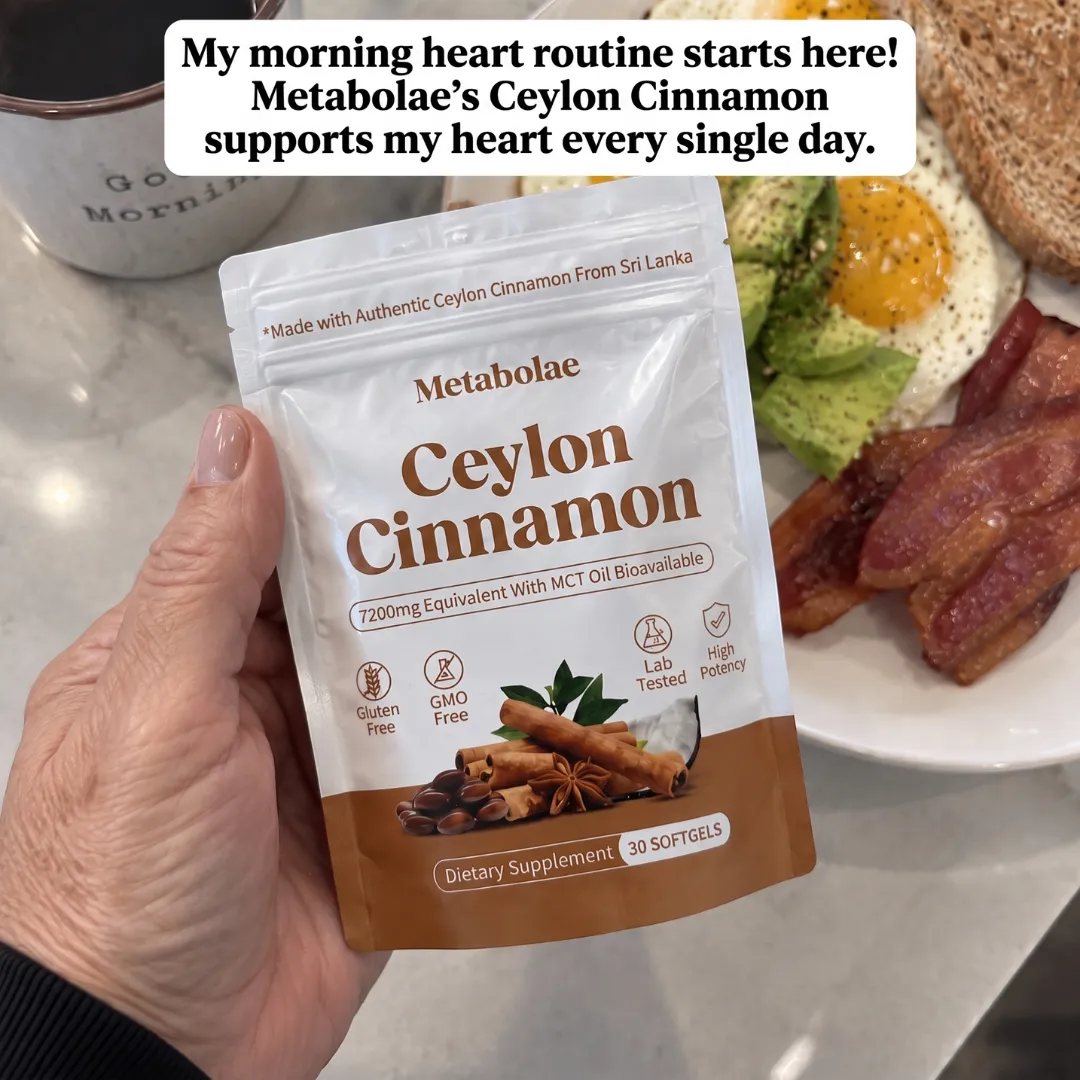
Ceylon Cinnamon 7200mg Equivalent with MCT Oil
Dr. Benjamin Harrington
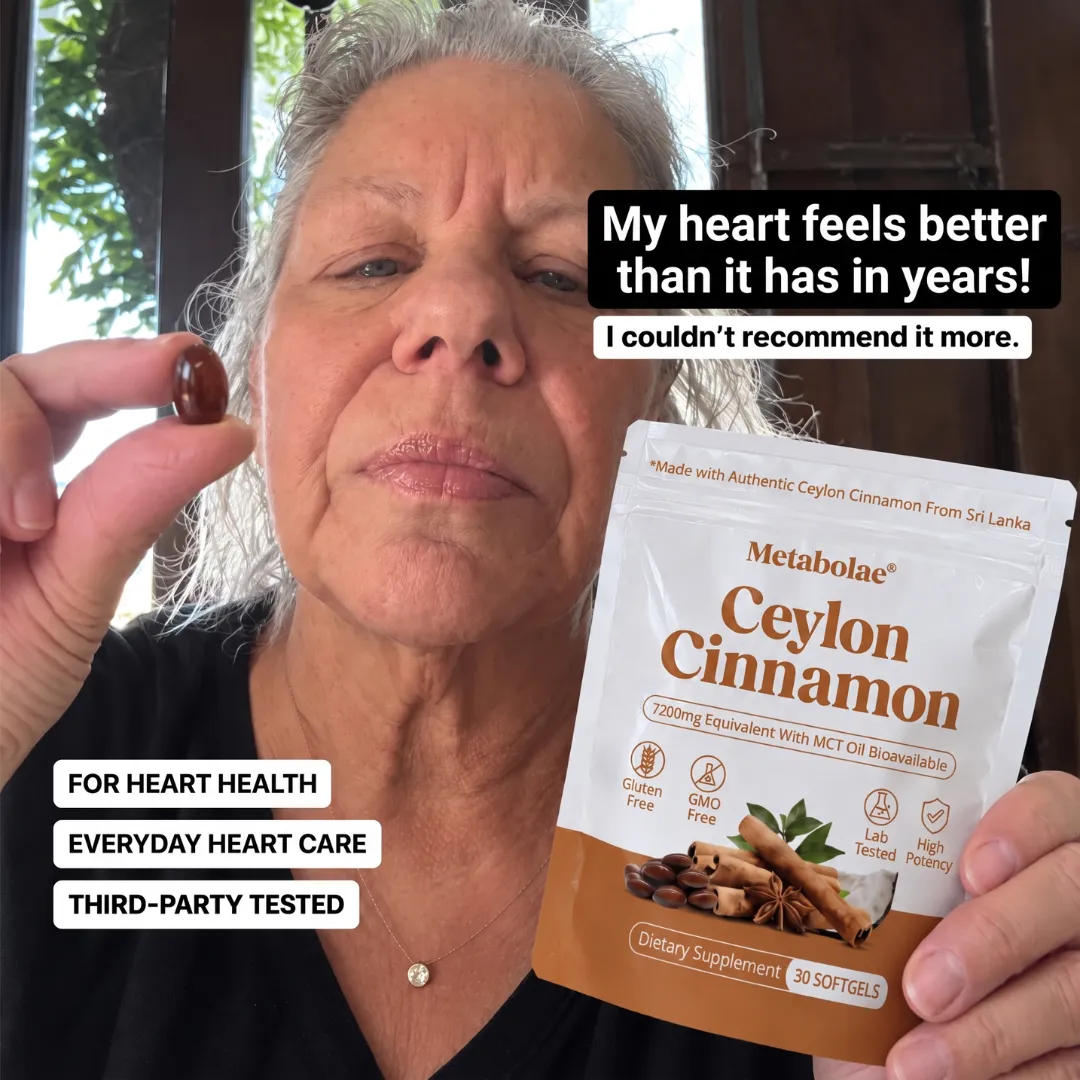
Ceylon Cinnamon 7200mg Equivalent with MCT Oil
Dr. Benjamin Harrington
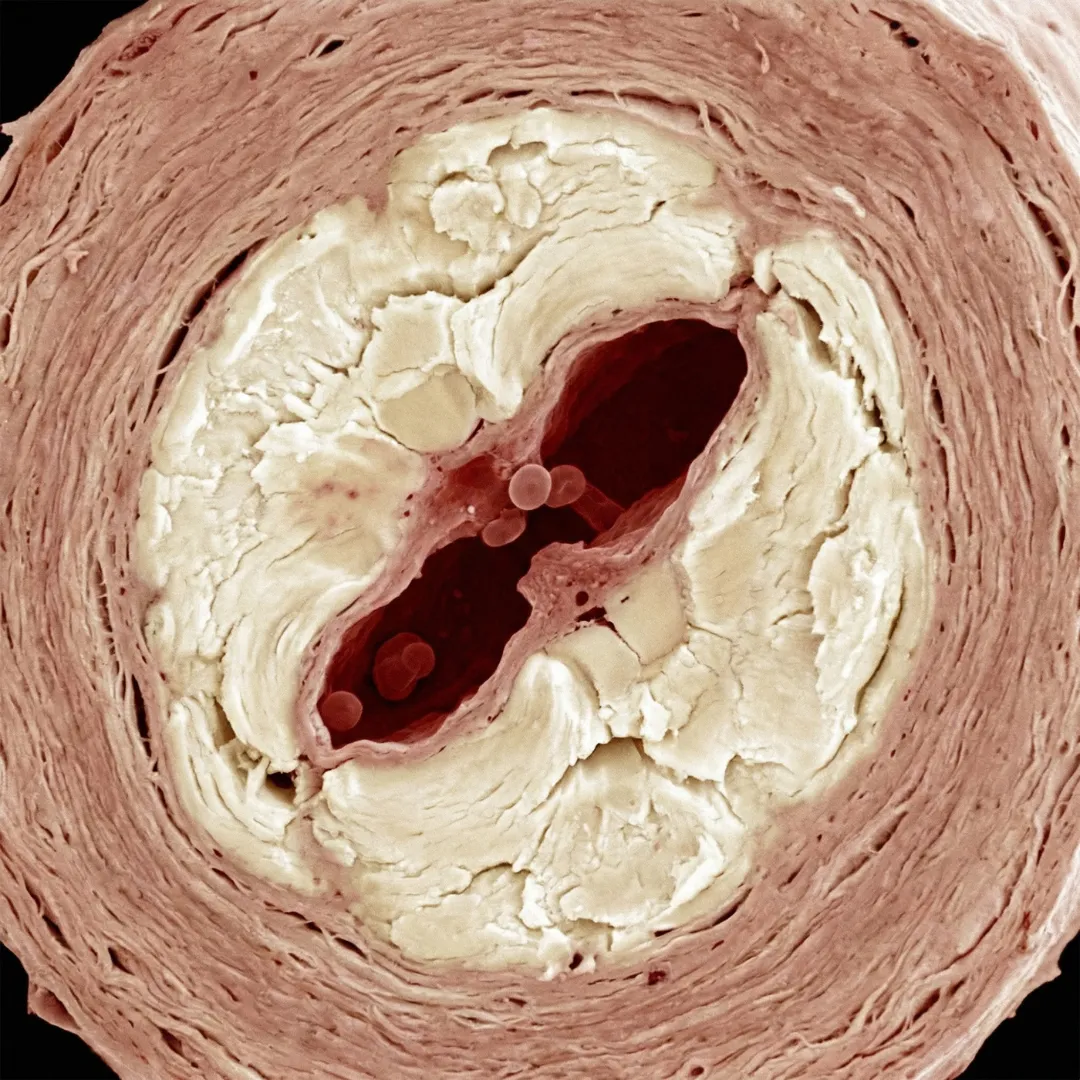
Ceylon Cinnamon 7200mg Equivalent with MCT Oil
Dr. Benjamin Harrington
Ceylon Cinnamon 7200mg Equivalent with MCT Oil
Dr. Benjamin Harrington
Ceylon Cinnamon 7200mg Equivalent with MCT Oil
Dr. Benjamin Harrington
Ceylon Cinnamon 7200mg Equivalent with MCT Oil
Dr. Benjamin Harrington

 Add to Chrome