Ceylon Cinnamon 7200mg Equivalent with MCT Oil
Ad Copy
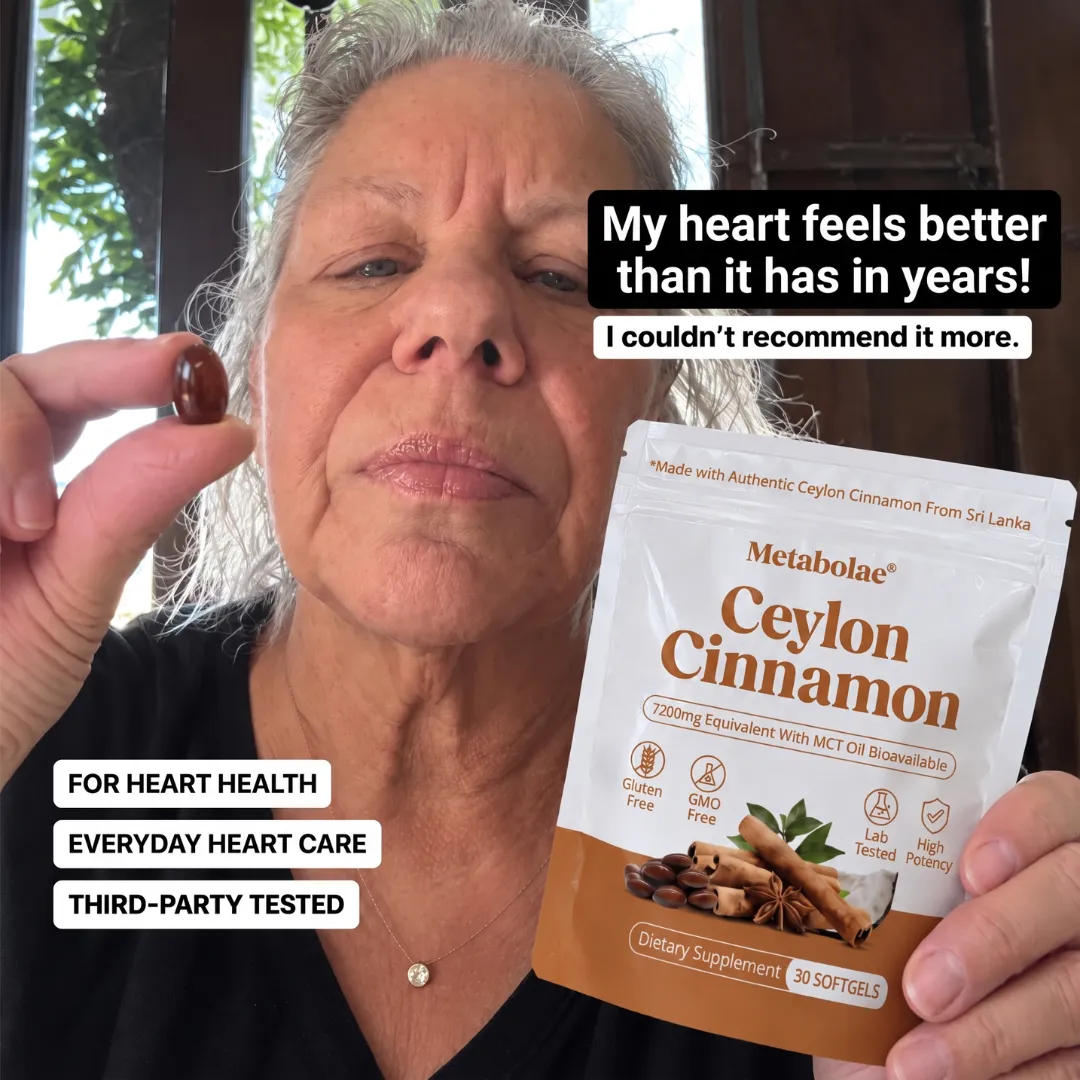
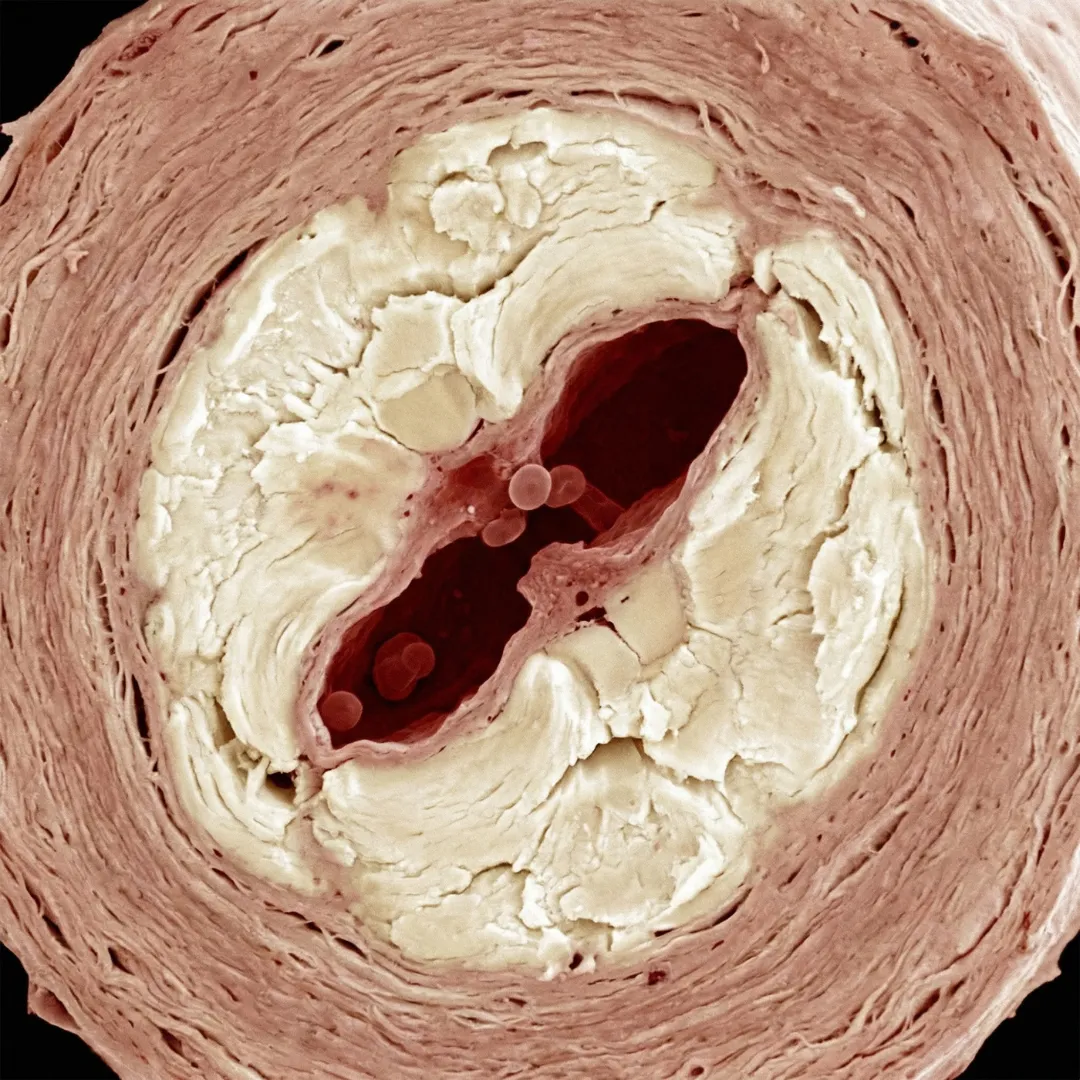
My father died from a heart attack. 10 years later, I was staring at the same fate. At 64, my heart failed during a cruise excursion in Puerto Rico, leaving me stranded 2,000 miles from home, wondering if I was about to become the next victim of the same condition that killed my father. But then the ship's Swiss doctor asked me a shocking question... A question that revealed why everything my cardiologist told me was missing a crucial piece. My husband and I had been saving for this trip for almost three years. Ten-day Caribbean cruise. San Juan, St. Thomas, St. Lucia, Barbados. The kind of trip you plan in your forties for your sixties. The reason you keep showing up to a job you stopped loving years ago. Day four, we were walking up through Old San Juan toward El Morro for sunset. A steep cobblestone street climbing up to the old fortress at the top of the hill. My husband was walking ahead of me. He had his camera out. I was about thirty feet behind him. My heart was pounding hard. Not just the regular hard you would expect on a hill. The deep pounding I had been feeling at home for the last six months walking up the stairs to our bedroom. I had been telling myself it was just the heat. Just being out of shape. Just getting older. I stopped on the cobblestones. Put my hand on the stone wall. Tried to slow my breathing. It did not slow. The pounding got worse. My chest started to feel tight. I started to sweat through my blouse. I felt the blood drain out of my face. I sat down on a low stone ledge. I tried to call out to my husband but my voice would not come. I sat there with my hand on my chest thinking about my father. The way he just slumped forward at his kitchen table on a Sunday morning. I was 39 when that happened. And here I was, 25 years later, on a stone wall in Puerto Rico, feeling the same thing he must have felt. My husband turned around. He had been laughing one second. The next second he dropped his camera on the cobblestones and ran back to me. Caroline. Caroline what is happening. I could not speak. He grabbed my arm. Yelled for someone to help. A local man came running. His son called the port authority. They radioed the ship. They got me stable. Got me onto a medical cart down to the harbor. Took me by tender back to the ship. My husband held my hand the whole way across the water. He did not say anything. Just looked at me with the face I had been seeing in nightmares since my father died. I told him I was okay. I was not. The ship's medical center was small. Two exam rooms. One doctor on rotation. Her name was Dr. Steiner. Swiss German accent. White hair pulled back. Maybe early sixties. I found out later she had practiced cardiology for almost twenty years at the university hospital in Zurich, one of the top cardiovascular research institutions in Europe, before she took the ship contract. She was not a cruise ship doctor who happened to be Swiss. She was a Swiss-trained cardiologist who happened to be on a cruise ship. She had me lie down on the exam table. Hooked me up to a monitor. Took my blood pressure twice. Frowned at the reading. Drew blood. Ran a finger-prick glucose. Looked at the numbers. You did not have a heart attack today, she said. But you came close. I was lying there with my husband sitting next to me holding my hand. I just looked at the ceiling. Your blood pressure is 182 over 106. Your pulse is irregular. Your blood sugar is 258. You are diabetic, yes? Type 2. Thirteen years. I am on Metformin. She glanced at the glucose reading again. 258 is high even for a Type 2 patient on Metformin, she said. But four days of cruise buffets, heat, dehydration, and the stress your body just went through on that hill will do that. It is not your normal fasting number. It is what your body looks like when it is under pressure and the medication cannot keep up. And a blood pressure medication? Lisinopril. Two years. And a statin? Started six months ago. She looked at me for a moment. Then she set down her stethoscope. How long has your American doctor been telling you your A1C is managed while your blood pressure has been climbing and your cholesterol has been climbing and he has kept adding medications to your list? That was the question. The one that changed everything. I said something about how my A1C had been between 6.6 and 7.1 for years and my doctor always said it was fine. He had been talking about adding Ozempic at my last appointment. Dr. Steiner looked at me. Then she said something I have not been able to forget. Your A1C reads managed on paper. Your body is telling a different story. Your blood pressure is climbing. Your cholesterol required a statin. Your heart just pounded so hard on a walking street you almost died. Every one of those numbers is the same disease. Nobody has addressed it. Everyone has measured it. I want to be clear about something, she said. Your medications are doing exactly what they were designed to do. They are doing their jobs. The Metformin is lowering your blood sugar. The Lisinopril is lowering your blood pressure. The statin is lowering your cholesterol. Every one of those medications is working. That is not the problem. The problem is that nobody has explained to you what is happening underneath those numbers while the medications do their jobs. She pulled up a chair. I have been watching this pattern for twenty years, she said. American diabetic patients come to me on cruise ships from all over the country. Different states. Different insurance plans. Different doctors. And every single one of them tells me the same story. Their A1C is well-controlled. Their doctor has been monitoring them for years. They are on the standard protocol. They are doing everything they were told. And every single one of them is sitting in front of me with their blood pressure climbing, their cholesterol requiring another prescription, and their hearts straining to move blood through vessels that have been quietly stiffening for a decade. While every number on their chart looks managed. I asked her what was being missed. You should have been told that your high blood sugar, your high blood pressure, and your high cholesterol are not three separate problems. They are three measurements of one problem. Each medication is treating a measurement. Nobody has addressed what is driving all three measurements in the same direction. She held up her hand. Every cell in your body has doors on its surface. GLUT4 transporters. Their job is to open when insulin knocks and let sugar into the cell where it gets burned for energy. In insulin resistance, those doors stop responding to the knock. I lay there listening. The sugar you eat cannot get into the cells. It stays in your blood. Trapped. And once it is trapped, it does not sit still. It moves through every vessel in your body with every heartbeat. It grinds against the inside lining of your arteries. That lining is called the endothelium. It is the layer of cells that decides how your arteries respond to blood flow. When it is healthy your arteries are flexible and relaxed. When it is damaged your arteries stiffen. Your heart has to push harder to move blood through vessels that have lost their give. That is what elevated blood pressure is in a diabetic patient. Not salt. Not stress. Not genetics alone. It is the arterial wall being stiffened from the inside by sugar that never entered the cells it was supposed to feed. I felt my chest tighten again. Not from the hill this time. From the math. Thirteen years of sugar moving through my arteries while I took my pills every morning and trusted the numbers on the chart. She looked at me. Your Lisinopril is doing its job. It tells your vessels to relax. It brings the reading down. But it does not repair the arterial wall that has been stiffened by years of trapped sugar. The underlying damage continues. The dose creeps up. Eventually a second blood pressure medication gets added. Then a third. Each one is working. And the wall is still stiffening underneath. At the same time insulin resistance tells your liver to overproduce cholesterol. That is why your LDL climbed. Same underlying problem, different measurement. Your statin reduces how much cholesterol your liver makes. It does not fix the insulin signal driving your liver to overproduce it. The statin dose eventually creeps up too. The statin is working. The signal is still broken. I asked her what the Metformin had been doing for me if all of this was happening underneath it. Metformin tells your liver to make less new sugar. It reduces the supply coming in. Your A1C drops. Your doctor is satisfied. But it does not open the cellular doors. The sugar that is already trapped in your blood keeps grinding through the arteries. Your blood pressure keeps climbing. Your cholesterol keeps climbing. Every medication is treating the measurement it was designed to treat. Nothing is addressing the upstream cause that is driving every measurement in the same direction. She let that land. You can shut off the faucet. If the drain is still clogged, the water does not drain. I sat with that. And I thought about my father. His doctor had been monitoring him too. For years. Right up until the Sunday morning he slumped forward at the kitchen table. And the Ozempic, I said. My doctor wanted to put me on Ozempic next. She nodded slowly. The GLP-1 injections everyone is calling a miracle right now. Ozempic. Mounjaro. Wegovy. They slow how fast your stomach empties so less new sugar enters your blood after a meal. They take some weight off. Some patients see real benefits. But what they cannot do is open the cellular doors that have stopped responding to insulin. The trapped sugar is still trapped. The grinding does not stop. And the lawsuits stacking up against them right now, the gastroparesis, the muscle wasting, the bone density loss, are real problems appearing in people who took the injections and trusted they were safe. I asked her what addresses the upstream cause if the medications are only designed for the downstream measurements. She leaned forward. In Switzerland, we have been working with insulin-mimetic protocols for over a decade, she said. The research led to specific polyphenol compounds that signal the dormant cellular doors to start responding to insulin again. These compounds are found in one plant. Not the cinnamon sitting in your spice cabinet or the capsules at your drugstore. That is cassia. A completely different tree from China. Cassia contains almost none of the active polyphenols and carries coumarin that stresses the liver at daily supplement doses. She pulled out a small notebook. Started writing. The plant is true Ceylon cinnamon. Cinnamomum verum. It contains a compound called MHCP. Published research going back over twenty years has documented what it does at the cellular level. She looked at me. The study that changed how I think about diabetic patients was published in 2003 in Diabetes Care. That is the American Diabetes Association's own peer-reviewed journal. Real human patients. Type 2 diabetics. Not mice, not petri dishes. Sixty patients randomized into groups. The patients receiving the active compounds showed fasting glucose reductions of up to 29 percent. Triglycerides dropped 23 to 30 percent. LDL cholesterol dropped 7 to 27 percent. All from one intervention. Published in America's own top diabetes journal. Over two decades ago. She kept writing. That was one study. Since then, a 2024 meta-analysis compiled twenty-eight randomized controlled trials. Over three thousand patients across multiple countries. The results held. Fasting glucose, blood lipids, markers of insulin resistance, all moving in the same direction. Consistently. Across different populations, different durations, different research teams. She paused. What MHCP does is signal the GLUT4 transporters to start responding to insulin again. Once those doors open, the trapped sugar finally moves out of your blood and into your cells where it gets used for energy. The faucet and the drain. MHCP opens the drain. She kept writing. There is a second compound in the same plant. Cinnamaldehyde. The one that gives cinnamon its smell. Cinnamaldehyde supports the lining of your arteries that has been damaged for years. It helps the endothelium start producing nitric oxide again. Nitric oxide is what tells your arteries to relax and let blood flow the way it should. When the endothelium starts producing nitric oxide again, blood pressure drops on its own, not because a drug is forcing it, but because the wall is actually repairing. She tore off the page and handed it to me. Two polyphenol compounds. From one plant. One opens the doors so the trapped sugar clears. The other helps the arterial lining repair itself. Together they address the upstream cause that is driving every measurement your doctor has been chasing with a different prescription. I looked at what she had written. There is one caveat, she said. It has to be real Ceylon at clinical research concentration, suspended in an oil that actually delivers it. Not the cinnamon from the grocery store. Not the cassia capsules at the drugstore. And even the capsules that are real Ceylon are in dry powder form, which is the wrong delivery. These active polyphenols are fat-soluble. Without an oil to carry them, they pass straight through your gut and never reach your bloodstream. That is the difference between the extract used in the research and the capsule sitting on a shelf. The ingredient on the label can be identical. The delivery determines whether it reaches your cells or passes through. She named a company her cardiologist colleague at the university hospital in Zurich had been recommending to his diabetic patients for two years. Metabolae. She wrote that name down too. I called this company myself before I recommended it to any patient, she said. That is how I was trained in Switzerland. You do not put your name behind a supplement the way you would not put your name behind a medication. You verify the source. You read the certificate of analysis. You confirm that the extract concentration, the species, and the delivery format match what the published research actually used. This one matched. She looked at me one more time. Your body is not failing you. Your medications are not failing you. They are doing what they were designed to do. What is missing is something that addresses the upstream problem that your medications were never designed to reach. The trapped sugar is the barrier. The cellular doors are the lock. The MHCP and the cinnamaldehyde are the key and the repair. I asked her what I should do for the rest of the cruise. She told me to take it easy. No more excursions on foot in the ports. She gave me a stronger beta blocker to bring the blood pressure down. Told me to skip the buffet and stick to grilled fish or chicken with vegetables at dinner. Plenty of water. She would check on me again in two days. She also said something that stayed with me for the rest of the trip. You did not have a heart attack today. But your body is telling you it is preparing for one. Your doctor has been measuring you. He has not been addressing what is underneath the measurements. There is a difference. My husband and I went back to our cabin. I sat on the edge of the bed for a long time and just stared at the wall. My husband sat next to me without saying anything. He finally said, Your father died at 72. We have eight years if we do nothing different. I told him I knew. We did not go on the St. Lucia excursion the next day. We sat on the ship's deck and watched the island go by from the railing. I did not feel sorry for the missed excursion. I felt sorry for the thirteen years. The rest of the cruise was different. I kept thinking about what Dr. Steiner had said. About the trapped sugar. About the cellular doors. About how the same upstream cause that had been making my blood pressure climb had just made my heart pound on the hill. I had been treating those things like separate problems for years. My doctor had been treating them like separate problems too. Because that is what his training taught him to do. Measure each one. Prescribe for each one. Monitor each one. He was not wrong. He was incomplete. The tingling in my feet at night I had blamed on being on my feet too much. The foam in the toilet I had been ignoring for years. The blurry vision I had blamed on my reading glasses needing an update. The liver enzymes climbing on my bloodwork my doctor told me we would watch. The fatigue I had blamed on getting older. The blood pressure climbing year after year. The cholesterol my doctor added a statin for. The heart pounding on the stairs at home I had blamed on being out of shape. Dr. Steiner had connected all of it in twenty minutes. We got home on a Sunday. That night I could not sleep. My husband was already in bed. I went downstairs at 11:30 PM and opened my laptop. I typed in what Dr. Steiner had written down. True Ceylon cinnamon. MHCP. Cinnamaldehyde. Diabetes Care. I found the 2003 trial. Read the full abstract. Sixty patients. The numbers matched what she had told me. Fasting glucose drops of up to 29 percent. Triglycerides down 23 to 30 percent. LDL down 7 to 27 percent. I found the 2024 meta-analysis. Twenty-eight randomized trials. Over three thousand patients. The same directional results across every study. I sat there at my kitchen table at 1 AM reading study after study. The mechanism was exactly what Dr. Steiner had described. The dormant cellular doors. The trapped sugar. The endothelial repair. All of it published. All of it in peer-reviewed journals. All of it sitting there in the medical literature while my doctor managed my measurements for thirteen years without once asking what was driving every measurement in the same direction. I started searching for the brand Dr. Steiner had named. Metabolae. Most cinnamon supplements online were not what the research used. Cassia at the drugstore. Dry powder capsules at the health food store. Generic products with no species verification and no oil-based delivery. The research used concentrated Ceylon extract. Most of what I found on shelves was not that. Metabolae was the only one I found that matched what the published studies actually used. Not ordinary kitchen cinnamon. Not cassia in a capsule. A 12:1 concentrated extract made from true Ceylon cinnamon, Cinnamomum verum, the rare variety containing the specific polyphenols the researchers had studied. Delivering 7,200 mg raw Ceylon equivalent per serving. Suspended in MCT oil from coconut so the fat-soluble compounds actually reach the bloodstream. One softgel a day. Not a dry powder capsule that passes through. A softgel engineered to match the delivery format used in the clinical research. I ordered three bags at 2:15 AM. I was not going to do this halfway. The bags arrived six days later. One softgel with breakfast. That was the whole protocol. Week one. I want to be honest about what the first week felt like. It was not much. No buzz. No surge. Cinnamon is not caffeine. It does not announce itself. I just took my softgel in the morning. Came home. Took it again the next morning. Week two. The afternoon fatigue I had been pushing through for years started lifting. I came home from work on a Wednesday and did not collapse into the recliner like I had every weekday for the last decade. I cooked dinner with my husband. Sat at the table. Watched a full movie awake. My heart felt steadier. Fewer of those random pressure headaches I had been getting for the last year. Week three. I took my blood pressure at home like I do every morning. 148 over 92. Down from 168 over 98 the week before we left for the cruise. Down eight points on the top number in three weeks. The tingling in my feet at night was easing. I lay in bed and realized my feet were just my feet. Not buzzing. Not pins and needles. Just warm and quiet. Week four. The blurry vision in the afternoons started lifting. I picked up a printout at work one day and could read it without holding it at arm's length. Blood pressure 138 over 84. Week five. I bought a finger-prick glucose meter at the same pharmacy that filled my Metformin scripts. Tested my fasting glucose that morning. 118. Down from 152 the day before we left for the cruise. Week six. 96 fasting. Then 92 the next morning. Then 89. Blood pressure 128 over 78. Week eight. The stairs. I came up the stairs to our bedroom one night and realized halfway up that my heart was not pounding. The same stairs that had been making me stop at the landing for months. The same pounding that had nearly killed me on the hill in Old San Juan. I went up. Then back down. Then up again. Just to make sure. My husband was already in bed reading. He looked up at me confused. I told him what I had just done. He set his book down. We both just sat there for a minute. Week twelve. I went to my regular doctor's office for a follow-up. Full panel. A1C: 5.7. Down from 7.0 at my last appointment three months earlier. Fasting glucose: averaging 91 across two weeks of morning tests. Blood pressure: 124 over 76. LDL: down 24 points. Triglycerides: down 38 points. Liver enzymes: back in normal range for the first time in four years. Kidney creatinine: back in the normal range. The nurse ran the A1C twice because the first one came back so different from my prior numbers that she thought the lab had made a mistake. My doctor walked in. Pulled up my chart. Stopped. Scrolled. Looked at me. Caroline. What did you change? I told him. The Swiss ship doctor. The hill in Old San Juan. The trapped sugar. The two compounds. The 2003 Diabetes Care trial. I talked for twenty minutes. He did not interrupt once. He was quiet for a long time. Then he said, I have not been trained on this. But your numbers have come down significantly. Let us cut your Metformin in half and see where they hold at the next panel. And let us talk about reducing the Lisinopril at your next visit if the pressure holds. I walked out of his office with my Metformin halved and my Lisinopril reduction on the table. I never started the Ozempic. I am writing this because I almost died on a hill in Old San Juan and my American doctor would never have known why. If I had had the heart attack that day, my husband would have flown my body home and buried me next to my father. The autopsy would have said the same thing my father's said. Cardiac event in a Type 2 diabetic patient with managed A1C. Common in patients her age. Nothing that could have been done. Nobody would have asked why a woman with a managed A1C had been steadily losing her feet and her kidneys and her eyes and her liver and her heart for thirteen years while every medication did exactly what it was designed to do and nobody addressed what was happening underneath. It took a Swiss-trained cardiologist from the University Hospital of Zurich twenty minutes to explain what my American doctor never explained in thirteen years. It took a hill in Old San Juan to make me listen. If you are a Type 2 diabetic and your A1C has been managed for years while your blood pressure has been climbing, your cholesterol required a statin, and you have been quietly losing function. Tingling feet. Foam in the toilet. Blurry vision. Liver damage. Heart pounding on the stairs you have been blaming on being out of shape. Your medications are working. They are doing what they were designed to do. What is missing is something that addresses what they were never designed to reach. Please listen. The same upstream cause that almost killed me on that hill is doing the same thing to you right now. There is something that addresses it. Metabolae is the product Dr. Steiner wrote down for me on a piece of paper in the medical center of that cruise ship. The same product her cardiologist colleague at the university hospital in Zurich had been recommending to his diabetic patients for two years. It is a 12:1 concentrated Ceylon cinnamon extract in an MCT oil softgel. One softgel every morning. With breakfast. That is the whole protocol. Each bag holds 30 softgels. 30 days. It comes with a 90-day money-back guarantee. Open the bag. Take it for 90 days. If your numbers do not move, send back what is left and get every dollar back. I have been ordering Metabolae monthly since I got home from the cruise. P.S. My husband and I went back to Puerto Rico six months after that first cruise. I had told him I needed to walk that street up to El Morro again. I needed to know my body could do it. We flew into San Juan and stayed three nights in the old town. The morning of our second day there we walked back up Calle Norzagaray toward the fortress. The blue cobblestones. The pastel colonial buildings. The Atlantic spread out below. I walked the whole way up without stopping. My husband stopped at the top of the ramparts and looked at me. He did not say anything. He just held my hand and we stood there looking at the view I had almost not been alive to see again. Caroline M.
More from Dr. Benjamin Harrington
Ceylon Cinnamon 7200mg Equivalent with MCT Oil
Dr. Benjamin Harrington
Ceylon Cinnamon 7200mg Equivalent with MCT Oil
Dr. Benjamin Harrington
Ceylon Cinnamon 7200mg Equivalent with MCT Oil
Dr. Benjamin Harrington
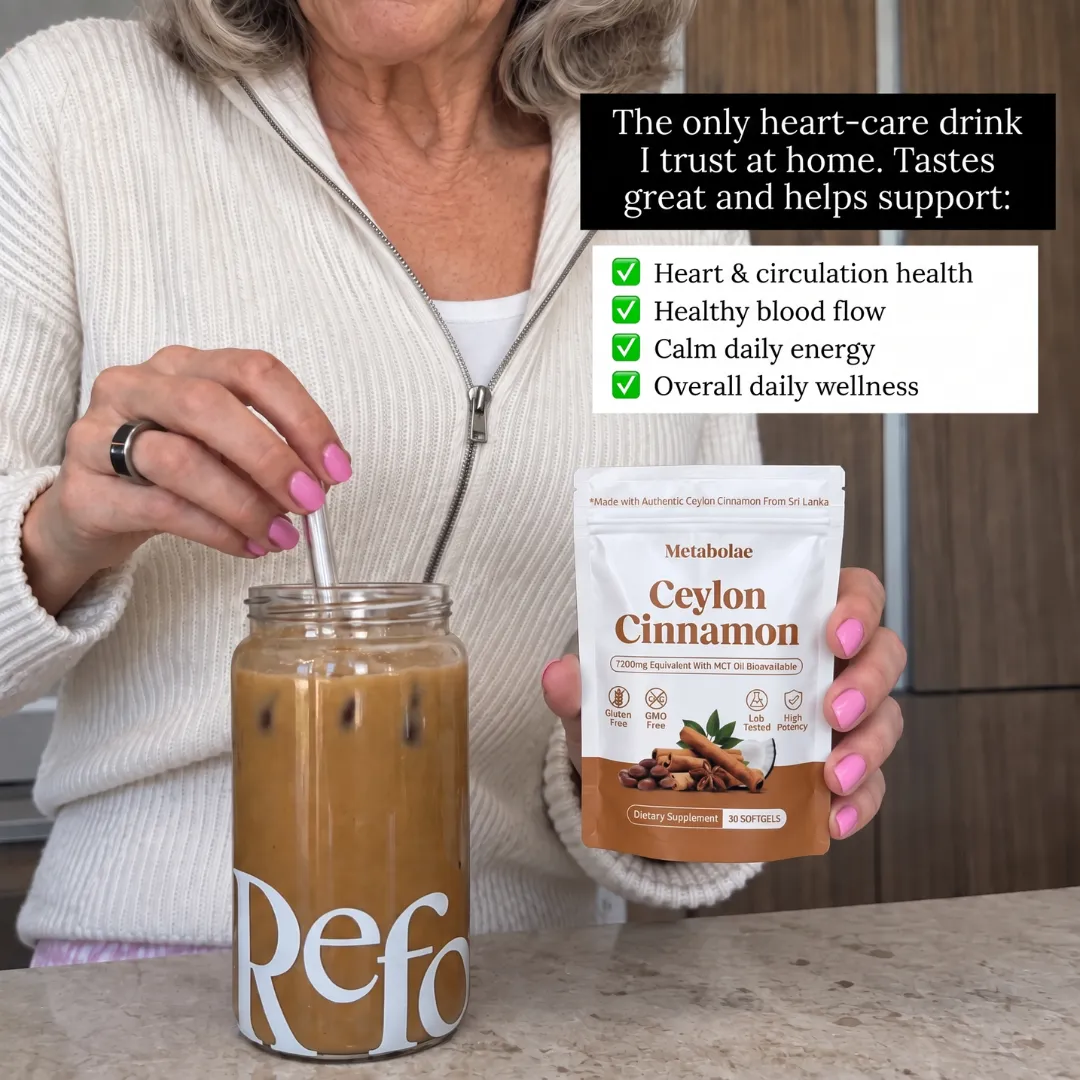
Ceylon Cinnamon 7200mg Equivalent with MCT Oil
Dr. Benjamin Harrington
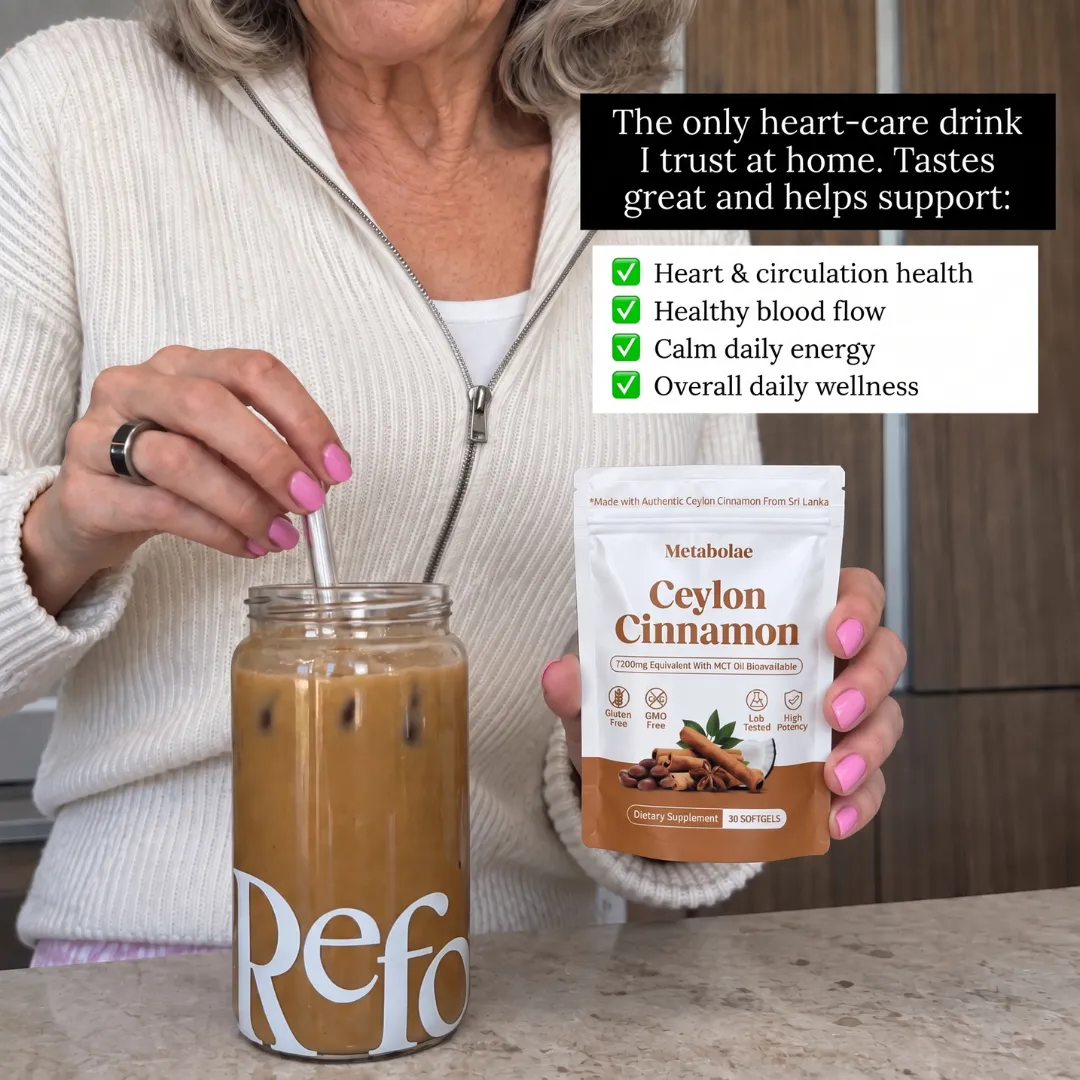
Ceylon Cinnamon 7200mg Equivalent with MCT Oil
Dr. Benjamin Harrington
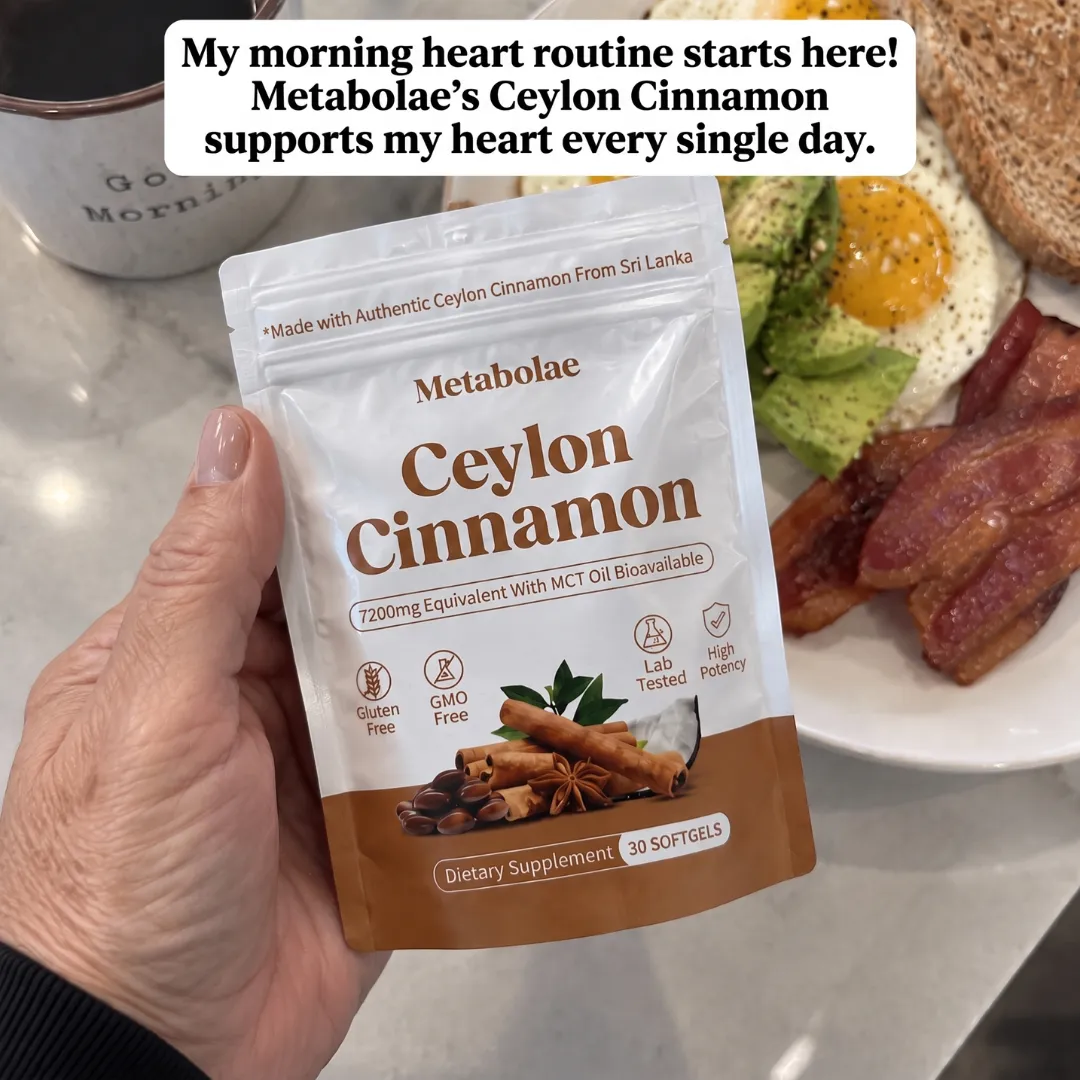
Ceylon Cinnamon 7200mg Equivalent with MCT Oil
Dr. Benjamin Harrington
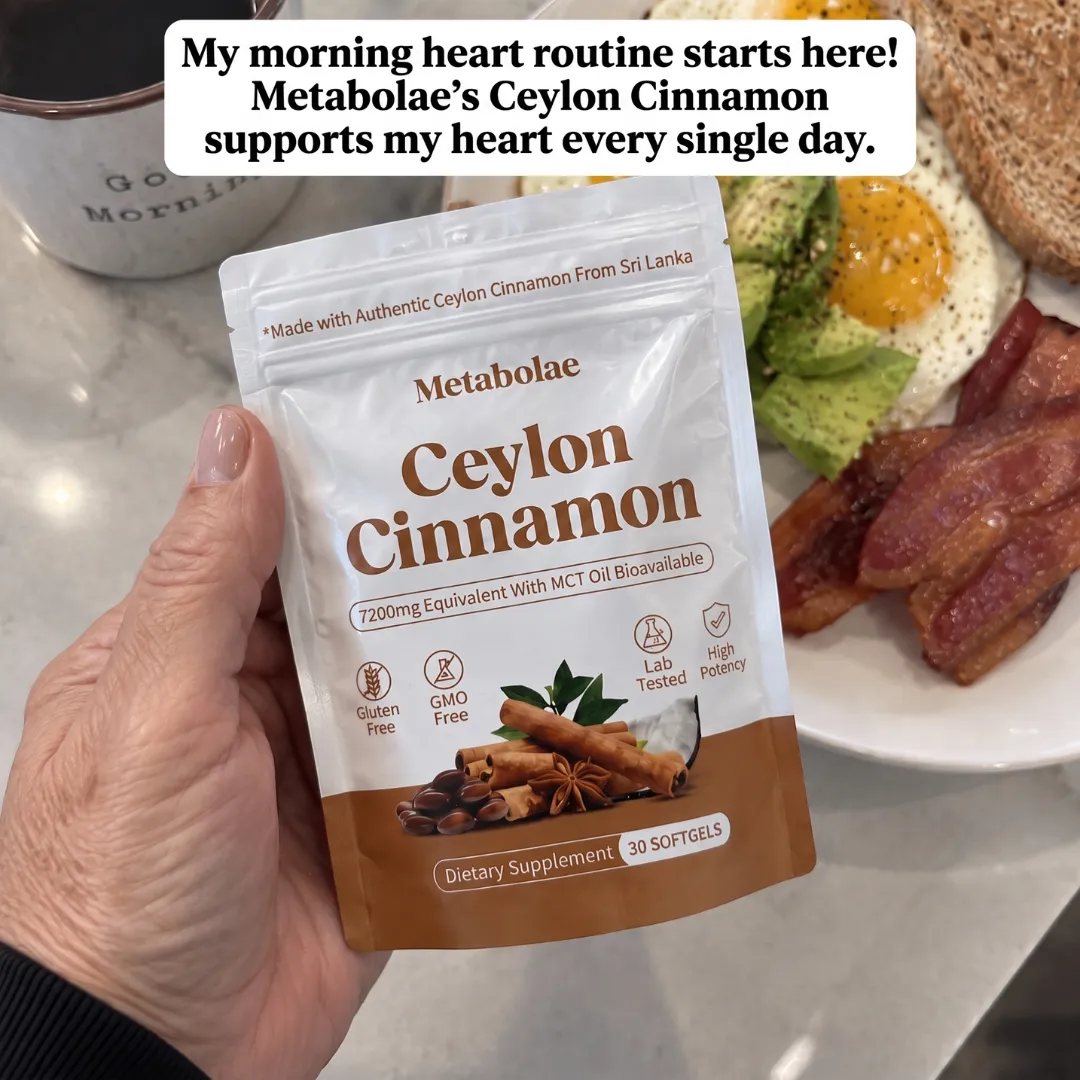
Ceylon Cinnamon 7200mg Equivalent with MCT Oil
Dr. Benjamin Harrington
Ceylon Cinnamon 7200mg Equivalent with MCT Oil
Dr. Benjamin Harrington
Ceylon Cinnamon 7200mg Equivalent with MCT Oil
Dr. Benjamin Harrington
Ceylon Cinnamon 7200mg Equivalent with MCT Oil
Dr. Benjamin Harrington

Ceylon Cinnamon 7200mg Equivalent with MCT Oil
Dr. Benjamin Harrington

Ceylon Cinnamon 7200mg Equivalent with MCT Oil
Dr. Benjamin Harrington

 Add to Chrome