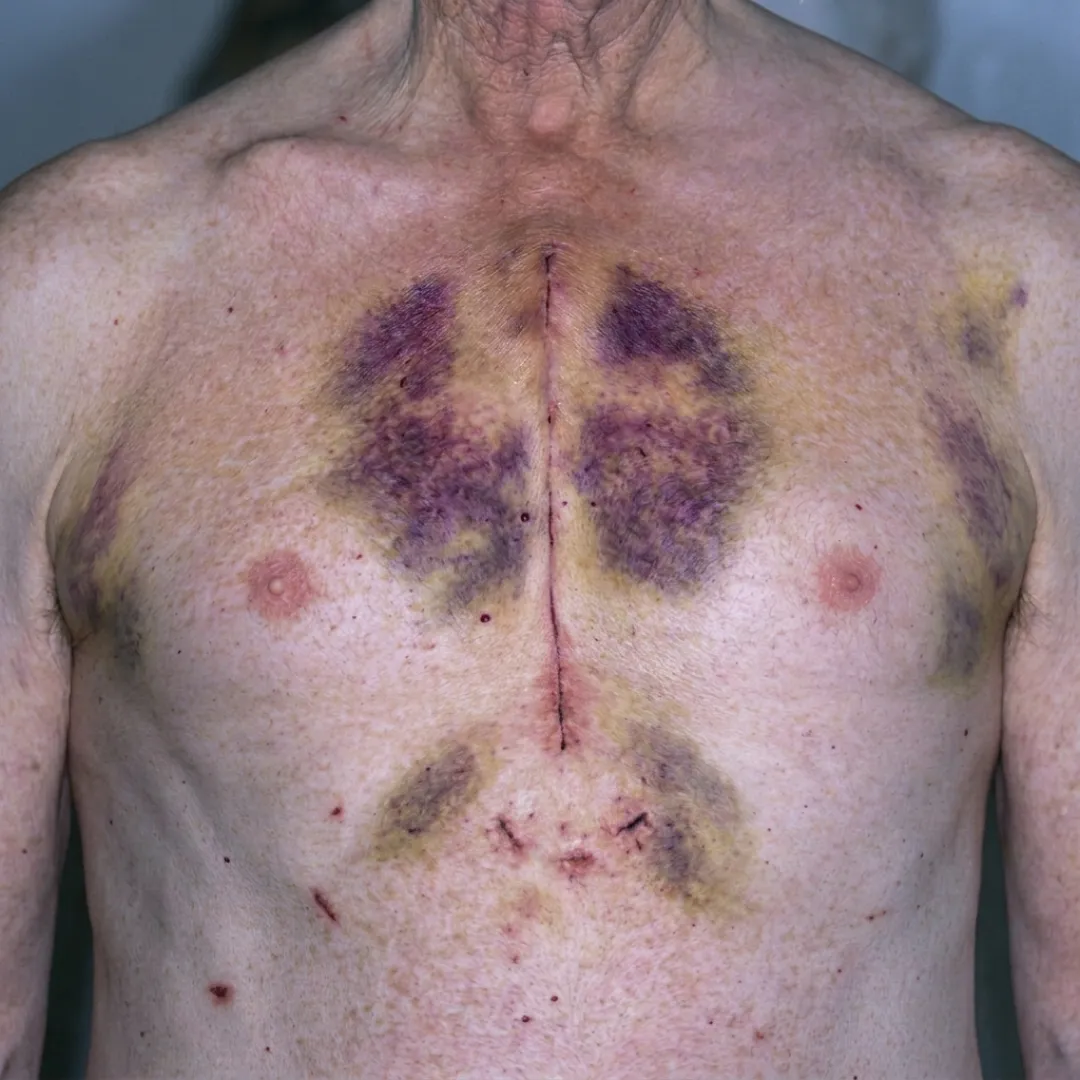
Ceylon Cinnamon 7200mg Equivalent with MCT Oil
Ad Copy
A heart attack kills 1 American every 40 seconds. Most of them had an LDL under 100 and total cholesterol under 200 on their last panel. My colleague David was 61. LDL 94. Blood pressure 132 over 84. Ran 3 miles every morning. Took his statin without missing a day. His heart stopped in the physicians lounge on a Tuesday afternoon. Dead before anyone in the room could reach him. I watched the paramedics work on his body for 40 minutes and I already knew it was over. That is what 22 years of cardiology has taught me about the numbers we tell our patients to trust. My name is Dr. Benjamin Harrington. I have practiced cardiology for 22 years. Type 2 diabetic for eleven years. And I am done watching men die of heart attacks that their lab work said were not coming. I need to tell you what actually happens in a cardiac catheterization lab at 3 AM. Because I do not think you know. The patient arrives on a stretcher. Shirt cut open by the paramedics. His wife is running beside the gurney in her pajamas because she woke up to the sound of him gasping and called 911 and rode in the ambulance holding his hand while his face turned gray. He is 62 years old, or 57, or 68, and six hours ago he was watching television with her after dinner and everything was fine. And now I am threading a wire through his femoral artery into a coronary vessel that has been quietly closing for five years while every blood panel he ever had came back and told him he was doing great. I have done this over three hundred times. Not one of those men walked into my office believing this was coming for him. Every single one had been told his cholesterol was under control. Every single one was on a statin. Most of them were on Lisinopril or Losartan for blood pressure. Every single one had been told the tightness in his chest was probably stress or reflux or deconditioning. And every single one of them was on my table anyway. When my own chest started tightening on the stairs last spring, I understood in about ten seconds exactly where I was heading. I went in for labs the next morning. A1C 8.1. Fasting glucose 162. LDL sitting at 97, the kind of number that gets a checkmark on a chart and a see you in six months from your doctor. My resting blood pressure was 148 over 91. And a stress echocardiogram showed reduced flow in two territories that should not have been compromised in a man my age. My internist called me that afternoon. Ben. We need to talk. Your blood pressure is not responding to the Lisinopril anymore. I want to add a second agent and increase your statin dose. I said I would think about it. I hung up. I sat at my desk for twenty minutes staring at the wall. Not because I am reckless. Not because I am in denial. Because increasing the statin does not repair what is happening to the arterial wall. I have cathed the coronary arteries of hundreds of men on maximum-dose statins. Statins lower the number on the lipid panel. They do not rebuild what the disease has been grinding through for years. Lisinopril relaxes the vessel wall to lower the pressure reading. It does not touch the endothelial damage underneath the reading. I was looking for something my 22 years of training had never given me. My wife found me in the kitchen at midnight. I was sitting at the table with my stress echo images pulled up on my laptop and two fingers pressed against my own radial pulse. She sat down across from me and did not say anything for a long time. Then her voice cracked. Ben. She barely got the word out. I need you to walk Catherine down the aisle. I need you at Christmas. I need you here in ten years. Please just take what he is telling you to take. I cannot sit here and watch you disappear the same way your patients do. I looked at her and I could not speak. Because how do you tell your wife of 28 years that the prescription your colleague just wrote is the same prescription that had been in the chart of every man whose artery you had cathed at 3 AM? How do you tell her that the phrase well-managed is what we write on the chart of the man who comes back eighteen months later with a widow-maker lesion? How do you tell her that you would rather sit at a kitchen table at midnight reading your own stress echo than swallow another pill you have watched fail three hundred times? She reached across the table and grabbed both of my hands. She was shaking. I said yes. I could not tell her that what I was doing was the only thing I knew how to do to make sure I was at Catherine's wedding without a stent holding my left anterior descending open. I stayed up until 4 AM reading everything I could find on diabetic cardiovascular reversal that did not start and end with statins and ACE inhibitors. Most of what I pulled up was what I already knew. Dose escalation papers. Drug combination algorithms. The same medication cascades I had been prescribing to my own patients for two decades. Nothing I had not seen a hundred times. Then, around 2 AM, I ended up somewhere I had not been in years. Reddit. r/diabetes_t2. r/prediabetes. r/cardiovascular. Comment threads going back three, four years. Hundreds of replies. Real people. Real numbers in the post titles. A1C 8.4 down to 5.5 in nine weeks. Blood pressure 156/94 to 128/78 without adding a second drug. My cardiologist wants to know what changed. The same thing kept coming up in the comments. Over and over. Ceylon cinnamon. I almost closed the browser. I have watched the supplement industry sell hope to cardiac patients for 22 years. Every man I have ever cathed at 3 AM had a medicine cabinet full of fish oil and CoQ10 and magnesium and garlic extract. None of it had kept their arteries open. But something in the pattern was different this time. The people posting were not chasing a miracle. They were posting labs. Photos of their lipid panels with dates on them. Screenshots of stress test reports. Before-and-after blood pressure logs from home monitors. And when other people in the thread asked what they were taking, the answers were specific in a way I was not used to seeing. Not cinnamon in general. A very particular kind. Concentrated Ceylon. High dose. Suspended in an oil, not a dry capsule. Some of the replies were from people two and three years in. Still posting updates. Still normal. I opened a second tab and started pulling the actual literature. Journal of the American College of Nutrition. Diabetes Care. Archives of Biochemistry and Biophysics. Peer-reviewed. ADA-adjacent. Sitting in databases I had had access to my entire career. I had never read a single one of them. Because my cardiology training had never sent me looking. I read for another two hours. And by the time the sun came up I understood something that changed how I think about cardiovascular disease in diabetic patients. Type 2 diabetes is not a blood sugar disease. It is a vascular disease. The blood sugar number is the flood gauge. What actually kills you is what the flood does to the pipes. Your A1C measures one thing. The percentage of your red blood cells coated in glucose. A 90-day average of how much sugar is floating in your bloodstream. That is all it measures. It does not see the coronary arteries feeding your heart. It does not see the carotid arteries feeding your brain. It does not see the endothelial lining of every vessel in your body being ground apart by trapped glucose hour after hour. It sees the level of the flood. It does not see where the flood is going. An A1C of 8.1 with an LDL of 97 and a blood pressure of 148 over 91. Managed. We will watch it. And behind that number, the coronary endothelium is quietly being destroyed. The arterial wall is stiffening. Plaque is accumulating in vessels that a stress test will not catch until they are 70 percent blocked. And by the time they are 70 percent blocked, the next thing that happens is what happened to David in the physicians lounge. Standard cardiology does not address what is grinding through the arterial wall. Statins lower LDL. Lisinopril lowers the pressure reading. Metformin quiets the liver's glucose output. Aspirin thins the blood to reduce clot risk. Every one of those drugs does exactly what it is designed to do. None of them touches the endothelium. None of them repairs the lining of the vessel the trapped sugar has been damaging for years. They manage the gauges on the dashboard. The engine keeps failing underneath. But the Ceylon cinnamon research did. Every cell in your body has tiny doors on its surface. GLUT4 transporters. Their job is to open up, grab glucose from your blood, and pull it inside the cell where it burns as energy. In insulin resistance, those doors stop responding. They are still there. They just stopped surfacing when insulin tells them to. So the sugar has nowhere to go. It stays in your blood. Circulates. Hour after hour. Year after year. Grinding through the endothelial lining of every artery in your body the entire time. Your coronary arteries. Your carotids. The vessels feeding every organ that keeps you alive. True Ceylon cinnamon, Cinnamomum verum, grown in Sri Lanka, contains two active compounds. The papers were built around them. The first is MHCP. It goes directly to the cell and triggers the GLUT4 doors to come back to the surface. It bypasses the broken insulin signal entirely. The Journal of the American College of Nutrition paper found MHCP was 20 times more effective at activating that pathway than any other natural compound tested. The Diabetes Care trial found an 18 to 29 percent reduction in fasting glucose in diabetic patients on consistent Ceylon. The trapped sugar finally moves. The grinding stops. The second compound is cinnamaldehyde. This is the one my cardiology training had zero exposure to. Cinnamaldehyde repairs the endothelial lining of the vessels the trapped sugar has been damaging for years. The coronary arteries feeding your heart. The carotids feeding your brain. The peripheral vessels in your legs and feet. The arterial lining that statins cannot rebuild no matter how low they push your LDL. Two compounds. One plant. One stops the disease from progressing. The other rebuilds what it has already broken. I closed the laptop at 6 AM. I was skeptical. But every man whose coronary artery I had opened at 3 AM had trusted the standard of care, and the standard of care had not saved them. And here in front of me was a mechanism, peer-reviewed, sitting in journals I had had access to my entire career. Plus three years of people posting labs, not testimonials. I decided I would run the experiment on myself. Worst case I would have wasted a few weeks. I ordered generic Ceylon capsules the next morning. 1,000 mg per capsule, dry powder. Two weeks later my fasting glucose had moved four points. My blood pressure was the same. The tightness on the stairs was the same. I almost threw the whole thing out. I had watched dozens of cardiac patients waste money on supplements exactly like this, and now I was one of them. But the mechanism kept pulling at me. Because the studies that actually moved the needle used concentrated Ceylon extract. The equivalent of 6,000 to 7,200 mg of raw bark daily. Mine was 1,000. And the compounds are fat-soluble. A dry powder capsule has no fat carrier. Most of what I was swallowing was passing straight through without ever reaching the arterial tissue that needed it. That is when I remembered a patient. Mr. Okafor. 63 years old. I had done a coronary catheterization on him nine months earlier. Two-vessel disease. We had placed a stent in his right coronary and managed the second lesion medically. He came in for his six-month follow-up and his stress echo looked better than the day I stented him. His blood pressure had dropped from 152 over 93 to 126 over 79. His lipid panel had shifted in a way that a statin increase alone would not explain. I had assumed compliance improvement at the time. I pulled his chart that night. His A1C had dropped from 8.2 to 5.6 in seven months. I called him the next morning and asked him what he had done. He told me his daughter had started ordering him a softgel called Metabolae. Concentrated Ceylon. 7,200 mg equivalent per softgel. 12-to-1 extract. Suspended in MCT oil from coconuts. DNA-verified. Third-party tested. Right species. Right dose. Right delivery format. I ordered it that afternoon. Day three. The tightness on the stairs was quieter. First time in four months. Day five. I walked from the parking garage to the cath lab without stopping to catch my breath at the second floor landing. I had been stopping there since March and telling myself I was checking my phone. Day seven. I slept from 10:45 PM to 6 AM. Straight through. I woke up before my alarm and lay there trying to remember the last time that had happened. Day ten. I did a full day of procedures and drove home without the pressure headache that had become my 6 PM companion since winter. I told myself it was placebo. I told myself I was reading into it. I kept taking it. Week four. Fasting glucose 91. Down from 162. Resting blood pressure 131 over 82. Down from 148 over 91. My internist repeated my lipid panel two weeks early at my request. LDL 74. Triglycerides down from 212 to 141. I told myself the statin increase might have done that. Except I had not increased the statin. I had not changed a single prescription. Three months later I walked into my internist's office with a stack of new labs and imaging. He looked at the panel. Then at me. Ben. Your A1C is 5.4. Yes. Your fasting glucose is 86. Your resting blood pressure is 124 over 78. Your LDL is 71. Triglycerides 128. And your repeat stress echo shows normal flow in both territories that were compromised in April. Yes. He set the file down. What did you do. I told him. He was quiet for a very long time. Then he asked me to write it down. That was six months ago. My A1C is consistently in the mid-5s. My blood pressure has not been above 130 over 80 since August. My lipid panel looks like it belongs to a man fifteen years younger. The tightness on the stairs is gone. The pressure headaches are gone. The 3 PM fatigue I had accepted as my new normal is gone. My wife has not cried at the kitchen table since. I have quietly recommended Metabolae to eleven of my post-catheterization patients. Nine came back with the same pattern. Blood pressure easing in the first two weeks. Energy returning. Fasting glucose dropping in the first month. Their primary care doctors asking what had changed. One of them was 66. I had stented his left anterior descending ten months earlier. His repeat stress echo at four months on Metabolae showed perfusion I had not expected to see again in a man with his history. He sat in my office and cried. He had been terrified of the second event. Every cardiologist knows the second event is what kills. His trajectory has changed. But here is what I need you to know before you go look this up. I tried the cheap version first. Generic Ceylon capsules. Two weeks in, my glucose had moved four points and my blood pressure was the same. I almost gave up on the whole idea. What I figured out later, after I switched and my stress echo actually changed, is that 90 percent of what gets sold as cinnamon in this country is not Ceylon at all. It is cassia. A different tree. Up to 250 times more coumarin, which damages the liver at daily doses. And even the products that are real Ceylon are almost always underdosed and packed as dry powder, so the fat-soluble compounds pass straight through your gut without ever reaching the arterial lining they are supposed to repair. That is why every cardiac patient I have ever talked to who told me they tried cinnamon and it did not do anything was taking the wrong thing. The one that worked on me, and on Mr. Okafor, and on nine of the eleven patients I have recommended it to since, is Metabolae. DNA-verified Ceylon from Sri Lanka. 7,200 mg equivalent. Suspended in MCT oil so the compounds actually absorb. It is what matches the peer-reviewed research. There is nothing else on the American market I have found that hits all three. I am not anti-medicine. I am a cardiologist. Statins lower your LDL. Lisinopril lowers your blood pressure reading. Metformin quiets your liver's glucose output. Aspirin reduces your clot risk. Every one of those drugs does exactly what it is designed to do. None of them touches what is actually happening to your arterial lining. They quiet the warning lights. The engine keeps failing. I see what happens three to seven years later when those men come back to me at 3 AM with a coronary occlusion I cannot always open in time. I have watched their wives run beside the gurney in their pajamas. I have watched them try to hold it together during the family meeting after and fall apart in the hallway. I have driven home at midnight with the image of a wife on her knees in the cardiac ICU in my head, and I have poured a drink and I have wondered how we keep letting this happen to men whose only crime was trusting the prescriptions their doctor gave them. I almost became that man. I almost let my internist increase the statin and add a second blood pressure pill and wave me out the door with a follow-up in six months. I almost let my wife spend the next five years watching my color, watching my breathing, listening for me on the stairs, waiting for the phone call from the hospital saying today was the day. I almost put her on her knees in a corridor. You do not get a second chance at this. The tightness on the stairs was your first warning. The blood pressure that keeps climbing was your second. And by the time you are on a stretcher in a catheterization lab at 3 AM, the conversation is no longer about prevention. It is about whether I can get the wire through the clot before your heart muscle dies. You are still in the window where the vessels can heal. 805,000 Americans have a heart attack every year. One every 40 seconds. 350,000 of them are sudden cardiac arrest outside a hospital. For half of those people, the heart attack is the first symptom they ever had. No warning. No second chance. Every one of those men had managed cholesterol. Every one had a blood pressure their doctor was watching. Every one had a wife who would give anything to go back to the morning before it happened and do one thing differently. Eight to twelve weeks. That is how long it took my blood pressure to normalize, my lipid panel to shift, my stress echo to clear, my glucose to drop into the range of a healthy man. Eight to twelve weeks of finally letting my body do what it was designed to do. Heal. If you are a Type 2 diabetic and your blood pressure keeps climbing, or your chest gets tight on the stairs, or your cardiologist keeps adding pills while your numbers barely move, try this for 90 days. One softgel a day. If your blood pressure does not drop, your energy does not return, your numbers do not move, you get every dollar back. But you cannot undo a heart attack once the artery closes. And you cannot un-hear your wife screaming your name at 3 AM while the paramedics cut your shirt open. ~ Dr. Benjamin Harrington Cardiology, 22 years
More from Dr. Benjamin Harrington
Ceylon Cinnamon 7200mg Equivalent with MCT Oil
Dr. Benjamin Harrington
Ceylon Cinnamon 7200mg Equivalent with MCT Oil
Dr. Benjamin Harrington
Ceylon Cinnamon 7200mg Equivalent with MCT Oil
Dr. Benjamin Harrington
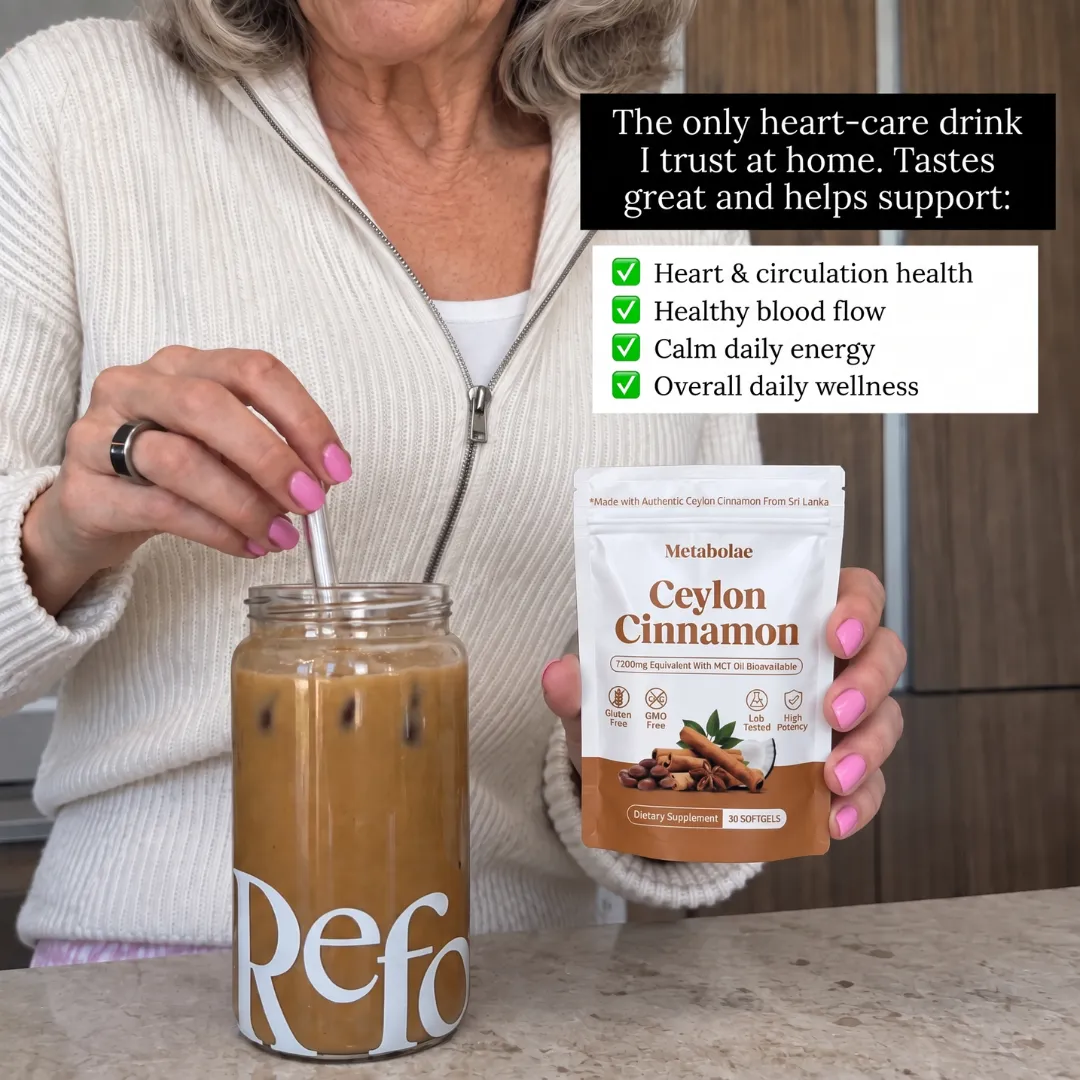
Ceylon Cinnamon 7200mg Equivalent with MCT Oil
Dr. Benjamin Harrington
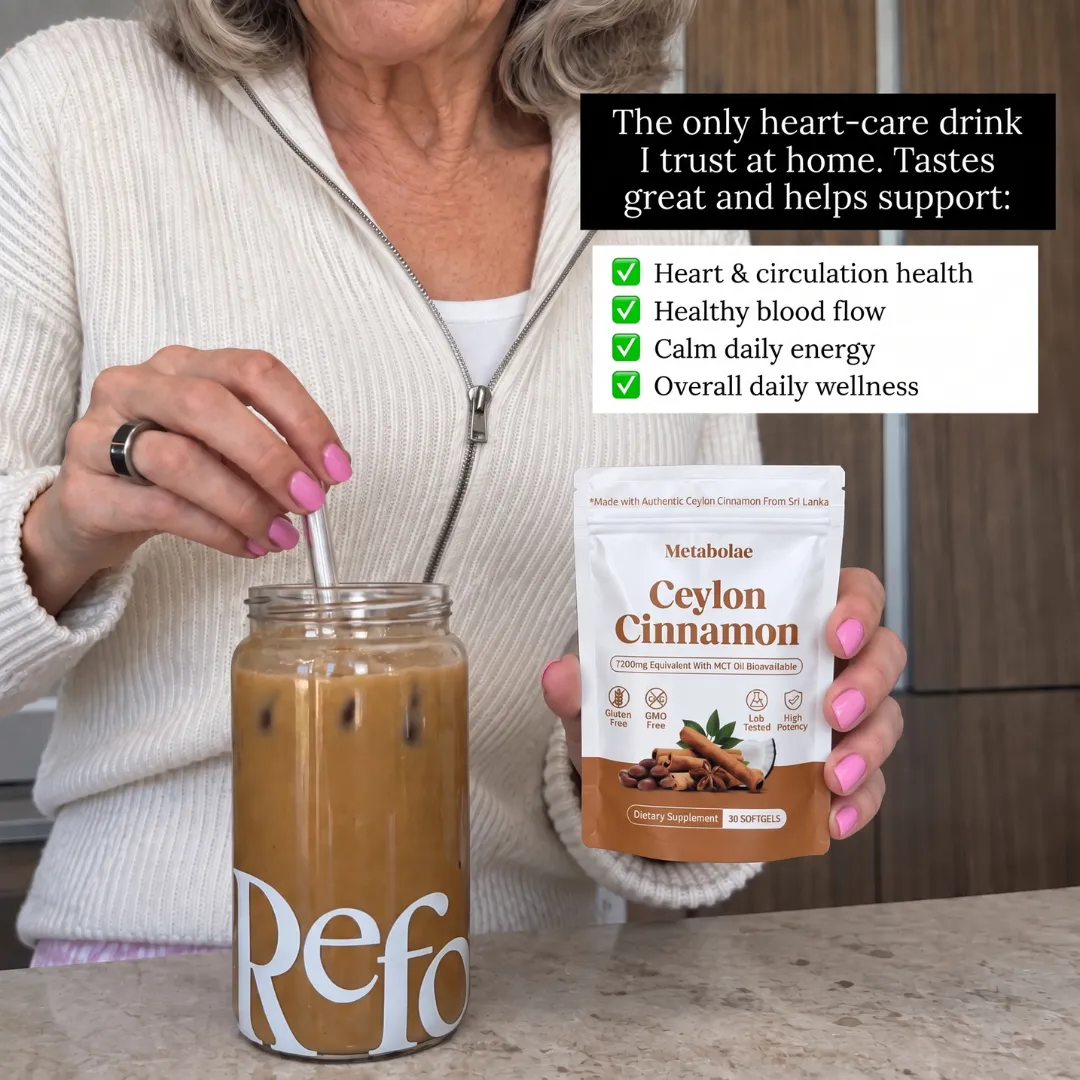
Ceylon Cinnamon 7200mg Equivalent with MCT Oil
Dr. Benjamin Harrington
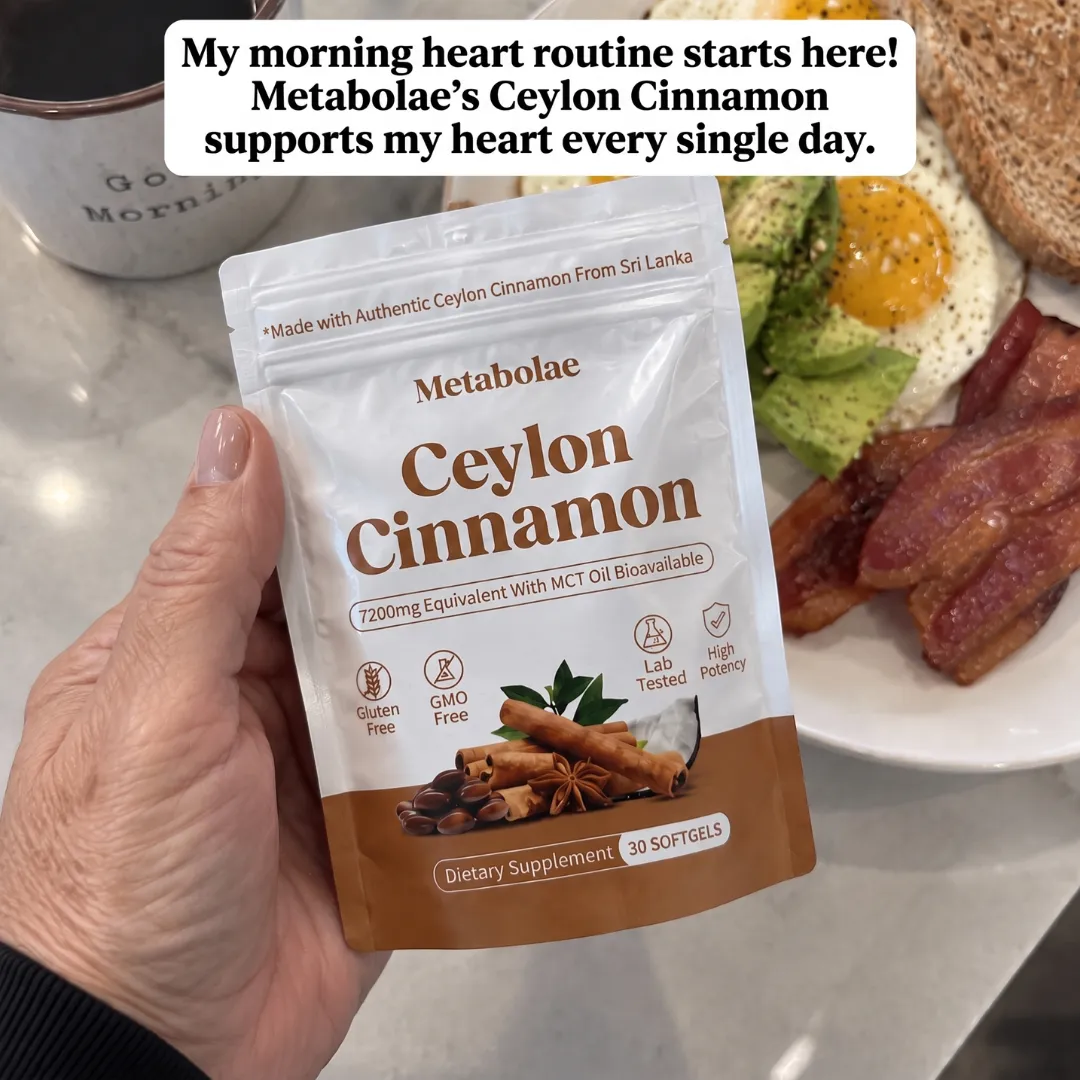
Ceylon Cinnamon 7200mg Equivalent with MCT Oil
Dr. Benjamin Harrington
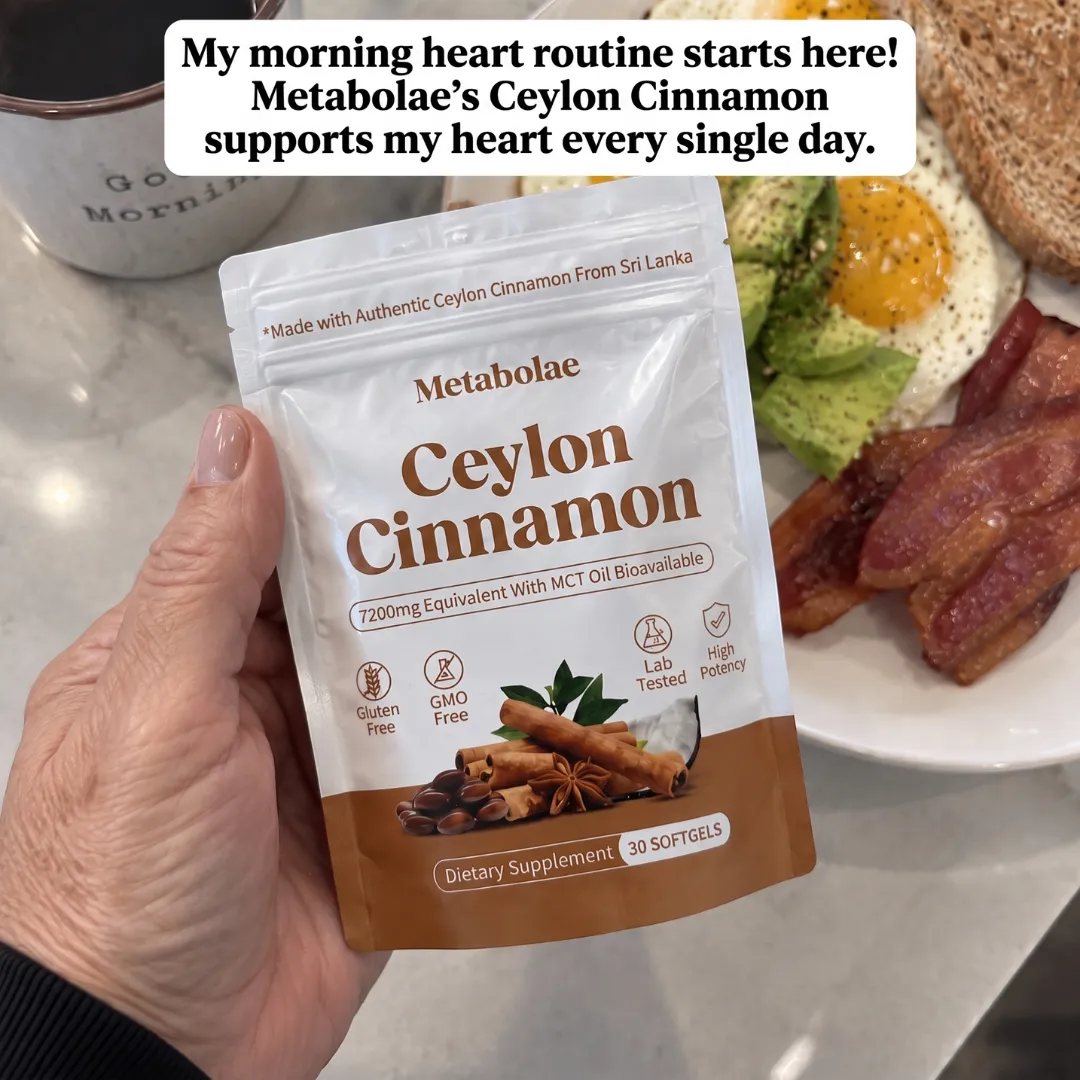
Ceylon Cinnamon 7200mg Equivalent with MCT Oil
Dr. Benjamin Harrington
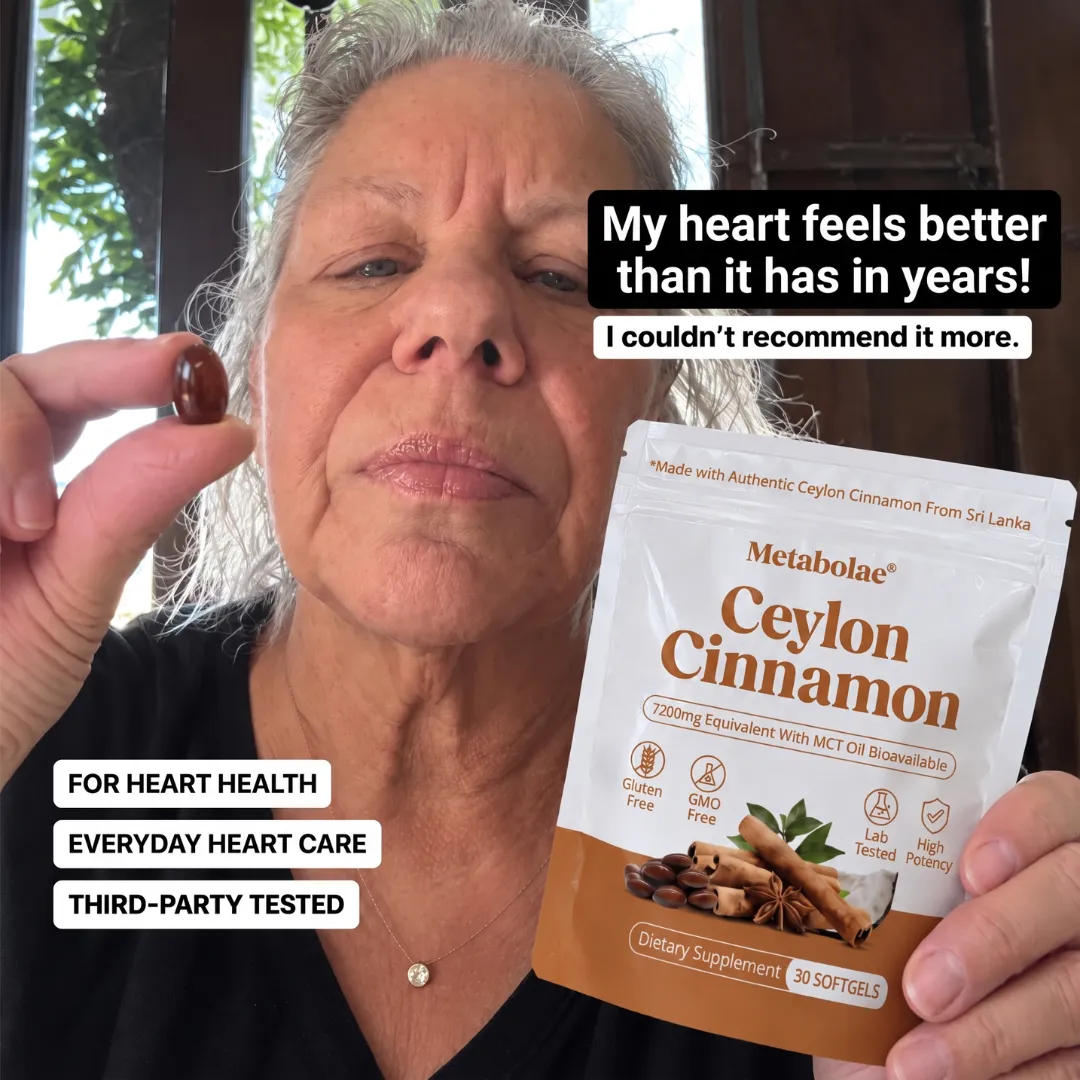
Ceylon Cinnamon 7200mg Equivalent with MCT Oil
Dr. Benjamin Harrington
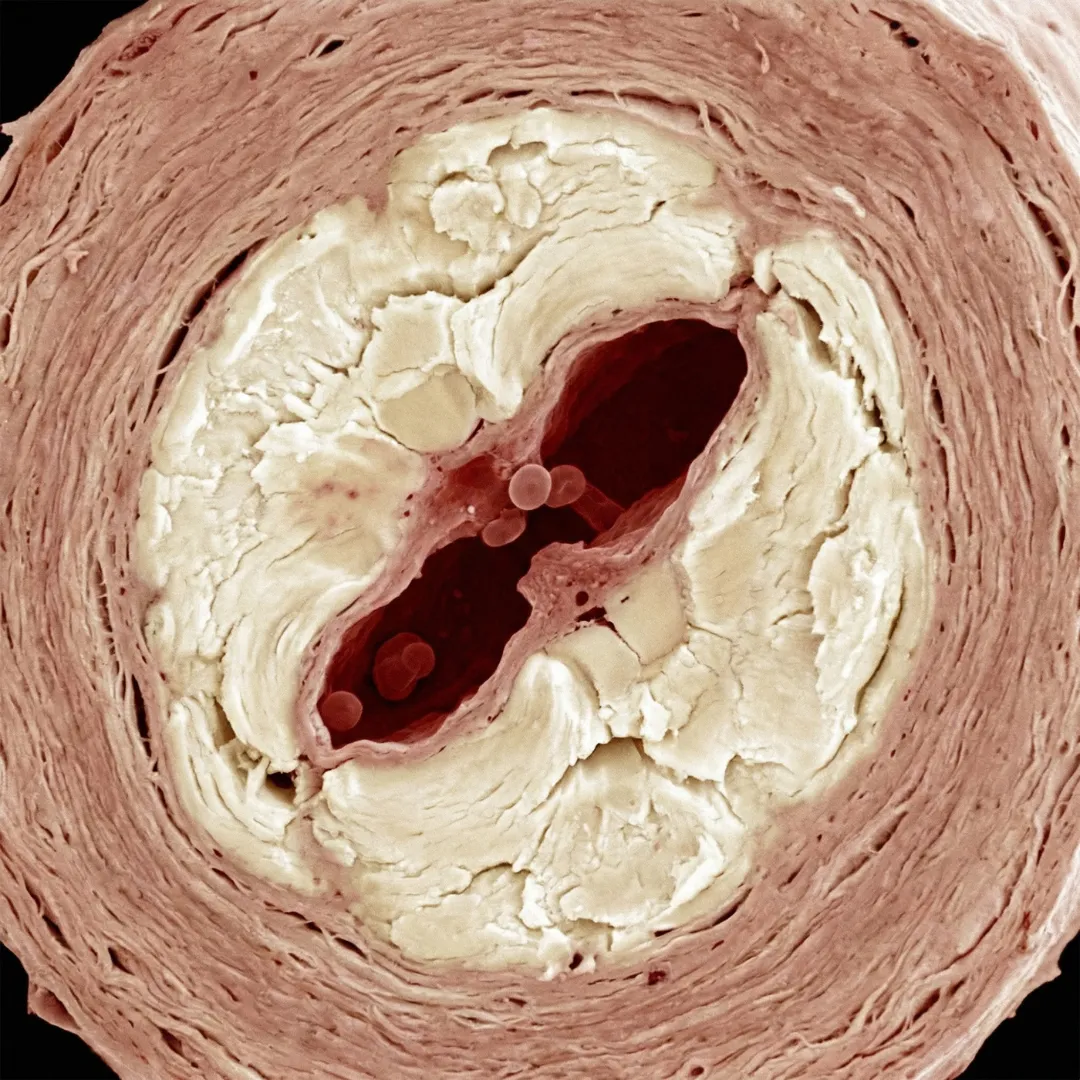
Ceylon Cinnamon 7200mg Equivalent with MCT Oil
Dr. Benjamin Harrington
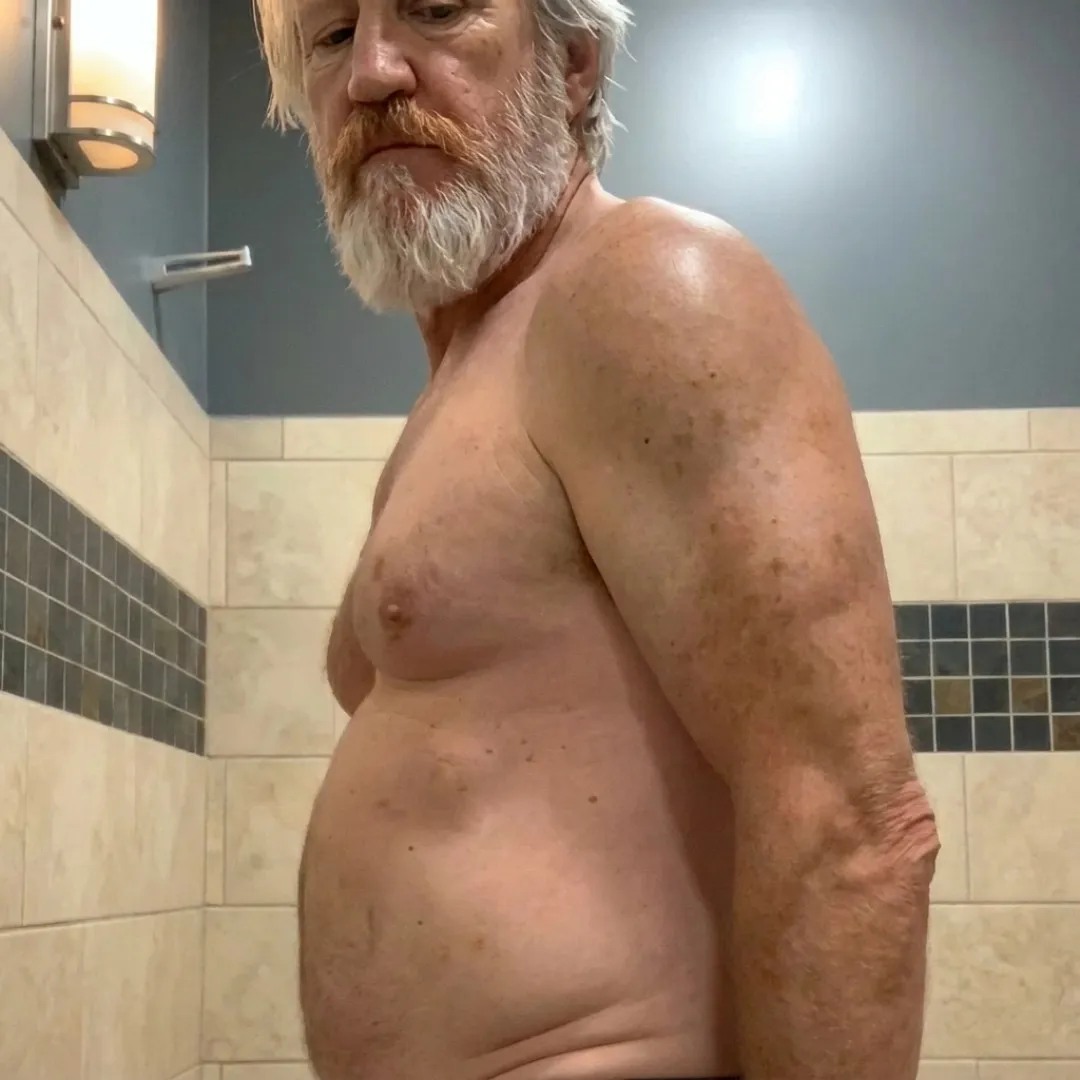
Ceylon Cinnamon 7200mg Equivalent with MCT Oil
Dr. Benjamin Harrington

Ceylon Cinnamon 7200mg Equivalent with MCT Oil
Dr. Benjamin Harrington

Ceylon Cinnamon 7200mg Equivalent with MCT Oil
Dr. Benjamin Harrington

 Add to Chrome