Ceylon Cinnamon 7200mg Equivalent with MCT Oil
Ad Copy
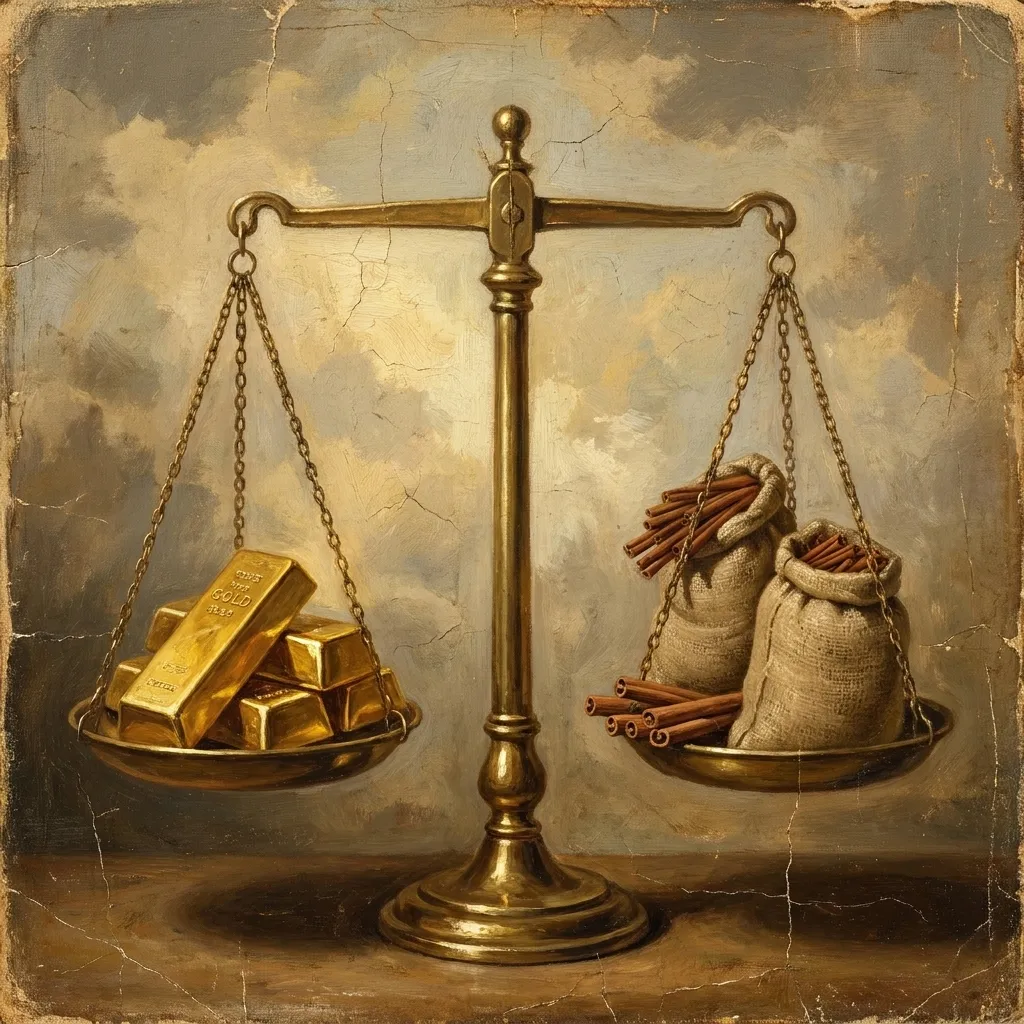
For centuries, cinnamon was one of the world's most prized spices. Today, it's found in almost every grocery store. But here's what most people don't know: the cinnamon in your kitchen and the Ceylon cinnamon being studied for its potential cardiovascular benefits aren't necessarily the same species. I'm Dr. Benjamin Harrington. I spent 34 years as a medical historian at Johns Hopkins, specializing in ancient pharmacology—the medicines people used long before modern pharmaceuticals existed. My research has taken me deep into the history of cinnamon and how it was traditionally used long before modern medicine began studying its potential effects on cardiovascular health. Three years ago, I stopped being a historian and became a patient. Blood pressure: 140/112. My physician said the words I'd been hearing my colleagues dread for years. We need to start you on blood pressure medication. I nodded. Took the prescription. Filled it at the pharmacy downstairs. And left it in my desk drawer for three months. Not because I'm reckless. Not because I'm in denial. But because I've spent my entire career studying what medicine looked like before we industrialized it—and I believed there was still something worth learning from the historical use of medicinal plants. I'd written two books on ancient trade routes and medicinal compounds. I'd translated Arabic medical texts from the 10th century. I'd traced the movement of healing plants across empires. And I knew something most doctors don't. Cinnamon wasn't always just a spice. It was a medicine. One of the most valuable substances on earth for over 2,000 years. In the 1500s, Portuguese soldiers burned entire villages in Sri Lanka to control the cinnamon trade. The Dutch East India Company made it a capital offense to sell a single stick outside their supply chain. Men were executed for bark. Physicians used it to treat plagues. It was currency, medicine, and myth rolled into one. Kings didn't sprinkle it on oatmeal. They locked it in vaults. I have a 16th-century Dutch trade manifest in my office. Cinnamon was listed above silver. Above silk. Above everything except gold itself. And when I looked at my blood pressure reading of 140/112, I asked myself the question I'd been asking about ancient medicine my whole career: What did they know that we forgot? So I did what I've done for 34 years. I went back to the sources. Not medical journals. Historical records. I started with Dioscorides—the Greek physician whose De Materia Medica was the foundation of Western pharmacology for 1,500 years. He documented cinnamon's use for what he called disorders of the blood and vital humors. I moved to Ibn Sina—Avicenna—the Persian polymath whose Canon of Medicine described cinnamon among the medicinal substances used in traditional medicine. Blood flow. Circulation. The systems that keep the heart working. Then I found the text that changed everything. A 12th-century Arabic translation of a 6th-century Sinhala medical treatise from Sri Lanka—the island where true cinnamon originated. The physicians described the traditional medicinal uses of cinnamon bark and its preparations. The treatment was cinnamon. Specifically, Ceylon cinnamon. For 1,400 years, this was documented medicine. Then something happened. Demand outgrew supply. Ceylon cinnamon—Cinnamomum verum—only grows in Sri Lanka. Limited land. Slow cultivation. Expensive to harvest. Traders found a shortcut: a cousin species from Southeast Asia. Cassia. Cinnamomum cassia. Looked the same. Smelled close enough. Cost almost nothing to grow. They called it cinnamon and shipped it by the ton. Nobody asked questions. The chemistry wasn't the same—not even close. True Ceylon cinnamon contains a different profile of naturally occurring compounds from Cassia cinnamon. One important difference is coumarin. Ceylon cinnamon naturally contains much lower levels of coumarin than Cassia. Same name. Same familiar spice. But a different chemical composition. And that difference matters when you're looking at what you're actually putting into your body. Cassia contains almost none of it. What Cassia does contain is coumarin—up to 250 times more than Ceylon. Coumarin is hepatotoxic. It damages your liver with daily use. So we replaced a medicine with a toxin, called them the same thing, and filed cinnamon under spice. The ancient physicians knew the difference. The trade companies knew the difference. The men who died protecting those Sri Lankan groves knew the difference. We forgot. I sat in my office until 3 AM reading these texts, looking at my blood pressure reading, and realizing that the answer to my blood pressure problem had been in my own research the entire time. The next morning, I ordered Ceylon cinnamon capsules from Amazon. The dry powder kind. I took two capsules every morning for three weeks. My blood pressure dropped from 140/112 to 138/111. 2 points systolic. 1 point diastolic. Almost nothing. I wasn't surprised. The ancient texts were explicit: cinnamon bark was used in traditional preparations. Different methods. Different ingredients. The same medicinal plant. I'd ignored that detail. I assumed it was ceremonial. It wasn't. It was part of how the preparation was made. Cinnamon contains naturally occurring compounds, including cinnamaldehyde. Modern researchers have been studying these compounds and their potential effects on cardiovascular health. The 12th-century Sinhala physicians understood bioavailability before we had a word for it. So I did what they did. I bought Ceylon cinnamon capsules. I took them every morning. The taste was terrible. Gritty. But I was committed. Day three: I noticed something strange. My usual morning headaches—the ones I often felt around the back of my head—weren't as noticeable. I was just... alert. Steady. Present. Day five: I slept through the night for the first time in two years. No lying awake worrying about my blood pressure. No waking up feeling tense. Just sleep. I checked my blood pressure that morning. 136/108. I checked again. Same reading. I called my wife into the kitchen. Look at this. That's good? That's the lowest number I've seen in eighteen months. Week two: 132/100. Week three: 128/94. Week four: 124/88. I checked it three times. I hadn't seen a reading like that in years. The morning headaches were less noticeable. The dizziness I'd sometimes felt was less frequent. And the fear of what years of hypertension could do to my heart felt less overwhelming. I felt like myself again. Three months later, I walked into my doctor's office with a blood pressure log and a folder of historical medical texts. She looked at my readings for a long time. Your blood pressure has been averaging 118/78. Yes. That's down from 140/112. Yes. She looked up. What did you do? I started taking Ceylon cinnamon. Her face tightened. I used the real species—Cinnamomum verum. The same preparation documented in medical texts from the 6th century. The mechanism has been validated in clinical trials for 40 years. I brought the studies. I handed her a folder with eight published papers and my translation of the Sinhala treatise. She read for ten minutes. Closed the folder. Your blood pressure readings have improved. They're now averaging 118/78. I know. She sat back in her chair. Keep doing whatever you're doing. That was nine months ago. My blood pressure readings have consistently averaged in the 100s over the 70s. My doctor says my readings are much better than when I first came in. I sleep through every single night. The fatigue is less noticeable. The constant worry about my blood pressure is gone. The fear of what years of hypertension could do to my heart feels less overwhelming. I found what the ancient physicians knew. What the empires fought wars over. What we lost when we replaced medicine with sawdust and called it the same thing. And then I found something better than preparing cinnamon powder every morning. A company called Metabolae had already figured it out. True Ceylon cinnamon. Cinnamomum verum, sourced from Sri Lanka—DNA verified, not just labeled. 7,200mg equivalent per softgel. A 12:1 concentrated extract. The clinical dose that corresponds to the ancient preparations—not a token amount. Made with MCT oil as part of the softgel formulation. Third-party tested. Every batch verified for purity and coumarin levels—because Cassia, the impostor that replaced Ceylon, contains up to 250 times more coumarin and can damage your liver with daily use. One softgel. Once a day. No gritty powder. No measuring. No guessing. The same compound. The same mechanism. The same medicine that kings locked in vaults and empires went to war over—but optimized for modern delivery. I've told five colleagues about this. Three were dealing with high blood pressure. Two had been managing hypertension for years. All five came back with the same story. Better sleep within the first week. More stable energy. Lower blood pressure readings over the following weeks. One colleague—a fellow historian, 62 years old, with blood pressure readings around 165/112—reported readings of 136/96 six weeks later. He called me and said, Why doesn't anyone know about this? I told him the truth. Because we forgot. Because we substituted. Because we filed one of the most valuable medicinal plants in human history under spice and stopped paying attention to its potential role in cardiovascular health. Here's what I want you to understand. The ancient physicians documented cinnamon's traditional uses. Modern researchers have investigated its compounds and their potential effects on cardiovascular health. But you have to get it right. True Ceylon—not Cassia. Clinical dose—not 500mg token amounts. Third-party tested—not mystery capsules from unknown sources. That's Metabolae. Cinnamon used to be worth more than gold because people understood its medicinal value. Then we forgot. Then we substituted it. Then we filed it under spice and moved on. The original still grows in Sri Lanka. Still contains its unique profile of naturally occurring compounds. Still carries the history that made it valuable when kings locked it in vaults and physicians used it in traditional medicine. You just can't find it at Costco. But you can find it in Metabolae. Tap below. 90 days risk-free. See what makes true Ceylon cinnamon different from the cheaper alternatives that replaced it. ~ Dr. Benjamin Harrington, PhD, Medical History, Johns Hopkins University, 34 years P.S. A few things I wish I'd known before I started: 1. Don't waste money on cheap cinnamon capsules. I tried them first. My blood pressure readings barely changed after three weeks. Not all cinnamon products are the same. The ancient physicians documented this 1,400 years ago—I just had to learn it myself. 2. Most cinnamon supplements are Cassia, not Ceylon. Different species. Cassia can contain substantially more coumarin than Ceylon. High, prolonged coumarin exposure can damage the liver. If the label doesn't specify Ceylon (Cinnamomum verum), check exactly which species you're buying. 3. Timeline: Morning headaches become less noticeable—usually within the first week. Energy stabilizes around week two. Blood pressure changes become noticeable over weeks 2–4. Overall well-being improves over weeks 8–12. 4. Metabolae offers a money-back guarantee. If your numbers don't improve, you pay nothing. 5. They sell out regularly. Small company, growing fast. If it's in stock, I'd order now. If you're dealing with: Blood pressure readings that stay elevated Headaches or dizziness that keep coming back Constant worry about what high blood pressure is doing to your heart Fear of heart failure, heart attack, or stroke Concern about needing more medication as your condition progresses The cinnamon that empires went to war over still exists. Its traditional uses are still documented. And the difference between true Ceylon and cheaper cinnamon alternatives still matters. We just forgot. Then we substituted it. Then we moved on. Metabolae is made with true Ceylon cinnamon. Metabolae is the original. The one they fought wars over. The one your cells still recognize. Tap below. Try it for 90 days. See what happens when you stop settling for sawdust and start taking the bark that built empires.
More from Dr. Benjamin Harrington
Ceylon Cinnamon 7200mg Equivalent with MCT Oil
Dr. Benjamin Harrington
Ceylon Cinnamon 7200mg Equivalent with MCT Oil
Dr. Benjamin Harrington
Ceylon Cinnamon 7200mg Equivalent with MCT Oil
Dr. Benjamin Harrington
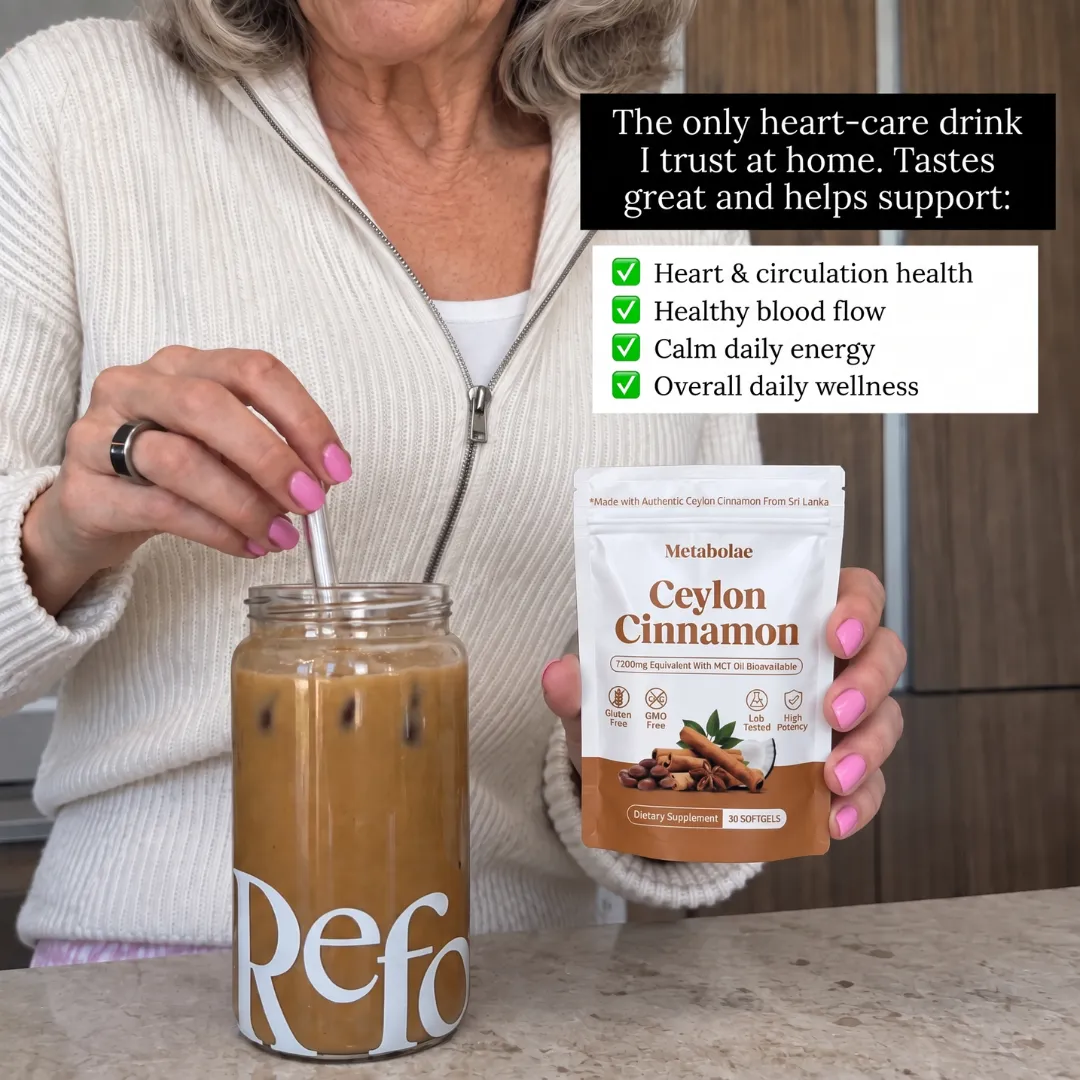
Ceylon Cinnamon 7200mg Equivalent with MCT Oil
Dr. Benjamin Harrington
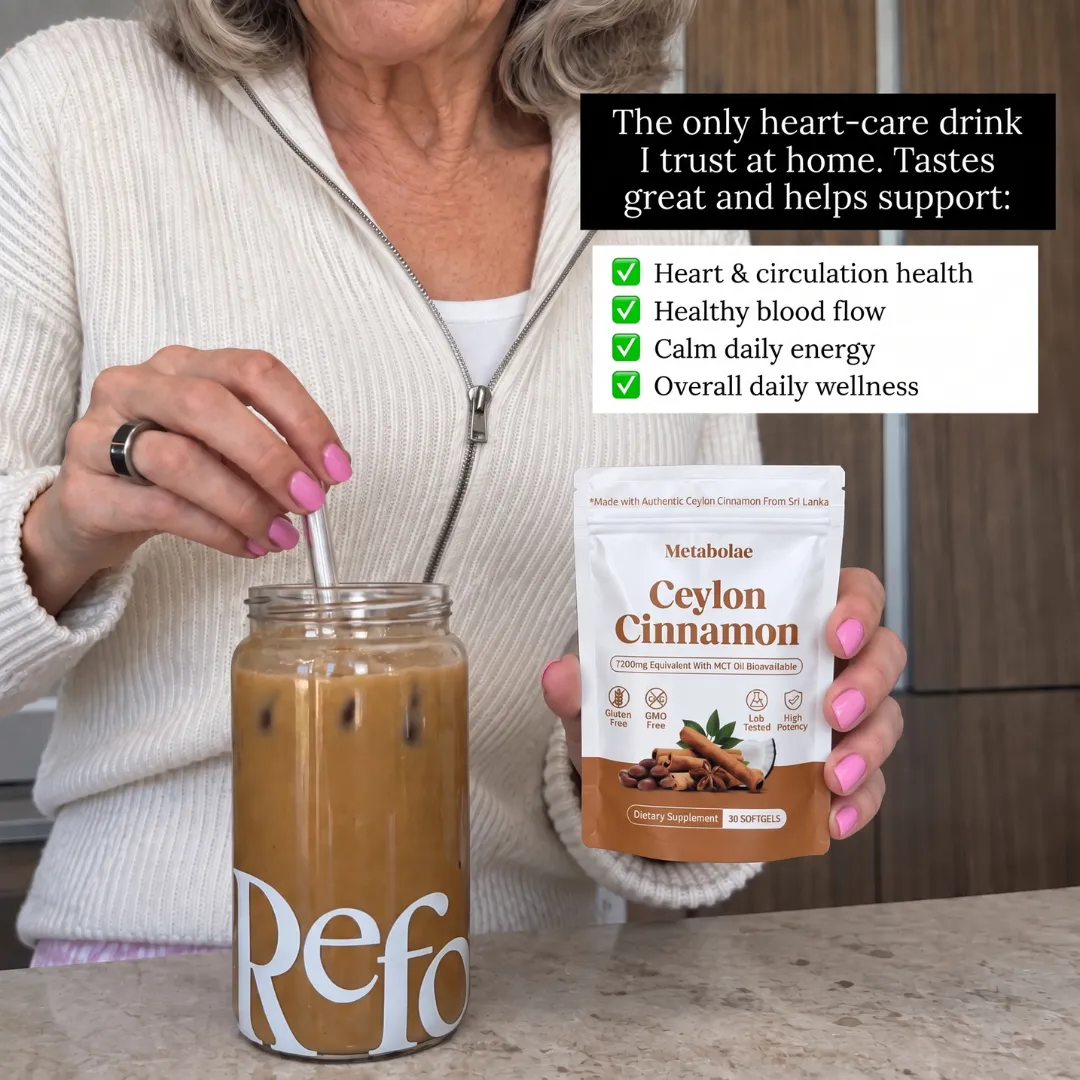
Ceylon Cinnamon 7200mg Equivalent with MCT Oil
Dr. Benjamin Harrington
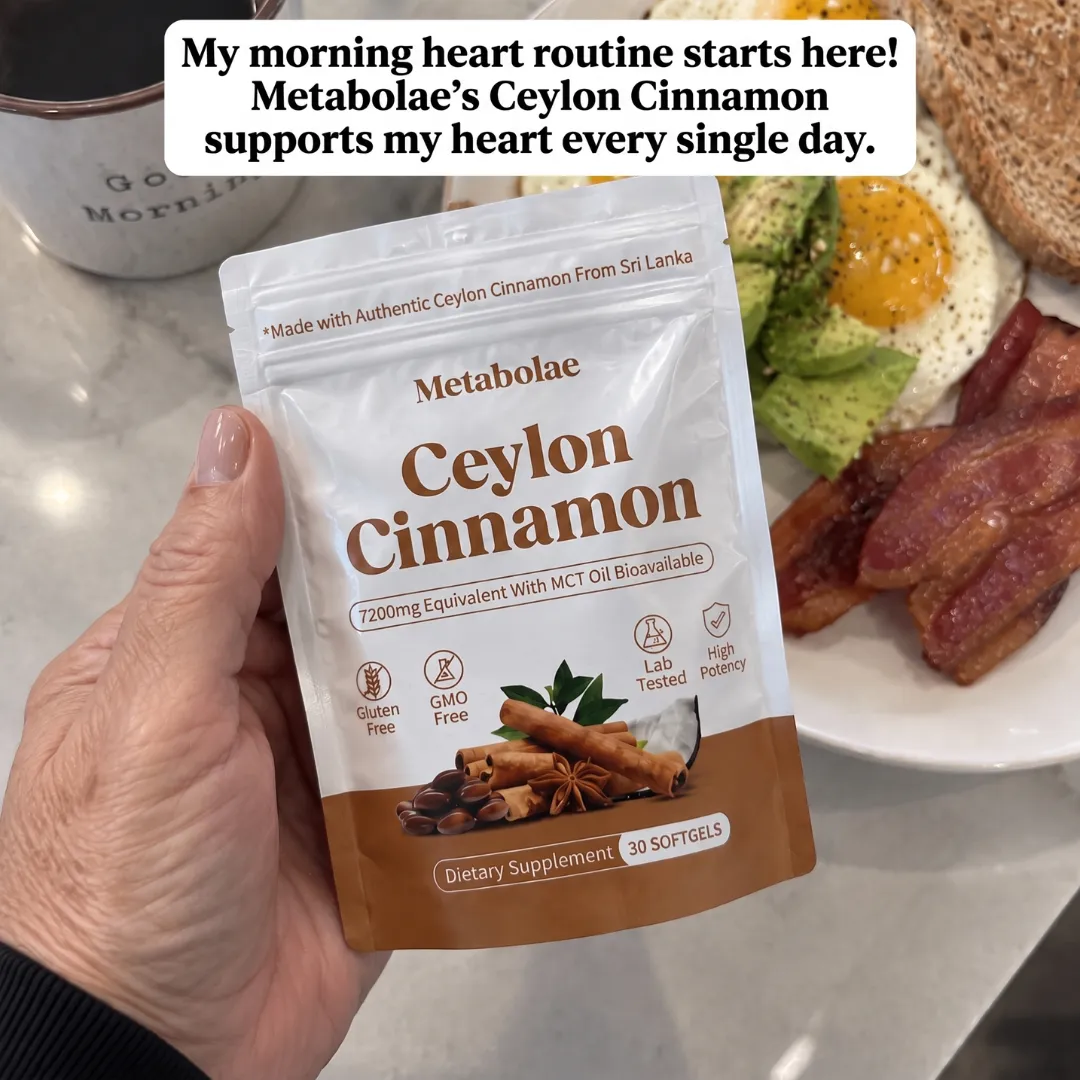
Ceylon Cinnamon 7200mg Equivalent with MCT Oil
Dr. Benjamin Harrington
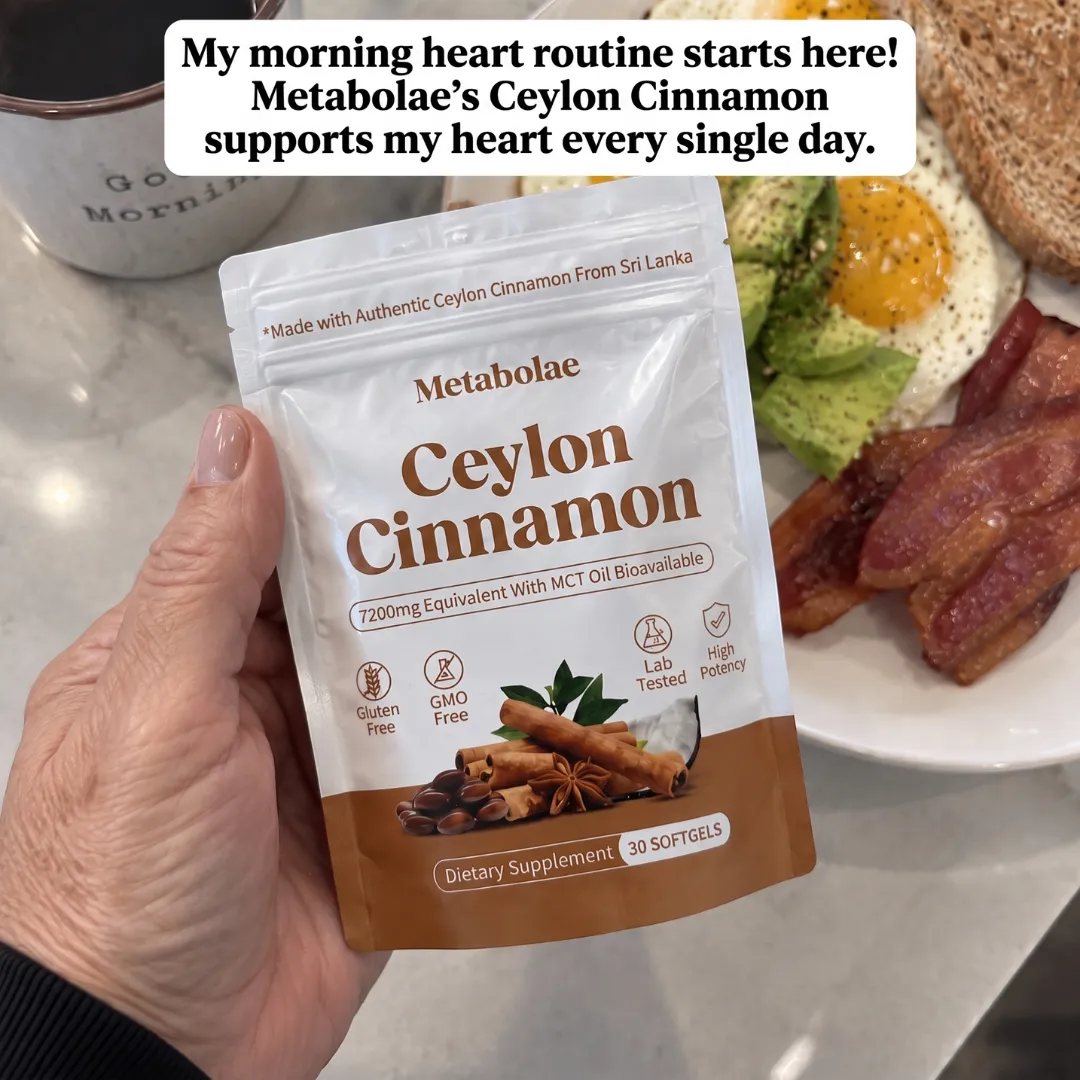
Ceylon Cinnamon 7200mg Equivalent with MCT Oil
Dr. Benjamin Harrington
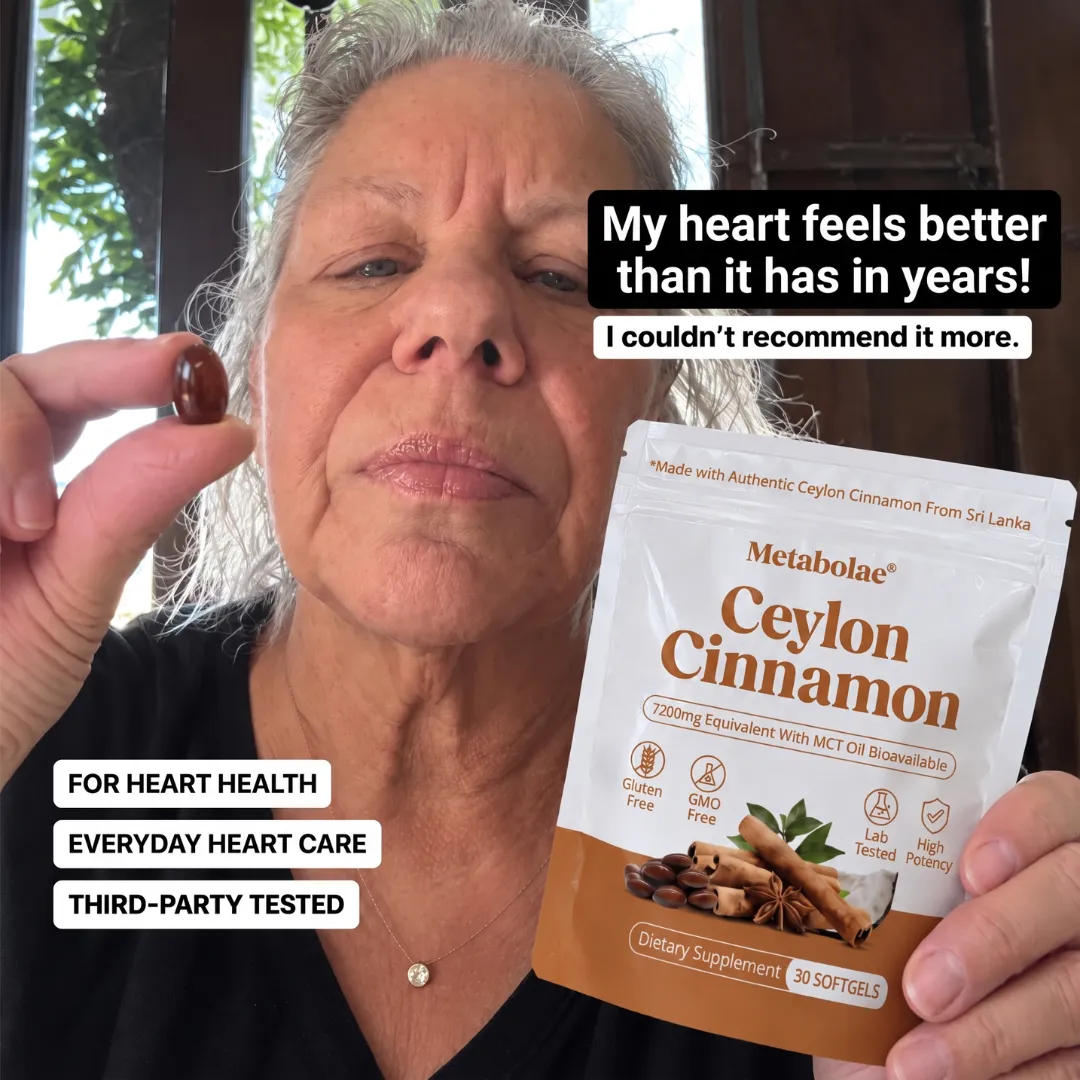
Ceylon Cinnamon 7200mg Equivalent with MCT Oil
Dr. Benjamin Harrington
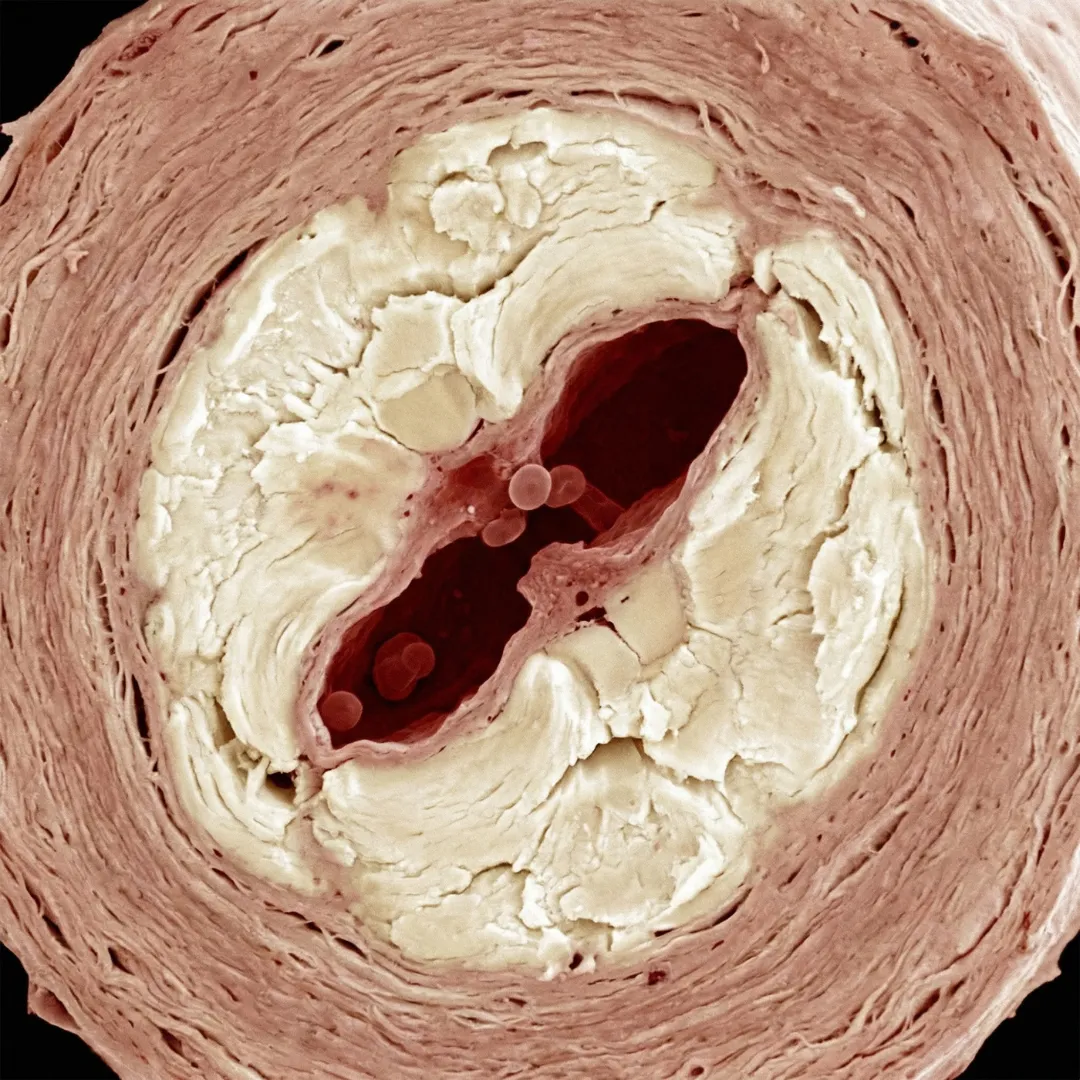
Ceylon Cinnamon 7200mg Equivalent with MCT Oil
Dr. Benjamin Harrington
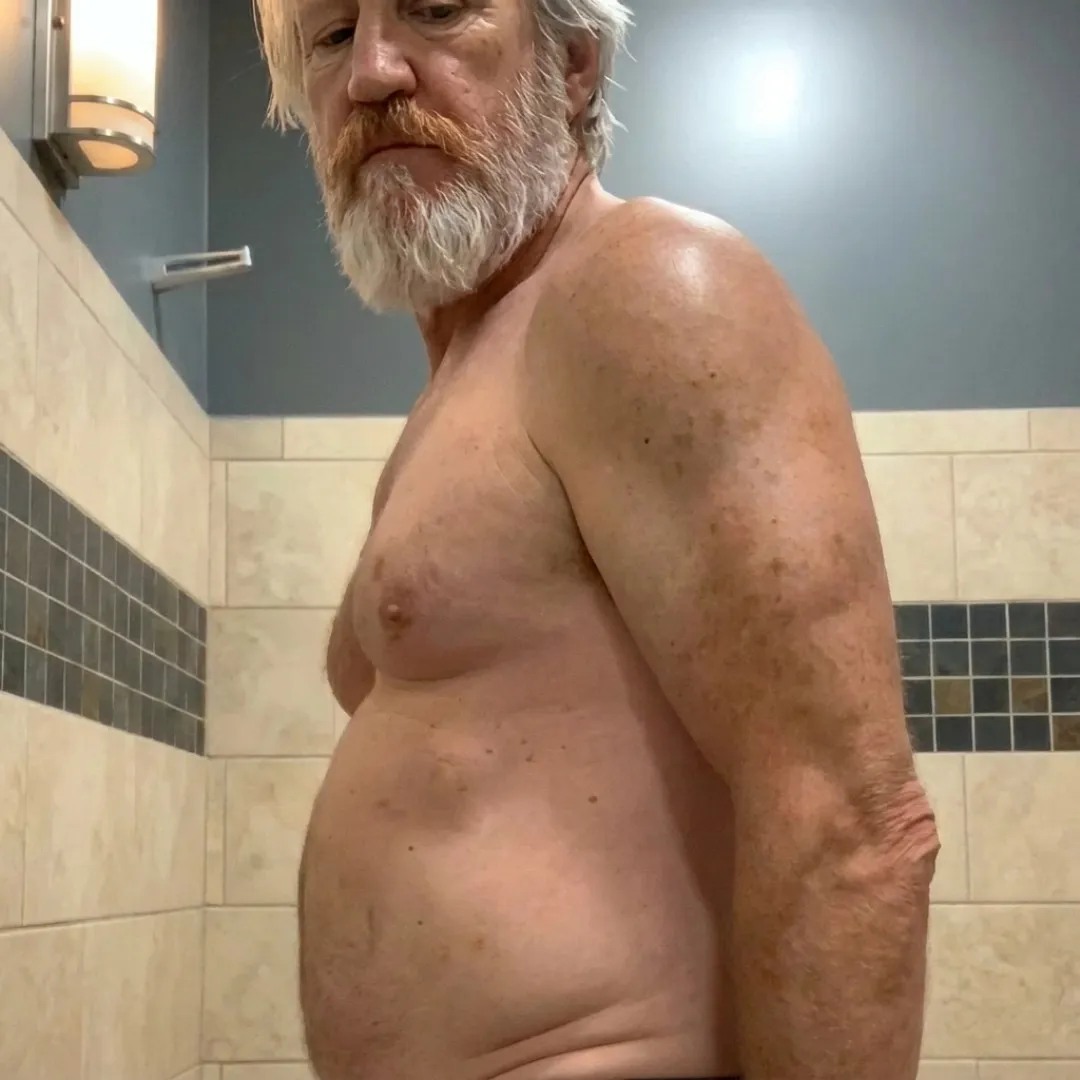
Ceylon Cinnamon 7200mg Equivalent with MCT Oil
Dr. Benjamin Harrington
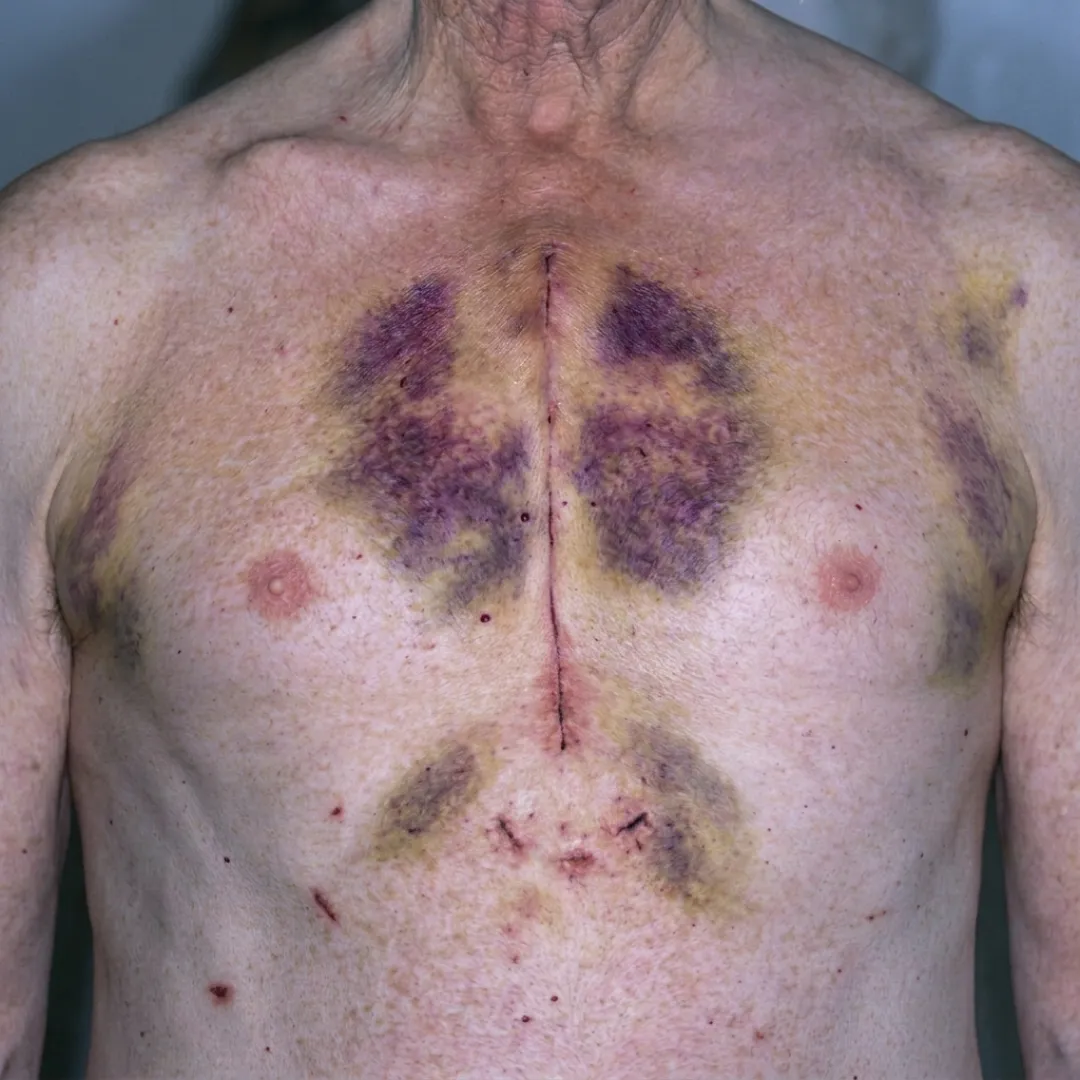
Ceylon Cinnamon 7200mg Equivalent with MCT Oil
Dr. Benjamin Harrington
Ceylon Cinnamon 7200mg Equivalent with MCT Oil
Dr. Benjamin Harrington

 Add to Chrome