Ceylon Cinnamon 7200mg Equivalent with MCT Oil
Ad Copy
I am an interventional hepatologist. I am not the doctor who monitors your numbers over years. I am the doctor called in when the monitoring has run out of road. Patients with type 2 diabetes keep ending up in my office. Elevated liver enzymes. Fatty liver on ultrasound. Already on metformin. Already doing everything they were told. Numbers still moving in the wrong direction. Last year I found out why. At my best friend's bedside. I am writing this because I owe it. Not to a company. Not to a colleague. To every patient I sent home with the same instructions for twenty-two years. Instructions that managed the numbers and never touched the cause. I know what my chief of hepatology will say when she reads this. I know what the pharmaceutical representatives who walk through our department every week will say. I have spent twenty-two years not saying it. I am done. If your liver numbers are elevated and you have been told to simply watch them, please read this. My name is Dr. Benjamin Harrington. Fifty-nine years old. Twenty-two years as an interventional hepatologist in Houston. Gary was my patient, but more importantly, he was my friend. For thirty-one years we watched football together every Sunday. On July 8, 2024, he stopped drinking. He poured every can in his garage fridge down the drain. He did everything his doctor told him to do. 103 days later, at 4:09 a.m., I watched my best friend die of liver failure. He was 61 years old. He was also type 2 diabetic. Nine years on metformin. A1C sitting at 7.1 at his last quarterly check. His endocrinologist called it controlled. I want to tell you what that word costs. I chose this specialty because of a woman named Ruth Allman. She was 54. Retired schoolteacher from Beaumont, Texas. Type 2 diabetic for eleven years. Her A1C was 6.8. Her doctor told her at every visit that her numbers were managed. She lost twenty-two pounds. Walked every morning before the Texas heat came up. Cut the refined carbs. Took a liver supplement her doctor said he was not against. She did everything right. Her husband found her at the kitchen table on a Friday morning in November. She had not woken up. She was 54 years old. Eleven years of doing everything right. An A1C of 6.8 at her last draw. The chart said she was on track. The ultrasound I reviewed three days later told a different story. Fatty liver that had progressed silently to cirrhosis under a protocol that never once asked what had been causing the fat to build in the first place. Her husband sat across from me and asked me why. I was thirty-seven years old. Five years into my fellowship. I had been told, not in writing, never in writing, just understood, that my job was to manage the disease in front of me. Not to question what led to it. I told him I was sorry for his loss. I signed the paperwork as written. And I started a notebook. Not for anyone else. For me. Because I could not carry what I had seen without putting it somewhere. Twelve years later, I opened a file that made me close my office door and sit down. His name was Thomas Webb. 49 years old. Construction project manager from Clear Lake City. Eight years on metformin. His endocrinologist had added Ozempic two years earlier when his A1C hit 7.6. He lost thirty-one pounds on the injection. His numbers looked better than they ever had. His endocrinologist told him, at his last quarterly check, that his numbers were the best they had been since they started following him. Thomas collapsed at a job site in Pasadena, Texas on a Thursday morning. By the time his crew called 911, he was unconscious. His bilirubin on admission was 6.9. His ALT was 612. He never recovered. When I reviewed his imaging, I understood something that took me a week to sit with. The protocol had evolved. The medications were newer. His A1C looked better than Ruth's ever had. The liver on the imaging was in worse shape than a woman who had never received any of the newer treatments at all. The number came down. The disease kept building. Nobody was watching the disease. They were watching the number. I added a column to the notebook that night. What he had been on. Metformin. Ozempic. And in what combination. By the time Gary died, that notebook had 847 entries. 847 families who shook my hand, trusted my protocol, and never heard what I was actually thinking when I signed the paperwork. That is what I carried for twenty-two years. Here is where it stopped being something I carried and became something I could not live with. Gary. We had been friends since our residencies. Thirty-one years of Sunday football, barbecues in his backyard in Sugar Land, bad bets on bad teams. He was 61 years old. Type 2 diabetic since he was 52. On metformin twice a day for nine years. A1C sitting between 6.8 and 7.1 the whole time. His endocrinologist called it managed at every visit. Then his annual bloodwork came back elevated. ALT of 168. AST of 154. He called me the same afternoon. "Ben," he said. "My doctor says it's my liver." I was his best friend. I had been tracking cases exactly like his for fifteen years. And I told him what his doctor had already told him. Stop drinking. Lose the weight. Cut the refined carbs. We'll retest in three months. He poured out the garage fridge that night. He FaceTimed me while he did it. I listened to every can going down the drain. "That's it," he said. "I'm done." And he was. Three months without a single drink. Twenty pounds gone. He walked the dog every morning before his shift. Cut the bread. Cut the pasta. We watched every game at his house that fall. Same couch. Same channel. Him with his water. Me with everything I had not said. His follow-up labs came back in October. ALT: 159. AST: 148. Three months without a drop. Three months of salads and walking and his metformin twice a day. His numbers had barely moved. His doctor told him what I had told 847 patients before Gary. The liver heals slowly. Give it more time. Keep doing what you're doing. Retest in six months. Gary called me that night. His voice sounded different. "Ben. I gave up everything. And it didn't work." I told him to give it time. The protocol was right. He just needed to let it work. He said, "Okay." He kept walking. He kept eating the salads. He kept taking his metformin. Two days after those labs came back, he woke at 2am with a pain in his right side that dropped him to the bathroom floor. Jackie drove him to Memorial Hermann. She texted me from the parking garage at 4am. I was there by 5:30. His bilirubin was 8.2. His ALT had climbed from 159 to 847. In two days. I followed his chart into the ICU. Day six, he was clear for a couple of hours in the morning. He asked me if I had caught the game on Sunday. I told him I hadn't been watching. He nodded like that made sense. Day seven, he asked me twice in twenty minutes whether his granddaughter was coming to visit. She had been there that morning. Seven years old. She had fallen asleep in the chair beside his bed. Day nine, his kidneys began to fail. Day eleven, there was nothing left to try. At 4:09 a.m. on a Saturday morning in October, the monitor at his bedside went flat. Jackie was holding his hand. I was standing at the foot of the bed. I drove home at 6am. I sat at my kitchen table in the dark. I did not move. My best friend was gone. And I had been, for nine years, one of the doctors managing his disease. Here is what took me months to say out loud. Gary did not die because he failed the protocol. Gary died because the protocol failed him. The standard of care does several real things. It manages the A1C. It slows the blood sugar rise after meals. When I prescribed metformin to 847 patients, I was not lying to them. But there is one thing the entire protocol never does. It does not clear the fat already trapped inside the liver cells. Not the metformin. Not the GLP-1 drugs. Not the insulin. Not the low-carb diet. Not the milk thistle I mentioned to patients who asked about supplements. The fat that had been accumulating inside Gary's liver cells since his early forties, one blood sugar spike at a time, was still there. Every morning after every pill. Every follow-up after every blood draw. Still there. Still building. I had been prescribing to the numbers for twenty-two years. I had never once prescribed to the fat. Then four months after Gary's funeral, my own annual labs came back. I had been type 2 diabetic for eleven years. Already on metformin twice a day. My endocrinologist had added long-acting insulin six months earlier because my fasting glucose had been rising slowly for two years despite everything. My A1C was 7.2. Managed. My ALT came back at 74. My AST at 68. Both elevated for the first time. I ordered my own ultrasound without telling anyone in my department. Moderate fatty liver. Early changes consistent with stage F1 fibrosis. I sat in my own office reading that report. I thought about Gary asking me if I had caught the game. Then I started paying attention to things I had been walking past for months. The heaviness after every meal that had nothing to do with how much I had eaten. The ache that sat under my right ribs after dinner and would not leave for two hours. The wall of fatigue that hit every afternoon around three. The dry red rash that crept up my forearms every November and disappeared by April, the kind that looks like nothing worth mentioning. And the fasting glucose reading I checked every morning that kept creeping upward despite the insulin I was already injecting each night. I followed my own protocol. Cut the carbs harder. Added a fourth mile to my walk. Picked up the high-potency milk thistle from the pharmacy, 1,000mg, silymarin extract. Took it every morning alongside everything else and told myself I was doing everything right. Three months later, my ALT was 79. My AST was 72. Up from where I started. I sat at the kitchen table where I had sat the morning after Gary's funeral. And I finally stopped lying to myself about what the protocol was actually doing. I went into my study that night and did not come out until 3am. Studies out of Japan, Taiwan, and Germany that had never come across my desk during fellowship. Research on the actual mechanism of hepatic fat accumulation in insulin-resistant patients. What the fat already trapped inside the cells does when the incoming sugar is finally stopped. The answer, in every paper, was the same. Nothing. You slow the new fat from arriving. The fat already in the cells does not move. The cell's insulin receptors are still blunted. The liver's ability to clear stored fat is still compromised. The scarring keeps building on a foundation that the metformin was never designed to reach. Then I found a thread on a metabolic health forum. Four thousand comments. The title: "Why does my Sri Lankan grandmother not have fatty liver despite eating rice and coconut oil at every single meal?" I almost kept scrolling. The post was from a woman in New Jersey. Her grandmother had come from Sri Lanka in the 1960s. At 79 years old, perfect liver enzyme panels, no fatty liver on any imaging, no history of diabetes, in a family that had eaten carbohydrate-heavy food every day of their lives. Comment after comment. Studies. Family histories. Cinnamon. True Ceylon cinnamon. The specific tree that grows in Sri Lanka. Used in their traditional medicine for over a thousand years. Then a name. Kumari. A woman in central New Jersey who had reportedly helped several people in the thread address elevated liver enzymes alongside dietary changes. I looked at the clock. 3:14 a.m. I was in my car by 6am. I was in New Jersey by noon. I found the house the way the thread described. Set back from the road. A garden with plants I did not recognize. A small tree by the front step I had never seen in any yard in Texas. An older woman was on the porch. Late seventies. Small. Alert in the way people are when they have spent a long time paying close attention. I walked up and said what I had been rehearsing since I read that thread. "I am an interventional hepatologist from Houston. My best friend died of liver failure three months ago. He was type 2 diabetic. He did everything I told him to do. His numbers were managed. He died anyway. And now I am watching my own numbers do what his did. I read a thread online. Your name was in it. I flew up from Houston to find you." She looked at me for a moment. "You came here for a reason. Come inside." Her kitchen smelled like cinnamon and cardamom. She put tea on the table without asking. Pulled out a chair. "Tell me about your friend," she said. I told her everything. Gary's nine years on metformin. His A1C sitting at managed while his liver silently built up. The 103 days of doing everything right. The numbers that never came down. The ICU. The eyes that went yellow on day two. The 4:09 a.m. Then I told her about myself. The rising ALT despite cutting carbs. The ache under my right ribs. The November rash. The three o'clock wall. The insulin I had started injecting because my fasting glucose would not stay down on metformin alone. She listened without interrupting. When I finished, she was quiet for a moment. "His protocol was fighting the wrong battle," she said. I waited. "The metformin helps insulin knock on the door. It never opens the door. The blood sugar after every meal still has nowhere to go but the liver, which converts it into fat and stores it inside the cells. By the time your friend was sixty, those cells had been filling since his thirties. Cutting the carbs at sixty slows the incoming. It does not move twenty years of fat that is already in there." "I know there is fat in the liver," I said. "I have been reading imaging reports for twenty-two years." She nodded. "Then you know more than most. But you do not know what the cells were actually doing. Because nobody teaches this part." She folded her hands on the table. "Your friend's ALT measured what was leaking out of damaged cells right now. That is the number his doctors were treating. The fat inside those cells that had been building for twenty years, that number does not exist on any standard lab panel. His protocol never measured it. And it never touched it." She paused. "When the liver is that fat-clogged, three things happen at once. It cannot process new fat coming in. It cannot clear the fat already trapped. And it cannot regulate blood sugar properly anymore. That is why the insulin doses keep increasing. Three failures. Same organ. Same fat." She looked at me steadily. "His doctors were treating three separate problems. The blood sugar. The enzyme numbers. The scarring. It was always one problem. The fat. And nobody treated the fat." She picked up a small piece of cinnamon bark from the bowl beside her. Deep red-brown. Curled like paper. "Every doctor who ever wrote a prescription for metformin and told a patient to cut carbs was following the standard of care. That is what makes it dangerous. The standard of care never treated the disease. It managed the numbers. Year after year. While the fat kept building and the scarring kept spreading." My eyes started to water. "That is what has been happening to your patients for twenty-two years. The fat nobody addressed. Livers taking that damage every single day while their doctors read their panels and told them they were doing everything right." I asked her what actually clears the fat. She smiled. A small smile. "For over a thousand years the people in Sri Lanka have used one plant for it. My grandmother grew it. Her grandmother before her. Generations of Sri Lankan women living into their eighties without fatty liver despite eating rice and coconut at every meal." She walked to a shelf along the wall and pulled down a dark glass jar. Inside, curled pieces of bark. Deep red-brown. Layered like rolled paper. "True Ceylon cinnamon," she said. I told her I had tried cinnamon. Generic capsules from the pharmacy. Nothing happened. She looked at me the way I look at a patient when they describe something that explains everything. "What fills the supplement shelves in every pharmacy and health food store in America is not cinnamon. It is cassia. A cheap tree grown in China. It does nothing for the liver. And it contains a compound called coumarin that damages the liver in daily doses, on top of everything the fat is already doing." She held up the jar. "Real Ceylon cinnamon is a completely different species. Cinnamomum verum. It has two compounds that a liver damaged by insulin resistance actually needs. The first is MHCP. MHCP opens the insulin receptors on the muscle cells. When those receptors open, the blood sugar after every meal has somewhere to go other than the liver. The liver stops getting the signal to convert new sugar into fat. The factory shuts off at the source." She set the jar down. "The second is cinnamaldehyde. The one that gives cinnamon its smell. It reduces the inflammation inside the swollen liver cells that have been carrying that fat for years. It restores the blood flow feeding the liver so the organ can begin to clear the fat trapped inside. As the fat drains, the enzymes come down. The scarring can begin to soften." She looked at me. "Two compounds. One plant. MHCP opens the door. Cinnamaldehyde helps the liver clear what has been building up. That is why the people in my grandmother's village do not have this disease." I asked if the form mattered. "Everything about the form matters. Even real Ceylon at the pharmacy comes in dry powder capsules. These two compounds are fat-soluble. Without an oil to carry them, they pass through the digestive tract and absorb almost nothing. This is why we eat cinnamon with coconut in Sri Lanka. The coconut oil carries the cinnamon into the blood. My grandmother did not understand the biochemistry. She just knew that in her kitchen, coconut and cinnamon belong together." She paused. "There is a company my niece in Boston told me about. They source the real species. DNA-verified Cinnamomum verum from Sri Lanka. Concentrated twelve to one to match the dose in the published research. Suspended in MCT oil, which comes from coconut. The same mechanism my grandmother used in her kitchen, concentrated into a small softgel so both compounds actually reach the bloodstream. Third-party tested per batch. Made in the USA." She wrote the name on a piece of paper and pushed it across the table. Metabolae. I ordered it on the drive back to the airport. The bag arrived four days later. I still had the milk thistle from the pharmacy on the counter. I opened one of the Metabolae softgels over a white saucer. Deep amber MCT oil beaded across the porcelain. The cinnamon suspended in it. Ready to absorb. It smelled like actual cinnamon. The kind that reaches you before you get to the kitchen. The milk thistle next to it left a chalky residue and smelled like nothing. Different things in every way that mattered. I read the documentation that came in the bag. DNA-verified Cinnamomum verum, grown in Sri Lanka. Concentrated twelve to one. Suspended in organic MCT oil so both compounds reach the bloodstream. Third-party tested per batch. Made in the USA. One softgel every morning with breakfast. I took the first one the next morning with my coffee. The first three weeks were quiet. I expected that. What the MHCP does in those weeks happens inside the muscle cells, before the blood sugar stops spiking and the liver stops storing new fat. Week four: The ache under my right ribs after dinner had softened. Not gone. Quieter. Like something that had been leaning on me steadily had shifted its weight. Week six: The three o'clock fatigue I had been walking into every afternoon for two years was not there. I was finishing rounds at six and still had energy when I got home. My wife asked me what had changed. I told her I was figuring something out. Week seven: The dry rash on my forearms that had come back every November for four years had not come. I checked every morning out of habit. Clear. Week nine: My fasting glucose, sitting between 108 and 115 every morning despite the nightly insulin, started coming down. 104. 99. 93. Week twelve: I ran my own labs. ALT: 38. Down from 79. AST: 31. Down from 72. Both improving for the first time in over a year. A1C: 6.0. Down from 7.2. Fasting glucose averaging 91 across two weeks of morning readings. My endocrinologist looked at the panel for a long time. Then at the one from six months earlier. Then back. "Benjamin. Whatever you changed, keep doing it." She reduced my insulin dose by half. Two weeks later I scheduled my own follow-up ultrasound. The report came back while I was between patients. I read it at my desk. Where my February imaging had said moderate fatty liver with early changes consistent with stage F1 fibrosis, the new report said mild fatty liver. The early fibrosis changes had softened. I read it twice. We tell patients in this department something that becomes automatic after enough years. Fibrosis moves in one direction. All we can do is try to slow it down. Mine had gone the other direction. I still cannot explain it in a way that would satisfy a peer review panel. I can only tell you what the imaging said. The fat was coming out of the cells. I went back to Kumari in January. She had the kettle on before I got to the door. I told her the numbers. She nodded the way she had nodded when I described every failed treatment at the beginning. "The numbers your doctors were watching were always the fire alarm," she said. "Not the fire. The metformin kept the alarm from getting too loud. The diet slowed the sparks. Neither of them put the fire out. The fat has to come out of the cells. Everything else is just watching the smoke." I have been an interventional hepatologist for twenty-two years. I had never heard anyone say it that plainly. I think about Gary every Sunday. I watch the game in the same chair I always have. The chair next to mine is empty now. I think about the morning his bloodwork came back. The call I made to him. The standard of care I prescribed to my best friend without once asking whether it was aimed at what was actually building inside his cells. I think about Ruth Allman's husband sitting across from me in my consultation room. Thomas Webb's wife at that nursing station. The 847 entries in my notebook. The families I sent home with the same instructions for twenty-two years. Not one of those instructions was a lie. Every one of them followed the standard of care. And not one of them touched the fat trapped inside the cells that was building the entire time. That is what I have to live with. If you are reading this because your liver numbers came back elevated, or because someone you love is on metformin and their numbers are still climbing despite doing everything right, here is what I need you to understand: The ALT your doctor checks at every visit measures what is leaking out of damaged cells right now. It does not measure the fat that has been building inside those cells for the last twenty or thirty years. Those are two different things. And the one that matters, the trapped fat, the standard protocol was never aimed at it. Cutting carbs slows the incoming. Metformin manages the blood sugar. The milk thistle at the pharmacy shields some of the cells that still work. None of them move the fat already in there. When one stops working they add another. And then a nutritionist referral. And then a follow-up scan in six months. And not one of those steps goes within a mile of the fat trapped in the cells. The only thing that actually helps clear that fat opens the insulin receptors, shuts off the new incoming fat, and lets the liver's own machinery start clearing what has been building for decades. MHCP opens the door. Cinnamaldehyde helps the liver clear the fat and heal. Both compounds. True Ceylon cinnamon. Suspended in MCT oil so they actually absorb. That is what Metabolae makes. DNA-verified Cinnamomum verum from Sri Lanka. Concentrated twelve to one to match the dose in the research. Suspended in organic MCT oil so both compounds reach the bloodstream. Third-party tested per batch. Made in the USA. One softgel every morning with breakfast. That is the whole protocol. 90-day money-back guarantee. If your numbers don't move and your symptoms don't lift, you send it back, empty or full, and every penny comes back. Most of what calls itself cinnamon in the supplement aisle at Target, or on Amazon, is cassia. A completely different plant. Almost none of the active compounds. And a coumarin load that damages the liver on top of everything the fat is already doing. I spent twenty-two years watching what happens when people wait. I documented it in 847 entries in a notebook nobody was ever supposed to read. I am not carrying it anymore. I am fifty-nine years old. I am still seeing patients. And for the first time in twenty-two years, I am telling the truth about what the protocol misses. The fat will not clear on its own. The insulin receptors will not open on their own. I would have told you that six months ago. I would have been wrong. None of it turns around until you stop watching the numbers and start clearing the fat. Stop measuring the fire. Put it out. ~ Dr. Benjamin Harrington Interventional Hepatologist, Houston, Texas P.S. Fake Metabolae softgels are showing up on Amazon and third-party sites right now. The bag looks identical. What is inside is cassia and cheap seed oils instead of real Ceylon and MCT. Cassia does nothing for insulin sensitivity, and the coumarin in cassia stresses the liver with daily use. That is the last thing you need if your liver is already under strain. The only place to get the real product is the official Metabolae page. P.P.S. When your numbers start coming down, do not stop. I have watched this pattern too many times. A patient gets their A1C into a healthy range, decides they are done, and stops. Within three to six months the fasting glucose starts climbing again and they are right back where they started. What I have seen across patients is that six to eight months of consistent daily use is where the real change sets in. That is when the cellular doors start staying open more reliably on their own and the results hold. P.P.P.S. Do not stop your metformin or your insulin the morning your Metabolae bag arrives. Add it to what you are already doing. Keep tracking your numbers. When they improve, let your endocrinologist be the one to adjust your prescriptions. That is the right way to do this, and the only way I would recommend it.
More from Dr. Benjamin Harrington
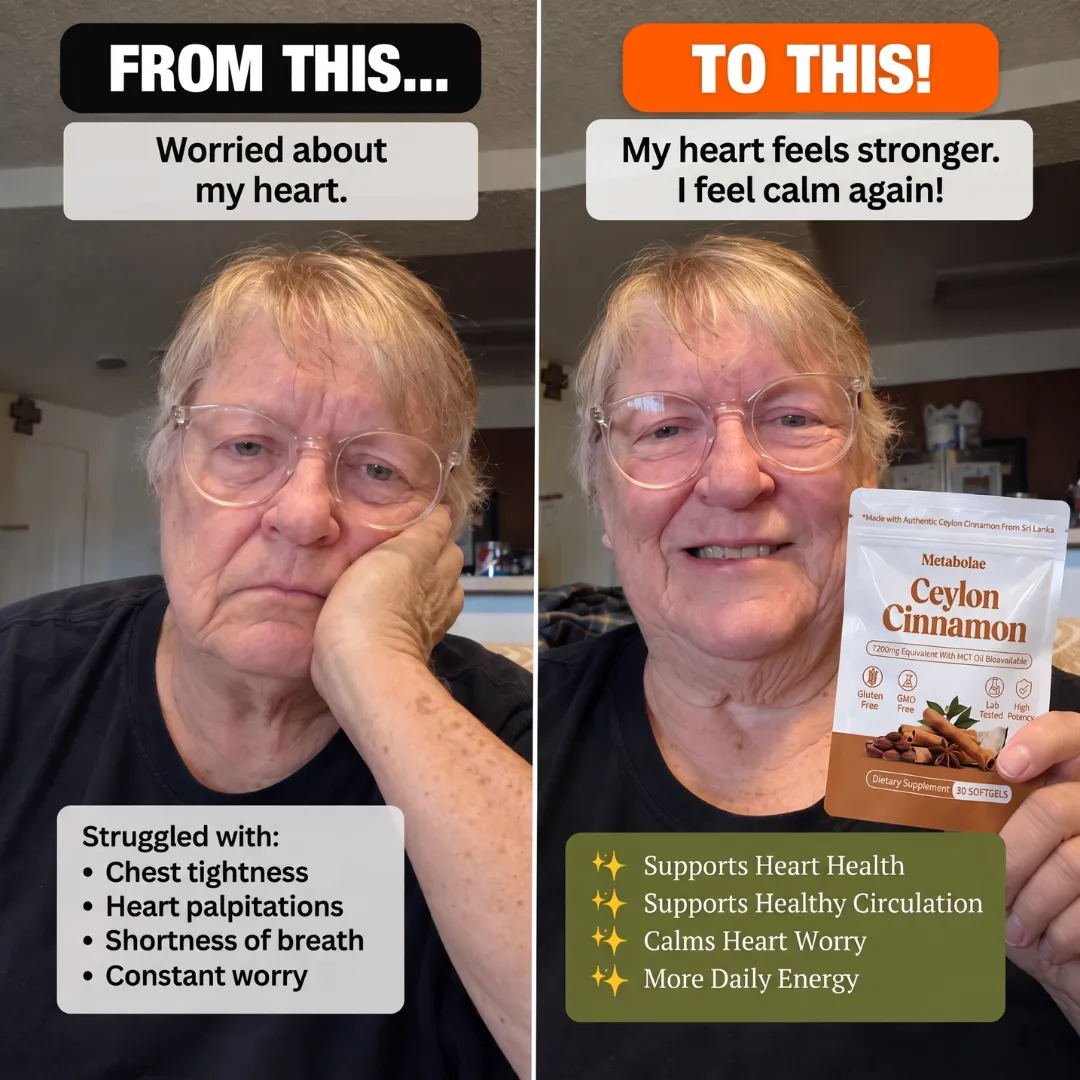
Ceylon Cinnamon 7200mg Equivalent with MCT Oil
Dr. Benjamin Harrington
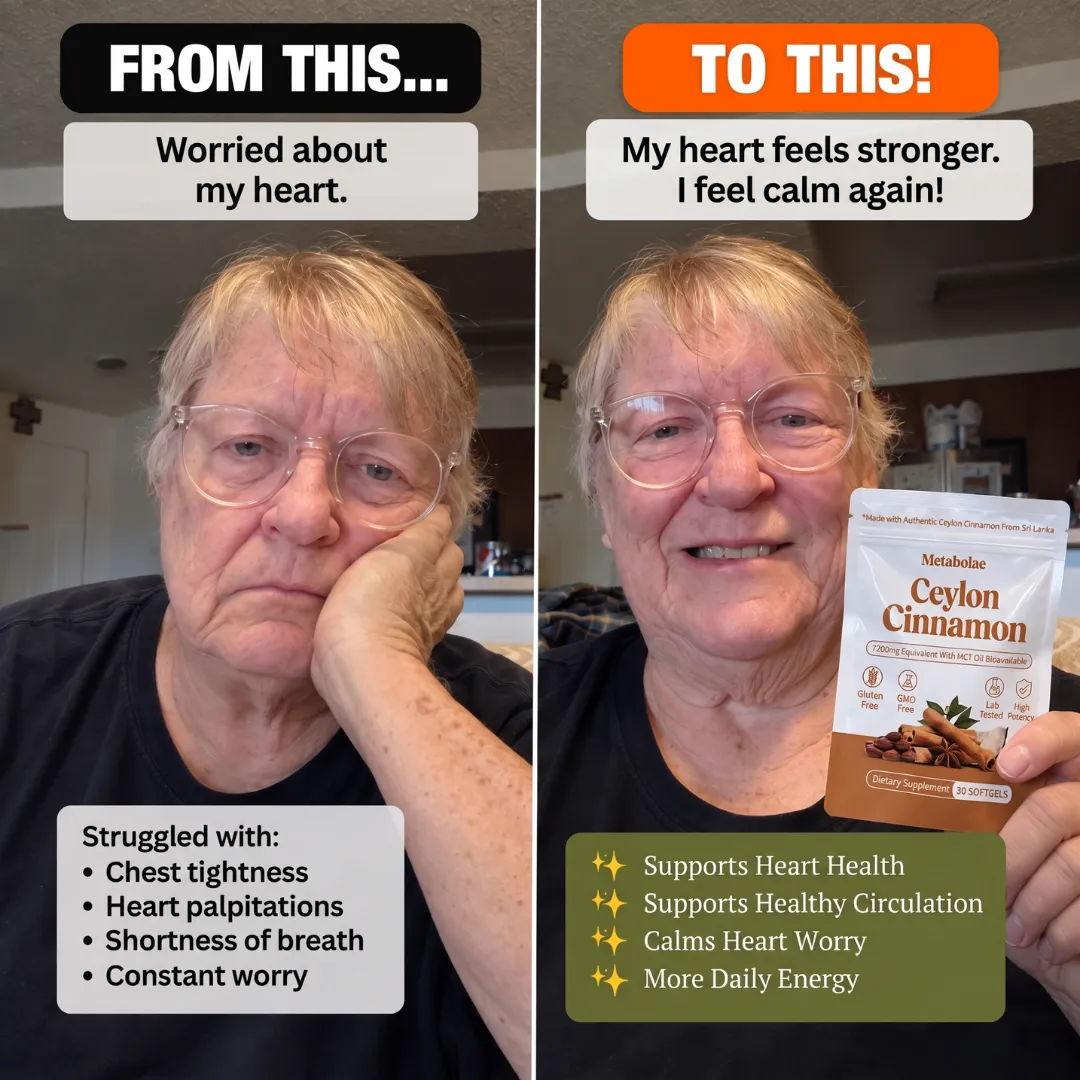
Ceylon Cinnamon 7200mg Equivalent with MCT Oil
Dr. Benjamin Harrington
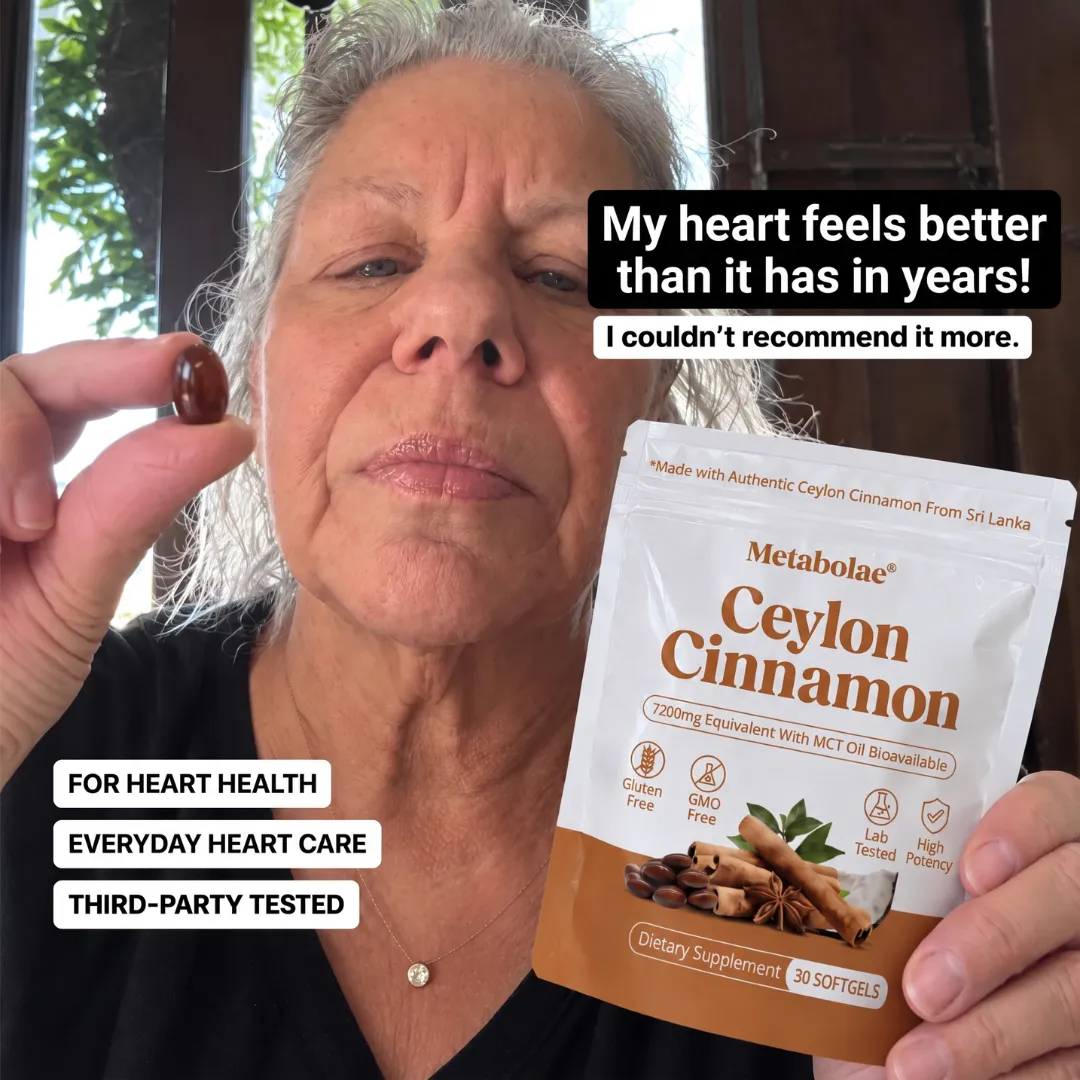
Ceylon Cinnamon 7200mg Equivalent with MCT Oil
Dr. Benjamin Harrington
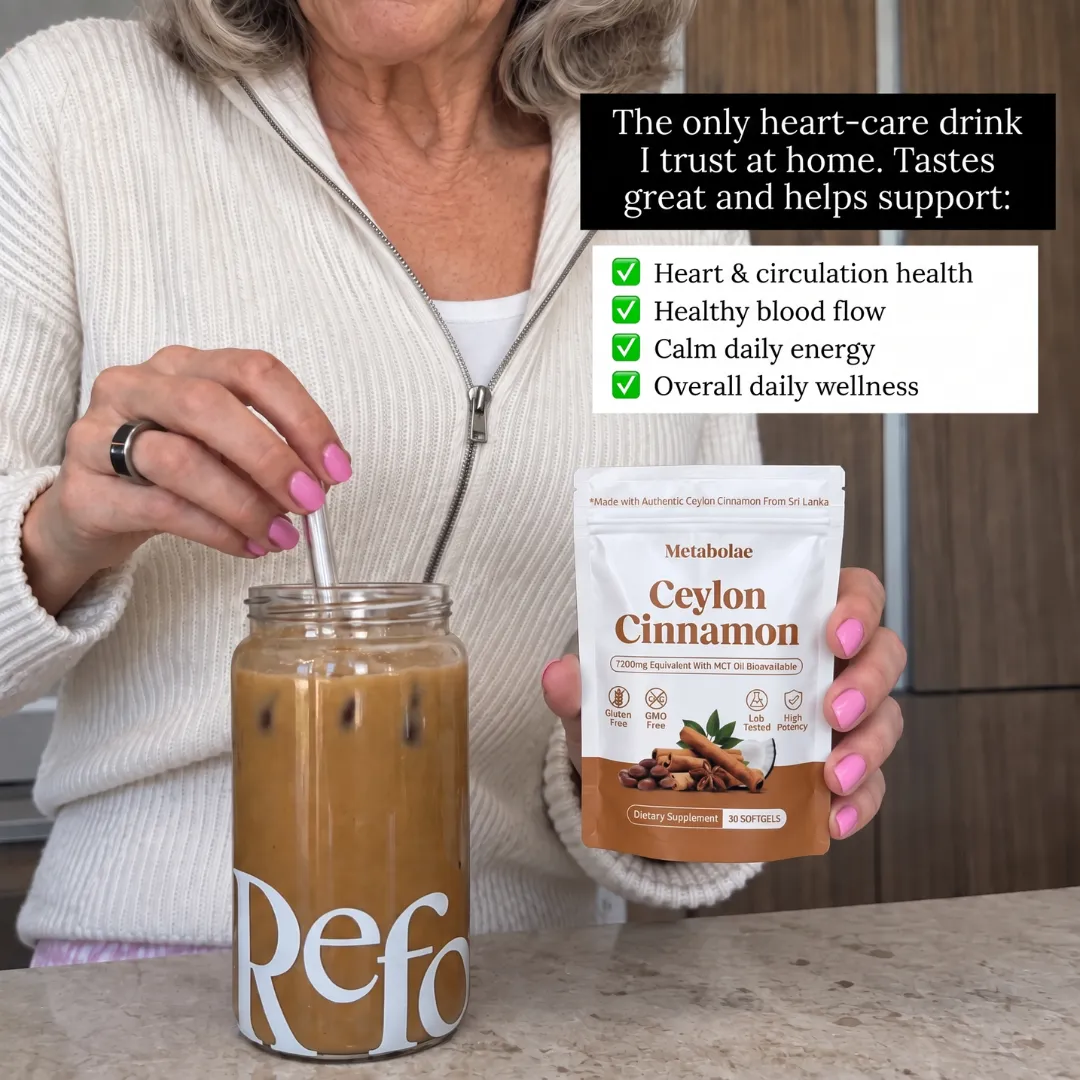
Ceylon Cinnamon 7200mg Equivalent with MCT Oil
Dr. Benjamin Harrington
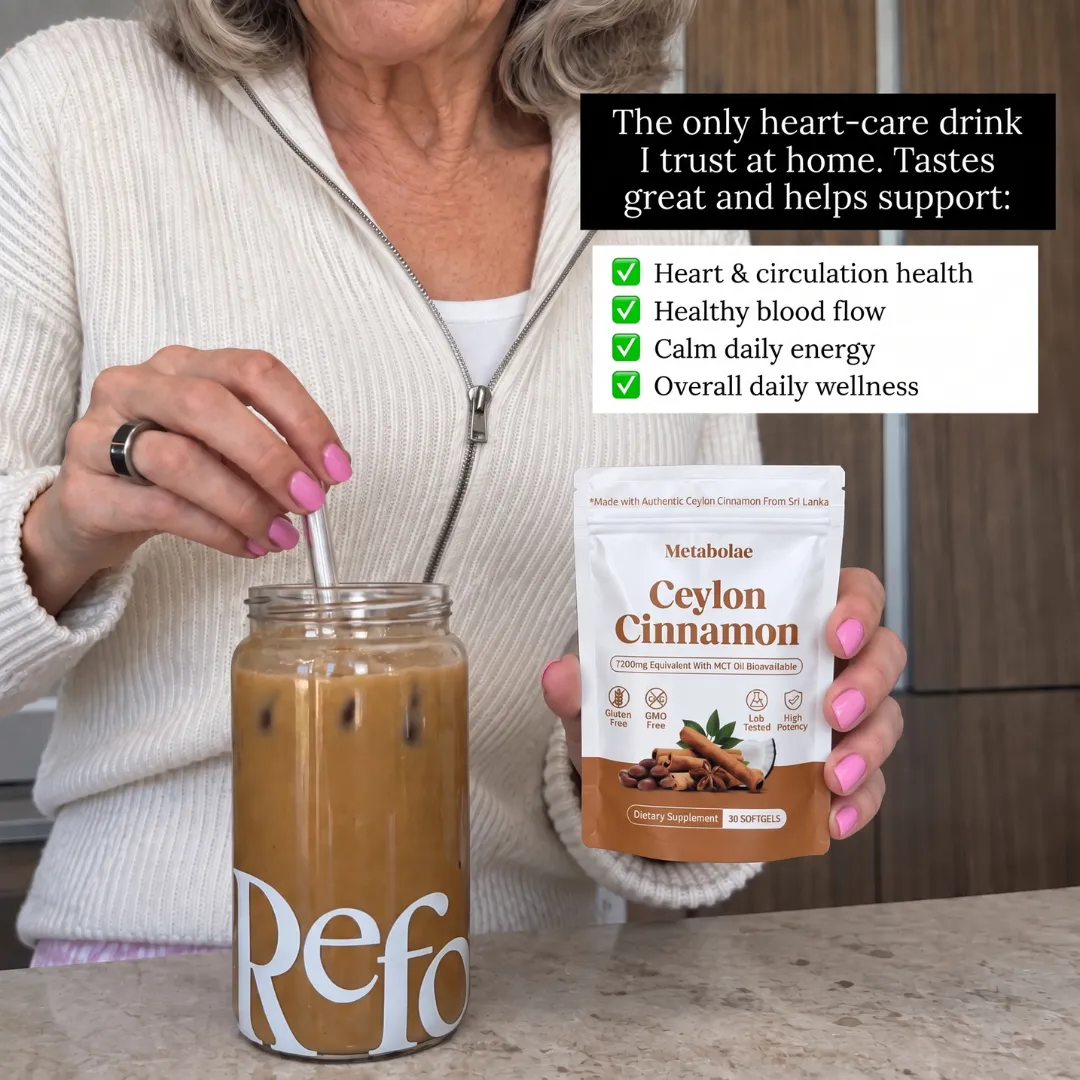
Ceylon Cinnamon 7200mg Equivalent with MCT Oil
Dr. Benjamin Harrington
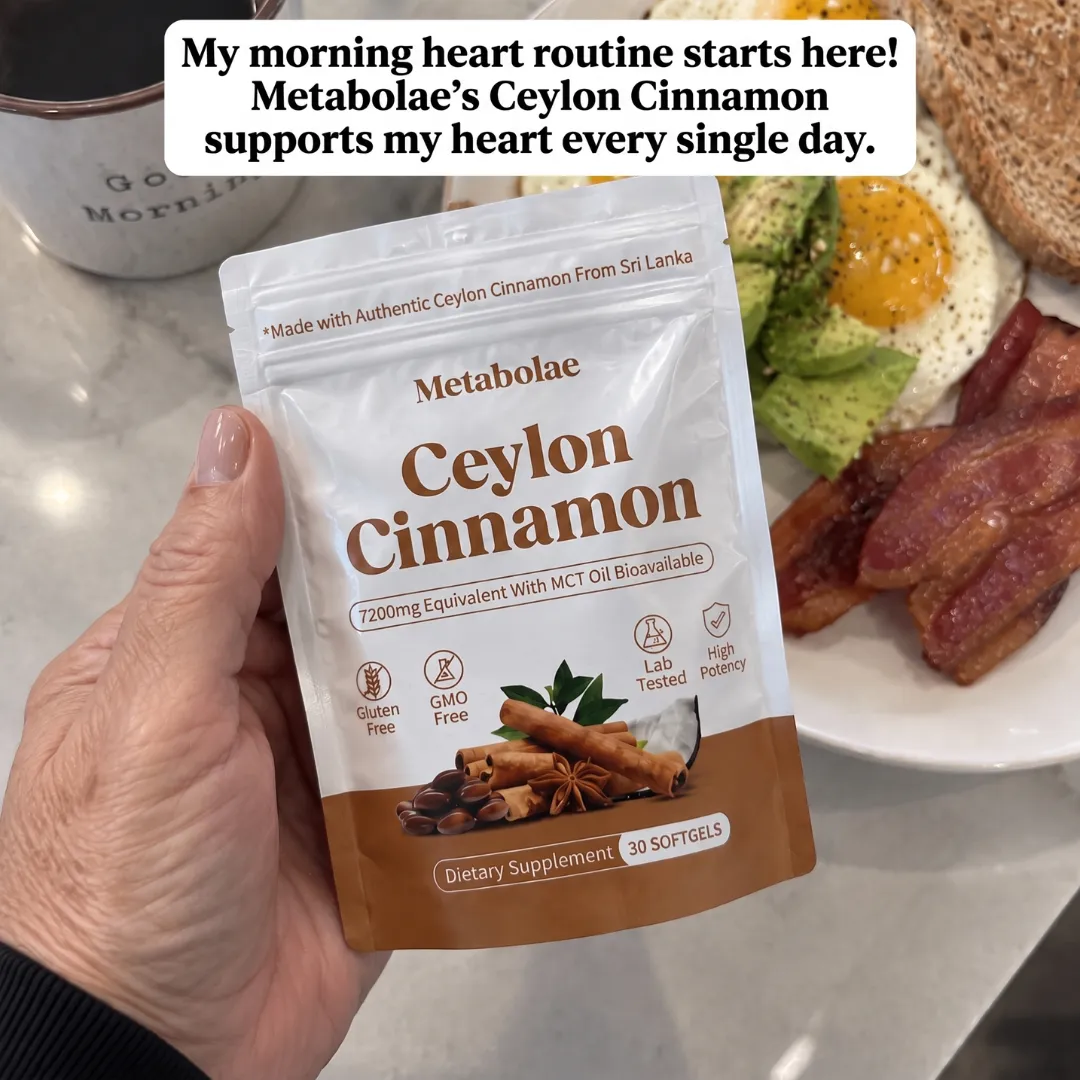
Ceylon Cinnamon 7200mg Equivalent with MCT Oil
Dr. Benjamin Harrington
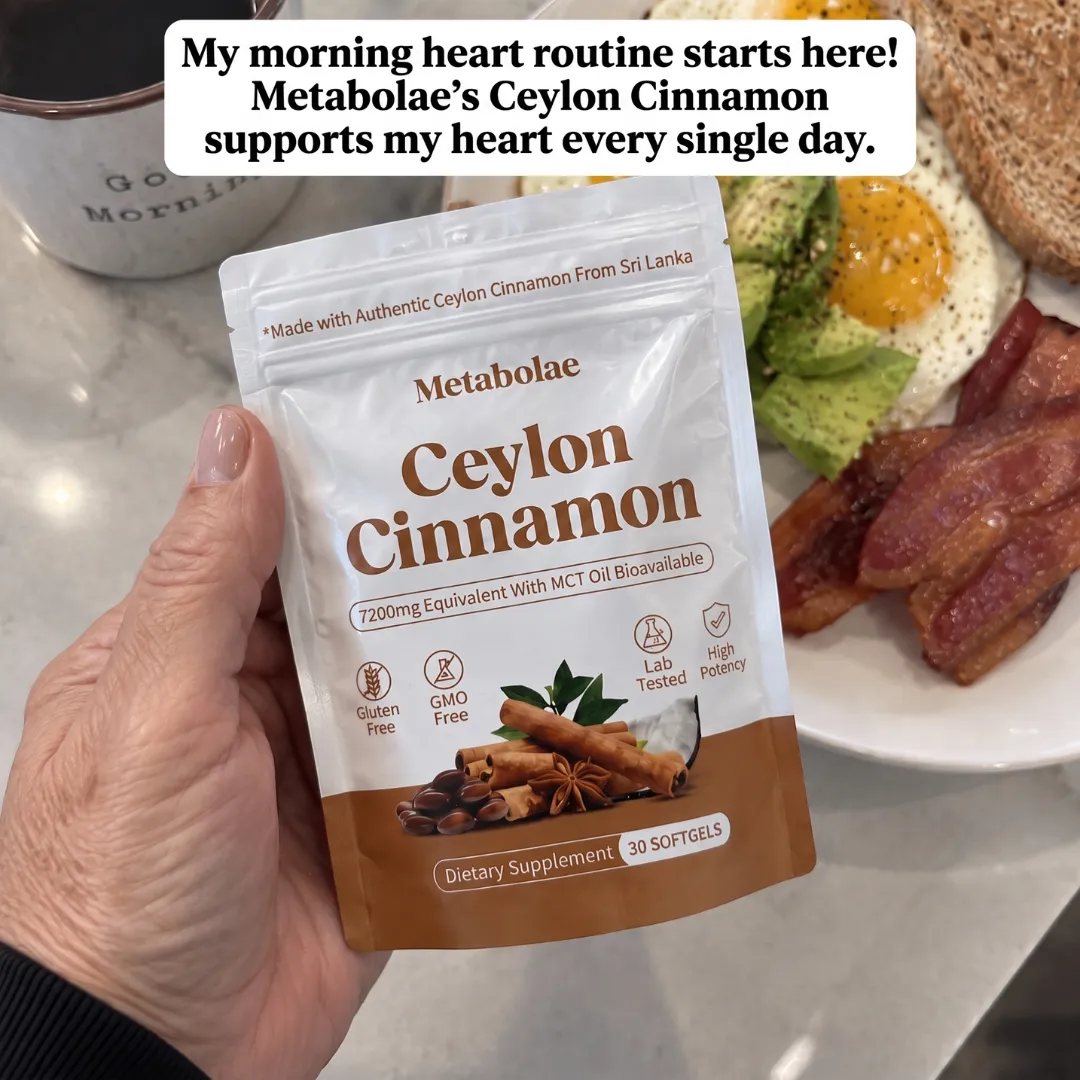
Ceylon Cinnamon 7200mg Equivalent with MCT Oil
Dr. Benjamin Harrington
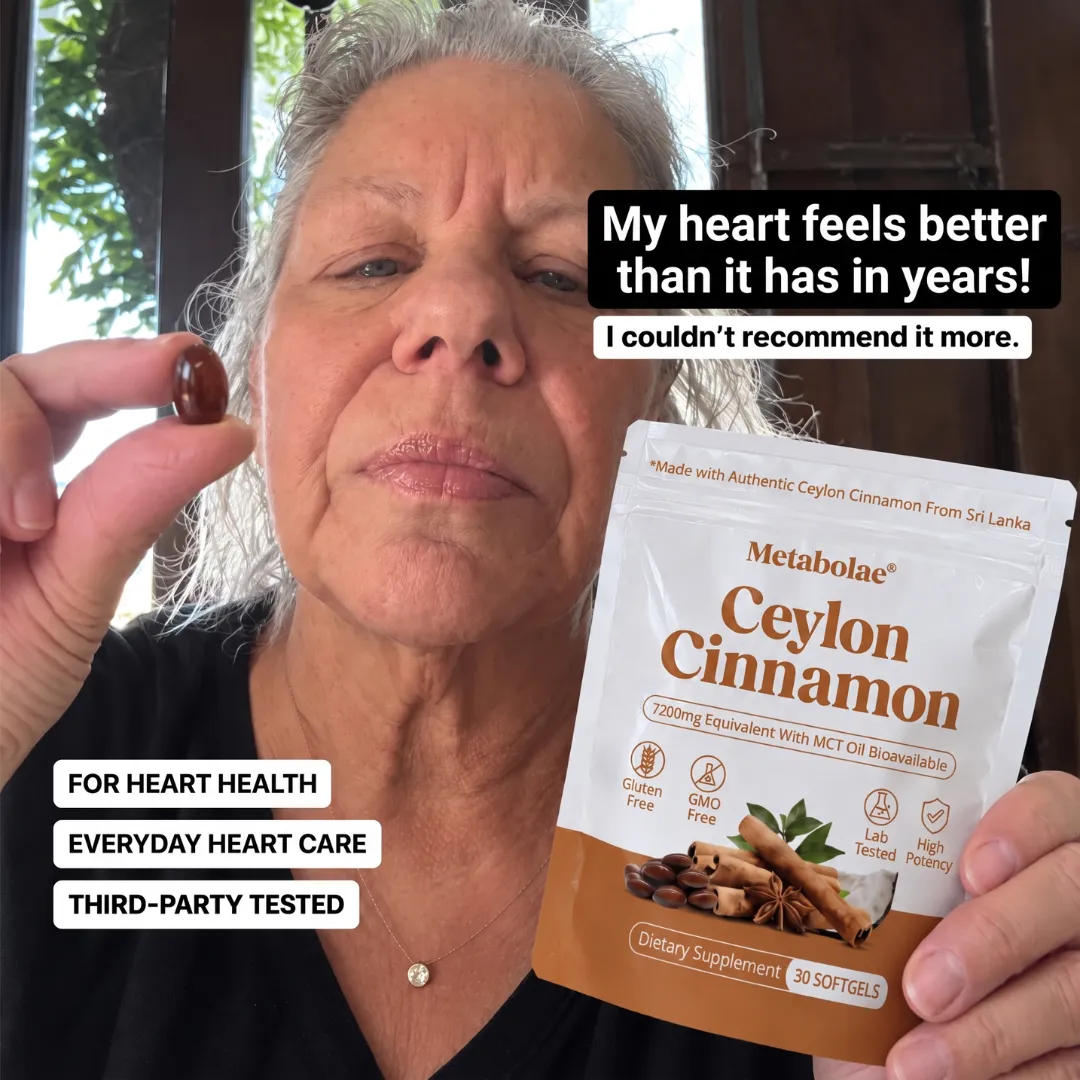
Ceylon Cinnamon 7200mg Equivalent with MCT Oil
Dr. Benjamin Harrington
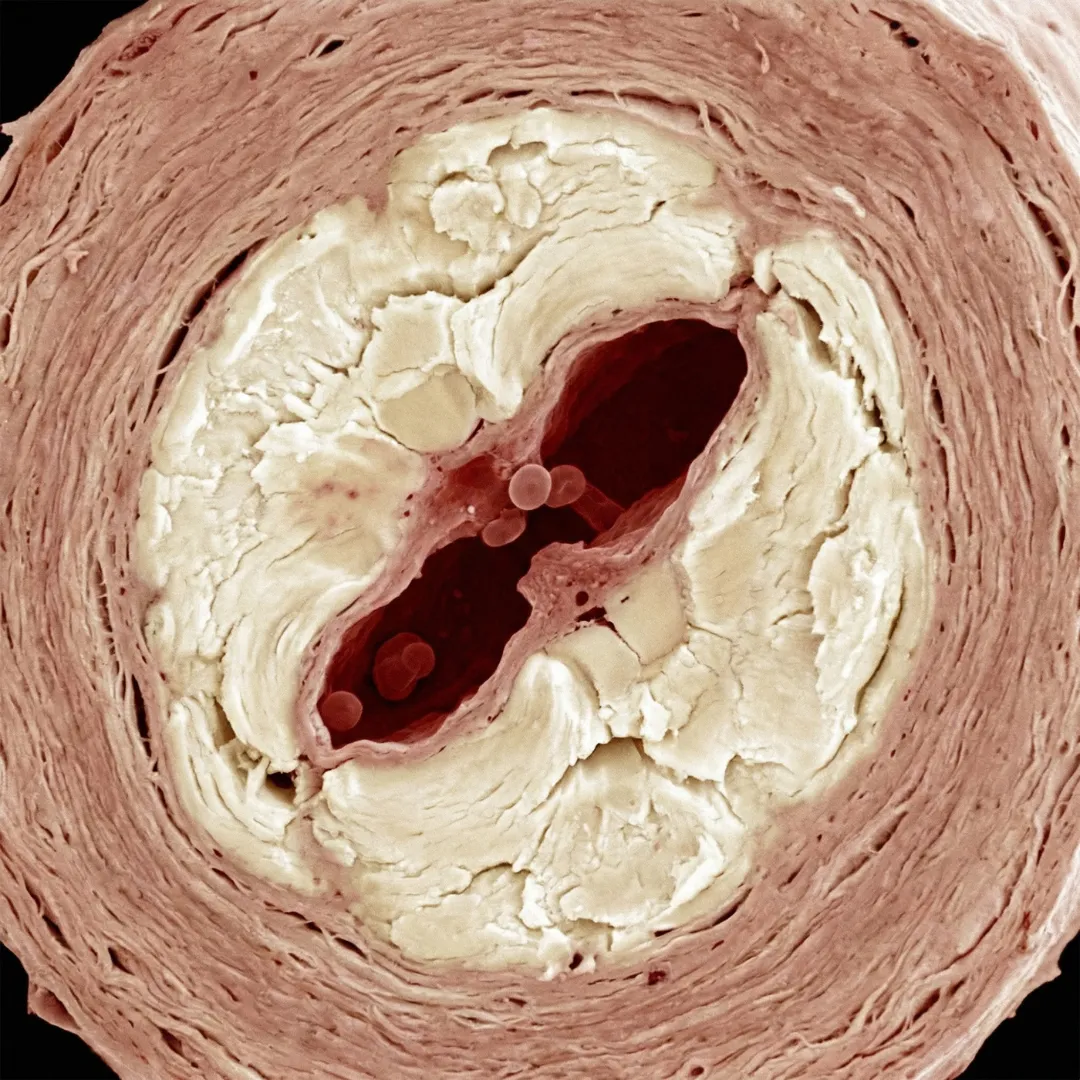
Ceylon Cinnamon 7200mg Equivalent with MCT Oil
Dr. Benjamin Harrington
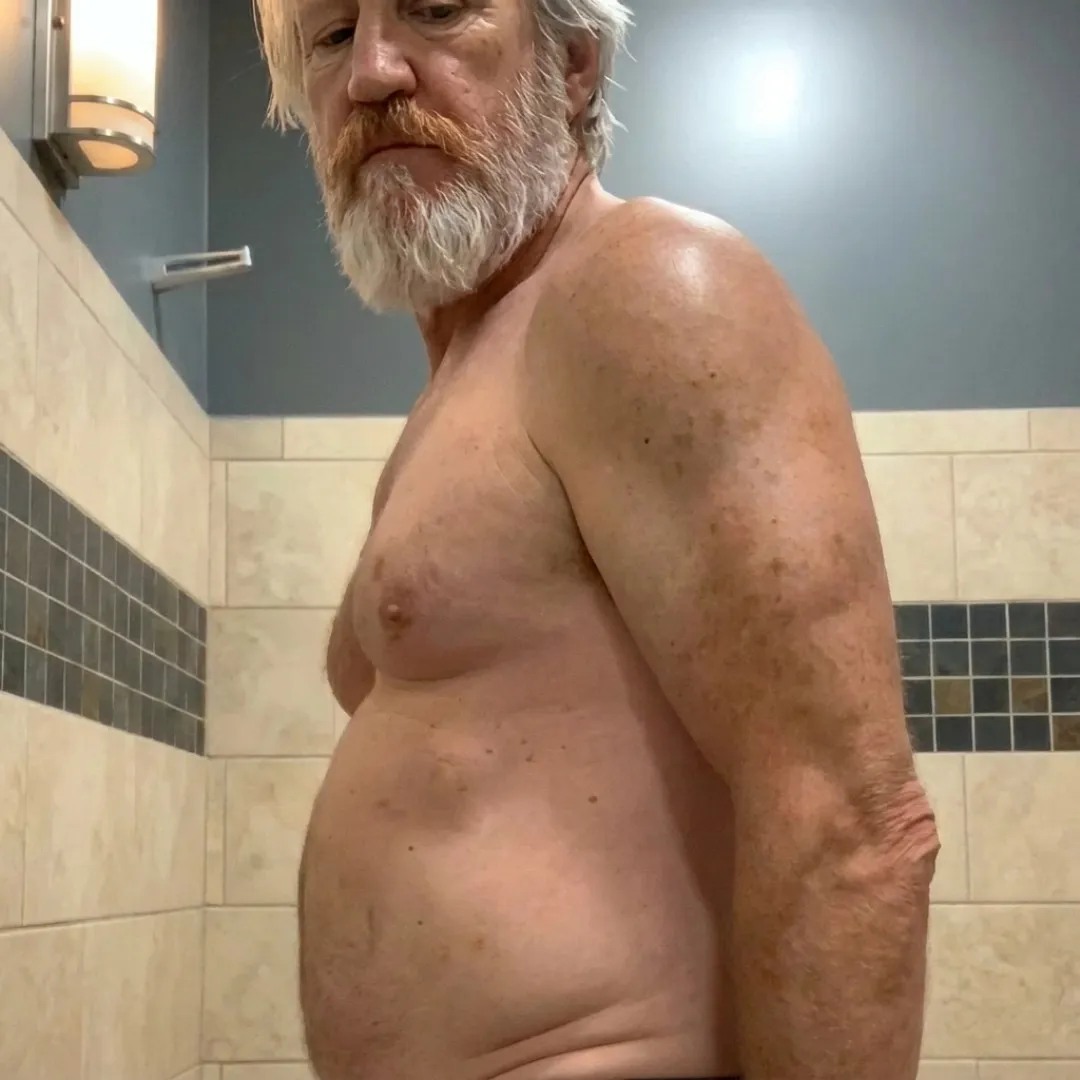
Ceylon Cinnamon 7200mg Equivalent with MCT Oil
Dr. Benjamin Harrington
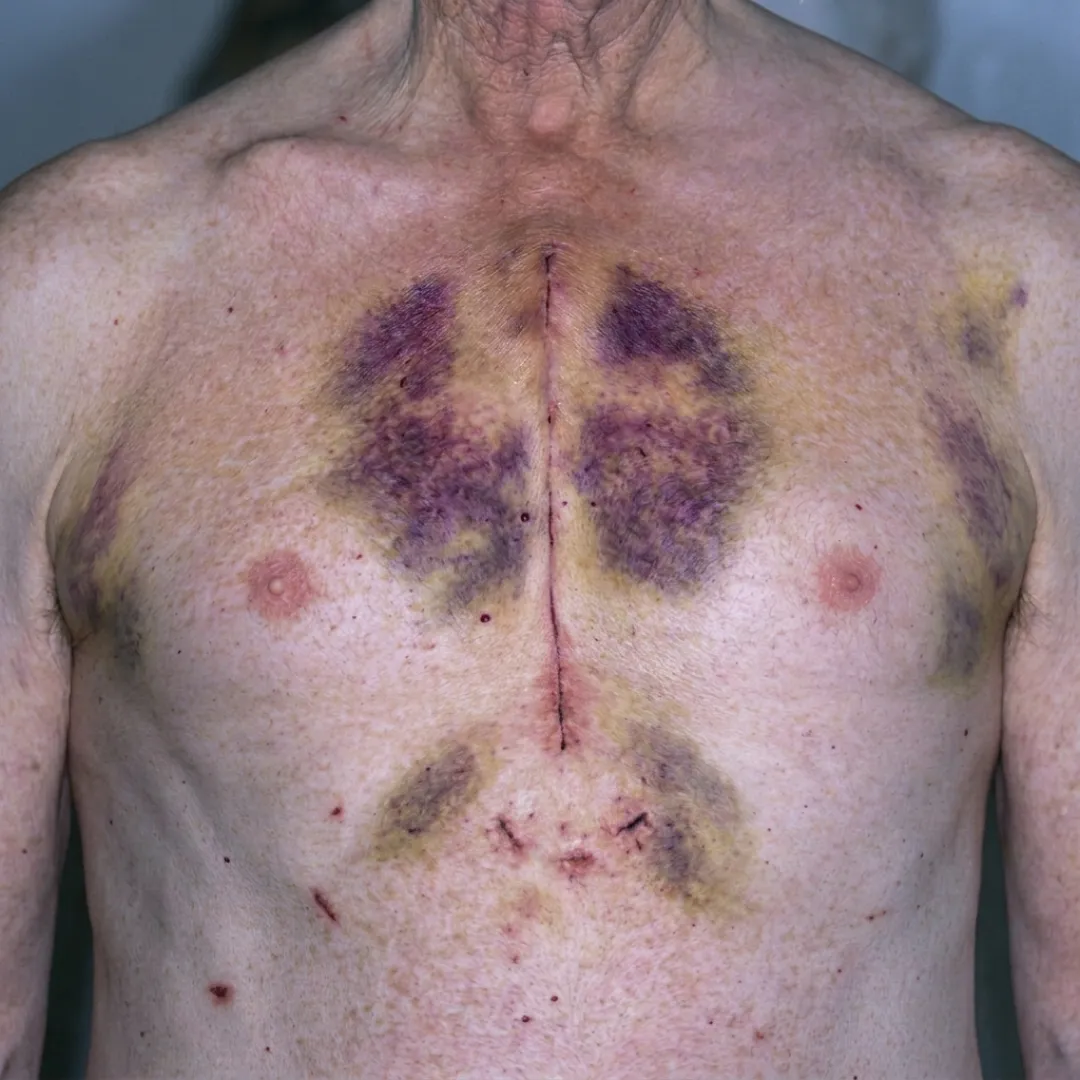
Ceylon Cinnamon 7200mg Equivalent with MCT Oil
Dr. Benjamin Harrington
Ceylon Cinnamon 7200mg Equivalent with MCT Oil
Dr. Benjamin Harrington

 Add to Chrome