Ceylon Cinnamon 7200mg Equivalent with MCT Oil
Ad Copy
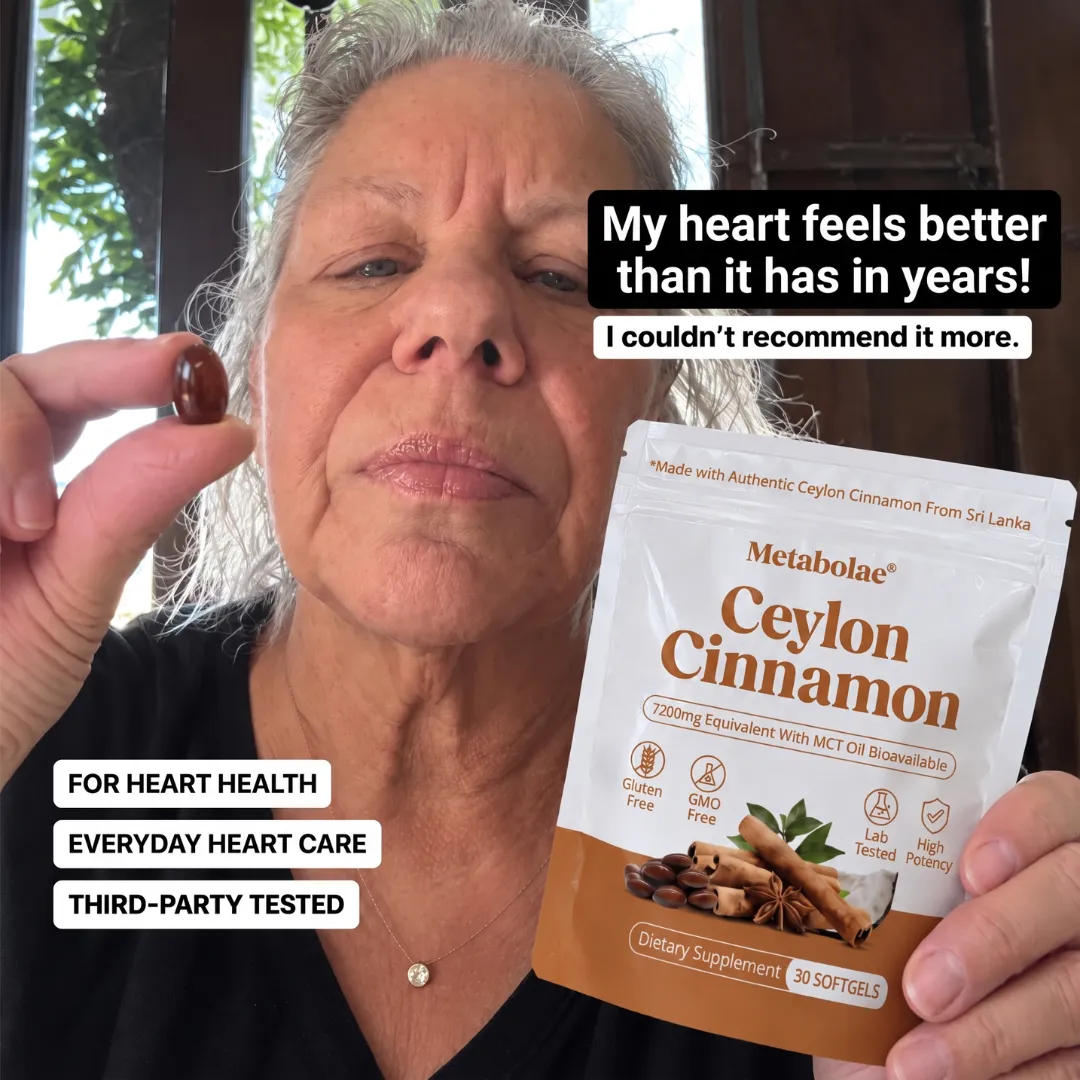
Because of my fatty liver, I stopped drinking and lost half my friends. Three months later, I went from being the doctor recommending liver transplants to the patient being assessed for one. I placed my 1,412th liver transplant evaluation on September 3rd, 2025. At 2:47 AM on December 3rd, I was the one being prepared to receive one. I was 61 years old. I am a board-certified interventional hepatologist. Twenty-two years of practice. My former fellow, a physician I had personally trained through her first three years of practice, sat across from me in an exam room and asked me how often I was waking up at night. She was conducting my transplant evaluation. I had sat on the other side of that desk over four hundred times. I had never sat on this side of it. I am writing this because I know exactly what my colleagues will say when they see it. I do not care. If you have Type 2 diabetes, a fatty liver, or someone you love does, and you have ever been told your liver enzymes are a little high, or to just keep an eye on it, please read this entire thing. I know it is long. I know you are scrolling. I know you have things to do. A year ago I would have given anything for someone who had lived this to sit me down and say what I am about to say. Nobody did. I was diagnosed with Type 2 diabetes eight years ago at 53. Fasting glucose 149. A1C 7.1. My father had been a Type 2 diabetic for fifteen years before he died at 68. Three different physicians had called his liver fatty but manageable for the last decade of his life. He died of liver cancer that developed in scar tissue nobody had been treating. I had built my entire career treating patients who arrived at my door already at the end of that same road. I did everything the protocol asks. Metformin at diagnosis. Insulin two years later when my glucose did not respond well enough. I injected it every morning in my bathroom before breakfast. I had administered insulin to dozens of patients in my clinical training. Standing at my own bathroom mirror doing it felt like a different thing entirely. And I stopped drinking. I had been a social drinker my whole adult life. A glass of wine at dinner. A beer watching the Astros. The usual. But my hepatology team was clear: any alcohol was accelerating the liver damage. I stopped. My wife was supportive. My friends were not. They did not understand, and I did not know how to explain a diagnosis I was not ready to talk about. The golf Saturdays disappeared first. We had a standing game every Saturday morning at a club out near Katy. After a few weeks my name dropped out of the group text. The dinner invitations got quieter. Then they stopped. What I did not understand was that along with the drinking, I had also stopped being myself. The energy was gone. I was napping between afternoon consults with my office door closed. I knocked a full cup of coffee off my desk twice in one week and blamed it on being tired. By year three my A1C had come down to 6.8. My ALT had been 94 at diagnosis. It was now 61. My colleagues called that a response. I called it managed. I had been using that word for twenty-two years to describe patients who were not getting worse fast enough to alarm anyone. I ordered a fibroscan on myself two years into my protocol. Liver stiffness came back at 9.8 kilopascals. Significant fibrosis range. My colleagues reviewed it and said we will monitor this closely. I ordered another fibroscan last September. 11.2 kilopascals. I had called patients from my office with numbers lower than that and told them, we need to get in front of this now. I scheduled a biopsy. And then I found a reason to push it out. Then another two weeks after that. On the night of December 2nd I went to bed with the same low ache I had been carrying in my upper right abdomen for two years. My wife woke me at 2:47 AM. She was sitting up in bed looking at me in the dark. She said, Your eyes look yellow. I went to the bathroom and looked in the mirror. She was right. My wife is a retired ER nurse. She spent twenty years at Memorial Hermann. She looked at me and said, Get dressed. I told her to drive me to Houston Methodist, not to Memorial Hermann where I had practiced for fourteen years. I did not want my colleagues to see me walk through those doors looking like that. They saw me anyway. The fellow on call was a physician I had mentored through her first three years of training. She came into the bay, looked at my eyes, then at my chart, then back at me. She said my name. I said, I need a full LFT panel and an ultrasound. I know what this is. She said, Yes sir, and I could hear her working to hold her voice steady. The results came back two hours later. Bilirubin 4.1. ALT 118. AST 94. My INR was elevated. My ultrasound showed a liver that had been fighting the same losing battle for eight years and was now beginning to lose it faster. My fellow sat down and said, We need to talk about next steps. I said, The transplant evaluation. She was quiet. I said, I know what the numbers mean. I have been reading these numbers for twenty-two years. She said, We are not there yet. But we need to start the evaluation process so that if the trajectory continues, you are already in the system. I had said that exact sentence in that exact tone to patients for two decades. I had never understood what it felt like to hear it. They admitted me. Five days. Five specialist teams. Five different reports in five different clinical languages. All of them describing damage that had been building quietly for years. All of them pointing at the same upstream cause. The GI attending who covered my morning rounds on day two was a physician I had mentored during his fellowship. He reviewed my chart and sat down. He said, I am going to give you the same level of care I would want if I were on this side of the bed. I appreciated it more than I could tell him at the time. The hospital stay was five days. The bill came to $61,000. I was discharged on December 8th with a stack of prescriptions and a referral to the transplant evaluation team. That night, after my wife went to sleep, I opened PubMed and looked up the actual mechanism. Not the management guidelines. The cellular mechanism. I read until 3 AM. What I found was not hidden. It had been sitting in journals I had subscribed to for twenty-two years. There were four stages. All driven by the same upstream failure. And not one prescription I had ever written for this disease touched stage one. I had prescribed the same managed-but-worsening protocol to hundreds of patients. Every one of them had the same process running. Every one of them was in stage three or stage four while I was prescribing for stage two. I closed my laptop. I sat at my kitchen table. I could not go back to sleep. Three weeks after I was discharged, I saw a patient in follow-up who should not have been in the numbers he was in. His name was Marcus. Type 2 diabetic. Nine years post-diagnosis. His first chart in my system had showed an ALT of 91 and an A1C of 7.9. His ALT was now 31. His A1C was 5.4. His fasting glucose was 89. The numbers had been moving in that direction for fourteen months. I asked him what he had changed. He said, My wife found something. After my last visit she went down a research hole online. I know that probably sounds like it does not belong in a doctor's office. He pulled out his phone and showed me a photo of a bag sitting on his kitchen counter. He said, It's some kind of Ceylon cinnamon thing. She found posts from people who said it had moved their liver enzymes. I wrote down the name. Metabolae. He said, I know how it sounds, doctor. I said, I will look into it. The posts Marcus's wife had been reading traced back to a woman outside of Tyler, Texas named Kumari Perera. I found an address. It was a Saturday. I did not tell my wife where I was going. I did not tell my practice partner. I did not tell anyone that a board-certified interventional hepatologist was driving four hours to meet a 78-year-old Sri Lankan grandmother because everything he had spent twenty-two years practicing had not saved him. She was on the porch of a small ranch house sorting bark into a wooden bowl when I arrived. Thin. Late seventies. Dark hair pulled back with gray streaks running through it. Easy, steady hands. I introduced myself as Benjamin, not as a doctor, and told her why I was there. She listened. She did not interrupt. When I finished she set the bowl down and said, Come inside. Her kitchen smelled like cardamom and cinnamon. She poured tea without asking. She sat across from me. Your medications have been treating the number on the chart. Each one a different number. Each one on a different chart line. You know this now. That is why you are sitting here. I said, I read the mechanism papers last week. You understand it clinically, she said. You have not yet understood it in your own body. She picked up four pieces of cinnamon bark from her bowl and set them on the table in front of me. She tapped the first. This is the broken door. Your cells stopped responding to insulin. That is where this starts. It has always started there. She tapped the second. This is the flood. The sugar that cannot get through the door stays in your blood. It moves through your body with nowhere to go. Every meal. Every year. She tapped the third. This is your liver. It sees all that sugar flooding through with nowhere to land, and it does the only thing a liver knows to do. It converts it to fat. That is your fatty liver. It is not a liver problem. It is an overflow problem. Your liver is doing exactly what it is built to do when the system above it has failed. She tapped the fourth. And this is the fire. The fat accumulating in your liver causes inflammation. The inflammation causes scarring. That scarring is what your fibroscan measures. The fire has been burning for years because the overflow never stopped. She leaned back. Your metformin quiets stage two. Your insulin moves the sugar even when the door will not open. Neither one fixes the door. Neither one stops the overflow reaching your liver. Neither one touches the fire in stage four. I said, I know. Now here is what nobody taught you in medical school. She stood and walked to a shelf. She brought down a dark glass jar. Inside were curled pieces of deep red-brown bark, layered like rolled paper. True Ceylon cinnamon. Cinnamomum verum. Not what is on the shelf at your pharmacy. Not what is in the capsules sitting in every Target and Walmart in this country. What they sell as cinnamon is cassia. A different plant entirely. It contains almost none of the active compounds. It contains up to two hundred and fifty times more coumarin, which puts stress on the liver at daily supplement doses. The last thing someone in your position should be taking. She set the jar down. Real Ceylon has two compounds your body needs right now. The first is called MHCP. It opens the broken door at stage one. When that receptor pathway opens, the trapped sugar finally moves into your cells. It stops pooling in the bloodstream. It stops flooding your liver. She held the jar up. The second is cinnamaldehyde. The compound that gives cinnamon its smell. It works at stage four. It reduces the inflammatory response in the liver tissue driving the scarring. The fire starts to come down. She looked at me. One opens the door. The other reduces the fire the closed door has been causing. That is why the women in my grandmother's village in Sri Lanka do not develop the liver disease you have been treating your whole career. I asked her if the form mattered. The active compounds are fat-soluble. In a dry capsule they pass through the body and most of what you swallow never absorbs. In Sri Lanka we cook cinnamon in coconut oil. Every meal. The coconut carries the cinnamon into the bloodstream. There is a company my niece in Boston told me about. DNA-verified from Sri Lanka. Concentrated twelve to one to reach the dose the published research uses. Suspended in MCT oil derived from coconut. Just concentrated into a softgel so it actually absorbs. Third-party tested. Made in the United States. She wrote the name on a piece of paper and pushed it across the table. Metabolae. I ordered three bags from her kitchen table before I left. I drove four hours back to Houston. I did not tell my wife where I had been. The bags arrived four days later. I took one softgel with breakfast the next morning. Week one. The ache in my upper right abdomen that I had been carrying for two years began to ease on day four. I had been waking at 3 AM most nights and lying still until it passed. That week I slept through three nights in a row for the first time in over a year. I had forgotten what it felt like to wake up and not already be tired. Week three. My wife said I looked like myself again. I ran a panel through my hospital's outpatient lab. Bilirubin 1.3, down from 4.1 at admission. ALT 56, down from 118. I ran it twice. Both runs matched. Month three. ALT 26. Normal range. The first time in eight years. A1C 5.4. Fasting glucose 88. I called my hepatology colleague, the one who had admitted me in December, and asked her to order a repeat fibroscan. Liver stiffness measure: 7.1 kilopascals. Down from 11.2 three months earlier. I sat at my desk with both scans side by side on the screen. 11.2 to 7.1 in three months. I have been reading fibroscan results for twenty-two years. I had never watched a number move in that direction that fast. My endocrinologist reduced my insulin dose progressively over the following weeks. By week eighteen, at her direction, I had come off the insulin injections entirely. I am still on metformin at a reduced dose. My hepatology team moved me from active transplant evaluation to monitoring. The trajectory my numbers were showing no longer justified active placement. I brought both panels to my practice partner, a hepatologist with seventeen years of experience, and put them side by side on his desk without saying a word. He read them. He looked at me. He said, Ben. What did you do. He has been using it with twelve of his patients with Type 2 diabetes and fatty liver over the last four months. Nine of them have shown meaningful improvement in their liver enzyme panels. The golf Saturdays are back. Same group. Same club out near Katy. Same time every week. I just showed up one morning and nobody made a thing of it. That was enough. I am writing this because I know the truth about what my profession is doing. I prescribed that same managed-but-worsening protocol to hundreds of people. Every one of them left my clinic with managed on their last chart. Every one of them had the same four stages running underneath. I do not know how many of them are already on transplant evaluation lists. What I know is this: managed is not improving. A fibroscan that is not moving in the right direction is not stable. It is waiting. If your husband, your father, your mother, or you have Type 2 diabetes and you have been told your liver enzymes are a little elevated, or your fatty liver is stable, do not wait for a 2:47 AM moment to understand what that actually means. There is one thing I know of that opens the broken door and addresses the fire at the same time. The same two compounds that have kept the women in Kumari's grandmother's village out of my exam room for generations. Metabolae. DNA-verified Cinnamomum verum from Sri Lanka. Concentrated twelve to one to match the dose in the published research. Suspended in organic MCT oil so the active compounds actually absorb. Third-party tested. Made in the United States. One softgel every morning with breakfast. That is the whole protocol. 90-day money-back guarantee. If your numbers do not move, you pay nothing. The system that trained me did not give this to me when I needed it. It is reaching you now. ~ Dr. Benjamin Harrington, MD, FACP, age 61, interventional hepatology P.S. Linda, one of the women I spoke with at our clinic, noticed her energy steadying in week one and her ALT back inside normal range by month two. Her doctor now adds a full liver panel to every postmenopausal diabetic patient at every visit. Your timeline may differ. But you will not know unless you track it. P.P.S. Do not stop your metformin or your insulin the morning your Metabolae bag arrives. Add it to what you are already doing. Keep tracking your numbers. When they improve, let your endocrinologist be the one to adjust your prescriptions. That is the right way to do this, and the only way I would recommend it.
More from Dr. Benjamin Harrington
Ceylon Cinnamon 7200mg Equivalent with MCT Oil
Dr. Benjamin Harrington
Ceylon Cinnamon 7200mg Equivalent with MCT Oil
Dr. Benjamin Harrington
Ceylon Cinnamon 7200mg Equivalent with MCT Oil
Dr. Benjamin Harrington
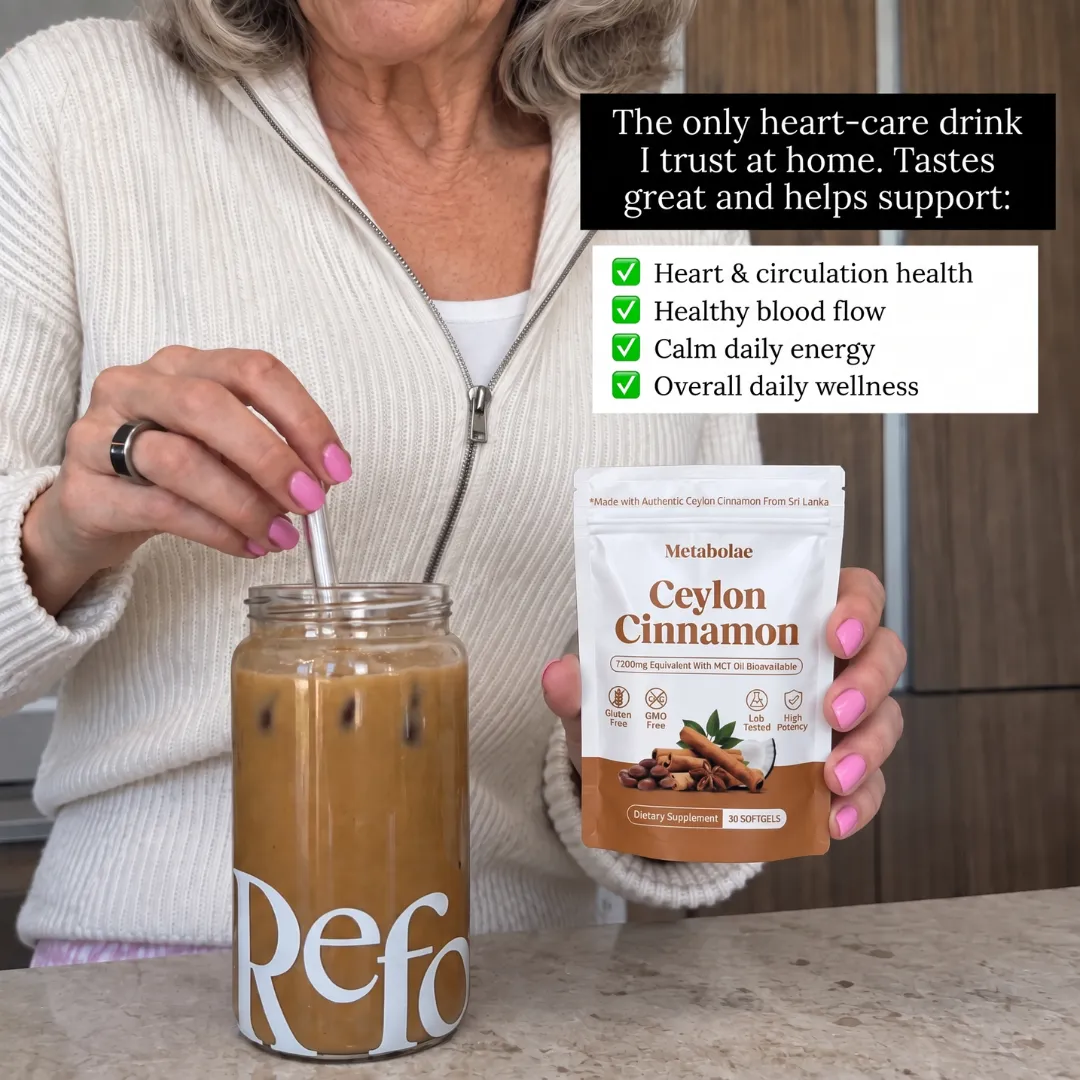
Ceylon Cinnamon 7200mg Equivalent with MCT Oil
Dr. Benjamin Harrington
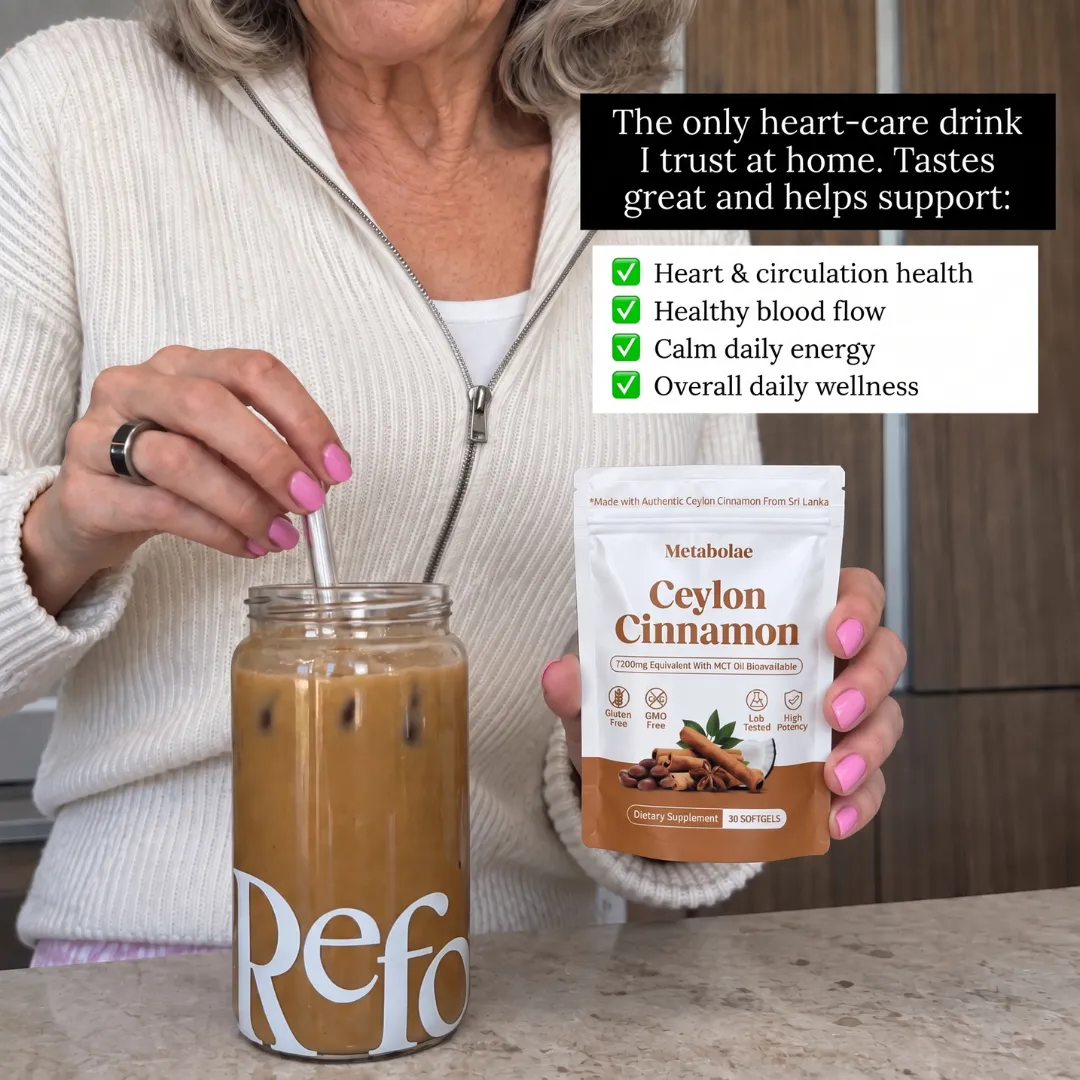
Ceylon Cinnamon 7200mg Equivalent with MCT Oil
Dr. Benjamin Harrington
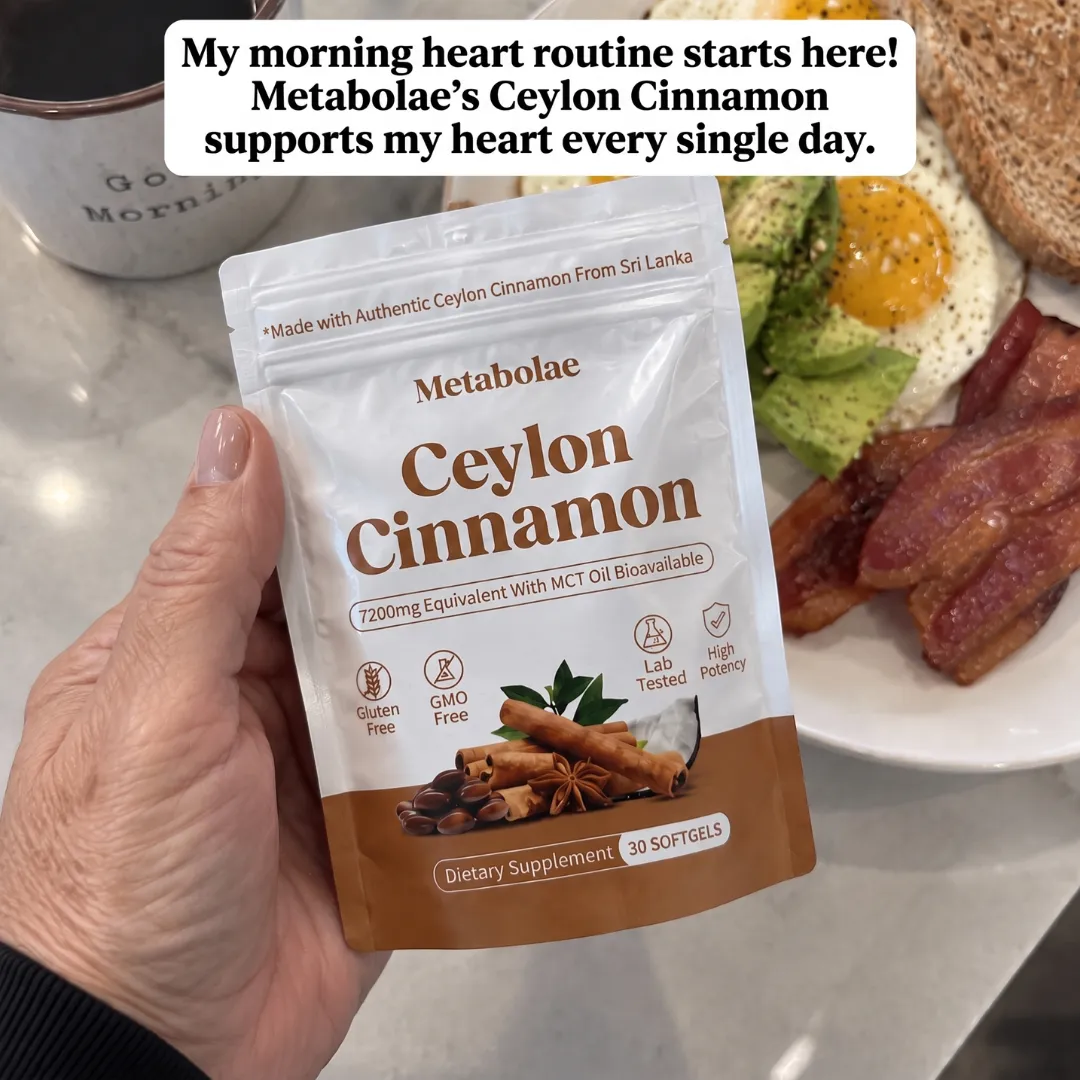
Ceylon Cinnamon 7200mg Equivalent with MCT Oil
Dr. Benjamin Harrington
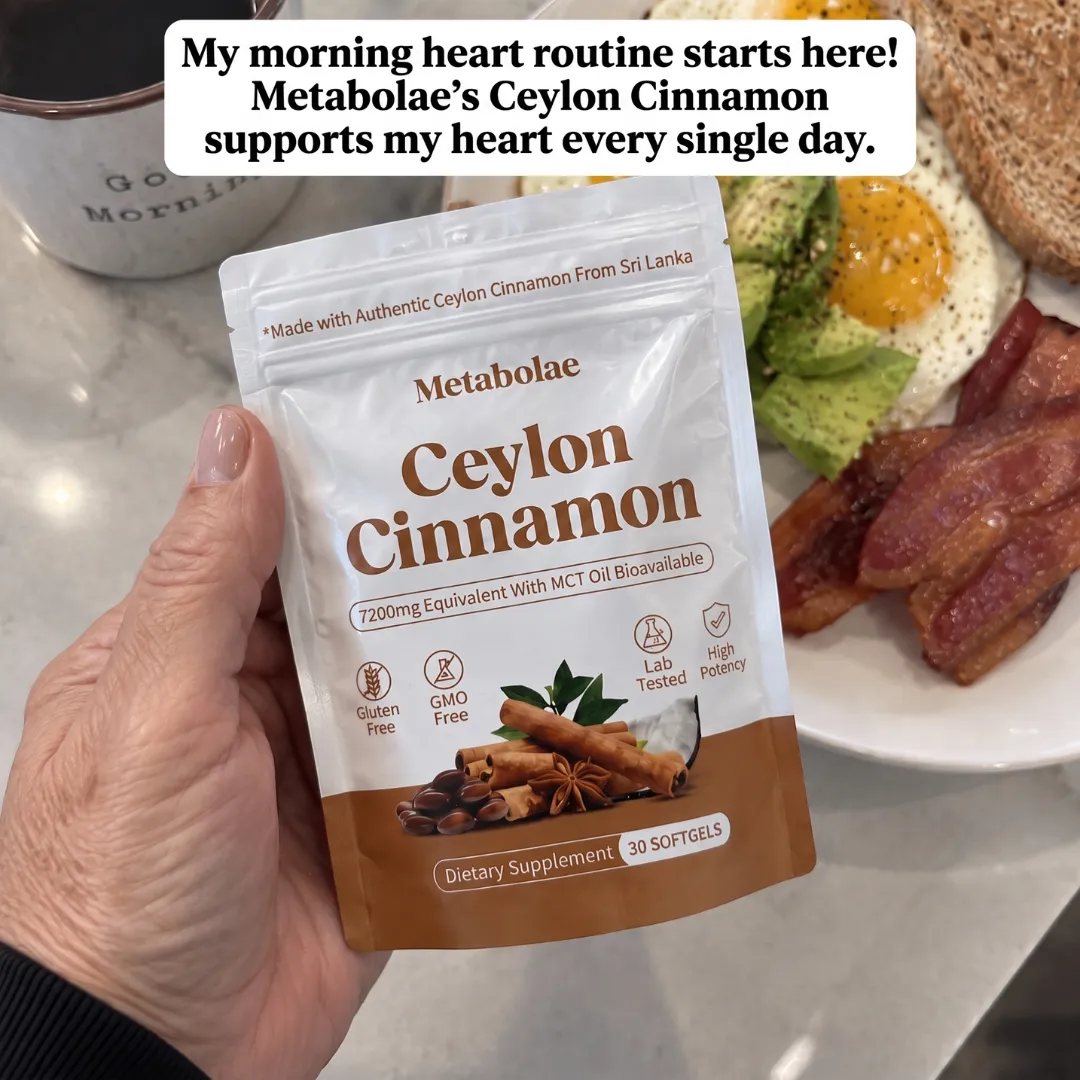
Ceylon Cinnamon 7200mg Equivalent with MCT Oil
Dr. Benjamin Harrington
Ceylon Cinnamon 7200mg Equivalent with MCT Oil
Dr. Benjamin Harrington
Ceylon Cinnamon 7200mg Equivalent with MCT Oil
Dr. Benjamin Harrington
Ceylon Cinnamon 7200mg Equivalent with MCT Oil
Dr. Benjamin Harrington
Ceylon Cinnamon 7200mg Equivalent with MCT Oil
Dr. Benjamin Harrington
Ceylon Cinnamon 7200mg Equivalent with MCT Oil
Dr. Benjamin Harrington

 Add to Chrome