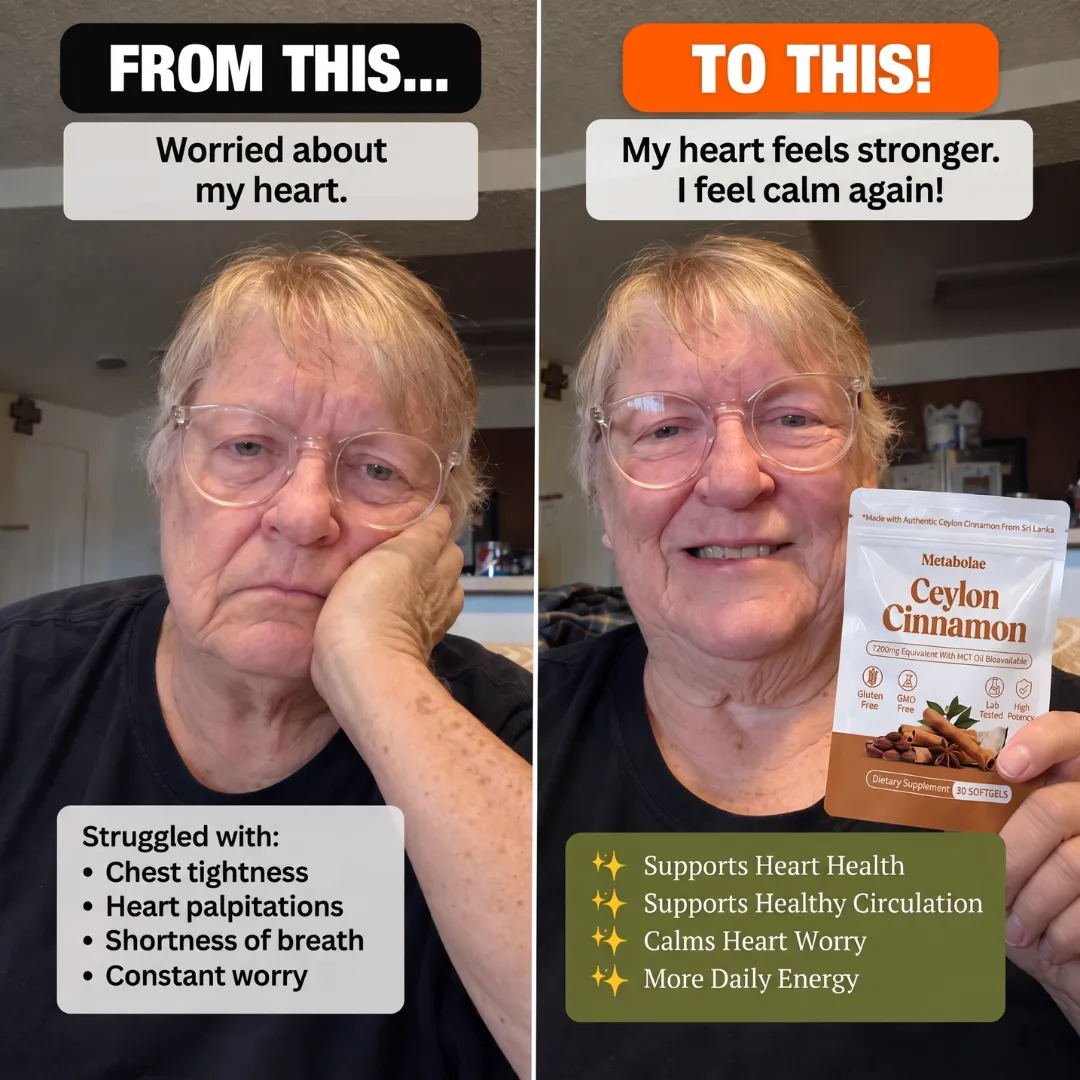
Ceylon Cinnamon 7200mg Equivalent with MCT Oil
Ad Copy
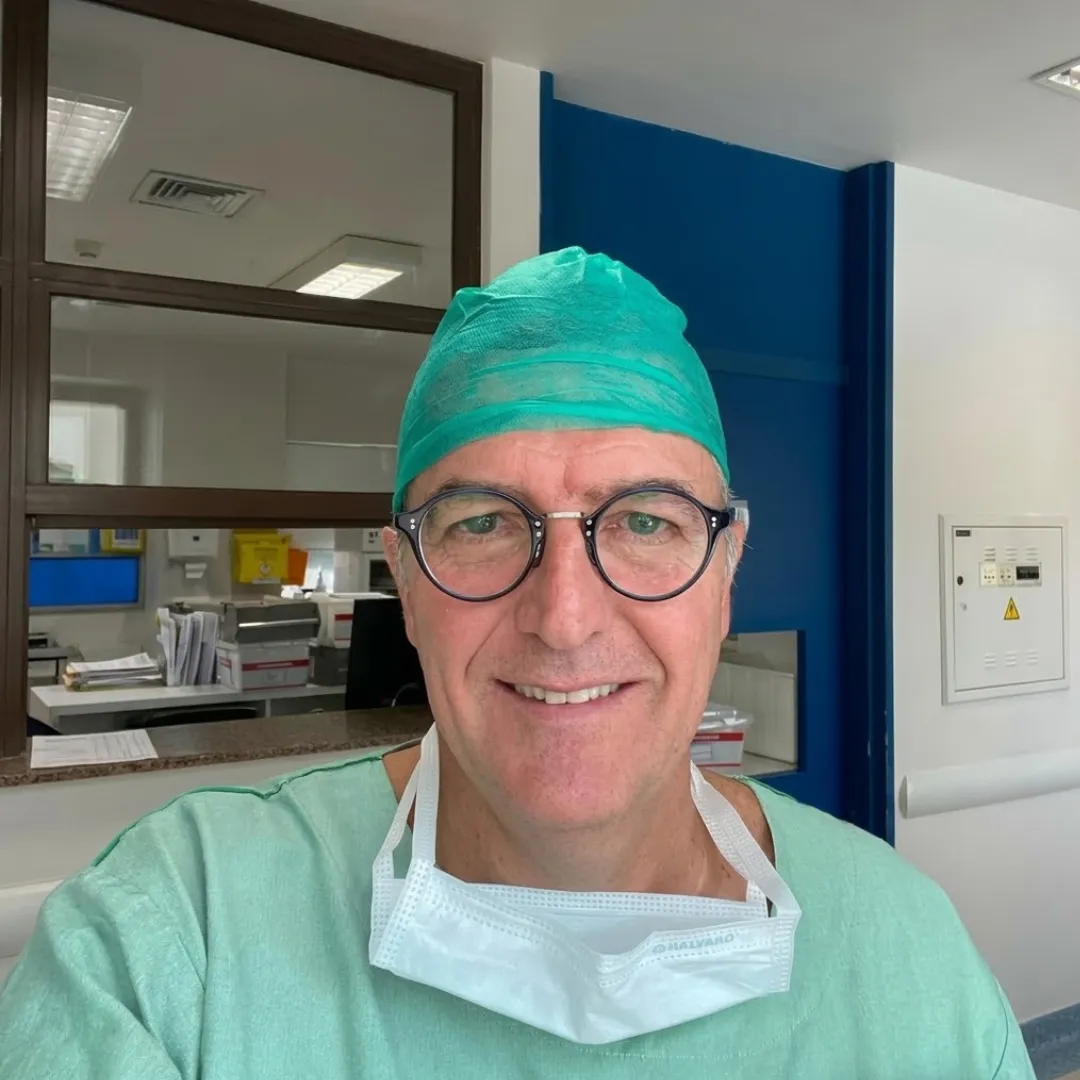
You don't need a bottle of whiskey to get fatty liver. My patients who come in with the most damaged livers aren't the ones who drank. They're the ones with Type 2 diabetes who had no idea their insulin had anything to do with their liver at all. I know that sounds strange, especially if you've always thought fatty liver was an alcohol problem. But after 28 years working as a hepatologist, I can tell you something most patients with Type 2 diabetes never hear. Alcohol isn't the only thing that fills your liver with fat. For people on metformin and insulin, there's another mechanism doing the same damage in the background. And it explains symptoms your doctors may have been attributing to something else entirely. Let me explain. My name is Dr. Benjamin Harrington. I've been a liver specialist in Houston for 28 years. The patient I want to tell you about was named Gary. He was 61, out of Beaumont, Texas. He'd been on metformin for eight years and insulin injections for five. His endocrinologist had been telling him his diabetes was under control. He came to me because of three things. He was exhausted every single day, no matter how much he slept. He had a dull ache under his right ribs that had been sitting there for two years. And every October, like it had its own calendar, a rash broke out across his arms and neck that his dermatologist kept calling dry air sensitivity. I ordered his labs and a liver scan before he finished explaining. He came back two weeks later. His ALT was 74. His AST was 62. His fasting glucose was 161. His liver scan showed significant fat accumulation throughout the tissue. His endocrinologist had never ordered either test. Gary looked at the screen and said exactly what every patient in that chair says. But I barely drink. I know, I told him. Your liver isn't in trouble because of alcohol. It's in trouble because of insulin. He looked at me like I'd switched languages. So I pulled my chair closer and walked him through it. Insulin resistance doesn't just affect your blood sugar. It runs in the background continuously. And one of the things it does all day, every day, is send a signal to your fat cells to break down and release fatty acids into your bloodstream. Your fat cells read elevated insulin as a command. Release. And they comply. Those fatty acids travel directly to your liver. Under normal conditions, your liver handles the volume. But insulin resistance doesn't turn off. The release signal keeps running. The volume eventually becomes a flood your liver can't process fast enough. So the fat stops being handled. It gets stored directly inside the liver cells. That is nonalcoholic fatty liver disease. Not from drinking. From the same broken insulin signal that was already making his blood sugar hard to control. Gary sat with that for a moment. Then he said: So my diabetes and my liver are the same problem. They've always been the same problem, I said. Nobody connected them. Then I told him what that stored fat had actually been doing to him all this time. The ache under his ribs. His liver had swollen from fat accumulation. That pressure doesn't announce itself dramatically. It just sits there quietly while every doctor calls it muscle tension or stress. Gary had mentioned it at three separate appointments before he came to me. The exhaustion that sleep didn't fix. Your liver converts nutrients from every meal into the forms your cells can actually use for energy. When its cells are packed with fat, that conversion slows down. The tiredness wasn't a sleep problem. His liver was running behind on a job it does every single day. The October rash. When liver filtration falls behind, inflammatory compounds stop clearing from your blood and start recirculating instead. Cold weather puts additional immune pressure on a system already overloaded. The two things collide and the skin reacts. His dermatologist had been treating a liver problem with cortisone cream for three years. Three symptoms. One source. Eight years of appointments without a single connection made. Gary leaned back in his chair. So why hasn't any of this gotten better on metformin? That is exactly the right question. Metformin tells your liver to produce less glucose. Insulin forces glucose into cells when the signal is broken. Both of those things are real and necessary. His doctor was not wrong to prescribe them. But they were managing the flood. Nobody had opened the drain. I drew it out for him on a notepad. Inside every cell in your body are transporters called GLUT4. Their job is to surface when insulin signals them, pull glucose out of your blood, and convert it into energy inside the cell. That is how blood sugar comes down after every meal. In insulin resistance, those transporters stop responding. The signal is broken. Glucose stays in the blood. The pancreas pushes more insulin trying to force a response. Fat cells read that elevated insulin and keep releasing fatty acids. The liver keeps getting buried. Metformin and insulin address what happens after the signal breaks. Nothing was addressing the broken signal itself. Gary looked at the notepad. Is there anything that does? I told him there might be. And I showed him the research I had been reading. There is a compound in true Ceylon cinnamon called cinnamaldehyde. The studies I had found suggested it may activate GLUT4 transporters directly, through an insulin-independent pathway, without waiting for the broken signal to work. A study published in the Journal of the American College of Nutrition found that MHCP, a compound derived from cinnamon, activates the insulin signaling pathway, supporting glucose uptake and glycogen synthesis, and works in synergy with insulin to do it. A separate study in the Archives of Biochemistry and Biophysics found that cinnamon extract and polyphenols raised GLUT4 protein levels in fat cells and produced a measurable GLUT4 response. The doors don't just sit there. They become more available. I was straight with Gary about what that meant and what it didn't. These were not large-scale clinical trials. I told him I couldn't promise him settled science. What I told him was that the mechanism was coherent, it mapped directly onto his situation, and I thought it was worth trying alongside everything he was already taking. He asked me what would happen if it worked. I walked him through it. Glucose moves from the blood into the cells where it was always supposed to go. Blood sugar drops. The pancreas produces less insulin. Fat cells stop receiving the flood signal. The fatty acid release slows. The liver stops being buried under more than it can process. The existing fat begins to clear. ALT and AST begin to come down. Inflammation settles. The filtration the liver had been falling behind on begins to recover. The drain opens. Your medications manage the flood. This opens the drain. Both together is the full picture. Most patients have only ever had half of it. Then I told Gary why most people who had already tried cinnamon felt nothing, because I knew the first thing he'd do when he left was reach for whatever was in his spice cabinet. The cinnamon in every spice cabinet, and in most capsules on the shelf, is Cassia. A completely different species with a completely different chemical profile. At the doses required to affect blood sugar, Cassia accumulates a compound called coumarin in your body. The European Food Safety Authority found that as little as a quarter teaspoon per day pushes coumarin past safe daily limits. For someone whose liver is already under strain, that is not a neutral addition. That is additional burden on the exact organ we were trying to help. Then there is the dose problem. The studies used extract equivalent to 6,000 to 7,200mg daily. Most capsules on shelves contain 500 to 1,500mg of raw powder. That gap is not close. Then there is the delivery problem. The active compounds in Ceylon are fat-soluble. A dry powder capsule has no fat carrier. The compounds arrive at the gut wall and pass straight through without ever reaching the cells that need them. The cinnamon didn't fail. It was never actually delivered. I wrote the name down on the notepad and slid it across the desk to him. Metabolae. True Ceylon cinnamon. Cinnamomum verum, sourced directly from Sri Lanka. DNA-verified at the species level, with a Certificate of Analysis on every batch. That is not a marketing label. It is a verified test result. Dosed at 7,200mg equivalent per softgel. A 12:1 concentrated extract matched directly to the dosing range in the published studies. Suspended in MCT oil from coconuts. Not as a filler. As the fat carrier that actually gets the cinnamaldehyde through your cell wall to the transporters that need to be reached. Third-party tested. GMP-certified. Coumarin levels verified on every batch. Comes in a sealed bag. One softgel every morning with breakfast. Gary looked at the name on the notepad. Then he folded it and put it in his shirt pocket. Three months later, he came back. He set a bag on my desk before he even sat down. Metabolae. I looked at his numbers. His ALT had dropped from 74 to 41. His AST had gone from 62 to 36. His liver scan showed measurable reduction in fat accumulation. His fasting glucose had come down from 161 to 104. The ache under his ribs was gone. That October, the rash never came. He told me he hadn't had real energy in years, and now he had it most days. I looked at him. Then at the numbers. Then back at him. Your liver was paying for your blood sugar the whole time. He sat back in his chair. Eight years, he said. Nobody said one word about my liver. Most don't. I have now recommended Metabolae to fourteen patients with Type 2 diabetes and nonalcoholic fatty liver. The pattern holds across all of them. Sleep improves within the first week. Fasting glucose drops between weeks two and four. At the 90-day mark, ALT and AST numbers that had been climbing for years begin to move in the other direction. And the symptoms that had been explained away as stress, allergies, or age start reversing together. Because they were never separate problems. If you are managing Type 2 diabetes with metformin or insulin, and you are living with low energy every day, an ache under your right ribs, or a rash that returns every cold season, do not keep blaming those on getting older. Try Metabolae for 90 days. Ninety-day money-back guarantee. No questions asked. If your fasting glucose doesn't come down, if your ALT and AST don't move, if the symptoms don't shift, you pay nothing. Three months is what it takes for fat in liver cells to begin clearing meaningfully. That is how long it takes to see real shifts in ALT and AST. The guarantee covers that entire window. Track your fasting glucose every morning. Get your labs at 90 days. Compare the numbers. Here is what most of my patients report. Better sleep within the first week. Fasting glucose dropping by week three or four. The ache under the ribs easing as liver inflammation settles. Energy returning through the day. The cold season rash not coming back. And at the next lab draw, the one where the doctor has been saying let's keep an eye on this for two years, a pause. A look at the numbers. A look at you. Then a word most of them haven't heard in years of these appointments. Improving. Not managed. Improving. One softgel every morning with breakfast. That is the whole protocol. Your blood sugar and your liver have the same root problem. You know now what addresses both. Get Metabolae while it is still available. ~ Dr. Benjamin Harrington, MD, Hepatology, 28 years P.S. Counterfeit bags of Metabolae are turning up on Amazon and several lookalike websites right now. Same bag on the outside. Cassia powder inside instead of real Ceylon, suspended in cheap seed oil instead of MCT. The counterfeits do nothing for insulin resistance and the coumarin in Cassia puts direct additional strain on a liver that is already working to recover. P.P.S. When your Metabolae arrives, do not stop your insulin or your metformin. Add it alongside your existing protocol. Track your fasting glucose and get your next labs at 90 days. When your doctor sees the numbers moving, let her adjust your medications from there. That is the safe and correct way to do this.
More from Dr. Benjamin Harrington
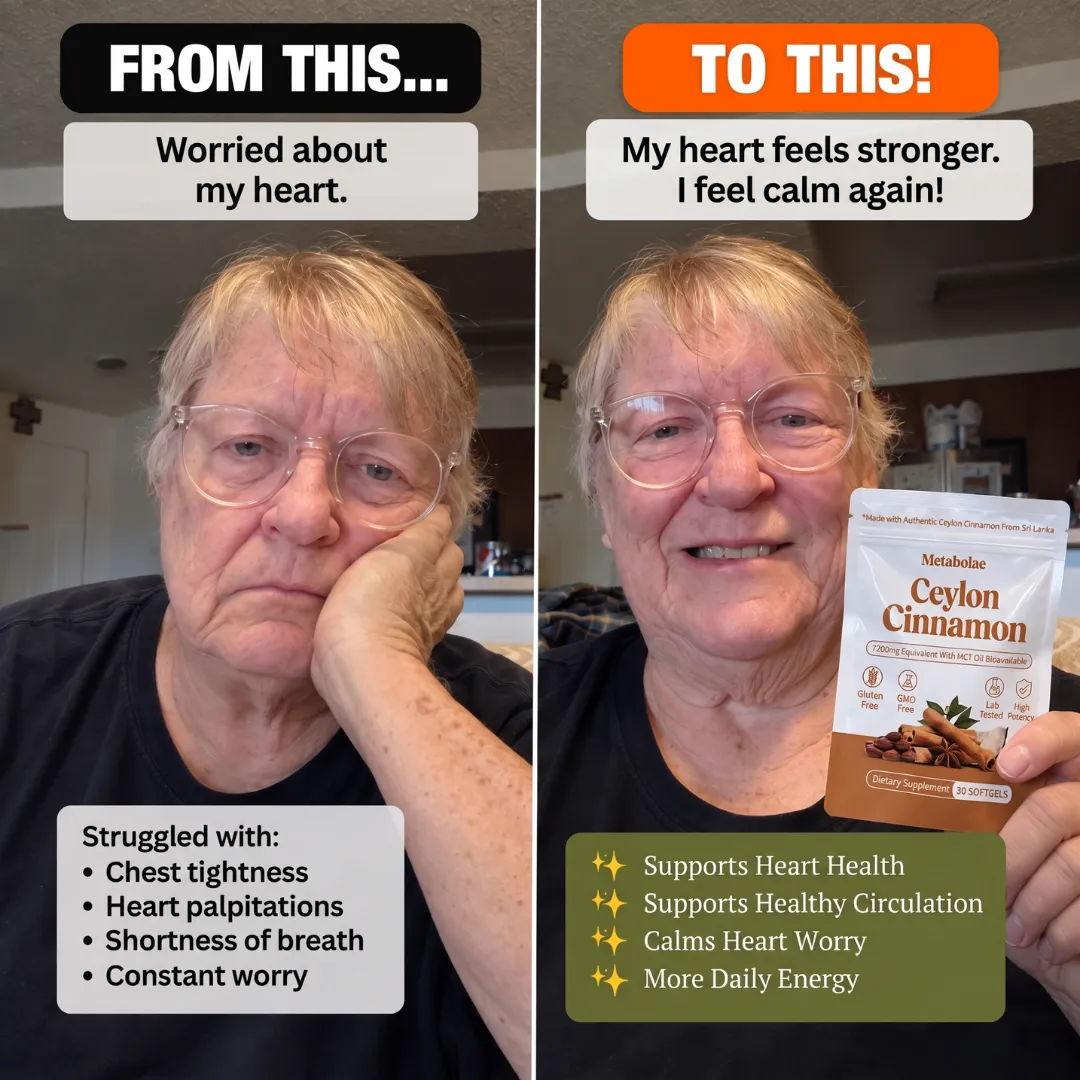
Ceylon Cinnamon 7200mg Equivalent with MCT Oil
Dr. Benjamin Harrington
Ceylon Cinnamon 7200mg Equivalent with MCT Oil
Dr. Benjamin Harrington
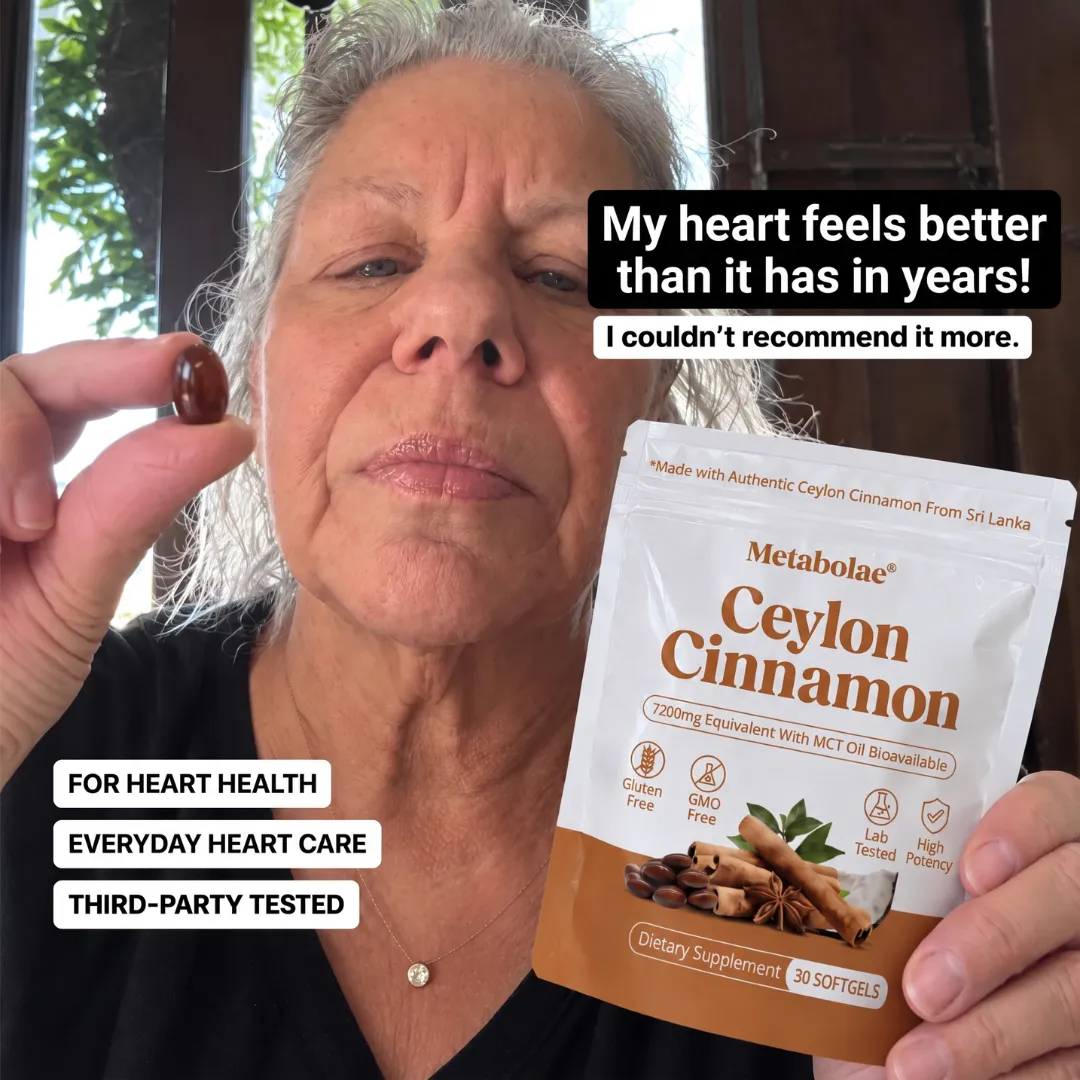
Ceylon Cinnamon 7200mg Equivalent with MCT Oil
Dr. Benjamin Harrington
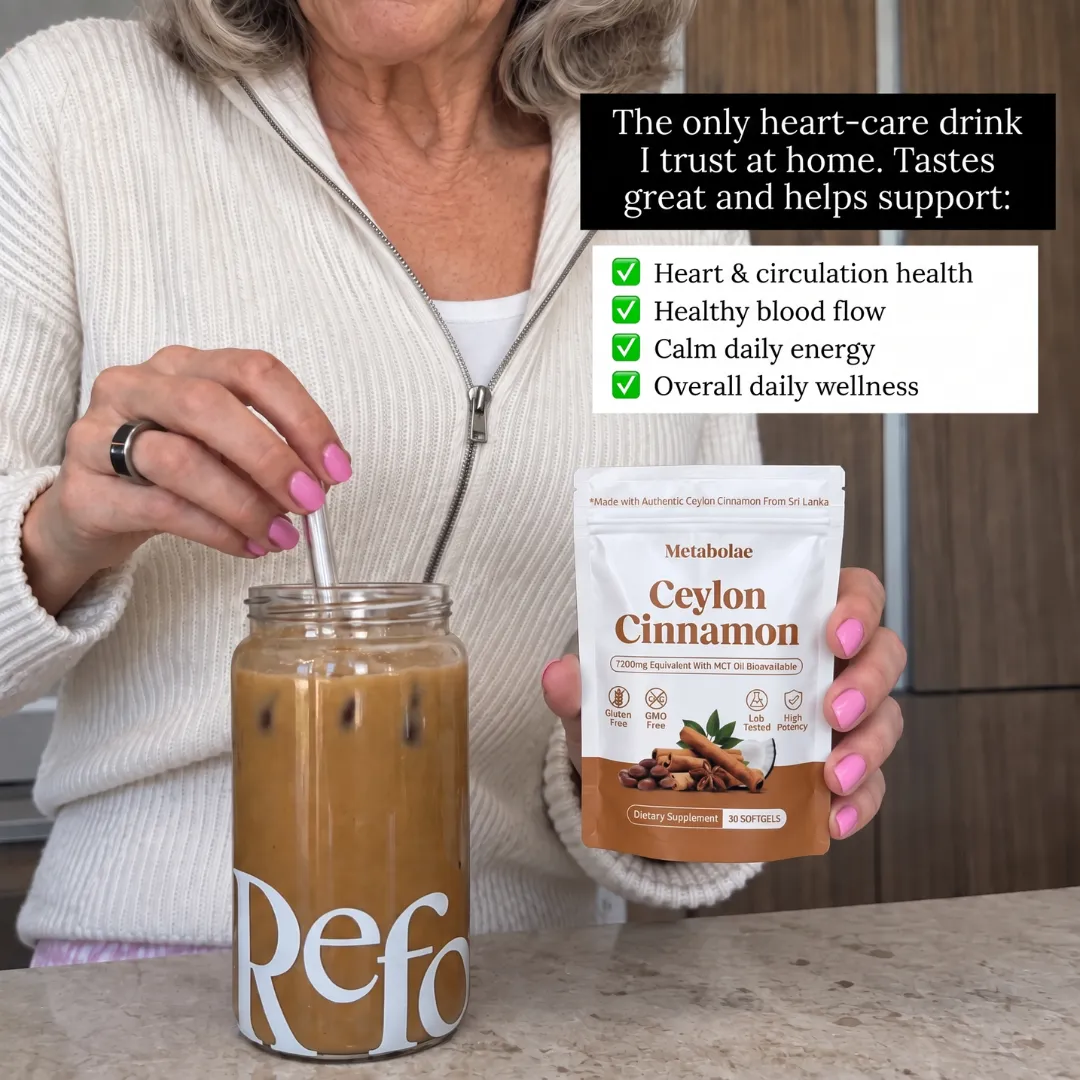
Ceylon Cinnamon 7200mg Equivalent with MCT Oil
Dr. Benjamin Harrington
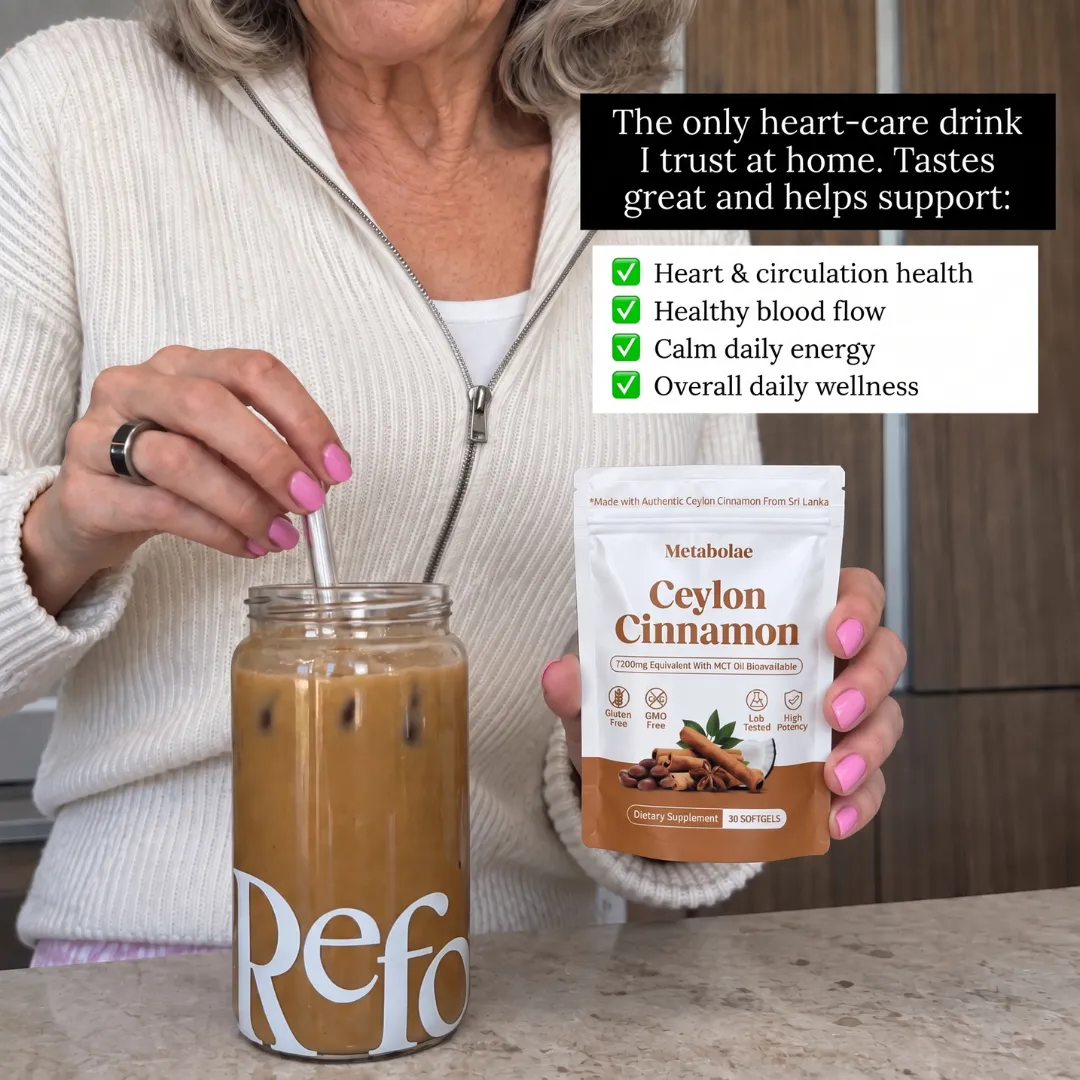
Ceylon Cinnamon 7200mg Equivalent with MCT Oil
Dr. Benjamin Harrington
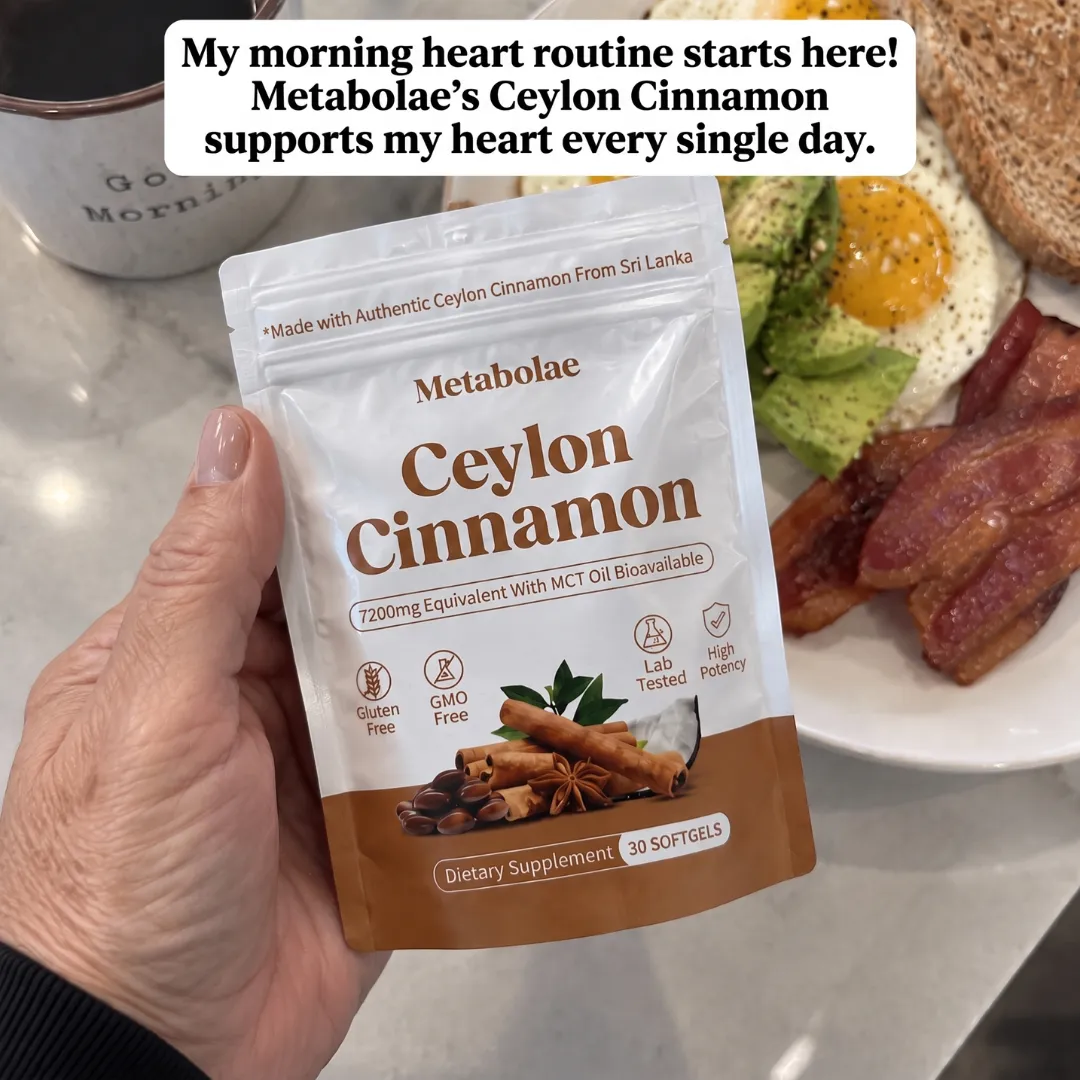
Ceylon Cinnamon 7200mg Equivalent with MCT Oil
Dr. Benjamin Harrington
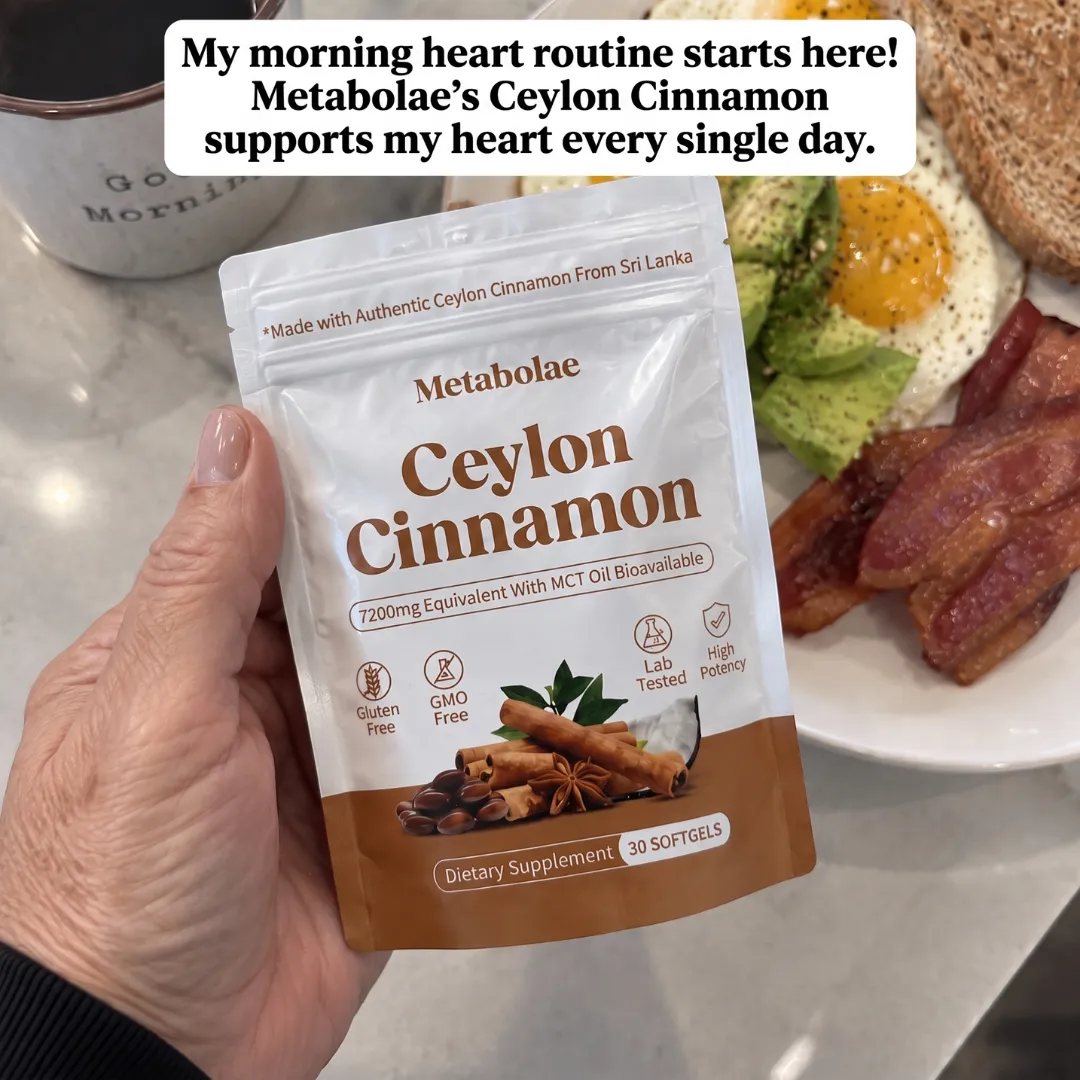
Ceylon Cinnamon 7200mg Equivalent with MCT Oil
Dr. Benjamin Harrington
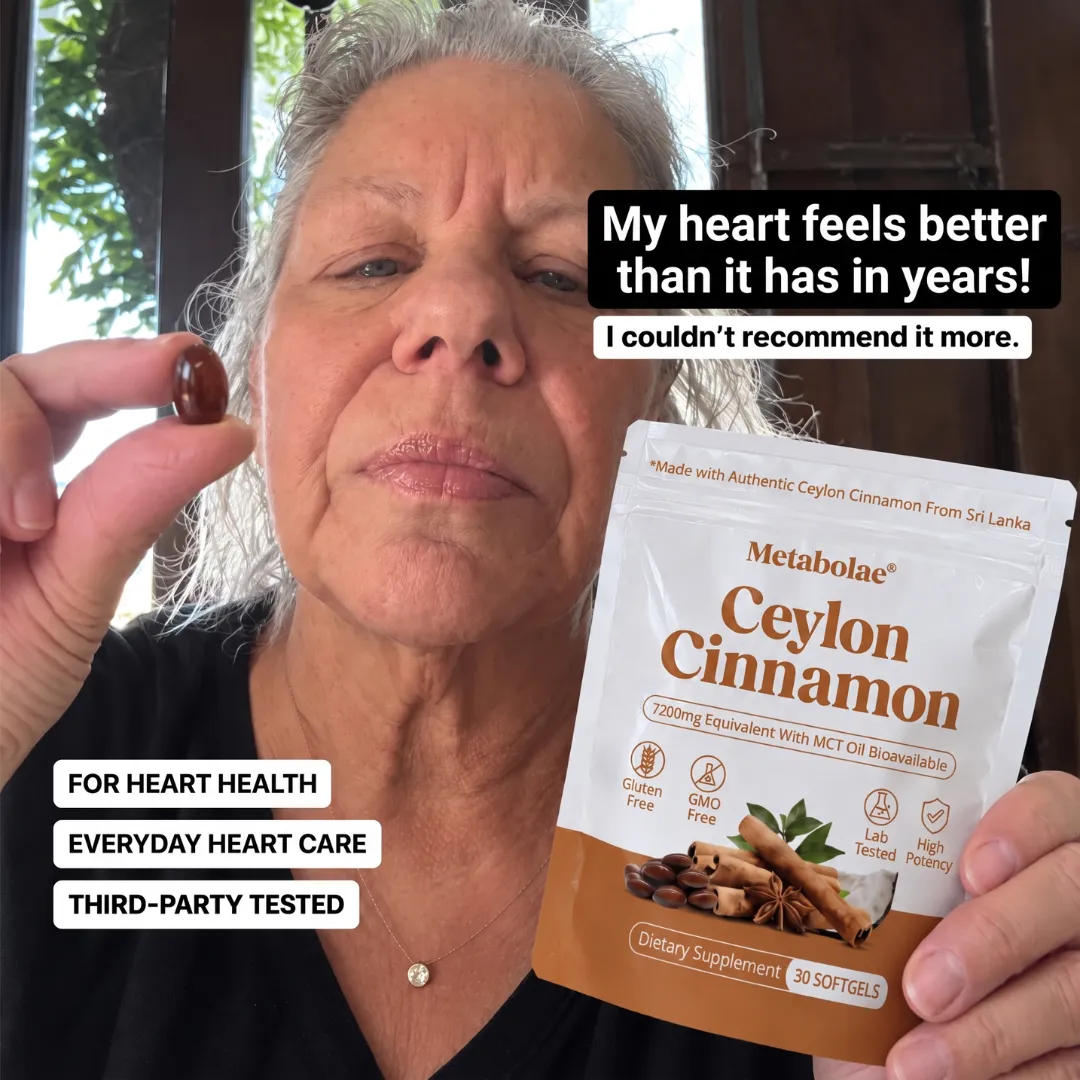
Ceylon Cinnamon 7200mg Equivalent with MCT Oil
Dr. Benjamin Harrington
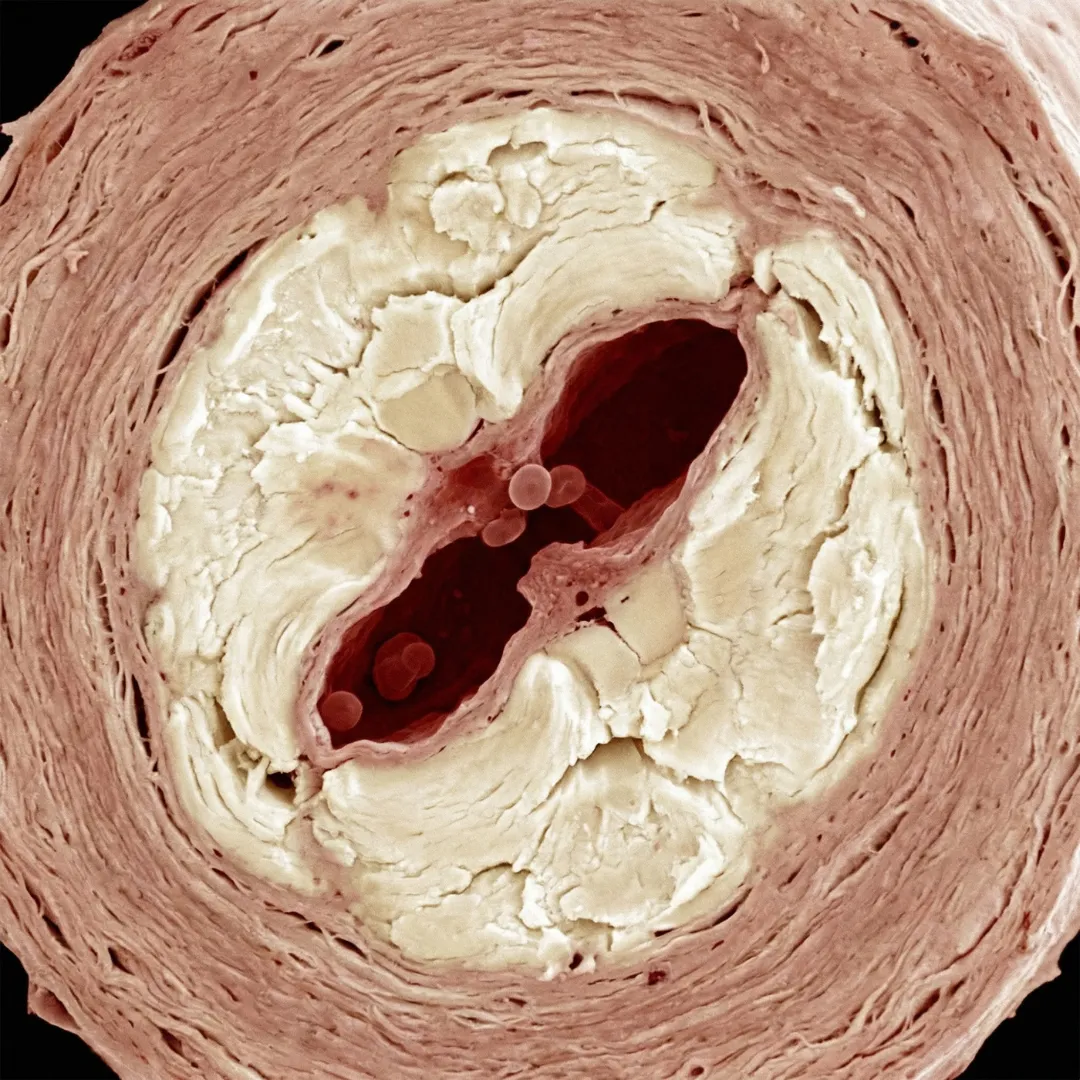
Ceylon Cinnamon 7200mg Equivalent with MCT Oil
Dr. Benjamin Harrington
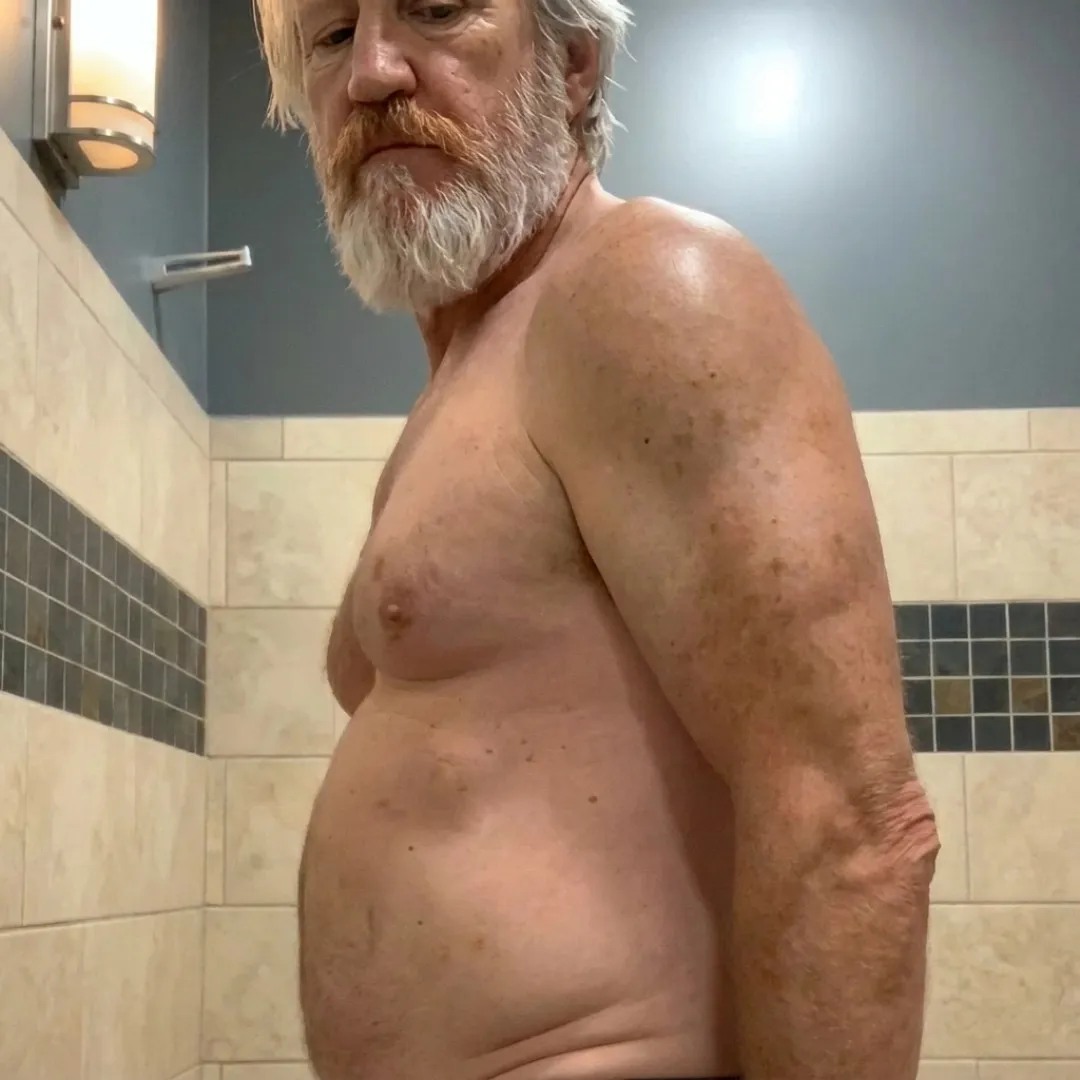
Ceylon Cinnamon 7200mg Equivalent with MCT Oil
Dr. Benjamin Harrington
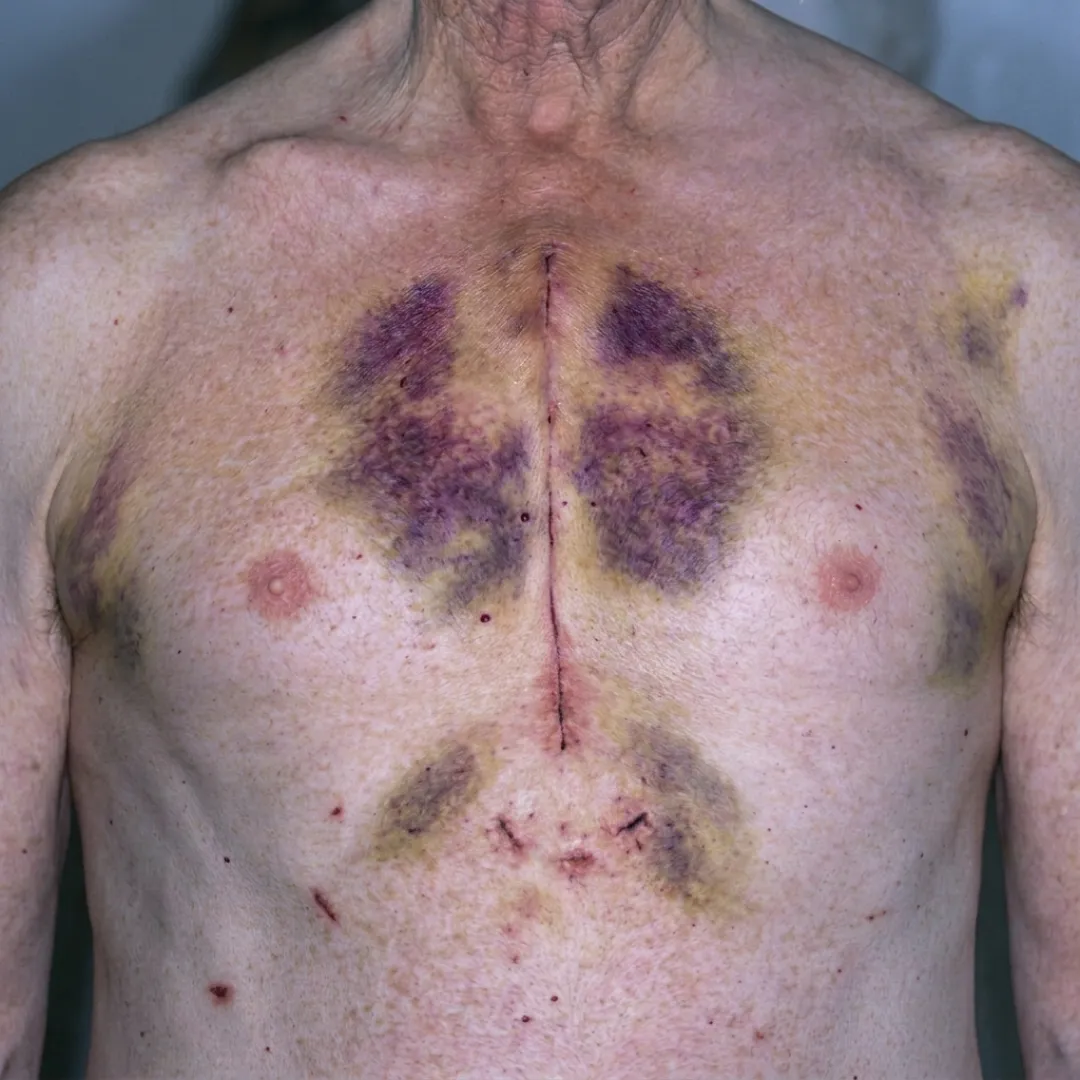
Ceylon Cinnamon 7200mg Equivalent with MCT Oil
Dr. Benjamin Harrington

Ceylon Cinnamon 7200mg Equivalent with MCT Oil
Dr. Benjamin Harrington

 Add to Chrome