Make Conversations Clear Again
Ad Copy
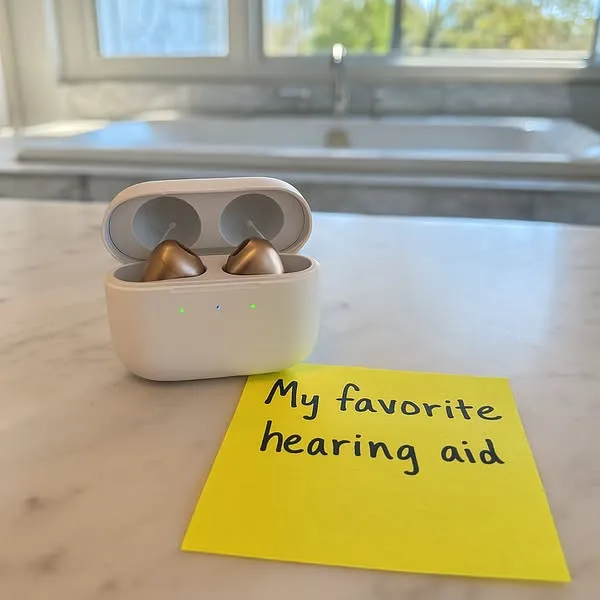
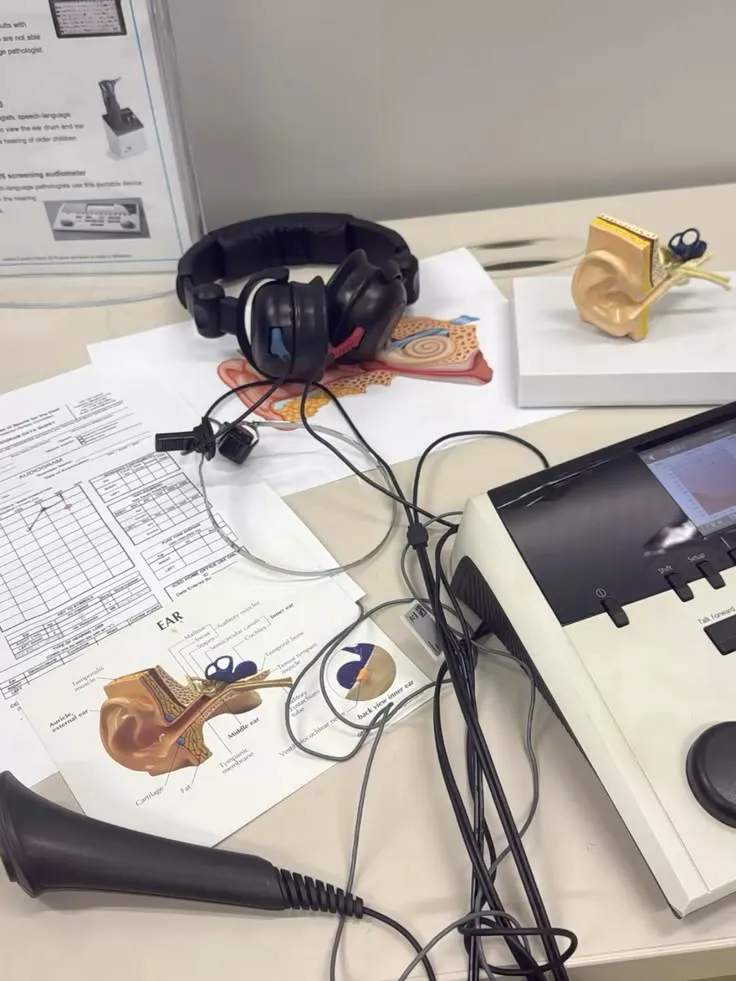
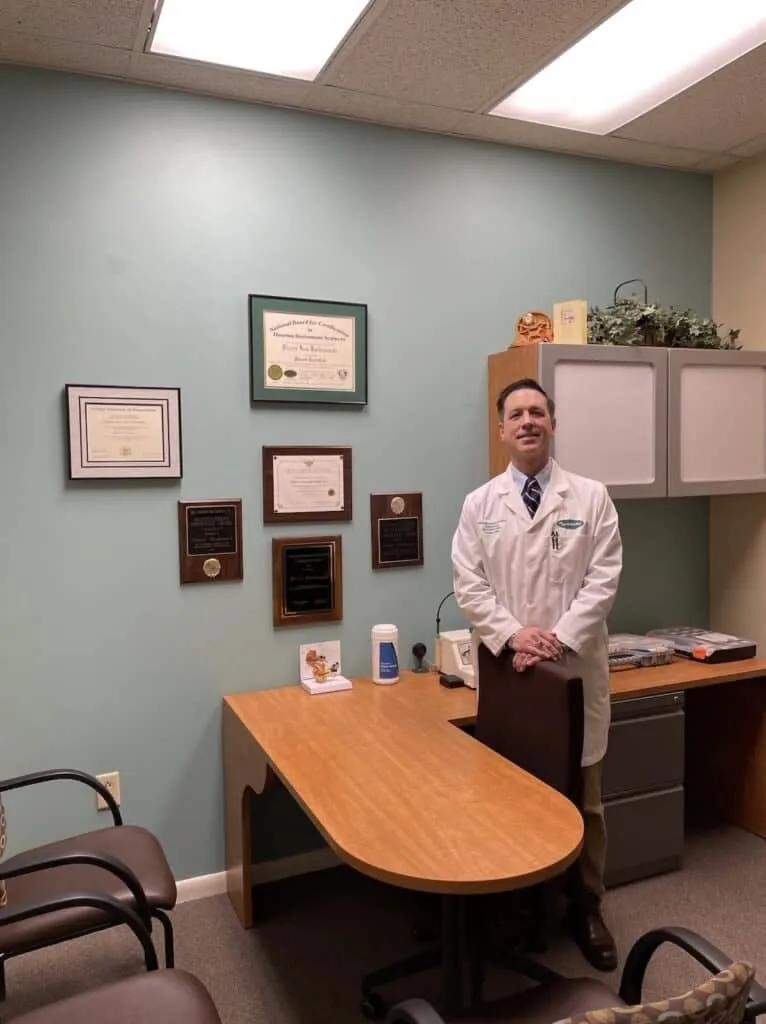
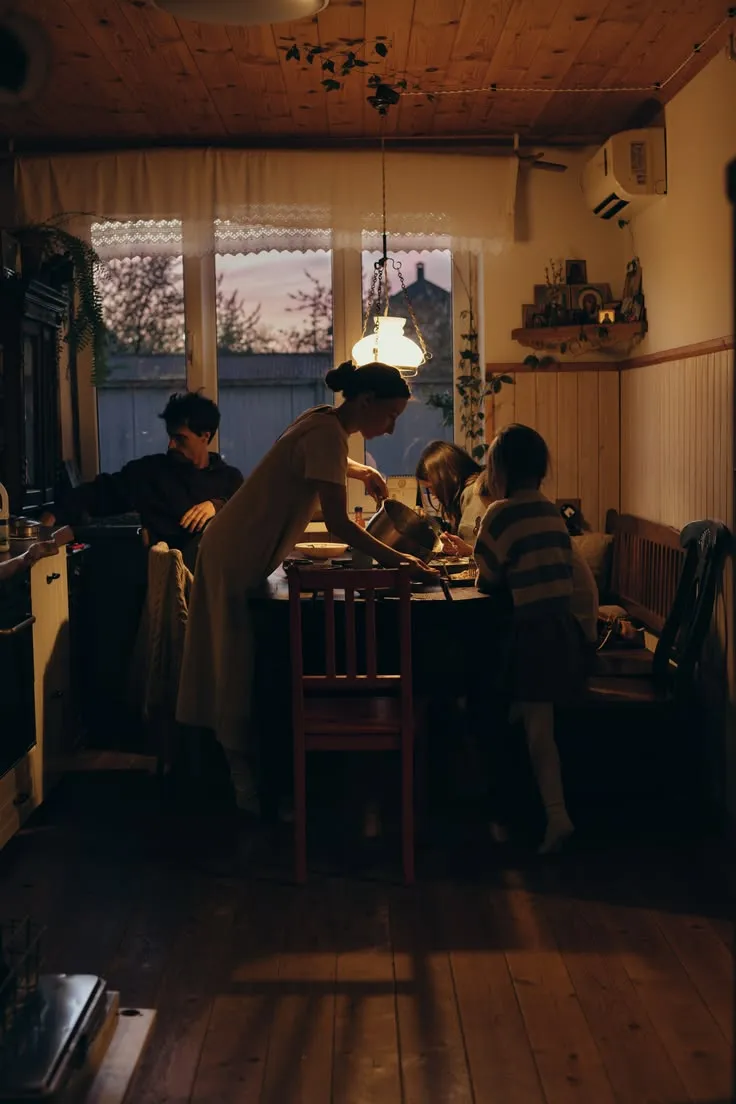
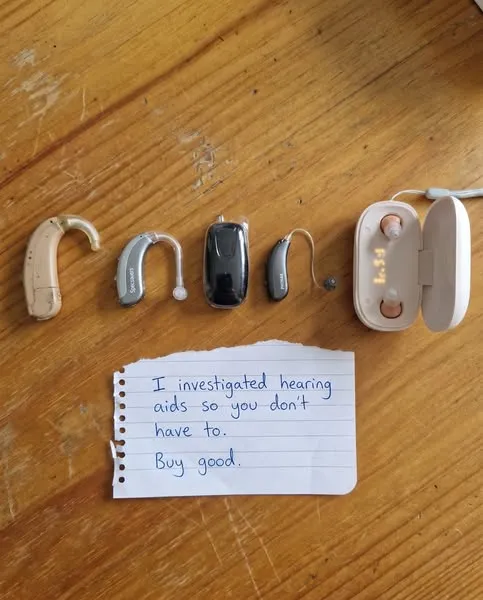
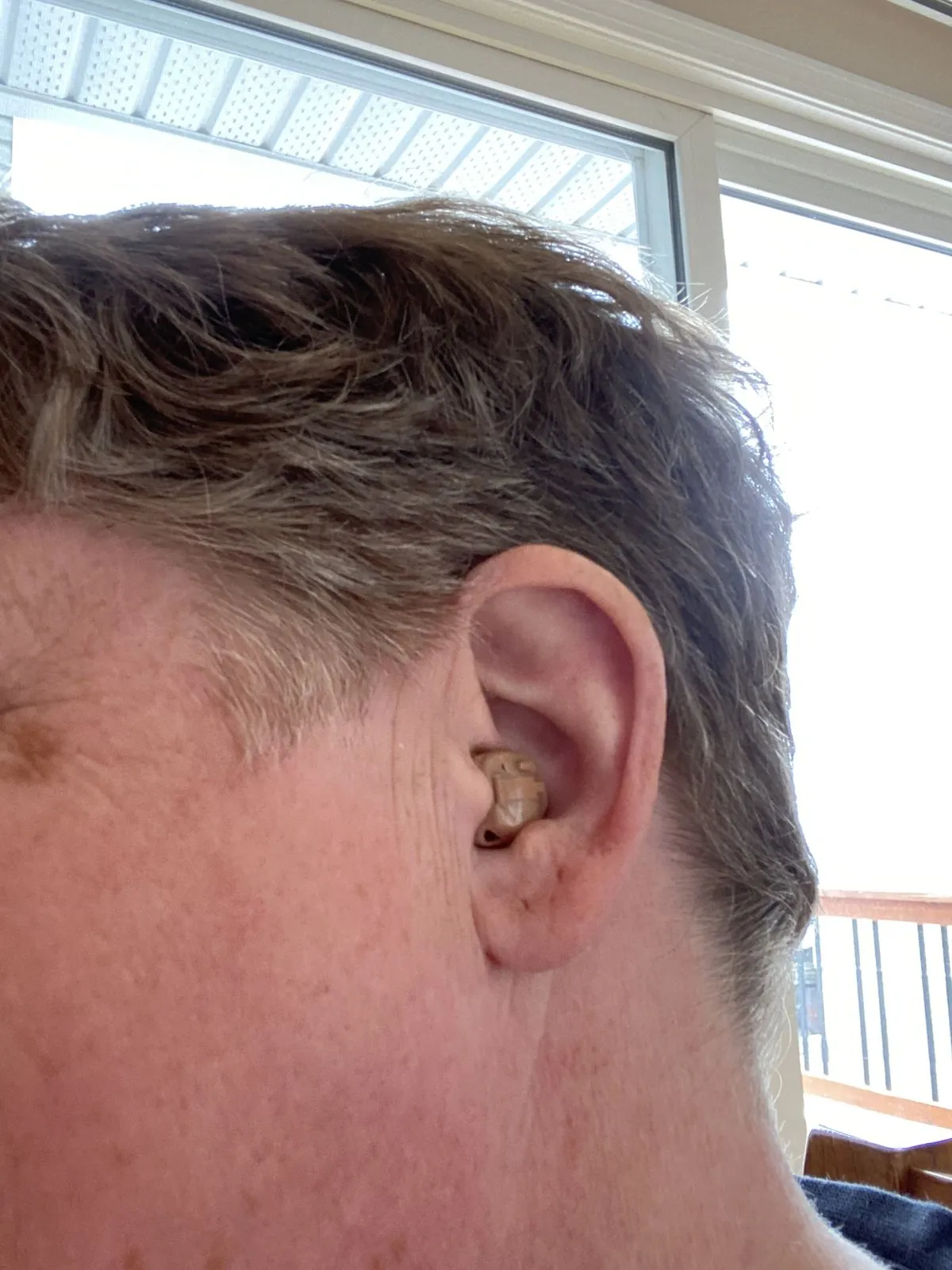
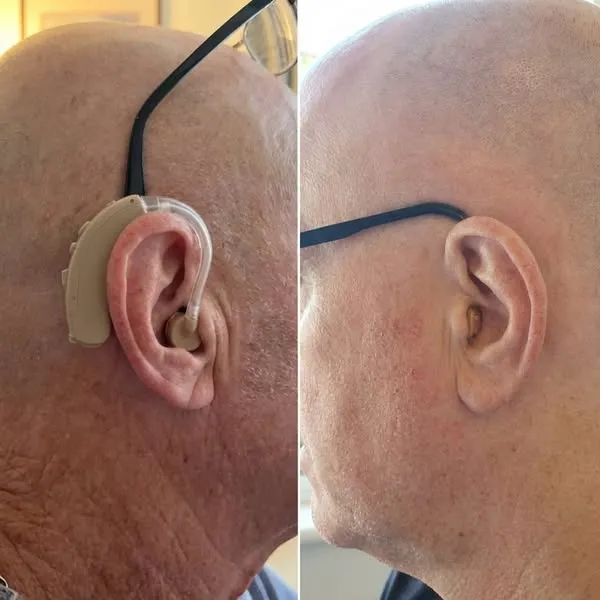
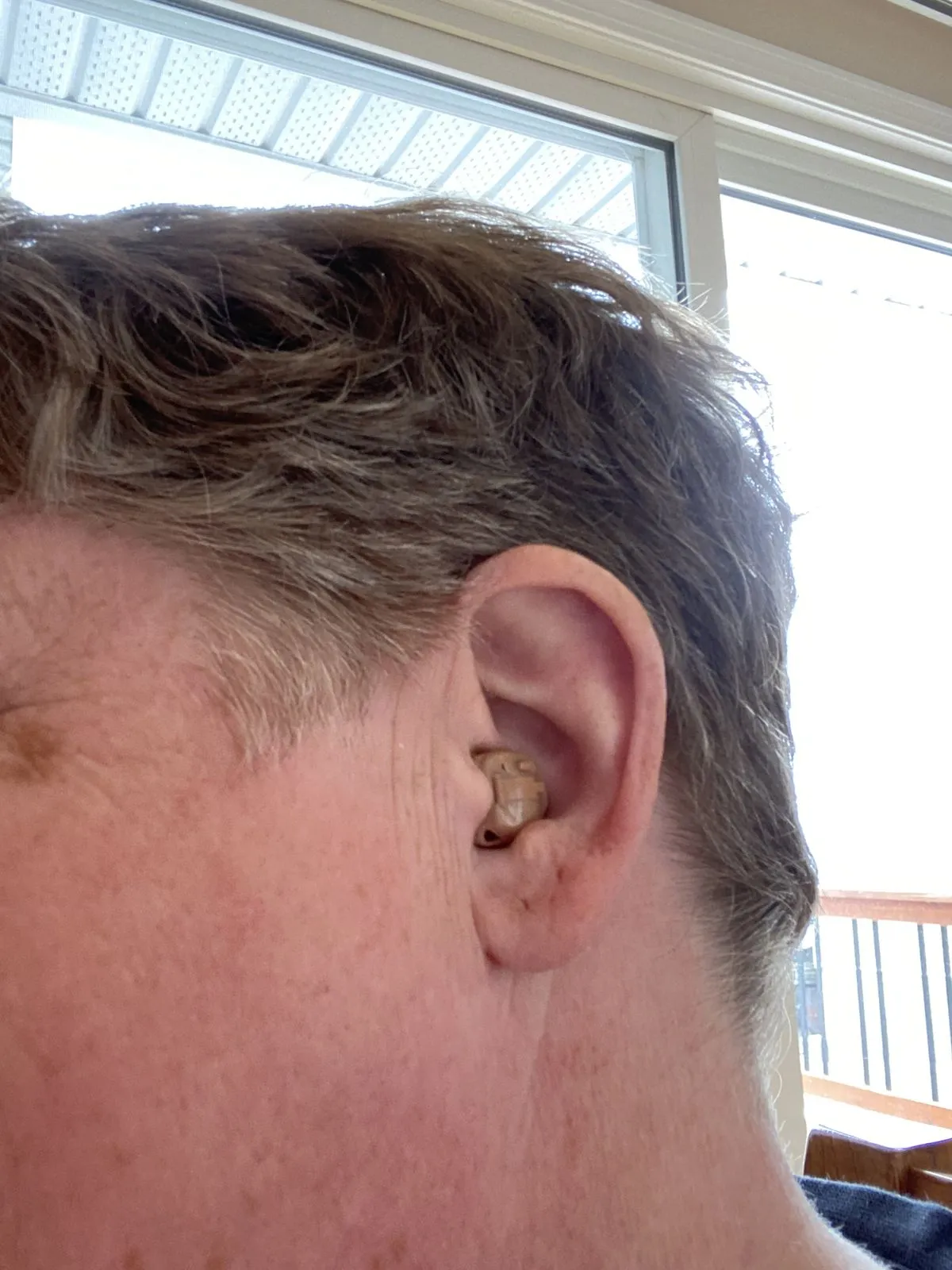
I spent 41 years as a licensed hearing instrument specialist. I tested thousands of ears, fitted more than 4,000 people with hearing aids, and I’m about to tell you something I should have said 30 years ago. My family told me to let it go. I’m retired now. Nobody’s career is on the line anymore, not mine, not the audiologists’, not the clinics’. But I’m 68 years old, and I sat across from too many people who could hear the tones in my booth, could hear me speaking right in front of them, and still went home unable to follow their own families. So here it is. When you work in hearing care long enough, you learn there is a difference between hearing a sound and understanding a person. You see it when a patient raises his hand perfectly for every tone, then turns to his wife in the waiting room and says, “What did you say?” You see it when somebody can hear the receptionist call his name, but misses the question she asks immediately afterward. You see it when the fitting software says everything is right, the volume is there, the device is working, and the patient still tells you restaurants are impossible. I found it in men who could hear a lawn mower from across the yard. I found it in women who could hear the television perfectly well but needed captions to understand the dialogue. I found it in teachers and mechanics and church deacons and grandfathers whose grandchildren had quietly learned to walk closer before speaking to them. I found it in people whose families sat across from me and said, “But he can hear me. He just can’t understand me.” He can hear me. He just can’t understand me. I want to tell you about the first two times I almost said something different. And why I didn’t. It was 1993. A man named Daniel. 53 years old. He coached Little League. His wife brought him in because the television had gotten louder and Sunday dinners had gotten quieter. Daniel had been sitting in another hearing office six months earlier looking at an audiogram that showed the kind of gradual high-frequency loss I had seen hundreds of times. His provider told him what hearing professionals told people in 1993. Turn the volume up. Face whoever is speaking. Sit closer. Give your brain time to adjust. Daniel did it. He sat closer. He asked his wife to face him. He wore the hearing aids faithfully. His aided testing looked better. His word scores improved in the quiet booth. He was told he was doing everything right. When he came to me, he could hear my pen click. He could hear the paper moving on my desk. He could hear the air conditioner come on behind him. His wife sat three feet away and said something while I was adjusting the device. Daniel looked at me and said, quietly, “What did she say?” And I almost told him what I had started wondering. Maybe the problem was not that he needed more sound. Maybe the problem was that the sound he cared about was getting buried inside everything else. But I didn’t have an explanation that fit neatly into the fitting software, and I was still young enough to believe my job was to adjust the device, not question the way we talked about the problem. I was 37. I had two kids and a mortgage and a job in a small county where most of my referrals came from the same handful of doctors and clinics. I had been taught, not in writing, never in writing, just understood, that if the hearing aid was functioning and the aided scores looked good, you kept fine-tuning. So I changed Daniel’s settings. I changed his dome. I reran the test. I told him to give it more time. And I carried a question I couldn’t shake. I went home that night and started a notebook. Not for anyone. Not for research. Just for me, because I couldn’t carry it in my head anymore. Every patient. The date. The age. What the audiogram said. What the patient said. What they could hear. What they still could not understand. Fourteen years later, I saw another patient who made me want to walk out of the room. His name was Robert. It was 2007. 56 years old. Retired firefighter, ran a small hardware store outside town. His wife came with him. Robert was not Daniel. Robert already owned premium hearing aids. He had paid thousands for them. He had been professionally fitted. He had gone to the follow-ups. He had done everything the right way. His previous provider had shown him his aided results and told him, his wife told me this in my office, still carrying the paperwork in her purse, that his numbers looked “excellent.” He should have been fine. When he sat across from me, he said, “Put me in a restaurant and I’m useless.” Not a little frustrated. Useless. That was the word. He could hear the chairs. He could hear dishes. He could hear the waiter behind him. He could hear the table next to him. He could hear the music over the speakers. His wife sitting three feet away? He knew she was talking. But sometimes the words disappeared inside everything else. I stood at my desk for a long time after they left. Because the hearing aid had changed. The technology had changed. The fitting tools had changed. Robert’s numbers looked better than Daniel’s ever had. And the complaint, the complaint was the same. The room was there. The person inside the room was getting lost. That was the moment I understood I had been staring at one part of the problem. Audibility. Can the patient detect the sound? Can we make the sound loud enough? Can they respond to the tone? Meanwhile, the thing people kept describing to me was something different. Can I understand my wife while another couple is talking behind her? Can I follow television dialogue when music is playing underneath? Can I hear what my grandson said before everybody has already moved on? I added a new column to the notebook that night. “Can hear voice / cannot follow words.” By the time I retired, that notebook had 2,347 entries. 2,347 people who shook my hand and thanked me for my care and, in more cases than I want to admit, went home still carrying the part of the problem they had actually come to solve. That’s what I carried for 41 years. Here’s where it stopped being something I carried and became something I could not live with. My wife. Carol. We’ve been married 39 years. Sharpest, steadiest woman I’ve ever known. Raised three kids, ran the church food drive for two decades, never forgot a birthday and could follow three conversations at the dinner table better than anybody I knew. Two years ago, Carol started saying “what?” more often. Not every sentence. Not enough to scare anybody. Just enough that I noticed. Carol asked me what I thought. I looked at her. I thought about Daniel. I thought about Robert. I thought about the two thousand rows in my notebook that all seemed to contain some version of the same sentence. I told her we would handle it. I want you to sit with that. Because it is the single moment in 41 years of this work that makes me feel the most foolish. I had 2,347 entries in a drawer telling me “hearing more” and “understanding more” were not always the same thing. And when my own wife was standing in the kitchen asking me what to do, I started by treating it like a volume problem. We tried amplification. Six months in, it started becoming obvious. She started saying the television actors were mumbling. She would turn the volume up, then turn captions on, then leave the volume high anyway because the words were still getting lost. Then the restaurants. Carol had always loved eating out. Suddenly she wanted the booth against the wall. She wanted the quiet corner. She wanted me sitting directly across from her so she could see my face. Then the family dinners. Our staircase has 14 steps, but Carol could still hear a grandchild running down every one of them. What she could not always do was understand what the child said once everybody reached the kitchen and started talking at the same time. Then the tiredness. Carol has never been quiet in her life. Suddenly after a family dinner she would sit in her chair and say she was exhausted. Then she started losing pieces of conversations. Not words in her memory. Words in real time. She would answer a different question from the one our daughter had asked. Then laugh and say, “Sorry, I thought you said something else.” Then the panic. She started getting that look when somebody spoke directly to her in a noisy room. The look I had seen across my desk for forty years. The quick scan of the face. The attempt to rebuild a sentence from whatever fragments made it through. Then the “never mind.” Our granddaughter said it to her one Sunday after repeating herself twice. “Never mind, Grandma.” I knew what I was looking at. God help me, I knew. I knew because everything Carol was showing me was the front end of what I had watched in hearing patients for forty years. The delayed laughter. The wrong answers. The exhaustion after social situations. The husbands whose wives told me, when they finally could, “he’s gotten so quiet.” “He doesn’t like restaurants anymore.” “He leaves the table early.” Carol was starting the story. I had only ever watched it from the clinician’s side. Carol went back for another hearing evaluation. Audiogram. Speech testing. Everything. The provider walked her through the results and told her the loss looked gradual and manageable. Her numbers had changed. Nothing alarming. Nothing sudden. She was still hearing plenty of sound. She was told to keep doing what she was doing and consider amplification appropriate for the degree of loss. Of course. I had watched 2,347 people live inside that gap between “you can hear the sound” and “you can follow the person.” Here’s what nobody explains well enough: a quiet hearing test measures one thing. It tells you what you can detect and, depending on the test, how you recognize speech under controlled conditions. It cannot recreate Thanksgiving dinner with three grandchildren, a television, clattering plates, somebody talking behind you, and your daughter asking a question from six feet away. I sat across from my wife that night while she tried to work out what our son had said at dinner, and I felt forty years of professional language sitting on my chest. I was not going to watch my own wife handed the same “turn it up, face the speaker, sit closer, give it time” advice for the rest of her life. Not Carol. Not after everything I’d seen. Not after I was the one who had spent four decades listening to people describe this exact problem. I did what any husband with 41 years in hearing care would do when his wife was disappearing in front of him. I tried the two things I knew. A better amplifier, because if the first one had not been enough, I figured a more expensive one with more adjustability was a reasonable place to start. And a television accessory, because every hearing professional I had ever worked with had recommended one at some point. Carol used both faithfully. She trusted me. I told her I was figuring it out. Six weeks. She could hear more. No question. The television could come down. She heard me from farther away. The little everyday sounds were easier. But put us in a restaurant with another table behind her and she was still working. Put two grandchildren at the same dinner table and she was still losing pieces. Put music underneath television dialogue and she was still looking at me. I sat at the kitchen table one morning with the devices and the charging case on the windowsill above the sink and understood I was guessing. I had spent 41 years around the exact problem those devices were supposed to solve, and I had no idea whether I was solving the part that was actually taking Carol out of conversations. I was the right man to catch this. I was not the right man to rethink it by myself. I needed help. Then I called the one man in the profession who’d understand. His name was Ray. He’d run a hearing clinic two counties over for 44 years before he retired. Old school. The only hearing professional I had ever known who would sit at the bar after a conference and actually talk about what patients said after the testing was over, not just the audiograms, but the patterns. The way certain complaints kept showing up wearing the same shape. I told him about Carol. The numbers. The amplifier. The television. The restaurants. The delayed laughs. The “never mind.” The six weeks that had improved volume but had not moved the part that was breaking her heart. He was quiet for a long moment. Then he said, “You’ve been thinking about this wrong your whole career.” “Come on, Ray.” “I’m serious. You keep looking at whether she can hear the sound. You of all people know the sound isn’t always the problem.” “So what am I missing?” “Speech in noise. Grab a pen.” I grabbed a pen. “Hearing isn’t one thing, Tom. Detecting sound is one job. Pulling the voice you care about out of everything competing with it is another.” I stopped writing. “Say that again.” “Your wife can hear the room.” “Obviously.” “That’s the point.” I did not say anything. “She hears the dishes. She hears the television. She hears the grandchildren. She hears you. But when all of those sounds arrive together, the voice she wants does not always stand out enough.” The pen was still in my hand and I wasn’t writing. “Ray.” “What.” “Daniel.” “What about him.” “1993. Heard everything. Couldn’t follow his wife at dinner.” “Yeah.” “Robert. 2007. Premium devices. Great aided numbers. Called himself useless in restaurants.” “Yeah.” “That’s the same thing.” “That’s the same thing.” I sat back in my chair. “Then what the hell is the standard quiet hearing test measuring?” “Exactly what it was built to measure. Audibility and recognition under controlled conditions. The booth answers one question. Your wife lives in another.” “That’s why Robert.” “Say more.” “Robert. Premium aids. Numbers looked excellent. His provider showed him the results. And he sat in my office and told me he was useless at dinner. I could never explain why a man who was technically hearing better still felt like he was failing.” “You can now.” “The sound came up. The separation didn’t come up enough.” “The sound came up. The separation didn’t come up enough.” I was quiet for a while. Ray let me be quiet. That’s how you know a man is a peer. “Ray. Then how have we spent all these years talking about hearing aids like volume is the whole story?” “Because amplification does exactly what it was built to do. It gives the ear more usable sound. Very important. But here’s the part I need you to sit with, because I sat with it for years before I accepted how much it mattered.” “Go.” “A restaurant doesn’t contain one sound. It contains twenty. Your wife, a waiter, dishes, music, the table behind her, chairs, air conditioning, somebody laughing across the room. Raise all twenty together and you have not necessarily made the one voice she cares about easier to follow.” I stopped writing again. “Ray.” “I know.” “The refrigerator.” “I know.” “The silverware. The television music. The people behind her.” “I know. I saw it in my wife. That’s how I started thinking about this differently.” I sat with the phone in my hand and thought about every hearing patient who had sat across from me saying, “It’s loud enough. I just can’t understand people.” I had been hearing the sentence for forty years and never once respected how precise it actually was. “Ray. The better amplifier I gave her.” He laughed, but it wasn’t a cruel laugh. “Makes sound louder. That is not an insult. That is what it does. But if her main complaint is separating speech from competing noise, more raw gain is not necessarily the whole answer.” “And the TV speaker?” “Helpful for television because it brings the source closer. Doesn’t follow her into a restaurant.” “So what does?” “I’m not telling you another giant clinic system. I’m telling you what took me years to appreciate, and I want you to hear me out before you dismiss it because the price looks too low.” “Ray. My wife is leaving restaurants because understanding her own children has become work. I’m not dismissing anything.” “Alright. The answer is two things, at the same time, in one device. Every cheap amplifier you saw online fails because it treats the whole room like one signal. First thing you need: processing designed around speech clarity. Not just louder. Something that gives human speech more attention.” “How does a little OTC device do that?” “That’s the whole question, Tom. Most cheap amplifiers don’t do much beyond gain. The one I want you to look at uses a speech-focused processing system.” “What system?” “Vox Humana.” “Vox Humana.” “That’s what Nebroo calls the chip.” I did not say anything. “I told you I knew how it sounded.” “You’re telling a man who spent forty-one years fitting hearing aids that the answer might be an OTC product with a Latin-sounding chip name.” “I’m telling you to ignore the name and look at the job it is supposed to do.” “Which is?” “Help speech come through more clearly instead of treating every sound as equally important.” “Two variables?” “Two variables. Speech processing and background-noise reduction.” “Two variables. One device.” “Two variables. One device. In the room.” “Ray. Is any of this real technology or just copywriting?” “Speech-focused processing and noise reduction have been part of hearing technology for years. Nebroo packages its version as Vox Humana plus Background Noise Reduction 3.0. Don’t take the name on faith. Try the device where Carol actually struggles.” “How long have you known about it?” “Long enough to know some people like it and some don’t. It’s OTC, Tom. I’m not calling it a miracle.” “You never told me.” “Would you have listened? Five years ago, if I’d called you and told you to look at a $99 OTC hearing aid after spending your career around devices costing thousands, what would you have said?” He was right. Five years ago I would have hung up on him. “How is it $99, Ray?” “You know the answer better than I do. The expensive part of a hearing aid was always the chip. It took huge research teams and millions of dollars to develop, and then the chip maker, the manufacturer, the clinic and the salespeople all got paid. Nebroo trained its Vox Humana chip on huge amounts of real-world sound with new data technology, and they sell it direct. No middlemen.” “And the name?” “Latin. Human voice. That’s the whole point of it.” I wasn’t hanging up. My wife was leaving restaurants early, laughing a half-second late, and hearing “never mind” from our granddaughter, and for the first time in six months I was looking at something that matched the actual complaint. I got off the phone with Ray and did the obvious thing. I went online. I looked at the same hearing-aid pages I had looked at before. This time I knew what I was looking for. Speech clarity. Background-noise reduction. Two variables in one small device. There were dozens of OTC hearing aids. I sat there and read every page. I picked the two that looked the most serious, bigger amplification claims, “advanced digital” language, tiny design, and I ordered both. Carol was skeptical this time. She had been trying hearing devices for months and restaurants were still work. I told her Ray had explained the mechanism and this was different. Six weeks. Neither changed the part that mattered enough. One was uncomfortable. One made certain sounds sharper without helping her track conversation enough to keep wearing it. I called Ray back. “You bought generic OTC devices, didn’t you.” “I bought the two most serious-looking ones I could find.” “Doesn’t matter. Serious-looking doesn’t mean it solves the problem you actually care about.” He said if I was going to give Carol an OTC device a fair test, four things had to be true, and most people never test all four. One. It had to be designed around speech clarity, not just amplification. If the entire selling point is “powerful sound,” you’re probably still asking the wrong question. Two. It had to do something about competing background sound. Restaurants are not difficult because there is no sound. They are difficult because there is too much of it. Three. It had to fit comfortably enough that she would actually wear it. Small in-canal design. Multiple dome sizes. Something that could disappear into normal life instead of becoming another object she dreaded putting on. Four. It had to be simple enough to adjust herself. No complicated app she hated. No appointment every time she wanted to change the level. Physical controls. Enough volume levels to adapt to a quiet room, television, dinner, or something noisier. “So how do I find one that hits all four?” “There’s one I want you to test properly.” He told me the name. Nebroo PRO 3.0. I ordered it that afternoon. When it arrived a week later I opened the charging case and held one between my fingers. Tiny. I read the paperwork that came with it. Vox Humana Chip. Background Noise Reduction 3.0. Six volume levels. Rechargeable. Multiple dome sizes. Small in-canal design. Up to 19 hours of battery life. No prescription required. Those are the current product features Nebroo lists for the PRO 3.0. Before Carol went to bed that night I called Ray one more time and asked him how long it took to know. “Don’t give me a number,” he said. “Give her enough time to adjust. Then put her in the rooms that beat her. If she isn’t following more of what matters after a fair trial, it isn’t the right device for her.” I put the two aids on Carol’s placemat the next morning next to her coffee, and I told her what Ray had told me. All of it. The difference between audibility and understanding. The speech. The background noise. The four things a device had to do. The real-world test. She looked at me for a long moment. Then she picked them up and put them in. Carol used the Nebroo PRO 3.0 the way Ray told her to. She found the dome that felt right, adjusted the volume, wore them in normal life, and judged them in the places where her hearing actually failed her. Week 3: We were watching a British crime show. One character said something quietly with music underneath it. Carol looked at the television and said, “Well, now we know who did it.” She didn’t ask me what he said. She didn’t even notice she hadn’t asked. I noticed because I had spent two years answering that question. Week 5: Sunday dinner. She was carrying a bowl from the kitchen when our granddaughter asked her something from the other end of the table. “What did you say?” I looked up. Carol wasn’t talking to our granddaughter. She was talking to me. “What?” “She asked if I saw that.” Carol had heard the question the first time. She hadn’t done that consistently in a room like that for more than a year. I set my coffee down. Week 8: The early exits had stopped. Dinner ended and Carol stayed at the table. I would start clearing plates and look back forty minutes later and she was still there. Talking. Interrupting. Laughing before checking everyone else’s face. I cannot describe to you what that noise meant after the two years we had. That same week we went to a restaurant. Hard floor. Music. Table behind us. Carol followed our daughter’s story, then our son-in-law’s interruption, then corrected me when I interrupted both of them. Week 12: Her sister came by, stopped in the doorway after they had been sitting in the kitchen together for almost two hours, and said, “Carol. You’re talking my ear off again.” Carol just smiled at me. The delayed laugh was gone more often. The guessing eased. The restaurant dread eased. She told me she felt like herself again. Because she was herself. She had just been carrying one problem that was quietly training her to participate less and less. I use them now too. Forty-one years fitting hearing aids, and eventually I needed help myself. We both still get our hearing checked. Keeping it that way. I don’t run hearing tests anymore. I don’t fit devices. I don’t sit across from wives in my office while they say, “He can hear me. He just can’t understand me.” But I think about Daniel. And Robert. And their wives sitting in my room with the same question and me giving them another adjustment because that was the language I knew. The notebook in my desk drawer with 2,347 names in it. The people I sent home without ever clearly telling them what I had started to understand. And I think about Carol. How close we came to accepting that she was simply “getting quieter.” How every little behavior lined up, line for line, with what I had watched in patients for forty years. How a technically manageable hearing loss was quietly taking restaurants, family dinners, jokes, and pieces of conversation from a woman I loved. The only difference was that I finally asked a different question. Not just “Can she hear?” but “Can she follow?” That’s why I’m telling you now. Because I finally can. The television that keeps getting louder. The laugh that comes a second after everybody else. The wrong answer to a question you only half-heard. The third “what?” you decided not to ask. The family dinner you leave early because you are tired of trying to rebuild sentences in your head. Those are not always separate problems. They can all come back to the same frustrating gap: hearing that somebody is talking without clearly understanding the words. Your family may think you are becoming quieter. Your spouse may think you are not listening. Your grandchildren may learn to repeat themselves before you ask. Meanwhile, the room is loud enough. You hear them. You just cannot always understand them. Two variables. The voice you care about and everything competing with it. What reaches that problem is not simply more volume. Not one amplifier layered on top of another the way I did it. Not a device that makes the refrigerator as important as your wife. Not another gadget that ends up in a drawer because it is uncomfortable or too complicated to use. I know that because I tried the wrong versions with Carol before Ray finally walked me toward the right question. The right one, for her, started with speech-focused processing. Nebroo calls its version the Vox Humana Chip. Its purpose in the product story is to help make human speech clearer instead of simply indiscriminately boosting every sound. Then the competing sound. Background Noise Reduction 3.0, designed to reduce some of what is fighting with the conversation. Then the fit and simplicity. Small in-canal design. Multiple dome sizes. Rechargeable. Six volume levels. No prescription required. When you open the case, there is nothing intimidating about it. That matters. Because the best hearing aid in the world does nothing from a drawer. The Vox Humana processing is there to help speech come through more clearly. The background-noise reduction is there to help reduce some of the competition around it. Two variables. One small device. In the room. The name is Nebroo PRO 3.0. Carol uses hers. I use mine. And we judge them the same way Ray told us to from the beginning. Two hearing aids in the morning. Put them in. Adjust the level. Go live your day. Nebroo currently lists a 120-day money-back guarantee on the PRO 3.0. If you try them in your actual life and they are not right for you, use the guarantee. They are sold direct. Right now the PRO 3.0 is $99, 70% off. Every day you wait can become another day of asking people to repeat themselves. Another dinner you spend guessing. Another joke you laugh at because everybody else laughed. I spent 41 years around people who thought they were simply “getting quieter.” I wrote 2,347 of them down in a notebook nobody was ever meant to read. I’m not carrying it anymore. The restaurant will not suddenly get quieter. Your grandchildren will not suddenly speak one at a time. The third “what?” will not become less embarrassing because you wait another year. Stop asking only whether the room is loud enough. Start asking whether the person inside it is clear enough. There is a drawer in my desk with a notebook in it. 2,347 names. I wish I had asked that question sooner. Carol is the reason I finally did. You are the reason I am saying it now. https://shop.nebroo.com/advert-v1-n — Tom, retired licensed hearing instrument specialist, 41 years in hearing care P.S. I need to say this as plainly as I can, because Carol used an over-the-counter hearing aid in this story and I do not want you treating every kind of hearing loss the same way. Her hearing difficulty was gradual and consistent with the type of perceived mild-to-moderate hearing loss OTC hearing aids are intended for. Sudden hearing loss, severe hearing loss, a major difference between the two ears, ear pain, drainage, dizziness, or other concerning symptoms deserve professional medical evaluation. The point is not to fight hearing professionals. The point is to use the right level of care for the problem you actually have. P.P.S. Do not quit after ten minutes in a silent room. The first few days can feel different because sounds you have been missing or ignoring may suddenly demand your attention again. Find the right dome. Adjust the level. Wear them. Then take them where you normally struggle. Family dinner. Television. Restaurant. Church. Give yourself enough real-world use to decide whether you are actually following more of what matters. P.P.P.S. The guarantee is the part I keep coming back to. Nebroo currently lists a 120-day money-back guarantee on the PRO 3.0. That means you do not have to answer the question from an advertisement. You can answer it in your own house, your own restaurant, your own family dinner. If the device is not right for you, use the guarantee. P.P.P.P.S. Use the direct page rather than an old screenshot, repost, or marketplace listing. The link below is where you get the PRO 3.0 for $99, 70% off. https://shop.nebroo.com/advert-v1-n
More from Tom Wrenfield

Tom Wrenfield
Tom Wrenfield
Make Conversations Clear Again
Tom Wrenfield
Make Conversations Clear Again
Tom Wrenfield
Make Conversations Clear Again
Tom Wrenfield
Make Conversations Clear Again
Tom Wrenfield
Make Conversations Clear Again
Tom Wrenfield

Make Conversations Clear Again
Tom Wrenfield
Make Conversations Clear Again
Tom Wrenfield
Make Conversations Clear Again
Tom Wrenfield

Make Conversations Clear Again
Tom Wrenfield
Make Conversations Clear Again
Tom Wrenfield

Make Conversations Clear Again
Tom Wrenfield

 Add to Chrome