
Make Conversations Clear Again
Ad Copy
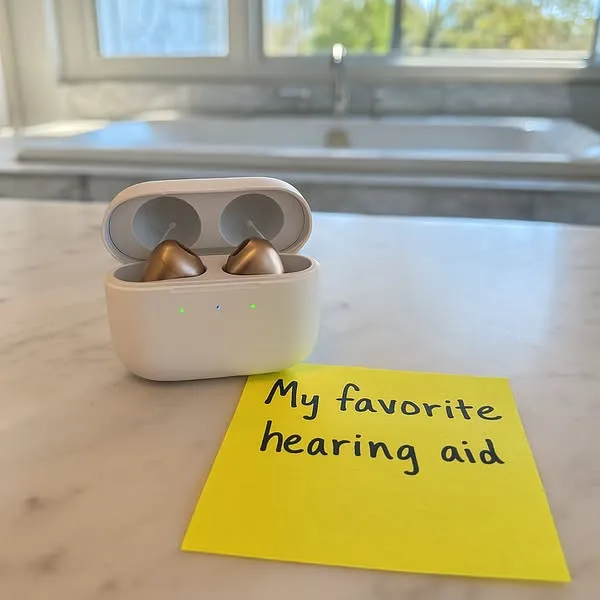
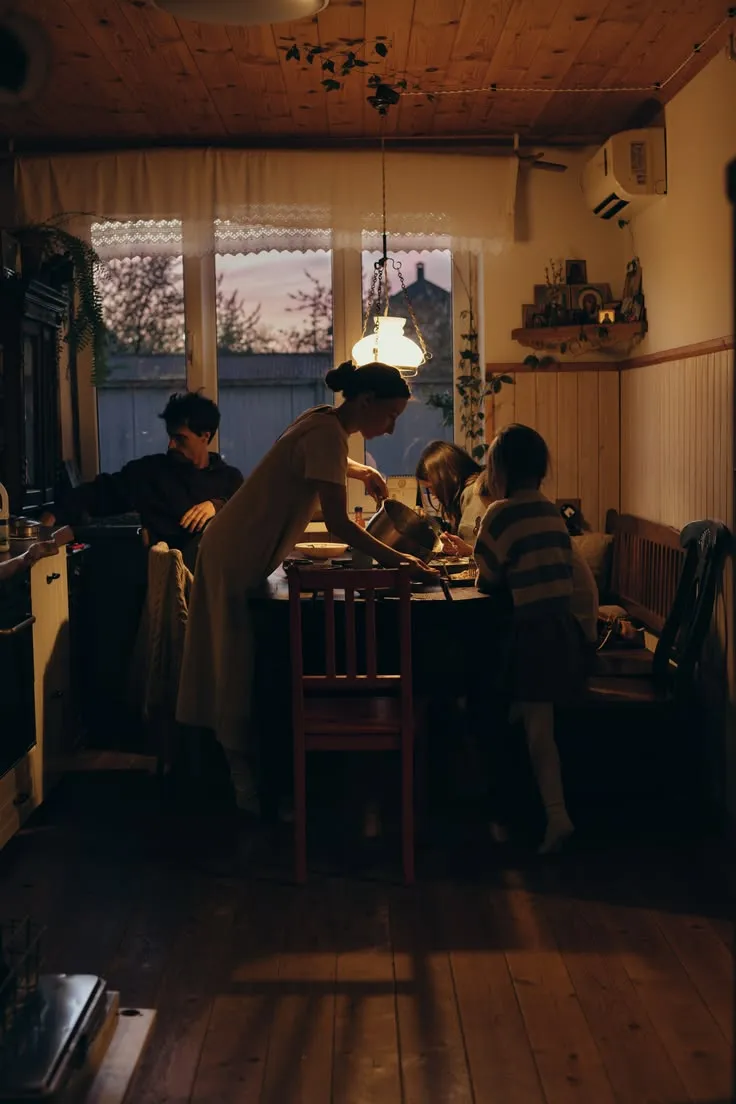
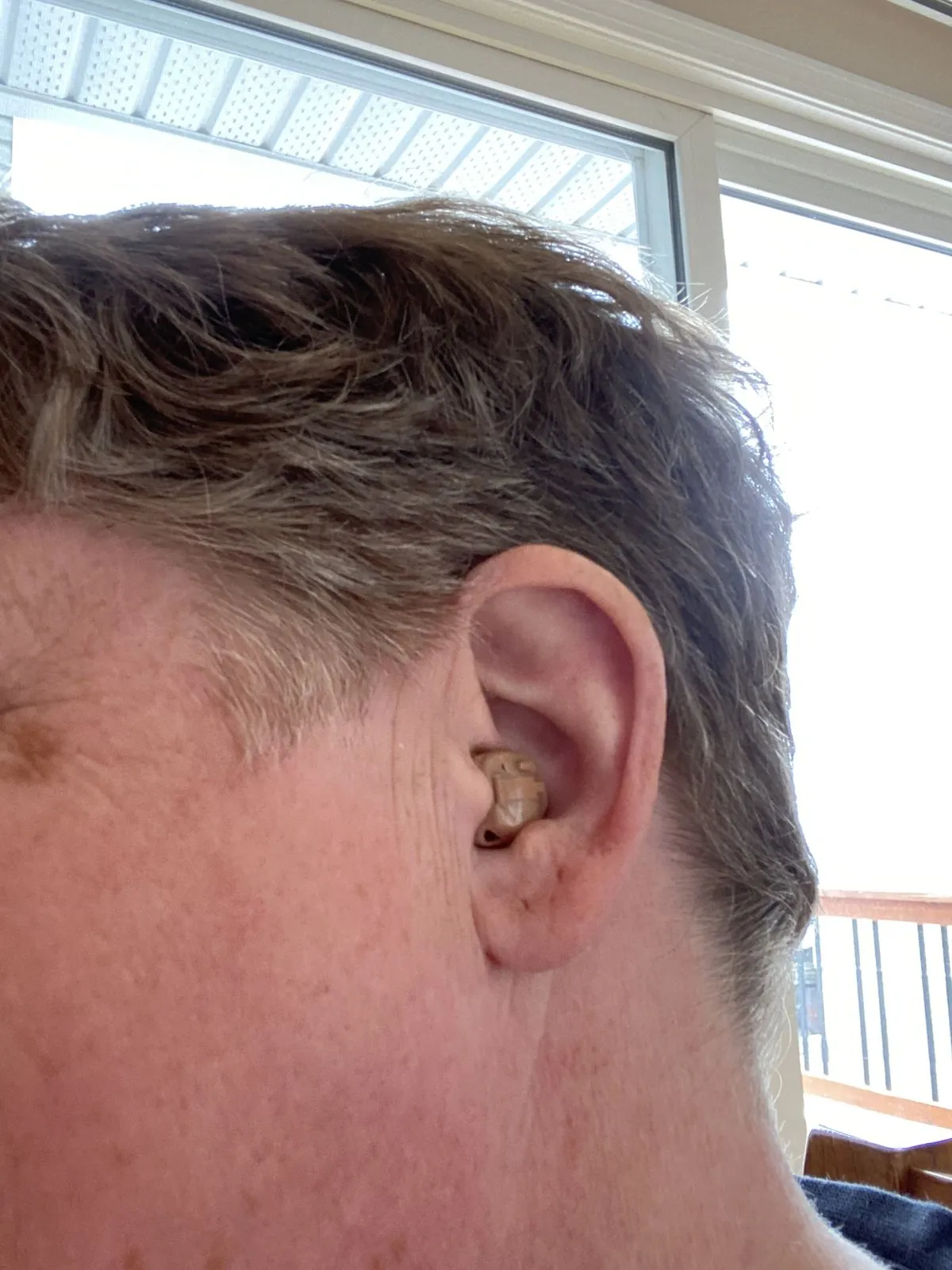
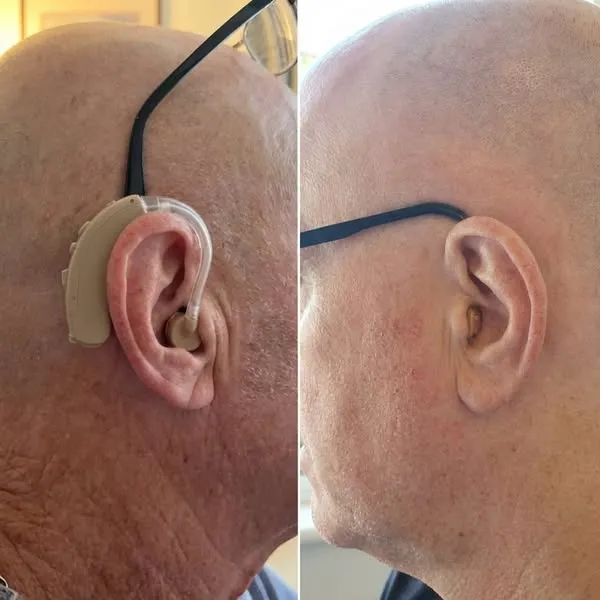
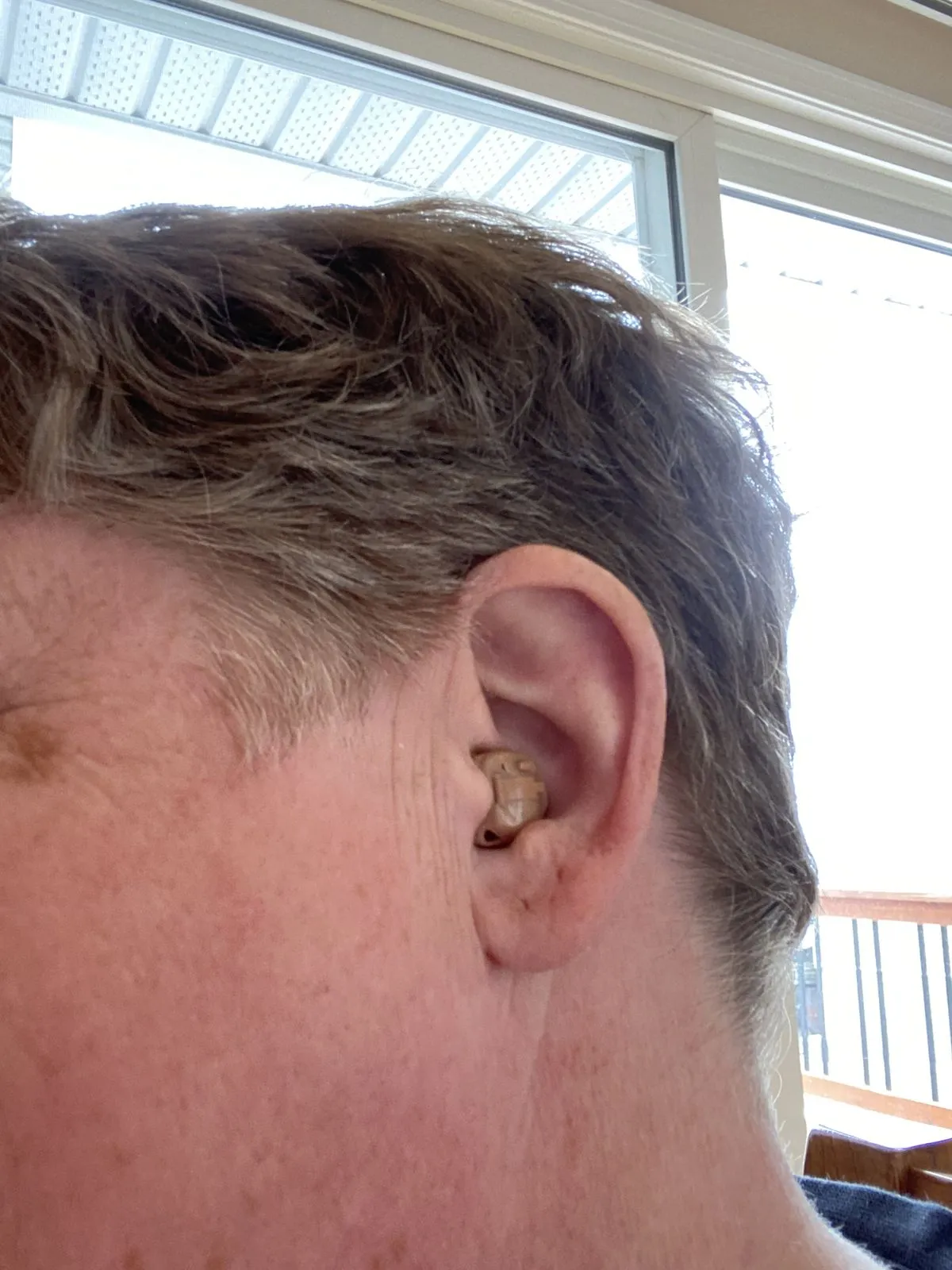
The last thing I remember hearing perfectly before my world started going quiet was my granddaughter laughing from the back seat of my car. I don’t remember what she was laughing about. That’s the strange part. It wasn’t some important moment I knew I should hold onto. She was seven, telling me one of those stories kids tell where they start in the middle, forget half the details, and laugh so hard at their own ending they can barely finish it. I heard every word. Then she laughed, and I laughed with her. I had no idea I should remember that sound. Because nobody tells you when you’re hearing something clearly for the last time. Hearing loss didn’t happen to me like somebody switched the world off. I didn’t wake up one morning to silence. It happened a word at a time. Somebody would say something from the kitchen and I’d catch most of it, but miss the one word that changed what they meant. I’d hear my daughter talking but lose the middle of the sentence. I’d hear everyone at the table laugh and laugh with them even though I hadn’t caught the joke. Imagine suddenly losing 80% of your ability to understand English. You’d still get pieces of the sentence. Maybe even most of it. But miss the subject, the question, or one important word and the whole meaning changes. And because asking someone to repeat themselves for the third time gets embarrassing, eventually you start nodding and pretending everything is okay. God forbid the person actually asked you a question. That was my life for longer than I want to admit. At first I just said “what?” more often. Then I started leaning forward when people talked. Then I started watching mouths. Then I started doing something I’m embarrassed to admit even now: pretending. If everyone laughed, I laughed. If someone told me something and I only caught half of it, I nodded like I understood. If I answered a question wrong, I’d smile and say, “Sorry, I thought you said something else.” Sometimes I had no idea what they had said at all. And the worst part wasn’t missing the sentence. It was the moment afterward, when somebody looked directly at me and waited. Now I knew they had asked me something. I just didn’t know what. You develop tricks. You choose the chair where you can see everyone. You avoid the end of the table. You turn captions on even though the television is already too loud. You let somebody else make the phone call. You ask your wife what the waiter said after he walks away. You stop jumping into group conversations because by the time you’ve reconstructed the sentence, everybody has moved on. Then eventually you stop putting yourself in those situations as much. That’s the part people who haven’t experienced hearing loss don’t always understand. It can be unbelievably isolating. You can be sitting six feet away from people you love, knowing nobody is deliberately leaving you out, and still feel exactly like you’ve been left out of the conversation. In some ways, knowing they aren’t doing it intentionally makes you feel worse. Because now you feel ridiculous for being hurt by it. I started turning down restaurant invitations. I stopped enjoying big family dinners. I would stay for an hour and then find some reason to move into the quieter room. I told people I was tired. Sometimes I was. Mostly I was tired of trying to understand them. The television got louder. Then captions appeared. Then the television got louder with the captions still on. And somehow I still missed dialogue. I tried one of those cheap hearing amplifiers because I thought the problem was obvious. I needed more volume. Well, I got more volume. The refrigerator sounded fantastic. So did silverware. Traffic outside. The dog walking across the floor. My own shirt rubbing against the microphone. The person sitting across from me got louder too. But so did everything fighting with their voice. I wore that thing maybe five times before it went into a drawer. Then I looked at traditional hearing aids. I’d open a few pages, see the clinic process, the tests, the fittings, the prices, and tell myself I wasn’t “bad enough” yet. That became my favorite excuse. Not bad enough yet. Never mind that I was avoiding restaurants. Never mind that my wife was repeating half of television shows. Never mind that my granddaughter had started walking closer before she spoke to me. Never mind that I was laughing at jokes I hadn’t heard. Apparently none of that counted as “bad enough.” So I kept managing. And managing slowly became avoiding. Then one night an old friend of mine, Mark, called me. We’ve known each other close to twenty years. He’s a few years older than me, and somewhere in the conversation I made a joke about becoming “the guy who says what all the time.” He didn’t laugh. He said, “You know I went through exactly that, right?” I didn’t. Mark had always seemed completely normal in conversation. I’d eaten with him. Sat across from him at noisy restaurants. Never noticed some huge device behind his ear. Never noticed him struggling the way I struggled. So I asked what he meant. He told me restaurants had gotten so bad that his wife started repeating half the conversation to him on the drive home. He could hear everybody talking. He just couldn’t separate the person he wanted from everybody else. That sounded uncomfortably familiar. Then he said, “I tried one of those cheap amplifiers first. Worst thing I ever bought. I could hear the silverware better than my wife.” That was almost exactly what had happened to me. I asked him what he was using now. He pulled out his phone and sent me a link. Nebroo. I had never heard of them. Then another message came through underneath the link. “Don’t let the low price fool you. Read what they say about speech versus just making everything louder. That’s the part that made sense to me.” So that night I opened the page. I’ll be honest. I expected the usual. Advanced technology. Life-changing sound. Some miracle language that made me close the page in thirty seconds. But the explanation was different. Nebroo wasn’t only talking about making sound louder. They were talking about speech clarity. That stopped me. Because by then I had finally started realizing something important. My world wasn’t quiet. My world was already loud. I could hear the restaurant. I could hear dishes. I could hear the television. I could hear the people behind me. I could hear that my wife was talking. The problem was pulling her words out of everything else. That’s a completely different problem. Think about sitting in a restaurant. The person across from you is talking. Behind them is another table. Somebody is clearing plates. Music is playing. A waiter is speaking two feet away. A chair scrapes against the floor. If you simply make all of that louder, you haven’t necessarily made the person across from you easier to understand. You may have just created a louder mess. That was what Mark had been trying to explain. And it was exactly why my amplifier had failed me. Nebroo’s PRO 3.0 uses something the company calls the Vox Humana Chip, which Nebroo positions around improving the clarity of human speech rather than simply amplifying every sound indiscriminately. It also uses Background Noise Reduction 3.0 to help reduce some of the competing sound around conversations. Speech clarity on one side. Competing noise on the other. That made sense to me. Still, I didn’t order them. Not yet. I already had one hearing gadget sitting in a drawer. I wasn’t interested in adding another because a friend sent me a link. And honestly, the price made me suspicious. Under $100. Everything I’d looked at before cost thousands. Mark had an answer for that too. Hearing aids used to cost that much because the chip inside took huge research teams and millions of dollars to develop, and then the chip maker, the manufacturer, the clinic and the salespeople all got paid. Nebroo trained its Vox Humana chip (Latin for “human voice”) with new data technology and sells it directly. No middlemen. Mine was $99, 70% off. I had an appointment coming up to discuss my hearing, so I showed the product page to the hearing professional I was seeing. My question was basically: “Am I being stupid buying something like this online?” The answer was much less dramatic than I expected. He didn’t tell me Nebroo was a miracle. He didn’t tell me every OTC hearing aid was appropriate for everybody. He told me that for adults with perceived mild-to-moderate hearing loss, over-the-counter hearing aids can be a reasonable option, depending on the person and the kind of hearing difficulty they have. He also made one thing very clear. If hearing loss comes on suddenly, is severe, is significantly worse in one ear, or comes with other unusual symptoms, that is not something you just throw an online hearing aid at. You get evaluated. But for the gradual kind of difficulty I was describing, the kind where conversation had slowly become harder over years, he gave me a piece of advice I still think was the most useful thing anybody said to me: “Don’t judge them in a silent room. Judge them where you actually struggle.” That was it. No sales pitch. No “this product will change your life.” Just: Try them where the problem happens. That was what finally got me to order the Nebroo PRO 3.0. I didn’t expect a miracle. At that point I was almost hoping not to be disappointed again. They arrived, I figured out which dome felt best, adjusted the volume, wore them around the house, took them out, put them back in. Nothing cinematic happened. I didn’t suddenly hear birds three counties away. The first thing I noticed was my wife asking me a question while the kitchen faucet was running. I answered her. Then I stopped. She looked at me. “What?” “You just answered me.” I had. No “say that again.” No shutting the faucet off. No watching her mouth. I had just heard the question and answered it. That sounds almost laughably ordinary. It didn’t feel ordinary. A few nights later we were watching television. An actor said something quietly while music was playing underneath the scene. Normally I would’ve looked over at my wife. “What did he say?” This time I didn’t. A few seconds later I realized I had followed the scene. Again, nothing dramatic happened. That was what made it feel strange. My wife didn’t clap. Nobody announced that I had heard the television. Life just kept moving. Then came the real test. Restaurant. Hard floor. Music. Waiters. People talking behind me. Exactly the kind of environment I had spent years dreading. We went with another couple. For the first ten minutes I kept waiting to lose the thread. Then somebody told a story. I followed it. Another person jumped in. I followed them. Halfway through dinner somebody made a joke and I laughed. Immediately. Not because the other three people laughed. Because I heard the joke. I remember sitting there thinking: When was the last time I did that? The next thing I noticed wasn’t even hearing. It was talking. My wife said it first. “You talk more when we go out now.” I almost argued with her. Then I realized she was right. I wasn’t spending half the conversation reconstructing what everybody had said. So I had more energy left to actually be in the conversation. That was the part I had never understood about what hearing loss was doing to me. It didn’t just make things harder to hear. It made me quieter. Not because I had less to say. Because every sentence coming toward me required work before I could give one back. And eventually I had learned that silence was easier. A few weeks later my granddaughter was in the back seat again. Different day. Different ridiculous story. She was talking quickly the way kids do. I caught most of it. Then she laughed. And I laughed with her. Not because I saw her laughing in the mirror. Because I heard why she was laughing. And suddenly I remembered that other car ride. The one I told you about at the beginning. The last time I remembered hearing her laugh without thinking about hearing at all. For a second I had to keep my eyes on the road because I could feel myself getting emotional. She had no idea. To her it was just Grandpa laughing. That was the whole point. It was ordinary again. I’m not telling you Nebroo cured my hearing. It didn’t. I’m not telling you everyone will have my experience. They won’t. And I’m definitely not telling you every hearing problem belongs in an online checkout cart. But if you know exactly what I mean when I say: “I can hear you talking. I just can’t always understand you.” If you laugh because everyone else laughed. If you answer the wrong question and play it off. If you dread somebody looking directly at you because now you have to prove you understood them. If you ask twice and then give up on the third. If restaurants, phone calls, family gatherings or meetings have slowly become things you endure instead of enjoy. You already know what I’m talking about. The problem may not be that you need the entire world louder. Sometimes the world is already loud enough. The problem is that the voice you actually care about keeps getting buried inside it. That is what finally made Nebroo make sense to me. The PRO 3.0 combines Nebroo’s speech-focused Vox Humana Chip with Background Noise Reduction 3.0, six adjustable volume levels, rechargeable use and a discreet in-ear design. Nebroo positions it for adults with perceived mild-to-moderate hearing loss, with no prescription required. And Nebroo currently lists a 120-day money-back guarantee, which means you have time to judge them the only way I think you should judge them. In your actual life. At dinner. Watching television. Talking with your spouse. At the restaurant you’ve slowly started avoiding. With the people you care about. Not sitting alone in silence asking whether things sound louder. Ask yourself: Am I following more? Am I asking “what?” less? Did I catch the joke? Did I answer the actual question? Did I stay in the conversation instead of slowly disappearing from it? And there’s one question I keep thinking about now. What’s the last thing you remember hearing clearly before your hearing started changing? Your spouse calling your name from another room? Your grandchild laughing? Birds outside your window? A song in the car? Maybe you don’t know. Most of us don’t. Because nobody tells you it’s the last time while it’s happening. If you’re struggling the way I was, you don’t need to keep pretending you understood. You don’t need to keep smiling through sentences you missed. You don’t need to keep slowly shrinking your life around conversations that have become too difficult. You need a hearing solution built around clearer speech, not just more volume. Nebroo PRO 3.0. Just $99 right now, 70% off. 120-day guarantee. If it’s not right for you, send it back. Because the problem may not be that you can’t hear sound. It may be that the voices you care about keep getting buried inside everything else. And Nebroo PRO 3.0 is designed around helping make speech clearer while reducing some competing background noise. A few weeks from now, somebody you love might say something from across the room. And instead of watching their face, guessing, or asking them to say it again... You might simply answer. P.S. — A lot of you keep asking where to see the Nebroo hearing aids I’m talking about… Here you go: https://shop.nebroo.com/advert-v1-n
More from Tom Wrenfield

Tom Wrenfield
Tom Wrenfield
Make Conversations Clear Again
Tom Wrenfield
Make Conversations Clear Again
Tom Wrenfield

Make Conversations Clear Again
Tom Wrenfield
Make Conversations Clear Again
Tom Wrenfield
Make Conversations Clear Again
Tom Wrenfield
Make Conversations Clear Again
Tom Wrenfield

Make Conversations Clear Again
Tom Wrenfield
Make Conversations Clear Again
Tom Wrenfield
Make Conversations Clear Again
Tom Wrenfield

Make Conversations Clear Again
Tom Wrenfield

Make Conversations Clear Again
Tom Wrenfield

 Add to Chrome