
Natural Relief in Weeks
Ad Copy
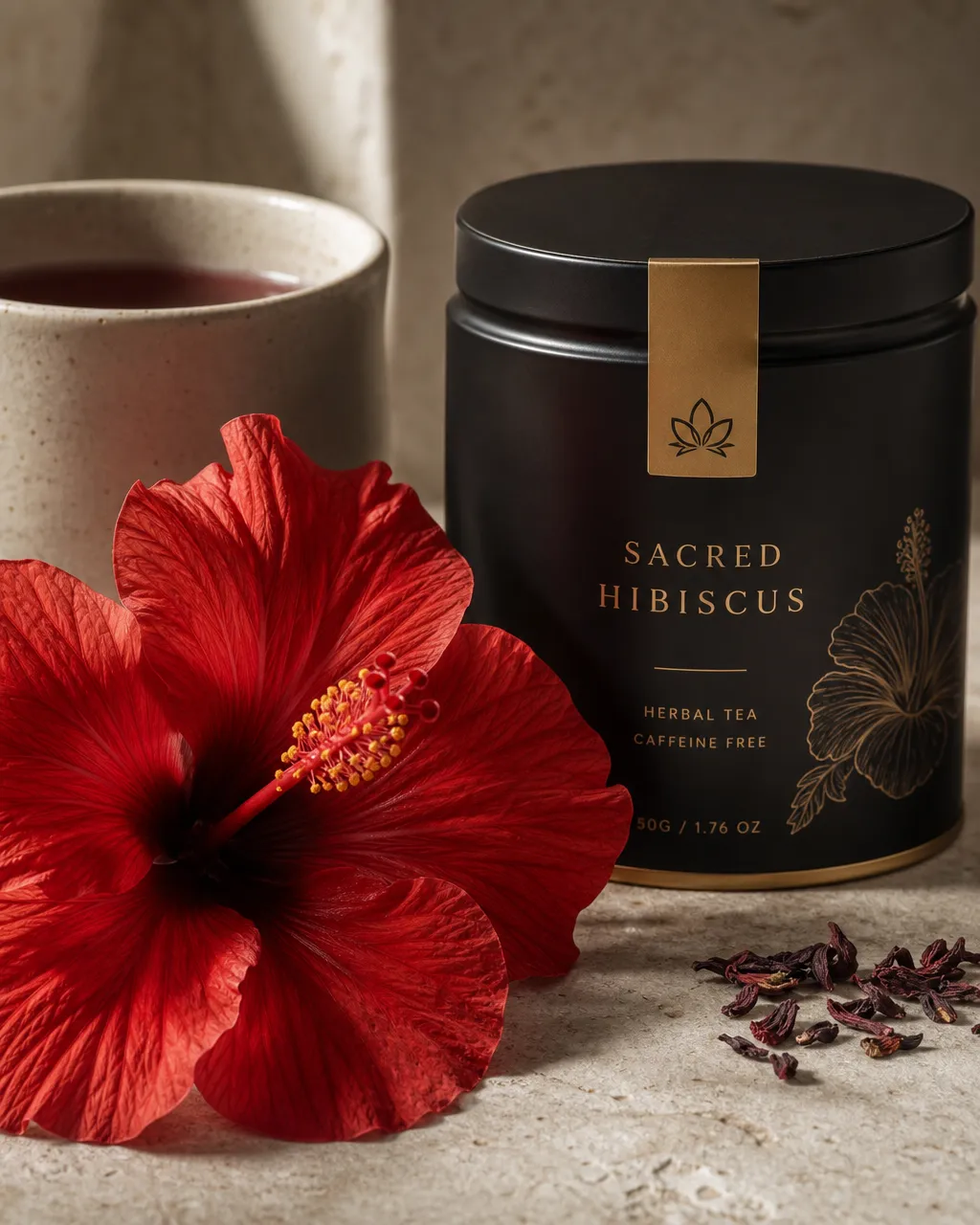
I started power-walking for my constipation. Six months later, my walking club gave me an award for logging the most miles. What they did not know was that I had never walked more than three blocks from my own toilet. There were fourteen women clapping for me in the back room of a coffee shop when Carol handed me a little silver sneaker mounted on a block of wood. “Five hundred and twelve miles,” she announced. “Our very own marathon machine.” I smiled while someone took a picture of us holding the award between us. Then Carol told everyone about the club's six-mile charity walk coming up in twelve weeks. She wanted the woman with the most miles to lead it. Me. The room applauded again. My first thought was not whether my legs could cover six miles. I had already proven they could. My first thought was, “Where are the bathrooms?” I told Carol I needed to check my calendar. “We'll work around you,” she said. Then she pulled out her phone and suggested using one of my regular routes. That was when I knew I had a problem. Carol opened the walking app our club used for its monthly mileage challenge and tapped my name at the top of the leaderboard. A map appeared beneath my 512-mile total. One red rectangle circled the same four streets around my house. The line went around once, crossed over itself, and went around again until it looked as thick as a rubber band. Carol swiped to the previous day. The same rectangle appeared. She opened another walk. Same four streets. Another one. Same four streets. “Is the app cutting off the rest of your route?” she asked. I said it sometimes had trouble with the signal near my house. Carol pinched the map wider. Nothing was hidden outside the frame. Every walk started at my front door, circled three blocks and came straight back. She looked at me, waiting for the explanation I had avoided giving anyone in the club. I could have blamed traffic or my knees. Instead, I said, “I need to pass my bathroom every few minutes.” Carol lowered the phone. “Because of the walking?” “Because I can't trust what happens after I poop.” That was the first time I had admitted it out loud. For almost six years, I had used MiraLAX most mornings. It usually helped me produce something. That was also why I kept telling myself I was not really constipated. The problem was what happened after that first movement. I could sit for thirty or forty minutes, pass one small amount, and stand up with the unmistakable feeling that I had not emptied completely. I would wash my hands, walk into the kitchen and try to begin my day. Before I could settle into anything, that unfinished feeling would send me back for another attempt. Sometimes a second portion came out. Sometimes I sat there for another fifteen minutes and got nothing. On bad mornings, I returned a third time because I could still feel that something had not finished. My mornings did not end when I pooped. They ended when I finally gave up trying. I drank more water because I was told I might be dehydrated. I added more fiber until the gas and bloating became worse. I kept using MiraLAX because at least it helped me get the first part out. At my annual checkup, I was given the familiar advice to move my body more. That suggestion made sense to me. If my bowels were moving slowly, perhaps I needed to move everything around them. I imagined every footstep jostling the stool a little farther along. The next morning, I tied my shoes after breakfast and walked once around the block. I chose a loop that brought me past my front door every nine minutes. If the MiraLAX, coffee and walking suddenly worked together, my toilet would always be close. After two weeks, one loop had not changed the packed feeling. I decided one loop was probably not enough. So I walked three. When three loops did not make me feel finished, I walked five. I would pass my house, check the feeling in my lower belly and decide whether to keep walking or go inside for another try. Some mornings I unlocked the door between every loop. The walking app kept running while I sat in the bathroom. To the app, those pauses were part of an impressive exercise habit. To me, each lap was nine more minutes of waiting to find out whether my morning was over. A neighbor invited me to join her women's walking club about a month later. The club held group walks on Saturday mornings, but it also counted miles that members logged alone. That suited me perfectly. I joined the mileage challenge and kept declining the group walks. One Saturday I blamed an imaginary dental appointment. Another time I said I was waiting for a delivery. No one questioned why the woman at the top of the leaderboard never wanted to walk anywhere with them. They saw the total. They did not see me passing the same mailbox eleven times before lunch. Standing beside Carol in that coffee shop, I saw what the app had turned into an award. Five hundred and twelve miles of trying harder at something that still was not working. Carol asked the question I should have asked months earlier. “If all this walking hasn't fixed it, why are you walking more?” I looked down at the silver sneaker in my hand. “Because everybody says movement helps.” “Maybe that isn't the same as what needs to move,” she said. I went home with the award in my handbag and opened the app again at my kitchen table. Until that afternoon, the red lines had looked like proof that I was doing everything right. Now I could only see how tightly they wrapped around my house. Two days later, I had a gastroenterology appointment that I had booked months before. When the nurse asked how much exercise I got, I handed her my phone. “Five hundred and twelve miles in six months,” I said. I held the phone across the desk so she could see the number for herself. I was tired of leaving appointments with another instruction to drink, eat or move more. My doctor looked at the mileage and then studied the route. “Why the same loop?” she asked. I told her about needing to pass my bathroom every nine minutes. She asked how often I had a bowel movement. “Almost every morning if I take MiraLAX.” Then she asked, “How often do you feel empty afterward?” I could not remember the last time. I described the first small movement, the certainty that more was still inside me when I stood up, and the second and third attempts. She said having some output every day did not necessarily mean the colon was moving waste through properly. Frequency recorded whether something came out. It did not record how long I sat, how many times I returned or what still felt trapped when I stood up. Then she asked whether anyone had ever ordered a methane breath test. I thought I had misheard her. “Methane?” I knew methane as the gas people joked about cows producing. I could understand how gas might explain my swollen belly. I could not understand how it explained pooping a little and never feeling finished. “Methane can do more than cause gas,” she said. “It can slow the contractions that move stool through the colon.” I pointed to the mileage on my phone. “Then what have I been moving for 512 miles?” “Your legs,” she said. “Walking can support normal bowel function, but your legs cannot make the muscles inside your colon contract properly if something is chemically suppressing them.” She explained that the breath test could tell us whether methane was part of my pattern. I agreed to take it because I finally had a question that another glass of water could not answer. When the result came back, my methane reading was 28 parts per million. My doctor said a reading over 10 was considered elevated. “So methane is the stop signal?” I asked. “In your case, it is a strong explanation for why the colon is moving too slowly,” she said. That was when my strange walking map began to make sense. The map proved that I had moved my body more than enough. What it could not show was whether my colon had been moving with me. I had walked 512 miles because I thought my legs could drag my bowels into action. Instead, every loop ended at the same bathroom because the contractions inside my colon were still moving too slowly to give me one complete, dependable movement. The methane was acting like a chemical stop signal. It suppressed the coordinated muscular contractions that should have pushed the stool forward. That allowed one portion to reach the end and come out while more remained behind. The material left sitting in the colon did not stay soft forever. The colon continued pulling water out of it. The longer it remained there, the drier and harder it became. That explained the occasional pellets and hard clumps, but more importantly, it explained why I could poop and still feel certain that I had not emptied completely. It also reinterpreted every remedy I had tried. Fiber added more bulk behind material that was already moving too slowly. More drinking water could not reliably reverse what happened after the colon kept pulling water out of stalled stool. MiraLAX pulled water toward the stool and helped me produce that first portion. It did not remove the methane signal suppressing the contractions behind it. And walking moved my body while the bacterial environment producing the methane remained unchanged. I understood what the methane was doing before I understood why I was producing so much of it. My doctor explained that the bacterial balance inside the colon can change as women age and estrogen falls after menopause. Beneficial bacteria that help keep the colon's environment slightly acidic can begin to thin out. That slightly sour environment works like a protective wall. It makes it harder for a methane-producing organism called Methanobrevibacter smithii to move in and dominate. When the beneficial bacteria thin out, that acidic wall weakens. Methanobrevibacter smithii gains room to multiply and pump out more methane. More methane strengthens the chemical stop signal. The contractions slow further, waste remains longer, and the colon has more time to pull water away. That was the cycle I had been trying to defeat with my shoes. I left the appointment knowing why 512 miles had failed, but I still did not know how to change the bacterial environment behind the methane. I copied three terms from my visit summary onto a sheet of paper: methane, beneficial bacteria and butyrate. That night, I searched those words together. The same two bacterial names kept appearing in what I read: Bifidobacteria and Faecalibacterium prausnitzii. They were bacteria I wanted more of because they produced a short-chain fatty acid called butyrate. Butyrate appeared to perform two jobs that matched my problem. First, it helped keep the colon's environment slightly acidic. Restoring that acidic environment could rebuild the protective wall that made it harder for Methanobrevibacter smithii to dominate. Less of the methane-making organism meant less methane. Less methane meant a weaker stop signal on the colon's contractions. Second, butyrate fueled the cells lining the colon. Those cells needed energy to support the muscular movement that carried waste forward instead of leaving it to sit and dry out. I wrote the chain beneath the three terms from my appointment. Feed the beneficial bacteria. Make more butyrate. Rebuild the acidic wall. Reduce the methane signal. Let the muscle move again. Then I had to find something those beneficial bacteria could use as food. That search led me to anthocyanins, the deep-red plant pigments found in hibiscus flowers. When the pigment survives growing, harvesting, drying and steeping, it can reach the lower colon where Bifidobacteria and Faecalibacterium prausnitzii live. There, the anthocyanins feed those bacteria and help them produce butyrate. Hibiscus tea sounded almost embarrassingly easy after six years of powders, appointments and bathroom calculations. I bought the first red box I saw at the grocery store. The picture on the front showed a large hibiscus flower, so I assumed hibiscus was what I was getting. Every morning, I steeped one bag beside my usual MiraLAX. The water turned pinkish red and tasted mostly like berries. I did not care what it tasted like if it helped me finish one bowel movement before leaving the bathroom. I drew four columns in a notebook: toilet minutes, number of attempts, whether I felt completely emptied and MiraLAX. I kept my powder and walking routine unchanged so I could tell whether the tea added anything. After seven days, the page looked the same as the week before. Most mornings still required a second attempt. I still stood up knowing the movement had not finished the job. I decided I had probably made the tea too weak. For the second week, I steeped each bag longer. When that changed nothing, I began using two bags. The cup became more sour, but it never became the deep ruby described in what I had read. By the twenty-seventh morning, my notebook showed no meaningful change in bathroom time, repeat attempts or how often I felt completely emptied. I was angry with myself for believing that another brightly colored drink would be different from all the other remedies. Before throwing the box away, I went back to the material that had led me to hibiscus. This time, I paid attention to how often it mentioned the pigment itself. The anthocyanin was the useful part. It was also fragile. Heat, air, rough processing and long storage could damage it before the tea reached my cup. The descriptions I had read referred to deeply pigmented hibiscus and intact flower material. My tea had never brewed deeper than pink. I took an unused bag from the box and cut it open over a white plate. Pale dust, tiny brown fragments and a few red specks fell out. There was not one recognizable flower. Then I read the ingredient panel instead of the picture on the front. Hibiscus was mixed with rosehips, berry flavoring and several other plants. The box did not identify where the hibiscus came from, when it was harvested, how it was dried or whether the finished material had been tested for contaminants. I checked three more boxes at the grocery store the next day. One called itself a hibiscus blend but listed rosehips first. Another used finely cut pieces sealed inside paper bags. The third made no mention of whole flowers, growing location or drying method. Until then, I had treated “hibiscus” as though it were one interchangeable ingredient. Now I had four requirements written beside my bathroom log. The flowers needed to be whole enough for me to see what I was buying. They needed to brew deep ruby rather than pale pink. The company needed to explain how the flowers were grown, harvested and dried. And the batches needed to be tested for heavy metals, pesticides and contaminants. Most brands failed before I reached the second question. PiPi Tea was the first one I found that answered all four. The pouch contained 100% organic, whole, deep-ruby hibiscus flowers rather than dust diluted inside a fruit blend. The flowers came from family farms in Northern Nigeria, where they were grown at altitude and hand-harvested at peak bloom. They were carefully sun-dried to protect the fragile anthocyanin pigment. Every batch was third-party tested for heavy metals, pesticides and contaminants. When the first pouch arrived, I poured some onto the same white plate I had used for the grocery-store tea bag. This time, I could see the curled shapes of whole hibiscus flowers. I steeped one cup and watched the water turn deep ruby. It stained the inside of my white mug before I finished drinking it. The color did not prove it would help my constipation. It did prove I was finally testing the kind of hibiscus I had intended to test. I turned to a fresh page in my notebook and kept everything else the same. During the first week, three mornings ended after one bathroom visit because I stood up feeling completely emptied. That had not happened once during the twenty-seven days with the grocery-store blend. By the third week, I was finishing most mornings in one visit instead of two or three. My bathroom time began falling from roughly forty-five minutes to ten or fifteen. More important than the clock was what happened when I stood up. I could stand up, wash my hands and know that the movement was finished. After several dependable weeks, I began reaching for MiraLAX less often instead of stirring it into my coffee automatically. The change in my walking route happened almost by accident. One morning, I reached the corner three blocks from my house where I always turned right. Right would take me past my bathroom in another nine minutes. The library was straight ahead. I stood there long enough for a car to stop and wave me across. Then I realized I was not checking my belly. I was deciding where I wanted to walk. I crossed the street and went to the library. The next week I walked to the grocery store instead of driving the half mile. Each new route looked strange in the app because the red line no longer closed around my house. Twelve weeks after Carol found my three-block map, I joined the club's charity walk. I did not lead it. I wanted to enjoy my first long group walk without fourteen women staring at the back of my shirt. We started beside the river and followed the park path across town. About twenty minutes in, we reached the intersection that marked the farthest edge of my old loop. For six months, I had never crossed it on foot. That morning, I crossed it in the middle of a conversation and kept going. I did not turn around to calculate how many minutes I was from my toilet. The route ended at the same coffee shop where Carol had handed me the silver sneaker. After we ordered, she opened the walking app and held up the map. The red line started beside the river, crossed the park and finished six miles away. It did not circle my house once. “Now that,” Carol said, “looks like six miles.” I still have the silver sneaker. It sits beside the deep-ruby pouch in my kitchen. The award once represented 512 miles of staying close enough to make another bathroom attempt. Now it reminds me of the morning I walked past the corner where I used to turn back. If MiraLAX helps you produce something but you still spend thirty, forty or sixty minutes trying to finish, return to the toilet two or three times, or stand up certain that you have not emptied completely, inactivity may not be the missing piece. Methane may be suppressing the colon contractions needed to move the rest of the stool forward. More fiber, water, powder or walking cannot rebuild the bacterial environment behind those contractions. The deep-ruby anthocyanins in properly preserved whole-flower hibiscus feed beneficial bacteria that produce butyrate. That butyrate helps rebuild the slightly acidic environment that restrains the methane-producing organism while also fueling the cells that support normal colon movement. Quiet the methane. Rebuild the wall. Wake the muscle. One cup of whole-flower PiPi Tea each morning gives that bacterial environment the anthocyanin support missing from pale grocery-store blends and dusty tea bags. PiPi Tea currently has a Spring Sale with savings of up to 80%. The page currently shows a 4.8-out-of-5 rating based on 4,463 reviews. First-time buyers can buy two packs and get one free, and orders over $50 ship free. Orders are listed to ship from the company's Texas fulfillment center within one business day. Every purchase is protected by a 90-day, 100% money-back guarantee. The page currently shows limited stock, so check whether this batch and the first-time offer are still available here: https://shop.pipitea.com/hbt/kd/c/sp-nm If your morning still does not feel finished after the MiraLAX has done its part, another lap may not be what your colon is missing. See whether whole-flower PiPi Tea can help you finish one dependable bowel movement and walk wherever you intended to go. https://shop.pipitea.com/hbt/kd/c/sp-nm
More from American Health Support Community
Natural Relief in Weeks
American Health Support Community
Natural Relief in Weeks
American Health Support Community
Natural Relief in Weeks
American Health Support Community

Natural Relief in Weeks
American Health Support Community

Natural Relief in Weeks
American Health Support Community

Natural Relief in Weeks
American Health Support Community

Natural Relief in Weeks
American Health Support Community

Natural Relief in Weeks
American Health Support Community

Natural Relief in Weeks
American Health Support Community

Natural Relief in Weeks
American Health Support Community

Natural Relief in Weeks
American Health Support Community

Natural Relief in Weeks
American Health Support Community

 Add to Chrome