Natural Relief in Weeks
Ad Copy
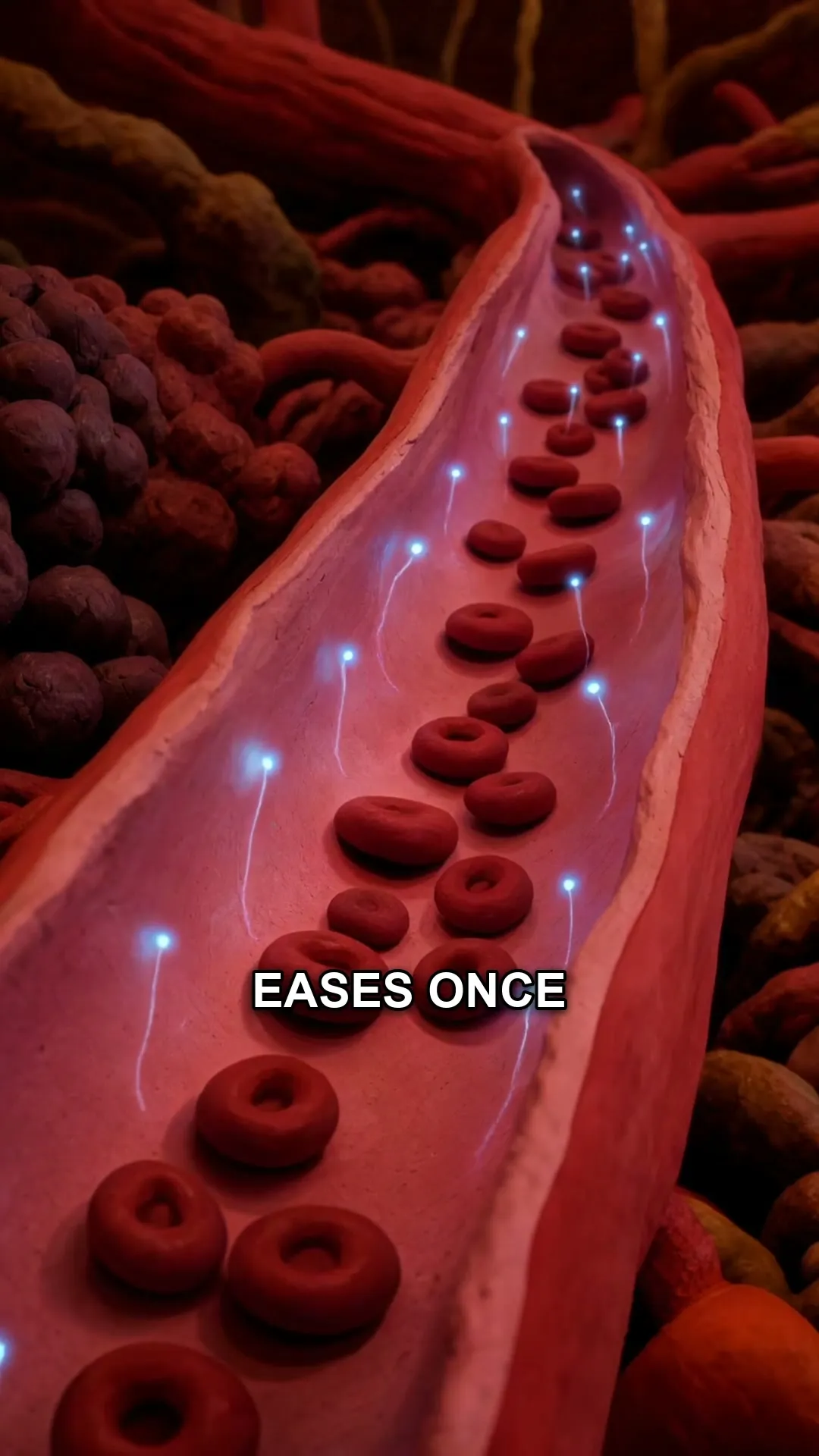
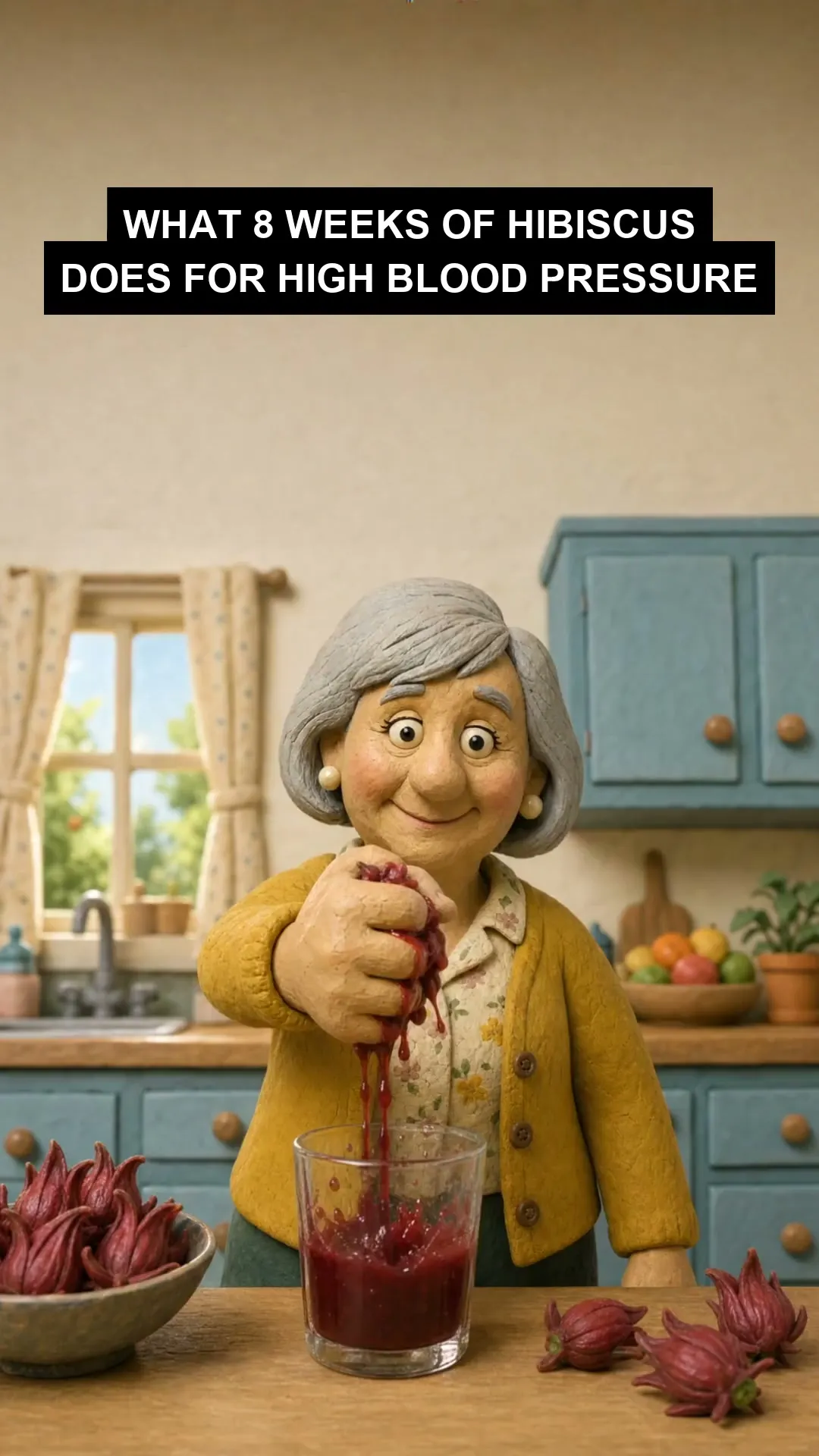
Here's what happens to your blood pressure if you drink high-anthocyanin hibiscus every single day for eight weeks. Week one, you don't feel a thing and you figure you got scammed. Don't worry. Inside, those anthocyanins are already repairing the worn-out lining of your blood vessels. You just can't feel it yet. Week two, the first thing you notice, you climb into bed and your feet aren't blocks of ice anymore. They're warm because blood is finally getting through vessels that had been clamped tight for years. Week three, the bone deep exhaustion lifts, and you get through a whole afternoon without needing to sit down. Week four, you wake up and the pounding at the back of your head is gone. That was blood pushing too hard through vessels that had forgotten how to relax, and it eases once the lining starts telling them to relax again. Week five, and the quiet damage that's been wearing down that lining for years slows to a crawl. Your arteries stop stiffening up, the thing the pills were never repairing, the thing that was leading you to a stroke or a heart attack. Week six, it all holds. Warm hands, steady energy, no morning headaches. For the first time in years, you just feel normal again. Week seven, you're not even thinking about your blood pressure anymore. The stuff that scared you is gone. Week eight, you strap on the cuff, and for the first time in years, the numbers didn't just sit there. They moved the right way. Top number down, bottom number down, and the doctor who kept saying, let's bump the dose, has nothing left to say. That's what happens when you repair the lining, instead of just forcing the number down or waiting for it to climb. Here's what nobody explains at the appointment. Your blood vessels are living tissue, with a thin lining inside that makes the nitric oxide telling them when to relax. Age and oxidative wear grind that lining down. The signal fades, the vessels stay clamped tight, blood has to push harder to get through, and that's the number on the cuff. The pills work from the outside. They force the reading down, and that matters. They just don't repair the lining, so it keeps wearing away underneath. That's why the number creeps back up, or won't budge no matter what they add. Forcing it down or waiting it out were never the only two choices. Hibiscus has hundreds of peer review studies and clinically proven to repair that lining. Only the real thing works, though, but there are three ways people get scammed on hibiscus. One, the flower. Grocery hibiscus is broken petals and dust from low flatland farms, where the plant never has to make much anthocyanin. It's colored water with a cartoon flower on the box. Only a few growers high in the mountains of Nigeria still hand-pick the whole flower at full bloom, loaded with the anthocyanins the plant makes to survive the sun. Two, the drying. Most brands heat-blast the flower dry in big industrial batches, which cooks off the anthocyanins before they reach your cup. It has to be gently dried. Three, the dose. The label should tell you exactly how much anthocyanin is in the cup, and most can't, because it's a token pinch buried in a blend behind rosehips and lemongrass. There's only one company that passes all three: PiPi Tea. Organic whole flower, hand-picked at full bloom, grown high in the mountains of Nigeria, gently dried, 80 milligrams of anthocyanins in every cup, confirmed by a third-party lab, with 10,000 five-star reviews. They're so confident there's a 90-day money-back guarantee. Don't like what the cuff says, every penny back. Hand-picking whole flowers at full bloom and drying them gently takes far longer than heat-blasting dust into bags, so PiPi makes small batches and sells out constantly. Right now it's buy two, get one free. If the link's still below, grab it while this batch is still in stock. There's a third door. Take it while you still can. https://shop.pipitea.com/hbt/sp-nm
More from American Health Support Community
Natural Relief in Weeks
American Health Support Community
Natural Relief in Weeks
American Health Support Community

Natural Relief in Weeks
American Health Support Community
Natural Relief in Weeks
American Health Support Community
Natural Relief in Weeks
American Health Support Community
Natural Relief in Weeks
American Health Support Community

Natural Relief in Weeks
American Health Support Community
Natural Relief in Weeks
American Health Support Community
Natural Relief in Weeks
American Health Support Community

Natural Relief in Weeks
American Health Support Community
Natural Relief in Weeks
American Health Support Community
Natural Relief in Weeks
American Health Support Community

 Add to Chrome