Natural Relief in Weeks
Ad Copy
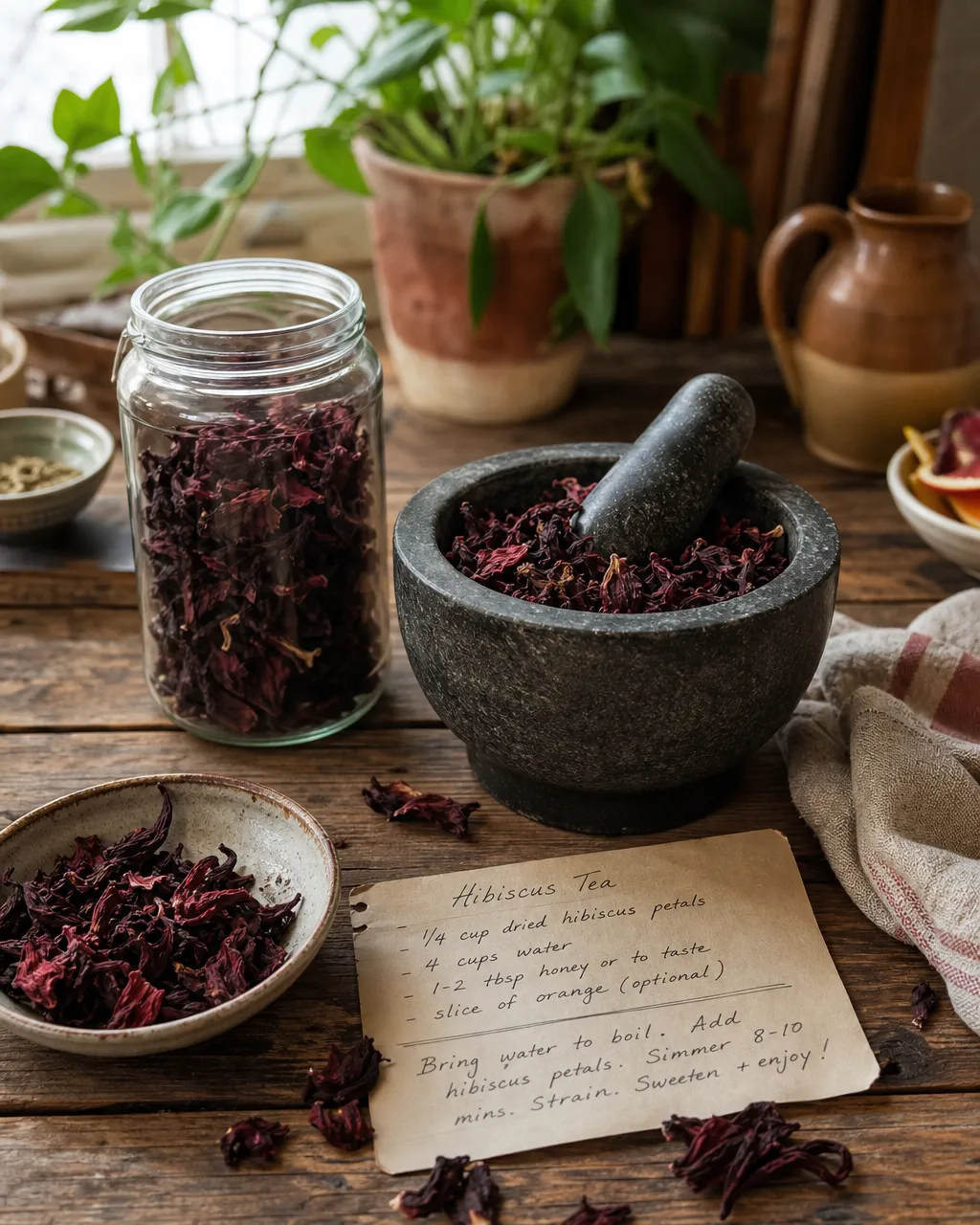
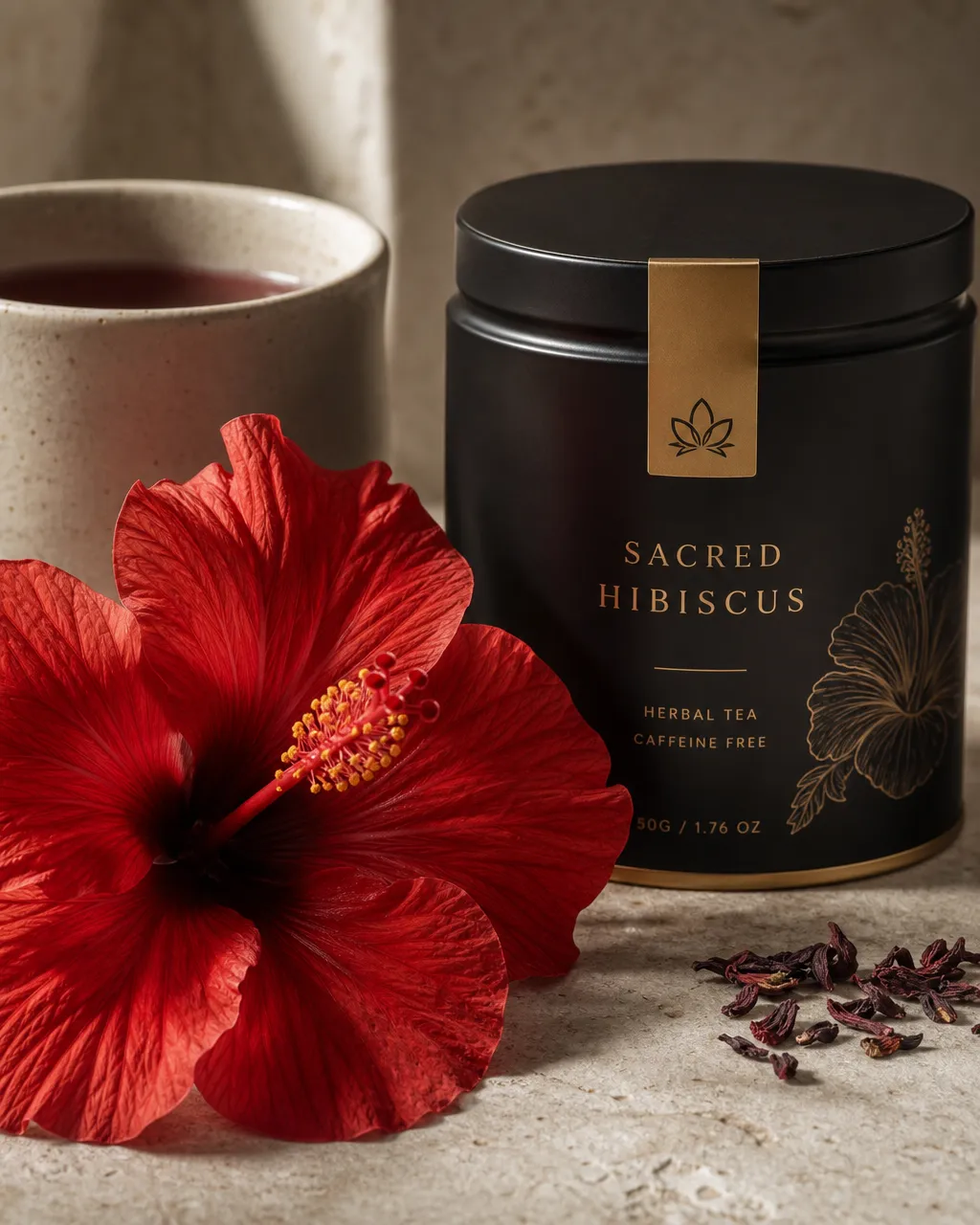
I watched my daughter fight my granddaughter's poop issues for four years. She lost. I'm not letting that happen to my grandson. If your grandchild holds their poop in for days at a time, won't even go near the toilet, and the doctor just keeps saying “more fiber, more water, more laxatives,” read this before you decide to keep waiting it out. Because here's what I learned the hard way. Three things are true at the same time: One: “They'll grow out of it” sounds reassuring, but withholding doesn't work like that. Every poop that hurts makes them more scared of the next one. So they hold it longer, which makes it harder, which makes it hurt more. It's a downward spiral, and the longer it runs, the tighter it gets. Two: If your grandchild is growing fine and the checkup looks normal, your daughter gets the same script every visit: fiber, water, laxatives, and patience. On paper, that child is “fine.” Meanwhile, you are watching your own daughter sit on the bathroom floor while her little one cries, and you can see she is at her wits' end. Both things are true. Only one of them gets dealt with. Three: Everything families are handed, from laxatives to prune juice to fiber gummies, does one main job: it softens the poop that is already there. That is why it can help while they are using it and why they can be back to square one when they stop. Nothing in that routine explained why the poop kept coming out hard in the first place. Let me tell you about my granddaughter, because her story is the reason I did everything differently with my grandson. I live nearby and have watched both children several days a week since they were babies. She was three when it started. She would go four or five days without pooping. She would hide behind the couch, cross her legs, go stiff, and turn red, doing everything in her power not to go. She would scream that she needed a poo, then ten seconds later swear she did not. The last one had hurt. So had the one before that. My daughter did everything you are probably watching your own family do right now. P fruits. Cut the dairy. Water bottles everywhere. The pediatrician said fiber, so she did all of it. Then came laxatives, and look, the laxatives helped. Things softened and my granddaughter went. But every time my daughter tried to stop, the holding came back within days. Back to square one. Start again. Four years of that. Nobody ever told my daughter she was doing anything wrong, because she was not. She was given half the answer and told to be patient. So when my grandson turned three and I watched him crouch behind the armchair at my house, red-faced and fighting his own body, I felt my chest go tight. I knew exactly how this story goes. I'd watched it for four years. And I decided right there that I was not doing the wait-and-see version of this again. I went down the rabbit hole that night. I wanted to know why a healthy child's poop keeps coming out hard even when the diet is good. I wanted to know why laxatives could work and then the same problem could return when they stopped. And everything I found kept pointing at the same place: the gut itself. On one Reddit constipation thread, I found a pediatric GI nurse explaining why this can happen in young children. I will do my best to explain it here, because parts of her explanation went straight over my head. In toddlers and young kids, the balance of bacteria in the gut is still developing. What stuck with me was that the helpful bacteria do more than help digest food. They help keep the colon's environment acidic enough for things to stay in balance. When there are too few of those helpful bacteria, that protective acidity can weaken. That can give methane-producing organisms more room to take over. The nurse described methane like a brake on the colon's natural squeezing motion. That was the first fact I could not stop thinking about. If the brake is on, the stool sits inside longer than it should. And the colon keeps pulling water out of it for as long as it sits there. So the stool gets harder, drier, and more difficult to pass. That was the second fact that hit me. Drinking more water doesn't put back the moisture after the colon has already taken it out of stool that sat there too long. Extra fiber can add more bulk while the movement itself is still slow. Laxatives and softeners can help with the poop that is already there. But they do not fix the gut environment that left the brake on. Then comes the part every grandmother recognizes without needing a medical degree. The hard poop hurts, so the child becomes afraid of the next one. They hide, cross their legs, stiffen, deny the urge, or refuse the toilet. Holding keeps the stool inside even longer. That gives the colon even more time to remove water. The next movement becomes harder and hurts more. That is when the spiral starts. It hurts once, so they hold it. Holding makes the next one harder. Harder hurts more. So they hold longer. And somewhere in there it stops being a poop thing and becomes a fear thing. I had to shut my laptop and walk away for a minute. My daughter's four years suddenly made complete sense. Fiber, water, and laxatives had all been working on what was already there. That was real, and it mattered. But it was half the problem. She was softening each painful poop while nothing was addressing why it kept sitting there long enough to come out hard. That is why the routine helped while she used it and fell apart when she stopped. She was never failing. She was only ever given half the answer. So my daughter and I started on the other half ourselves, piecemeal. A children's probiotic. A prebiotic powder hidden in his smoothies on the days he would actually drink them. Yogurt we had to bribe into him. And we were guessing at all of it, including which bacteria mattered, how much to use, and whether half of it was doing anything at all. Every so often we would catch a glimpse of it working, like one softer day or one trip to the toilet with less hiding. It was just enough to tell me the gut direction might be right. But we could never string two good days together. He would fight the yogurt, skip the smoothie, and a small fortune later I was still watching him crouch behind that armchair. The approach was right. We just couldn't hold it together ourselves. We had three half-measures and a three-year-old who fought every single one. So I stopped trying to build it from scratch and went looking for one thing that could support the whole chain in a form he would actually take. That is how I found PiPi Tea Hibiscus, the first simple daily option I had seen that claimed to support the whole chain instead of only the softening half. Here is the part that actually convinced me, because by that point I did not trust anything. I did not buy it just because the product page sounded good. I started reading published research about what beneficial gut bacteria use as food and why hibiscus kept appearing in that research. That reading kept bringing me back to the deep-red pigments in hibiscus called anthocyanins. The simple version I wrote in my notebook was that these plant compounds could act as food for beneficial gut bacteria. When those bacteria get the right input, they can make more butyrate. Butyrate does not come from the tea itself. It is something the bacteria can produce from the input they are fed. The part that mattered to me was what could happen next. More butyrate can help move the colon back toward a more acidic environment. That makes the environment less friendly to the methane producers that had gained the advantage. I thought about my grandson turning red behind the armchair while everything inside him seemed to stop. With less methane pressure, the brake on the colon's natural contractions can begin to ease. Butyrate also helps fuel the cells lining the colon. A better-fueled lining and a less methane-friendly environment can support those natural contractions. When stool moves through sooner, the colon has less time to keep pulling water out of it. That was the part that took me straight back to those four-day gaps and the hard painful poop waiting at the end of them. That meant the goal was not one forced bowel movement. The goal was softer stool, less straining, less fear, less hiding, and a rhythm that could become dependable on its own. I reduced the whole idea to three words so I could remember it. 1. Feed the beneficial bacteria. 2. Shift the environment away from methane dominance. 3. Support natural movement. I checked the product one requirement at a time instead of taking the page at its word. First, it is organic whole-flower hibiscus tea. That mattered because the entire idea depended on preserving the fragile anthocyanins in the flower. Second, it brews deep ruby, which was the sensory signal I had been looking for. Third, the flowers come from family farms in Northern Nigeria, where they are hand-harvested and sun-dried. And every batch is checked by an outside lab for heavy metals, pesticide residue, and other contaminants. That mattered to me because my grandson would be drinking it, not me. That was the whole difference for me: one whole-flower input designed to support the upstream environment, not another attempt to force the stool already waiting at the end. That was when I ordered PiPi Tea Hibiscus for my grandson. Here is exactly how it went, because I would want the honest version. I brewed PiPi Tea Hibiscus according to the directions, cooled it, and added a small amount of honey. My daughter followed the same routine on the days he was not with me. She kept a simple note of each bowel movement and called or texted me about the days I did not witness myself. He called it his “red juice,” and after his first small cup he asked whether there was more. Week 1 was honestly not much. I had read that it could take a couple of weeks for the gut to shift, so we stayed consistent and kept our expectations down. Week 2 was softer, noticeably. He went twice that week without the full standoff. Week 3 meant going most days. There was no crying, and the hiding basically stopped. Week 4 meant going pretty much every day. There was no drama. He was not scared of the toilet anymore, and if you are living this, you know that is the actual win. It has been months now, and it has held. It is not perfect, because kids are kids, but the spiral looks broken. He's just a kid who poops now. And here is the part I cannot stop thinking about. Same family. Two kids, four years apart, alike in almost everything. One got four years of “she'll grow out of it” while the spiral got tighter, and at seven it still hangs over everything. One got the help his gut needed while the pattern was still young, and at three it already feels like it is behind him. My granddaughter is not “just built that way.” Nobody helped her family address the other half while the pattern was still young. That is the whole difference. So if your grandchild is in it right now, with the holding, the hiding, and the crying, please hear the thing nobody said to my daughter. You are not doing anything wrong. Their mother is not doing anything wrong. The fiber, the water, and the softeners can all have a place. They're just half the answer. The other half is the gut itself, and every month the spiral runs, it gets a little tighter. The easiest time to interrupt it is now, not after another year of “they'll grow out of it.” PiPi Tea Hibiscus comes with a 90-day money-back guarantee. That is the deal I wish someone had offered my daughter four years ago. I will put the official link here again in case you want to look for yourself: https://shop.pipitea.com/hbt/kd/c/sp-nm I really hope this helps at least one grandmother out there!
More from American Health Support Community
Natural Relief in Weeks
American Health Support Community
Natural Relief in Weeks
American Health Support Community
Natural Relief in Weeks
American Health Support Community

Natural Relief in Weeks
American Health Support Community

Natural Relief in Weeks
American Health Support Community

Natural Relief in Weeks
American Health Support Community
Natural Relief in Weeks
American Health Support Community
Natural Relief in Weeks
American Health Support Community
Natural Relief in Weeks
American Health Support Community

Natural Relief in Weeks
American Health Support Community

Natural Relief in Weeks
American Health Support Community

Natural Relief in Weeks
American Health Support Community

 Add to Chrome