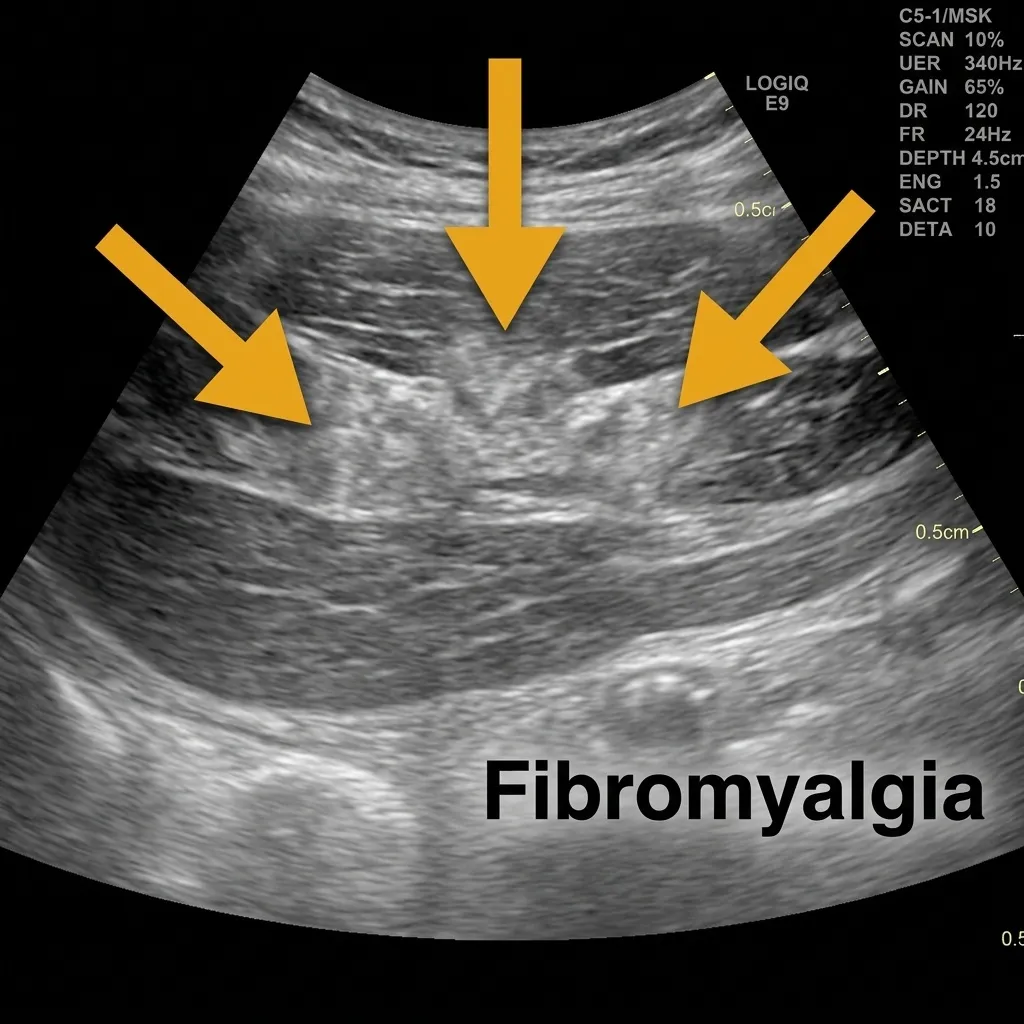
If you have fibromyalgia read this ☝️
Ad Copy
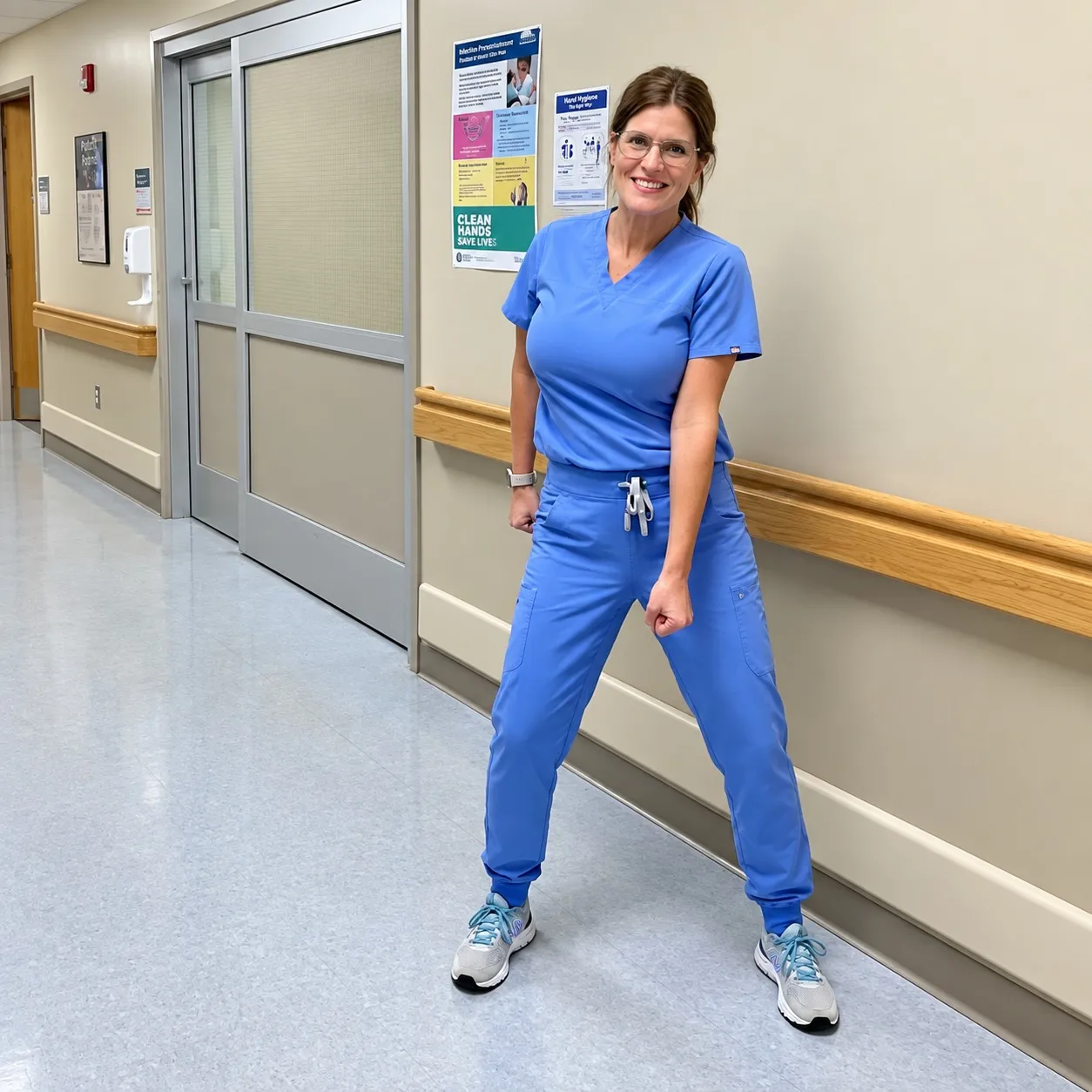
After my fibro diagnosis, I tried everything I'd ever recommended to a patient. Heating pads. Epsom salts. Turmeric. A TENS unit. Acupuncture twice a week. None of it worked on me either. I'm a rheumatology nurse. I've worked in a fibromyalgia clinic for 17 years. I've handed out the same advice I just tried to follow. And I've spent $3,000 on supplements that did absolutely nothing. My name is Sandra. I'm 51. I was diagnosed with fibromyalgia at 48. I've been a rheumatology nurse since I was 34. I've worked in the same fibromyalgia clinic the entire time. I was the one who walked patients through their first pregabalin prescription. Explained the dosing schedule. Told them the side effects might settle after a few weeks. Handed them the starter pack with the little calendar card inside. I said those words thousands of times. Three years ago, the pain started in my shoulders. Then my hips. Then everywhere. I'd wake up at 2AM with this deep ache in my legs that felt like someone had filled my bones with concrete. I told myself it was the job. Twelve-hour shifts. Bad shoes. Stress. But I knew. I'd watched too many women sit across from me describing exactly what I was feeling. I knew what it was before he even said the word out loud. Fibromyalgia. Diagnosed at 48 by the same rheumatologist I'd worked beside for 14 years. Tender point count: 14 out of 18. He looked at me for nine minutes. Told me to start pregabalin and try yoga. That was the whole conversation. I've watched him say that to 600 women. I know exactly how that story ends. I was one of those women now. Sitting on the other side of the desk. Holding the same starter pack I'd handed out a thousand times. I refused to open it. Not because I didn't trust the science. Because I'd seen the science play out in real time for 17 years. Rosa came into our clinic at 44. Fibro diagnosis. Started pregabalin 75mg. By 47 she was at 300mg. She'd gained 35 pounds. The brain fog got so bad she couldn't grade papers anymore. She lost her teaching job. By 50 she was on disability. I processed every one of Rosa's refills. I watched her dose climb every six months like clockwork. I watched her face change from hopeful to resigned to hollow. Rosa's tender point count when she was first diagnosed? 13. Almost exactly what mine was. I wasn't going to be Rosa. So I tried everything else first. Everything I'd ever recommended to a patient. Everything the pamphlets in our waiting room suggested. Physical therapy. Our own clinic's protocol. Twice a week for three months. The therapist was good. The exercises made sense on paper. My pain didn't care. Heating pads. Three different kinds. The microwaveable one. The electric one. The infrared one my sister bought me for Christmas. Temporary relief. Twenty minutes of warmth. Then the ache came roaring back. Gentle yoga. The exact class I'd told patients to try. Forty-five minutes three times a week. Some days it helped with stiffness. It did nothing for the flares. Anti-inflammatory diet. No gluten. No dairy. No sugar. No alcohol. Six weeks of discipline that would've impressed a monk. Zero change in pain frequency. Epsom salt baths every night. I smelled like a spa. I still couldn't sleep past 2AM. The sleep was the worst part. The pain woke me at 2AM almost every night. Not a gentle nudge. A full-body alarm. Hips screaming. Shoulders locked. That deep bone ache that makes you want to crawl out of your own skeleton. And once I was awake, the brain fog moved in. Not morning grogginess. A thick wall between me and my own thoughts. I'd stand in the break room and forget why I walked in. I'd read a patient chart three times and still miss the dosage change. I started calling in sick. First once a month. Then twice. Then three times in one week because I physically could not get out of bed. My rheumatologist, my colleague, my boss, told me to give the pregabalin time. Time. That word should have made me angry. It didn't then. It does now. Because "give it time" means "watch this get worse and do nothing until the dose is so high you can't think straight." I hadn't even started it. He didn't know that. He assumed I'd filled the prescription three months earlier. I let him assume. Because I didn't need to give it time. I had the data. I pulled Rosa's chart. I pulled 40 more charts of women who started pregabalin in our clinic between 2015 and 2020. The pattern was identical. Start at 75mg. Some relief for three to six months. Then the pain comes back. Dose goes to 150. Then 225. Then 300. Weight gain averages 22 pounds in the first year at higher doses. Brain fog gets worse, not better. And the sleep never fully stabilizes. Pregabalin addresses nerve signaling. It calms the overactive pain receptors. That part works. For a while. But here's what nobody in our clinic ever explained to a single patient. Fibromyalgia isn't just nerve signaling gone haywire. It's dual-axis. The inflammation that amplifies pain signals also disrupts sleep architecture. Broken sleep creates more inflammation. More inflammation creates more pain. More pain creates worse sleep. It's a loop. And pregabalin only touches one side of it. That's why the pain keeps coming back. That's why the dose keeps climbing. The nerve signaling gets muted, but the inflammatory loop underneath keeps spinning. The fire never goes out. The medication just turns down the smoke alarm. And here's what made me furious. I'd handed out pregabalin for 17 years knowing it only addressed one side of the problem. I'd told patients "give it time" the same way my doctor told me. I was part of the cycle. I knew this. I'd watched it happen to hundreds of patients. I just never thought I'd be living it myself. The supplement graveyard started three months after my diagnosis. Turmeric capsules. $28 a month. Four months. $112 total. I felt nothing. Fish oil. $24 a month. Five months. I could've been swallowing olive oil for all the difference it made. A TENS unit. $189. It felt nice for about 20 minutes. Then the pain came back like it had been waiting around the corner. Acupuncture. $90 a session. Twice a week. Three months. $2,160. My acupuncturist was kind. She believed in what she was doing. It didn't work. CBD cream. $45 a jar. Two jars. The smell was pleasant. That was the only measurable outcome. Three thousand dollars. Still flaring every week. Still waking at 2AM. Still losing words mid-sentence at work. Then I tried tart cherry juice from the grocery store. A colleague mentioned it in passing. Something about inflammation. Six weeks. Too much sugar. Weak concentration. My sleep improved slightly, maybe 20 extra minutes. No change in pain. I almost gave up entirely. But I kept reading. Because that's what I do. I pull charts. I read studies. I follow the data. I found a post in a fibro support group. A woman named Diane. She'd been on pregabalin for four years. She shared a study by Kelley et al. on Montmorency tart cherry extract. Not juice. Extract. Capsule form. 3,600mg. The anthocyanins in Montmorency tart cherry address inflammation on both axes. The pain signaling axis and the sleep disruption axis. That's the piece the juice didn't have at sufficient concentration. It wasn't about tart cherry as a concept. It was about the specific form, the specific concentration, the specific compound reaching both sides of the loop. I ordered a bag of Elivora. Cold-extracted Montmorency tart cherry. 3,600mg per serving. Capsules in a red stand-up pouch. Third-party tested. Made in the USA. Two capsules before bed. Added to my current routine. Week one. I slept 45 minutes longer than my average. Still woke up. But the 2AM wake-ups dropped from every night to three times that week. I didn't trust it yet. Week two. First flare-free day in four months. I was charting at my desk and realized it was 2PM and nothing hurt. Not less pain. No pain. I went to the break room and cried. Week three. Sleeping six hours straight. The brain fog lifted enough to read a patient chart without re-reading it. I could hold a conversation without losing my place. Week four. My grip strength came back. I opened a jar of pickles with one hand. That sounds ridiculous. But if you have fibro, you know exactly why I'm telling you this. I hadn't opened a jar in over a year. At my three-month check, my rheumatologist ran the standard tender point assessment. He pressed the 18 points. He counted. "Tender points dropped from 14 to 6. Whatever you changed, keep doing it." I read the assessment three times. Then I read it again. 14 to 6. I told him. He listened. He didn't argue. He looked at the numbers and nodded. That was eight months ago. My pain days went from 25 a month to 6. I'm sleeping seven hours most nights. I'm back to full shifts. I haven't called in sick once in five months. I never opened the pregabalin starter pack. It's still in my medicine cabinet. Sealed. Rosa spent six years on pregabalin. She started at 75mg. She's at 450 now. She gained 35 pounds and lost her career. I processed every refill. I watched it happen in slow motion. That doesn't have to be your story. If you have fibromyalgia and your doctor handed you a pregabalin starter pack. If the pain wakes you at 2AM. If the brain fog is stealing your words. If you've spent hundreds or thousands on supplements that did nothing. The problem isn't that nothing works. The problem is that nothing you've tried addresses both sides of the loop. The inflammation driving the pain AND the inflammation disrupting your sleep. Until you address both axes, the loop keeps spinning. On top of your current routine. Keep taking what your doctor prescribed. But pregabalin was never designed to address the inflammatory loop driving your fibromyalgia. It was designed to quiet the nerve signals. Both things can be true. Cold-extracted Montmorency tart cherry. 3,600mg per serving. Capsules. Third-party tested. Made in the USA. Two capsules before bed. I order directly from their website because that's the only place I trust to get the real product. The grocery store juice is pasteurized and the concentration is too low. The capsules on Amazon are dry powder with no standardized anthocyanin content. Those do nothing. Thirty-day money-back guarantee. No prescription needed. A pain management specialist told me something I think about every day: "Chronic inflammation reshapes the nervous system. The longer it runs unchecked, the harder it is to reverse. The difference between fibromyalgia that responds to treatment and fibromyalgia that doesn't is timing." Rosa ran out of time. Six years on pregabalin and counting. The window where your body can still respond is open right now. But it doesn't stay open. Every month the inflammatory loop keeps spinning is another month of damage that gets harder to undo. You've spent long enough watching the supplements pile up and the pain stay the same. It's time to address the loop. https://elivorahealth.com/pages/fibro-advertorial-v1 Sandra, 51. Rheumatology nurse, 17 years. Fibromyalgia diagnosed at 48. Eight months on Elivora. Never opened the pregabalin starter pack. P.S. I recommended Elivora to a patient named Diane three months ago. She'd been on gabapentin for five years. Last week she told me her pain days dropped from 22 a month to 8. Her doctor noticed the change before she said anything. She cried in my office the same way I cried in the break room.
More from Ximena Crowley

If you have fibromyalgia read this ☝️
Ximena Crowley
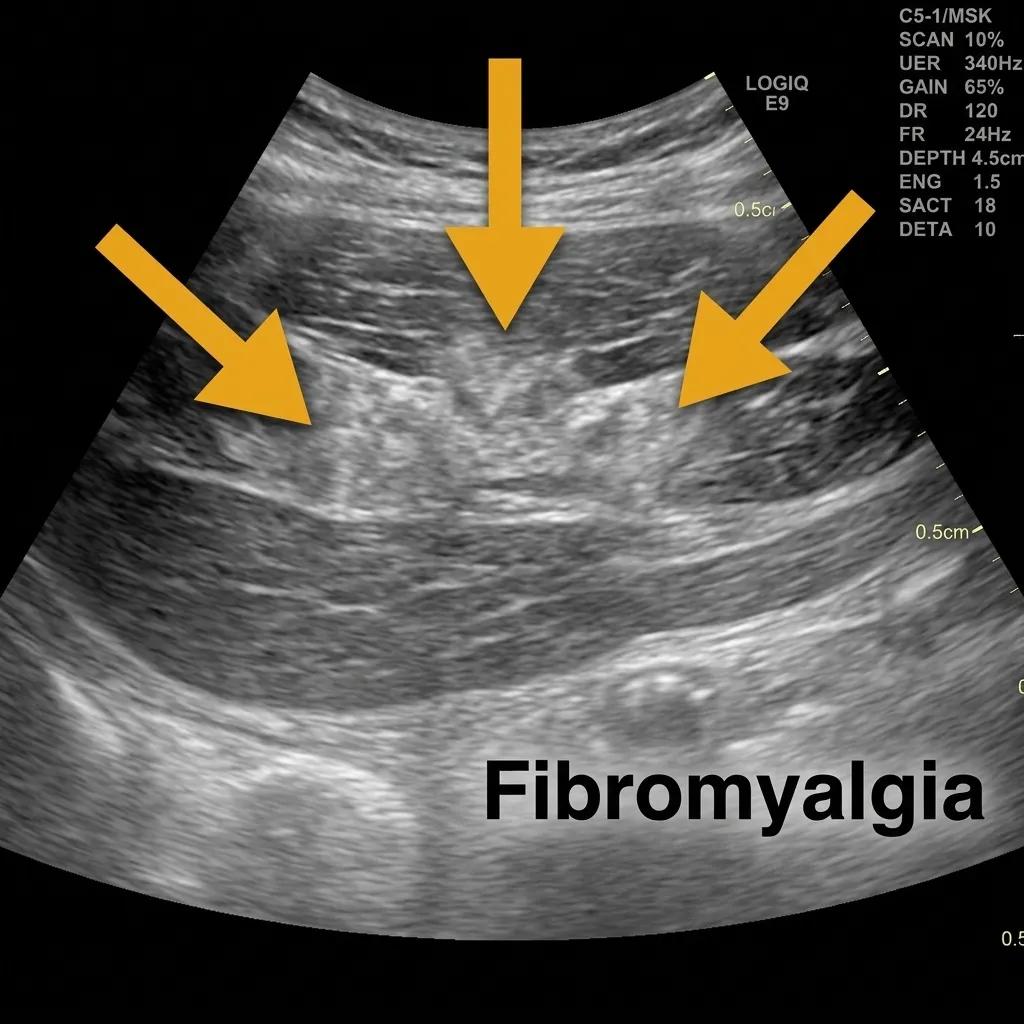
If you have fibromyalgia read this ☝️
Ximena Crowley
If you have fibromyalgia read this ☝️
Ximena Crowley
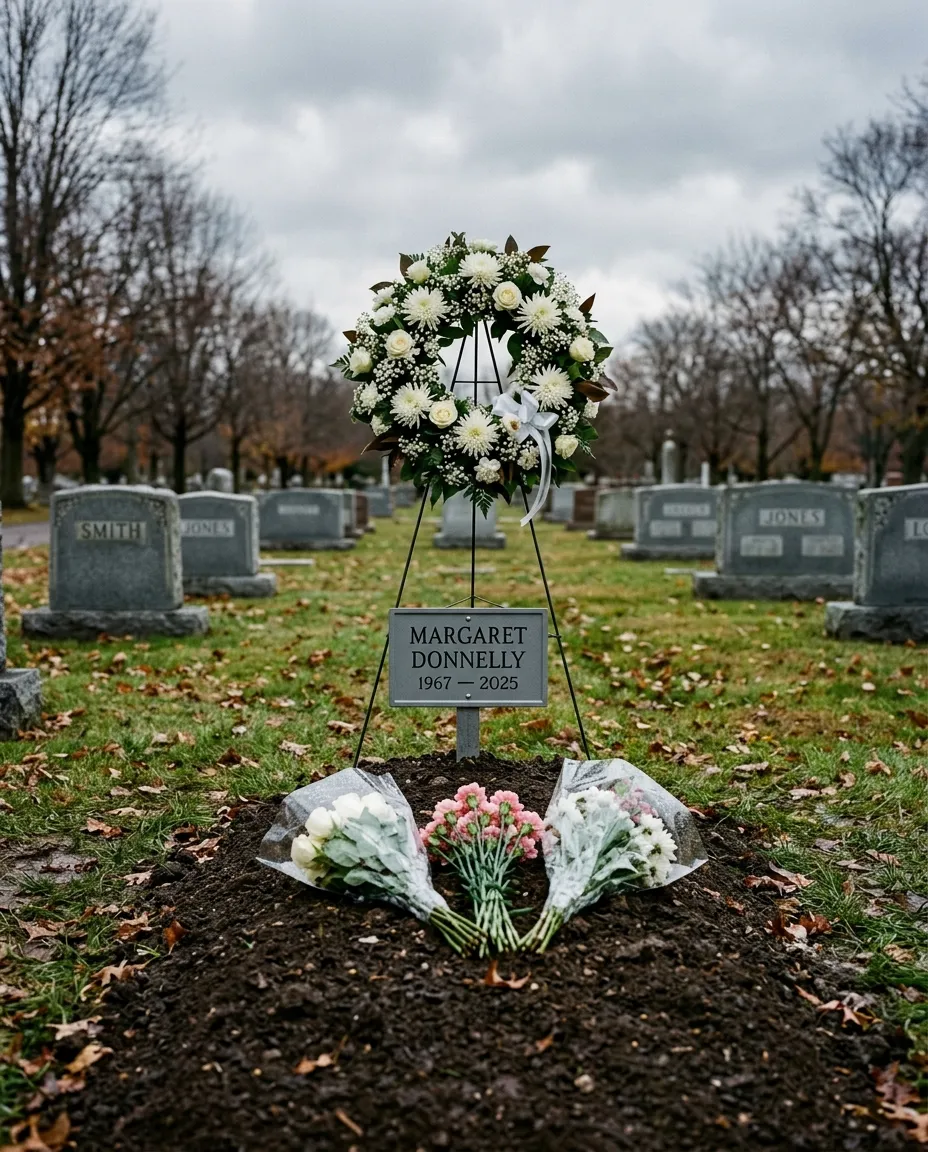
If you have fibromyalgia read this ☝️
Ximena Crowley
If you have fibromyalgia read this ☝️
Ximena Crowley
If you have fibromyalgia read this ☝️
Ximena Crowley
If you have fibromyalgia read this ☝️
Ximena Crowley
If you have fibromyalgia read this ☝️
Ximena Crowley

If you have fibromyalgia read this ☝️
Ximena Crowley

If you have fibromyalgia read this ☝️
Ximena Crowley
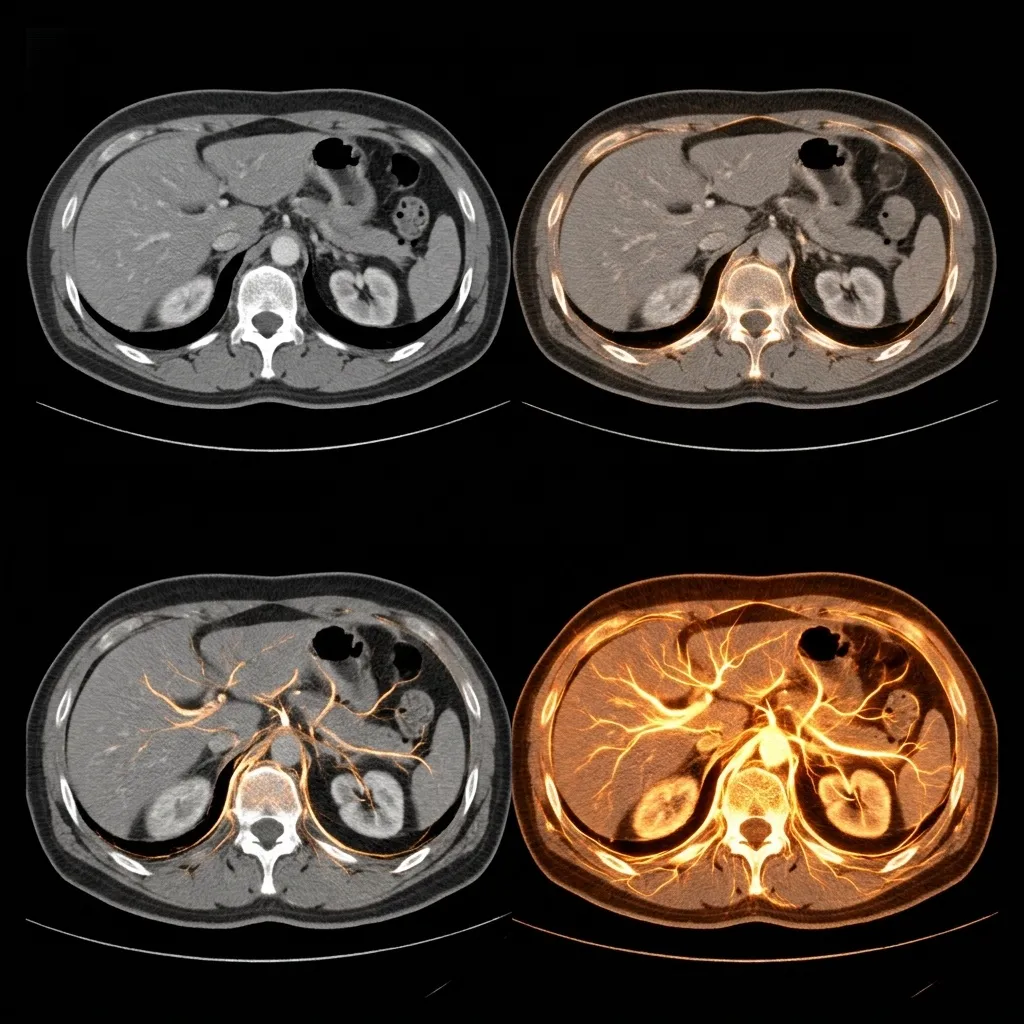
If you have fibromyalgia read this ☝️
Ximena Crowley
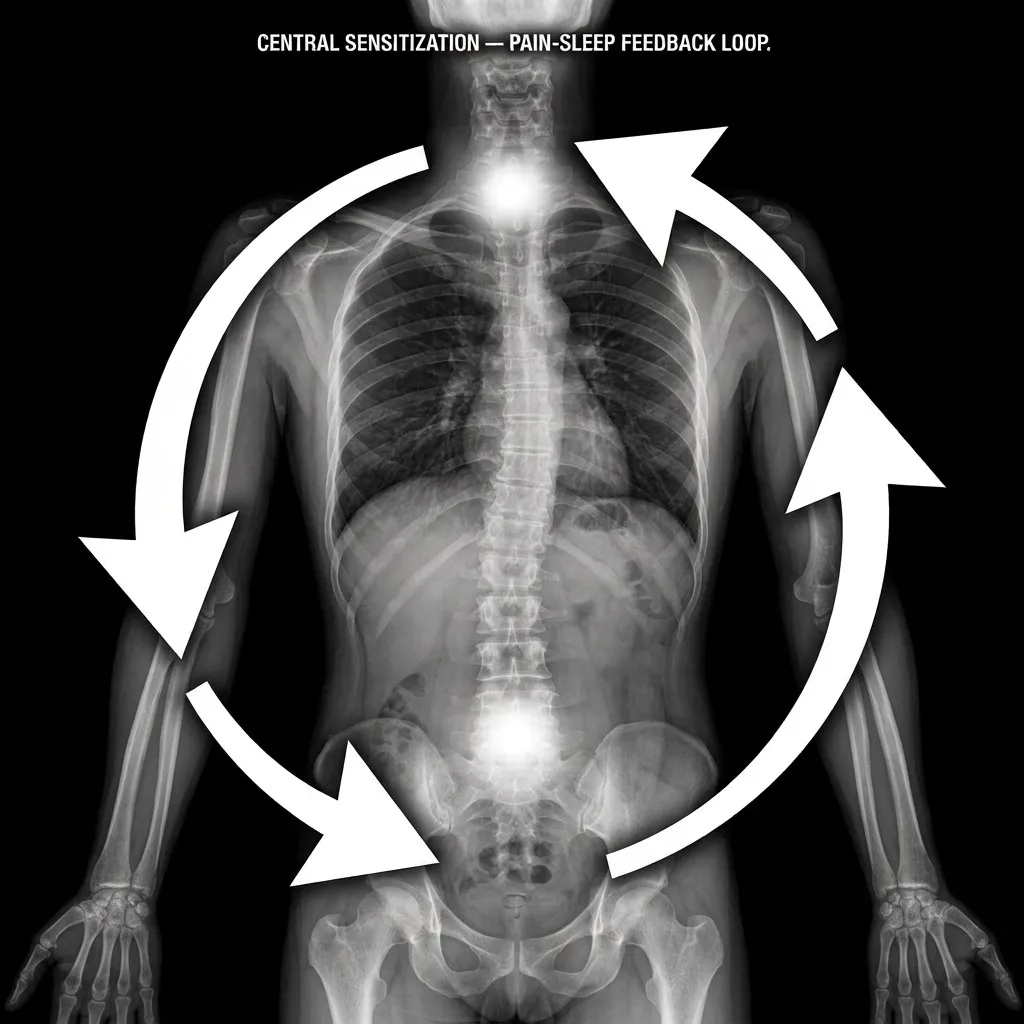
If you have fibromyalgia and can't sleep read this ☝️
Ximena Crowley

 Add to Chrome