
If you have fibromyalgia read this ☝️
Ad Copy
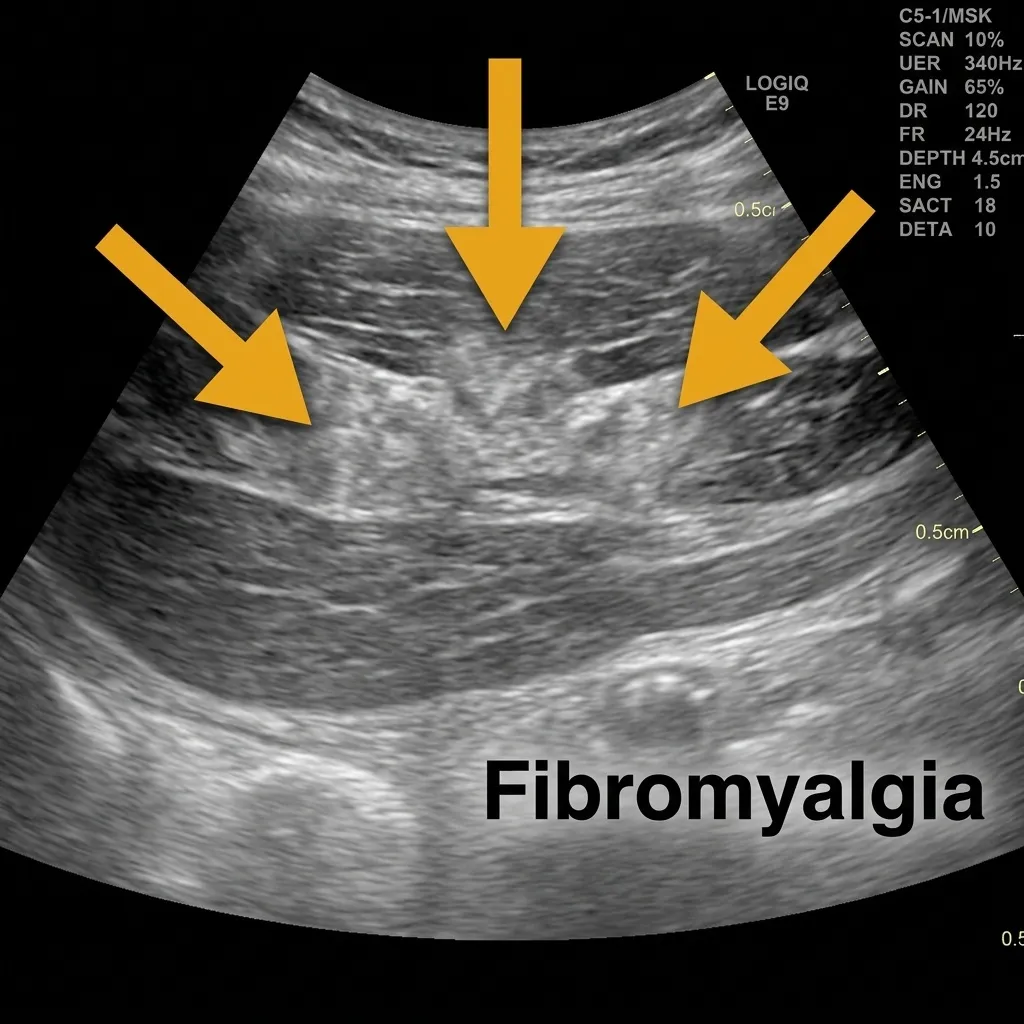
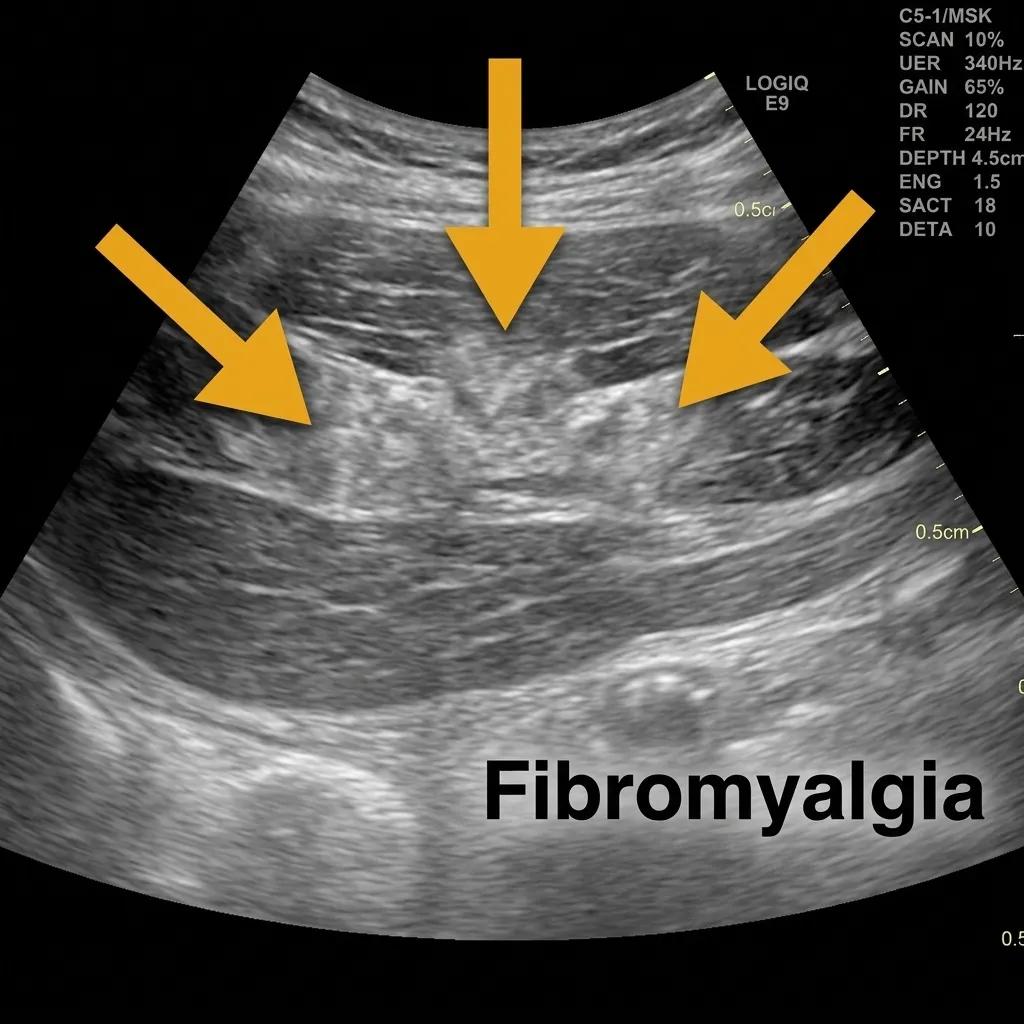
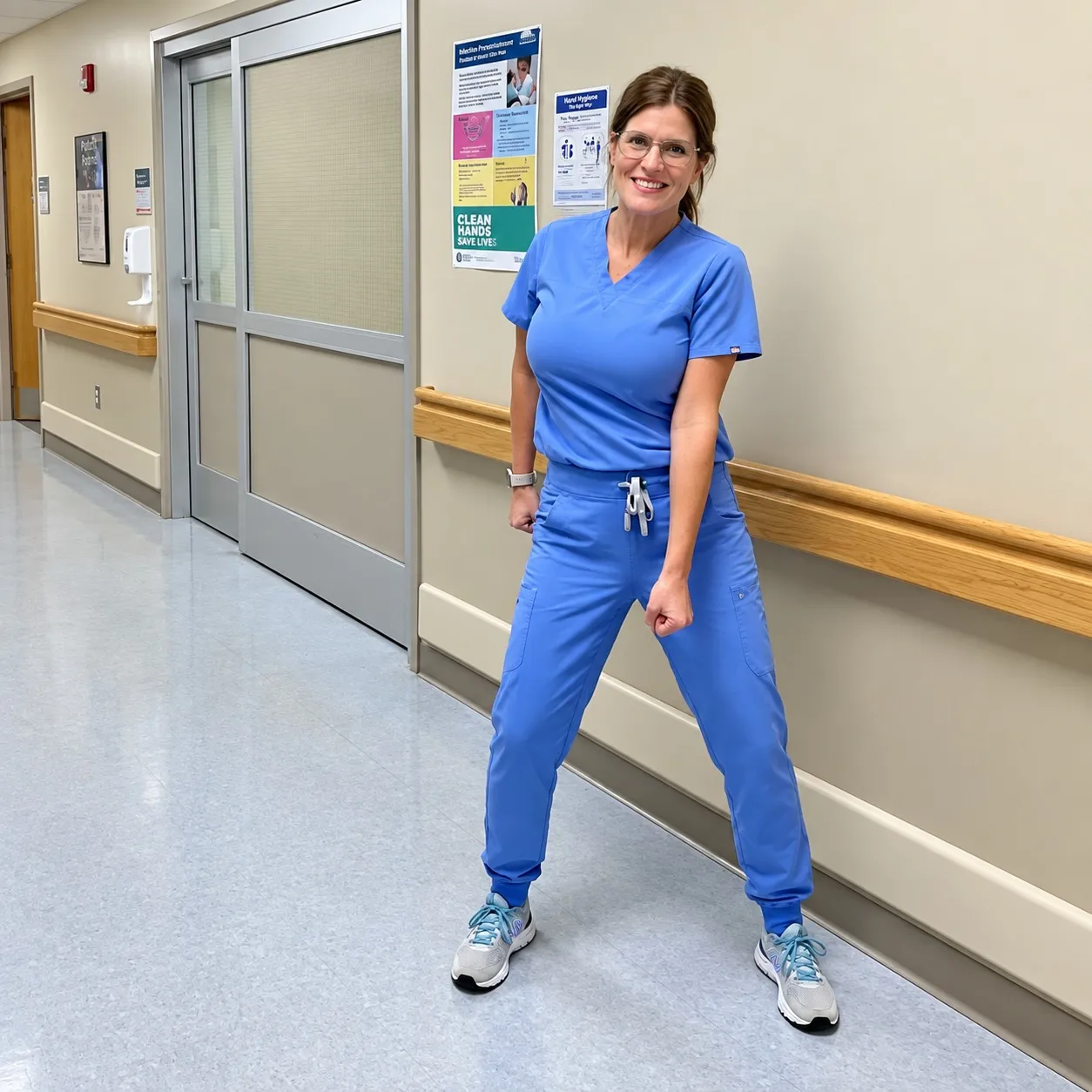
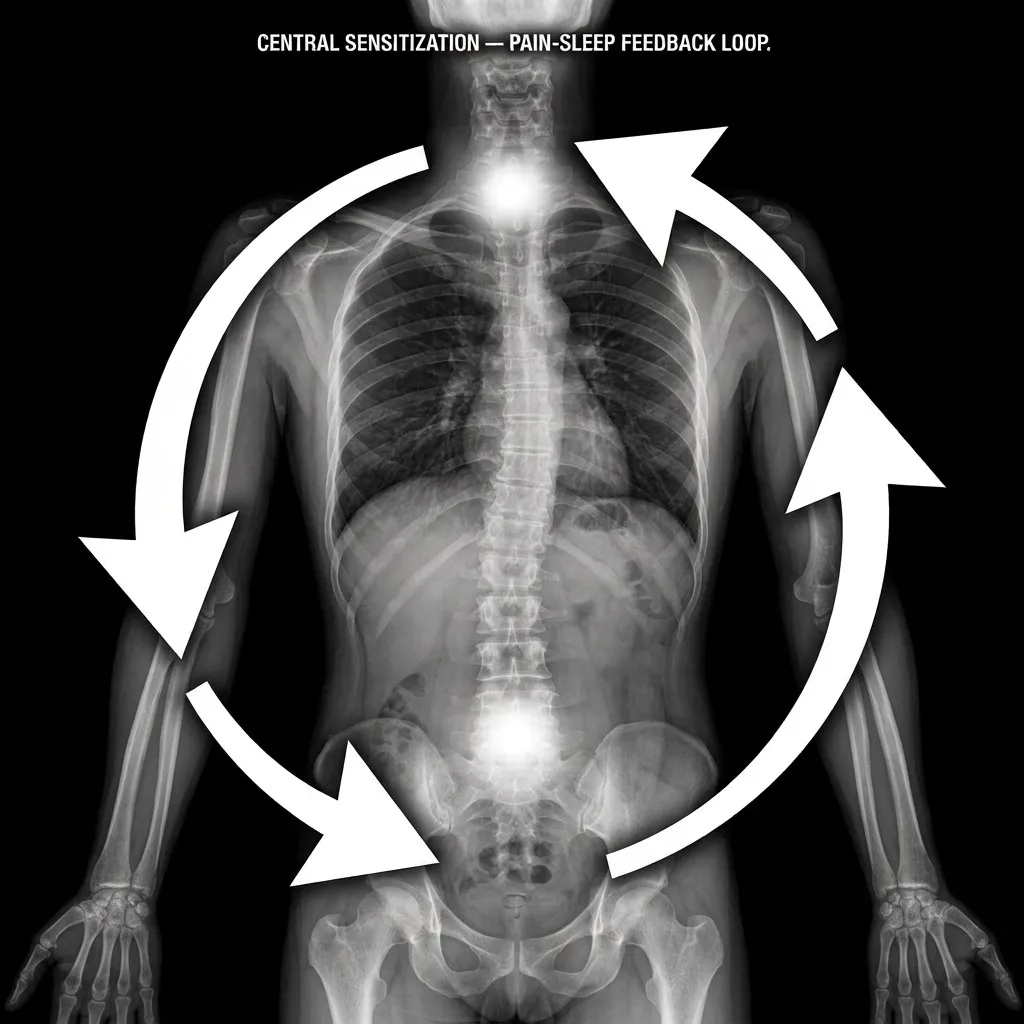
For 14 years I told fibromyalgia patients that pregabalin and duloxetine were the best we had. Then fibromyalgia happened to me. And I pulled my own patient data. What I found in 14 years of records made me sick. My name is Margaret. I'm 53. I've worked in a chronic pain clinic for 14 years. I run intake on every new patient. I administer trigger point injections. I keep a spreadsheet of every medication response. Nobody asked me to. I started it my second year because I wanted to know what was actually working. Not what the drug reps said. Not what the pamphlets claimed. What was actually changing pain scores over 6, 12, 18 months. By year ten I had data on over 2,000 fibromyalgia patients. Then at 50, I started feeling it myself. The widespread aching that isn't injury. It isn't soreness from the gym. It isn't arthritis in one joint. It's everywhere. Your shoulders. Your hips. Your hands. Your ribs. It moves around like it's looking for somewhere new to settle. The exhaustion that sleep doesn't fix. I'd get eight hours and wake up feeling like I'd been awake for two days. The morning stiffness in my hands was so bad I couldn't open a pill cap until 10AM. I knew what it was before the rheumatologist confirmed it. I'd seen it 2,000 times across my desk. So I did what any nurse in my position would do. I followed the exact protocol my clinic prescribes. Pregabalin 75mg first. Within two weeks I'd gained four pounds and the brain fog was worse than the pain itself. I couldn't remember patient names I'd known for years. I sat in my car after a shift and couldn't remember if I'd locked the medication cabinet. Duloxetine next. Nausea so bad I couldn't eat for a week. Lost six pounds. My hands shook during injections. A patient asked me if I was okay. Gabapentin. Dizzy. Couldn't drive to work safely. Pulled over twice in one week because the road tilted. Physical therapy. My own clinic's protocol. I know every exercise. I did them all. The stretches helped for an hour. Then the pain came back like it had never left. None of it broke the cycle. That's when I did something I should have done years ago. I opened my spreadsheet. 14 years. 2,000+ fibromyalgia patients. Every medication. Every dose change. Every pain score at intake and at 6, 12, and 18 months. I filtered for pregabalin. The number that came back made me sit down. Meaningful pain reduction, defined as a 30% or greater drop in reported pain scores sustained over 12 months, showed up in 9% of patients. Nine percent. The other 91% were still in pain. But now they were also dealing with weight gain. Brain fog. Higher doses. The average pregabalin dose in my spreadsheet climbed from 75mg at start to 300mg by year three. I stared at that number for a long time. For 14 years I sat across from women in pain and told them pregabalin was the best we had. I watched them gain weight. I watched them lose clarity. I watched their doses climb. And I told them to be patient. I was wrong. Not about pregabalin being FDA-approved for fibromyalgia. It is. Not about it working for some people. It does. Nine percent of them. I was wrong about what "the best we had" actually means when 91% of your patients are still in pain three years later. So I started digging into what pregabalin actually does. And more importantly, what it doesn't do. Fibromyalgia is dual-axis. I knew this clinically but I'd never followed the logic all the way through. Axis one: chronic inflammation amplifies pain signals. Your nervous system gets stuck in a state where normal sensations register as pain. A light touch on your arm feels like a bruise. The weight of a blanket hurts your hips. Your own body becomes the enemy. Axis two: that same inflammation disrupts sleep architecture. You can't enter deep sleep. Without deep sleep, inflammation doesn't reset overnight. So you wake up with more inflammation than you went to bed with. More inflammation means more pain. More pain means worse sleep. Worse sleep means more inflammation. The loop feeds itself. Every single day. Pregabalin addresses nerve signal transmission. It calms the overactive nerve firing. But it does nothing for the inflammatory cascade driving the loop. That's why the pain keeps returning. That's why sleep never normalizes. That's why doses keep climbing. You're treating the signal while the fire underneath keeps burning. I found research on Montmorency tart cherry anthocyanins while I was reading inflammation studies at 2AM, unable to sleep because of my own fibro pain. I know. The anthocyanins in Montmorency tart cherry address inflammatory markers on both axes. Pain signaling and sleep disruption. Not just masking the signal like pregabalin. Addressing the inflammatory loop itself. I tried cherry juice from the grocery store first. Six weeks. Too much sugar, too diluted. My sleep improved marginally. No change in pain days. A naturopathic colleague at my pain clinic shared research with me over lunch. Concentrated Montmorency tart cherry extract. Capsule form. 3,600mg. Not juice. The concentration matters because heat destroys the anthocyanins. Pasteurized juice loses most of its effect before it hits the shelf. She told me about a company called Elivora. Cold-extracted. Concentrated. Third-party tested. She'd been recommending it to patients for over a year. I ordered a bag that night. Week one. I slept 40 minutes longer. The pain was still there but the 2AM wake-ups dropped from every night to four times that week. Small. But I track everything. And the numbers were moving. Week two. First morning without stiffness in my hands. I could grip the steering wheel without wincing on the drive to work. I sat in the parking lot and opened and closed my fists five times just because I could. Week three. First flare-free week in eight months. I worked my full shift without sitting down once. A coworker asked me what changed. I didn't know what to say yet. Week four. Pain days dropped from 22 per month to 11. Sleeping 6.5 hours straight. The brain fog lifted enough that I could process intake forms without re-reading every line. I stopped forgetting patient names. I started telling patients. Angela. 48. Fibromyalgia for six years. pregabalin 300mg. She'd gained 30 pounds. Brain fog so bad she went on disability. She used to be a paralegal. She told me once that she couldn't read a contract anymore without losing her place every paragraph. I told her about tart cherry. She added it to her pregabalin routine. Eight weeks later she called the clinic. Pain days down from 20 to 8. She walked her daughter to school for the first time in two years. Her rheumatologist approved a pregabalin taper from 300mg to 150mg. That was the phone call that broke me. Because I'd been Angela's intake nurse. I'd been tracking her data for six years. And for six years I'd told her to be patient with the pregabalin. Ten months in now. My pain days: 4 per month, down from 25. Sleeping 7 hours. Back on full shifts. Off pregabalin since month two. Tender point count: 4, down from 16. I'm writing this because the women I see in intake every week. Most of them will be on pregabalin for years. Their doses will climb. Their weight will climb. Their fog will get worse. And their doctors will tell them to be patient. Angela spent six years on pregabalin before she found what was actually driving her pain. She gained 30 pounds and lost her independence. The ones I catch early have options. You still have options. Add it to your current routine. Keep taking what your doctor prescribed. But your prescription was designed to calm nerve signals. It was not designed to address the inflammatory loop driving both your pain and your sleep disruption. Both things can be true. Cold-extracted Montmorency tart cherry. 3,600mg per serving. Concentrated anthocyanins. Fat-soluble carrier so the compounds actually absorb. Third-party tested. Made in the USA. Two capsules before bed. That's the protocol. I order directly from their website because that's the only place I trust to get the real product. The grocery store juice is pasteurized and diluted. The capsules on Amazon are dry powder with no carrier. Those do nothing. I tracked that too. Thirty-day money-back guarantee. No prescription needed. You've spent years managing the signal. It's time to address the loop. https://elivorahealth.com/pages/fibro-advertorial-v1 ~ Margaret, 53. Pain management nurse. 14 years in a chronic pain clinic. 10 months on Elivora. Off pregabalin since month two. P.S. Angela called me last week. She's down to pregabalin 75mg. Her rheumatologist wants to try taking her off completely next month. She carried groceries up her apartment stairs for the first time in three years. Crying. So was I.
More from Ximena Crowley

If you have fibromyalgia read this ☝️
Ximena Crowley
If you have fibromyalgia read this ☝️
Ximena Crowley
If you have fibromyalgia read this ☝️
Ximena Crowley
If you have fibromyalgia read this ☝️
Ximena Crowley
If you have fibromyalgia read this ☝️
Ximena Crowley
If you have fibromyalgia read this ☝️
Ximena Crowley
If you have fibromyalgia read this ☝️
Ximena Crowley
If you have fibromyalgia read this ☝️
Ximena Crowley
If you have fibromyalgia read this ☝️
Ximena Crowley

If you have fibromyalgia read this ☝️
Ximena Crowley
If you have fibromyalgia read this ☝️
Ximena Crowley
If you have fibromyalgia and can't sleep read this ☝️
Ximena Crowley

 Add to Chrome