Berberine Complex - Cellular Energy & Metabolism Support
Ad Copy
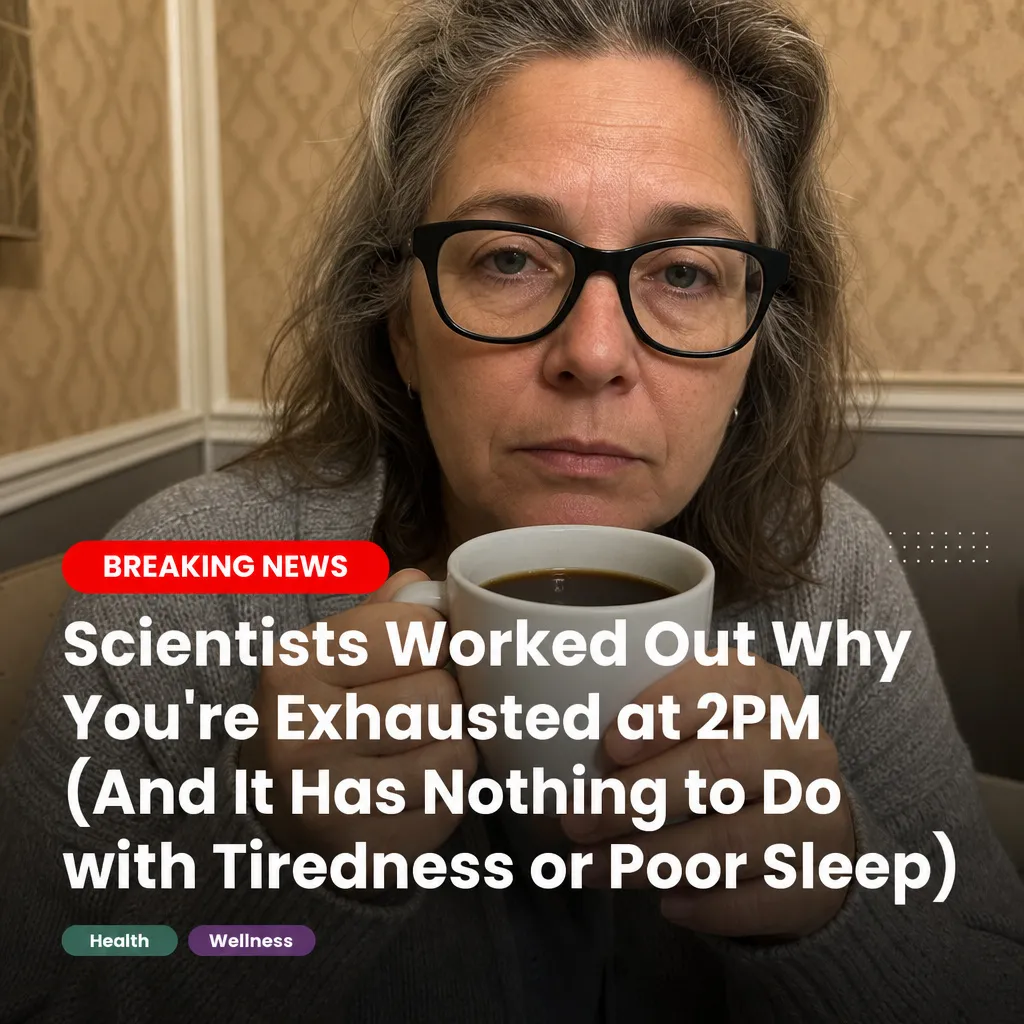
Scientists Worked Out Why You're Exhausted at 2PM (And It Has Nothing to Do with Tiredness or Poor Sleep) If you have ever hit that afternoon wall, where your brain goes foggy, your body feels heavy, and the idea of making one more decision feels impossible — you need to know something. It is not because you didn't sleep enough. It is not because you had too much coffee (or not enough). And it is definitely not because you lack discipline or willpower. There is a hidden reason why modern women struggle with energy and control in a way our grandmothers never did. And it has been hiding in plain sight. What researchers keep finding is quietly disturbing: The foods we eat every single day — the convenient, processed, "normal" foods that fill the shelves — are scrambling the one decision your body makes after every meal. That decision is: burn this, or store it. You have probably never thought of it as a decision at all. But it is, and it is made inside your cells, by a fuel sensor called AMPK. When that sensor is working, the meal you just ate gets used. You feel steady, clear-headed and level through the afternoon. You make decisions easily. You handle a difficult hour without falling apart. You feel in control. But when it starts running quiet — which is exactly what a modern diet does to it — everything falls apart. Your energy crashes. Your mood swings. Your brain gets foggy. You feel anxious for no reason. And that feeling of being in control of your day? It disappears. The worst part? Most women have no idea this is happening. They think they just need more sleep, better habits, or more willpower. They beat themselves up for being tired when they "shouldn't" be. But here is what actually goes on: refined carbohydrates, high-fructose syrups and inflammatory seed oils send your blood sugar up faster and further than your body was ever built for — and every one of those spikes is followed by a drop. Your body literally cannot hold steady energy anymore, no matter how hard you try. The good news? There is an answer that doesn't involve giving up your favourite foods, drinking more coffee, or forcing yourself through another perfect morning routine. And it comes from a bitter yellow compound that grows in bark, and that people have been using for thousands of years to keep the body in rhythm. Let me tell you how I found it... I will never forget the moment I realised something was seriously wrong. It was a Wednesday afternoon. 2:34 PM, to be exact. I was sitting at my kitchen table with my third cup of coffee, staring at my laptop, trying to focus on a simple email. My hands were shaking slightly — from the caffeine, from the exhaustion, I couldn't tell anymore. My daughter was at school. The house was quiet. I had everything I needed to get things done. But I felt stuck... Worse than that, I felt like I was failing. Failing at the ordinary things I had promised people. Failing at being present with my family. I had tried everything. The morning routines. The sleep hygiene. The B vitamins and the iron my doctor suggested. I cut back on coffee (worse), then drank more coffee (anxious and still tired). I tried going to bed earlier, meal prepping on Sundays, even those miracle powders they sell everywhere... Nothing worked for more than a day or two. And the worst part? Everyone kept telling me it was normal. "You're busy, that's just life." "Welcome to your forties." "Have you tried getting more sleep?" I was getting seven hours of sleep. I was eating relatively well. I wasn't doing anything extreme. So why did I feel like I was permanently running on empty? That is when I fell into a research rabbit hole at 11 PM one night — because of course, I couldn't sleep even though I was exhausted. I was reading about fatigue and burnout, clicking through article after article, when I landed on something about blood sugar patterns in women over 40. One line stopped me cold. It said, in plain terms, that a diet built on refined carbohydrates produces a rise-and-crash pattern that the brain reads as exhaustion and as hunger — even when you have slept perfectly and eaten enough. I read it three times. Even when you have slept perfectly. Even when you have eaten enough. I wasn't crazy. I wasn't weak. My body was physically unable to hold steady energy, because the system that decides what to do with a meal had stopped doing its job properly. Your body is supposed to ride a gentle curve after eating. Up a little, down a little, back to level. Fuel goes into your cells and gets used. But when you eat the way most of us now eat — refined flour, hidden sugar, industrial oils — that gentle curve becomes a climb and a fall. And after 40, with the shift in oestrogen, the fall gets steeper. Your cells become less responsive to the signal that tells them to take the fuel in. The AMPK sensor runs quieter. More gets stored. Less gets burned. That is why I felt fine-ish in the morning, crashed by mid-afternoon, got strangely wired at 9 PM, then lay awake at midnight even though I was shattered. It wasn't in my head. It was in my cells. And here is the part that made me angry: this is not genetic. This is not simply age. This is what modern food does to a body. Our grandmothers didn't have syrup in their breakfast. They didn't eat industrial oils in every packaged snack. Their bodies knew how to handle a meal because they weren't being hit with things that scramble the signal. We are. Every convenient dinner, every processed snack, every "healthy" granola bar with more sugar in it than a biscuit — they all feed the same pattern. And the coffee? The energy drinks? They make it worse. They push you up, which makes the fall harder, which makes you need more caffeine, which pushes you up again. It is a cycle that never ends. I sat there at midnight, my laptop lighting up the dark bedroom, feeling something I hadn't felt in months: hope. Because if the problem was the burn-or-store decision, maybe there was a way to support it. So I kept reading. That is when I found the research on berberine. It is an alkaloid drawn from the bark of the barberry shrub and from goldenseal root — bitter, bright yellow, and used in traditional practice for thousands of years. Researchers have spent years looking at the same thing: berberine and the AMPK pathway. How steadily the body rides a meal. How the energy holds afterwards. They kept describing it the same way. It doesn't whip you up. It doesn't sedate you. It supports the switch that was supposed to be making the decision all along. Not a stimulant. Not a sedative. Something that helps the body remember how to handle its own fuel. But here is what almost everybody gets wrong, and what I nearly got wrong too. Berberine on its own is badly absorbed. Most of what you swallow never reaches your cells at all. Which is exactly why so many women try it, feel nothing, and decide it doesn't work. What changes that is black pepper extract — BioPerine — which carries it through the gut wall instead of letting it pass straight through you. That one addition is the whole difference between a serving that lands and a serving that doesn't. So I looked for one built that way, and I found GLOV Berberine Complex. Berberine with BioPerine, plus Ceylon cinnamon for the ride after a meal, turmeric and ginger, apple cider vinegar, and goldenseal. Seven actives. Two capsules a day, with food. I ordered it the next day. I am not going to lie and tell you it was magic overnight. But here is what I noticed in the first week: the 2 PM crash wasn't as deep. I still felt a dip. It just wasn't the wall-hitting, can't-function feeling I had got used to. By week two, I realised I had only had one coffee that morning. Not because I was forcing myself to cut back, but because I wasn't desperate for it. By week three, my husband asked whether I'd changed something. "You seem calmer these past few weeks..." That's when it landed: I wasn't just less tired. I felt more in control. I could make a decision without agonising over it. I could handle my daughter's meltdown after school without losing it myself. I could get to 8 PM and still have enough left to have a proper conversation, instead of collapsing on the sofa. It was never about superhuman energy. It was about steady energy. Energy that lasts. The kind that lets you feel like yourself again. That was eight months ago. I'm not perfect. I still have hard days. The difference is that the hard days are hard because life is hard sometimes — not because my body cannot keep up with a normal afternoon. I still eat the odd takeaway. I still drink coffee. But my body isn't riding that climb-and-fall all day anymore. And the control I wanted? The feeling of being in charge of my day instead of just surviving it? I have that back. If you're reading this and you recognise yourself in my story — if you're tired of being tired, tired of feeling like you're failing at something that should be simple — I want you to know it is not your fault. Your body is doing exactly what it does when that switch runs quiet: it struggles. But you don't have to stay stuck there. The research is real. The answer exists. And it doesn't ask for perfection, or an overhaul, or another impossible routine. It just asks you to support the decision your body is already trying to make. I've left the link below to the one I take, GLOV Berberine Complex. It is the only one I've stayed with, and they're running Buy 2 Get 1 FREE with a 60-Day Money-Back Guarantee, so it's worth a look. — Sarah
More from Metabolism After 40
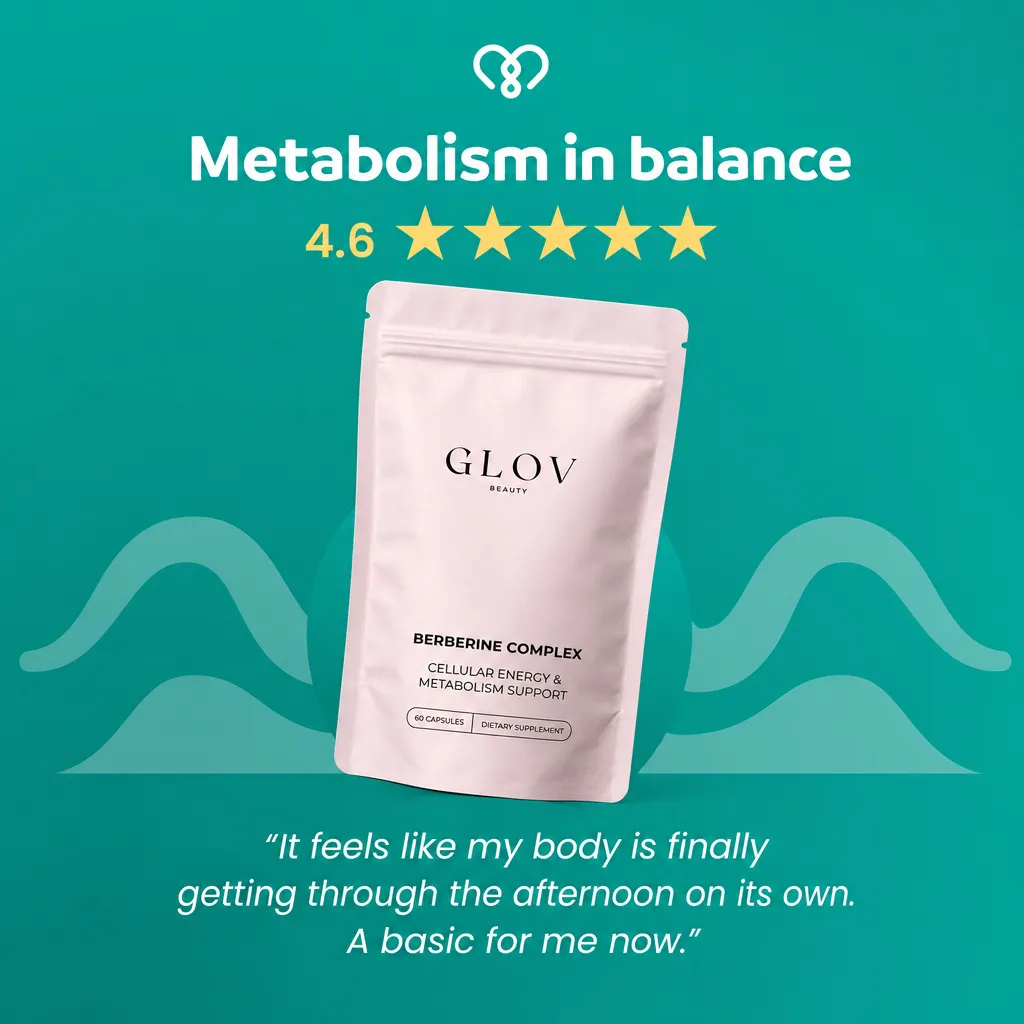
Metabolism In Balance
Metabolism After 40
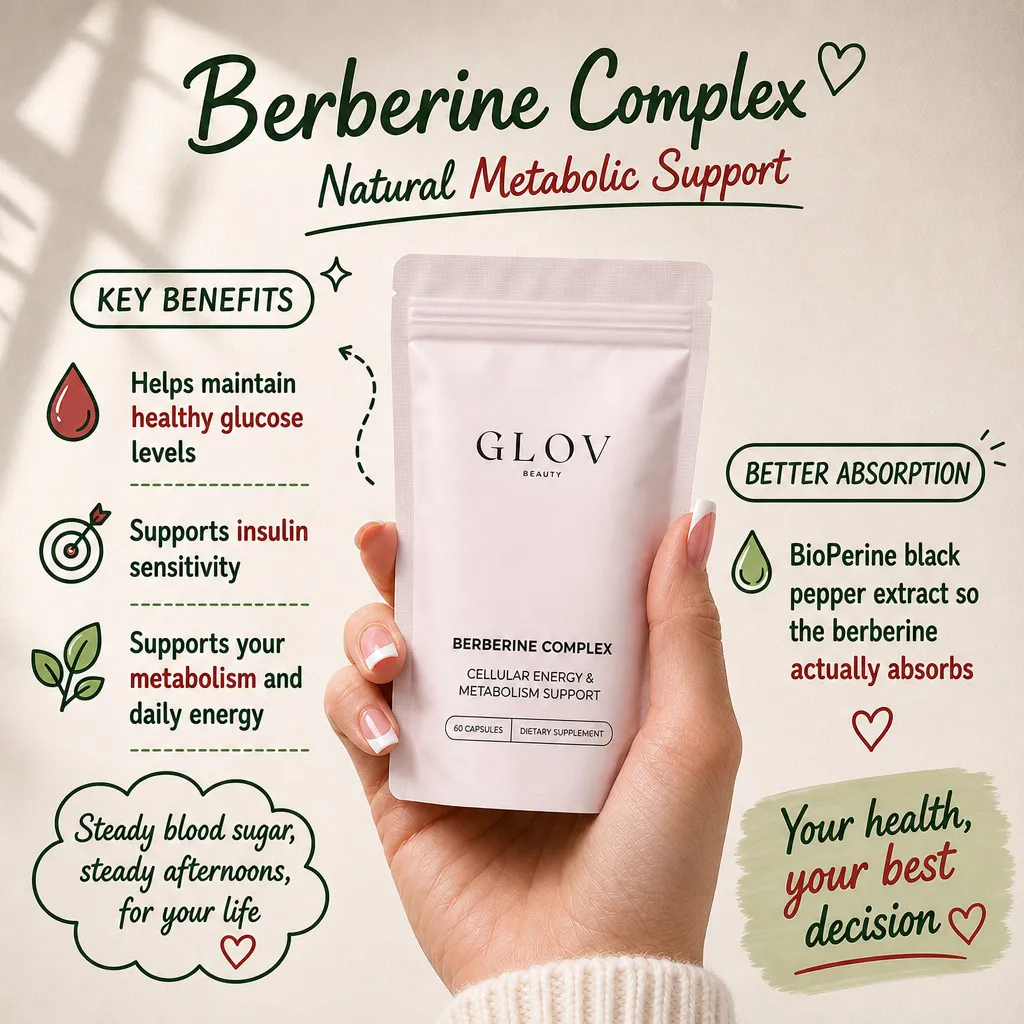
Berberine Complex — Natural Metabolic Support
Metabolism After 40
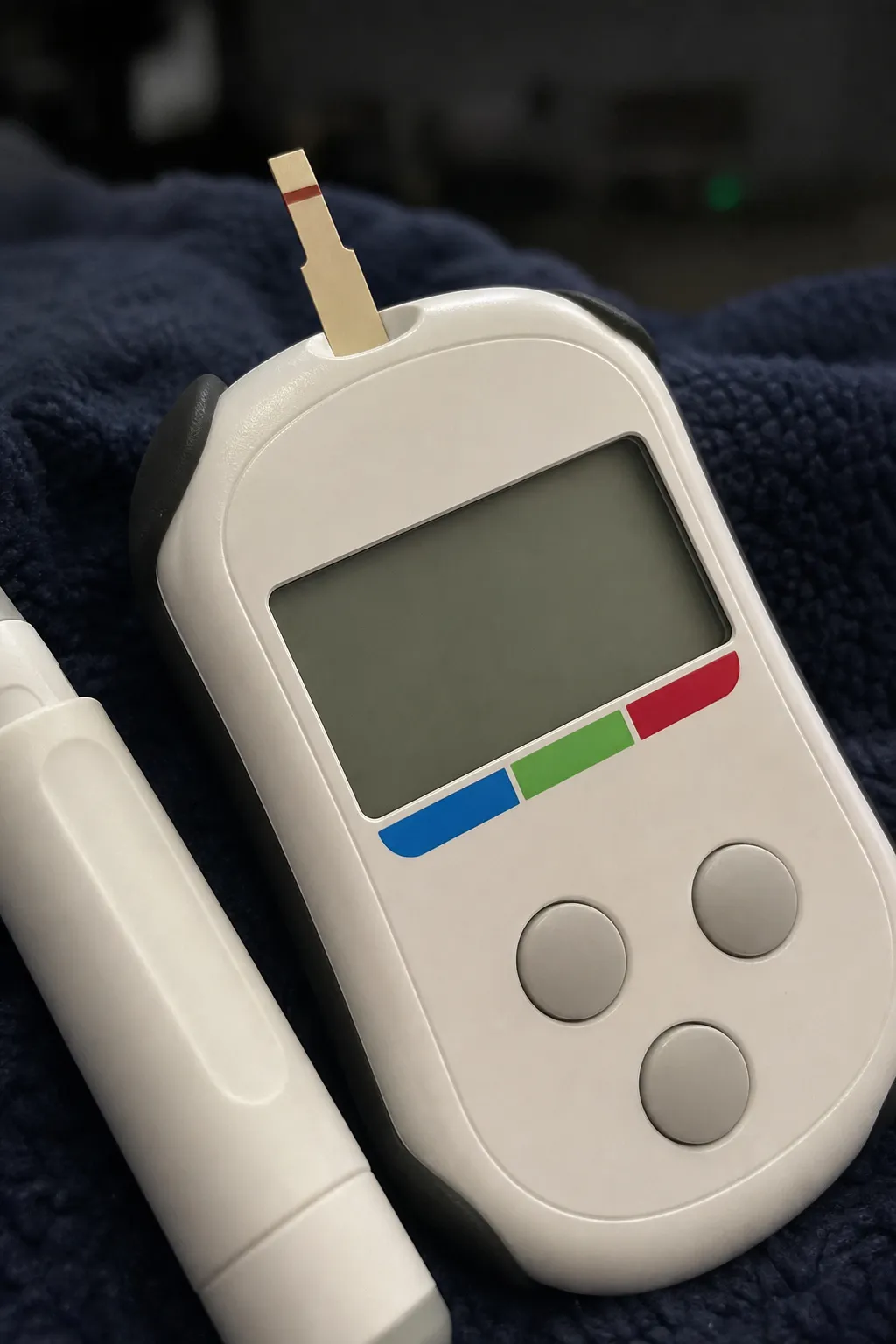
It was never the berberine. It was what wasn't in the capsule with it.
Metabolism After 40
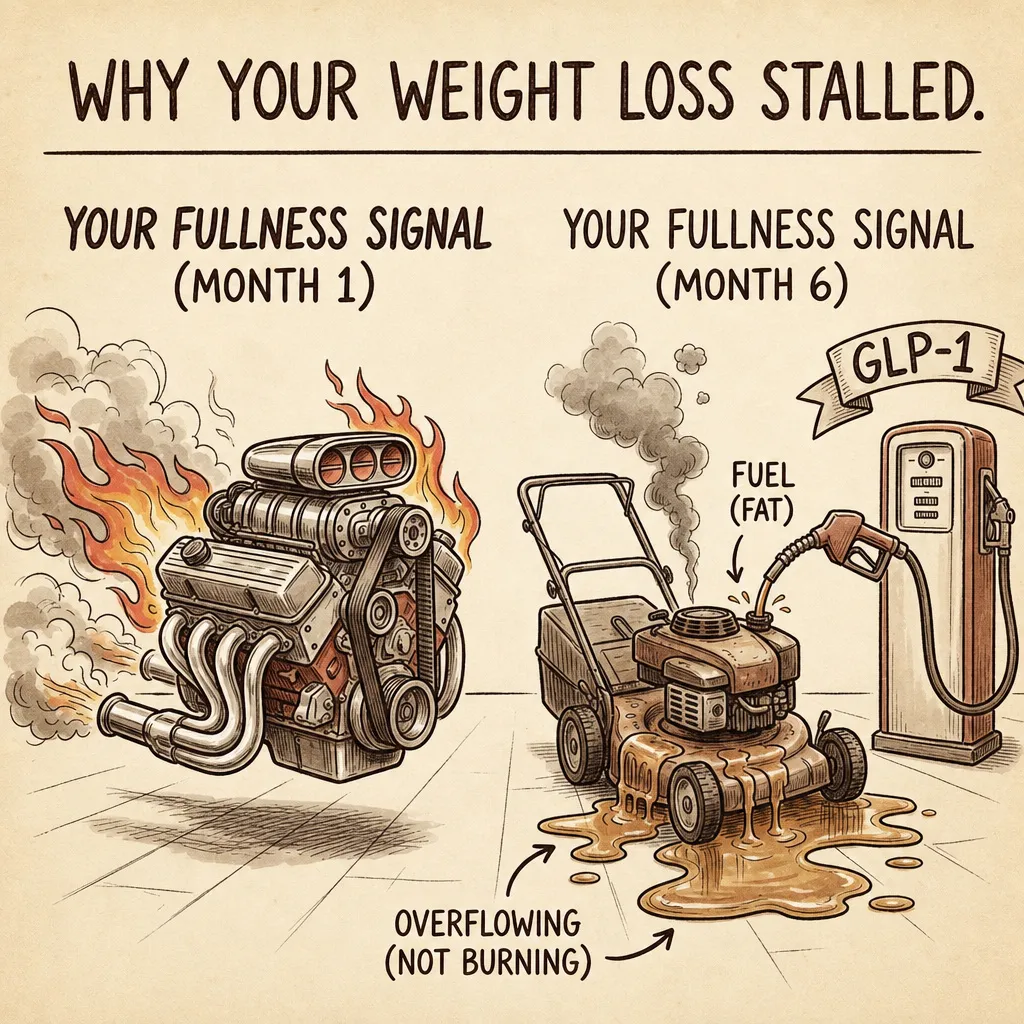
Why Your Weight Loss Stalled At Month Three
Metabolism After 40
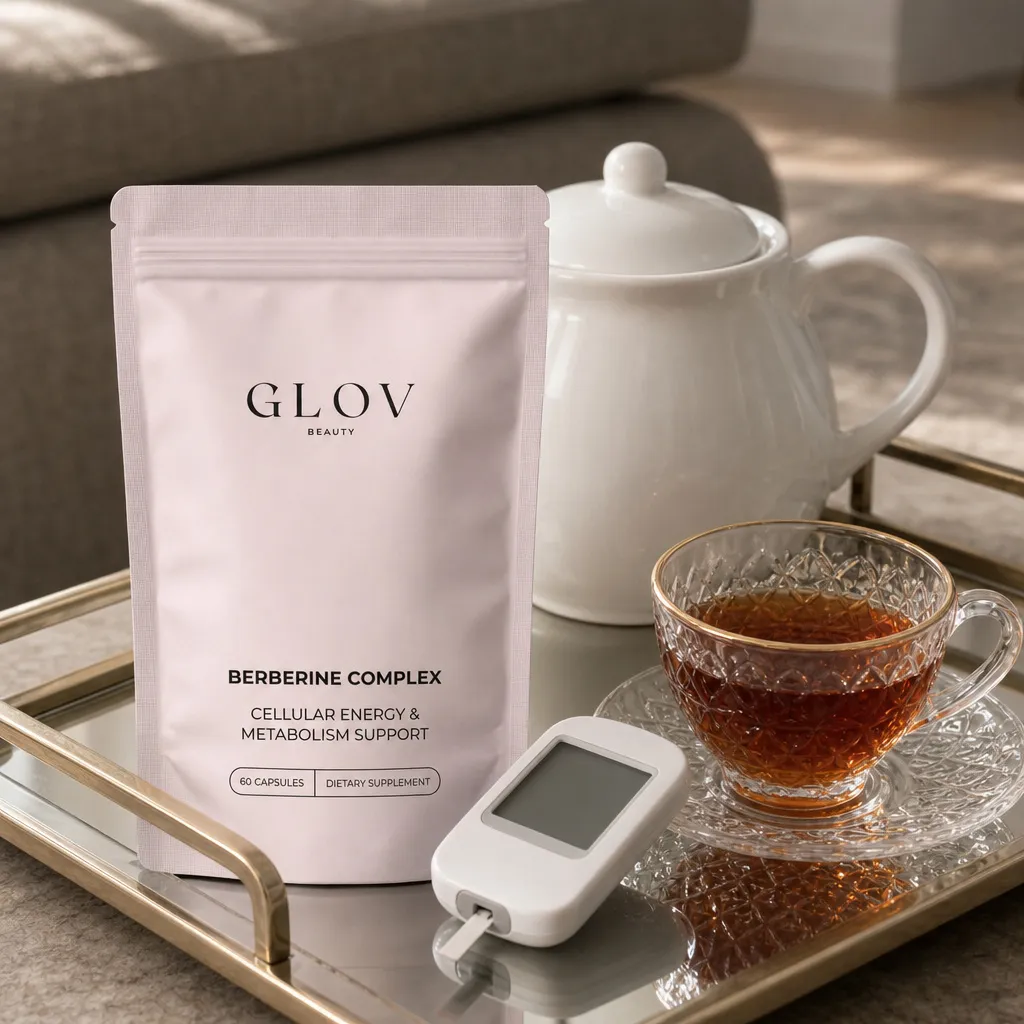
I bought seven single-ingredient capsules before I worked out what all seven were doing wrong
Metabolism After 40

A Hundred Answers And You Still Start Monday
Metabolism After 40
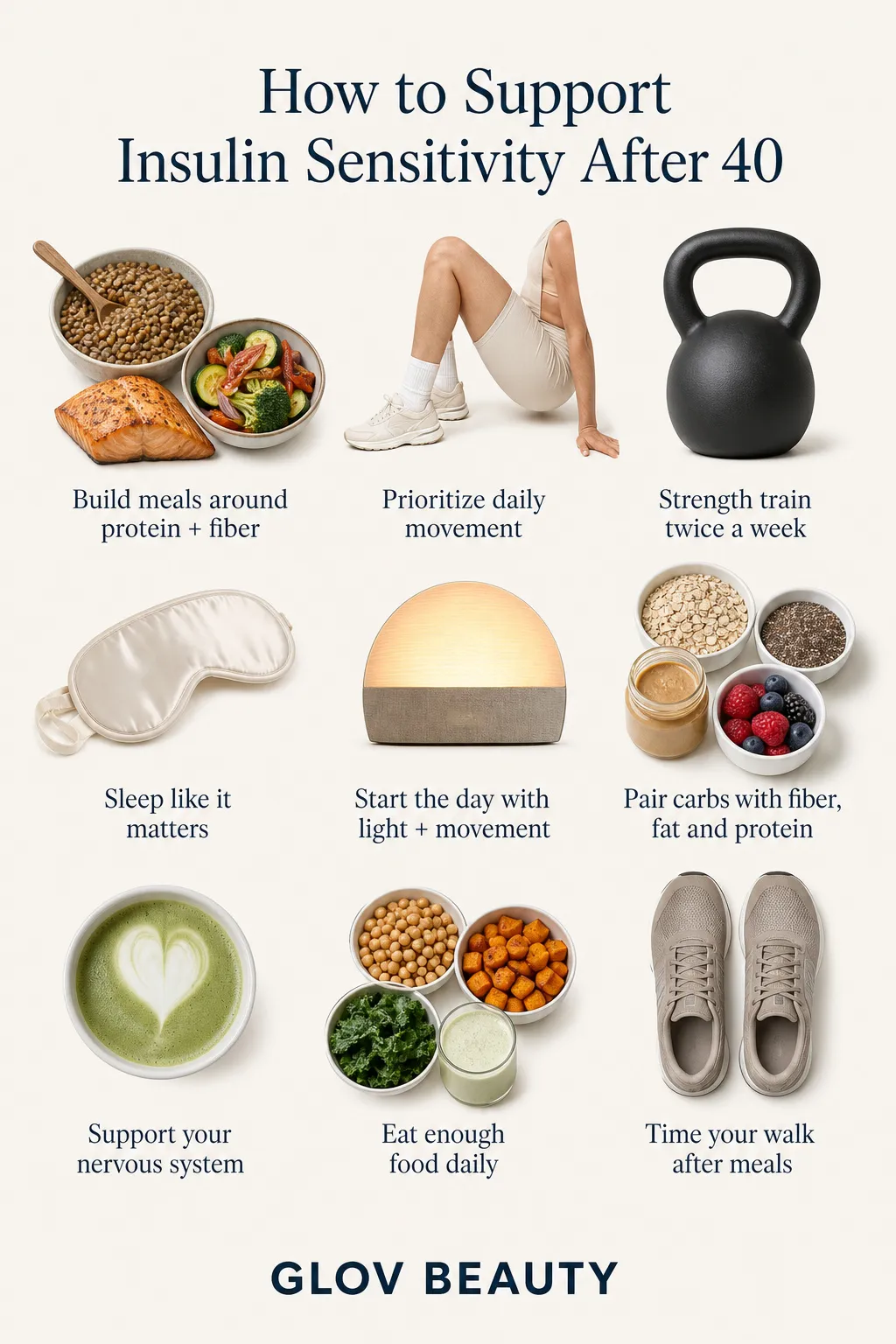
How to support insulin sensitivity after 40
Metabolism After 40

Four symptoms. One mechanism. Nobody checked it.
Metabolism After 40
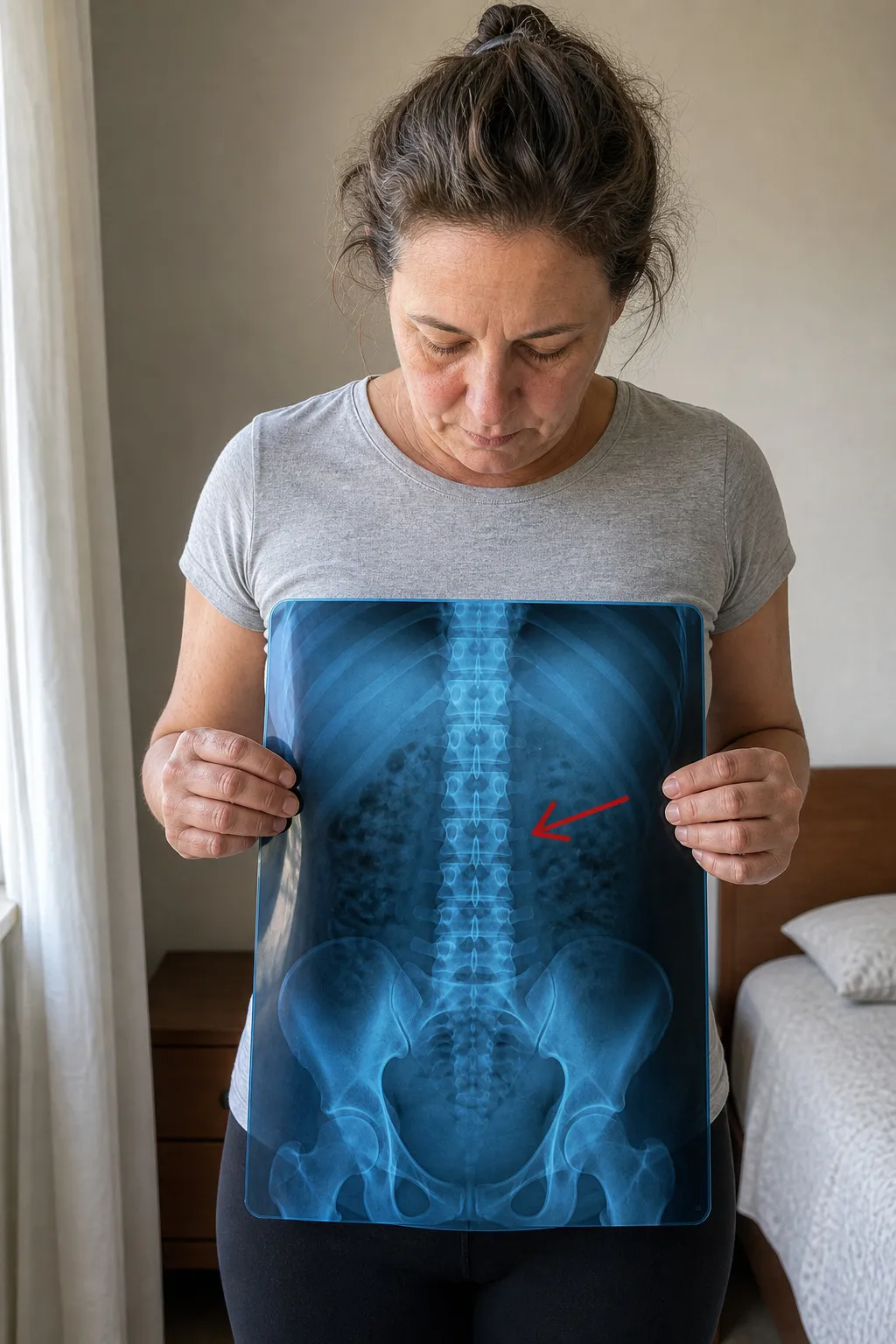
The Real Shock Came At 9:13 PM On A Tuesday
Metabolism After 40

Is Your Berberine Built Like This?
Metabolism After 40

Is Your Berberine Built Like This?
Metabolism After 40

Is Your Berberine Built Like This?
Metabolism After 40

 Add to Chrome