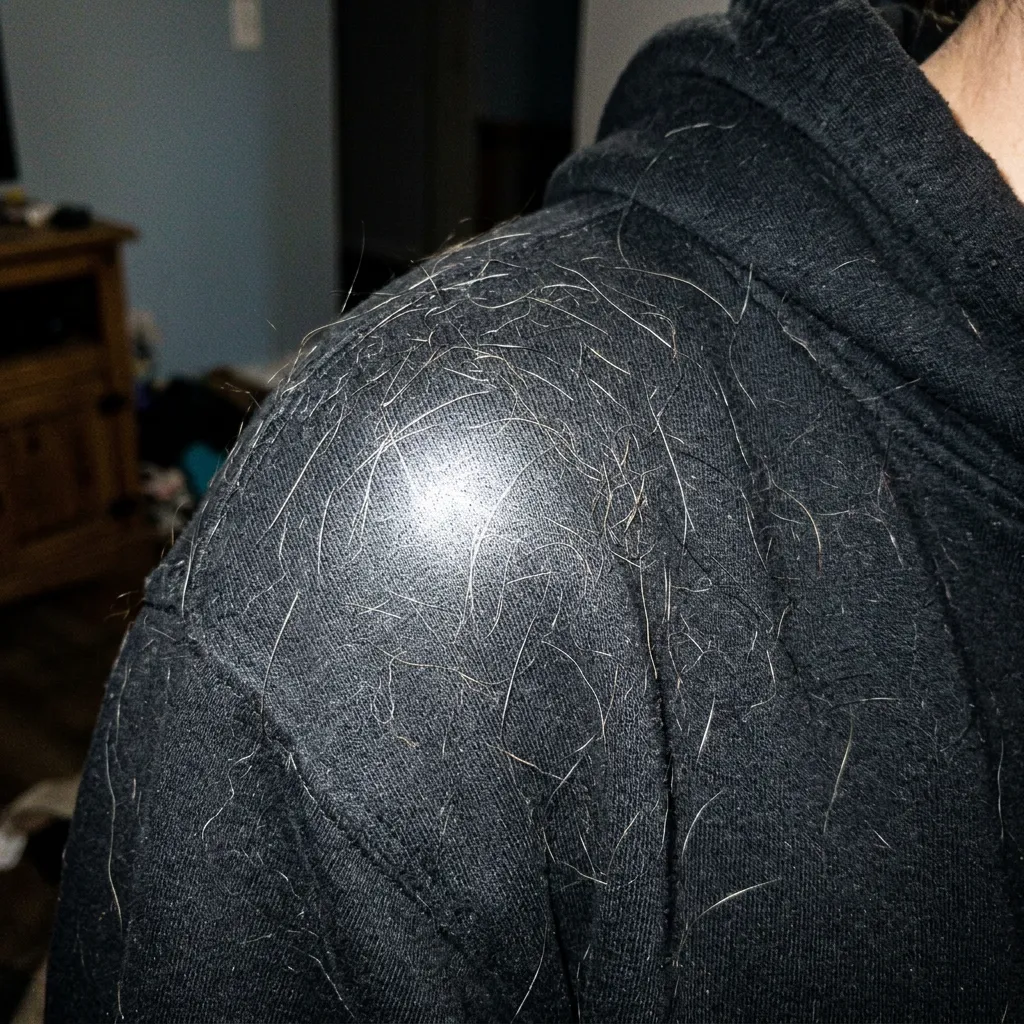
Help Hair Loss Naturally
Ad Copy
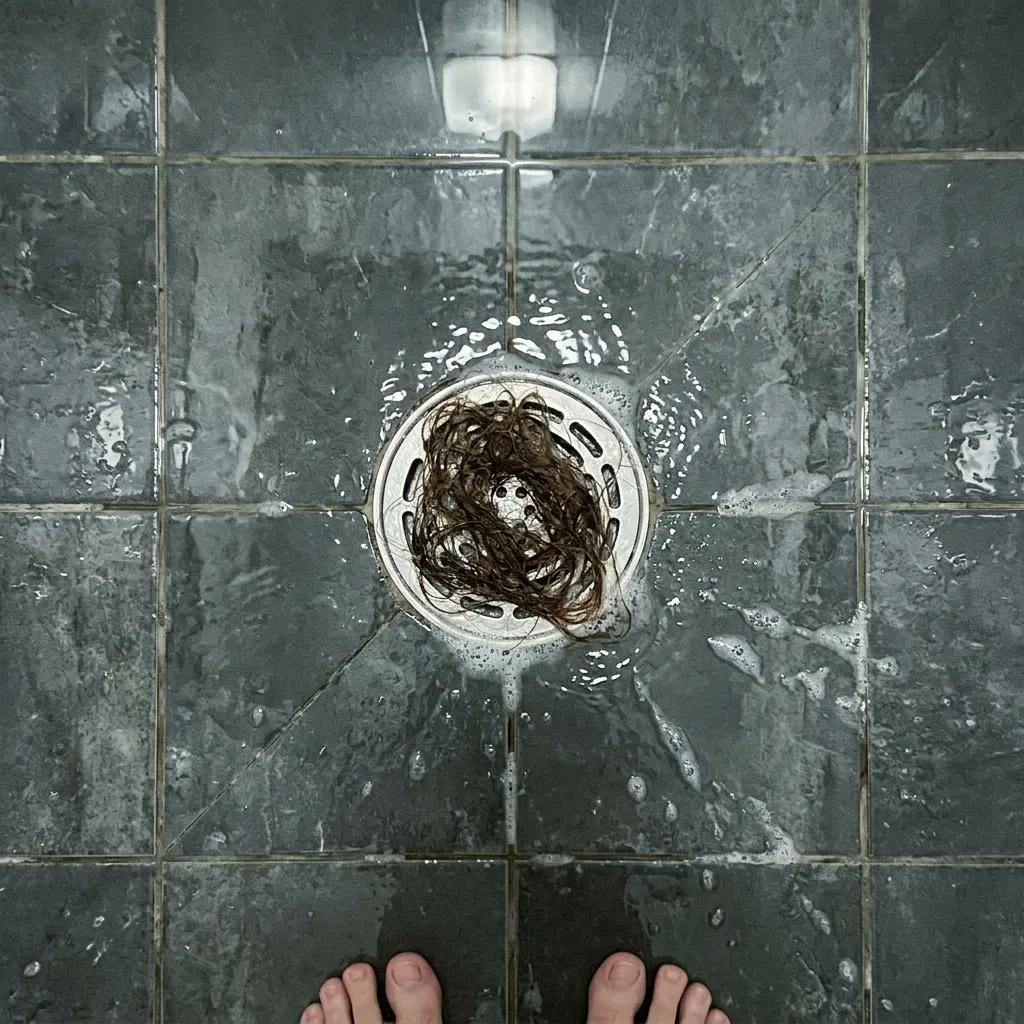
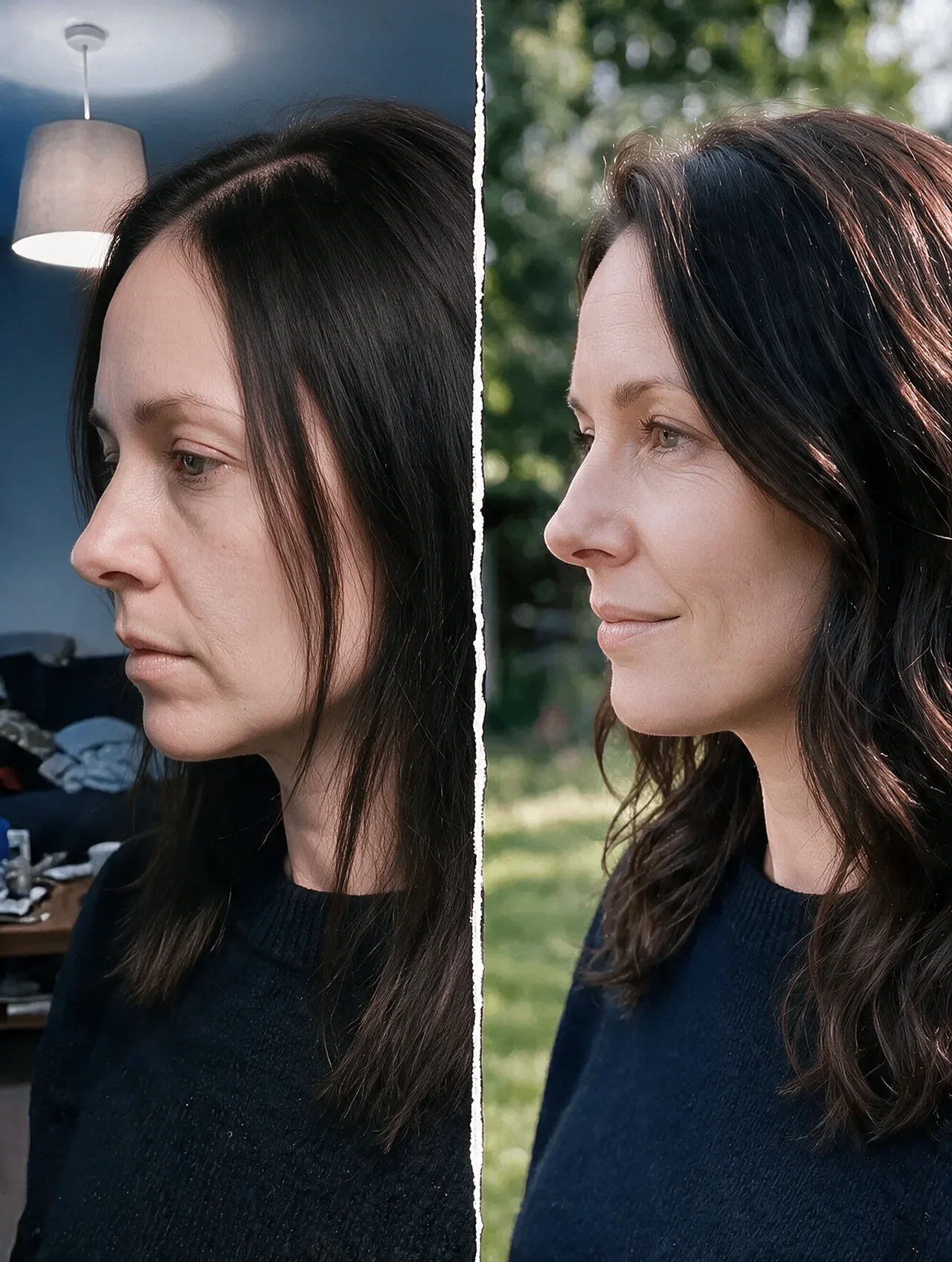
"Can you take your hat off for a second?" is not what my fiancé said to me. What he actually said was, "Are you going to wear your hair down for the wedding photos?" I said yes. I meant no. I hadn't worn my hair down in eight months. "Are you going to wear your hair down for the wedding photos?" My fiancé Daniel asked me that three months before our engagement party, completely innocently, while we were looking at Pinterest boards on the couch. I said yes. I meant no. I hadn't worn my hair down, actually down, in public, in almost eight months. I had a system by then. Low buns for work. A headband if I was going somewhere with better lighting. A middle part disguised as a side part, angled just enough to cover the spot where my scalp had started showing through. I'd gotten so good at it that most people never noticed. Daniel noticed. He just never said anything, the way you don't say anything about a thing you're not sure the other person wants to talk about. That night, after he fell asleep, I sat in the bathroom and actually looked. Really looked, under the bright vanity lighting I usually avoided. My part had widened so gradually I'd almost adjusted to it in real time, the way you don't notice a room getting darker until someone turns on a light. But under that light, there was no pretending. My scalp was visible in a way it hadn't been three years earlier. What I'm about to tell you is something I never expected to say, because I never thought anything would actually work. I'd convinced myself the entire hair-growth industry was built to profit off women who were already insecure enough. And I was determined not to be one of them. My name is Emily. I'm 34. I work in logistics, ten-hour days, mostly on the phone or in front of a screen. I'm not the woman who has a nine-step skincare routine. I don't read ingredient labels on anything other than the occasional protein bar. Or at least I wasn't. My hair started thinning around 31. I noticed it in the shower first, the way most women do. Not the mirror. The drain. I'd finish rinsing and look down and there'd be a small clump sitting on the drain cover, enough that the water started pooling because it couldn't get through. I'd nudge it loose with my foot and watch it swirl away, thinking: when did this start happening? After that, I checked every single shower. Couldn't stop. Five strands on my fingers. Seven. Nine. Rinse, check, count, dread. It became the worst two minutes of my morning, worse than traffic, worse than anything waiting for me at work. Just me, my hands, and proof that something was changing that I didn't ask for. My mom started thinning noticeably in her late forties. My aunt wears a topper now and has for years. I figured the same thing was probably coming for me, just earlier than expected. Genetics, hormones, bad luck, whatever the actual reason was — I assumed there wasn't much to do about it, so I did what a lot of women do. I adjusted my styling and told myself I just preferred buns now. For a while, that worked. Low bun for work, ten hours, nobody the wiser. Problem managed, if not solved. Except at the gym. At the pool with friends in the summer. On windy days when a headband wasn't enough. Any moment my hair wasn't carefully arranged, the truth was right there. Daniel is patient. More patient than I probably deserved during those two years. He never once said "you're thinning" or "you should do something about this." What he did was quieter. He'd mention his coworker's wife. "Jess was telling Amanda about this thing she started using for her hair. She said it's actually working." Every time, I gave the same answer. "Those things are all the same scam with different packaging." Every time, he'd just say "okay" and drop it. But he kept mentioning it. Once a month, then twice. Never pushing. Just planting something. He wasn't nagging me. He was trying to tell me something I wasn't ready to hear: it's okay that this bothers you. It's okay to actually do something instead of just managing it forever. I wasn't ready to hear it because somewhere along the way I'd absorbed the idea that caring about this too openly was vain, or dramatic, or exactly the kind of insecurity I didn't want to admit to having. So I didn't admit it. I just kept adjusting my hairstyles and telling everyone, including myself, that I simply preferred my hair up. But I cared. I cared every time I caught the bathroom light hitting my part in a mirror I wasn't prepared for. I cared when my little cousin, eight years old, asked loudly at a family dinner why my hair looked "flat on top," and everyone laughed a little, and I laughed too, because that's what you do when the joke lands somewhere real. I cared when Daniel ran his fingers through my hair in bed and I flinched, not because it hurt, but because I didn't want him to feel exactly how thin it had gotten. I cared every single morning in the shower, counting strands on my fingers. I cared. I just wasn't saying it out loud. Here's the one thing I actually tried before all this. A biotin gummy subscription, the pretty pink kind everyone was posting about. Ten thousand micrograms, twice a day, like clockwork. Eight months. Cost me close to $180 by the time I quit. Nothing changed. My part was exactly the same width. If anything, I'd developed a couple of small breakouts along my jaw that a dermatologist later told me were a known reaction to that much biotin. I threw the bottle out and thought: told you so. All of it's a scam. That was about ten months before the wedding-photo conversation on the couch. After that conversation, I sat in my car in our driveway for a long time. Just sat there. Then I did the thing I'd been avoiding. I googled "why is my hair thinning and nothing works" at eleven at night, hating myself a little for even typing it, like I was breaking some rule about being a low-maintenance, unbothered woman who didn't fuss over this stuff. The results were everything I expected. Rogaine. A dozen supplement brands with nearly identical packaging. A prescription telehealth site for finasteride, with a long list of side-effect warnings underneath. Salon treatments that cost more than my car payment. I closed the tab. Six days before the engagement party, Daniel came home from the gym and mentioned Jess again. "I saw Amanda today. Her hair looks different, Emily. Like, noticeably. She's been using this pumpkin seed oil thing and I could actually see it." I said, "Those before-and-afters are always fake or filtered." He said, "Em. I see Amanda at the gym three times a week. Under terrible fluorescent lighting. This isn't a filter. I'm watching it happen in real time." That stopped me, because Daniel doesn't exaggerate. He's the most literal, unpersuadable person I know. If he was telling me he could see a real difference, in person, repeatedly, under bad lighting where nothing hides... That night, once he was asleep, I picked up my phone and looked up what Amanda was using. Bloom & Bond. I read about it, and immediately my internal skeptic started up. Another supplement. Another "clinically proven" claim. Another bottle that was going to sit in my cabinet next to the biotin gummies that did nothing. But two things slowed the skeptic down. First, a 90-day money-back guarantee, no forms or photos required. Three months to actually find out, no hoops. Second, the label disclosed exact milligram amounts — 2,000mg pumpkin seed oil, 200mg saw palmetto — instead of hiding everything inside a vague "proprietary blend" the way every other product I'd looked at that night did. Then I read the part that actually got past my skepticism, and it wasn't about the ingredients themselves. It was about why so many of the things I'd already tried had never had a real chance to work in the first place. Here's the explanation, in the plain terms I finally understood at midnight on my phone. Most hair-loss products, biotin included, work on raw material — feeding the hair shaft, supporting keratin. What none of them touch is DHT, a hormone that attaches directly to the follicle and shrinks it slowly, from the inside, regardless of how much biotin or protein you're feeding it. You can do everything "right" nutritionally and still lose density, because DHT was never a nutrition problem to begin with. That's why my biotin gummies did nothing for eight months. Not because biotin is fake. Because it was never aimed at the actual thing shrinking my follicles. I work in logistics. I fix broken processes for a living. When a shipment keeps getting delayed, I don't blame the truck. I find the actual bottleneck. The bottleneck in my hair loss was never nutrition. It was a hormone nothing I'd tried had ever addressed. Bloom & Bond addresses it from two directions. Cold-pressed pumpkin seed oil, which is understood to reduce how much new DHT your body produces in the first place. Saw palmetto, which blocks the DHT that's already circulating from attaching to the follicle. Two mechanisms, not one, both disclosed on the label. I ordered it at 11:20 that night from my phone in bed, quietly, so the light wouldn't wake Daniel. If it didn't work, nobody would ever have to know I'd tried. It arrived in three days. Two softgels a day, with breakfast, alongside my coffee. No shower cap, no waiting for a foam to dry, no smell to explain to anyone. Week two: nothing visible. My internal skeptic was fully prepared to say I told you so again. Week four: something I couldn't quite explain. My hands came out of the shower with three or four strands instead of seven or eight. Consistently. Every single shower. Week six: I took my hair down at dinner with Daniel's parents and didn't feel the usual jolt of dread. Not because it looked different yet. Because something in the trajectory had shifted, and I could feel it even before I could see it. Week eight, Daniel, on the couch: "Emily. Your hair looks... thicker?" I shrugged. "New conditioner, maybe." He squinted at the top of my head. "No, seriously. It looks different." "You're imagining things." He wasn't. Week ten: I looked in the mirror after a shower, wet hair, the harshest possible lighting. The part that had been widening for two years was visibly narrower. Not restored completely. But narrower, in a way I could actually measure against old photos. I stood there a long time, thinking about the $180 in biotin gummies that did nothing, and every time I'd said "it's all a scam" to Daniel like I was protecting myself from something. It wasn't a scam. It was that nobody had ever actually explained the mechanism to me before, because most brands would rather sell you on a vague "clinically proven" claim than admit their formula never touched the actual hormone doing the damage. Week 12: my cousin, the one who'd made the "flat on top" comment months earlier, at another family dinner. She stared at my part for a second and said, "wait, your hair looks so much thicker, what are you doing?" I told her the mechanism, not the emotional part. Pumpkin seed oil, saw palmetto, two ways of addressing DHT. She was quiet for a second and then said, "I wish someone had told my mom about this ten years ago." That landed harder than I expected. Week 16: the engagement party. I wore my hair down. Fully down, under the string lights on the patio, in front of everyone. Daniel caught my eye across the room at one point. He wasn't looking at my hair. He was just looking at me, actually there, not managing anything, not calculating where the nearest headband was. His mother came up and said, "Emily, your hair looks gorgeous, did you do something different?" "Just growing it out a little," I said. That's the thing about gradual change. People notice something's different and can't quite place it. They guess a haircut, a new product, better sleep. They don't know you've spent months quietly rebuilding something you'd assumed was permanently gone. If you're the woman reading this who's convinced it's all marketing. The one who's told her partner "those things don't work" more times than she can count while secretly counting strands in the shower every morning. The one with a drawer full of headbands and a very good explanation for why she "just likes buns now." I was that woman. I understand exactly where you are. And I was wrong, but only about one thing. Not about the products that actually didn't work — the biotin really didn't do anything, and being skeptical of that was fair. Where I was wrong was in deciding that nothing could work, and using that belief as a wall so I'd never have to risk being disappointed again. Bloom & Bond has a 90-day money-back guarantee. No forms, no photo submissions. Two softgels a day, no routine to hide, no smell to explain, nothing your partner or your coworkers have to know about unless you decide to tell them. Daniel doesn't know I found Bloom & Bond because of a conversation he thought I'd brushed off. He doesn't know I ordered it at 11:20 at night, quietly, feeling a little foolish for trying again. He just knows what he can see now, which is that I wear my hair down more often, without the small hesitation that used to come before it. Last week he said, "I love you exactly as you are, but I can tell you feel better. That's really all I wanted." He was right. That's what he actually wanted, this whole time. Not the hair. Just me, not quietly managing something alone anymore. 👉 trybloomandbond.com/products/pumpkin-seed-oil-softgels-home 90-day money-back guarantee. No forms, no photo submissions required. P.S. If your partner keeps gently mentioning something that worked for someone else and you keep saying "it's all the same scam," it might be worth considering that they're not trying to fix you. They're just watching you carry something alone that doesn't have to be carried alone. P.P.S. I'm not a doctor, and this reflects one experience, not a guarantee of the same result for anyone else. If you have concerns about hair loss with a family history behind it, that's worth a real conversation with a dermatologist.
More from Dr. Patricia Sullivan
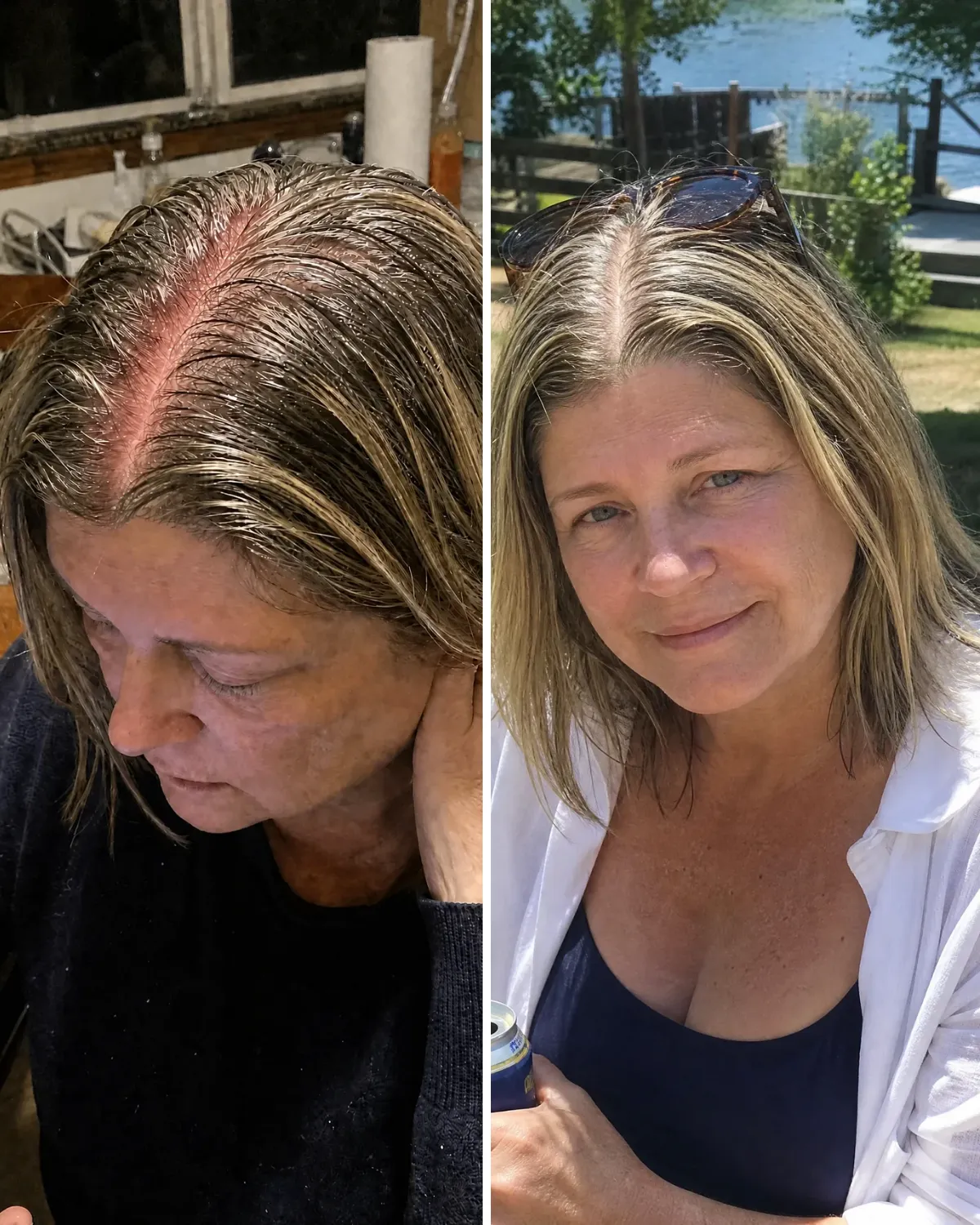
My scalp changed completely
Dr. Patricia Sullivan
Help Hair Loss Naturally
Dr. Patricia Sullivan
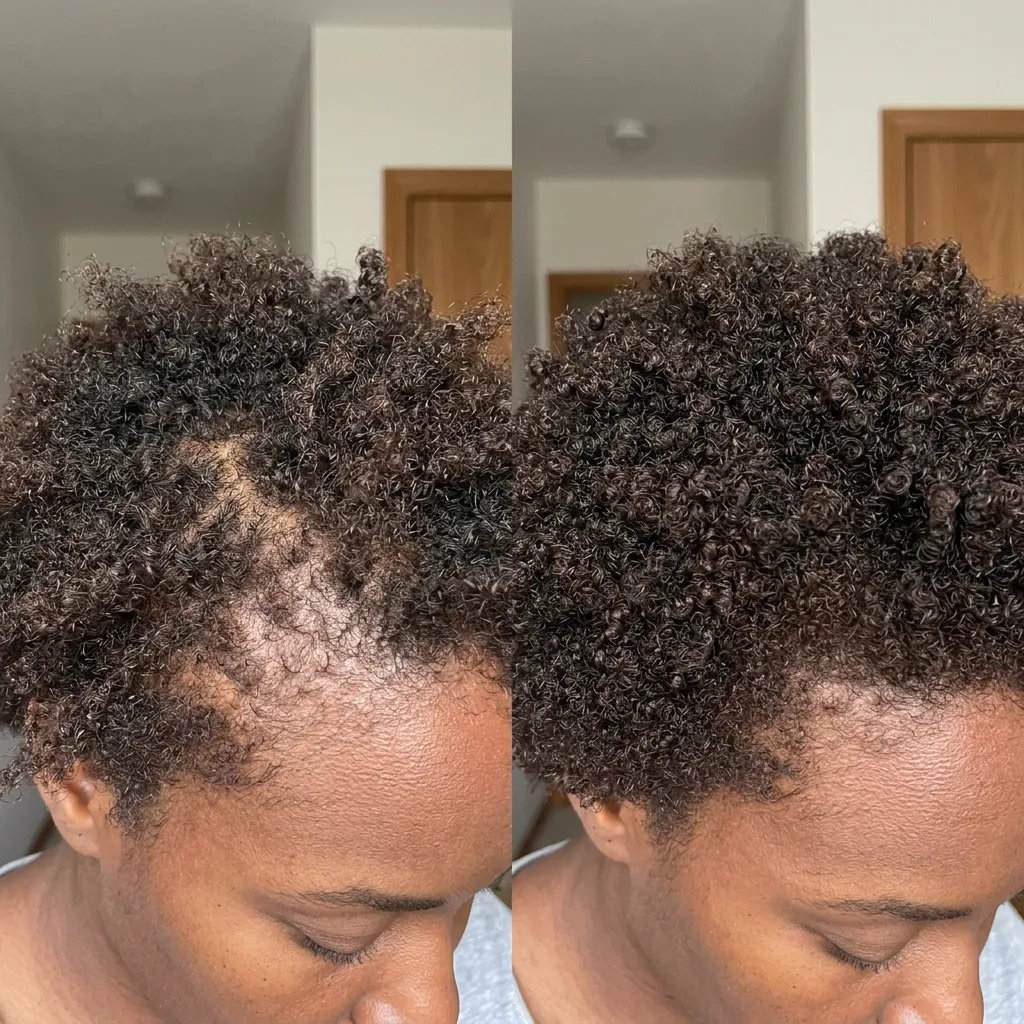
Help Hair Loss Naturally
Dr. Patricia Sullivan
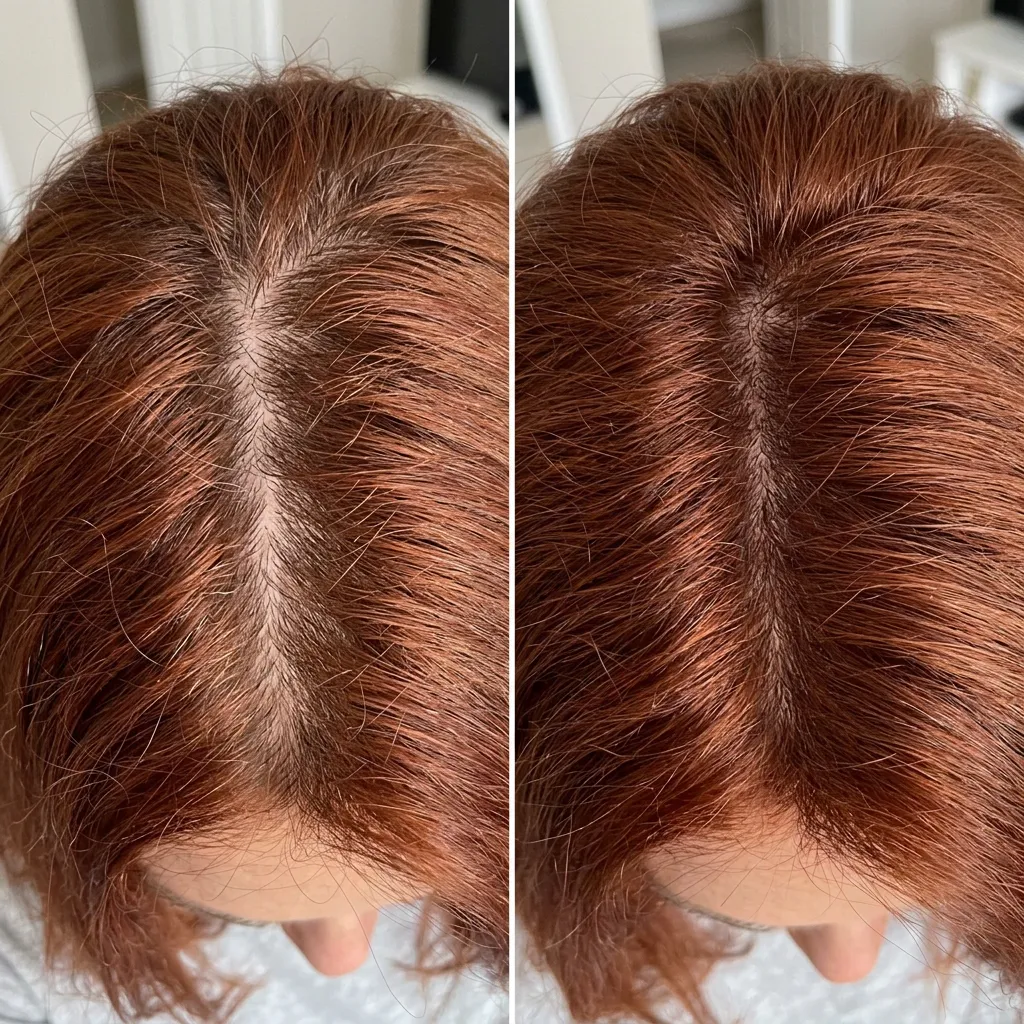
Help Hair Loss Naturally
Dr. Patricia Sullivan
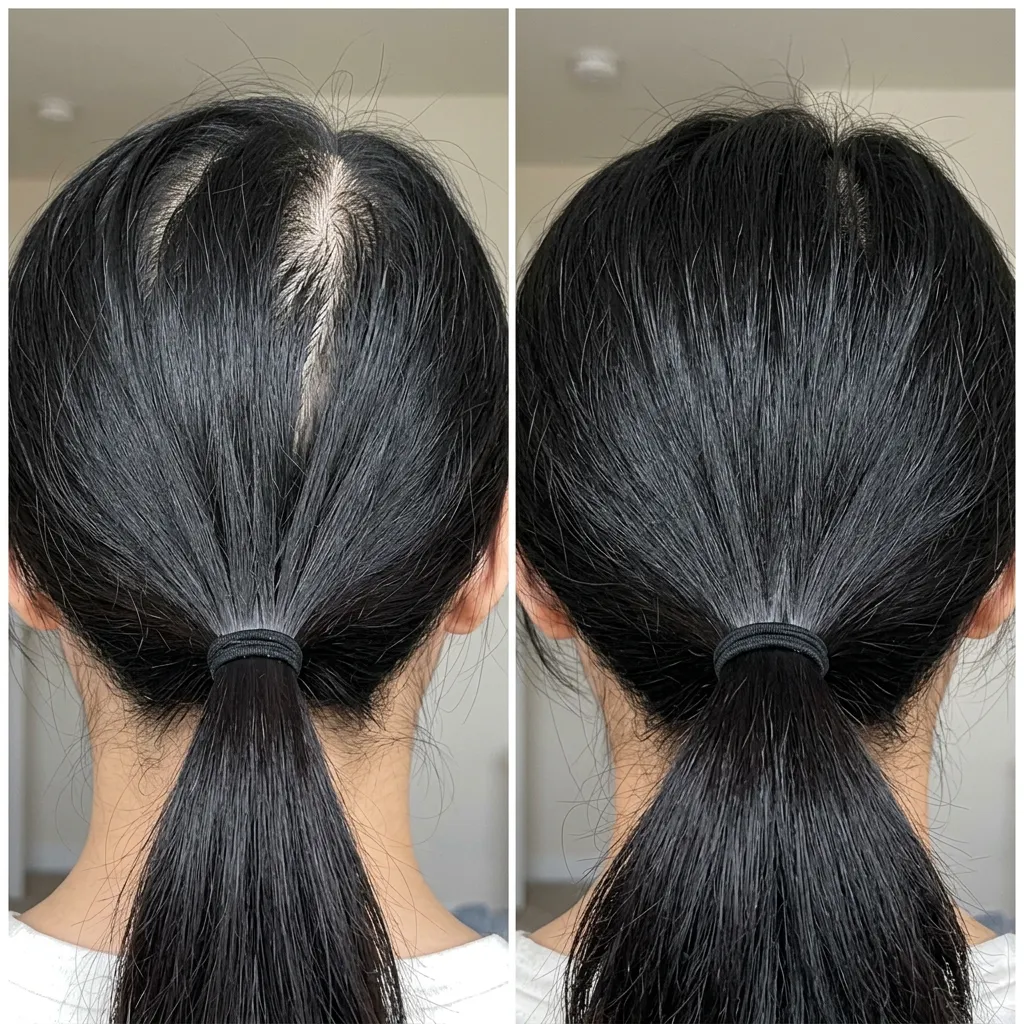
Help Hair Loss Naturally
Dr. Patricia Sullivan
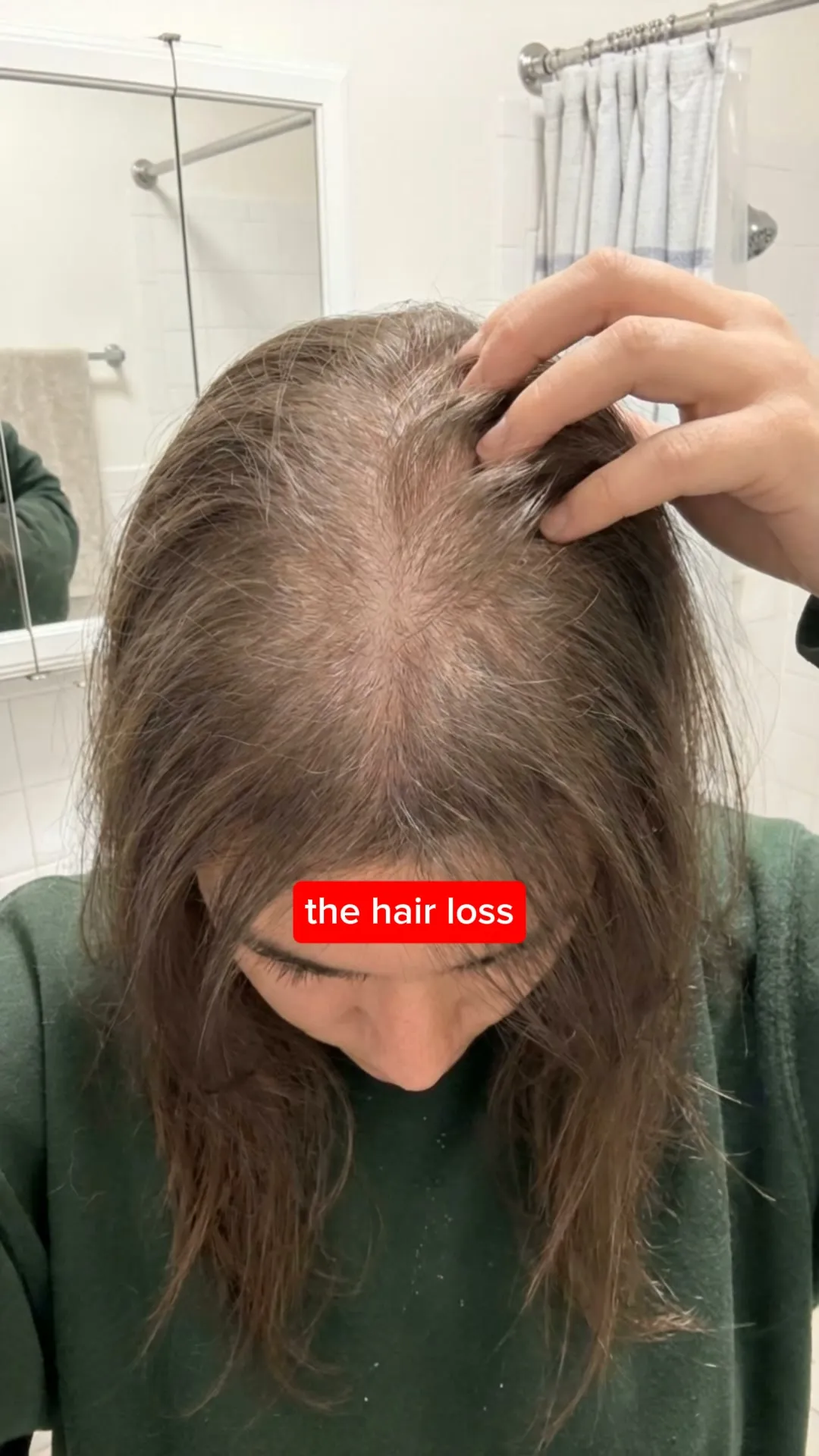
GLP-1 hair loss doesn't stop on its own.
Dr. Patricia Sullivan
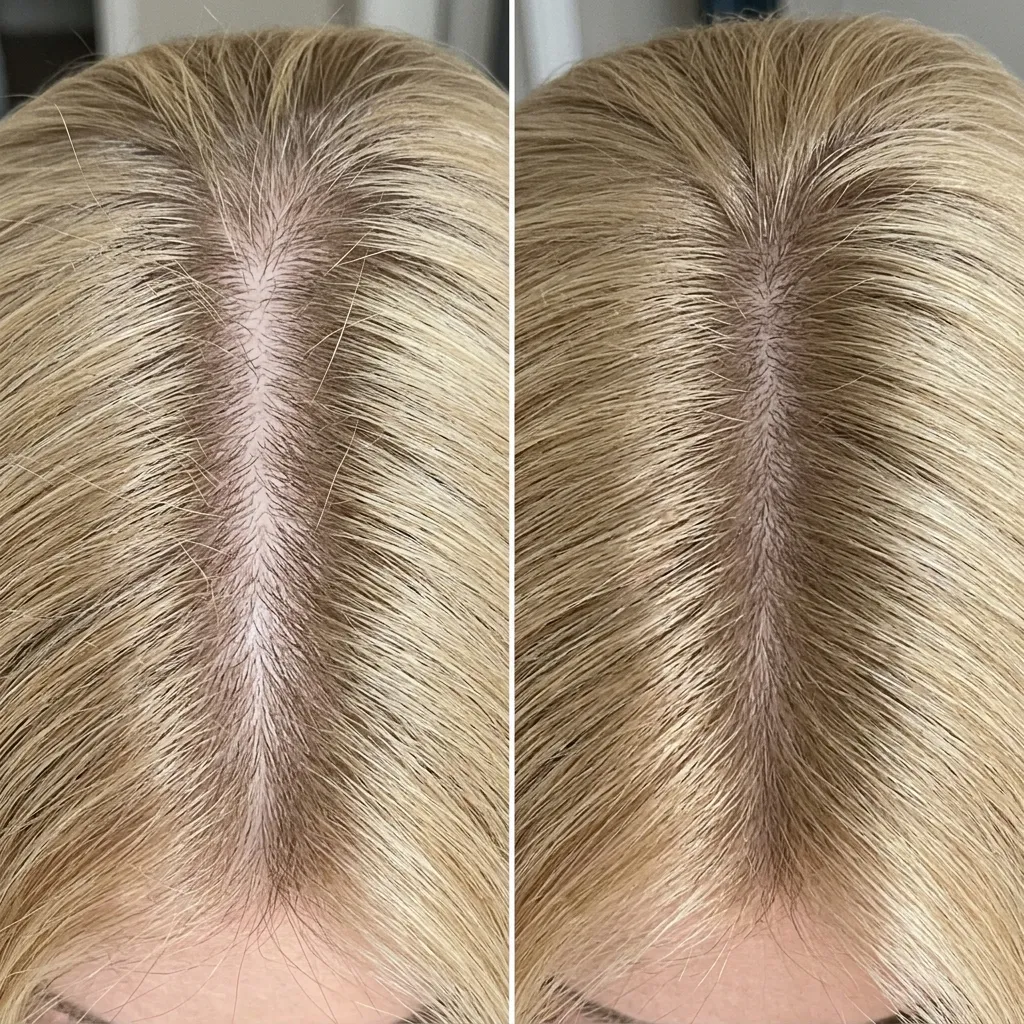
Help Hair Loss Naturally
Dr. Patricia Sullivan
The Unadvertised Hair Loss Solution For Women
Dr. Patricia Sullivan
My husband’s ex-wife cut my hair
Dr. Patricia Sullivan
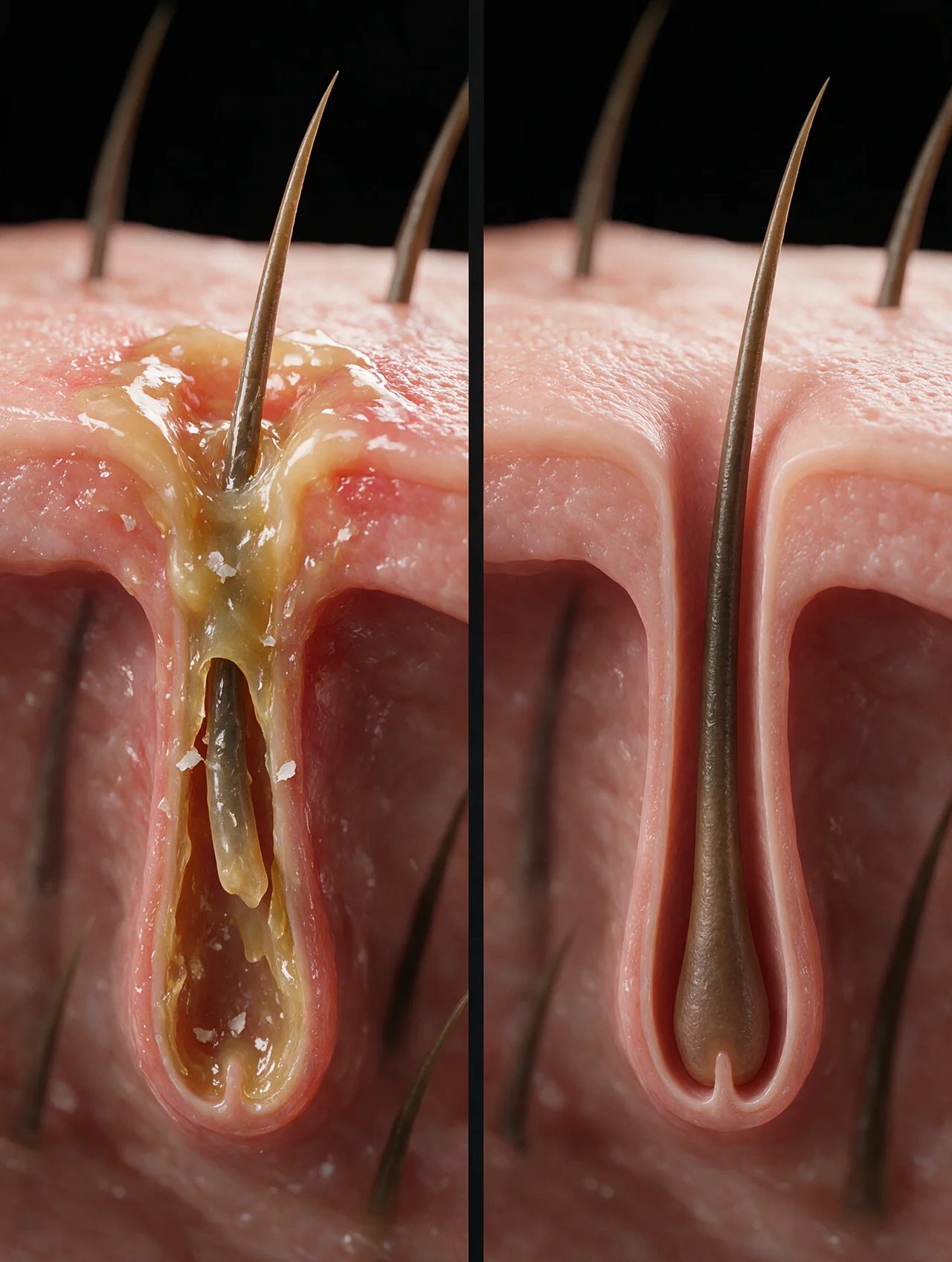
My scalp changed completely
Dr. Patricia Sullivan
My husband’s ex-wife cut my hair
Dr. Patricia Sullivan
The Unadvertised Hair Loss Solution For Women
Dr. Patricia Sullivan

 Add to Chrome