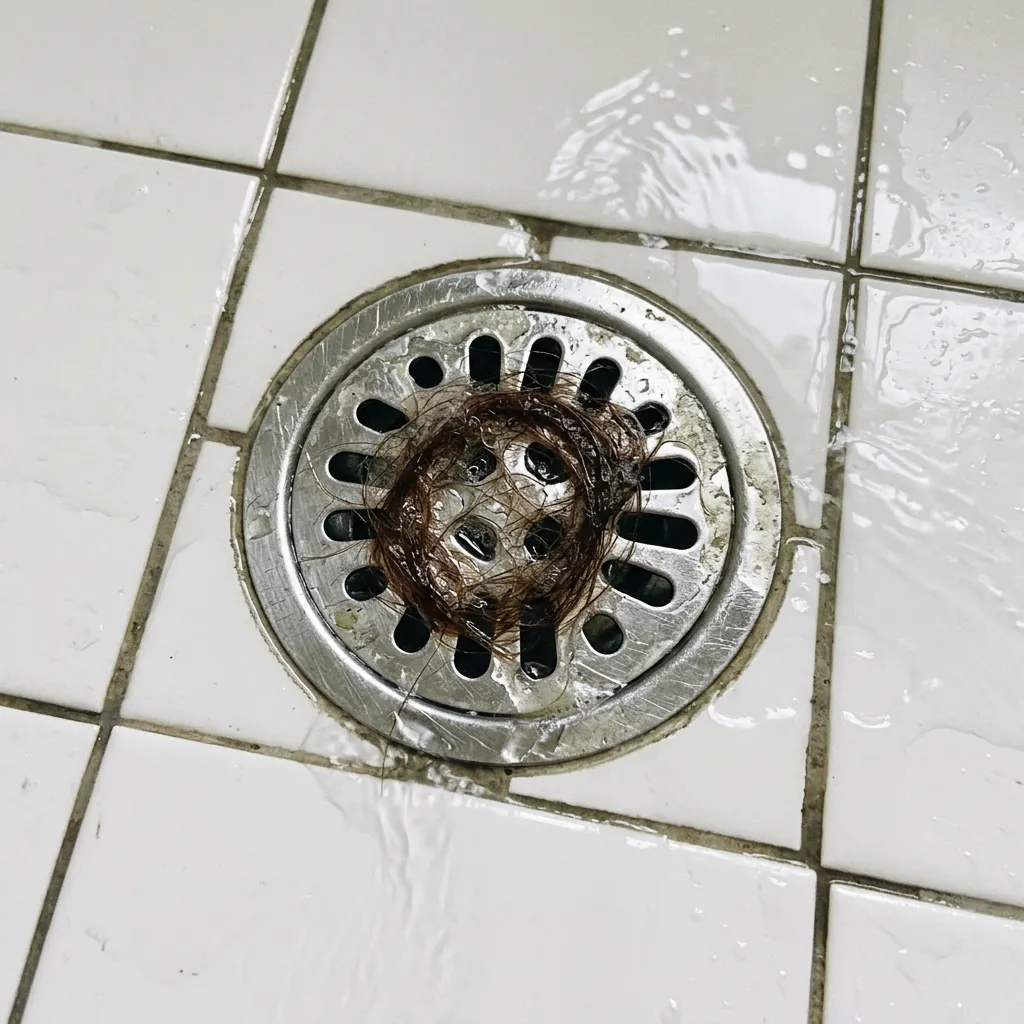
My hair stopped falling
Ad Copy
I started taking shorter showers. Not for the water bill. So I'd have less time to look down at the drain. Stress, a GLP-1 medication, and whatever perimenopause actually is — I couldn't tell you which one was to blame. All I knew is there was more hair in the drain every single morning. Here's what I found out was actually happening, and it wasn't any one of those things alone. My name is Sarah Mitchell. I'm a mom of two, and somewhere in the last year, checking the shower drain became a thing I did every single day without meaning to. It's hard to explain how you don't notice something happening until you suddenly can't stop noticing it. I wasn't sleeping enough. I was juggling school pickups, a job that didn't leave room for lunch most days, and a body that felt like it belonged to someone else lately. I'd started a GLP-1 medication about ten months earlier, finally down the weight I'd been fighting for years. I was also, if I'm honest, right in the middle of whatever perimenopause actually feels like — the kind nobody fully prepares you for. Between the stress, the medication, and my own hormones doing whatever they were doing, I genuinely couldn't tell you which one was to blame. All I knew was that every morning, there was more hair in the drain than there used to be. And every morning, I told myself it was nothing, the same way I'd told myself the day before. Then one night, brushing my hair before bed, I looked down at the brush and just sat on the edge of the tub for a minute. I don't know how else to describe it. It wasn't dramatic. It was just: oh. This is actually happening. I did what I think most of us do first. I went looking for anything I could do myself, immediately, without spending money or making an appointment I didn't have time for. I tried rosemary oil, the kind everyone was talking about online, mixed with a little olive oil like I'd seen in a dozen videos. I did that most nights for about six weeks. My hair smelled nice. Nothing else changed. I tried a "hair detox" bath soak someone recommended in a Facebook group, some blend of Epsom salt and essential oils you were supposed to sit in for twenty minutes. I did it twice. Between the kids and the schedule, I genuinely couldn't find a third time to sit in a bathtub for twenty minutes doing nothing. I looked into finasteride, because a few forums mentioned it worked for women too, off-label. Then I read about what it can do to hormones that were already unpredictable enough on their own, and between that and needing an actual prescription, I closed the tab. I looked into minoxidil next. The foam, the drops, all of it. What stopped me wasn't just the price, though $30 to $40 a month adds up when you're already budgeting around a GLP-1 prescription. It was reading, over and over, from women who'd used it: the itching, the greasy residue, and the part that actually scared me off — if you ever stop, the hair you grew tends to fall right back out. I didn't want to start something I'd be stuck maintaining forever just to avoid going backward. So I kept looking, mostly late at night after the kids were asleep, the way you research things you don't want to admit you're worried about. That's how I found an interview with a hair researcher talking about pumpkin seed oil — not the topical kind you rub in, an actual capsule, studied in a real clinical trial. She explained something I hadn't heard connected before: that hair loss like mine often isn't really about stress, or the GLP-1, or menopause individually. It's about what all three of those things can do to one specific hormone — DHT. She walked through it simply. Rapid weight loss, whether from stress or a GLP-1 medication, can affect how much estrogen your body has circulating, because fat tissue actually stores some of it. Menopause does something similar on its own, dropping estrogen levels regardless. And estrogen's job, in this specific context, is to act like a shield around your hair follicles, keeping DHT from attaching to them the way it otherwise would. So it wasn't really "was it the stress, or the shot, or menopause." It was possibly all three, working through the same door at once, because that door is estrogen, and estrogen was dropping from more than one direction in my life at the same time. She explained that DHT doesn't cause the dramatic kind of hair loss people picture. It's quieter than that. It attaches to the follicle and shrinks it slowly, so the hair that keeps growing comes in thinner, weaker, less of it each cycle. That lined up with exactly what I was seeing — not bald spots, just less. A ponytail that felt different in my hand. A part that looked a little wider in certain light. What made me actually pay attention was the study she referenced: pumpkin seed oil, taken orally, tested against a placebo in men with hormonal hair loss over about six months, with the treated group showing meaningfully more hair growth. And a separate study in women specifically, comparing it to topical minoxidil, with comparable results and none of minoxidil's side effects. That was the part that got me. Not "natural" as a vague, feel-good word. An actual dose, in an actual study, doing something specific to the hormone I now understood was probably behind all of it. I looked into the brand she mentioned, Bloom & Bond. Two ingredients, both disclosed on the label: pumpkin seed oil at 2,000mg, and saw palmetto at 200mg, working two different parts of the same problem — one reducing how much new DHT gets produced, the other blocking the DHT that's already there from attaching to the follicle in the first place. No mixing, no twenty minutes in a bathtub I didn't have, no prescription, no monthly itching. One capsule, twice a day, that I could take standing at the kitchen counter while I packed lunches. I ordered it mostly because I was tired of guessing. The first two weeks, nothing. I'd read enough by then to expect that, so I kept going instead of giving up the way I had with the rosemary oil. By week three, I noticed the drain looked a little different. Not empty. Just less than it had been. Week five, I caught myself running my fingers through my hair without immediately checking my hand after — something I hadn't realized had become a habit until I noticed I'd stopped doing it. Around week eight, there were these short, wiry little hairs along my hairline that wouldn't lie flat no matter what I did. I actually laughed the first time I noticed them, because a few months earlier I would have hated a wider part, and now I was thrilled by hair too short to even style. By month four, my husband was the one who said something first. He hadn't been told to look. He just noticed and said so. I'm still on my GLP-1 medication. I'm still figuring out menopause as I go. Nothing about my life got less busy. But I stopped timing my showers to avoid the drain, and that's not a small thing to get back. If you've been standing where I was — genuinely not sure if it's the stress, the medication, or your hormones, trying rosemary oil and hair masks and telling yourself it'll pass — it might be worth understanding that it doesn't have to be just one of those things. They can all be feeding the same underlying process, and there's a version of addressing it that doesn't involve a prescription, a monthly itch, or twenty minutes you don't have. 👉 trybloomandbond.com/products/pumpkin-seed-oil-softgels-home 90-day money-back guarantee. No forms, no photos required if it doesn't work out for you. P.S. I'm not a doctor, and none of this replaces a conversation with yours, especially if you're managing menopause or a GLP-1 medication alongside this. This reflects one experience and the research behind the mechanism, not a promise of the same result for everyone.
More from Dr. Patricia Sullivan
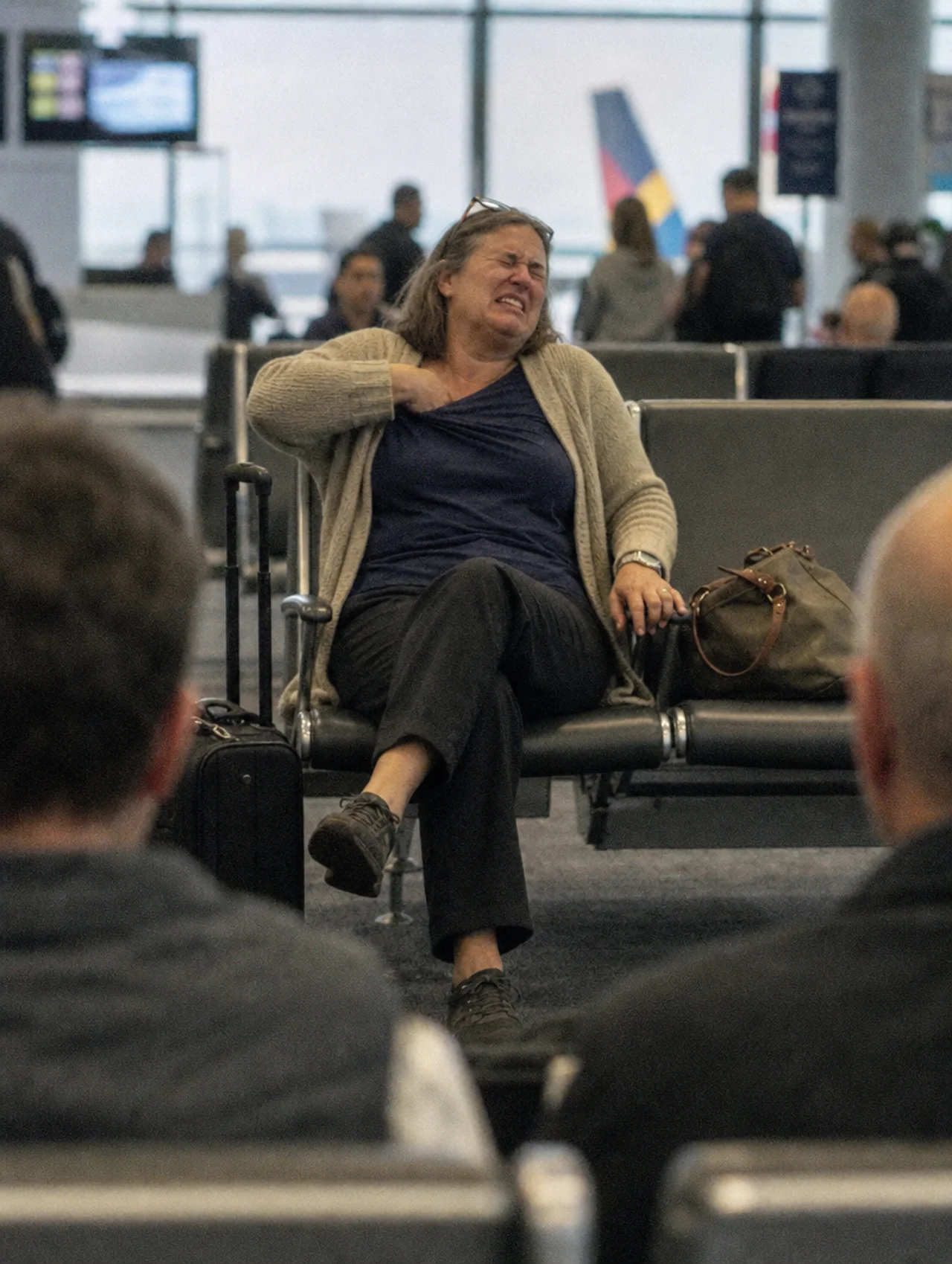
Perimenopause Itchy Breasts
Dr. Patricia Sullivan
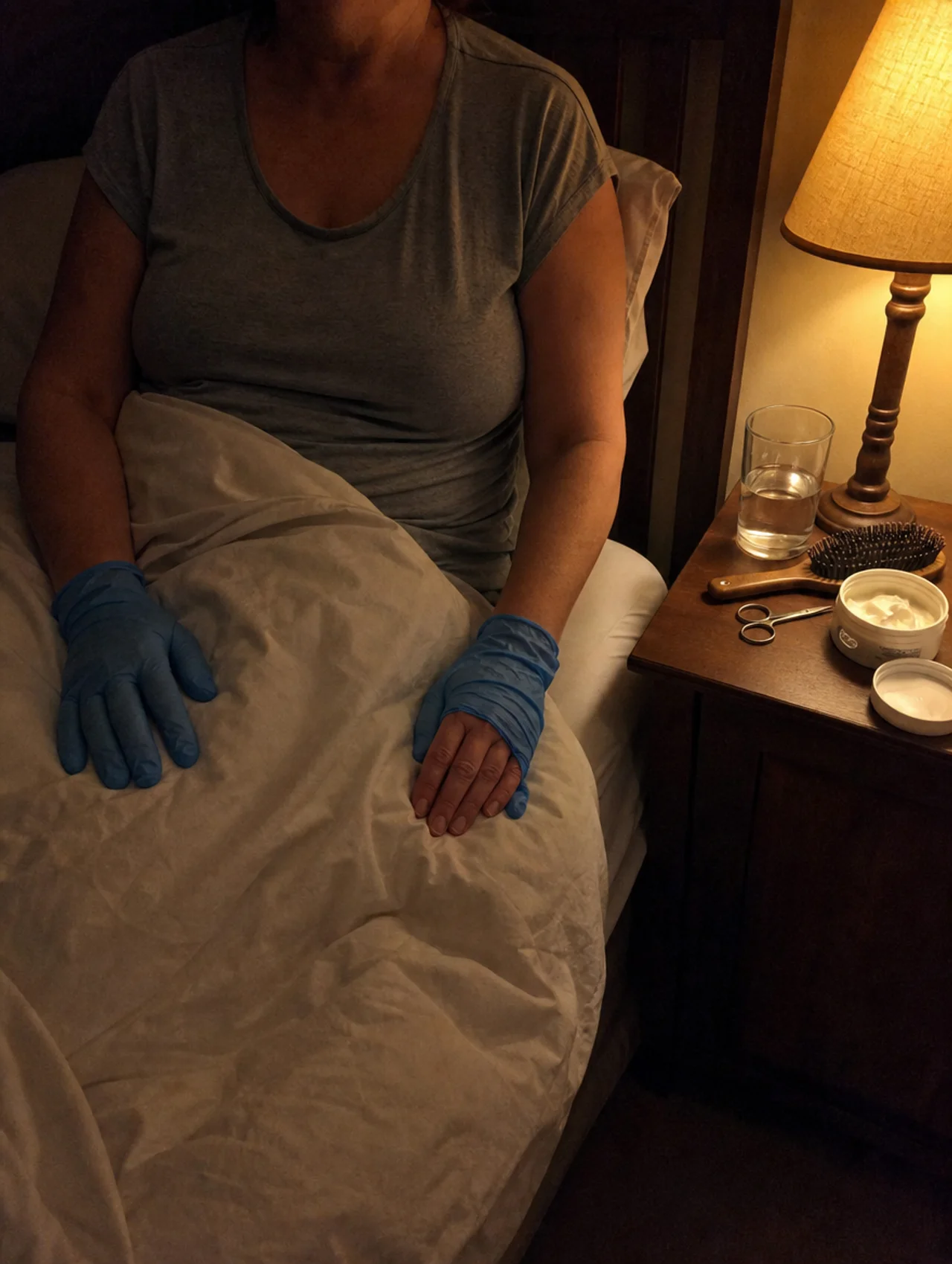
Natural Support For Perimenopause Itch
Dr. Patricia Sullivan
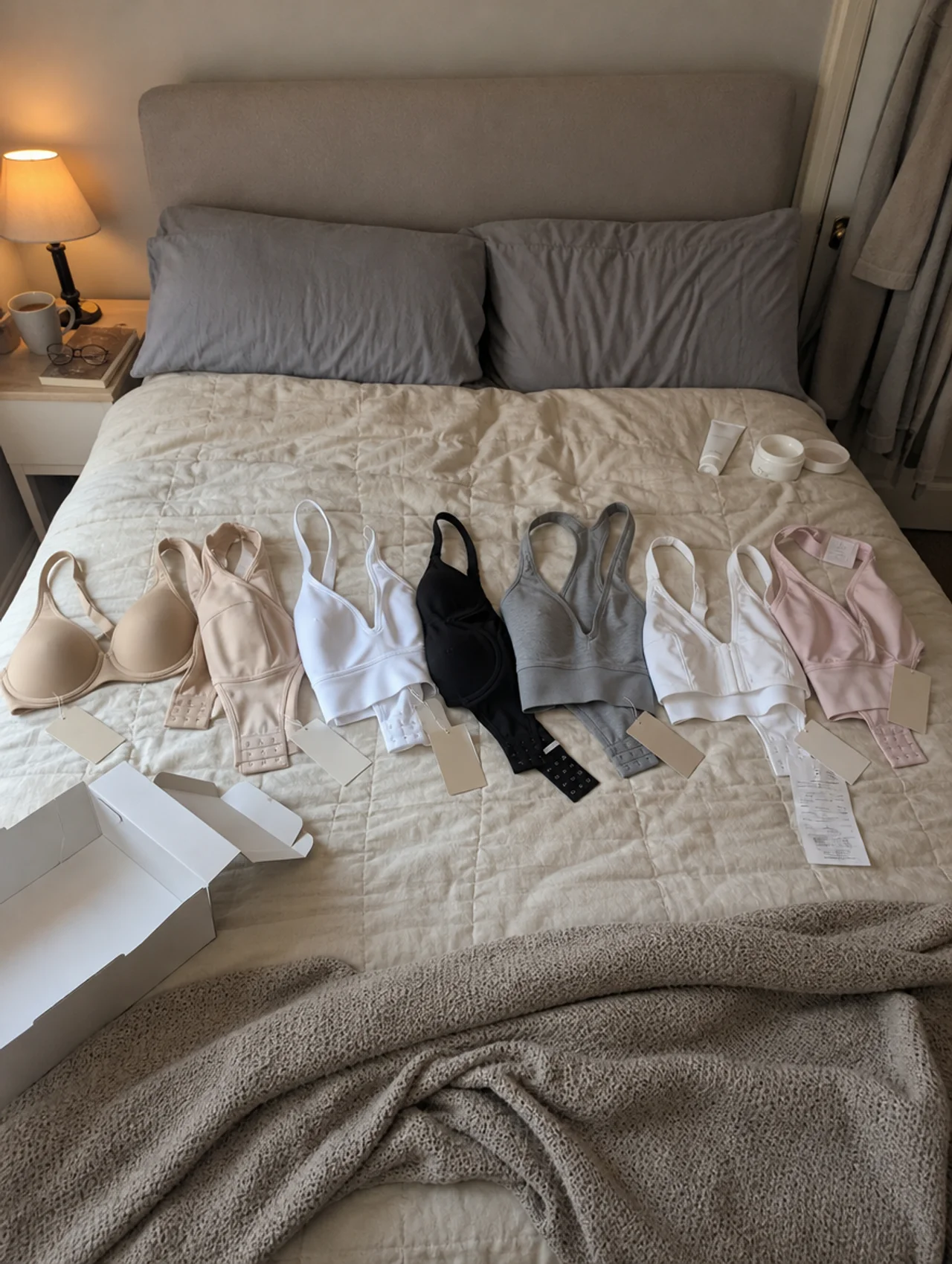
Perimenopause Itchy Breasts
Dr. Patricia Sullivan
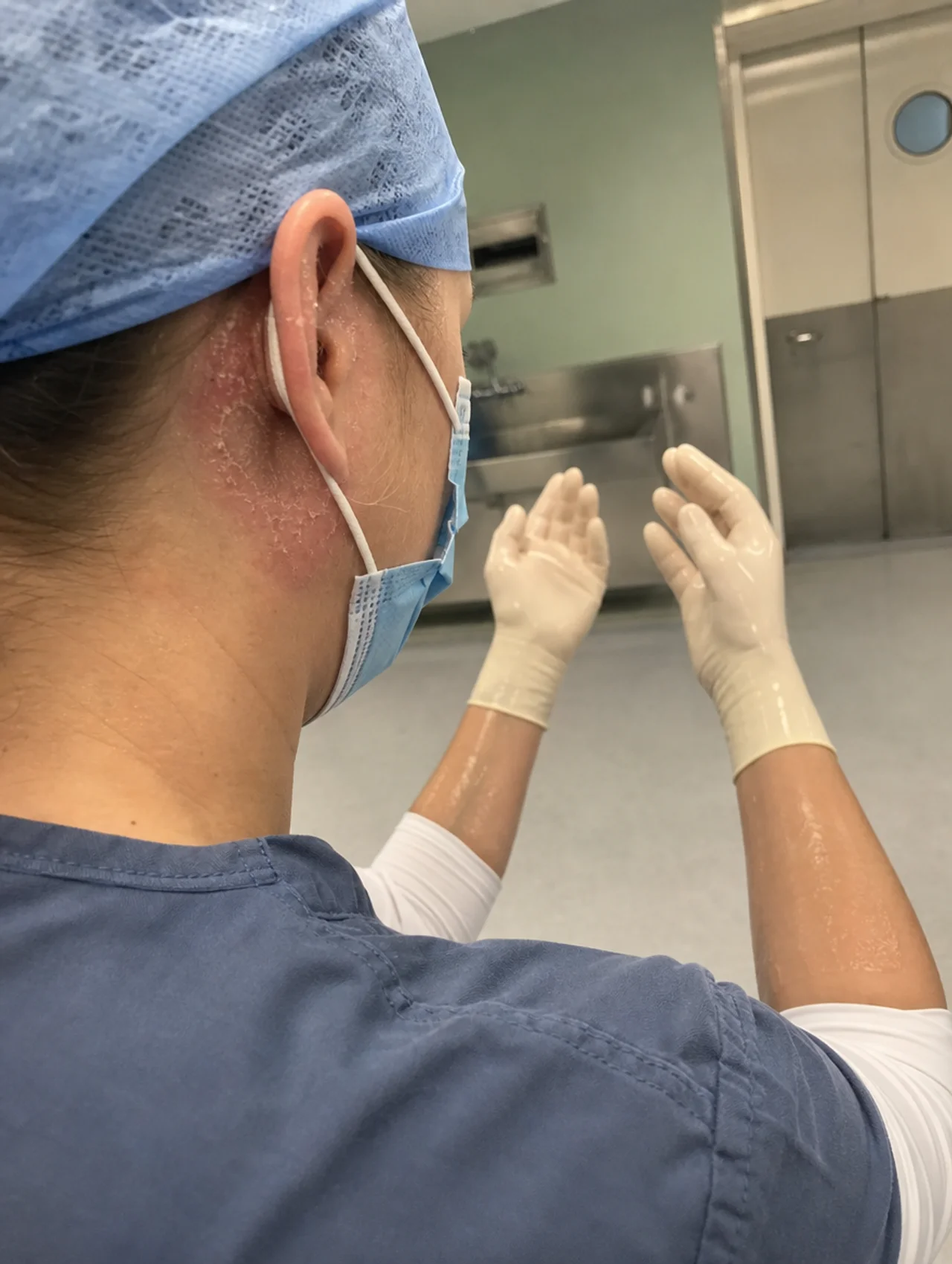
Natural Support For Perimenopause Itch
Dr. Patricia Sullivan
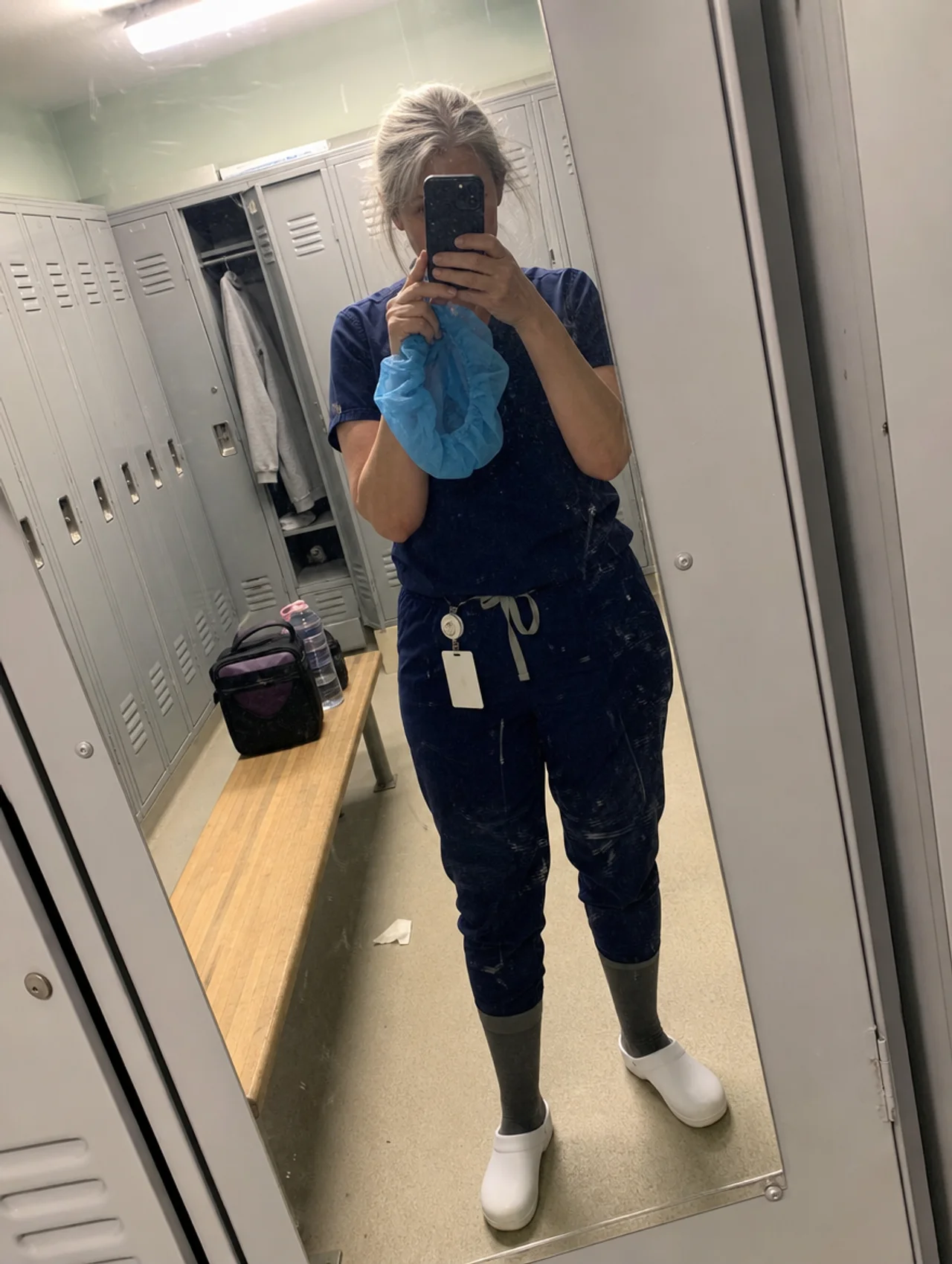
Natural Support For Perimenopause Itch
Dr. Patricia Sullivan
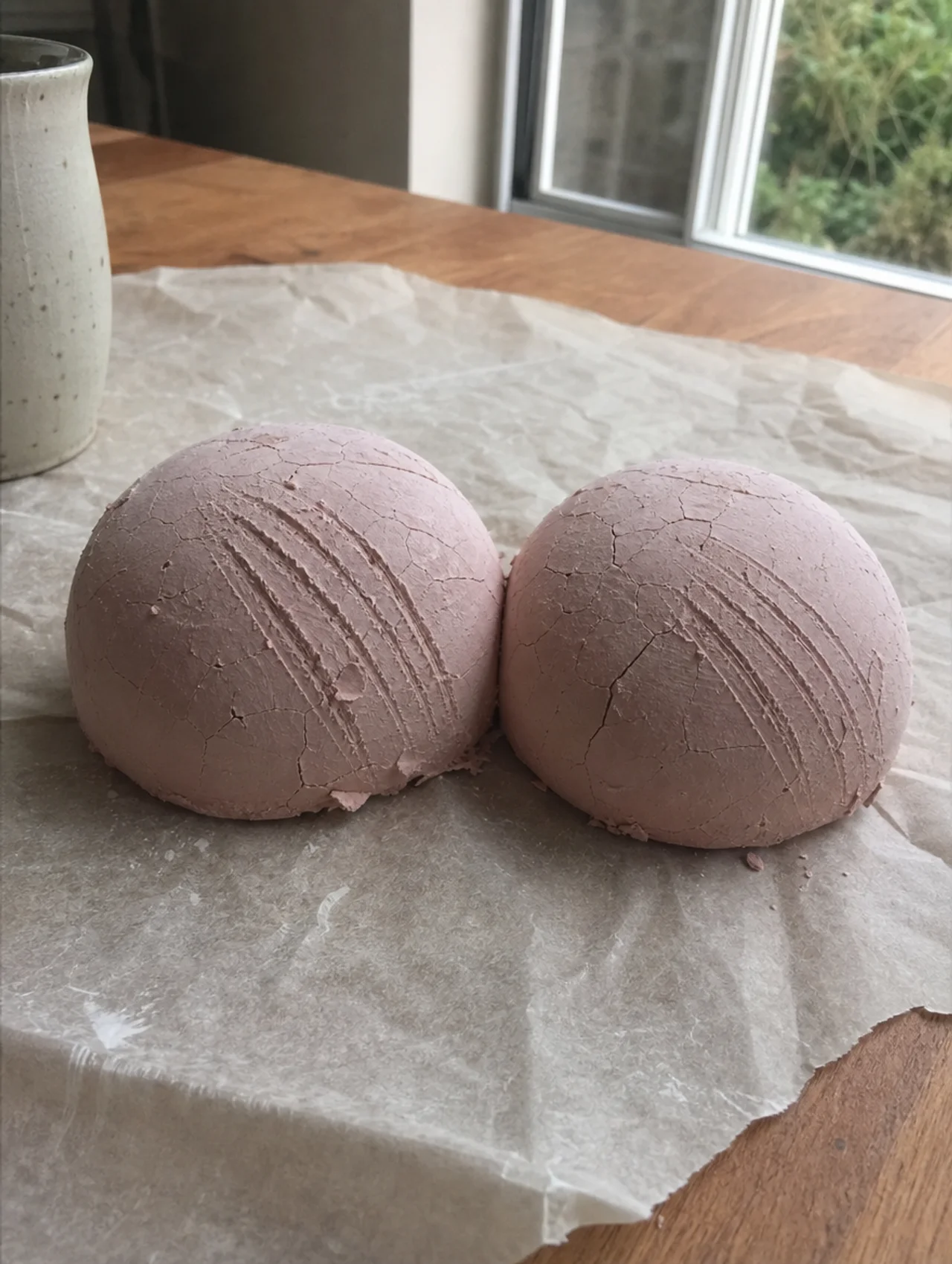
Perimenopause Itchy Breasts
Dr. Patricia Sullivan
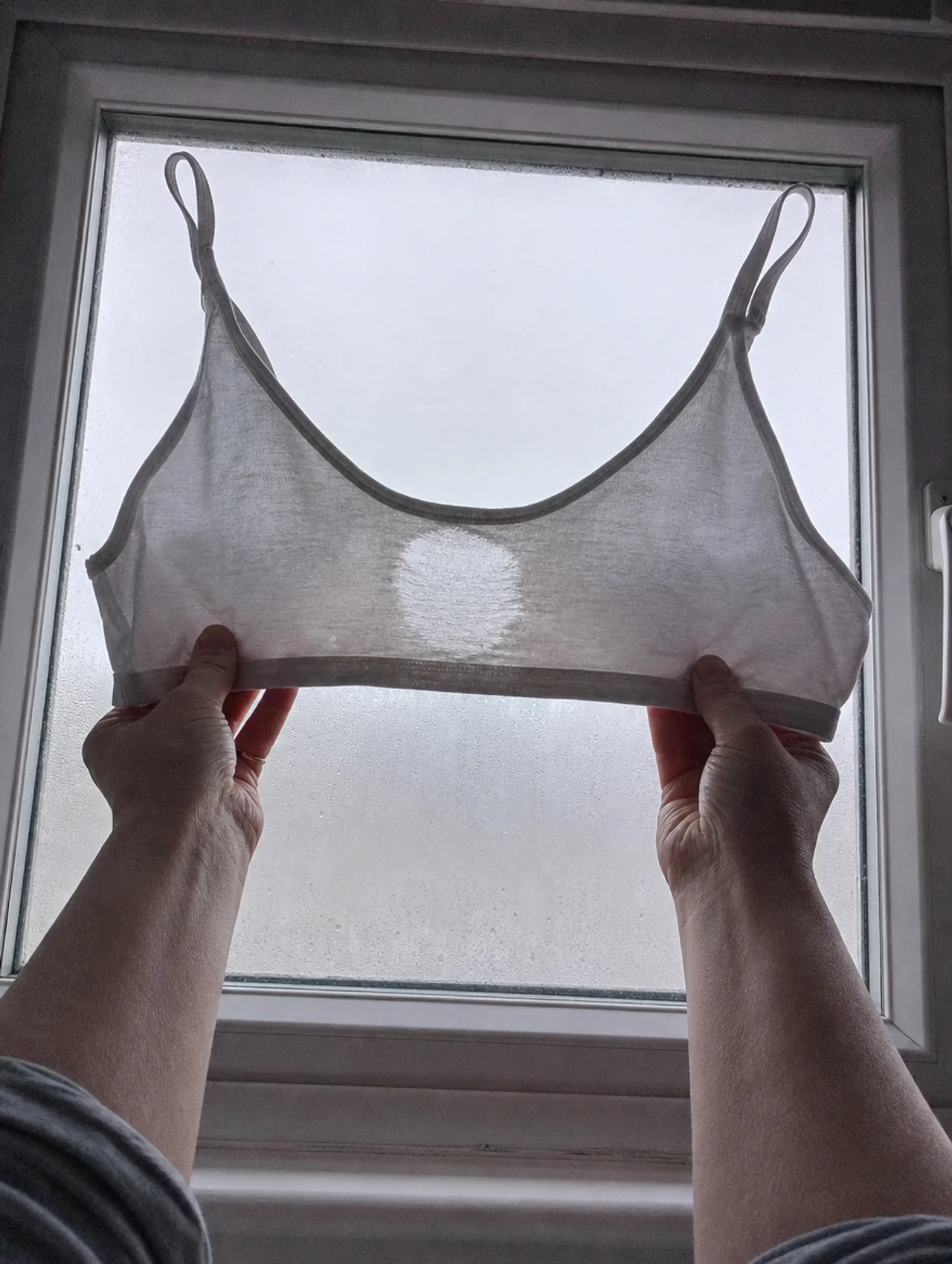
Perimenopause Itchy Breasts
Dr. Patricia Sullivan
Natural Support For Perimenopause Itch
Dr. Patricia Sullivan
Natural Support For Perimenopause Itch
Dr. Patricia Sullivan
Perimenopause Itchy Breasts
Dr. Patricia Sullivan
Perimenopause Itchy Breasts
Dr. Patricia Sullivan
Natural Support For Perimenopause Itch
Dr. Patricia Sullivan

 Add to Chrome