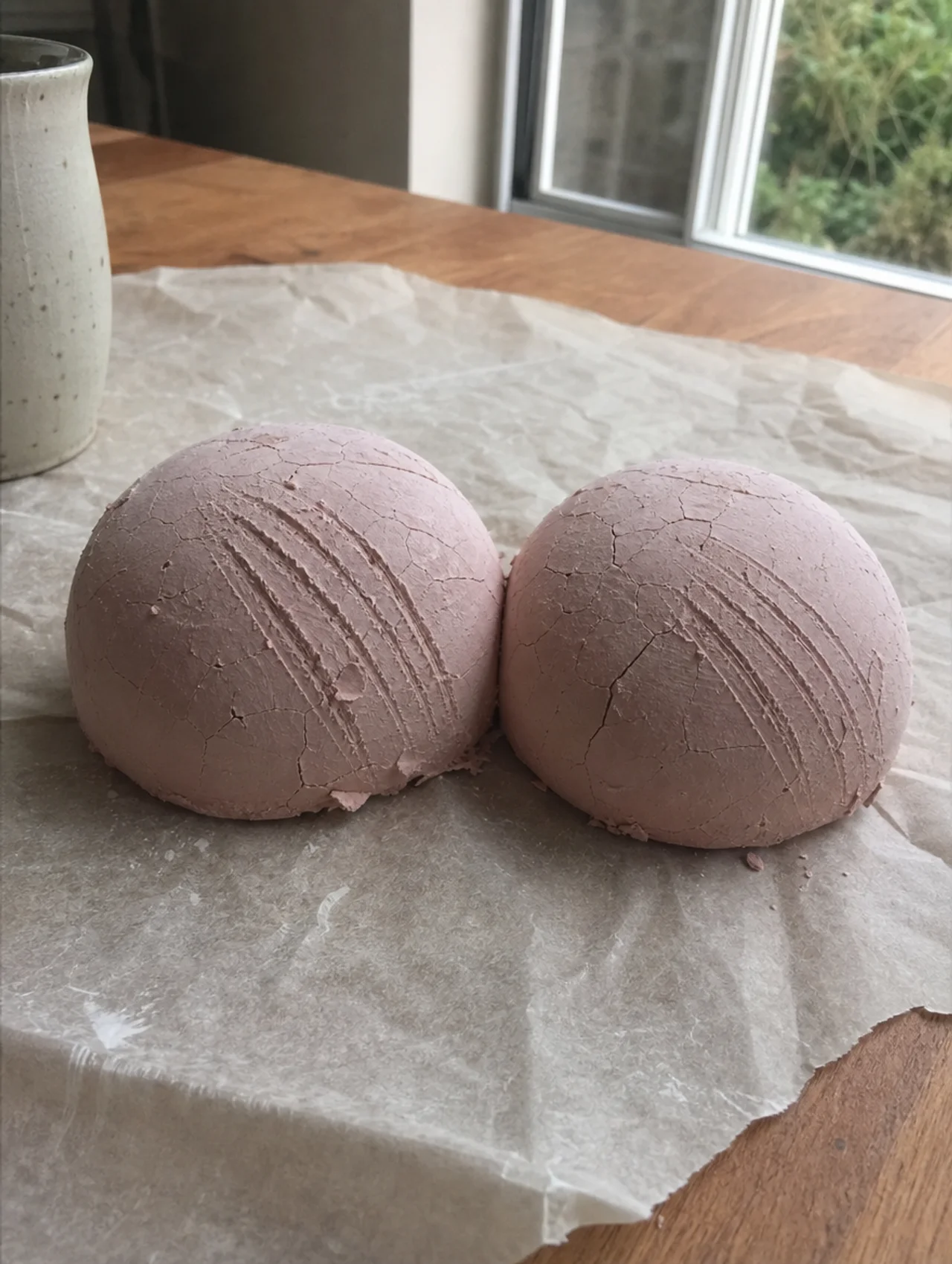
Perimenopause Itchy Breasts
Ad Copy
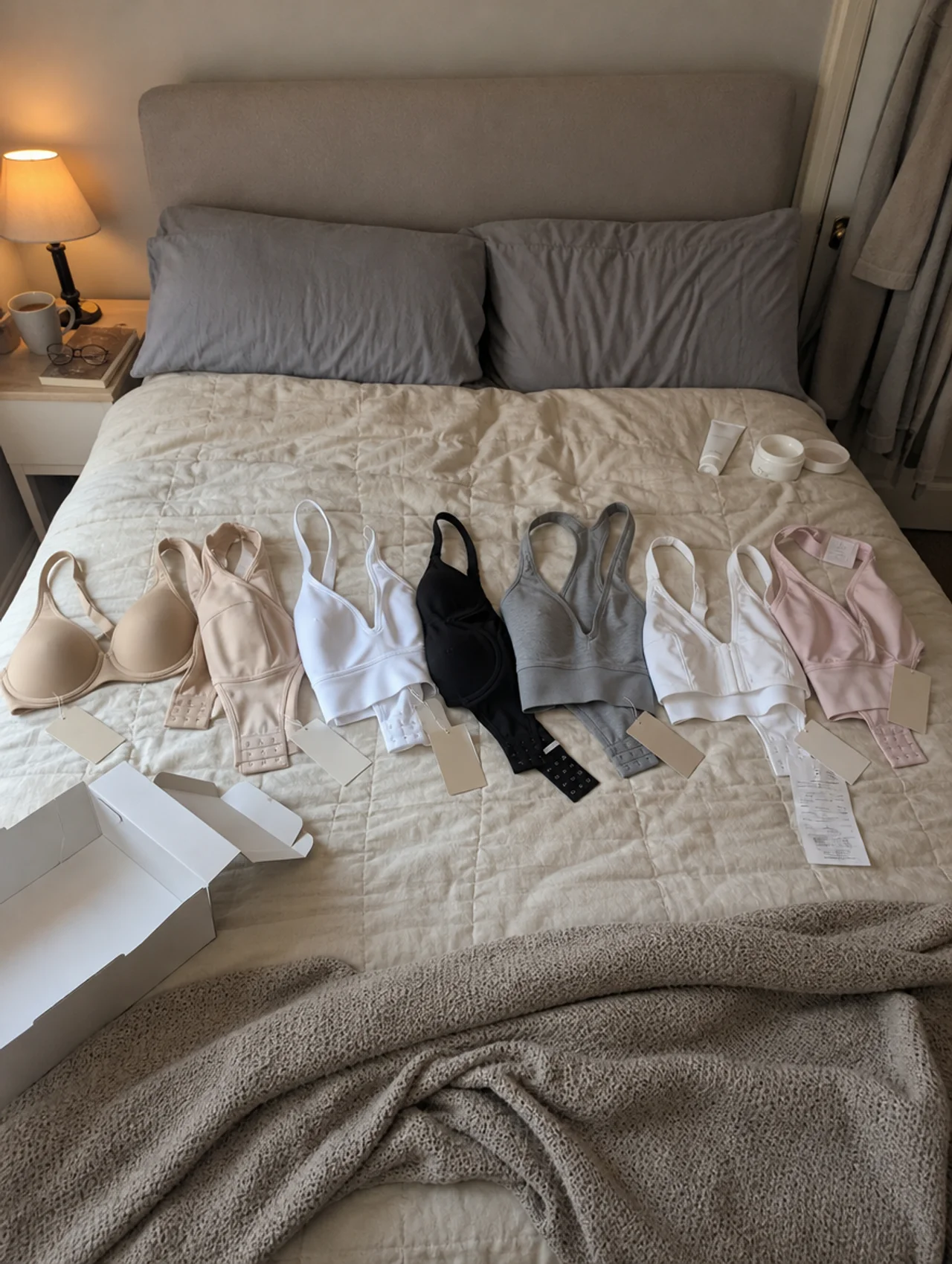
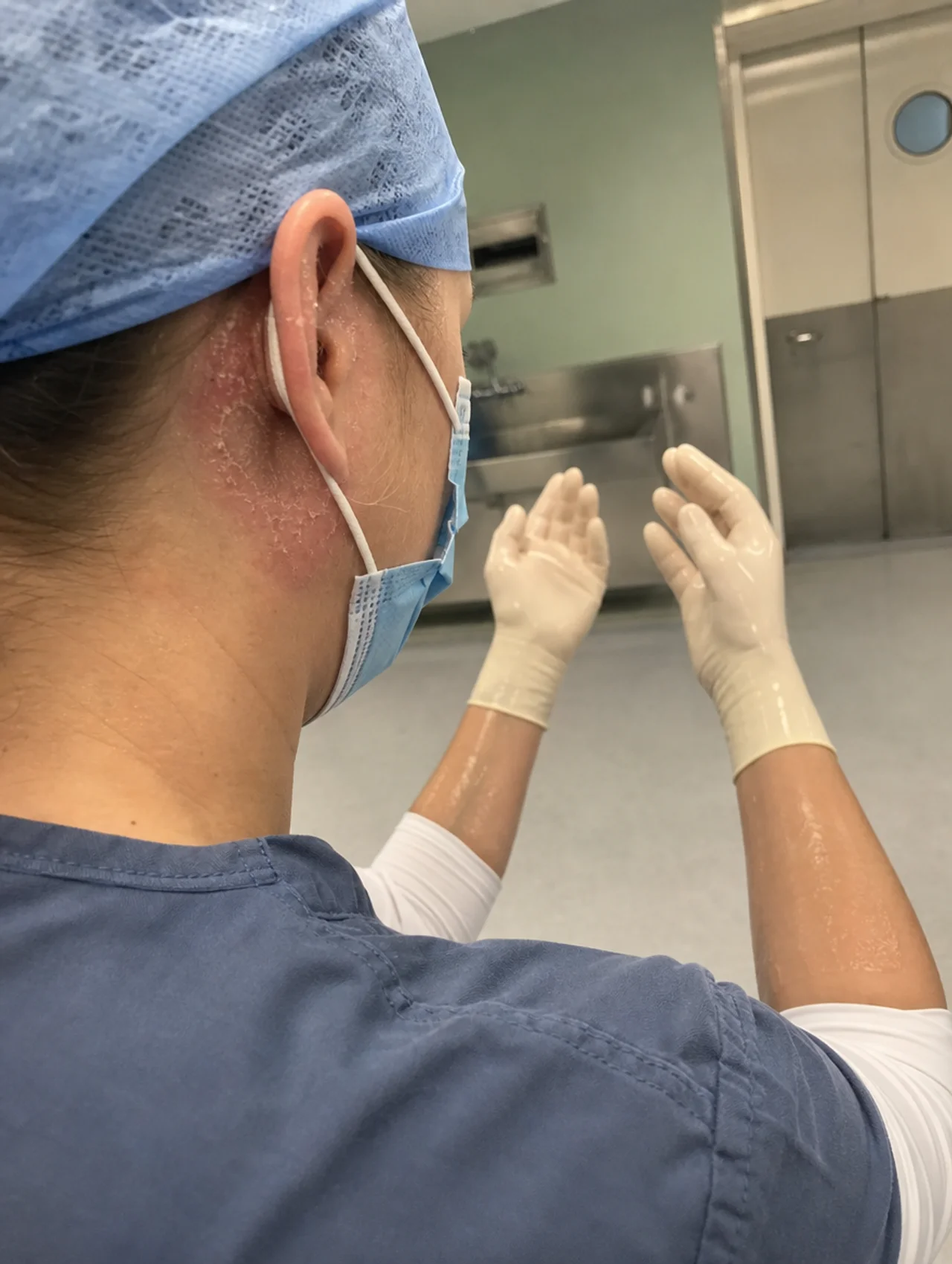
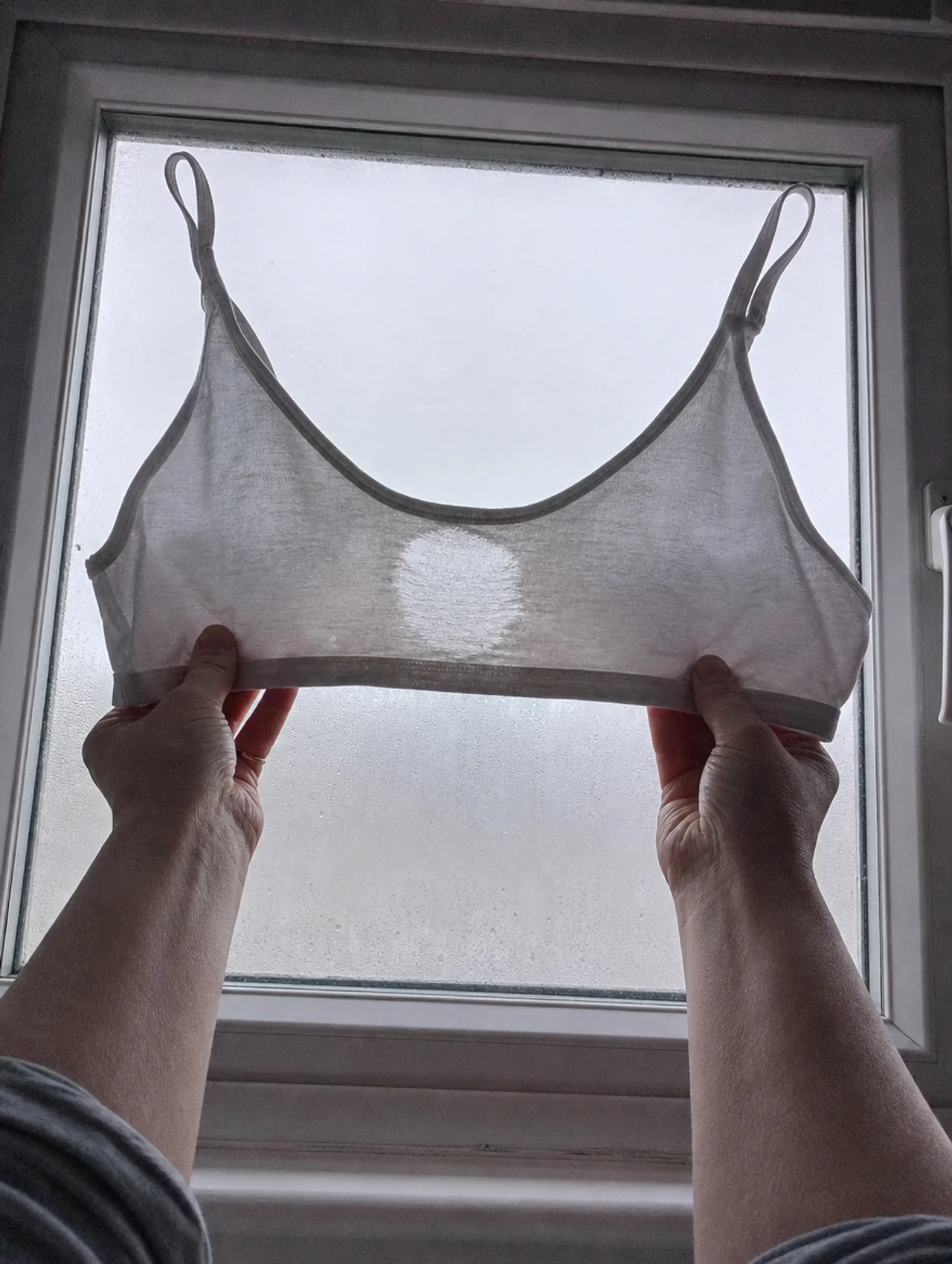
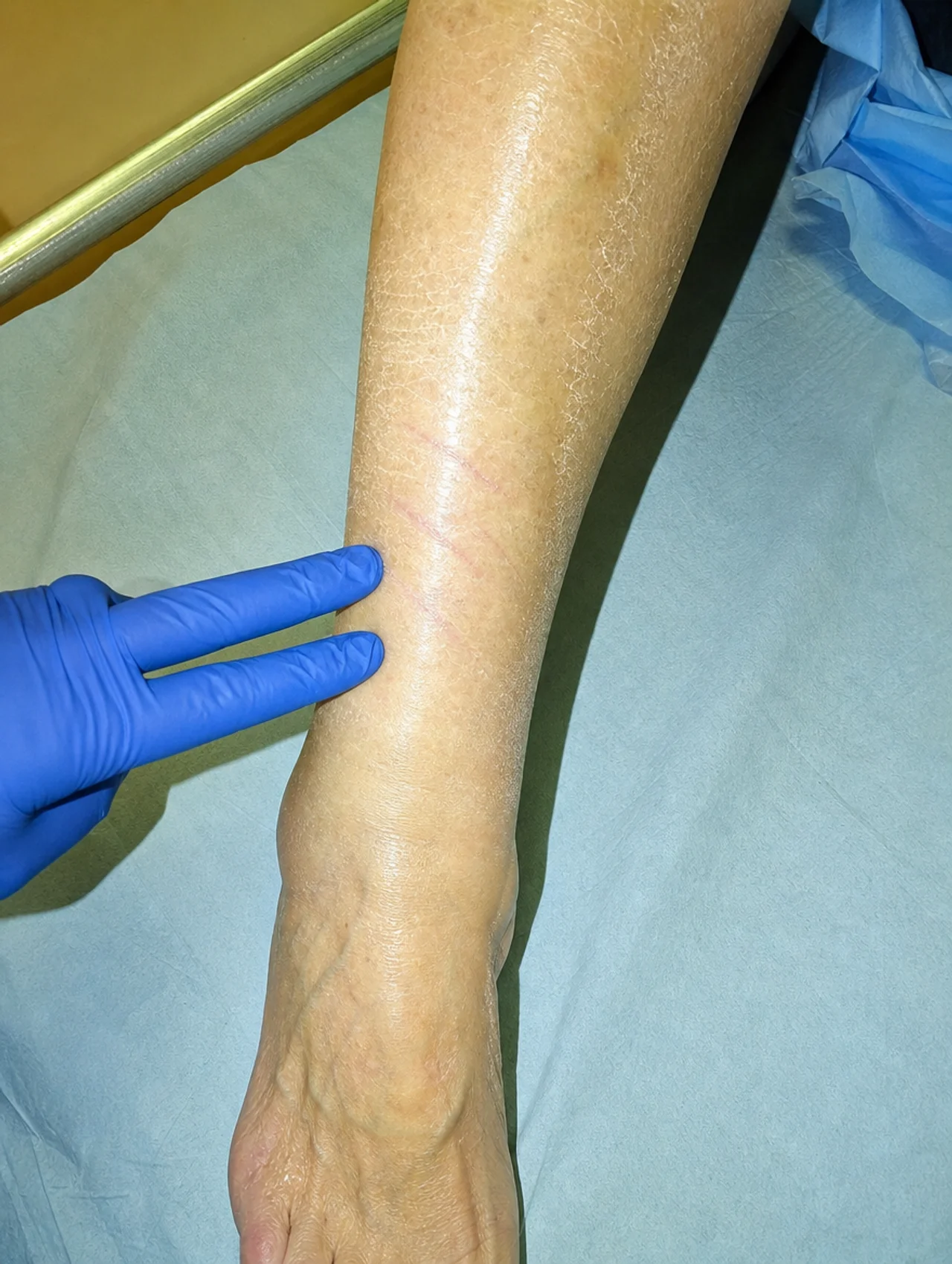
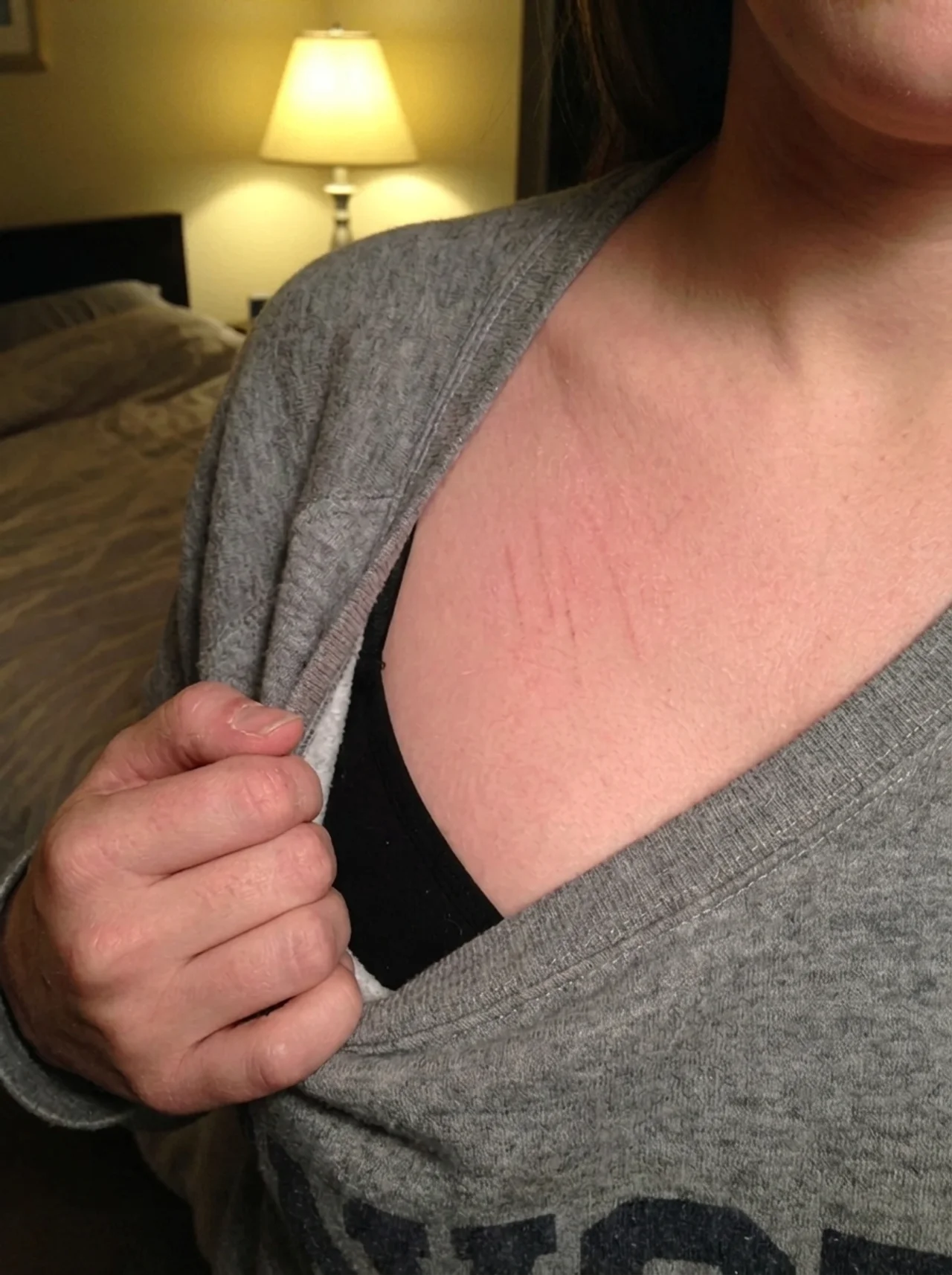
“Perimenopause made me scratch my breasts raw.” In my sleep, a 49 year old woman added, when she said it to me last week. Everything had come back clear. Then she told me about her ears. Not the fungus in the fold the pharmacist assumed. Not the bra. The other one. The one that starts the second the bra comes off at night, and that you have not mentioned to anybody because of where it is. I need to tell you something about the advice you have almost certainly already been given. The "it is probably a yeast thing under there, try this cream" advice. Because I have watched that advice waste years of women's lives. My name is Dr. Patricia Sullivan. I have been a dermatologist for 17 years. I specialise in what hormones do to women's skin. And over the last few years something has changed in my practice. I used to see women who came in with a fungal rash under the breast. They had a fungal rash. We treated it. They got better. That appointment is easy. But lately the appointments that stay with me are different. These are women who have already been given the antifungal. Twice. Who have had the skin looked at. Who have been examined properly and told everything is fine. All of it clean. And they are still sitting in front of me, scratching their chest through their shirt while they talk, because they cannot stop. One of them put it perfectly. "Nothing looks more genteel and sophisticated than scratching both breasts at once." So let me describe it back to you, and you can tell me how close I get. Between them. Underneath them. cross the top of your chest, where the sun gets. Worst at night, starting the moment the bra comes off. Some mornings there are marks on your chest you do not remember making. The cream helps. For about an hour. And it is not only there. Is it. If I am right about you, the inside of your ears itch too. Not the lobes. The canal, past where your finger reaches. So does the outer skin down there at you vjay. Outside, not inside. So do your shins, in bed, with the light off. If I just named three places you have never mentioned in the same sentence to anyone, keep reading, because you have something almost nobody is treating. Though if it is on one side only, or the skin there is scaly, crusted, weeping, or has changed how it looks, stop reading and book an appointment. That needs a real examination, not an article. But if it has company, in your ears and your shins and the places you do not mention, this is for you. A patient came to me. I will call her Joanne. She was 49. It had been going on for two years. Her pharmacist said fungus. She used the cream. Then the powder. Then the cream again. Her doctor said dry skin, try a good moisturiser. She bought a thick unscented tub and put it on twice a day for a year. She bought a new bra. Then a wireless one. Then cotton. Then six more, in case the problem was the bra. She changed her laundry detergent. Then her body wash. Then her sheets. She had the skin examined properly, and it was fine, which she told me was somehow the worst part. Fine meant nobody had anything left to offer her. And here is the part she had not told anybody for two years. She was waking at three in the morning already scratching. Sometimes bleeding. Her husband had found her more than once, asleep, with both hands under her shirt, clawing. She kept a hairbrush on the nightstand. Not for her hair. She had stopped wearing anything with a fitted top. She sat down in my chair and said what almost all of them say. "Did I do something wrong?" She had not. The advice she was given was not wrong. It was incomplete. And incomplete advice cost her two years. Here is what nobody explained to Joanne. There are two completely separate things that can itch on a woman's chest in perimenopause. And almost everyone only treats one of them. The first one lives in the fold. Under the breast, where skin sits on skin. It is warm, it is damp, and things grow there. That is real. Doctors know about it. An antifungal handles it, and handles it well. If you have it, use it. That is Problem One. It is acknowledged, it is easy to spot, and it is being dealt with. But the skin itself. The skin on the breast. Between them. Up across the chest. That is not a fold. That is ordinary skin. The same kind of skin as your shins. And it has the exact same problem your shins have. That is Problem Two. And nothing you have been given has touched it. Which is why the women who describe it accurately always describe it the same way. "Between my boobs. It's SO bad. It wakes me up at night. I'm 49 and peri. I've tried cortisone cream and it sorta, kinda helps a little bit. Not much though." "My boobs and thighs were itchy non-stop." Let me explain it as simply as I can, because it is not complicated once somebody actually tells you. Your skin has a very thin layer on the outside. Its whole job is to hold water in and keep everything else out. That layer is held together by a fat. Your body makes that fat itself. And estrogen is what tells your body to make it. When estrogen drops in perimenopause, your body makes less of it. So that thin outer layer gets thinner and starts leaking. Underneath it are nerve endings that used to sit under something thick. Now they are sitting under something thin. And they can feel everything. The band of your bra. The wire. The strap. The seam of a t-shirt. Sweat. Leaning back in a chair. Your brain gets all of that and reads it as one thing. Itch. Which is why it flares at night. Not because it is worse at night. Because the bra comes off and the skin finally has room to tell you. And it is why the new bra did nothing. You removed a trigger you never had. Now here is the part that should make everything click. It was never only your chest. The same thin layer covers your whole body. When the supply drops, it drops everywhere at once. Your ears feel it because that skin is thin and has nothing to hide behind. Your shins feel it because they were already the first thing to dry out every winter. The outer skin down there feels it because it meets a seam the same way your chest meets a bra. You have been treating those as separate problems, because everyone treated them as separate problems. They are not separate. It is the same skin, the same shortage, on the same body, at the same time. One woman on a forum put it better than any textbook I own. "Learning you're in perimenopause is finding out your 15 tiny weird ailments are really just one big weird ailment." That is exactly it. Everything you have tried aims at the itch. Nothing you have tried aims at the shortage. ❌ An antifungal does not change what is happening to that skin. There was no fungus. ❌ A steroid cream does not change it. Steroids thin skin, and that skin is already thinning. ❌ A new bra does not change it. Neither does the seventh one. ❌ A clean examination does not change it. It only tells you what you do not have. ❌ The tub of cream does not change it. It sits on top of a shortage that started underneath. "I basically bathe in lotion. But I just itch." "It's so weird to have to moisturize after 5 decades of self-moisturizing skin." That last one is the whole problem in a sentence. Your skin used to make its own supply. Now it cannot. And you are laying something over the top of it instead of putting the fat back where your body actually needs it. One more thing, because it comes up in my office more than you would think. "I used to wonder why my mom put powder on her under boobs. Now I know." This is not new. It happened to your mother, and probably to hers. They were embarrassed about it, they never said why, and nobody ever told them either. The only thing that has changed is that we can now name it. And if you are already taking fish oil for your skin, I want to save you some disappointment. Omega-3 is a good fat. It is not this fat. The fat that thin outer layer is actually built from is called linoleic acid. It is a different fat doing a different job. Taking more omega-3 does not give your skin more linoleic acid, any more than drinking more milk gives you more iron. Now, one thing I want to be extremely clear about before I tell you what I recommend. This is not hormone therapy. It is not a substitute for it, and it does not replace it. If hormone therapy is right for you, that is a conversation for you and your doctor. What I am about to describe does a different job. It gives that outer skin the raw material it has stopped getting enough of. That is all it does, and that is all I am claiming for it. The one I recommend to my patients is Bloom & Bond. It is pumpkin seed oil, and I am specific about the brand for one reason. Pumpkin seed oil is roughly half linoleic acid. That is the exact fat your skin uses for that outer layer. There is almost nothing else you can take that is this concentrated in it. But most pumpkin seed oil on Amazon is heat processed, and heat is what damages the fat you are buying it for. Bloom & Bond is cold pressed. 2,000mg in two softgels. Which is the whole point of taking it. There is also 200mg of saw palmetto in it, which supports skin comfort during hormonal change. Useful. But the linoleic acid is what you are here for. No collagen filler. No biotin. No "beauty from within" nonsense. Here is what I tell patients to expect, and I want to be honest about the pace, because skin is slow. ✅ Weeks 2 to 4. Nothing dramatic. This is the part where most women quit. Do not. ✅ Weeks 4 to 8. The first thing most of them notice is not their chest. It is that their face stops feeling tight after a shower. ✅ Weeks 8 to 12. Skin that holds moisture for longer. Less of the papery, thin, sanded feeling. Reaching for the tub of cream once a day instead of four times. ✅ Month 3 and beyond. Skin that is comfortable being skin. Yours again, rather than something you manage. Not everybody is the same. Some women notice sooner. Some take longer. Anybody who promises you a date is guessing. I saw Joanne again a few months later. She did not make a speech about it. She mentioned, almost in passing, that the hairbrush had gone back in the bathroom drawer. And that she had bought a bra with underwire in it for the first time in two years, and forgotten she was wearing it by lunchtime. I want you to imagine something for a second. The bra comes off at night and nothing happens after. Getting into bed and just going to sleep. Not lying there waiting for it to start. Waking up because you are done sleeping, and not with your hands already under your shirt. Putting on a fitted top in the morning and not thinking about it once all day. That is not a fantasy. That is just what skin does when it is not short of what it is made from. If you have been through the antifungals and the cortisone and the seven bras and the detergent, and come out the other side with a clean result and raw skin, I need you to hear this clearly. There was nothing to find. If you were examined and told everything is fine, believe it. It was. You do not have a fungus. Your skin lost its supply, and your chest is where you noticed it first because it is the skin that gets touched all day. Every week that goes by, that outer layer gets a little thinner and a little more reactive, and you scratch a little harder, and the skin gets a little more damaged. You are not crazy. You are not dirty. You never had anything. Bloom & Bond. Cold pressed pumpkin seed oil. Two softgels, 90 day guarantee, and if your skin does not feel better you send it back. 👉 https://trybloomandbond.com/products/pumpkin-seed-oil-softgels-skin
More from Dr. Patricia Sullivan
My hair stopped falling
Dr. Patricia Sullivan
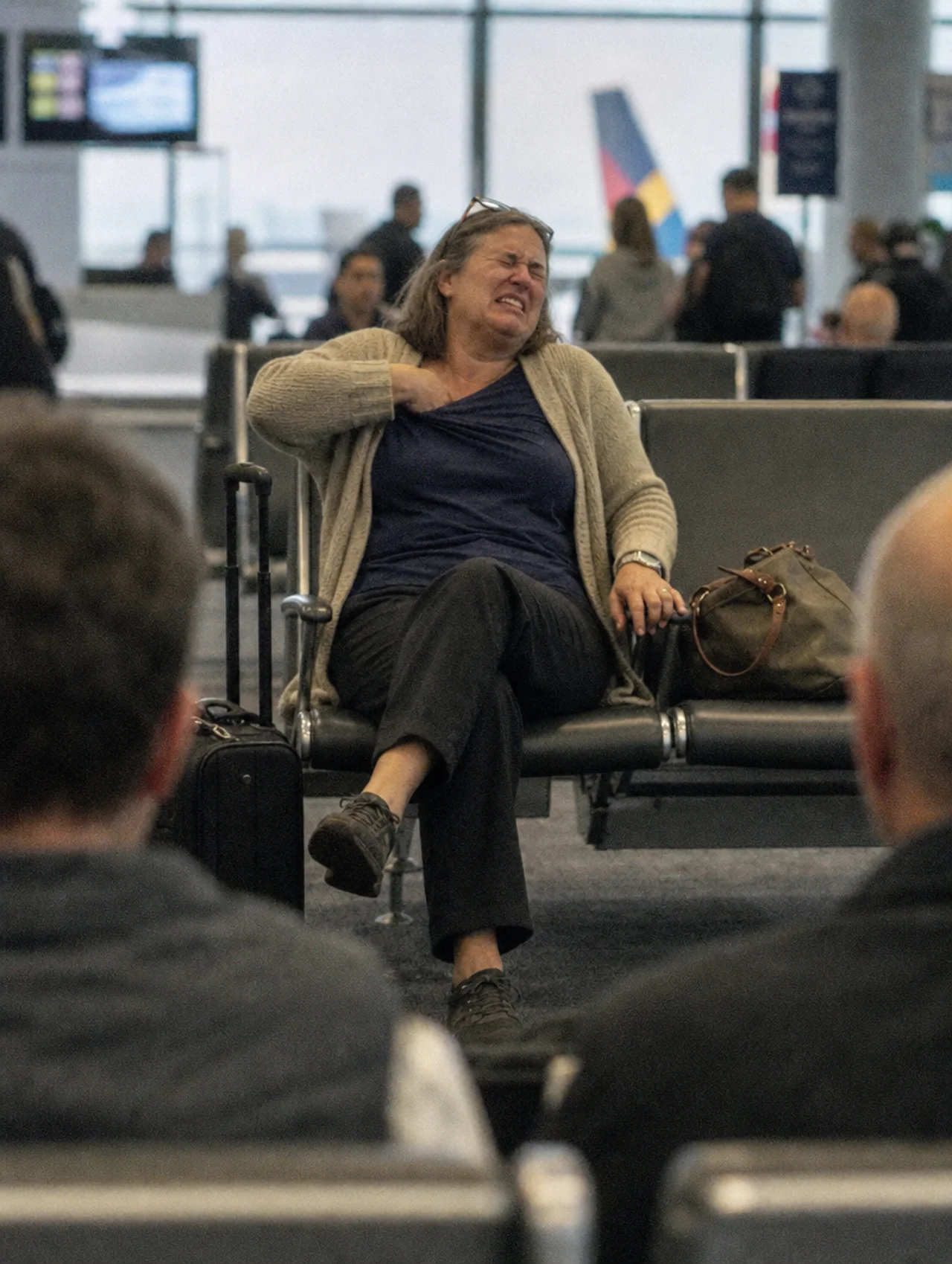
Perimenopause Itchy Breasts
Dr. Patricia Sullivan
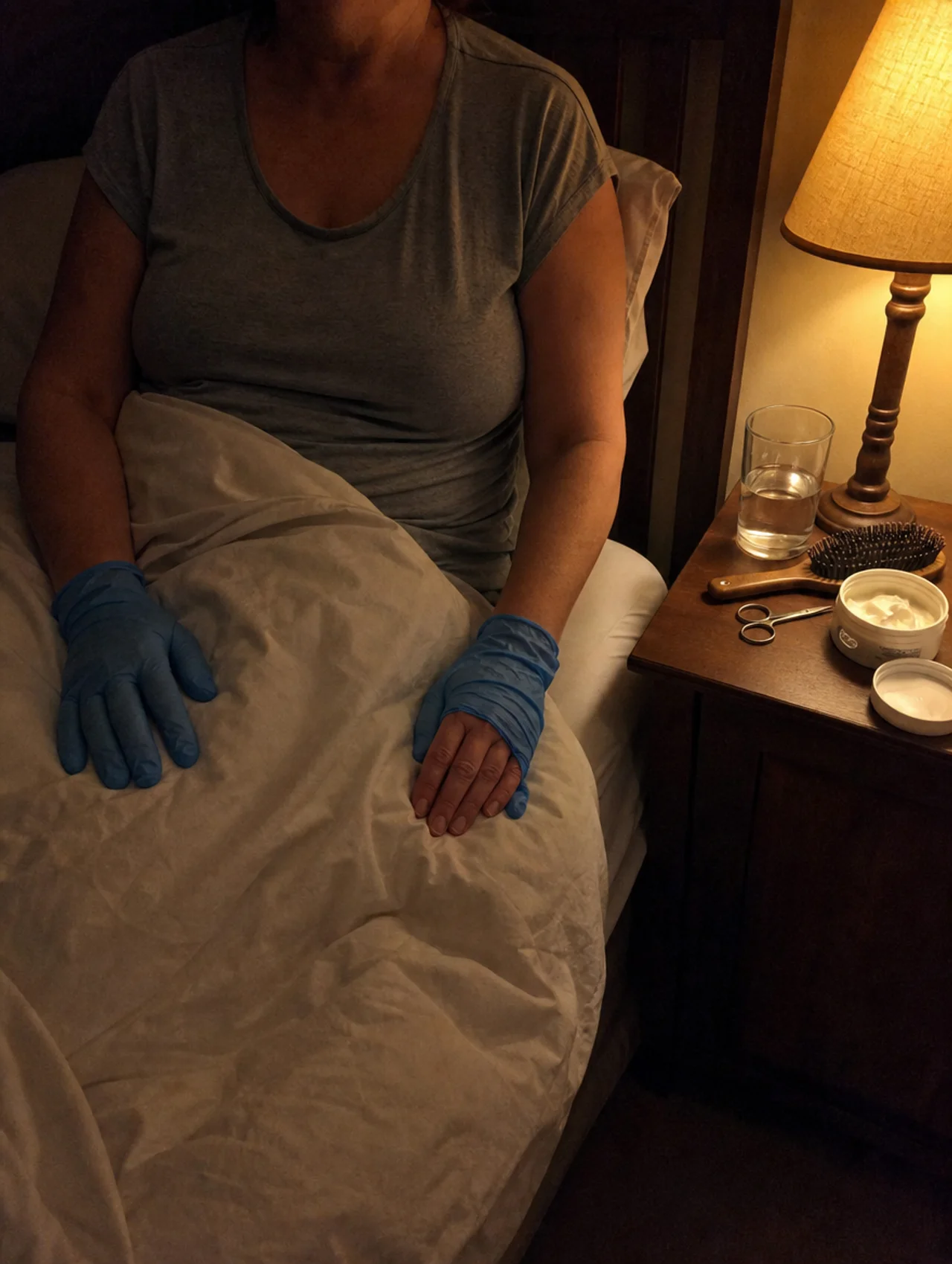
Natural Support For Perimenopause Itch
Dr. Patricia Sullivan
Perimenopause Itchy Breasts
Dr. Patricia Sullivan
Natural Support For Perimenopause Itch
Dr. Patricia Sullivan
Natural Support For Perimenopause Itch
Dr. Patricia Sullivan
Perimenopause Itchy Breasts
Dr. Patricia Sullivan
Natural Support For Perimenopause Itch
Dr. Patricia Sullivan
Natural Support For Perimenopause Itch
Dr. Patricia Sullivan
Perimenopause Itchy Breasts
Dr. Patricia Sullivan
Perimenopause Itchy Breasts
Dr. Patricia Sullivan
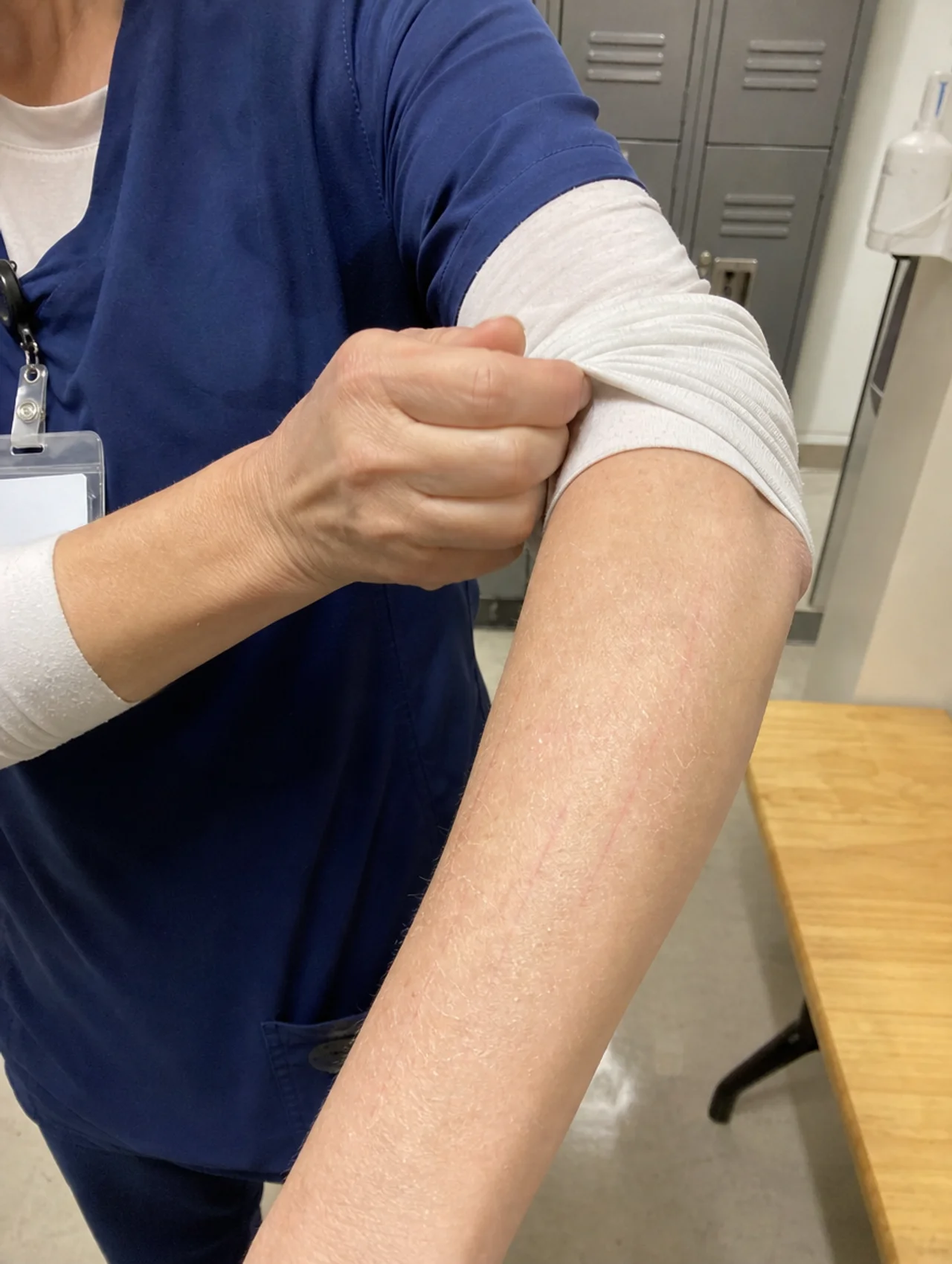
Natural Support For Perimenopause Itch
Dr. Patricia Sullivan

 Add to Chrome