Support stamina and heart health every day
Ad Copy
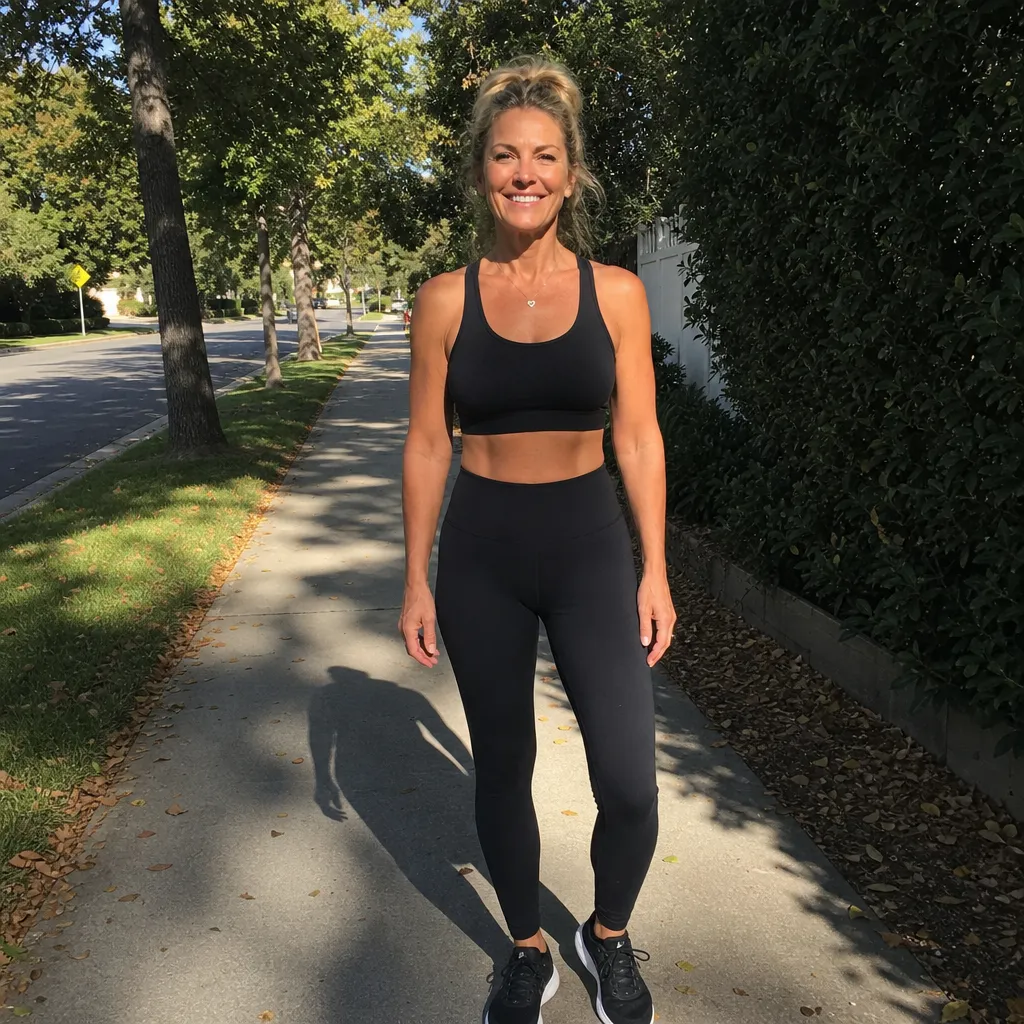
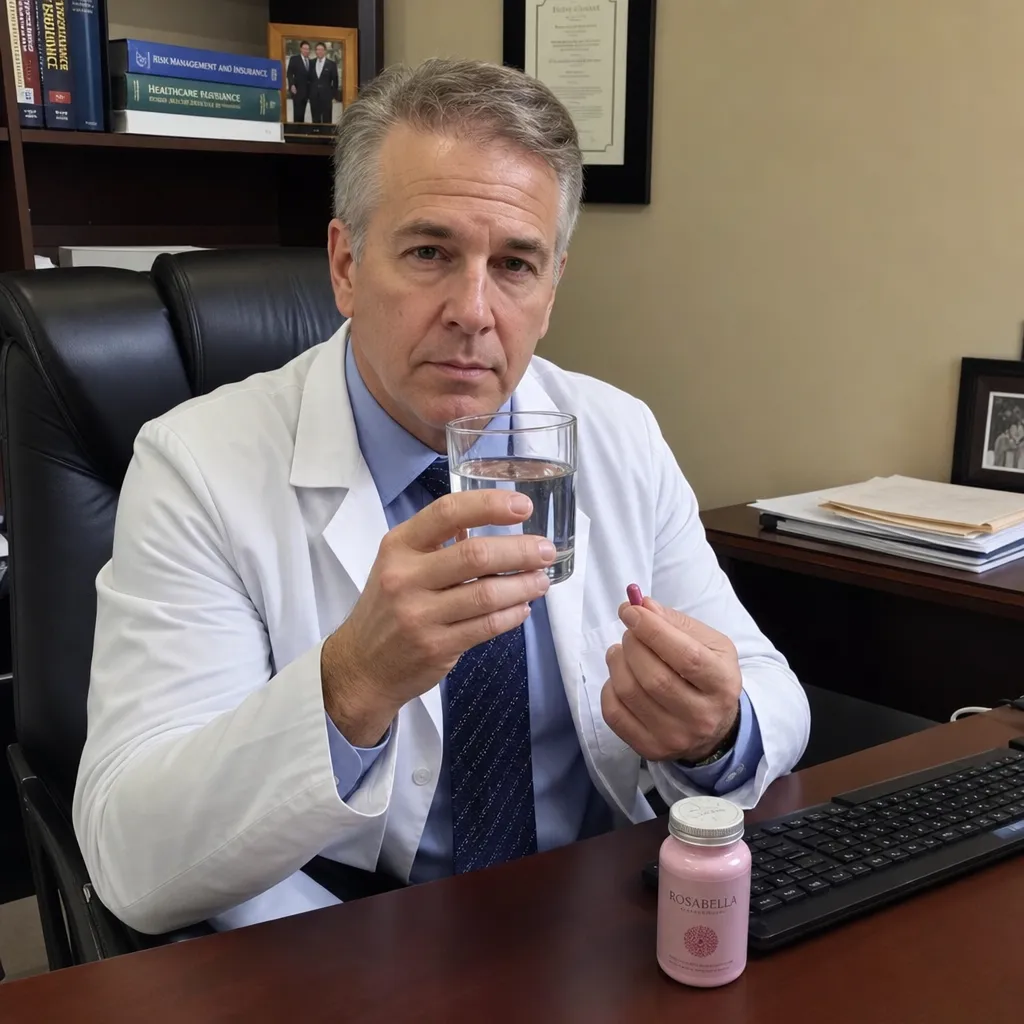
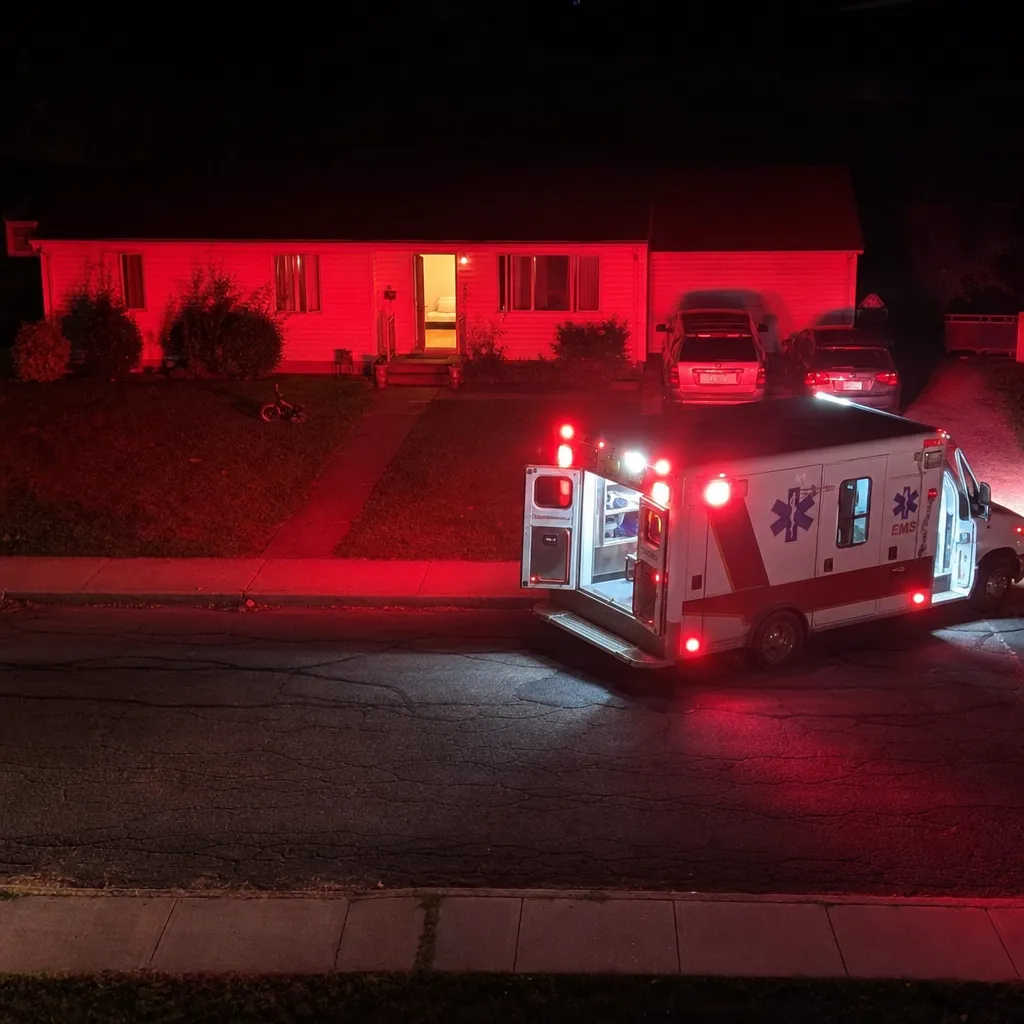
My father died on a Thursday with an LDL of 98. Fourteen months later, my uncle stroked out with an LDL of 104. Both numbers their doctors called "excellent." I stopped believing the number the second time they handed me a death certificate that didn't match the chart. I'm going to tell you what I found out after burying two men in fourteen months — two men who did everything right, took every pill, showed up to every appointment, and got told every single time that their numbers looked great. Their numbers looked great right up until one of them was dead on a gurney and the other was paralyzed on his left side in a rehab facility he'd never leave. I'm not keeping this to myself anymore. I can't. Not when I know what I know now. My name is Catherine. Most people call me Cat. I'm fifty-four years old. I work in accounts receivable for a regional hospital system — which matters only because it means I spent twenty-three years inside a medical building without ever questioning what the people in white coats were telling my family. I believed the number. My father believed it. My uncle believed it. Three generations of Warrens, all putting our faith in a cholesterol panel like it was scripture. I need to tell you about my father, because you need to see him the way I did — the way the world did — to understand why none of this made sense when it happened. Frank Warren. Sixty-seven years old. Retired high school shop teacher. Walked three miles every morning before breakfast, rain or shine, for eleven years after he retired. Ate the salmon. Took the statin. Skipped the butter. Did every single thing the pamphlet told him to do since his doctor put him on Lipitor in 2011. His cholesterol was a trophy. LDL of 98. Total cholesterol 172. His doctor used to say — and my father repeated it at every family dinner — "Frank, whatever you're doing, keep doing it." He'd beam. He was proud of that number the way other men are proud of their golf handicap. He was on the floor of his garage on a Thursday in October. My mother found him. He was already gray. The ambulance got there in eight minutes and it didn't matter. Massive heart attack. No warning. No prior event. No chest pain the week before, no shortness of breath, nothing. Sixty-seven years old, with an LDL of 98, a statin in his medicine cabinet, and a walk that morning that he never came home from. I stood in the emergency room while a doctor I'd never seen before told my mother that sometimes these things just happen. That you can do everything right and still have an event. That the heart is unpredictable. I watched my mother nod like that was an answer. It wasn't an answer. It was a shrug wrapped in a white coat. But I let it go. Because what else do you do? You're standing in fluorescent light and your father is dead behind a curtain ten feet away and a man with a degree is telling you it was just bad luck. You don't argue. You just bury your father and sign the forms and drive home and try to figure out how to be a person whose dad is dead. And that's what I did. For fourteen months. I grieved. I accepted it. I told myself it was a fluke, the way everyone around me told me it was a fluke. Frank Warren, healthy as a horse, numbers like a textbook — just one of those things. Then my uncle Paul had his stroke. Paul was my father's younger brother. Sixty-three. A little heavier than my dad, but active — worked part-time at a lumber yard, went fishing every weekend, ate reasonably well. He'd been on a statin since his mid-fifties. His LDL was 104. His doctor called it excellent. Paul had a massive ischemic stroke on a Tuesday morning while he was making coffee. His wife heard the mug hit the floor. By the time the paramedics arrived, the left side of his body was gone. He couldn't speak. He couldn't swallow. He lived another nine weeks in a rehab center that smelled like industrial cleaner and resignation. He died on a Sunday, three days before Christmas. He was sixty-three years old with an LDL of 104 that his doctor had signed off on six weeks before the stroke. I stood at my second Warren funeral in fourteen months and something broke in me that has never gone back together. Not my heart. Something colder than that. The thing that broke was trust. I looked at the people around me at Paul's funeral — my cousins, my mother, my aunts — and I saw something that made me feel physically ill. Every one of them was holding onto the same belief my father and Paul had held onto. They were going to their doctors, getting their numbers checked, being told "looks good," and walking out believing they were safe. The same exact thing. The same exact number. The same exact reassurance that had walked my father into his garage and my uncle into his kitchen for the last time. I went home from that funeral and I could not sleep. I lay in bed until three in the morning doing the kind of math that only grief teaches you. Two brothers. Both on statins. Both with excellent cholesterol numbers. Both dead — one in minutes, one in weeks — of cardiovascular events that supposedly shouldn't happen to people with their numbers. Either my family was cataclysmically unlucky, or the number everyone was worshipping was not measuring what they thought it was measuring. I decided I was going to find out which one it was. And I didn't care how long it took or how many people I had to bother to get the answer. That decision is the reason you're reading this. The first thing I did was request my father's complete medical records. Then Paul's. I'm not a doctor — I didn't understand half of what I was reading — but I understood enough to see the pattern. Both men: statin-compliant, years of low LDL, annual physicals with no red flags. My father's chart literally said "cardiovascular risk: low" on his last physical, four months before he died on his garage floor. Paul's said the same. Low risk. Great numbers. See you next year. Except there wasn't a next year for either of them. I took those records and I started calling people. I called my father's cardiologist. I called Paul's primary care physician. I called the ER doctor who'd pronounced my father. Most of them said variations of the same thing: "It's terrible, and I'm sorry, but sometimes the numbers don't tell the whole story." That sentence — "sometimes the numbers don't tell the whole story" — said so casually, like a throwaway. Like it was fine. Like it was acceptable to have a system built entirely on a number that sometimes doesn't tell the whole story, and to never mention that to the patient while he's alive. I couldn't let it go. I made calls. I sent emails. I was, frankly, a pain in the ass. I told people I was writing an article. I told people I was suing. I told people whatever I needed to tell them to get a conversation. And finally — six months after Paul's funeral — I got a conversation that changed everything. His name isn't Halloran. I'm going to call him Halloran because I promised I would never use his real name, and you'll understand why before this is over. Dr. Halloran is a cardiac surgeon. Not my father's — my father never got as far as a surgeon, he died too fast for that. Halloran was the surgeon who'd been scheduled to do Paul's carotid surgery, before the stroke took everything off the table. I found him because Paul's wife mentioned his name — said they'd had an appointment for the following month, a cleaning of the artery in his neck, and she'd always wondered whether doing it sooner would have saved him. She said the surgeon's office had called after Paul's death to offer condolences. She said his name was the only one in the whole experience that had been kind. I called his office eleven times before I got him on the phone. When I finally did — when I told him who I was, whose niece I was, and that I'd now lost two men in fourteen months to the thing their numbers said they didn't have — he was quiet for a long time. Then he said: "You're asking the right questions, and you deserve a real answer. But I can't give it to you like this. Not over the phone. Not where it can be recorded. Come see me." I drove an hour and forty minutes to meet a man I'd never seen, because something in his voice told me he had the thing I'd been looking for. He asked me to meet him at a restaurant near the hospital — not his office, not the clinic. A booth in the back of a diner where nobody from his department would overhear. I want you to understand what kind of man sits across from a stranger in a diner booth and risks his career to explain something. A careful man. A man who has thought about this for a very long time and has been waiting for someone to ask who actually needs to hear the answer. He's one of the best cardiac surgeons in his state. People fly in to have him operate. He's been doing this for over twenty years — bypasses, valve repairs, carotid surgeries. The kind where they open the artery in your neck and clean out the thing that's choking the blood off from your brain. The thing that was choking the blood off from Paul's brain, six weeks after his LDL came back 104. Halloran sat down across from me with two coffees already on the table and said: "Tell me about your father and your uncle. All of it. I want to hear what they told you." So I told him. Both deaths. Both numbers. Both statin prescriptions. Both reassurances. The doctors shrugging. The "just one of those things." All of it. He listened without interrupting. When I was done, he nodded slowly. "Catherine," he said. "I'm going to tell you something that I've wanted to tell every family member who's ever stood in my waiting room. And I can't — I'll explain why I can't — but you came an hour and a half for this, and you buried two men for this, so I'm going to tell you." "Your father and your uncle were never protected. Not for a single day. The drug was doing its job, and its job was never what they thought it was." He reached across the table and pulled my father's medical records toward him — I'd brought them, in a folder, because I didn't know what else to bring a surgeon. He put his finger on my father's last LDL result. Ninety-eight. "This number," he said, "is a headcount. That's all it is. It tells you how much cholesterol is riding around in his blood. It cannot tell you — it was never designed to tell you — whether any of that cholesterol has become dangerous." I asked him what he meant by become dangerous. Cholesterol is cholesterol. It's the thing that clogs your arteries. That's what twenty years of pamphlets had taught me. "No," he said. "That's what twenty years of pamphlets got wrong." And then he told me the thing that reorganized everything I thought I understood about why my father died. Cholesterol isn't poison. Your body makes it on purpose, every single day, because it can't function without it — it builds your cell walls, your hormones, the sheathing on your nerves. A body with no cholesterol is a dead body. It's not a toxin. It's a building material. "So what makes it kill people?" I asked. Because it clearly killed my father. It clearly killed Paul. "One word," he said. "It rusts." He told me to think about a nail left in the rain. A clean, shiny nail — harmless, useful, doing its job. Leave it in the weather and it oxidizes. It rusts. It turns orange and rough and crumbling. Nobody added anything to it. The air did it. Time did it. The cholesterol in your blood does the exact same thing. Most of it rides around perfectly fine, doing what it's supposed to do. But some of it oxidizes — it rusts — and once cholesterol rusts, it changes. It turns sticky. It turns damaged. It burrows into the wall of the artery like a splinter working its way under skin. And it packs in there, layer over layer, year over year, until the channel your blood is supposed to flow through narrows to something the width of a cocktail straw. Sometimes less. That's what was in Paul's carotid artery. That's what was building in my father's coronary arteries while his chart said "low risk" and his doctor said "keep doing what you're doing." Not cholesterol. Rusted cholesterol. Decades of it. Hidden in the wall where no routine blood test was looking. "Your father's LDL of 98 told you how much cholesterol was in his blood," Halloran said. "It told you absolutely nothing about how much of it had already rusted and packed into the wall. You could have an LDL of 80 and a wall full of rust. You could have an LDL of 150 and clean arteries. The number doesn't know. It was never asking that question." I felt my throat tighten, because I already understood what he was about to say about the statin. "Frank was on Lipitor for twelve years," I said. "Yes." "And it was working. His number was 98." "His number was 98. Correct. The drug did its job perfectly." "But he's dead." "Yes. Because the drug's job and your father's safety were never the same thing, and nobody told him the difference." He let me sit with that. I needed a minute. Maybe two. Then he explained it, and I want you to hear it the way I heard it — slowly, carefully, the way you'd explain to someone whose world is in the process of rearranging itself. A statin works by reaching into your liver and shutting down the assembly line that makes cholesterol. Your body produces less. The number on the chart goes down. That is the entire job. The statin is extremely good at that one job. And lowering the total amount isn't nothing — he was fair about that. Less cholesterol floating in the blood does mean slightly less available to rust. So it helps. At the margins. At the edges. But here's what it cannot do, and it's the thing that killed my father. It cannot stop the rusting. It cannot pull the rust out of the wall once it's there. And it cannot break the cycle that drives the whole disease — because the rust itself is what makes your body produce more cholesterol in the first place. I didn't understand that. I asked him to say it again. "When cholesterol rusts," he said, "your body reads that rust as damage. An injury. So it sends more cholesterol to the site to patch it. Like sending more troops to a wound. But the new cholesterol arrives, and it rusts too. So the body reads more damage, and sends more still. It's a wheel. The rust drives production, and the production feeds the rust." "And the statin?" I said. "The statin grabs that wheel from the outside and forces it to slow down. That's why the number drops. But it never touches what's spinning the wheel in the first place. The rust is still there. Still sending the damage signal. Still spinning. The statin is bailing water out of a boat with a hole in the bottom. The number on the chart says the water level is lower. The hole is still there." "That's what happened to my dad," I said. It wasn't a question. "That's what happened to your dad. Twelve years of the drug holding the wheel still enough to make the number look right, while the rust kept building behind it, in the wall, where nobody was looking and no test was pointed. Until one day the buildup cracked. The body sent a clot to seal the crack, the way it seals any wound. And the clot finished what the rust had spent twelve years starting." "He had a heart attack." "He had the last second of a process that had been running for decades. The statin held the number down. It never stopped the rust. The number was fine the entire time because the number was never measuring the thing that was killing him." I sat in that booth and I understood — fully, completely, in my bones — that my father had died trusting a number that was answering a different question than the one his life depended on. And so had Paul. The same drug. The same quiet wheel spinning behind the same reassuring number. Different artery, different day, same disease that nobody was watching because everybody was watching the wrong thing. I cried. Right there in the booth. I'm not ashamed of that. I cried because it was preventable and nobody prevented it, because the answer was knowable and nobody told them, because two men I loved spent their last years believing they were safe and they were never safe for a single day. Halloran didn't try to fix it or rush me. He just sat there and let me have it, the way a man does when he's watched grief like this before and knows there's no shortcut through. When I could talk again, I asked him the question I think you're asking right now. "If the rust is what kills people — if that's what's actually in the wall — then why in God's name isn't that what we measure? Why isn't that what we treat? Why is every doctor in America chasing a number that doesn't answer the question?" He smiled in a way that wasn't happy. "Because the rust is hard to measure, and the cholesterol number is easy," he said. "The LDL test is a five-dollar blood draw you can get at any lab in the country. The oxidation — the rust itself — barely shows up on anything a standard panel runs. So medicine standardized on the number it could actually get, and somewhere along the way, everyone forgot it was only ever a stand-in for the thing that matters." "A stand-in," I said. "A proxy. A guess. A book cover that nobody opens. Your father's doctor looked at the cover every year for twelve years and said, 'looks good.' He never opened the book. He didn't have the tools to open it — or the training to think he should." Then Halloran told me something that changed how I think about every doctor's appointment I'll ever have again. "There's another cost to the statin that nobody connects," he said. "That assembly line in the liver — the one the drug shuts down to lower your number — it doesn't only make cholesterol. It also makes something called CoQ10. The fuel your muscles run on. The spark. Clamp the line shut to push the number down, and you strangle that spark in the same motion. You cannot do one without the other. They come off the same switch." I thought about my father. The last year of his life. The tiredness he blamed on retirement. The stairs he started avoiding at home. The walks that got shorter, month by month, the last few months of his life. My mother mentioned it once to his doctor. The doctor adjusted his dose. "That's not aging," Halloran said, watching my face. "That's the heart muscle being starved of its fuel by the very drug that's supposed to be protecting it. Every statin patient I've ever operated on — every single one — has that same tiredness in their chart somewhere. And every one of them was told it was just getting older." My father thought he was getting old. He was being starved. By the pill that was making his chart look perfect. I had to stand up. I walked to the diner counter and back. I couldn't sit still with this. When I sat back down, I asked the question that had been underneath everything since I'd first called his office. "You know all this," I said. "You've known it for years. You've operated on thousands of people like my father — people whose numbers were beautiful and whose arteries were rotting. Why haven't you said something? Why are families like mine still burying people who were told they were fine?" He gave me the same answer the original Maggie got, and I need you to hear it because it explains everything about why this information exists in a Facebook post instead of your doctor's office. "Because the day I tell a patient to stop their statin and take something else, I'm finished," he said. "And I don't mean that as a figure of speech." He told me about the standard of care. The guidelines. The medical board. If a patient has those numbers and that history, the guideline says statin. Period. If he steps outside that — even with something he trusts more — the first bad outcome, for any reason, means a malpractice lawsuit he can't win, a license review he can't survive, and a hospital that drops his privileges the same week. "And here's what actually stops me," he said. "If I fall on my sword and tell patients the truth, they don't get better — they just go to the next doctor, who prescribes the statin and tells them nothing. I burn myself down and nobody is helped. So I stay inside the system, I do the surgeries, I prescribe what the guideline requires — and the people I care about, the people who find me the way you found me, I tell them the truth in a diner where nobody's charting." He stopped. "Your father should have been one of those people. Your uncle should have been one of those people. And I'm sorry they weren't. I'm sorry I didn't know them. I'm sorry the system failed them in the exact way it was designed to fail them." Then he reached into his jacket pocket and took out a small pink bottle. "This," he said, "is what I take. Every morning. Before I operate. For the last twelve years." He set it on the table between us. "I don't take a statin. I take this. And I'll tell you why." "The statin presses down on the wheel from the outside," he said. "Forces the number down by brute strength, as long as you keep taking it. I didn't want to spend my life pressing a wheel. I wanted to stop what's spinning it." "The rust," I said. "The rust. Take away the oxidation — the thing the body keeps reading as damage — and it stops sending cholesterol to patch it. The wheel slows on its own. The number comes down because the reason it was high is gone. Not forced. Resolved. And it stays down without a fist holding it there." He turned the bottle so I could read the label. I'll be honest about my first reaction, because I think it'll be yours too. It was beetroot. I almost laughed. After six months of obsessive research, after driving an hour and forty minutes, after burying two men — the answer was a beet. He watched me have that reaction. He was clearly used to it. "I know," he said. "That's why it stays a secret even in plain sight. Nobody believes the thing that stops the rust is a vegetable. It sounds too simple. So people dismiss it in three seconds and go back to the drug with the serious-sounding name that never touches what's actually killing them." Then his voice changed. Got sharper. "But listen to me. Because this next part is the difference between what I take and what you'd grab off a shelf if I just said 'beetroot' and sent you home." "Almost none of it will do what this does," he said. "Not the beets in the produce aisle. Not the juice. Not the twelve-dollar bottle from the vitamin section. Ninety-nine percent of what calls itself beetroot is worthless — and it took me two years of wasted money and failure to understand why." "The part of the beet that does the work," he said, "isn't the beet itself. It's the color." He told me to think about what happens when you cut a beet — that deep, violent red that bleeds onto the cutting board and won't come out no matter how hard you scrub. That color has a name. Betalains. And it isn't cosmetic. It's a specific kind of antioxidant — a rust-fighter — but not the kind I'd heard of, and the difference is everything. Most antioxidants, he said, work like a shotgun blast. You swallow them and they scatter through the body, spending themselves everywhere, concentrating nowhere. Indiscriminate. They knock out whatever they bump into — including things your body wanted left alone. Betalains don't scatter. They seek out one specific chemical reaction — the exact reaction that turns cholesterol into rust — and they neutralize it right there in the bloodstream, inside the cholesterol particle itself, before it can oxidize, before it can turn sticky, before it can burrow into the wall and become the thing that killed my father. A precision strike instead of a shotgun. One job, done exactly, at the one place the damage actually starts. "And it never touches the assembly line in the liver," he said. "So it does nothing to your CoQ10. It goes after the rust and leaves your heart's fuel alone. All of the benefit. None of the cost." "And when the number comes down," he said, "it comes down the right way. Not forced from the outside — but because the reason it was high has been eliminated. The wheel stops spinning because there's nothing left spinning it. The number is a receipt for what happened underneath. Not a lie being held in place by a pill." I sat there and thought about my father's LDL of 98. A receipt that was forged. A number being held down by brute force while the disease behind it ran unchecked for twelve years. Then I asked the practical question. The one you're asking. "Why this brand? Why this bottle and not any other?" He told me he has three rules, and almost nothing on the market survives all three. The strain. Most commercial beets have been bred for a hundred years for sugar — sweeter, bigger, easier to ship. They bred the candy in and the medicine out. The modern grocery beet still stains the cutting board, so it looks right, but the actual betalain content has been thinned to a shadow of what it was. The brand he takes — Rosabella — uses an heirloom strain preserved by Amish farmers in Lancaster County for over a hundred and fifty years. They call it Blutwurzel. Blood root. Never crossed with the sugar beet. Dense and dark and bitter, with many times the betalains of anything in a store. "The medicine is in the old beet," he said. "The one nobody bred the value out of." The drying. This was the part that made me realize why the bottles I'd seen in health food stores were useless. Betalains are fragile. Heat kills them. And nearly every beetroot supplement on the shelf is dried fast and hot, because it's cheaper — which cooks the betalains out before the capsule is ever sealed. What's left is a brown powder that looks like medicine and is essentially dead. "Red dust," he called it. There's a tell, he said: live betalains are deep crimson, almost violet. Cook them and they go dull brown. The brown ones are corpses. Rosabella is shade-dried, slowly, never heated — so what reaches the capsule is still alive. Still that deep violent red. The proof. Standardized extract — not random ground-up powder — so every dose delivers the same 1,300 milligrams used in the actual research. Not a pinch hidden in a proprietary blend. And a certificate of analysis from an outside lab, testing the actual batch and posting what's in it where you can see it. "I don't put anything in my body I can't see the lab report on," he said. "I'm not going to take a mystery before I operate on someone's heart." That's why this one and not the twelve-dollar bottle with the pretty label. The same reason he won't drink coffee before a case — the man does not leave margin to chance. Now. I need to tell you what happened to me. Because I didn't drive an hour and forty minutes and cry in a diner booth just to learn a theory. I drove there because my father was dead and my uncle was dead and I was next. I'm fifty-four. I have the same genetics. The same family. The same arteries. When I looked at my father and Paul on either side of me in the family tree, I wasn't looking at bad luck. I was looking at a preview. After that conversation, I did what Halloran suggested. I got a coronary calcium scan — the test that measures actual buildup in your arteries, not just the amount of cholesterol floating in your blood. My LDL came back 118. Fine. Not perfect, not alarming. The kind of number that gets a nod and a "we'll keep an eye on it." My calcium score came back elevated. Not catastrophic. But building. Plaque already forming in the wall. The same disease, in its earlier chapters, that had killed my father in its final chapter. I was the chart that said fine and the artery that said otherwise. Just like my dad. Just like Paul. The number lying the same lie it had told them for a decade. My doctor's response? Statin prescription. Atorvastatin, twenty milligrams. "Given your family history, let's be aggressive." I sat in his office holding the prescription and I saw my father. I saw his pill organizer on the kitchen counter, the one with the days of the week on it, the statin in every single slot for twelve years. I saw him gray on the garage floor. I did not fill the prescription. I started Rosabella the next day. Two capsules every morning, with water, before breakfast. The same thing the surgeon who told me the truth had been doing for twelve years before he picked up a scalpel. I want to tell you what happened, because it wasn't dramatic and I'm not going to pretend it was. This isn't a stimulant. It doesn't announce itself. The first two weeks, I felt nothing different in my body. That's exactly right, Halloran had told me — the work is happening at the level of the cholesterol particle, neutralizing the oxidation before it can form. There's no fanfare. The only thing I noticed in those first two weeks was that the tightness I'd started feeling on long walks — the thing I'd blamed on the cold, on being out of shape, on being fifty-four — got quieter. Not gone. Just less. Like a sound you didn't know you were hearing until it stopped. Weeks three and four, I got something back that I hadn't realized was missing. Energy. Not jittery, buzzing energy — just the presence of fuel at the end of the day. I stopped hitting the wall at four in the afternoon. I stopped needing the couch by seven. I started cleaning up after dinner instead of staring at the dishes until morning. That's the CoQ10 effect, I realized. My liver wasn't being clamped. My spark wasn't being stolen by a pill designed to push down a number. Whatever was running my muscles and my heart had its full supply, and I could feel the difference the way you feel sun on your skin after weeks of overcast. Weeks five through eight, the walks got longer without my deciding they should. I just... didn't turn around as early. Didn't need to. My legs had something my father's legs hadn't had in his last year of life, and the reason was the same reason his hadn't: the fuel. Except his was being stolen, and mine wasn't. Week eleven, I went back for bloodwork. And here's the part I need you to read the way Halloran taught me to read it. My LDL dropped. 118 down to 101. Not a plummet — but a real, measurable move, with no statin forcing it. And I want you to understand why that mattered to me, because six months earlier I'd have misread it. Six months earlier I'd have thought: good, the number is lower. But Halloran had taught me what a number that comes down on its own actually means. It means the reason it was high is resolving. The rust has slowed. The body has stopped reading constant damage and sending constant cholesterol to patch it. The wheel is slowing from the inside — not being held still by a drug. The number isn't the win. The number is the receipt. The proof, on paper, that the thing underneath is turning. My father's number of 98 was a number being held down by a fist. My number of 101 is a number that no longer has a reason to be high. That's the difference between surviving and being managed. Between actually being safe and being told you're safe while the wall fills behind the number. My doctor saw the result. He didn't congratulate me. He didn't argue. He wrote something on his pad. I'm fairly sure it was the name of the brand. He still hasn't written me a prescription. I'm telling you all of this because I think there's a good chance you're one of the people I was — or one of the people my father was. Let me be specific. If you've lost someone to a heart attack or stroke who had "good" numbers — if you stood at a funeral wondering how someone who did everything right still ended up in a box — I'm telling you what a cardiac surgeon told me across a diner table: the number they were chasing was never measuring the thing that killed them. The rust was running the whole time, behind the number, and nobody was looking at it. If you're on a statin right now, and your numbers look great, and your doctor is satisfied — but you're tired in a way you can't explain, you've lost a step you keep blaming on age, your legs don't have what they used to on the stairs — I'm telling you what Halloran taught me: the drug is doing its one job, pushing the number down, and the fatigue you're feeling isn't age. It's your heart muscle being starved of its spark by the same pill that's making your chart look perfect. If your LDL keeps creeping up year after year, and they keep raising the dose — I'm telling you the number keeps climbing because the rust keeps spinning the wheel, and throwing more milligrams at it will never stop what's turning it. You can press that wheel down forever, or you can take away what's spinning it. And if you're where I was — a family history that terrifies you, a scan or a number that's starting to climb, a doctor reaching for the same prescription that didn't save the people you love — I'm telling you there is something that goes after the rust the statin was never built to touch. The best cardiac surgeon I have ever sat across from takes it himself, every single morning, before he picks up a knife. It's a concentrated heirloom beetroot called Rosabella — the right strain, dried alive instead of cooked to dust, the full research dose, the lab report posted where you can see it. Two capsules a day. It's the thing I started taking the week after I sat in that diner. And it's the thing I'd hand to my mother, my cousins, and anyone else in my family before I'd let them become the third Warren to die trusting a number that was never measuring the right thing. Let me be clear about what I am and what I'm not. I'm not a doctor. I'm not a nurse. I'm not a scientist. I'm a woman who works in hospital billing and lost her father and her uncle in fourteen months and decided she would rather be a pain in the ass than a third funeral. I don't work for Rosabella. I don't get paid if you buy it. I don't make a cent whether you click anything or close this right now. I have nothing to gain from writing this except the knowledge that I didn't keep my mouth shut the way everyone in the system kept theirs shut while my family died on schedule. I'm writing this because two men I loved were told they were safe, every year, for years, by a number that was never measuring what was actually killing them. I'm writing this because a cardiac surgeon with twelve years of a pink bottle in his locker cannot tell you what he told me without losing his license, his hospital, and his livelihood. I'm writing this because I was never handed the cage he was handed. I don't have privileges to pull. I don't have a medical board. I'm just a woman with two death certificates and a bottle that's done more for my arteries in three months than a statin did for my father's in twelve years. And I'm writing this because the surgeon told me to. Because he's been waiting for someone without a cage to say it out loud. And I'm the one who showed up. Here's the thing that, after everything I've been through, I cannot wrap my head around. Rosabella comes with a ninety-day money-back guarantee. You take it for three months. You keep getting your blood drawn — you keep your doctor watching you, the way mine watched me. And if your numbers don't move, or you don't feel a difference, you send the bottles back. Even the empty ones. And you get every dollar back. Now I want you to think about what I'm comparing that to. My father took a statin for twelve years. It did not stop what killed him on his garage floor. Nobody refunded my father. My uncle took a statin for eight years. It did not stop what destroyed his brain on a Tuesday morning. Nobody refunded my uncle. Nobody refunded their families. Nobody refunded the funeral costs or the years of copays or the cost of a pill that was making a chart look perfect while two men died on schedule behind it. A small company selling capsules of dried beet will stake its own money on whether they help you. The companies that made the drug my father and uncle took every single morning will not. I'm not going to tell you what that means. But I'll tell you I noticed it. And once you see it, you won't stop seeing it. One honest thing about supply, because I've bumped into it myself. The Blutwurzel is hand-harvested from a small number of Amish farms, once a year, in the fall. The shade-drying that keeps the betalains alive cannot be rushed — you can't scale a hundred-and-fifty-year-old seed line the way you scale a commodity crop. When a batch runs out, it's out until the next one comes in. Halloran told me he's run out twice in twelve years and both times he counted the days, which from the calmest surgeon I've ever met told me everything I needed to know. Right now they're running a buy-three-get-three offer — three months for you, three months for the person you've been thinking about while reading this. That's the one I'd take, because nobody should do this road alone, and because the only thing that actually rattled that surgeon was running dry. But supply isn't really the reason to move today. This is. Every single day — right now, today, while you're reading this — the rust is still running. The wheel is still turning. If you've got a number creeping up, it's creeping today. If you've got plaque in a wall, it's building today. The same quiet, patient way it built in my father for years while his chart said "excellent" and his doctor said "keep it up." My father's disease didn't announce itself. It just ran, in the dark, behind a perfect number, until the day it didn't need to hide anymore. And on that day, there were no more appointments. No more chances to start. No more time. If you have a cardiology appointment coming up, picture walking in with the rust already resolving instead of still accumulating. Picture handing them a number that came down for the right reason. That doesn't happen if you start the week of the appointment. It happens if you start today. This is where the surgeon's bottle is — the same one in his locker every morning: https://tryrosabella.com/products/rosabella-organic-beetroot-capsules-a?variant=48748112806143 I almost became the third funeral in my family. I had the genetics, the scan, and the same prescription they'd both filled like clockwork. I chose differently. The whole reason I wrote this — every word of it — is so you can choose differently too, while you still can. You still have time. My father didn't. ~ Catherine Warren P.S. I need to say this as clearly as I can, because I made an aggressive choice and I don't want you making it blindly. Do not stop a medication on your own. I made a decision about a prescription I had not yet filled, with my eyes wide open and my doctor monitoring me the entire way — and that's the only version of this story I'd defend. If you're already on a statin, do not throw it in a drawer because a stranger on the internet told you her story. Bring this to your doctor. Ask them to measure the rust, not just the number. Ask for a coronary calcium scan. Ask for a recheck in eight to twelve weeks. The point was never to fight your doctor. The point is to put the thing on the table that the prescription pad can't. P.P.S. About the first few weeks, because I don't want you quitting over the wrong expectation. This is not a stimulant. It doesn't announce itself. The first couple of weeks, the work is happening at the particle level — rust getting neutralized before it can form. Most people notice the quieter things first: sleeping better, a little more left at the end of the day, the spark coming back as it stops being stolen. The number on your chart is the slowest thing to move, because arteries keep their own time. That's why the guarantee runs ninety days and not thirty. Give it the full window. If you feel nothing and your numbers don't budge by the end of it, send the bottles back and it cost you nothing but a few weeks of wondering. P.P.P.S. The guarantee is the thing I keep returning to. A small company selling an heirloom beet will bet its own money that this helps you. The makers of the drug my father took for twelve years will not. You can decide what that tells you. I decided what it tells me the day I held his death certificate in one hand and his "excellent" lab results in the other. P.P.P.P.S. Dr. Halloran read this before I posted it. He asked me to remove his real name — done. He asked me to remove any detail that could identify his hospital — done. He asked me what I thought would happen if his colleagues recognized the story. I told him the truth: some of them already know everything in here, and they'll have to decide for themselves what to do with that. He didn't ask me to take it down. And the next morning I received a text from him — two words: "Posted it?" I said yes. He sent back a thumbs up. And that afternoon, the same as every afternoon for twelve years, he went to his locker, took out the pink bottle, and swallowed two capsules with water before his first case. The same as he will tomorrow. He can't tell you this. I just did. https://tryrosabella.com/products/rosabella-organic-beetroot-capsules-a?variant=48748112806143
More from The Heart Health Project

Support stamina and heart health every day
The Heart Health Project
Support stamina and heart health every day
The Heart Health Project
Support stamina and heart health every day
The Heart Health Project

Support stamina and heart health every day
The Heart Health Project
Support stamina and heart health every day
The Heart Health Project
Support stamina and heart health every day
The Heart Health Project
Support stamina and heart health every day
The Heart Health Project
Support stamina and heart health every day
The Heart Health Project
Support stamina and heart health every day
The Heart Health Project
Support stamina and heart health every day
The Heart Health Project
Support stamina and heart health every day
The Heart Health Project

Support stamina and heart health every day
The Heart Health Project

 Add to Chrome