That's Plastic. Not in Arlene's Dressing.
Ad Copy
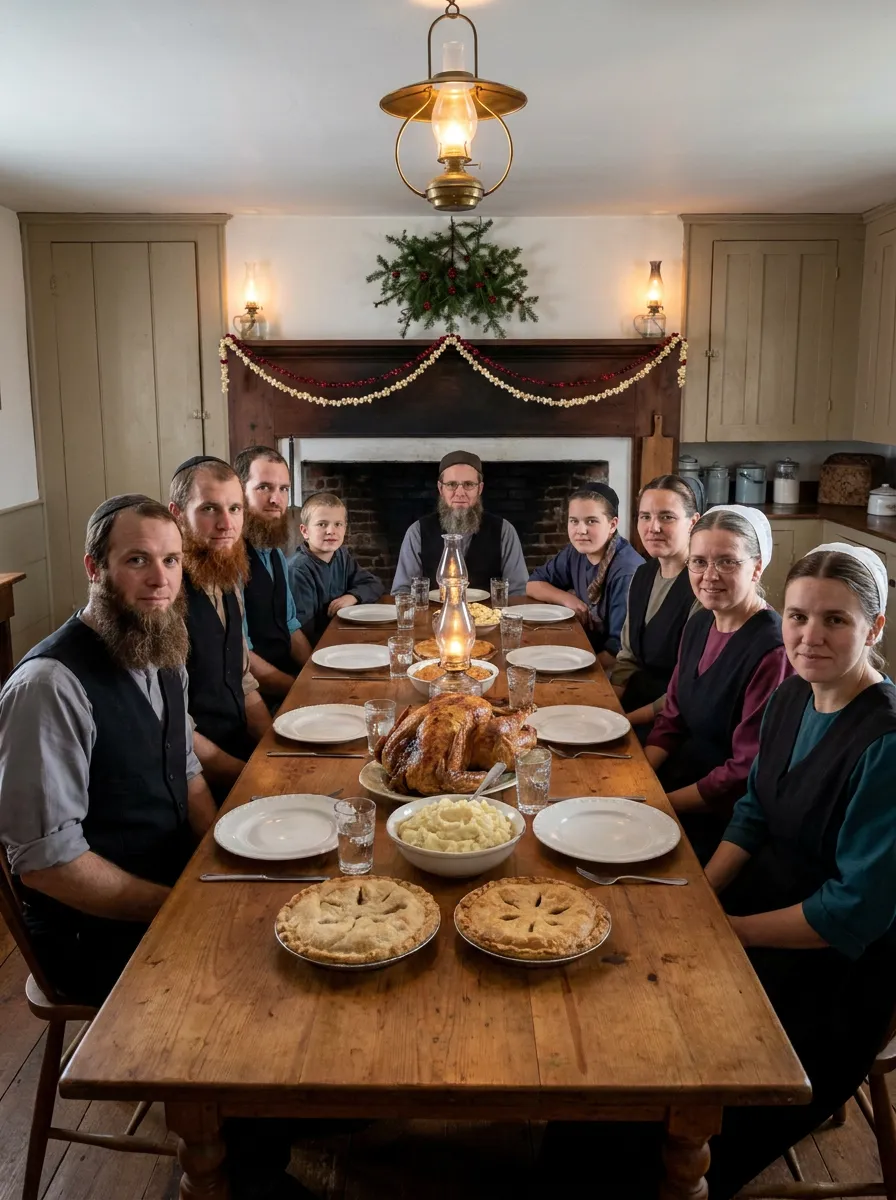
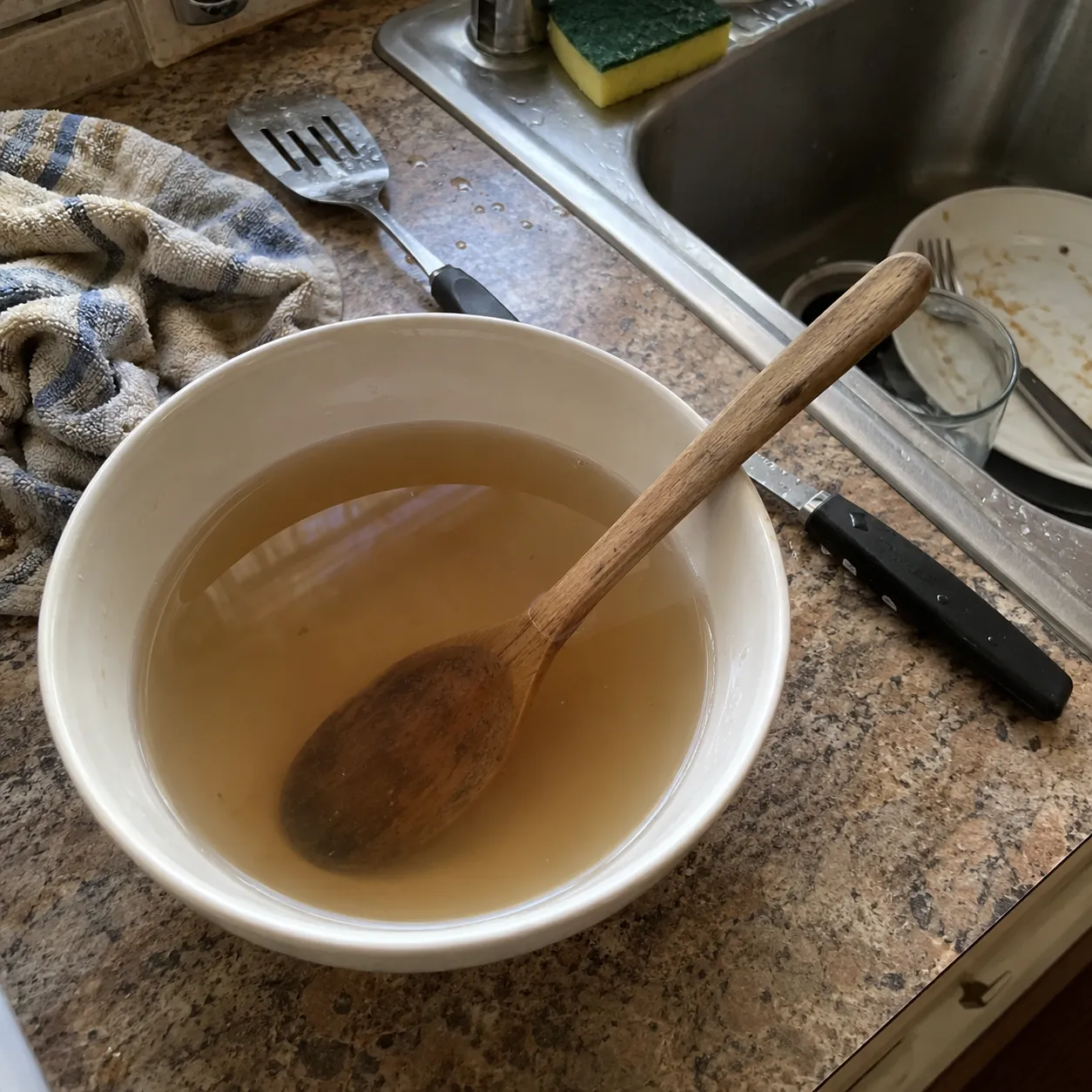
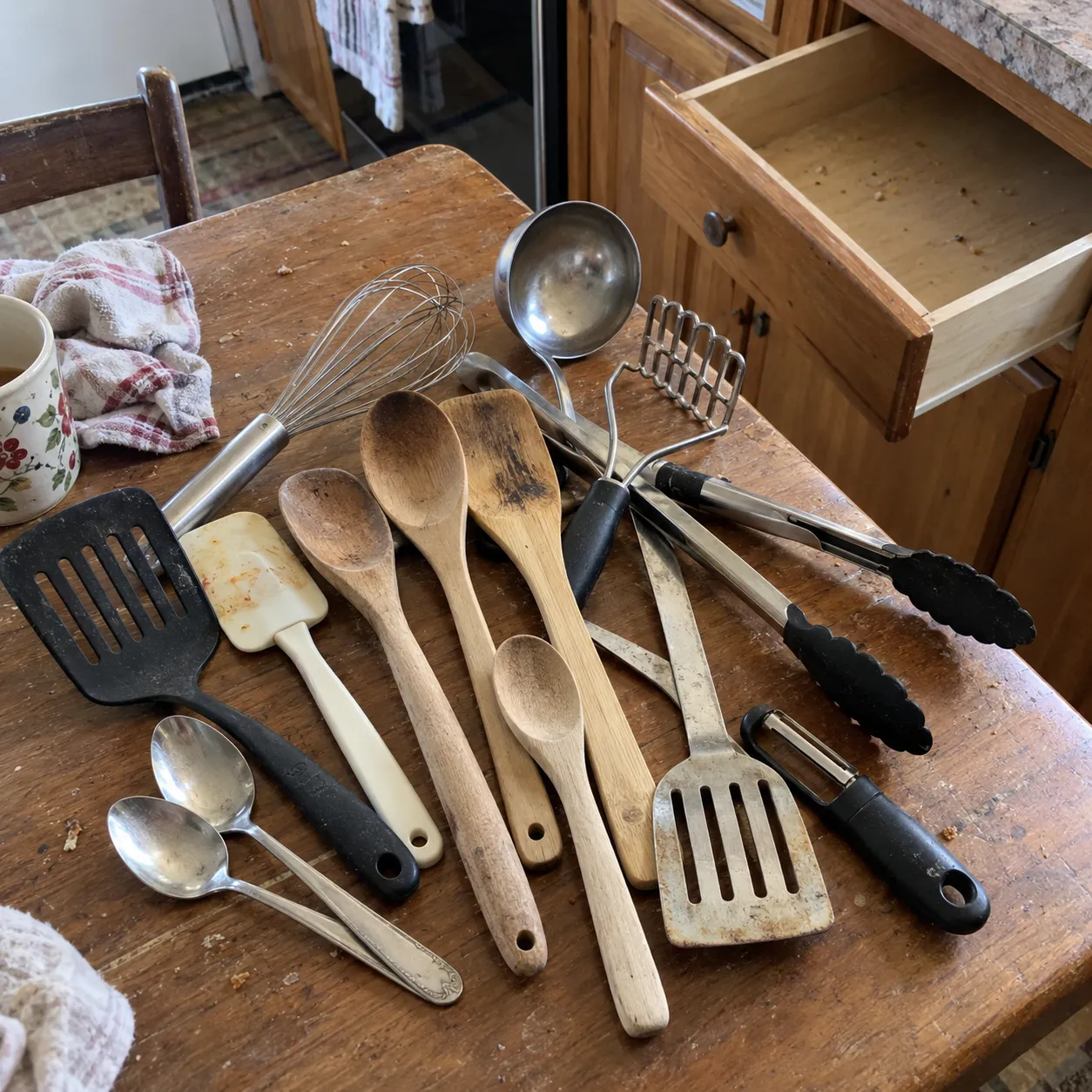
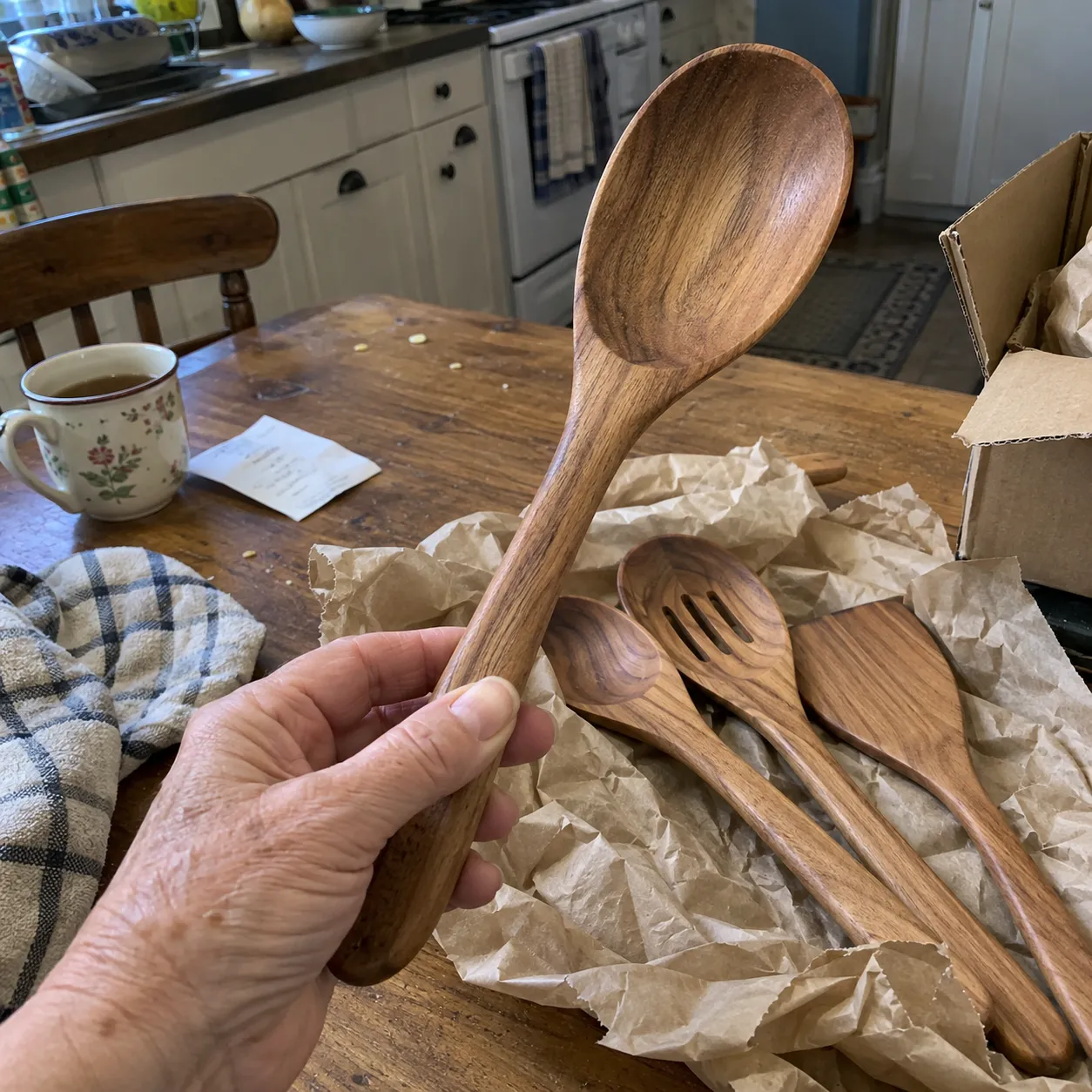
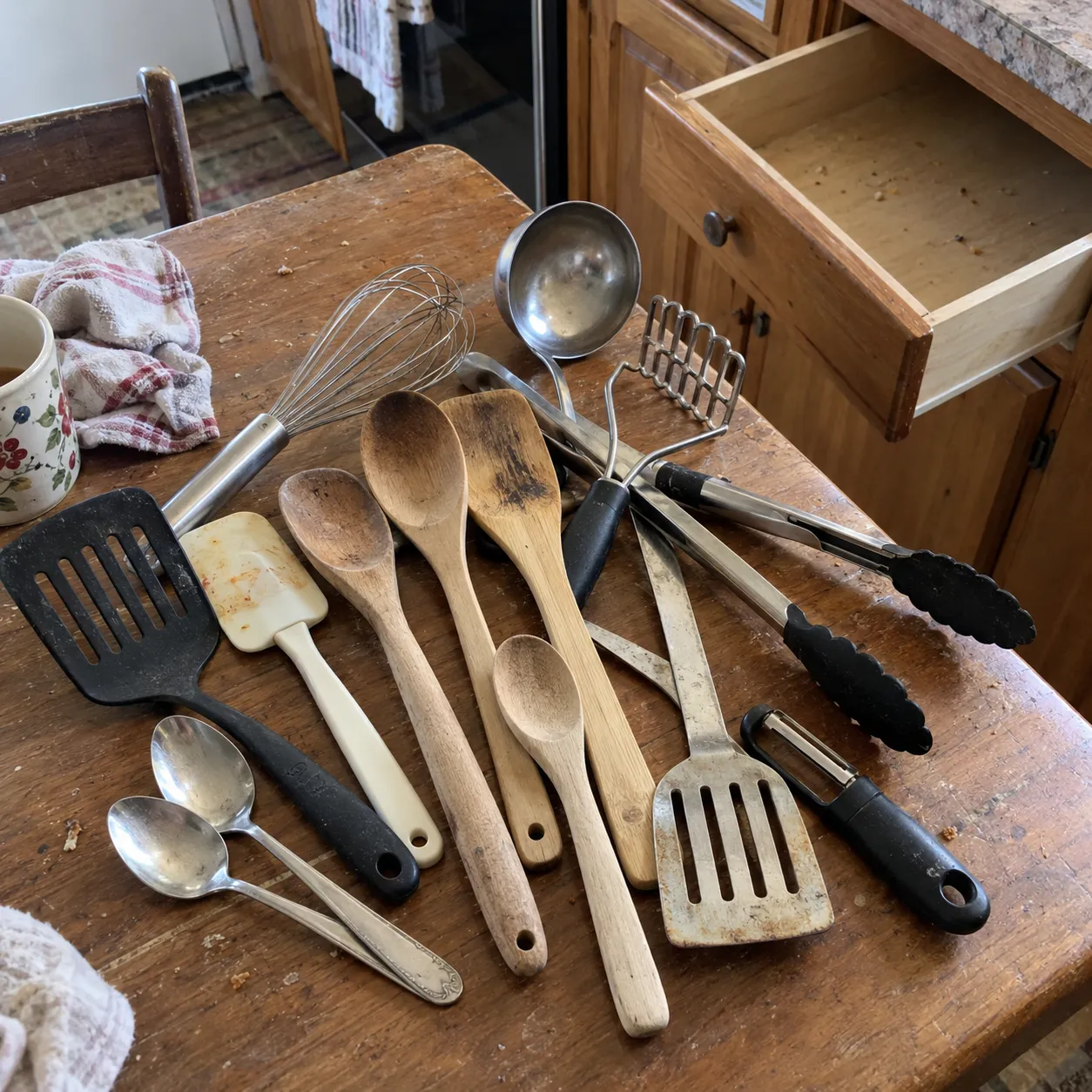
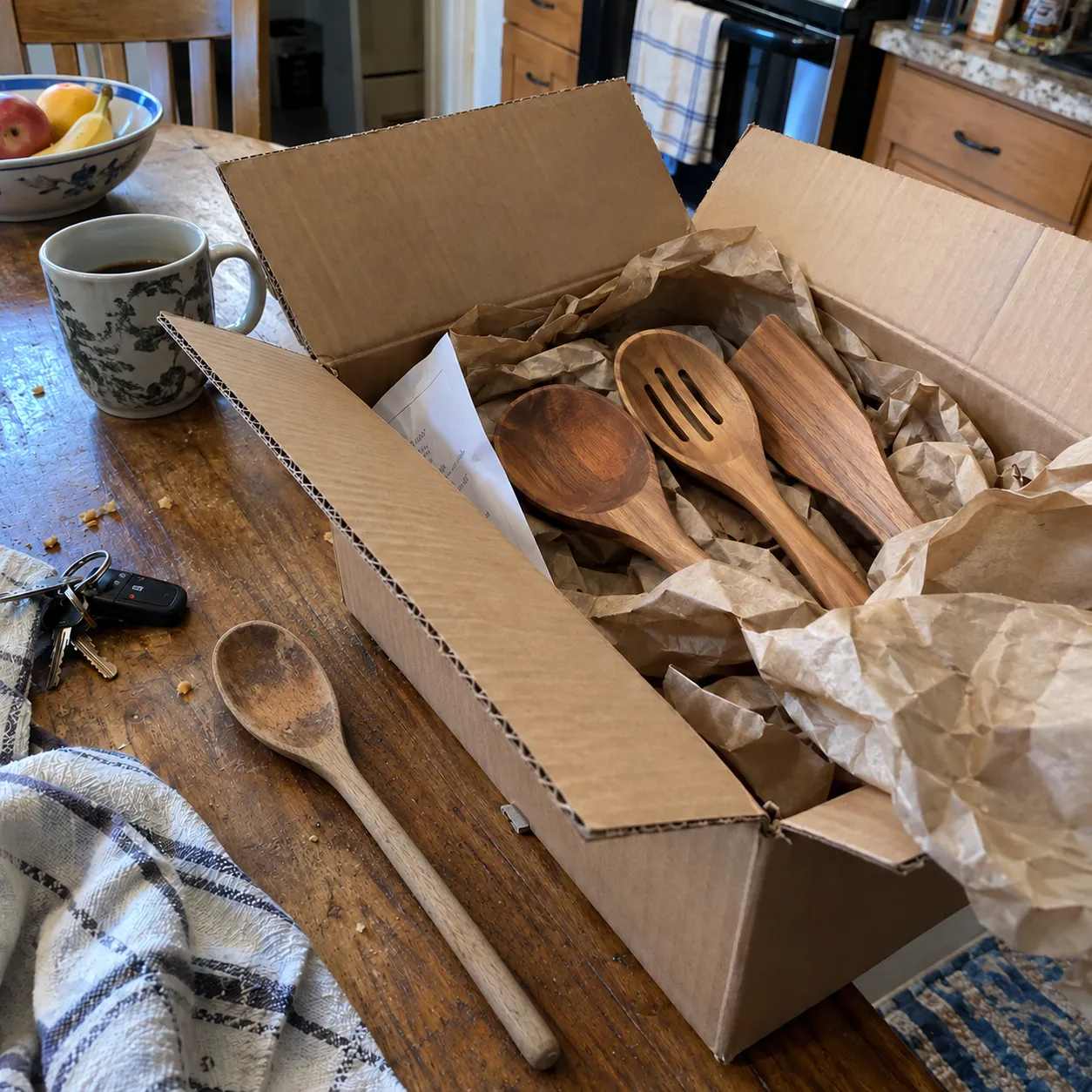
My husband put his fork down at an Amish table last January and said, “Rita. That’s your mother’s.” It was my late mother’s dressing. I’ve made it from her card every Old Christmas for six years, and it has only ever come out close. That morning an 88-year-old Amish woman finished it in her own skillet without tasting a bite. Nobody in the house had eaten since the night before. In Holmes County, many Amish families keep Old Christmas on January sixth, and they don’t eat until noon. Last year the grandmother of the house took the spatula out of my hand at her cookstove before anybody had eaten a bite, and what she told me at her table is the reason there are now three heavy boxes in our family, in three different states. I’m Rita. I’m 67, and my husband, Jerry, and I live outside Charm, Ohio, on the farm I grew up on. I worked in the lab at a cheese plant for twenty-nine years, which means I spent my working life finding out why a vat came out wrong. Old Christmas is a real day here. Plenty of Amish families in Holmes County keep it on January sixth, twelve days after the one the rest of us keep. They fast in the morning, visit family and sit down to a big dinner at noon. The Millers have farmed next to us since 1968. That first winter, my mother carried a pan of her dressing over on Old Christmas, because she said a new family on the road shouldn’t have to cook everything themselves. They set a place for her that year, and every year after, for more than fifty years. My mother’s dressing was the best thing on that table, and the Millers said so. Bread she dried herself, celery, onion, chicken and broth, eggs, a lot of butter and sage. She mixed it at home and browned it in Emma Miller’s big skillet on Emma’s cookstove, and she stirred it the whole time it browned, because dressing burns on the bottom the minute you leave it. Her card is in her handwriting. Nine things and one rule: “Brown it slow. Keep it moving.” My mother, Arlene, died six years ago. Since then I’ve carried her dressing over every Old Christmas, and I brown it in Emma’s skillet the way she did. It comes out close. A little soft. A little pale. The Millers eat it and thank me, because they would never say otherwise. Jerry eats it and says it’s good. Jerry drove a feed truck for forty years. He’s not a talker. “Good” from Jerry means he ate it, and that’s about all it means. Last Old Christmas I was at Emma’s cookstove at eleven o’clock with my mother’s dressing in her skillet. There were twenty-two people in that house, and not one of them had eaten a bite since the night before. In that house, nobody tastes anything on Old Christmas morning, not even the cooks. Everything gets cooked by eye and by the clock. Emma is 88. She has cooked Old Christmas dinner on that stove since 1968. She came over to the skillet and watched me for a minute. Then she took the black plastic spatula out of my hand and laid it on the warming shelf. “That’s plastic,” she said. “Not in Arlene’s dressing.” I’d known Emma my whole life. She had never once said a word about what I did in her kitchen. She handed me a dish towel, took a long wooden spoon out of the crock behind the stove and finished browning my mother’s dressing herself, from the bottom, slow, until it was time to sit down. She hadn’t tasted it. Nobody had. She didn’t need to. At noon we sat down, the Millers along their long table and Jerry and me at the end of it, where my mother always sat. We bowed our heads for the silent prayer. Then the bowls went around. Jerry took one forkful. Then he put his fork down. “Rita,” he said. “That’s your mother’s.” Jerry had eaten my mother’s dressing at that table for forty years and mine for six. He had never once said anything about either of them but “good.” I tasted it. It was crisp on the bottom and soft in the middle, and the sage came through the butter the way it used to. It tasted like every Old Christmas of my life before she was gone. I had to put my fork down too. After dinner, when the men had gone out to the barn, I sat down beside Emma at the table. “You didn’t even taste it,” I said. “I mixed it at home from her card, the same nine things. It was the same skillet and the same stove. And mine hasn’t tasted like that in six years.” “I didn’t have to taste it,” Emma said. “I could see what you were stirring with.” She reached over to the warming shelf, picked up my black spatula and turned it over under the window. “Look at the edge. Was it straight when you bought it? Then where do you think the rest of it went?” I bought that spatula new four years ago. The front edge was thin now and wavy, gone gray where it used to be black, and worn away at one corner. For twenty-nine years, when a vat of cheese came out wrong, I checked everything that touched the milk before I blamed the milk. I had never once checked what touched my mother’s dressing. Then she asked what else I cook with, and I told her. Two red silicone scrapers. A bamboo set I bought at a fair. And the wooden spoons from the grocery store, the light ones that come three to a package. “The red ones get soft when they’re hot. I’ve never been told what’s in them, so I don’t cook with them.” “Bamboo is grass, pressed together with glue. And those store spoons are soft wood glued up out of pieces. Hot butter finds the glue.” “My mother had a saying. If God didn’t create it, don’t use it.” “Emma,” I said, “Jerry’s eaten off that spatula for four years. He’s 70, and he still puts up his own hay.” “I didn’t say he was sick,” she said. “I said it wasn’t Arlene’s dressing. He told you that himself, at my table.” “When you get home, stand every spoon you have in a jar of water from the tap. Leave them till morning. The wood will tell on itself. The plastic won’t tell you anything. That’s worse.” Before we went home, I asked Emma if she’d sell me her spoon. Jerry said he’d pay whatever she asked. Emma smiled at him. “Those don’t get sold. They get handed down. This one goes to my granddaughter Miriam. She’s the one who’ll cook Old Christmas on this stove when I’m done.” Her daughter Lena was at the sink. “Mine’s spoken for, Rita,” she said. “So is my sister’s.” So that was two. “Then where do I find one?” I asked. “Not this one,” Emma said. “But you know what to look for now. One piece of wood. Carved, not glued. Hard, so it has some weight to it. And whoever sells it has to tell you what tree it came from.” That night I did what we did at the plant when a vat came out wrong. I changed one thing at a time. Nine jars of tap water on my counter, one utensil in each, and a strip of tape on every jar with what was in it and the time. In the morning, the three jars with the grocery store spoons were the color of weak tea. The bamboo jar had gone cloudy. The black spatula, the black ladle, the black spoon and the two red scrapers stood in water as clear as when I poured it. Emma had said they would. One night, in cold water. And I had been browning my mother’s dressing with spoons like those for six years. Jerry looked at the jars a long time. Then he got a trash bag from under the sink and held it open while I emptied the drawer. If your drawer looks like mine did, this is not your fault. I worked in a lab for twenty-nine years, and nobody told me either. Then I went through what Emma had told me, one thing at a time, the way I’d have gone through a bad vat. She was right about the store spoons. Cheap soft wood cracks and splinters and soaks up every smell, and whatever turned that water brown has been leaching into your food, meal after meal, for as long as you’ve owned it. She was right about the bamboo. Bamboo isn’t wood. It’s a hollow grass, so it can’t be carved from one piece. It’s thin strips compressed with formaldehyde glue, and formaldehyde is a known cause of cancer. Add heat and that glue releases right into whatever you eat. She was right not to trust the red ones. Silicone looks like it’s just softening, but that’s chemistry. Past a certain point of heat, siloxanes leach out. In 2018, Europe’s chemicals agency put three siloxanes on its list of substances of very high concern. Its words: very persistent and very bioaccumulative. It’s no better than plastic. At the plant, anything that touched the milk had a paper on file that said what it was and what it gave off. My red scraper had a tag that said what heat it could take. It said nothing about what came off it. And she was right about the black spatula. Black plastic kitchen tools shed tiny particles into hot food. Some black plastic is made from recycled electronics and has turned up carrying flame retardants, chemicals linked to cancer. And US researchers keep finding microplastics in nearly every person they test, in blood and even in brain tissue. What it all does in there, they say, is still being studied. Emma has never read a word of it. She has cooked Old Christmas dinner on that stove for fifty-eight years, and she can tell what’s wrong with a skillet without tasting it. Emma’s spoon was never going to be mine. So I went looking with her list. One piece. Hard wood, with weight to it. Carved, not glued. A seller who names the tree. I added one line of my own, because in a lab nobody signs off on their own test. I wanted it tested by somebody who wasn’t selling it. That empties most of the shelf. Most sets say “acacia” and stop. They don’t say which acacia, or whether a spoon is one piece of wood or strips glued up and sanded, like the three that turned my jars brown. And every line on her list made sense once I’d seen those jars. Soft wood drinks water, so it has to be hard, and hard wood is heavy in the hand. A glue line is where hot butter gets in first, so it has to be one piece. One small company answered every line. Woodsen. Small-leaf acacia, the densest of all 1,300 acacia species. Every piece hand-carved from one solid piece of wood. No glue. Finished with food-grade oil. No plastic, no microplastics, no forever chemicals. Over 15,000 families cook with it. Third-party lab tested to FDA food contact standards, with zero chemicals detected. And a lifetime warranty: if a piece ever cracks, they replace it. It isn’t Amish, and nobody says it is. Emma’s spoon came from her mother’s kitchen, and she has never laid eyes on this. But it is one piece of hard wood, they name the tree, and somebody who wasn’t selling it tested it. In February, Jerry’s brother, Dennis, came for supper. He has preached at little Methodist churches around Holmes County for thirty years. I told him about the jars, and he asked what kind of wood. “Acacia,” I said. He set down his fork. “Exodus twenty-five, verse ten. And they shall make an ark of shittim wood.” “That’s acacia, Rita. The newer translations just print acacia wood. When God wanted a thing carried through the desert for forty years, that’s the wood He named.” I hadn’t gotten there through a Bible verse. I got there through a skillet of dressing and an 88-year-old woman who hadn’t eaten since the night before. But I wrote the verse on the back of my mother’s card. I ordered the seven-piece set for my kitchen in Ohio. I ordered one for my sister, Linda, in Louisville, Kentucky, because she makes Mom’s dressing every Christmas and calls it “Mom’s, sort of.” And I ordered one for our son, Kevin, in Erie, Pennsylvania, because he’s the one who’ll carry the pan over to the Millers after me. That’s the three heavy boxes. Ohio, Kentucky and Pennsylvania. When mine came, I took out the long spoon, and it had the weight of Emma’s in my hand. I stood it in a jar of tap water overnight. In the morning the water was clear. In March I made my mother’s dressing for Jerry’s birthday supper, from her card, with one piece of wood, and I browned it slow and kept it moving. Jerry ate two plates. “That’s Arlene’s,” he said, and then he said it again, which makes it the most he’s said about food in forty years. I carried a pan over to Emma. She ate it at her table with a fork, slowly. “Now that’s your mother’s,” she said. For six years I blamed the bread, the broth, Emma’s stove and my own two hands. It took Emma, at 88, on an empty stomach, to show me the one thing my mother never wrote on her card: what she stirred it with. If you make your mother’s recipe from her own card, and it has only ever come out close, it might not be you. It might be the spoon in your hand. This Old Christmas I’ll fast until noon with the Millers again. The pan is mine to carry now, and so is the spoon. When I checked this morning, their page said up to 50% off, this week only. Twenty-nine years in a lab teaches you that when a result looks too good, you run it again. Half off looked too good. That made me suspicious, so I went looking for the catch. The only catch I found is that Woodsen is a small company, and they make their sets in small batches, so when a set sells out, it can take a while to come back. With Christmas coming, I wouldn’t count on them staying in stock, or staying at this price. Rita P.S. Here’s the exact set I bought. They were running a sale when I checked. P.P.S. Put every spoon in your kitchen in its own jar of water tonight. By morning, you’ll know. If the link still works, the price is still live.
More from Your Daily Health

fb.com
Your Daily Health

Say no to chemicals in your food!
Your Daily Health

Say no to chemicals in your food!
Your Daily Health
Say no to chemicals in your food!
Your Daily Health
Say no to chemicals in your food!
Your Daily Health
Say no to chemicals in your food!
Your Daily Health
Say no to chemicals in your food!
Your Daily Health
Say no to chemicals in your food!
Your Daily Health
Say no to chemicals in your food!
Your Daily Health
Say no to chemicals in your food!
Your Daily Health

Say no to chemicals in your food!
Your Daily Health

Say no to chemicals in your food!
Your Daily Health

 Add to Chrome