
Say no to chemicals in your food!
Ad Copy
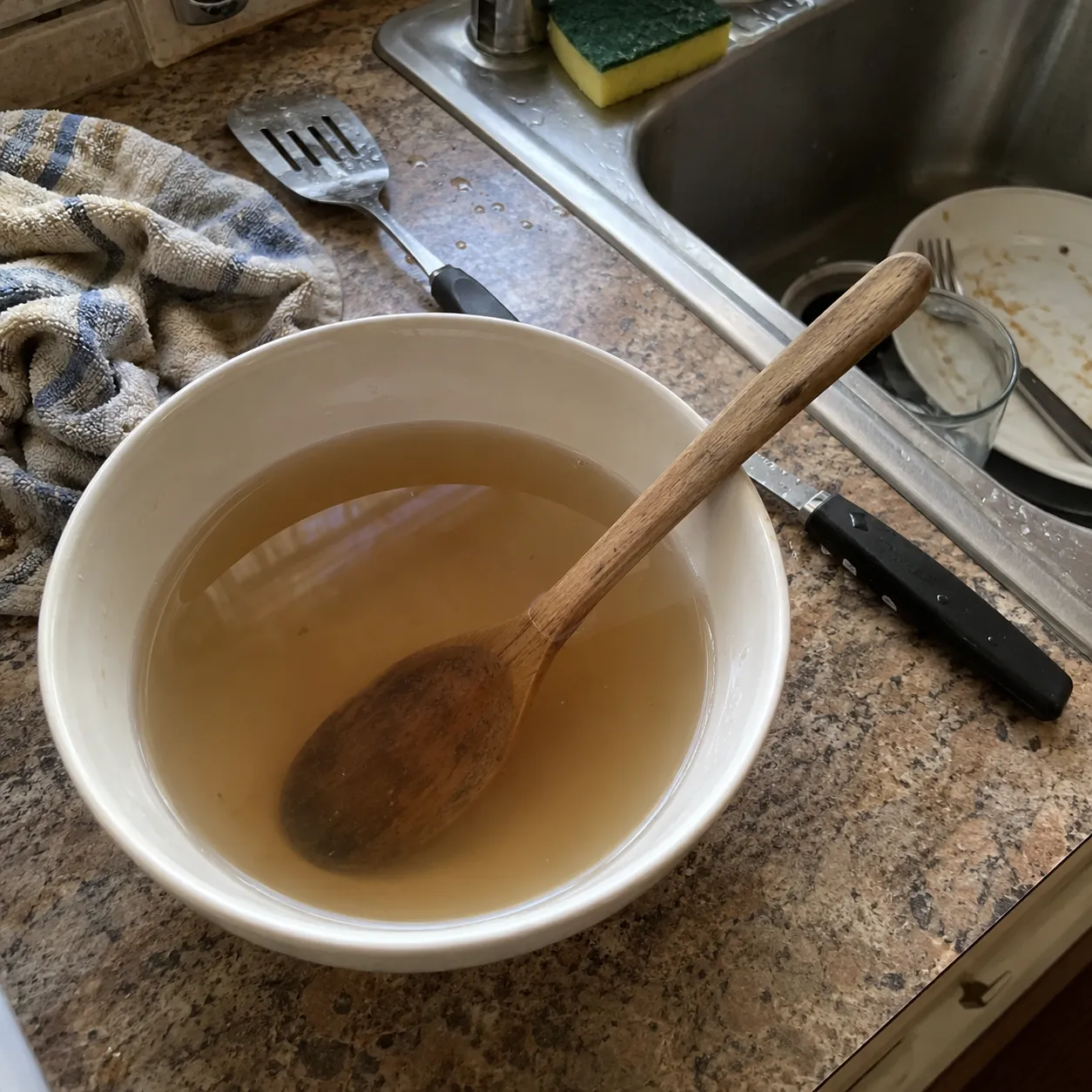
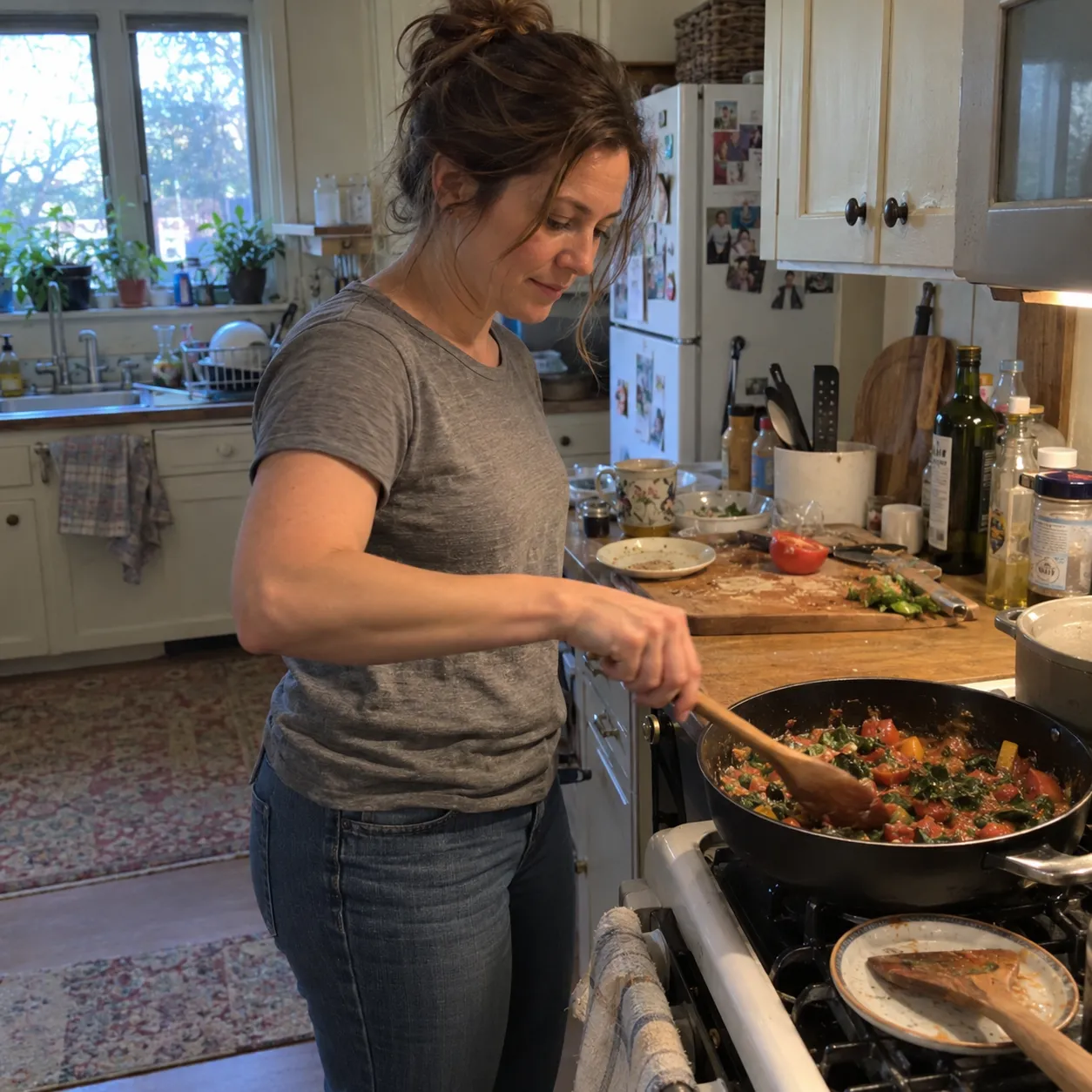
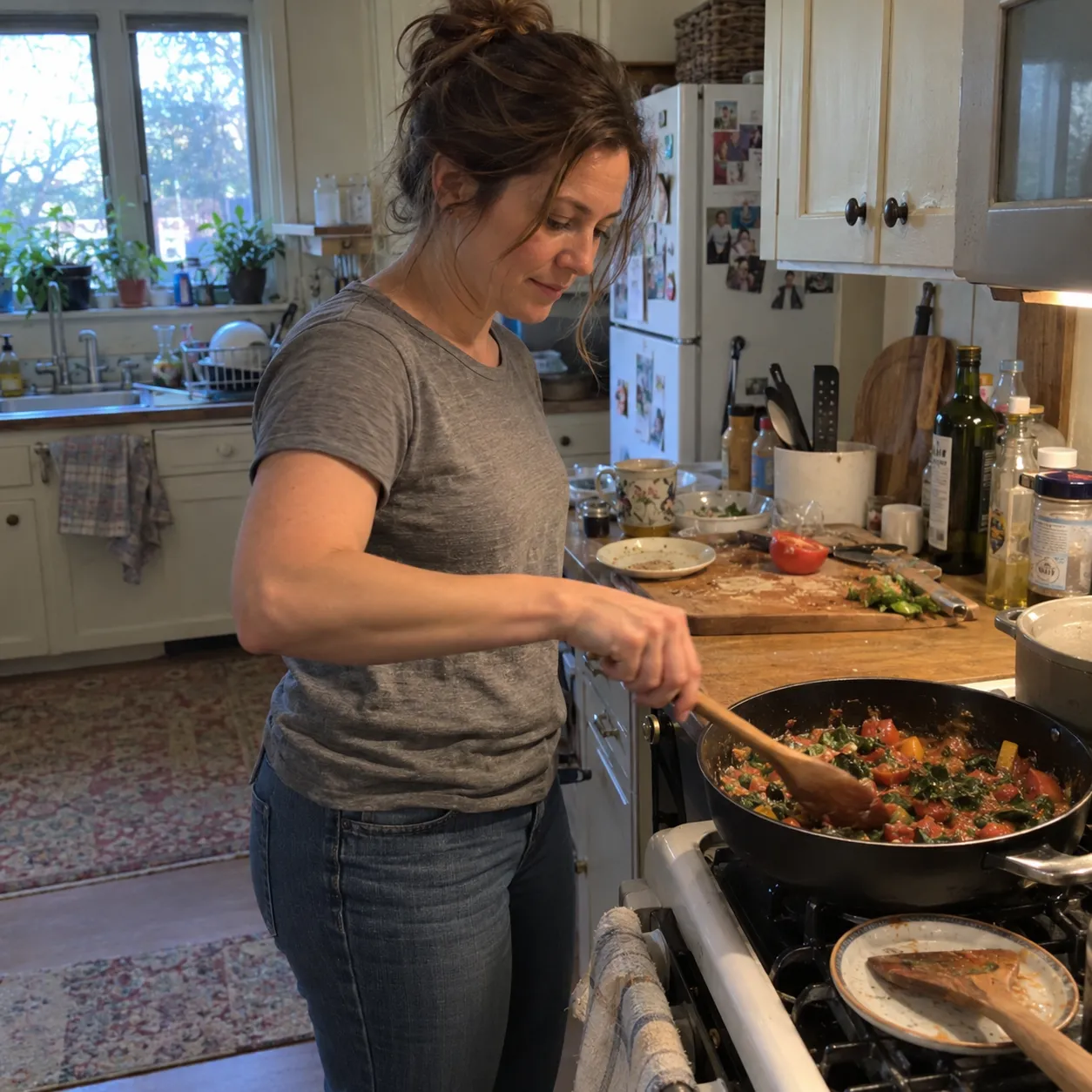
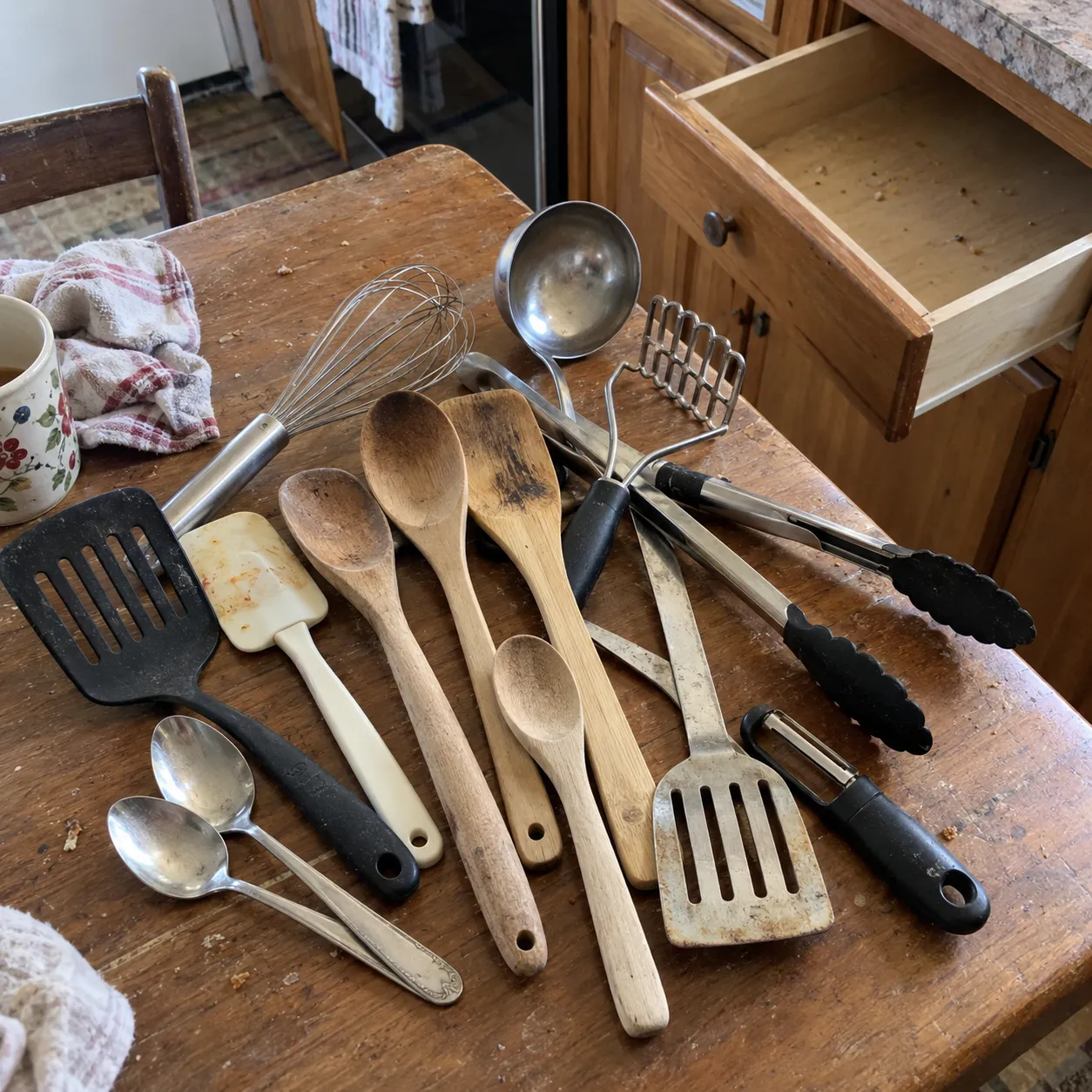
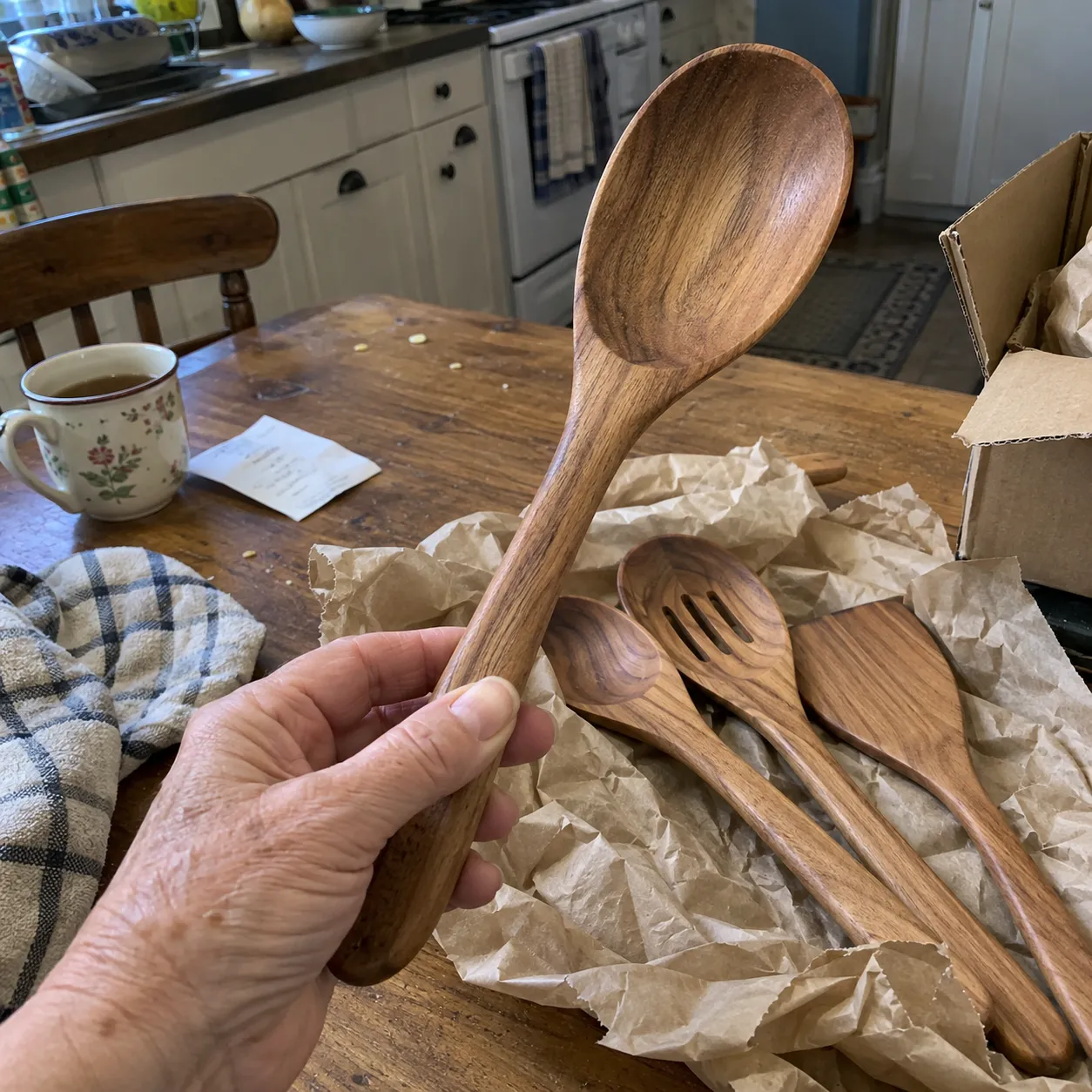
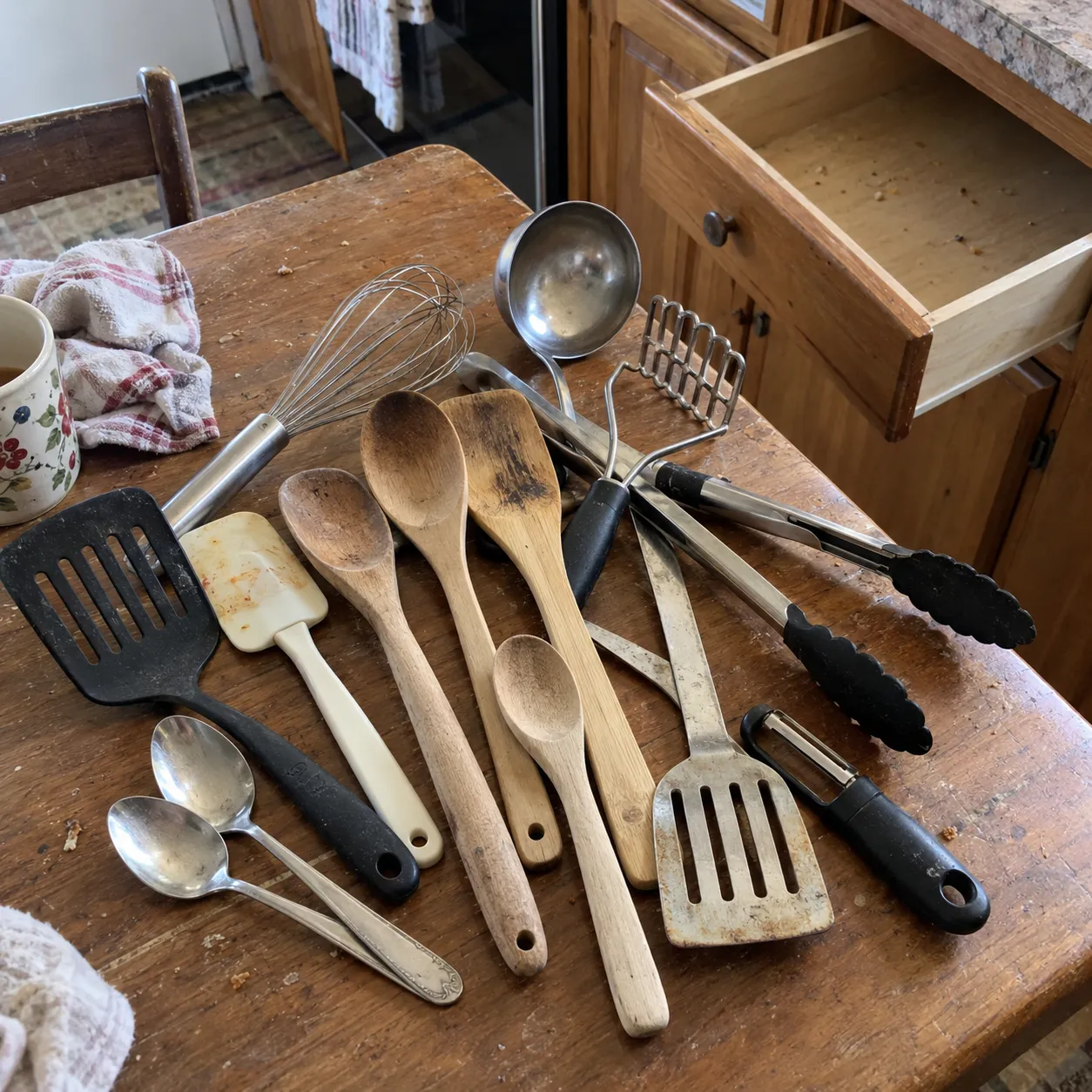
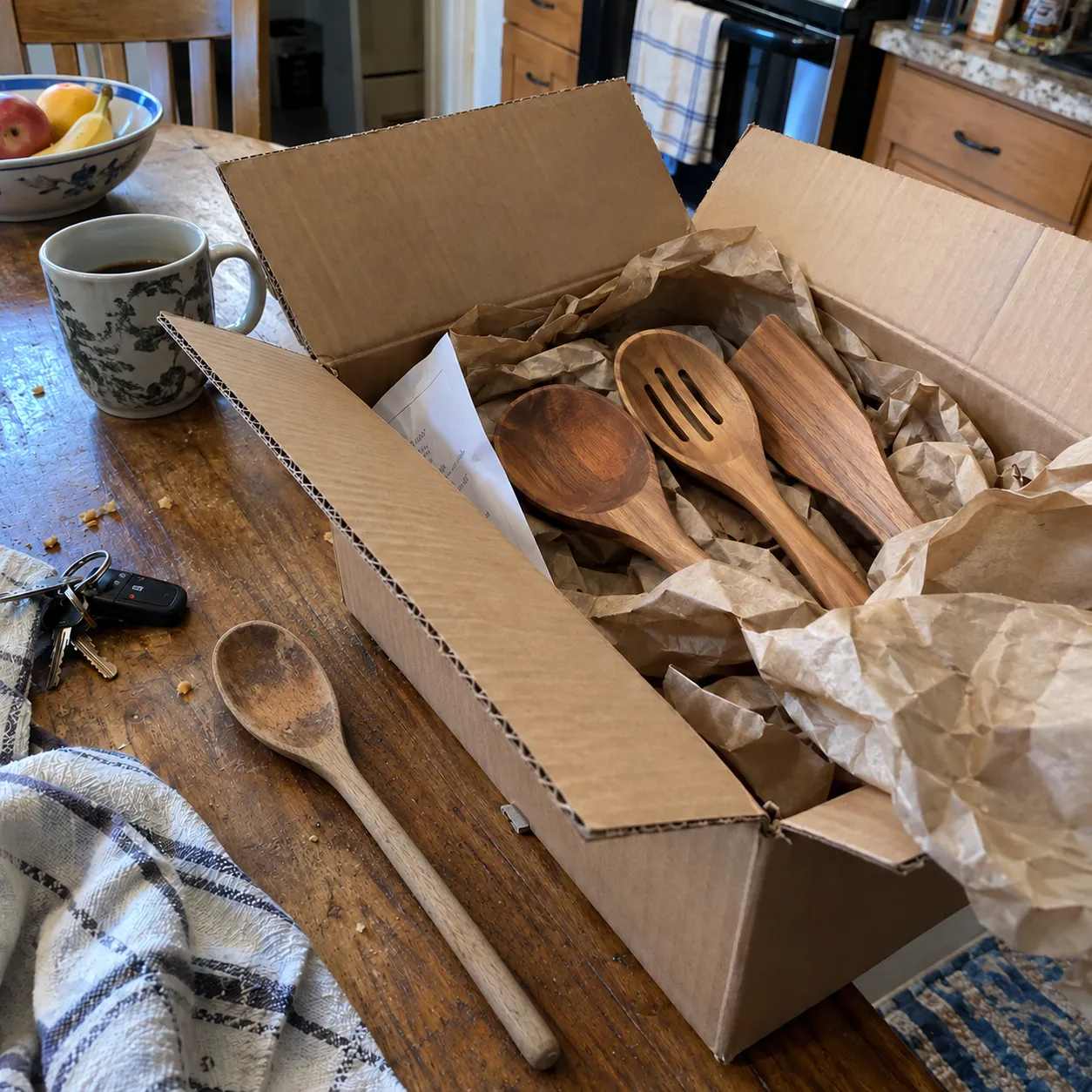
I run an Amish Airbnb. The other day, a guest called me crying. I thought something went terribly wrong. I was so confused and anxious. Then she said: "I've been a nurse for 30 years. Your 81-year-old Amish grandma figured out in one conversation what my doctors couldn't in three years." But let me back up. So my husband and I have been running a five-star Airbnb for the past 3 years. Just not a normal one. We live on the edge of Lancaster County, Pennsylvania. Our closest neighbors are an Amish family, and the oldest of them is Ada. She's 81. She still gardens, still bakes bread every morning, still walks the lane to the mailbox every afternoon. She hasn't been to a doctor in years. Not on a single pill. Three years ago, her son Eli knocked on our door with a question. The little house behind their farmhouse, the one Amish families build for their grandparents, had been sitting empty since Ada's husband passed. They wanted the income. But they don't use computers, so they couldn't run a listing. So they asked me to. I handle the bookings and the messages. Ada handles everything else. She stocks that little kitchen herself. Eggs from her hens. Bread from that morning. Vegetables from the garden and the farm stand at the end of the lane. Guests cook their own meals there with whatever she leaves out, or sometimes she makes them one of her specials. And next to the stove, she keeps a stoneware crock full of wooden spoons. Dark. Heavy. Worn smooth, like they'd been stirred with ten thousand times and only gotten better from it. Ada gave me exactly one rule the day we started: "Don't bring any spoons from the store into that kitchen." I thought it was an Amish thing. I didn't ask. And about a year in, something weird started happening. Guests would check out and leave reviews like: "Best I've felt in years. Not sure if it's the air or the food." "Four days and no bloating after dinner. That hasn't happened since my 40s." "Seriously need to know what's in that food." At first, I thought it was just the "vacation effect." People are relaxed, they're unplugged, they're happy. But then a guest named Denise, a woman in her 60s, started booking us again and again. Denise is a nurse. And for three years she'd been dealing with her gut. Bloating that came and went. A stomach that never felt settled. Tired by two in the afternoon, halfway through a shift. Her tests always came back normal. But every time she stayed at the farmhouse, she felt like herself. And every time she went home, it came right back. She booked three times in five months. Then she did the logical thing. She bought everything she'd eaten at the farmhouse and took it home. Same eggs. Same vegetables. Same butter. Same farm stand. Three weeks later, she called me. "I cooked it all the exact same way," she said. "And I'm bloated again by Tuesday. Tired at two in the afternoon again. What am I missing?" I didn't have an answer. So I walked across the yard and asked the only person who might. Ada was shelling peas on her porch. I told her the whole story. She listened without looking up. When I finished, she said, "It's usually three things I see folks in our community do different than English folks." 1. What they eat Whole food. From the ground, from scratch. Nothing with a label. But Denise had taken that exact food home with her. So it wasn't the food. 2.How they move On a farm you're on your feet from sunrise. Our bodies were never meant to sit all day. But Denise is a nurse. Twelve-hour shifts, on her feet the whole time. She walks more in a week than most people walk in a month. So it wasn't that either. 3. What touches the food "That's the one nobody checks," she said. Then she asked me something I didn't see coming. "What does she cook with at home?" I found the question a bit strange, but I still called Denise right there from the porch and put her on speaker. Ada asked her to open her utensil drawer and read it off. Ada shook her head. "Same four things in every English kitchen." Then she explained what you're actually getting with each one. 1️⃣ Plastic utensils. People think BPA-free means safe. But they just replaced BPA with BPS. Same chemical family. At high heat it breaks down and sends microplastics straight into your food. These chemicals mess with your hormones. That is why so many people carry weight they cannot lose no matter what they eat. "If God didn't create it, don't use it," Ada said. 2️⃣ Bamboo utensils. People switch to bamboo because it sounds natural. But bamboo is not wood. It is grass compressed with formaldehyde glue, a classified carcinogen. Every time it heats up, that glue releases into whatever you are cooking. Your body cannot break it down quietly. It builds up. 3️⃣ Silicone utensils. The label says food-safe. But heat silicone past a certain point and it sweats out siloxanes, chemicals linked to hormone disruption that you can't see, smell, or taste. Your body's signals are completely confused. Your thyroid does not know what to do. Your energy crashes. Your skin stops clearing. No better than plastic. 4️⃣ Wooden utensils. This is where the last trap is. Denise cut in on the speaker. "But I have a wooden set. That one's fine, right?" Ada almost smiled. "Put it in a bowl of warm water tonight. Leave it till morning. Then call us." At 6:40 the next morning my phone buzzed. A photo from Denise. A mixing bowl full of muddy brown water. Underneath it she'd written three words. "What is this?" I showed it to Ada. She barely glanced at it. "That's the lacquer. They coat cheap wood so it looks nice in the pictures. It's never on the label. And she's been stirring it into every meal she makes." "That's the bloating that comes and goes. That's the fog in the afternoon. She thought it was her. It was the spoon." And just like that, I understood Ada's one rule. That's when I realized: it was never the food. Every time Denise stayed with us, every meal she cooked was stirred with something that didn't put anything back into it. Because every utensil in that crock came from Ada's family. Small-leaf acacia. One solid piece of wood. No coating. No glue. Nothing added. One piece of wood can't leak what it doesn't contain. It's naturally non-porous, so bacteria and mold don't grow on it. The spoon Ada uses for apple butter belonged to her mother, and it's older than I am. Not three to five years like the sets you buy in stores, because real wood doesn't break down. It only gets better. I called Denise back and told her it was the spoons. She went quiet. "The what?" That's not the eggs. That's not the butter. That's the spoons. Hundreds of guests had cooked with them. Not one of them ever asked. And I want to be clear, because Denise felt foolish and she shouldn't have. She bought what every store sells. What every label says is safe. Nobody teaches you to check the spoon. Ada learned it from her mother, who learned it from hers. That's the only difference. Denise didn't wait. She ordered a $28 "natural acacia" set from Amazon that same afternoon. Four and a half stars. Arrived in two days. She soaked one before she used it. Brown again. Lighter, but brown. "Acacia" on the label. Lacquer on the wood. She called me, frustrated, and I walked the phone back over to Ada. Ada can't hand every guest her mother's spoons. There aren't many left. But Eli's friend, an English boy he grew up working fields beside, started a small company making sets from the same small-leaf acacia her mother's spoons are made from. No toxic coatings. No glue. Nothing added. Third-party tested to FDA food contact standards. Zero chemicals detected. Not low levels. Not within limits. Zero. The company is called Woodsen. Denise ordered that night. The first thing she did was soak one. The water was completely clear. Which brings me back to that phone call. The one where she was crying. Here's what she told me: "Day one, I cooked with complete peace of mind. Not worrying about any hidden toxins leaching into my food. Week one, I threw out everything in that drawer. The new set covers every cooking situation. Week two, my mother came over for dinner, and for the first time I wasn't wondering what was in her food. I was just cooking. And now, two months in, the bloating I'd been managing for years, blaming it on stress, on my shifts, on getting older, is mostly gone." We've gotten over 400 five-star reviews on that little house. And honestly? Ada's spoons are a huge part of that. Woodsen is a small company. They don't have the marketing budget of the brands that sold you the bamboo and the silicone. But they have the one thing those companies don't. The actual right material. And that's why they back every set with a Lifetime Guarantee. Anything breaks? You get a replacement or your money back. Make sure you're ordering from the actual Woodsen site. Amazon is full of "acacia" sets that look identical in the photos and fail the bowl of water. Every day you cook with what's in that drawer right now, it accumulates. Not dramatically. Not all at once. But slowly. Quietly. Meal after meal. Toxins leach right into your food. Into your bodies. Until it becomes something you can't ignore. If you click and it says sold out, I'm not surprised. Word travels fast when something is actually of quality. But if it's available, get it now. Get one for yourself. Get one for the people at your table. Your kids. Your grandkids. Your parents if they're still around. Thirty years as a nurse, and the answer was sitting in a crock by the stove the whole time. I told Ada what Denise said. She just nodded toward the crock. Now you know. P.S. — Several people asked where to find the set I mentioned. I thought I'd linked it and I hadn't, I'm sorry! I left the link below. They have a Lifetime Guarantee, so nothing to lose. And I believe there's a sale on right now. https://woodsen.co/pages/ac2 P.P.S. — If you see them in stock... don't wait. This is one of those moments where waiting even a day can make the difference between more toxins building up in your body, or your body finally getting a chance to clear itself out.
More from Your Daily Health

fb.com
Your Daily Health

Say no to chemicals in your food!
Your Daily Health

Say no to chemicals in your food!
Your Daily Health
Say no to chemicals in your food!
Your Daily Health
Say no to chemicals in your food!
Your Daily Health
Say no to chemicals in your food!
Your Daily Health
Say no to chemicals in your food!
Your Daily Health
Say no to chemicals in your food!
Your Daily Health
Say no to chemicals in your food!
Your Daily Health
Say no to chemicals in your food!
Your Daily Health

Say no to chemicals in your food!
Your Daily Health

Say no to chemicals in your food!
Your Daily Health

 Add to Chrome