
Say no to chemicals in your food!
Ad Copy
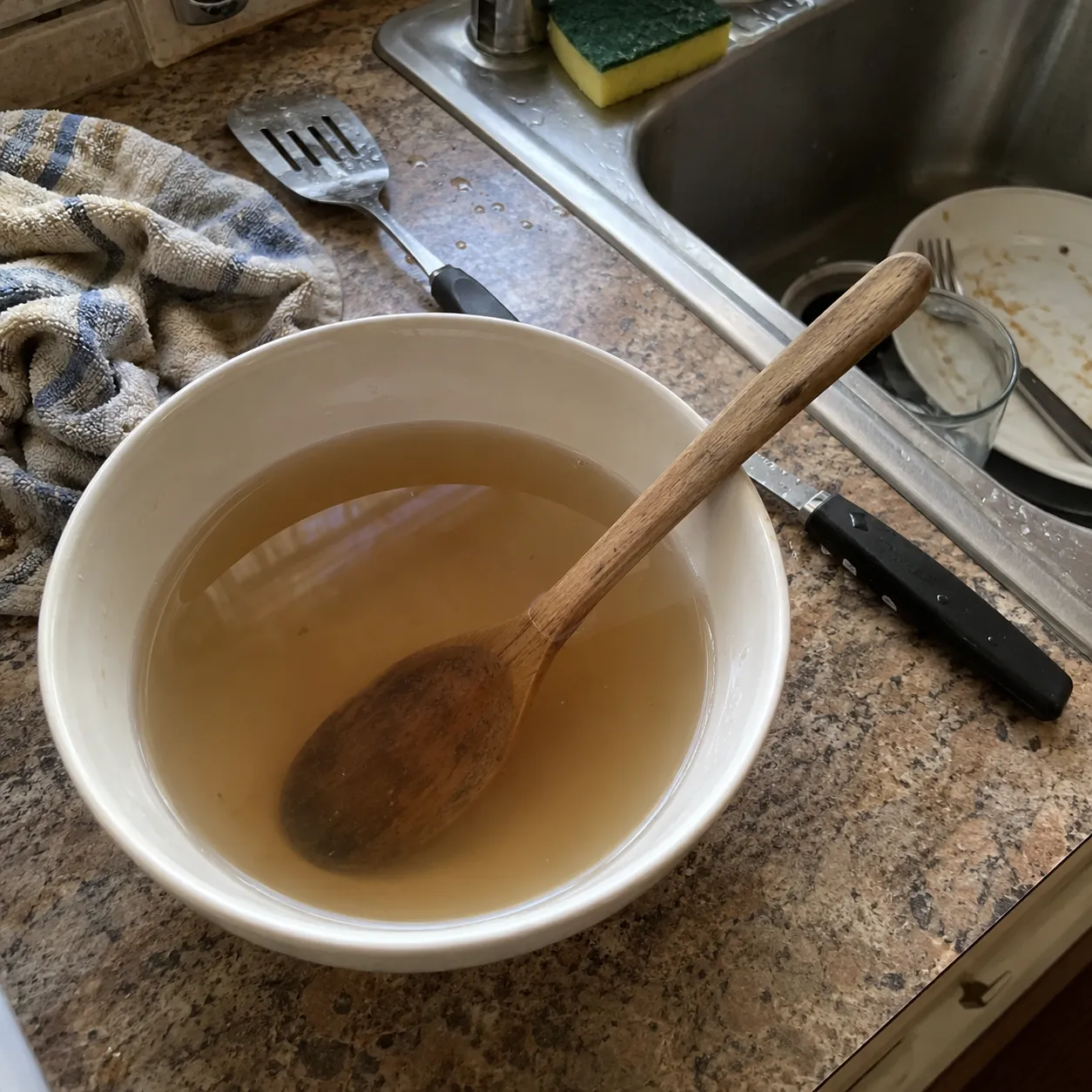
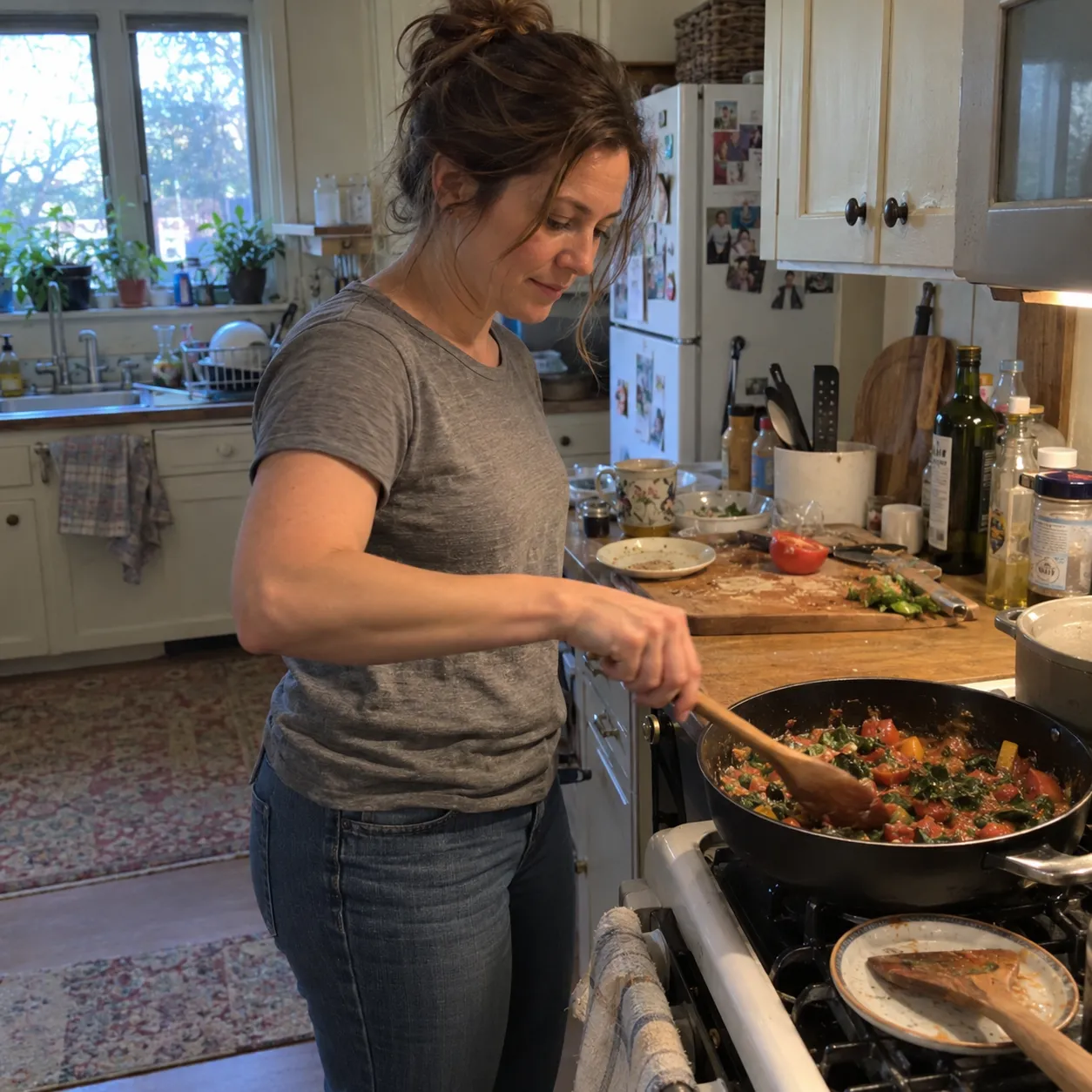
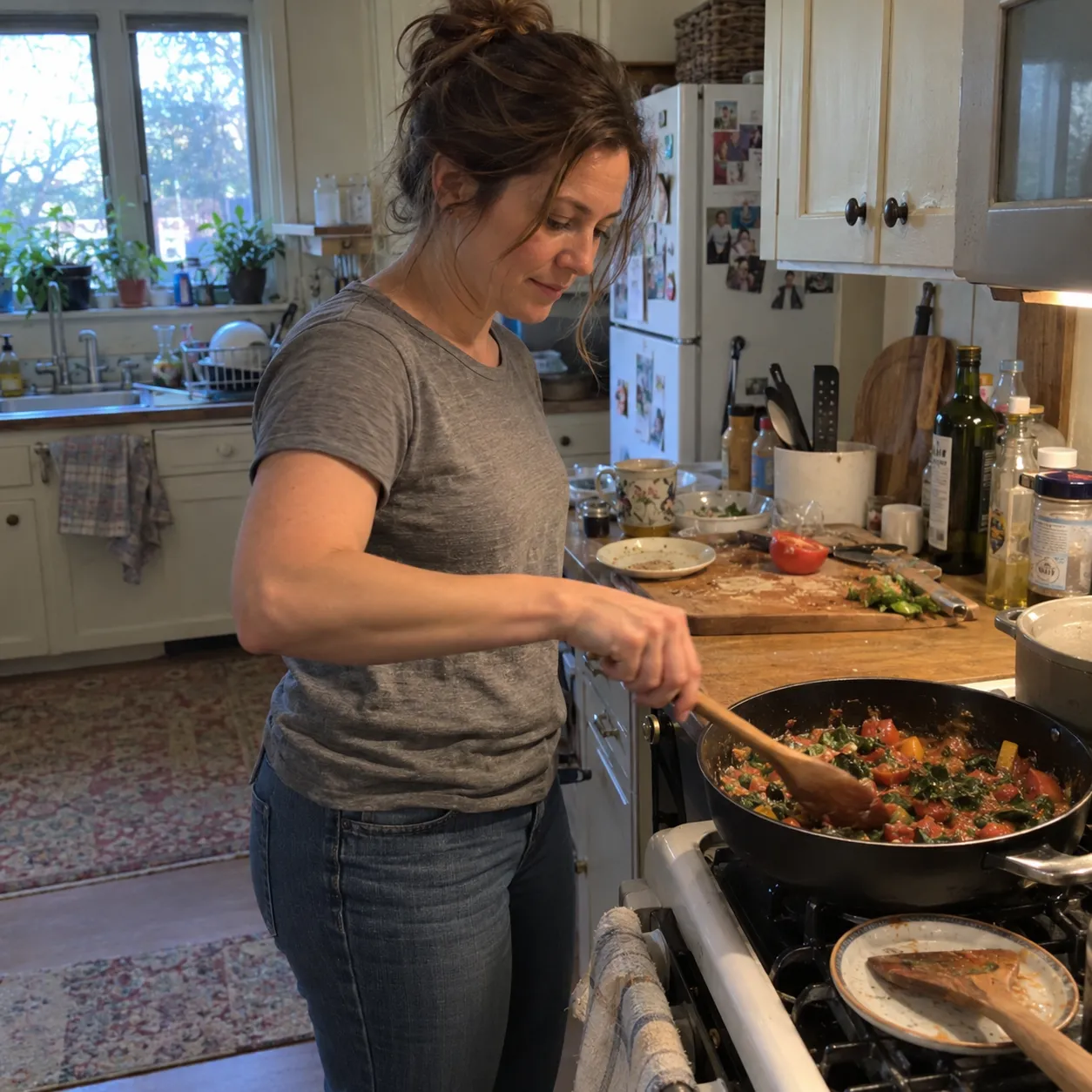
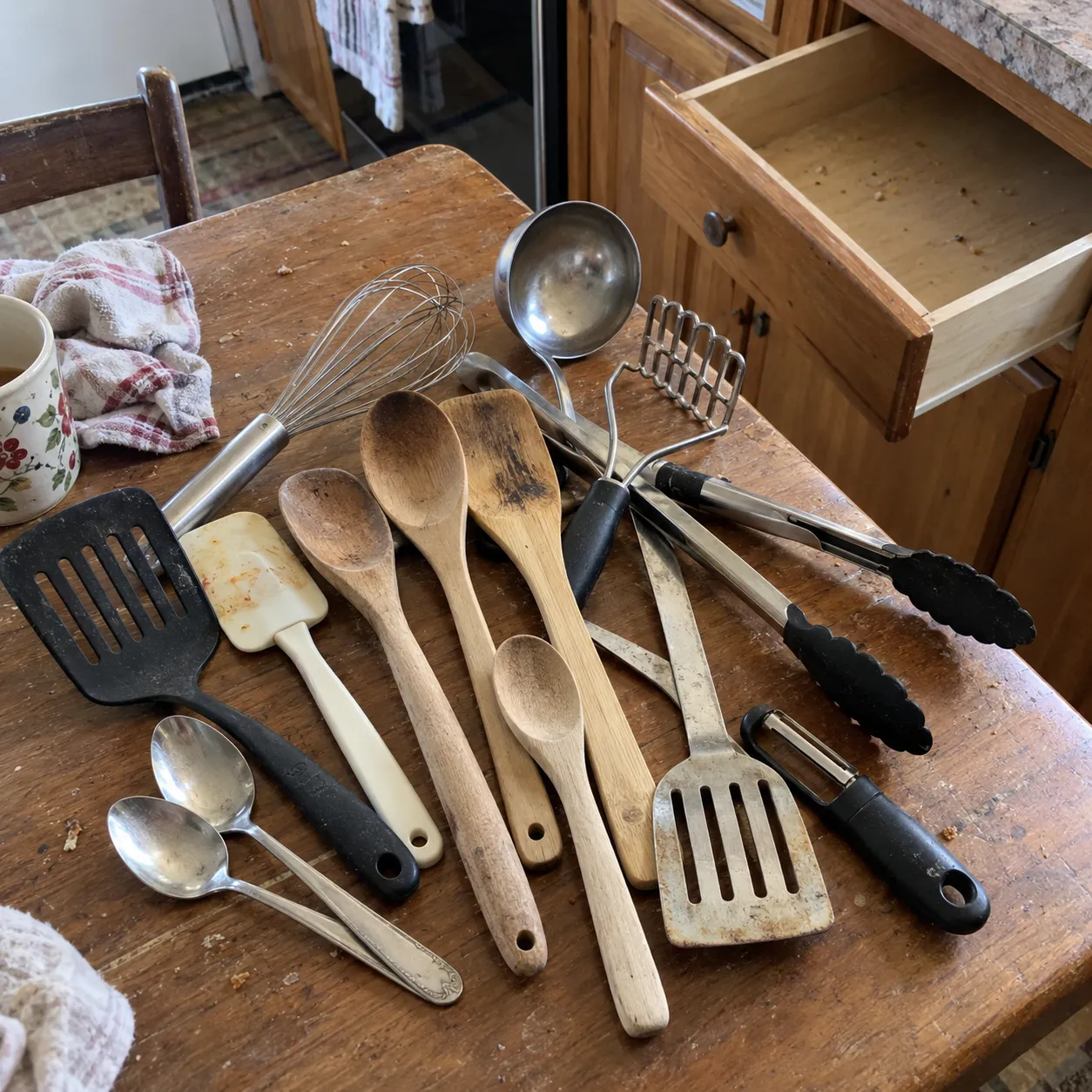
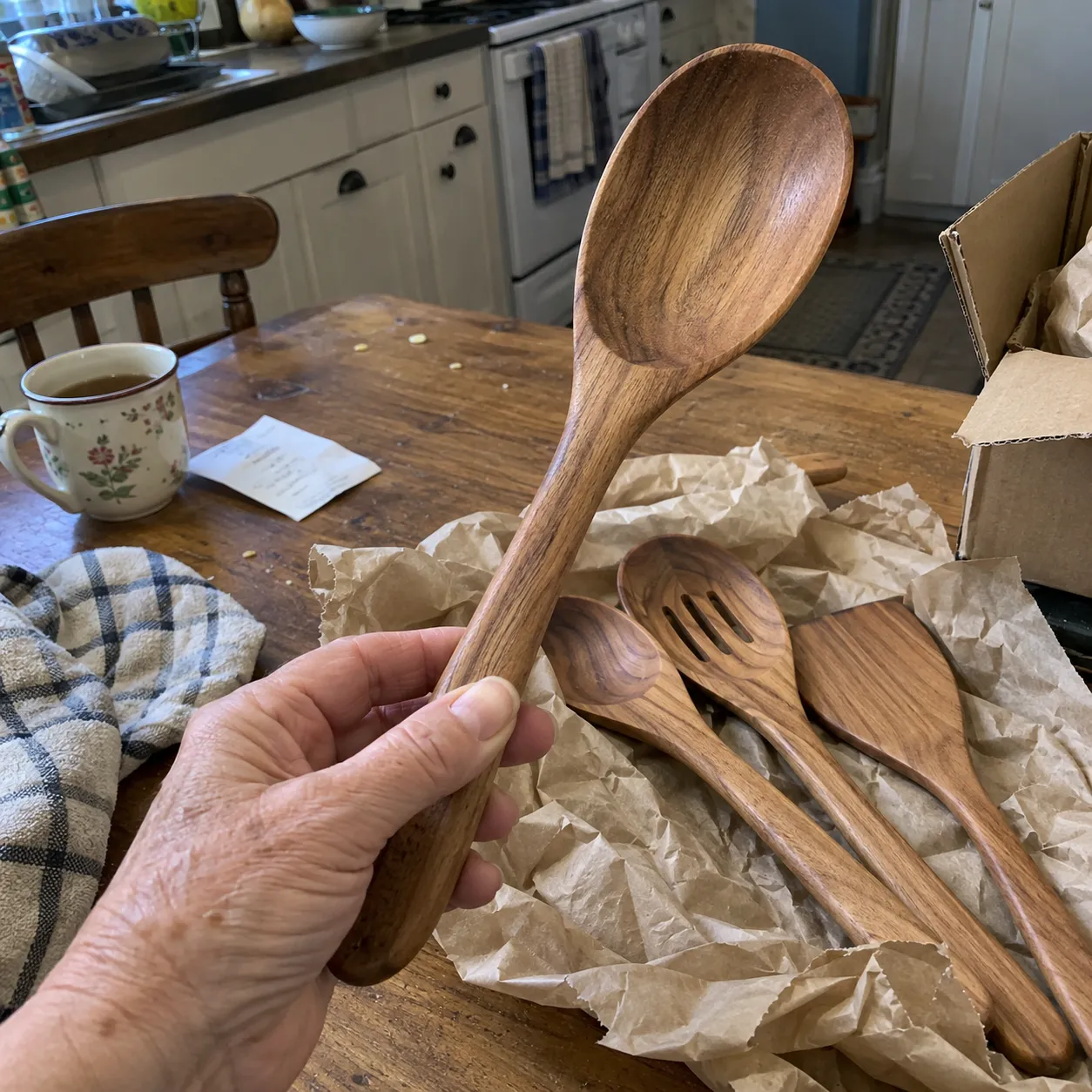
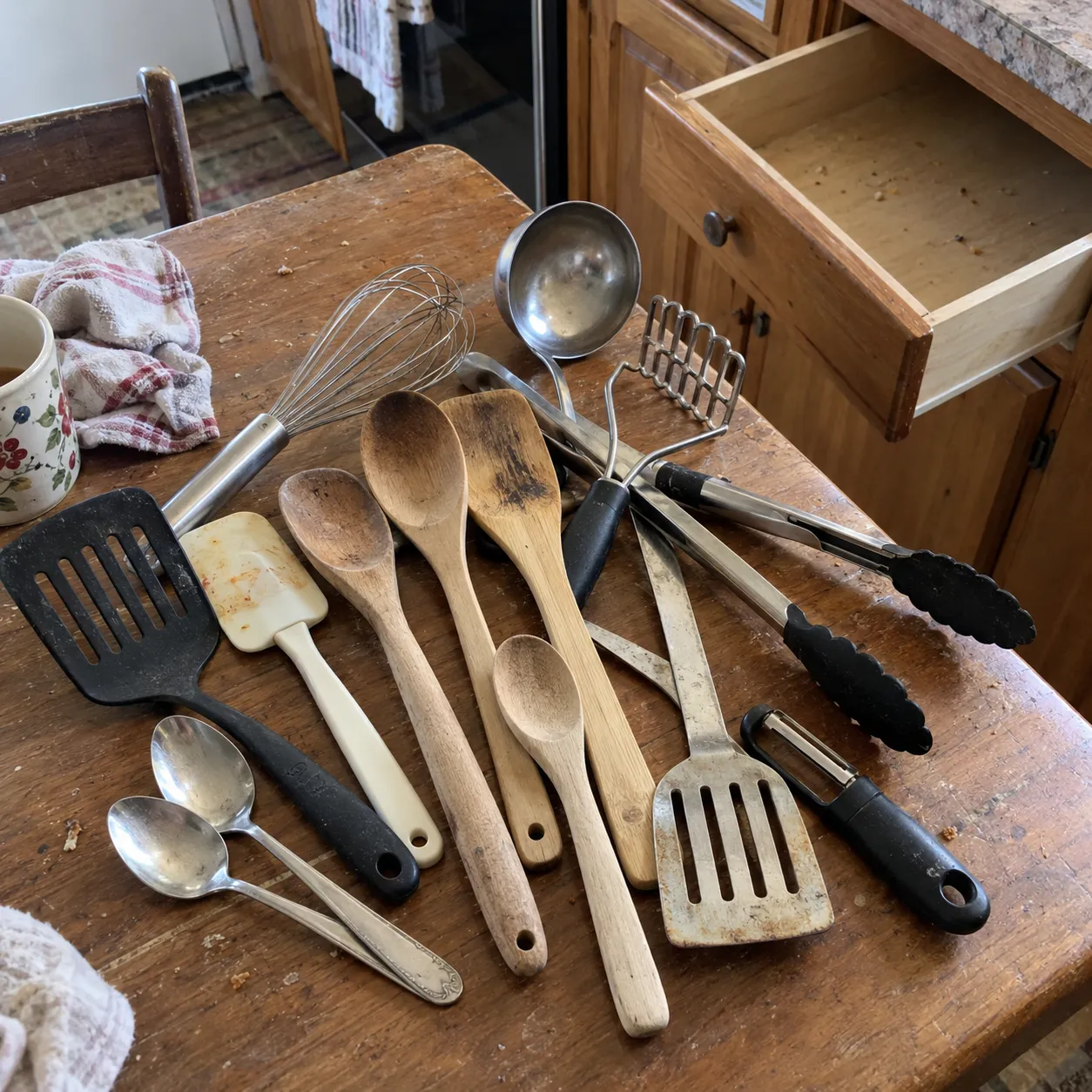
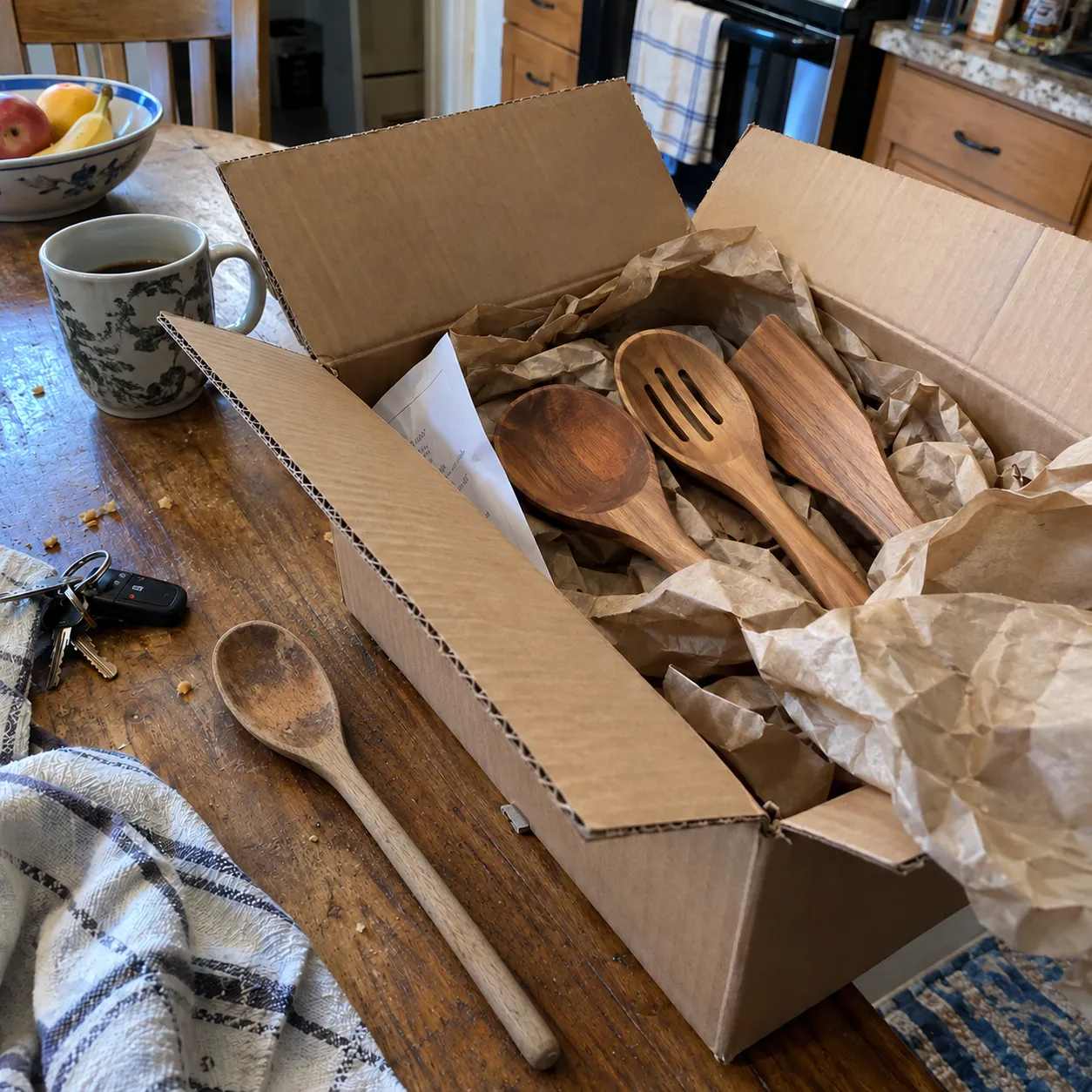
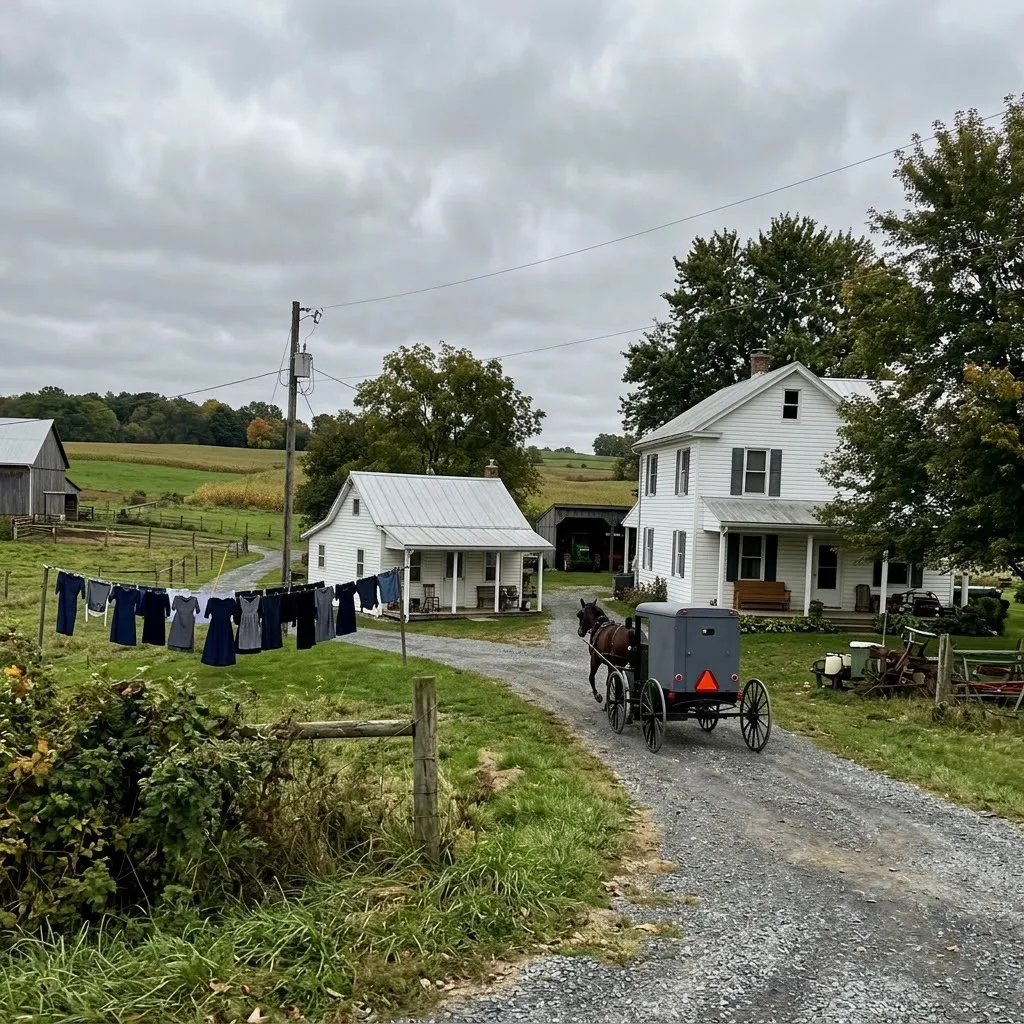
My married 34-year-old son was having an affair with our 74-year-old widowed neighbor. I marched across the street to destroy her — she ended it on the spot, put the kettle on, and now she's my best friend. I'm 61. I've lived in the same house on the same street in Ohio for 23 years. My son is 34. He's married. I won't use his real name — his wife reads these things. Let's call him Daniel. Two years ago, a widow moved into the smallest house on our street. She'd sold her farm after her husband died — too much land for one person, she said later. And I'll be honest about my first impression, because the rest of this story doesn't make sense without it: I thought she was odd. She ripped out her front lawn and put in raised garden beds. She hangs her laundry outside on a line, like it's 1960. In August she cans tomatoes with the windows open and the whole street smells like somebody's grandmother's house. Someone complained about the clothesline on the neighborhood Facebook group. I didn't defend her. I want that on the record. I didn't defend her. Her name — the one she asked me to use, later — is Ruth. Here's how it started for me. I walk my dog at 6 in the morning, every morning, same loop. Twice in one month, I saw Daniel's car parked three houses down from mine. On Tuesday nights. The nights he tells his wife he's at the gym in the next town over. The first time, I told myself I was wrong about the car. The second time, I memorized the plate. It was his. The third time, I was out early enough to see it with my own eyes: my son, coming out of Ruth's side door at dawn, head down, keys already in his hand. He didn't see me. I stood on the sidewalk with the dog's leash in my fist and I could not make my legs move. A week later I was in his car — he drove me to a doctor's appointment, of all things — and there was a jar of tomatoes in the console. Handwritten label. The same handwriting as the "fresh eggs, knock anytime" sign on Ruth's porch. I didn't say a word to him. I'm ashamed of what I did instead, because it wasn't brave and it wasn't fair. I waited until Wednesday morning, and I marched across the street to shame a 74-year-old woman off my street. I had a speech. I'd been writing it in my head for days. I got two sentences out. I said my son's name, and I said the word "married." Ruth's face didn't show guilt. It showed confusion. And then something worse than guilt. She said, "Daniel's divorced. Two years, he told me." I said, "Daniel's wife is at work right now." There was a long silence in that doorway. Then Ruth picked up her phone — in front of me, she didn't ask me to leave, she didn't defend herself — and called him. He didn't answer. So she texted him. She let me read it before she sent it: "Your mother is in my kitchen. Don't come back." She put the phone face down on the counter and said, "I don't take what belongs to someone else. I'll put the kettle on." He had told her he was divorced. Seven months of Tuesdays. He fixed her gate. He ate her cooking. He let a widow believe she'd been lucky twice in one life. Two women ashamed of the same man, at one kitchen table. That's why I stayed two hours. Ruth wasn't the enemy. Ruth was the other person he lied to — and the only one on earth who understood. Now I have to tell you about the drive home, which was thirty seconds long, because it's the part of this story I'm least proud of. Pulling into my own driveway, I caught the thought I'd been swatting away all morning. It wasn't about Daniel. It wasn't even about his wife. It was: I understood what he saw in her. Ruth is 74 and she is more alive than anyone on this street. She's more alive than me, and I'm 61 — thirteen years younger than she is. I sat in my driveway hating myself for thinking it. I thought it anyway. I told Daniel's wife. I had to. Staying quiet would have made me part of it, and I'd already been quiet for three weeks too long. Daniel stopped speaking to me. He calls me the reason his marriage is in counseling — not the seven months of Tuesdays, me. His wife, of all people, is the one who hugged me in my kitchen and cried into my shoulder. And then the house went quiet the way houses do. I stopped cooking Sunday dinners, because there was no one coming to them. I ate over the sink. My husband started working late and buying tools he never opens. That's how our family grieves — separately, in different rooms. Three weeks in, there was a pie on my porch. And a note, shaky cursive: "You did a right thing, not an easy one. Kettle's on Wednesdays." I sat with that note for two days. Then I crossed the street. It became standing. Wednesday mornings, every week. My son's ex-mistress became the person I tell the truth to. Write that sentence about your own life and see how it feels. Over the Wednesdays, something kept nagging at me. Every house on this street came from the same builder. Same layouts, same kitchens, same drawers — I could find the utensil drawer in any house on this block blindfolded, and I know without looking that it holds the same things mine does. Except Ruth's house. Ruth brought the farm with her in boxes. Shelves of her own jars. A garden where a lawn should be. Nothing in that kitchen with an ingredients label. On her feet from six in the morning — garden, kitchen, garden again. And on the counter by the stove, a stoneware crock of worn wooden spoons, smooth as river stones. I asked about them once, offhand. "My mother's," she said. "Small-leaf acacia. They've outlived two farms." I didn't think much of it. Yet. It was maybe the sixth Wednesday, shelling beans at her table, when I finally asked the question I'd been circling since that thirty-second drive home. And I asked it the shameful way, to her face, because she'd earned the truth from me. "What did he see in you? I'm not being cruel. I'm 61 and I'm tired all the time. You're 74 and you're not. Same street, same grocery store, same weather. What are you doing inside this house that I'm not doing inside mine?" Ruth laughed. Then she took it seriously. She said there's no secret — just three things, and she didn't choose them, the farm chose them for her. "When I sold it, I was afraid I'd leave them behind. Turns out they fit in boxes." One: what she eats. Everything whole, from the ground, from scratch — that garden out front isn't decoration. I told her, a little proudly, that I've read labels and bought organic for years. She nodded. "Most careful people have that one half-right already." Two: how she moves. A farm never let her sit down, so she built a small one in a subdivision. The garden, walking everywhere, never still. I do my morning dog walks, so — halfway there. Three: what touches the food. "This is the one nobody on this street checks," she said. "Same drawer in every house. I've seen your kitchens." She asked what was in my drawer. I answered honestly, because by now lying to Ruth felt impossible: plastic spatulas from the 90s I never threw out. A bamboo set I bought specifically to be healthier. And a pretty wooden set from Amazon — my second one, actually. The first cracked after 4 years. Ruth shook her head slowly. "Same four things in every American kitchen." And then she went through them, one by one. Plastic. People think BPA-free means safe — I did too. But she told me they mostly swapped BPA for BPS, the same chemical family. And at high heat, plastic sheds microplastics straight into the food. Bamboo — the set I bought to be healthy. It sounds natural. But bamboo isn't wood — it's grass, compressed together with formaldehyde glue — a known carcinogen. Heat releases it into the cooking. Silicone. "Food-safe" on the label — until it's pushed past a certain heat, and then it sweats out compounds called siloxanes. And the pretty wooden sets, the trap I fell into twice: they look beautiful in the pictures because of an industrial lacquer over cheap wood. It's never on any label. It breaks down with heat and washing. That's why my first set cracked at 4 years. Then she said the thing I trust her most for saying: "I'm not promising you anything. I'm not a doctor, I'm a farmer without a farm. They find these plastics in people's blood now — what it's linked to, they're still studying. I just never let it in my kitchen. And I'm the one you came to ask." She didn't demo anything. There was nothing in her kitchen to demo. She just said: "Tonight, put your wooden ones in a bowl of water. Leave them till morning. Then come tell me." That night I filled my mixing bowl with warm water and put the Amazon set in before bed. In the morning, the water was brown. I stood at my counter for a long time. Four years of Sunday dinners with that set — back when there were Sunday dinners. I crossed the street in my robe. My first words at her door: "You knew what I'd find." "That's the lacquer," she said. "Now go throw the whole drawer away." That afternoon I emptied it. Plastic, bamboo, wood — all of it, into one trash bag. I counted 17 pieces. Then I asked her the obvious question: what am I supposed to cook with, spoons like your mother's? She told me one piece of small-leaf acacia has no coating, no glue, nothing added. One piece of wood can't leak what it doesn't contain. It's naturally non-porous, so bacteria and mold don't grow on it, and it doesn't scratch pans. Her crock has outlived two farms — real solid wood doesn't break down at 4 years like a coated store set. It only gets better. She can't give hers away. There aren't enough of her mother's left. But when she sold the farm, her daughter was afraid town would take her ways from her — so the daughter found who still makes them the old way. Solid small-leaf acacia with a non-toxic food-grade finish. A set went into the moving boxes with the crock and the canning jars. Ruth tore the corner off a seed catalog on her counter, wrote a word on the blank side in shaky capitals, and handed it to me. "My daughter's finding. Tell them what you want — somebody out there still makes it." I ordered a set that night from my kitchen table. Texted Ruth a photo of the trash bag at the curb. She replied with a photo of her crock. Week one, the set arrived. I soaked it first — I had to know. The water stayed completely clear. Then I cooked a real dinner for two, and for the first time in months my husband ate it at the table instead of in front of the TV. Week two, I invited my daughter-in-law over. Yes — that daughter-in-law. First time in ten years it had ever been just the two of us at a table. Week three, she said something unprompted: "This house feels different than last year. Good different." Week four, I carried a peach pie across the street on a Wednesday. Ruth ate two slices and asked for the recipe. From a woman who cooked on a farm for fifty years, that's a medal. Week five, I caught myself cooking on a random Tuesday evening, for no one in particular. Kitchen lights on, radio on. I cried a little at the stove, and it wasn't about Daniel. I will be honest with you: Daniel still barely speaks to me. His marriage is in counseling and nobody knows how that ends. I'm 61 and I broke my own family open by telling the truth, and some nights that's unbearable. But every Wednesday there's a kettle across the street, and a 74-year-old woman my son lied to — who handed me a way of living instead of a grudge. My son found her first. I'm the one who got to keep her. If you only remember one part of this, remember the drawer. Plastic sheds into hot food — and BPA-free just means a different plastic. Bamboo isn't wood; it's grass glued together with formaldehyde glue — a known carcinogen. Silicone sweats past a certain heat. And cheap coated wooden sets hide a lacquer that's never on the label — soak yours in water overnight if you don't believe me. One solid piece of small-leaf acacia has nothing to shed. Nothing added, nothing hidden. That's the whole idea. The brand Ruth wrote on that seed catalog is Woodsen. They're a small company — you won't see them in stores, and Ruth had never heard of them until her daughter went looking for who still makes utensils the old way. Solid small-leaf acacia, a non-toxic food-grade finish, sets of 4, 7, and 10. And a Lifetime Guarantee: if anything ever cracks, warps, or wears out, they replace it or give your money back. Forever. Here's the thing that finally made me act, and I'll say it the way Ruth said it to me: this isn't about one dinner. It's every stir, every scrape, every meal, for years. My set sat in that drawer for 4 years. Whatever it was shedding, it wasn't taking Sundays off. The sooner it's out of your kitchen, the sooner it stops adding up. One warning — I ordered my set, then went back a few weeks later to get one for my daughter-in-law, and the size I wanted was sold out for almost a month. Small company, real wood, they make what they make. If you see your size in stock, that's the time. I bought three sets in the end. Mine, my daughter-in-law's, and one I left on Ruth's porch with a note — so her mother's spoons can finally rest. Daniel took a lot from this street. Ruth gave more back — a kettle, a Wednesday, and a drawer I never have to wonder about again. P.S. — A few people asked me where to find the set after I told this story... I thought I'd put the link in and I hadn't, I'm sorry! It's below now. And I believe they're running a sale at the moment. https://woodsen.co/pages/ac2 P.P.S. — If your size is in stock, don't wait. And if you don't believe me about your own spoons — a bowl of water tonight will settle it by morning.
More from Your Daily Health

fb.com
Your Daily Health

Say no to chemicals in your food!
Your Daily Health
Say no to chemicals in your food!
Your Daily Health
Say no to chemicals in your food!
Your Daily Health
Say no to chemicals in your food!
Your Daily Health
Say no to chemicals in your food!
Your Daily Health
Say no to chemicals in your food!
Your Daily Health
Say no to chemicals in your food!
Your Daily Health
Say no to chemicals in your food!
Your Daily Health

Say no to chemicals in your food!
Your Daily Health
Say no to chemicals in your food!
Your Daily Health
Say no to chemicals in your food!
Your Daily Health

 Add to Chrome