
That's Plastic. Not in Irene's Soup.
Ad Copy
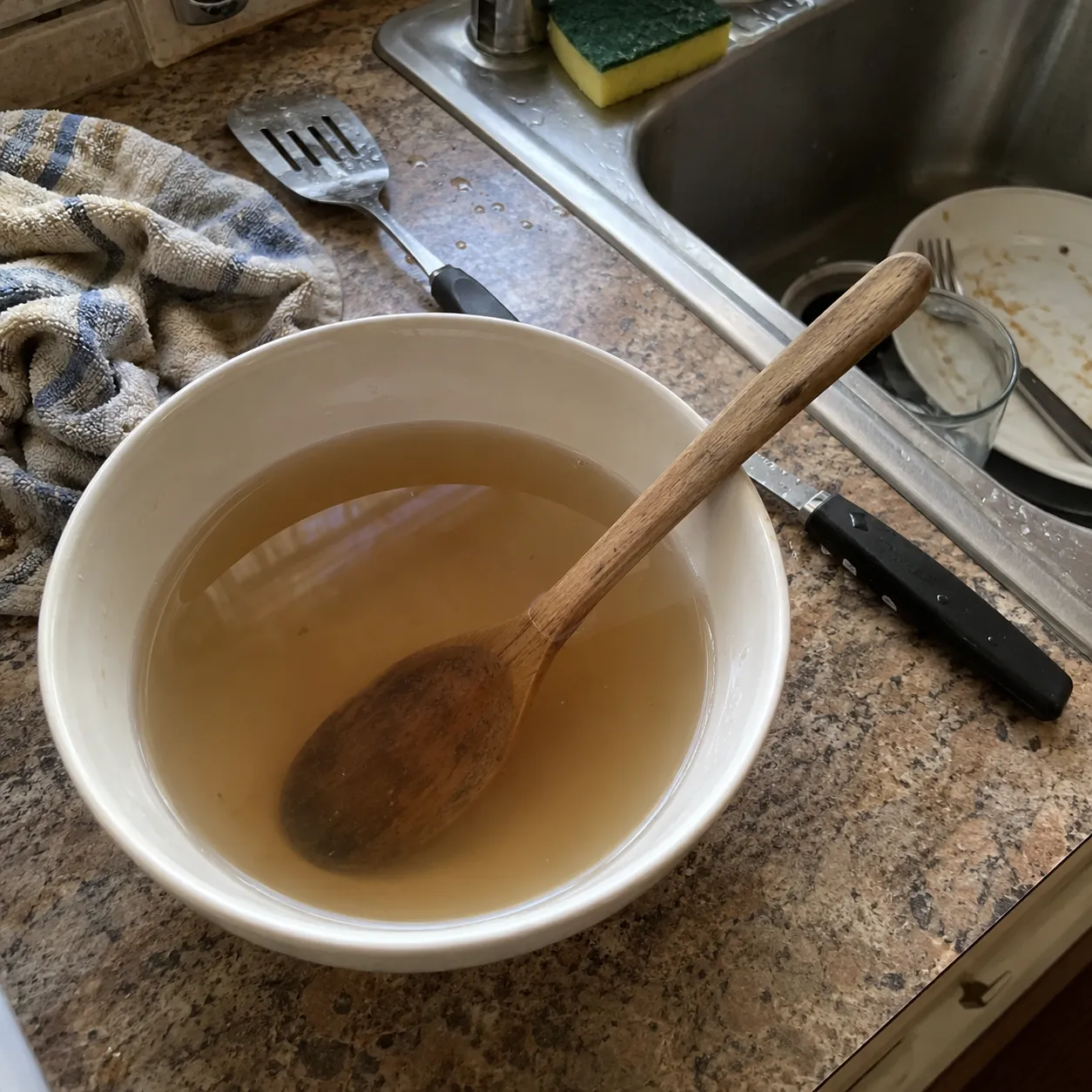
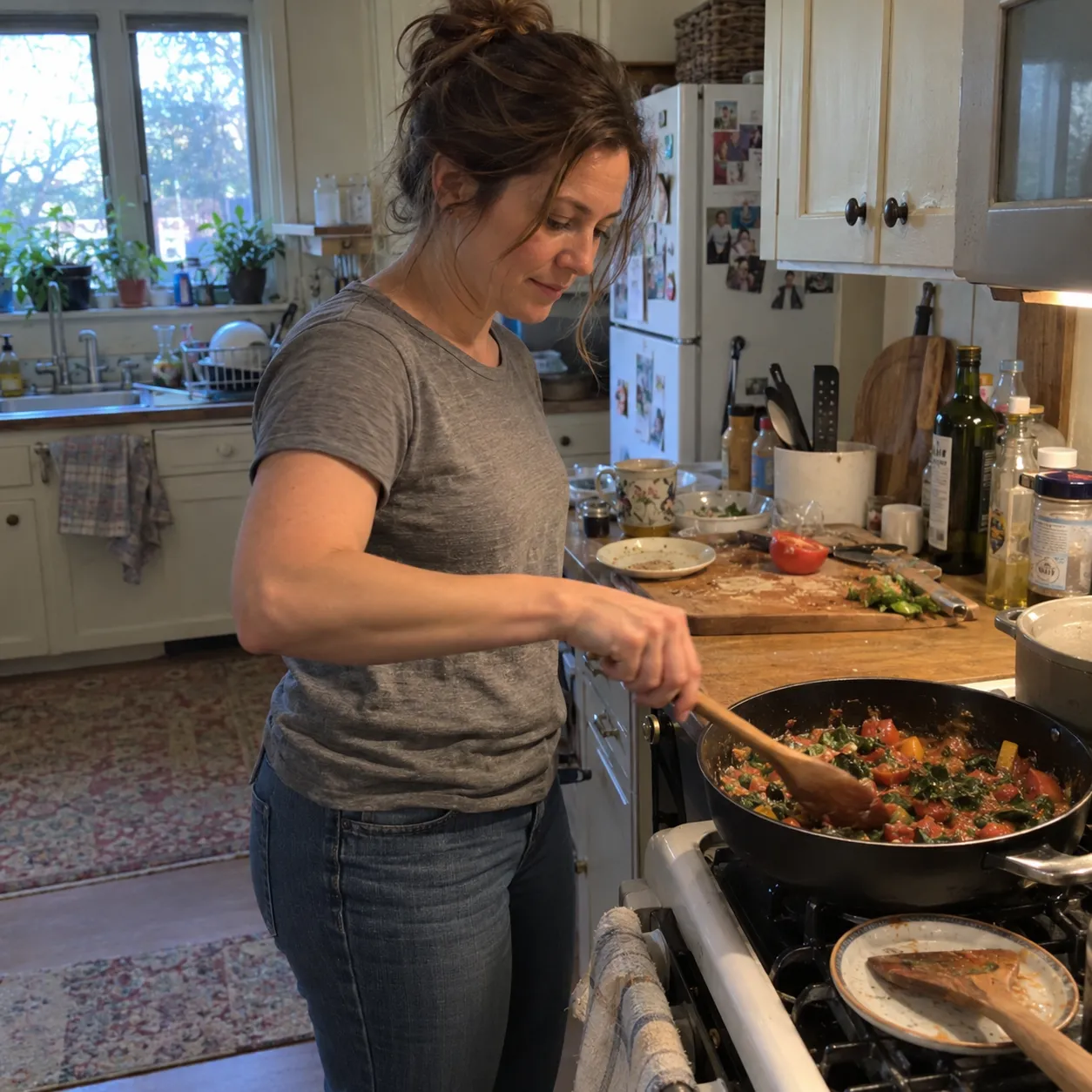
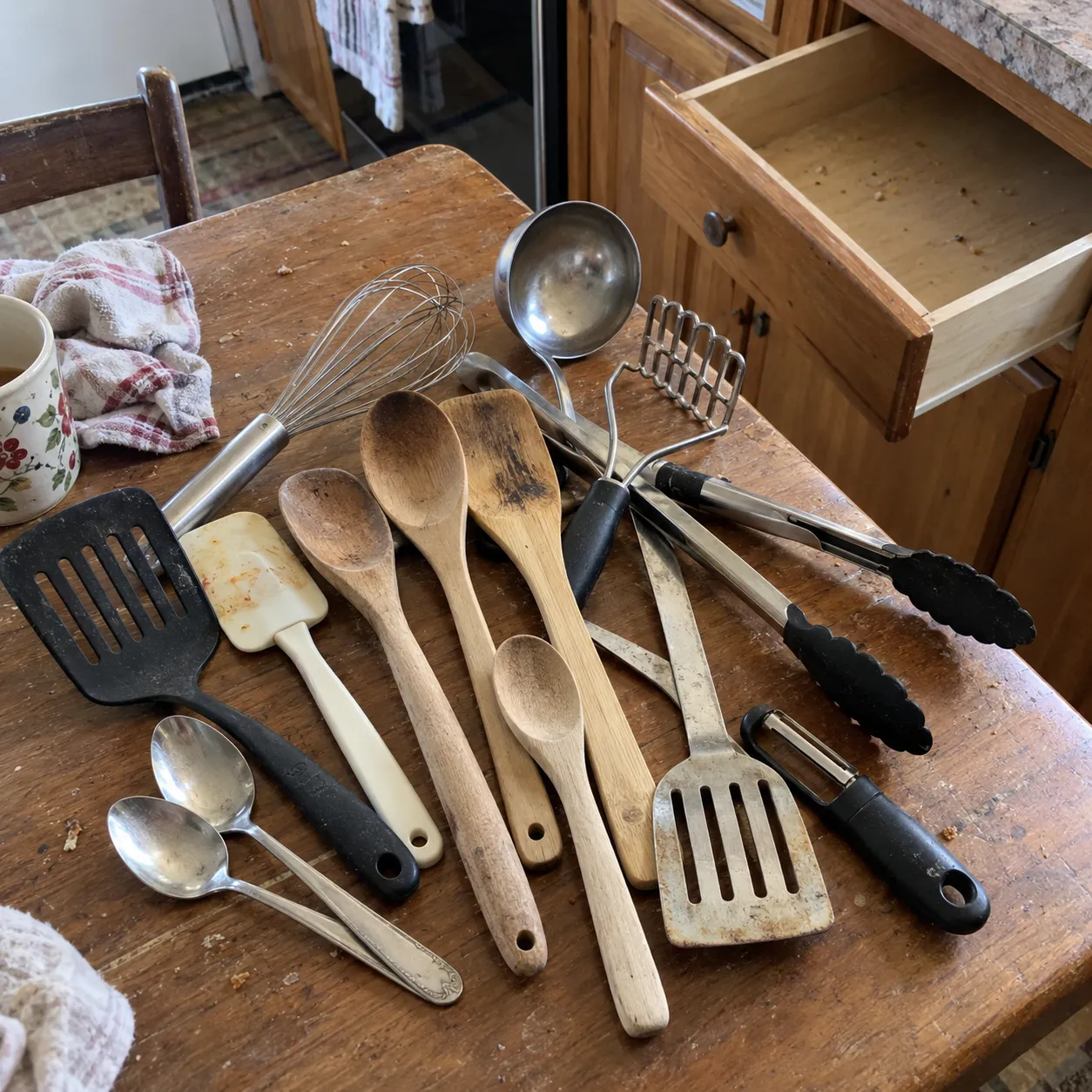
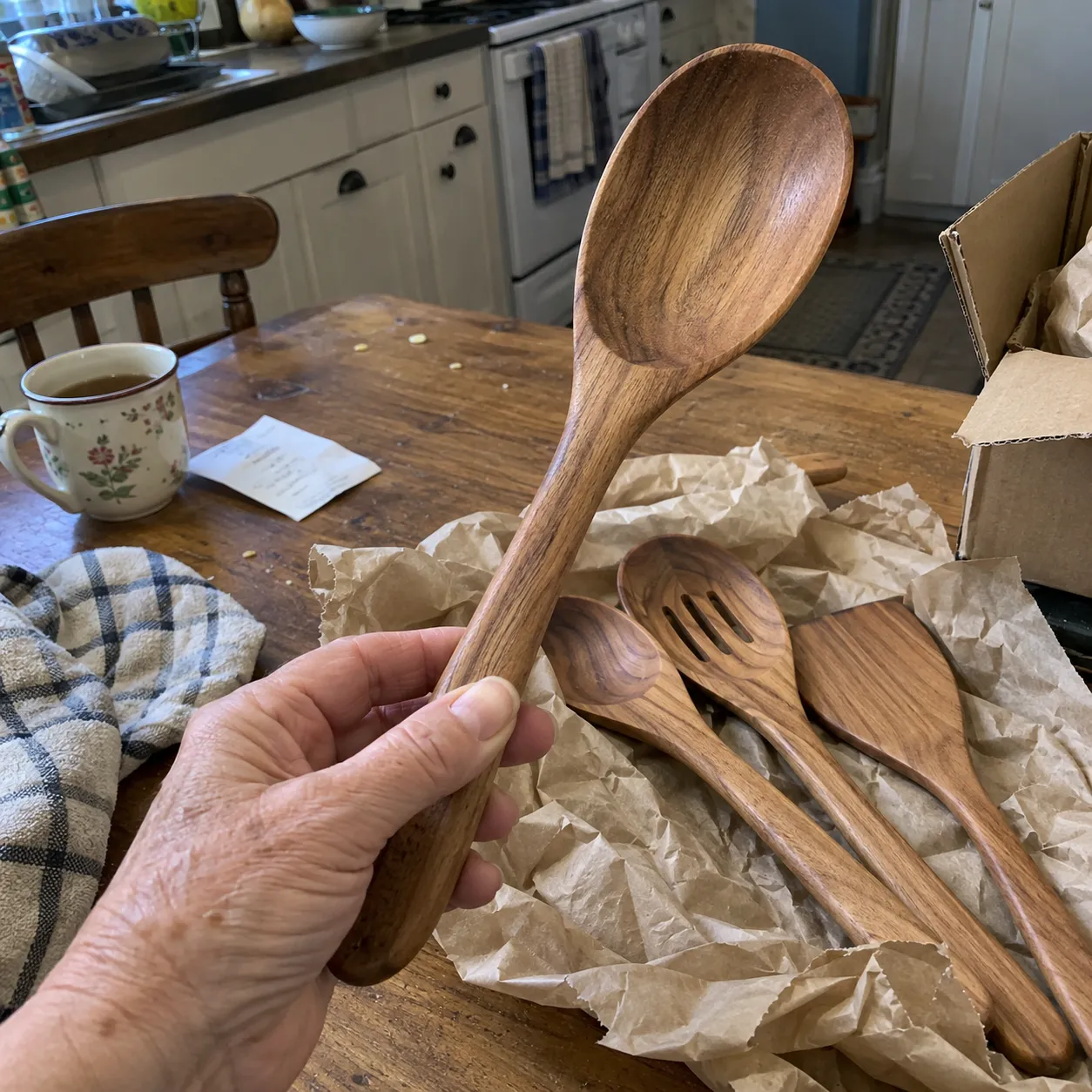
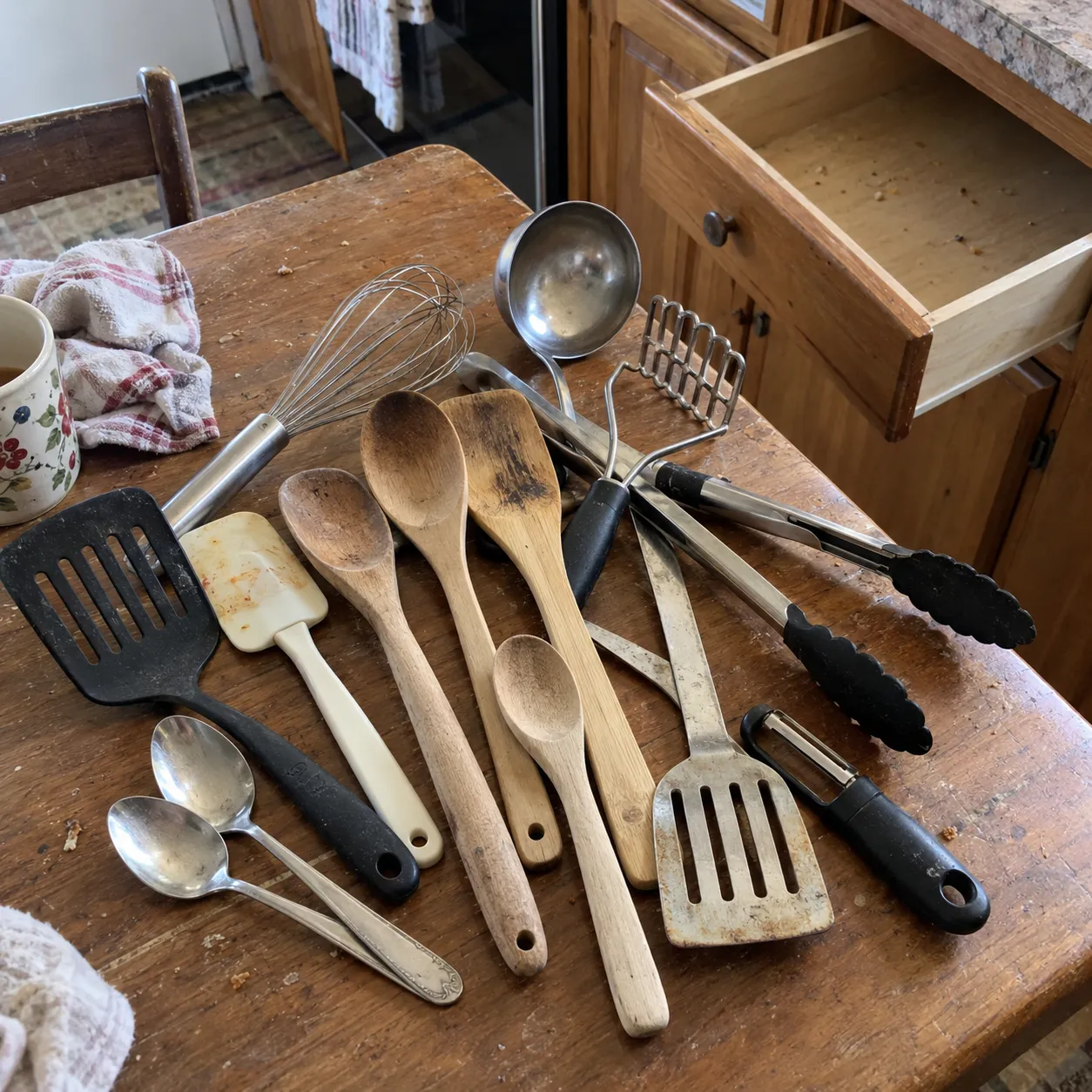
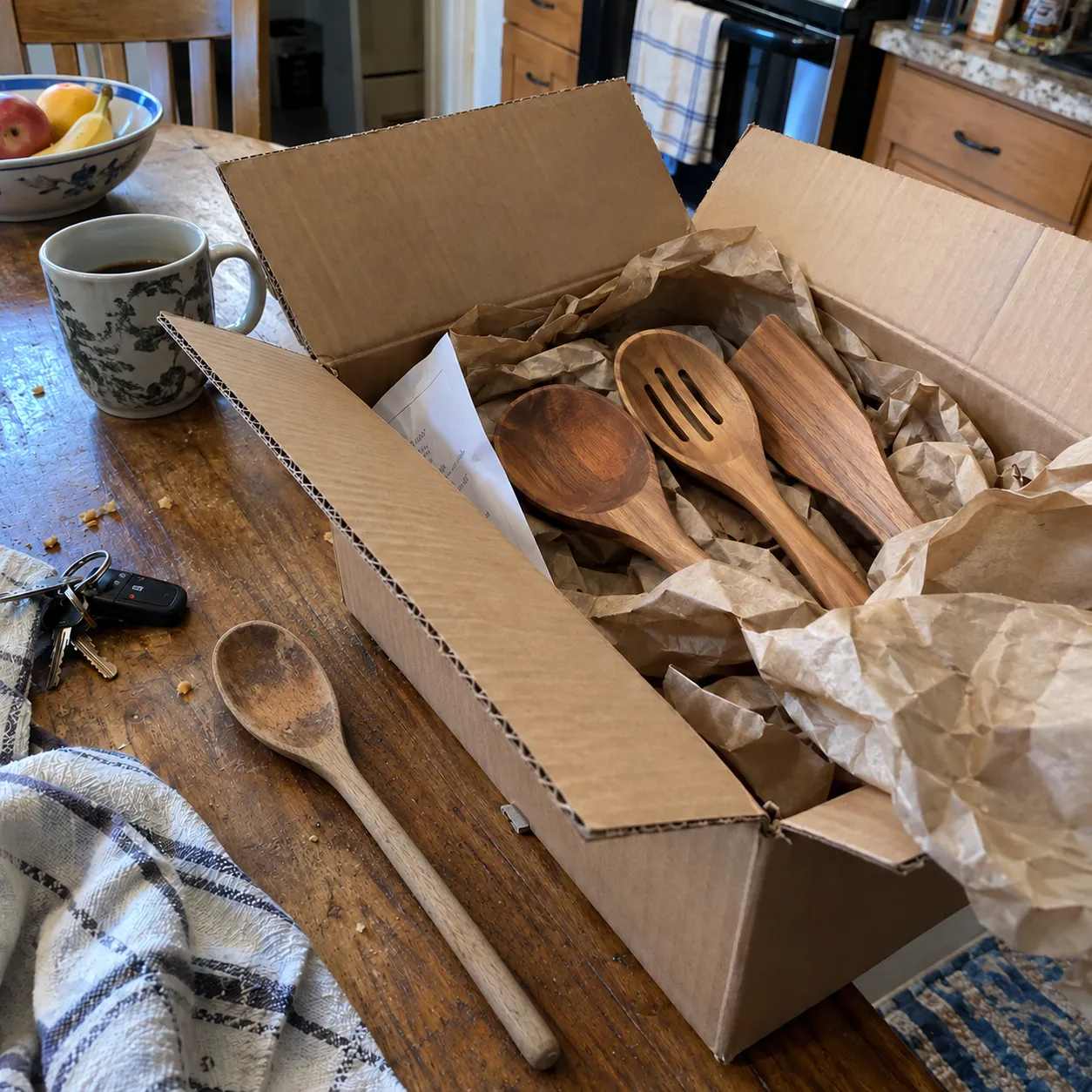
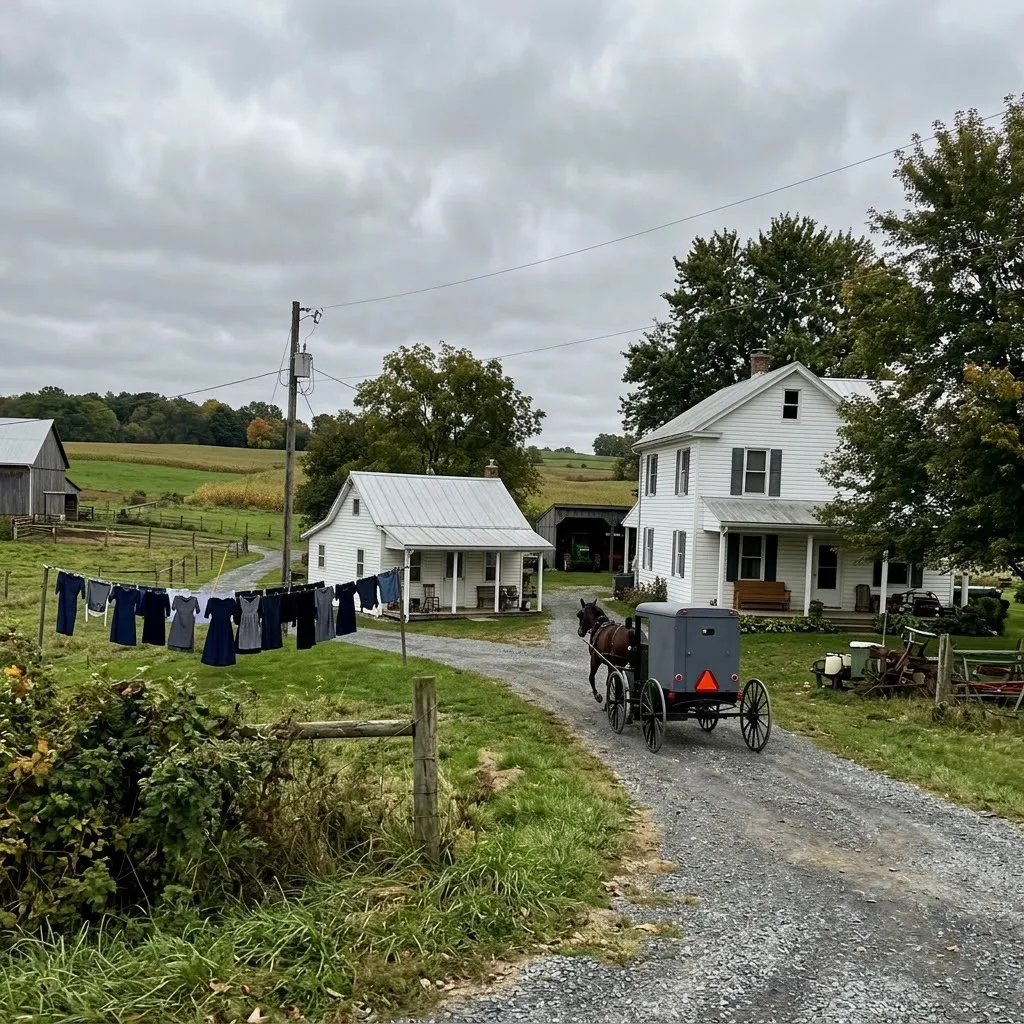
My husband hadn’t said one word about his mother’s split pea soup in twelve years. Last Christmas week he came in off our pond at dusk, took one spoonful at the window and said, “That’s Mom’s.” An 87-year-old Amish woman had stirred it all afternoon on my stove. I have made it from his mother’s card every winter since she died, and it has only ever come out close. Every Christmas week, the Amish families on our road skate on our pond. Last year their oldest grandmother came up to the house to get warm and took the ladle out of my hand, and what she told me at my own stove is the reason there are now three heavy boxes in our family, in three different states. I’m Barb. I’m 66, and my husband, Roger, and I live on his family’s farm outside Strasburg, Pennsylvania. I ran a town water plant for thirty-one years, which means I spent my working life testing for things nobody could see. Roger’s father dug the pond in 1958. The first winter it froze, the Stoltzfus family from across the road came to the edge of it with their skates over their shoulders, and he told them they could skate on it as long as there was a pond. Nobody has ever taken that back. So every Christmas week, as soon as the ice is four inches thick, they come. Forty or fifty of them, from the little ones on their first skates to grandparents pushed around the ice on kitchen chairs. The men build a fire on the bank. The women bring cookies and a kettle of cocoa for the fire. And for forty years, Roger’s mother, Irene, made split pea soup for everybody, from the bone of the Christmas ham. Irene’s soup was famous on our road. Split peas soaked overnight, the ham bone, onion, carrots, celery, a bay leaf and black pepper. She started it at seven in the morning and stirred it all day, because split peas settle and scorch the minute you stop. Her card is in my recipe box now, in her handwriting. Seven things and one rule: “Stir from the bottom. Don’t let it catch.” Irene died twelve years ago, and I’ve made the soup every Christmas week since. I make it from her card, with the bone from our own Christmas ham. It comes out close. A little thin. A little gray. The Stoltzfus children eat it and thank me. Roger eats it and says nothing. Roger drove a milk truck for thirty-eight years. He talks to cows more than he talks to people, and he has not complained about a meal since 1979. He just doesn’t say anything, and I’ve learned what that means. Last year the ice was ready the day after Christmas. By noon there were forty-three people on the pond, and I had Irene’s soup going in her big kettle on my stove, and I was stirring it with my black plastic ladle, the big one, the way I always do. Sadie Stoltzfus came up to the house about one o’clock to get warm. She’s 87. She was nineteen that first winter, and she skated on it until she was 80. Now she sits by the fire on the bank in a blanket and tells the young ones they’re doing it wrong. She stood at my stove and held her hands over the kettle. Then she looked into it. Then she took the ladle out of my hand and laid it on the counter. “That’s plastic,” she said. “Not in Irene’s soup.” I laughed, because I didn’t know what else to do. I had known Sadie for forty-four years, and I had never heard her say a word about anybody’s kitchen. She opened the back door and called down to her grandson at the fire, and he came up the hill with the long wooden spoon out of the cocoa kettle. It was dark as coffee, and the bowl was worn flat on one side. Sadie wiped it on a dish towel, pulled a stool up to my stove and stirred Irene’s soup from the bottom, slow, for the rest of the afternoon. At dusk the skaters came up to the house to eat. Roger came in last, the way he always does, with his ears red and his skates still in his hand. I gave him a bowl, and he stood at the window to eat it, looking out at the fire. He took one spoonful. Then he stopped. “That’s Mom’s,” he said. He didn’t say anything else. He didn’t have to. Roger hadn’t said one word about that soup in twelve years. I tasted it from the ladle. It was thick and smoky and green, and it held to the spoon the way Irene’s did. It tasted like her kitchen in 1980, with the windows steamed and the radio on and the skaters stamping snow off their boots on the porch. When the last of them had gone home, I sat down with Sadie at my kitchen table. “You made it from Irene’s card,” I said. “In Irene’s kettle, with my ham bone and my peas. And mine hasn’t tasted like that once in twelve years.” “I didn’t make anything,” Sadie said. “I stirred. It’s her card, her kettle and your ham. So what did I change?” I knew. I had been looking at it all afternoon. She picked my black ladle up off the counter and turned it over under the light. “Look at the edge. Was it straight when you bought it? Then where do you think the rest of it went?” I bought that ladle new six years ago. The lip was thin and ragged now, worn lower on the side that scrapes the bottom of the kettle. For thirty-one years I tested what came out of the town’s taps, down to the parts per billion. I had never once looked at what I stirred with. Then she asked what else I cook with, and I showed her. Two red silicone scrapers. A bamboo spatula from a church bazaar. And the wooden spoons from the grocery store, the pale ones that come three to a package. Sadie looked at each one the way she looks at the ice before she lets the little ones on it. “The red ones go soft in a hot pot. I don’t know what’s in them, and I’m too old to find out.” “Bamboo is grass. Somebody glued it into a spoon. And those store spoons are soft wood, glued up out of strips. Hot soup finds a glue line faster than you’d think.” “My father had a saying. If God didn’t create it, don’t use it.” “Sadie,” I said, “Roger’s eaten off that ladle for six years. He’s 69, and he still skates.” “I didn’t say he was sick,” she said. “I said it wasn’t Irene’s soup. He told you that himself.” “Tonight, stand every spoon you have in a jar of water from your tap. Leave them till morning. The wood will tell on itself. The plastic won’t tell you anything. That’s worse.” Before she went down to the buggy, I asked if I could buy her spoon. Roger said he’d pay whatever she asked. She laughed at him. “Those don’t get sold. They get handed down. That one goes to my granddaughter Rachel. She’s the one who’ll stir the cocoa when I’m gone.” Sadie’s daughter-in-law was at the door with the blankets. “Don’t look at mine, Barb,” she said. “It’s spoken for twice.” So that was two. “Then where do I find one?” I asked. “You won’t find mine,” Sadie said. “But you know what you’re looking for. One piece of wood. Carved, not glued. Hard, so it has weight to it. And whoever sells it has to tell you what tree it came from.” That night I did what I did at the plant every morning for thirty-one years. I drew samples. Nine clean jars, the same tap, the same temperature, one utensil to a jar, and a strip of tape on each with what was in it and the time. I know that water. I tested it for a living. Whatever showed up in those jars by morning, it didn’t come from the tap. In the morning, the three jars with the grocery store spoons were the color of weak tea. The bamboo jar had gone cloudy. The black ladle, the black spatula, the black spoon and the two red scrapers stood in water as clear as when I poured it. Sadie had said they would. Clear doesn’t mean clean. I said that to every new operator I ever trained, because half of what we tested for never changed the color of the water. I had never once said it about my own kitchen drawer. One night, in cold water. And I had been stirring Irene’s soup with spoons like those for twelve winters. Roger stood over the jars with his coffee and didn’t say a word. Then he got a trash bag from under the sink and held it open while I emptied the drawer. If your drawer looks like mine did, this is not your fault. I tested water for thirty-one years, and nobody told me either. When a result came back strange at the plant, I didn’t guess. I went and found out why. So after the skating was over, I sat down at the kitchen table with my reading glasses and checked everything Sadie had said. She was right about the store spoons. Cheap soft wood cracks and splinters and soaks up every smell, and whatever turned that water brown has been leaching into your food, meal after meal, for as long as you’ve owned it. She was right about the bamboo. Bamboo isn’t wood. It’s a hollow grass, so it can’t be carved from one piece. It’s thin strips compressed with formaldehyde glue, and formaldehyde is a known cause of cancer. Add heat and that glue releases right into whatever you eat. She was right not to trust the red ones. Silicone looks like it’s just softening, but that’s chemistry. Past a certain point of heat, siloxanes leach out. In 2018, Europe’s chemicals agency put three siloxanes on its list of substances of very high concern. Its words: very persistent and very bioaccumulative. It’s no better than plastic. At the plant, nothing went into the town’s water without a sheet that said exactly what it was. My red scraper came with a tag that said what heat it could take, and not one word about what it gave off. And she was right about the black ladle. Black plastic kitchen tools shed tiny particles into hot food. Some black plastic is made from recycled electronics and has turned up carrying flame retardants, chemicals linked to cancer. And US researchers keep finding microplastics in nearly every person they test, in blood and even in brain tissue. What it all does in there, they say, is still being studied. Sadie has never read a word of it. She has skated on that pond since the first winter it froze, and she knew Irene’s soup was wrong from across the kitchen. Sadie’s spoon was never going to be mine. So I went looking with her list. One piece. Hard wood, with weight to it. Carved, not glued. A seller who names the tree. I added one line of my own, because at the plant nobody’s sample counted until a second lab ran it. I wanted it tested by somebody who wasn’t selling it. That empties most of the shelf. Most sets say “acacia” and stop. They don’t say which acacia, or whether a spoon is one piece of wood or strips glued up and sanded, like the three that turned my jars brown. And every line on her list held up once I’d seen those jars. Soft wood drinks water, so it has to be hard, and hard wood is heavy in the hand. A glue line is a seam, and hot soup finds a seam, so it has to be one piece. One small company answered every line. Woodsen. Small-leaf acacia, the densest of all 1,300 acacia species. Every piece hand-carved from one solid piece of wood. No glue. Finished with food-grade oil. No plastic, no microplastics, no forever chemicals. Over 15,000 families cook with it. Third-party lab tested to FDA food contact standards, with zero chemicals detected. And a lifetime warranty: if a piece ever cracks, they replace it. It isn’t Amish, and nobody says it is. Sadie’s spoon came out of her mother’s kitchen, and she has never laid eyes on this. But it is one piece of hard wood, they name the tree, and somebody who wasn’t selling it tested it. In January our son-in-law, Paul, came for Sunday dinner. He pastors a Lutheran church in York. I told him about the jars, and he asked what kind of wood. “Acacia,” I said. He knew it by heart. “Exodus twenty-five, verse ten. And they shall make an ark of shittim wood.” “That’s acacia, Barb. The newer translations just print acacia wood. When God wanted a thing carried through the desert for forty years, that’s the wood He named.” I hadn’t gotten there through a Bible verse. I got there through a kettle of soup and an 87-year-old woman who came up from the pond to get warm. But I wrote the verse on the back of Irene’s card. I ordered the seven-piece set for my kitchen in Pennsylvania. I ordered one for Roger’s sister, Fran, in Richmond, Virginia, because she makes her mother’s soup every Easter and says it’s “almost.” And I ordered one for our daughter, Kelly, in Baltimore, because she’s the one who’ll make the soup for the skaters after me. That’s the three heavy boxes. Pennsylvania, Virginia and Maryland. When mine came, I took out the long spoon, and it had the weight of Sadie’s in my hand. I stood it in a jar from my own tap overnight, the same as the others. In the morning the water was clear. In February the pond froze again for a week, and the Stoltzfus children came back. I made Irene’s soup from her card, with one piece of wood, and I stirred it from the bottom and didn’t let it catch. Roger ate two bowls standing at the window. Then he picked up the phone and called his sister in Richmond, which he does about once a year. “Fran,” he said. “Barb’s got Mom’s soup.” Fran made it on a Sunday in March and called me from her kitchen with the spoon still in her hand. “Barb,” she said. “How?” I carried a bowl down to the fire for Sadie. She ate it on the bank with her mittens off. “Now that’s Irene’s,” she said. For twelve winters I blamed the ham, the peas, my stove and my own two hands. I even blamed the water, and I’m the one who used to test it. It took Sadie, at 87, with her hands held over my kettle, to show me the one thing Irene never wrote on her card: what she stirred it with. If you make your mother’s recipe, or your mother-in-law’s, from her own card, and it has only ever come out close, it might not be you. It might be the spoon in your hand. This Christmas week, the first day the ice will hold, the ham bone goes in the pot. Sadie says she’ll come up at one to make sure I’m doing it right. When I checked this morning, their page said up to 50% off, this week only. Thirty-one years of reading test results teaches you that when a number looks too good, you run it again. Half off looked too good. That made me suspicious, so I went looking for the catch. The only catch I found is that Woodsen is a small company, and they make their sets in small batches, so when a set sells out, it can take a while to come back. With Christmas coming, I wouldn’t count on them staying in stock, or staying at this price. Barb P.S. Here’s the exact set I bought. They were running a sale when I checked. P.P.S. Put every spoon in your kitchen in its own jar of water tonight. By morning, you’ll know. If the link still works, the price is still live.
More from Your Daily Health

fb.com
Your Daily Health

Say no to chemicals in your food!
Your Daily Health

Say no to chemicals in your food!
Your Daily Health
Say no to chemicals in your food!
Your Daily Health
Say no to chemicals in your food!
Your Daily Health
Say no to chemicals in your food!
Your Daily Health
Say no to chemicals in your food!
Your Daily Health
Say no to chemicals in your food!
Your Daily Health
Say no to chemicals in your food!
Your Daily Health
Say no to chemicals in your food!
Your Daily Health

Say no to chemicals in your food!
Your Daily Health
Say no to chemicals in your food!
Your Daily Health

 Add to Chrome