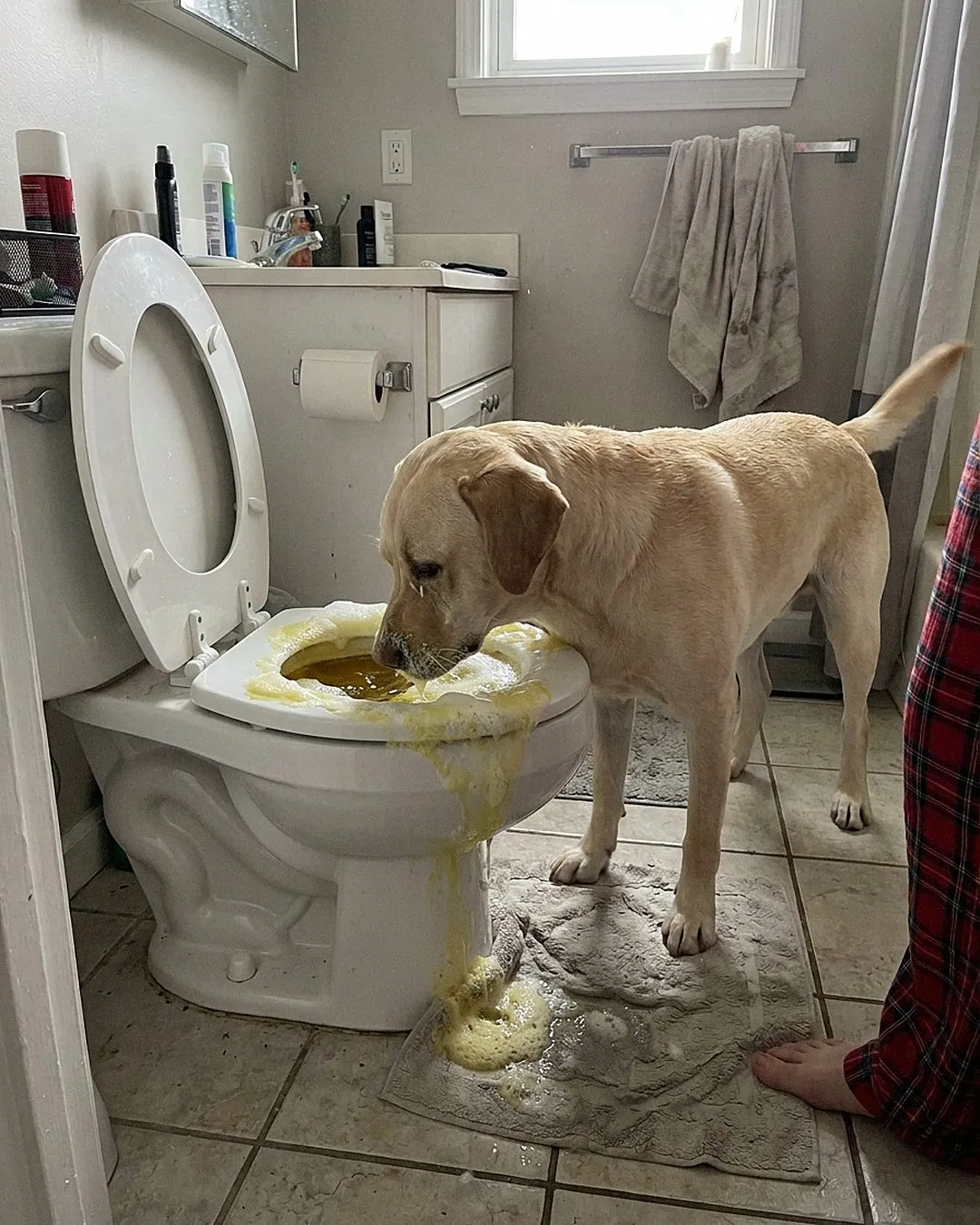
Eight months from foam to dialysis
Ad Copy
If your doctor says your sugar is "managed" and there's foam in your toilet that won't flush, here's what I'd do as a man who watched that same foam put his father in a dialysis chair. I'd stop letting them call watching a plan, because what they're running on you is a COUNTDOWN. My name is Royce. I'm 66. Forty years on the filter and coolant line at the parts plant where my father put in thirty years. Two years off my pension. Back in August a kid at work caught me at the middle urinal by the window, the one my father used. Trent, maybe thirty, works the cell next to mine. He asked the whole room if I was pissing dish soap, and he thought it was funny. I zipped up and didn't say anything, because anybody who's run a coolant line knows what foam that won't break means. It means the filter's worn through and it's letting out what it's supposed to hold back. And nobody was changing mine. I've done everything right. Metformin with breakfast and lisinopril before bed, and I haven't missed one in ten years. I walk three miles a day. Dolores weighs my protein on a kitchen scale at supper, and I drink a gallon of water a day. My A1C is 6.8. My doctor calls it managed. My GFR was 68 five years ago. Then 61. Then 58. That number is your kidney function. Once it drops under 60, they call it stage 3. Nobody ever got a number out of my father. He never took a single pill in his life, and half the time he had a beer for breakfast. And my kidneys are going the same way his did anyway. Spring of 2004, I walked into that plant bathroom and found him standing at that same urinal, staring down at foam piled up in the bowl like shaving cream. He didn't say anything. Just zipped up and walked out. Eight months later the van came. Tuesday, Thursday, Saturday. Four hours in a chair with two needles in his arm while a machine did what his kidneys couldn't anymore. I carried him up the porch steps after every session because his legs wouldn't hold him. Dolores helped me care for him. She cleaned his bathroom every visit. He died at 71 in that dialysis chair. His recliner sits in my front room now. I sit in it most nights after supper. And now I'm pissing the same foam he did. I'm up four times a night, and I've been sitting down to piss for over a year because it foams less, and I flush before I stand so Dolores won't see it. The same week Trent said it, she walked in on me in the bathroom. I was sitting there with the TV remote still in my hand because I'd gotten up during a commercial and forgot I was holding it. I jumped up when the door opened, and she saw the foam in the bowl before I could flush. She put her hand over her mouth. Didn't say a word. Just backed out and closed the door. She'd seen it once before. In his toilet. She knew exactly what it meant. Three nights later I woke up lying in my own piss. Forty-one years married. Never once happened. The dog jumped off the bed before Dolores even woke up. She sat up and smelled it, and then she pulled the sheet back. "Oh sh*t, Royce." Then she stripped the bed without saying another word, and I stood in the hallway in wet pajamas while my wife carried our sheets past me. The last time I smelled that in a bedroom, it was my father's, the winter before his dialysis started. Last year the doctor added Jardiance and said that one was for the kidneys. My GFR went from 61 to 58 anyway. I gave pumpkin seed oil six months. Then I gave the big cinnamon bottle from the warehouse store three years, two capsules a day. Every three months I go back in. The doctor prints the same sheet and says the same thing. "Your A1C is managed. We'll keep an eye on the kidneys." Managed. Managed is what you call a sump you've quit cleaning. Thursday morning, my day off, the diner where the plant guys eat. I was there with Augie. Augie is 72. He ran the press next to my father's for twenty years. Retired now. He was on his third coffee and hadn't left the booth once. Last winter Augie was up between every cup. I watched him go four times in an hour. I've gone twice since we sat down. I asked him what changed. He said he'd been up four times a night with the foam, and his GFR was 52 and sliding like mine. Now his GFR's 57 and the foam's gone. He set a small bag on the table between our plates. He knew my trade, so he asked it that way. "Filter man. Screen's wearing through and the pump's turned down as low as it goes. What do you do?" "Pull the grit." "Metformin turns down the flood. Your pressure pill turns down the pump. Who's pulling yours?" Then he tapped the bag. "Here's what your A1C isn't showing you." That night, after Dolores went to bed, I sat in the kitchen and read until 11:30. Every page said the same thing about my kidneys that I'd been telling bosses about filters for forty years. Your kidneys are under attack from high blood sugar every hour of the day. Glucose circulating through your blood is destroying your nephrons one by one. Those are the filtering units inside your kidneys that clean your blood. Roughly a million in each kidney. They don't grow back. High blood sugar speeds it up. High blood pressure pours fuel on it. The glucose moving through your kidney's tiny capillary walls, hour after hour, year after year, grinds those walls thinner from the inside. Same as grit running through a coolant line. It makes no sound and gives you no warning. It just wears the pipe thinner, grain by grain, until one day you see foam in your toilet that won't flush away. That foam is protein leaking out of filters that have been quietly failing for years. My pills were turning down the pump and the flood, and not one of them was pulling the grit. Augie had rattled the rest off at the diner like gauge readings. The protein in his piss went from 510 to 280, and his fasting sugar from 138 to 104. I've never once seen a worn screen come back. Augie's had. The bag he'd left me was sitting on the kitchen table next to my reading glasses. Ceylon cinnamon, one softgel a day. Some kind of oil in it. I turned it over twice. I didn't believe a word on it. His numbers were climbing while mine slid, and that sat in my chest all night. So I kept reading. True Ceylon cinnamon carries compounds called Type A polymers and MHCP. They go straight to the cell and wake up the machinery that pulls glucose out of your bloodstream and into your cells, where it was always supposed to go. When glucose actually clears out of the blood and into the cells, the high blood sugar drops and the grinding slows down. Those filters finally catch a break. There's a study from 2001, Journal of the American College of Nutrition. In the lab, MHCP got fat cells pulling in sugar about as hard as insulin itself did. Another one in Diabetes Care, 2003, put people with type 2 on up to six grams a day, and their fasting sugar came down 18 to 29 percent. It's published and peer reviewed, and it's sitting in databases a fifteen-minute appointment leaves no time to read. That made me angry, because I'd already given cinnamon three years of my life, and it did absolutely nothing. Turns out I was taking the wrong plant. The cinnamon in your spice cabinet is cassia. At the doses you'd need, cassia is hard on your liver. Less than a teaspoon of the strong stuff a day pushes a compound called coumarin past the safe limit European food safety regulators set. True Ceylon has about 250 times less coumarin. And even real Ceylon in a dry capsule will likely do nothing. The oil in cinnamon, the cinnamaldehyde, dissolves in fat, not water. A dry powder capsule gives it nothing to ride in, so most of it goes straight through you. So three years of that bottle never got anywhere near where it needed to go. The one Augie gave me is true Ceylon. Cinnamomum verum, from Sri Lanka. It's a 12 to 1 concentrated extract, 7,200 milligrams equivalent in one softgel, right around the doses in the published trials. And it's suspended in MCT oil from coconuts, which is the whole point, because the oil's what carries it in. The first softgel went down with my eggs the next morning, right next to my metformin, and the lisinopril still went down at night like always. Week one, the 3 AM trips dropped from four to two. Week two, the 2 PM wall I hit every day on the line was gone. I worked straight through without needing to sit. Week three, I tested my fasting sugar three mornings in a row because I didn't believe the number. 128 down to 109. Week six, I slept through the night. Dry. Week nine, I flushed that urinal at work. Clear water. No foam. Trent was at the next one. He looked over and didn't say a word this time. Week eleven I went in for labs. GFR 58 to 62, and creatinine 1.35 down to 1.27. Fasting 102. The doctor scrolled up through my history and back down, and then he looked at me. "Improving." He'd never used that word with me before. Not once in ten years. Then he typed it into my chart and moved on to the next appointment. But I heard it. I started telling guys at the plant in September. Nine so far. The ones who've been on it a month are sleeping through, and they tell me their morning sugar at the urinals like it's the weather. Last Sunday my grandson Jesse climbed into my father's recliner with me to watch the game. Dolores came out of the kitchen and stopped in the doorway. "You haven't been up once." The dog sleeps on my pillow again. If your doctor's calling you managed while you're up four times a night pissing foam, quit waiting for him to change the word. It's got a 90-day money-back guarantee. If your morning sugar doesn't come down, you get every cent back, which is more than three years of warehouse cinnamon ever gave me. Give it the full three months like Augie did. The guarantee covers every day of it. One softgel at breakfast. It's called Resia. Small outfit, and the cinnamon comes all the way from Sri Lanka, so they run out. If you see out of stock, sign up for the notification. Their shelf came up empty on me in September, and I was down to my last four softgels when the email came. I counted them on the counter every morning. Get the Buy 2 Get 1 Free. Dolores already did, and she hides the extra bag so I can't hand it to some kid at the plant. My father never got a shot at this. He got a van three days a week. And when some smart-mouthed kid at the next urinal leans over to look, let him. Tell him it's WATER. https://tryresia.com/products/ceylon-cinnamon-7200mg-equivalent-with-mct-oil Royce, 66 P.S. The studies I mentioned: Jarvill-Taylor, Anderson and Graves, Journal of the American College of Nutrition, 2001. In the lab, MHCP acted like insulin in fat cells, pulling in glucose about as well as insulin did. https://pubmed.ncbi.nlm.nih.gov/11506060/ Khan et al., Diabetes Care, 2003. Cinnamon cut fasting glucose 18 to 29 percent in people with type 2. https://pubmed.ncbi.nlm.nih.gov/14633804/ P.P.S. I still take every pill the doctor's got me on, morning and night. I didn't drop a single prescription. I added one softgel.
More from Paul Mitchell
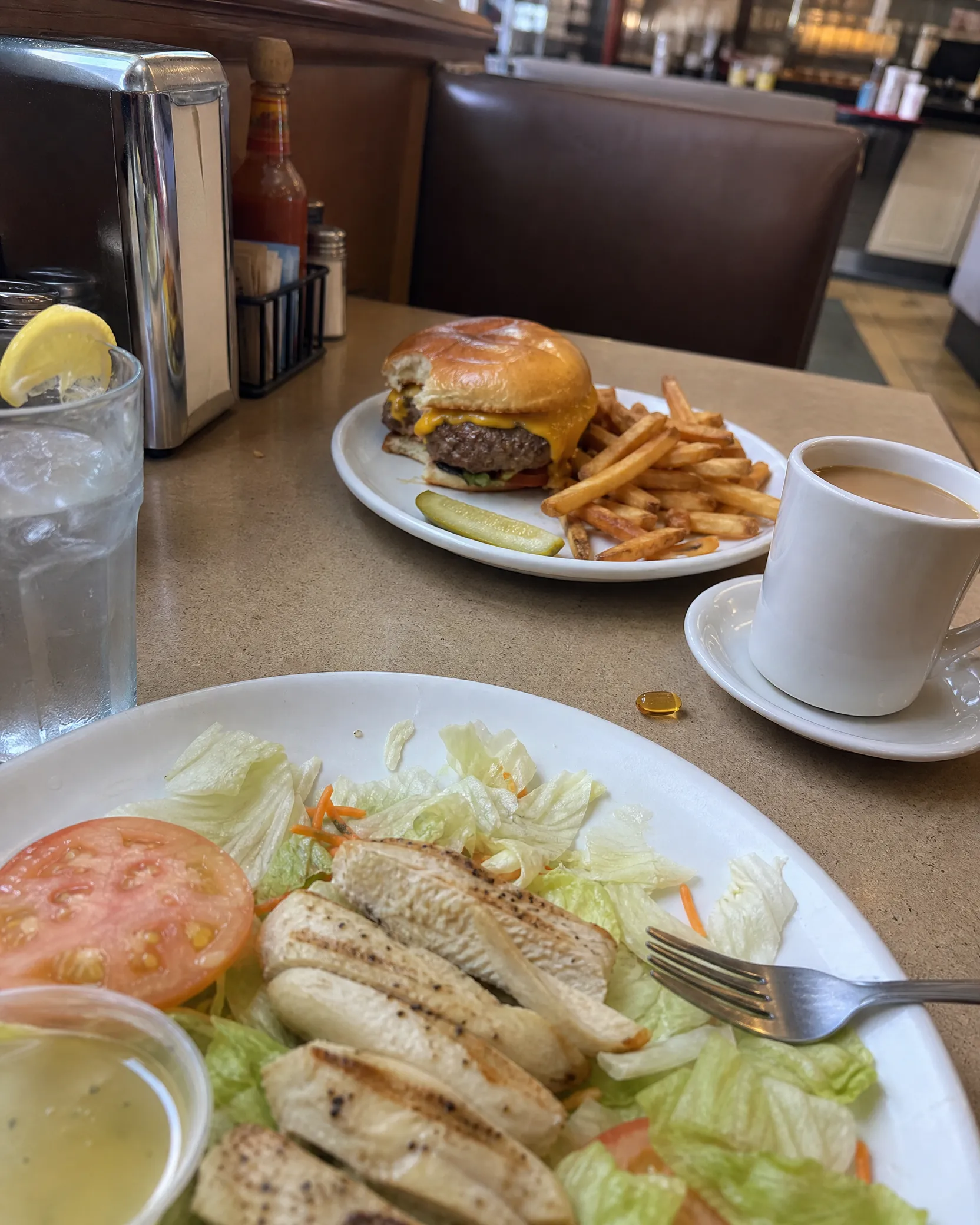
Ceylon Cinnamon 7200mg Equivalent with MCT Oil
Paul Mitchell

Ceylon Cinnamon 7200mg Equivalent with MCT Oil
Paul Mitchell
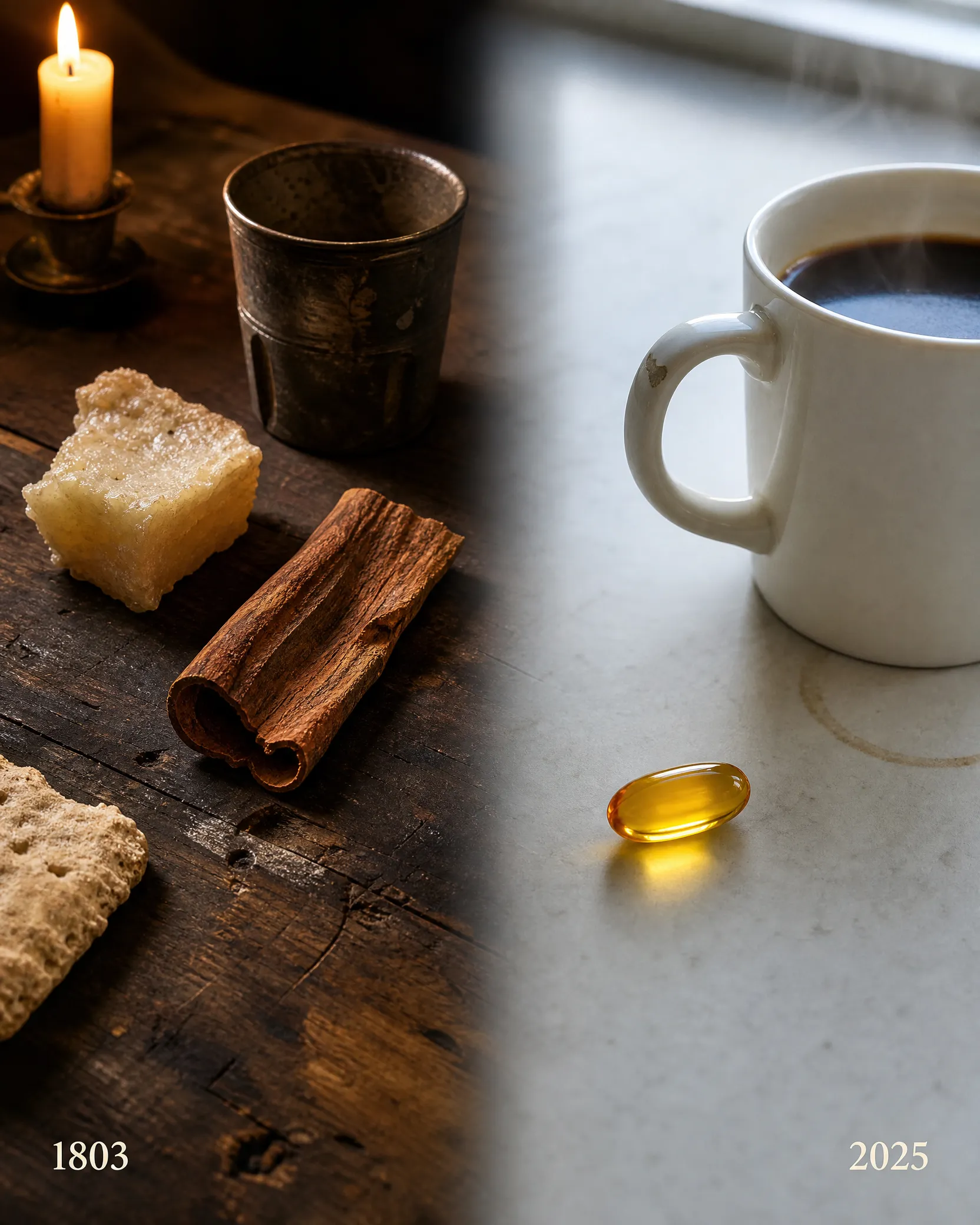
Ceylon Cinnamon 7200mg Equivalent with MCT Oil
Paul Mitchell

Your toilet is showing you something about your kidneys every single day. You've been flushing the evidence for months. Maybe years. One phone call with a friend who'd seen the same foam told me what no doctor, no medication, and no lab result ever made clear. That foam isn't soap. It's protein. And protein in the bowl means your body is breaking down in a way that only gets one ending if you keep flushing and forgetting. Took me three months to realize my kidneys were leaking protein every time I peed. At first I'd flush and forget it. Little foam on top. Figured it was cleaner or water pressure or one of those things that just happens. Then it kept showing up. Every morning. Every night. Same foam. I'd stand there looking at it thinking, that's weird, and still do nothing. What finally shook me was when it started looking thicker. Like someone had swirled dish soap in the bowl. Thick enough that it didn't pop and disappear. It just sat there. That's when it stopped feeling like a toilet problem and started feeling like a me problem. I booked a checkup. My doc ran labs. Two days later he called. Protein spillage way over normal. Creatinine creeping up. He said, "That foam? That's your kidneys leaking because your blood sugar's been beating up the filters for years." Then came the part that stuck. "We're going to need to add another medication on top of your Metformin if this doesn't improve in the next few months." I hung up feeling trapped. Already on meds. Already watching what I ate. Already sick of adding bottles to the counter. And now I had a deadline. A few months before another prescription got added to the pile, and the pile never gets smaller. It only grows. I kept thinking about that word. Another. Not instead of. On top of. The Metformin wasn't working well enough, so the answer was more. More medication, more side effects, more pharmacy trips, more copays, more proof that this thing was winning and I was managing the losing. That night I called my college buddy Dave. Dave's had diabetes longer than me. But every time the subject comes up, his numbers are clean. I've never understood it. Same age, same build, same garbage diet in college. He's fine. I'm foaming. I told him about the toilet. The labs. The protein. The creatinine. The medication deadline. He was quiet for a second. Then he said, "Yeah. That was me about five years ago. Exact same conversation with my doctor. Exact same deadline." I said, "So what happened? What'd they put you on?" He said, "Nothing. I didn't go that route." I asked him what he meant. He told me about a cycling trip he'd done through the Blue Ridge Mountains a few years back. Said he'd stopped in a small town one weekend and ended up at a shop run by a woman who'd been a clinical pharmacist for eighteen years before she left the industry. I asked why she left. "She said she spent eighteen years filling prescriptions for diabetic patients and watching them come back every three months for a higher dose or a new drug added on top. She said she watched too many of them end up on dialysis while their doctors called the treatment plan managed. So she left and started doing her own research." She'd spent years working on a concentrated formulation. True Ceylon cinnamon bark extract, the real species from Sri Lanka, not the cassia that fills every supplement shelf. Blended with MCT oil so the body could actually absorb the active compounds instead of passing them straight through. She told Dave the whole goal was restoring insulin sensitivity at the cellular level. When cells stop responding to insulin, sugar stays in the blood and acts like acid on your organs. Your kidneys take the hit first because they become the backup filter for sugar your cells won't absorb. That's the foam. That's the protein leaking. The kidneys are doing a job they were never built to hold long-term. When cells start responding to insulin again, sugar gets handled where it's supposed to. The pressure on the kidneys drops. The filters stop leaking. She said people she'd worked with were seeing protein levels drop, creatinine stabilize, blood sugar smooth out. Not overnight. Over weeks. The kind of gradual shift that shows up in lab work and stays. Before Dave left, she gave him a small jar to try. Told him to take it with breakfast every day. A few weeks in, the foam in his toilet started thinning. By a month it was barely there. She later sent him a link to the same formula in softgel form so he didn't have to mess with droppers and oils. Same concentrated Ceylon bark. Same MCT oil. Just packed into a daily capsule. Resia. Dave said, "I take one Resia with breakfast. Still use my meds. Still eat normal. But that's what stopped the foam and kept me off the medication carousel." I said, "Why didn't you tell me this before?" He said, "You never told me about the foam before." Fair point. I ordered it that night. Kept thinking about that deadline. A few months before another prescription. Another bottle on the counter. Another step on a path that only goes in one direction. One Resia softgel with my first meal every day. That was it. First couple of weeks, the foam was lighter. I'd flush and it would break up faster. Not gone. But different. I started checking every time, which I know sounds insane but when you've been watching foam in your toilet for months and it starts changing, you notice. By week three it cleared faster. The thick dish-soap consistency was gone. Just a few small bubbles that popped and disappeared the way bubbles are supposed to. A month in, most mornings there was barely any foam at all. I'd stand there looking at clear water thinking about the three months I spent blaming cleaning products while my kidneys were leaking protein. The deadline was getting closer. I could feel it. Every week that passed was a week closer to sitting in that office and hearing my doctor say it's time for another medication. Two months in I went back for labs. Protein spillage had dropped. Significantly. Creatinine stopped climbing. Fasting glucose was lower than it had been at any point in the last three years. My doctor pulled up my chart. Scrolled through the history. Went quiet for a moment. "Whatever you've been doing, keep doing it. We don't need to add another medication right now." Right now. Those two words. That was the deadline lifting. Not forever. Not cured. But the carousel stopped for now. The next bottle didn't get added. The pile didn't grow. I didn't tell him about Dave. I didn't tell him about the pharmacist in the Blue Ridge Mountains. I didn't tell him about Resia. I just said, "Thank you." And walked out. I kept taking it. One softgel with breakfast. Every morning. Same as Dave. Two things I learned through all of this that I wish someone had told me earlier. The cinnamon in most kitchen cabinets and most supplements is cassia. Completely different species from Ceylon. Cassia contains roughly five percent coumarin, which is why European regulators cap daily intake. It was never designed to be taken at real doses every day for years. It puts strain on your liver, which is the last thing you need when your kidneys are already struggling. True Ceylon from Sri Lanka carries a trace of coumarin. Same word on the label. Different plant entirely. The only one safe for daily long-term use. And dose matters. Most cinnamon supplements sit at 500mg. Well below what the published research used. You could take those for a year, see nothing, and decide cinnamon doesn't work. You'd be wrong for a reason nobody told you. Resia is 7,200mg equivalent. Suspended in MCT oil so it actually absorbs. Third-party tested for purity, which matters more than it should given the FDA has flagged lead contamination in eighteen cinnamon brands since 2024. One softgel a day. I think about those three months a lot. Three months of looking at foam in the toilet and blaming soap residue. Three months of flushing and walking away. Three months of my kidneys sending me a signal I didn't want to read. If your toilet has been foaming and you've been telling yourself it's the cleaner or the water pressure or nothing, stop. Look at it. That foam is protein. And protein in the bowl means your kidneys are leaking because your blood sugar has been grinding through the filters. You can keep flushing and forgetting. Or you can do what I didn't do for three months and actually find out what's happening. Get your labs done. Ask for protein and creatinine specifically. Know your numbers. Resia. True Ceylon cinnamon from Sri Lanka. DNA-verified. 7,200mg equivalent. MCT oil. Third-party tested. One softgel a day. Link is below. Ninety-day guarantee. Your numbers move or you don't pay. I'm not a doctor. I'm not a pharmacist. I'm a guy whose toilet was foaming for three months while he blamed the cleaning products. Dave told me what to look for. Now I'm telling you. That's all this is.
Paul Mitchell
Ceylon Cinnamon 7200mg Equivalent with MCT Oil
Paul Mitchell
Ceylon Cinnamon 7200mg Equivalent with MCT Oil
Paul Mitchell
Your toilet is showing you something about your kidneys every single day. You've been flushing the evidence for months. Maybe years. One phone call with a friend who'd seen the same foam told me what no doctor, no medication, and no lab result ever made clear. That foam isn't soap. It's protein. And protein in the bowl means your body is breaking down in a way that only gets one ending if you keep flushing and forgetting. Took me three months to realize my kidneys were leaking protein every time I peed. At first I'd flush and forget it. Little foam on top. Figured it was cleaner or water pressure or one of those things that just happens. Then it kept showing up. Every morning. Every night. Same foam. I'd stand there looking at it thinking, that's weird, and still do nothing. What finally shook me was when it started looking thicker. Like someone had swirled dish soap in the bowl. Thick enough that it didn't pop and disappear. It just sat there. That's when it stopped feeling like a toilet problem and started feeling like a me problem. I booked a checkup. My doc ran labs. Two days later he called. Protein spillage way over normal. Creatinine creeping up. He said, "That foam? That's your kidneys leaking because your blood sugar's been beating up the filters for years." Then came the part that stuck. "We're going to need to add another medication on top of your Metformin if this doesn't improve in the next few months." I hung up feeling trapped. Already on meds. Already watching what I ate. Already sick of adding bottles to the counter. And now I had a deadline. A few months before another prescription got added to the pile, and the pile never gets smaller. It only grows. I kept thinking about that word. Another. Not instead of. On top of. The Metformin wasn't working well enough, so the answer was more. More medication, more side effects, more pharmacy trips, more copays, more proof that this thing was winning and I was managing the losing. That night I called my college buddy Dave. Dave's had diabetes longer than me. But every time the subject comes up, his numbers are clean. I've never understood it. Same age, same build, same garbage diet in college. He's fine. I'm foaming. I told him about the toilet. The labs. The protein. The creatinine. The medication deadline. He was quiet for a second. Then he said, "Yeah. That was me about five years ago. Exact same conversation with my doctor. Exact same deadline." I said, "So what happened? What'd they put you on?" He said, "Nothing. I didn't go that route." I asked him what he meant. He told me about a cycling trip he'd done through the Blue Ridge Mountains a few years back. Said he'd stopped in a small town one weekend and ended up at a shop run by a woman who'd been a clinical pharmacist for eighteen years before she left the industry. I asked why she left. "She said she spent eighteen years filling prescriptions for diabetic patients and watching them come back every three months for a higher dose or a new drug added on top. She said she watched too many of them end up on dialysis while their doctors called the treatment plan managed. So she left and started doing her own research." She'd spent years working on a concentrated formulation. True Ceylon cinnamon bark extract, the real species from Sri Lanka, not the cassia that fills every supplement shelf. Blended with MCT oil so the body could actually absorb the active compounds instead of passing them straight through. She told Dave the whole goal was restoring insulin sensitivity at the cellular level. When cells stop responding to insulin, sugar stays in the blood and acts like acid on your organs. Your kidneys take the hit first because they become the backup filter for sugar your cells won't absorb. That's the foam. That's the protein leaking. The kidneys are doing a job they were never built to hold long-term. When cells start responding to insulin again, sugar gets handled where it's supposed to. The pressure on the kidneys drops. The filters stop leaking. She said people she'd worked with were seeing protein levels drop, creatinine stabilize, blood sugar smooth out. Not overnight. Over weeks. The kind of gradual shift that shows up in lab work and stays. Before Dave left, she gave him a small jar to try. Told him to take it with breakfast every day. A few weeks in, the foam in his toilet started thinning. By a month it was barely there. She later sent him a link to the same formula in softgel form so he didn't have to mess with droppers and oils. Same concentrated Ceylon bark. Same MCT oil. Just packed into a daily capsule. Resia. Dave said, "I take one Resia with breakfast. Still use my meds. Still eat normal. But that's what stopped the foam and kept me off the medication carousel." I said, "Why didn't you tell me this before?" He said, "You never told me about the foam before." Fair point. I ordered it that night. Kept thinking about that deadline. A few months before another prescription. Another bottle on the counter. Another step on a path that only goes in one direction. One Resia softgel with my first meal every day. That was it. First couple of weeks, the foam was lighter. I'd flush and it would break up faster. Not gone. But different. I started checking every time, which I know sounds insane but when you've been watching foam in your toilet for months and it starts changing, you notice. By week three it cleared faster. The thick dish-soap consistency was gone. Just a few small bubbles that popped and disappeared the way bubbles are supposed to. A month in, most mornings there was barely any foam at all. I'd stand there looking at clear water thinking about the three months I spent blaming cleaning products while my kidneys were leaking protein. The deadline was getting closer. I could feel it. Every week that passed was a week closer to sitting in that office and hearing my doctor say it's time for another medication. Two months in I went back for labs. Protein spillage had dropped. Significantly. Creatinine stopped climbing. Fasting glucose was lower than it had been at any point in the last three years. My doctor pulled up my chart. Scrolled through the history. Went quiet for a moment. "Whatever you've been doing, keep doing it. We don't need to add another medication right now." Right now. Those two words. That was the deadline lifting. Not forever. Not cured. But the carousel stopped for now. The next bottle didn't get added. The pile didn't grow. I didn't tell him about Dave. I didn't tell him about the pharmacist in the Blue Ridge Mountains. I didn't tell him about Resia. I just said, "Thank you." And walked out. I kept taking it. One softgel with breakfast. Every morning. Same as Dave. Two things I learned through all of this that I wish someone had told me earlier. The cinnamon in most kitchen cabinets and most supplements is cassia. Completely different species from Ceylon. Cassia contains roughly five percent coumarin, which is why European regulators cap daily intake. It was never designed to be taken at real doses every day for years. It puts strain on your liver, which is the last thing you need when your kidneys are already struggling. True Ceylon from Sri Lanka carries a trace of coumarin. Same word on the label. Different plant entirely. The only one safe for daily long-term use. And dose matters. Most cinnamon supplements sit at 500mg. Well below what the published research used. You could take those for a year, see nothing, and decide cinnamon doesn't work. You'd be wrong for a reason nobody told you. Resia is 7,200mg equivalent. Suspended in MCT oil so it actually absorbs. Third-party tested for purity, which matters more than it should given the FDA has flagged lead contamination in eighteen cinnamon brands since 2024. One softgel a day. I think about those three months a lot. Three months of looking at foam in the toilet and blaming soap residue. Three months of flushing and walking away. Three months of my kidneys sending me a signal I didn't want to read. If your toilet has been foaming and you've been telling yourself it's the cleaner or the water pressure or nothing, stop. Look at it. That foam is protein. And protein in the bowl means your kidneys are leaking because your blood sugar has been grinding through the filters. You can keep flushing and forgetting. Or you can do what I didn't do for three months and actually find out what's happening. Get your labs done. Ask for protein and creatinine specifically. Know your numbers. Resia. True Ceylon cinnamon from Sri Lanka. DNA-verified. 7,200mg equivalent. MCT oil. Third-party tested. One softgel a day. Link is below. Ninety-day guarantee. Your numbers move or you don't pay. I'm not a doctor. I'm not a pharmacist. I'm a guy whose toilet was foaming for three months while he blamed the cleaning products. Dave told me what to look for. Now I'm telling you. That's all this is.
Paul Mitchell

Ceylon Cinnamon 7200mg Equivalent with MCT Oil
Paul Mitchell

Ceylon Cinnamon 7200mg Equivalent with MCT Oil
Paul Mitchell
Ceylon Cinnamon 7200mg Equivalent with MCT Oil
Paul Mitchell
My buddy Travis is a type two diabetic. Last month I watched him eat a full rack of ribs, cornbread, mac and cheese, and sweet tea at a BBQ joint in Memphis. He tested his blood sugar 90 minutes later. 117. His buddy, a paramedic, made him test again thinking he grabbed the wrong finger. Same number. I drove six hours to find out what he takes before walking into a restaurant that serves diabetes on a plate. I met Travis at the same barbecue place where it all started. He ordered the full rack. I'm sitting there with my sad little salad watching this man slather sauce on ribs and he's grinning like he just got away with something. He pulled out his glucose log. Barbecue platter on April 3rd, 117 ninety minutes later. Fried catfish the week before, 119. Pulled pork sandwich with fries, 113. Every meal dripping in carbs and sugar came back cleaner than my salad ever did. His doctor kept running labs convinced the machine was broken. It wasn't. His A1C dropped from 9.2 to 6.4 in 10 weeks while eating BBQ twice a week. I asked what medication he was on. None. Zero. The next morning over coffee, Travis leaned in and said something that flipped everything I thought I knew upside down. "The food's not the enemy. Your broken cells are. Fix the cells and BBQ stops being off limits." Then he slid a bag across the table. Said it's the only thing that brought his cells back to life instead of condemning him to grilled chicken forever. Resia. I asked how he found it. "My doctor told me about it. Not in the appointment. After. He pulled me aside in the hallway and said, look, there's something I want you to try but I can't write it on your chart." I asked him why. "Because the system doesn't work that way. Insurance covers Metformin. Insurance covers Ozempic. Insurance covers the drugs that manage your numbers on paper while the damage keeps going underneath. It doesn't cover the thing that actually addresses what's broken at the cellular level. There's no billing code for it. So your doctor can either prescribe what insurance pays for, or he can quietly tell you what he'd actually take if it was his body. Mine did the second one. Most won't." That hit me harder than anything else he said all weekend. My doctor has been seeing me for nine years. Writing prescriptions. Adjusting doses. Scheduling follow-ups. And the thing that actually moved Travis's numbers isn't something he can officially recommend because the system doesn't have a box for it. I asked Travis to explain what it actually does. "Your cells stopped responding to insulin years ago," he said. "Every carb you eat turns into glucose floating in your blood with nowhere to go. Your cells are starving while you're drowning in sugar. Cutting carbs doesn't fix the cells. It just means less glucose knocking on doors that won't open." "Think of your cells like a doorbell that stopped working. Insulin's been ringing for years trying to deliver glucose. Your cells can't hear it. Glucose piles up on the porch while your cells sit inside starving. Your doctor keeps pressing the button harder with more drugs, louder insulin, hoping your cells finally answer." "They won't. The doorbell's dead." "Resia doesn't press harder. It replaces the doorbell. It reactivates the receptors that stopped hearing insulin. The doorbell rings. Your cells answer. Glucose gets delivered. The system works again." I asked him what it actually is. "Bark extract from true Ceylon cinnamon," he said. "Not the cinnamon sitting in your kitchen cabinet. That's cassia. Completely different plant. Cassia has about five percent coumarin in it, which is why European regulators limit how much you can take daily. It was never meant to be taken every day at real doses for years. It'll put strain on your liver." "Ceylon has a trace of coumarin. Same word on the label. Different species. The only one you can take daily long term." "And the dose is the part most people get wrong," he said. "Most supplements on the shelf are 500mg. That's nothing. Well below what the published research used. You could take those for a year, see nothing, and decide cinnamon is bullshit. You'd be wrong for a reason nobody told you." "Resia is 7,200mg equivalent. In a softgel with MCT oil so it actually gets into your bloodstream instead of passing straight through. Third-party tested. Which matters more than it should, because the FDA has flagged lead in eighteen cinnamon brands since 2024." I sat there for a while after that. Thinking about nine years of Metformin. Nine years of grilled chicken and steamed vegetables and pretending I didn't miss real food. Nine years of my doctor adjusting doses and scheduling follow-ups and never once mentioning that the cells themselves were the problem. Not because he didn't know. Because the system he works inside doesn't have a billing code for the answer. I ordered my first supply that day. Week one, my energy leveled out. The 3pm crash that had me reaching for coffee just to get through the afternoon stopped happening. I didn't notice it until Wednesday when I realized I'd made it to dinner without that familiar wall. Week three, I stopped obsessing over every meal. For the first time in years I actually felt full after eating instead of immediately planning my next snack or worrying about what the number would be. Week six, my morning glucose dropped from the 170s into the high 90s. I tested three days in a row because I didn't believe the first one. Week ten, my A1C came back at 6.3. Down from 8.6. My doctor stared at it. Ran another test. Same number. He pulled up my chart, scrolled through it, and said, "I'm not sure what you changed, but whatever it is, keep doing it." No pills. No restrictions. Just cells that remembered their job. I went back to see my doctor after those results came in. I told him about Resia. About Travis. About the 7,200mg and the MCT oil and the doorbell. He was quiet for a long time. Then he said, "I can't officially recommend this. But I can tell you your numbers are better than they've been in nine years and I'm cutting your Metformin in half." That's the system. The same doctor who can't recommend it is cutting my medication because of what it did. He knows. He just can't say it out loud. Travis told me something before I left Memphis. He said, "I spent two years sitting in restaurants watching people eat what I couldn't. Ordering the grilled chicken. Skipping the bread. Pretending I didn't care." "It turns out I just needed to fix the doorbell. Not change the address." I think about that every time I sit down to eat now. All those years of restriction. All those meals I didn't enjoy. All those barbecue joints I drove past. And the whole time the problem wasn't the food on the plate. It was what was happening inside the cell. And the system that was supposed to help me couldn't even point me toward the thing that actually worked because there's no insurance code for it. Get your blood work done first. Full panel. HbA1c, fasting glucose, everything. Know your real numbers before you start so you can see what actually changes. One warning. There are knockoffs flooding Amazon right now with similar packaging but cassia and seed oils inside instead of real Ceylon and MCT. Cassia does nothing for blood sugar and puts strain on your liver at daily doses. Only order through the official site. They produce in small batches and it's backordered more often than not. If it's in stock when you click, don't wait. Resia. True Ceylon cinnamon from Sri Lanka. DNA-verified. 7,200mg equivalent. MCT oil. Third-party tested. One softgel a day. Link is below. Ninety-day money-back guarantee. Your numbers move or you don't pay.
Paul Mitchell

 Add to Chrome