Ceylon Cinnamon 7200mg Equivalent with MCT Oil
Ad Copy
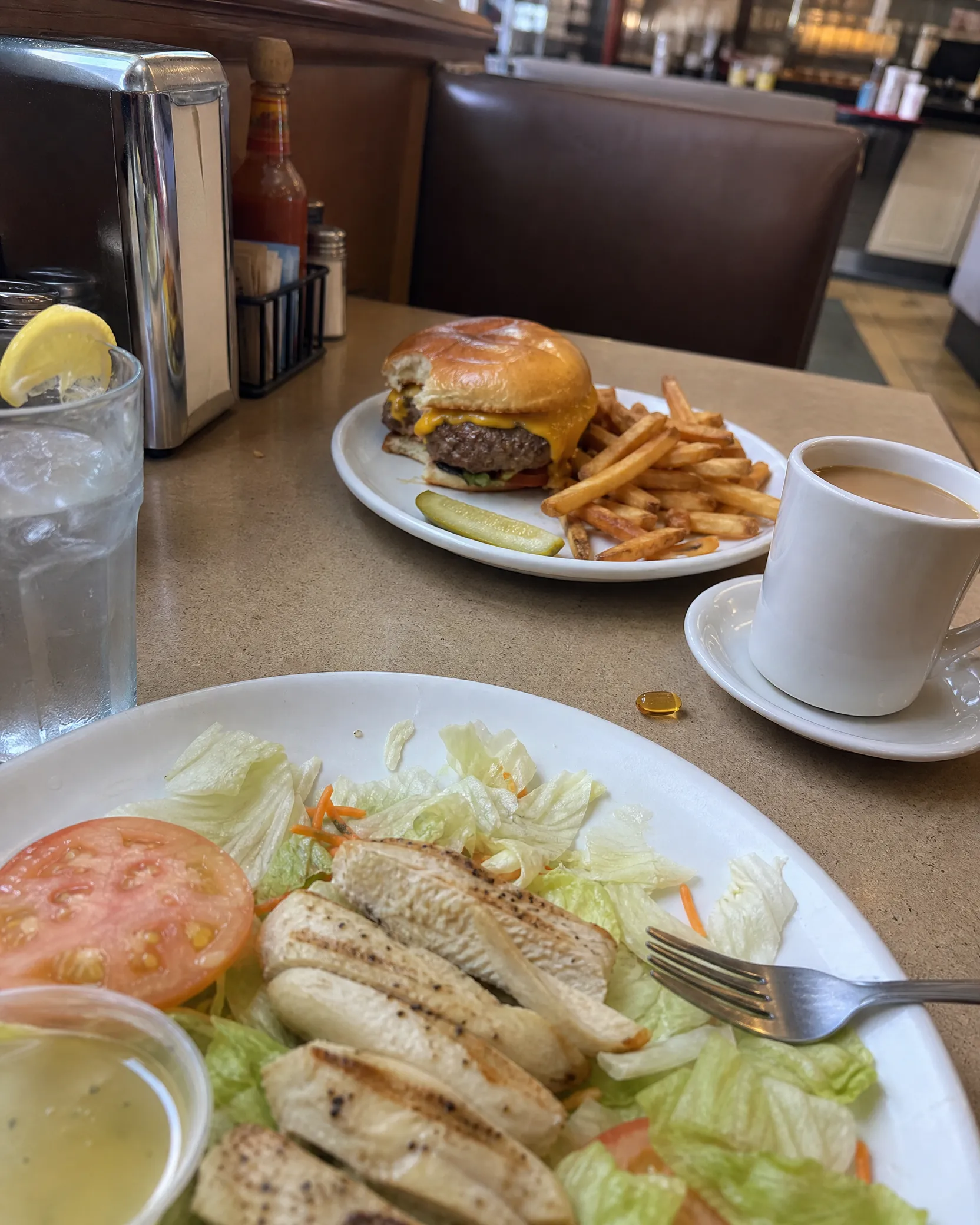
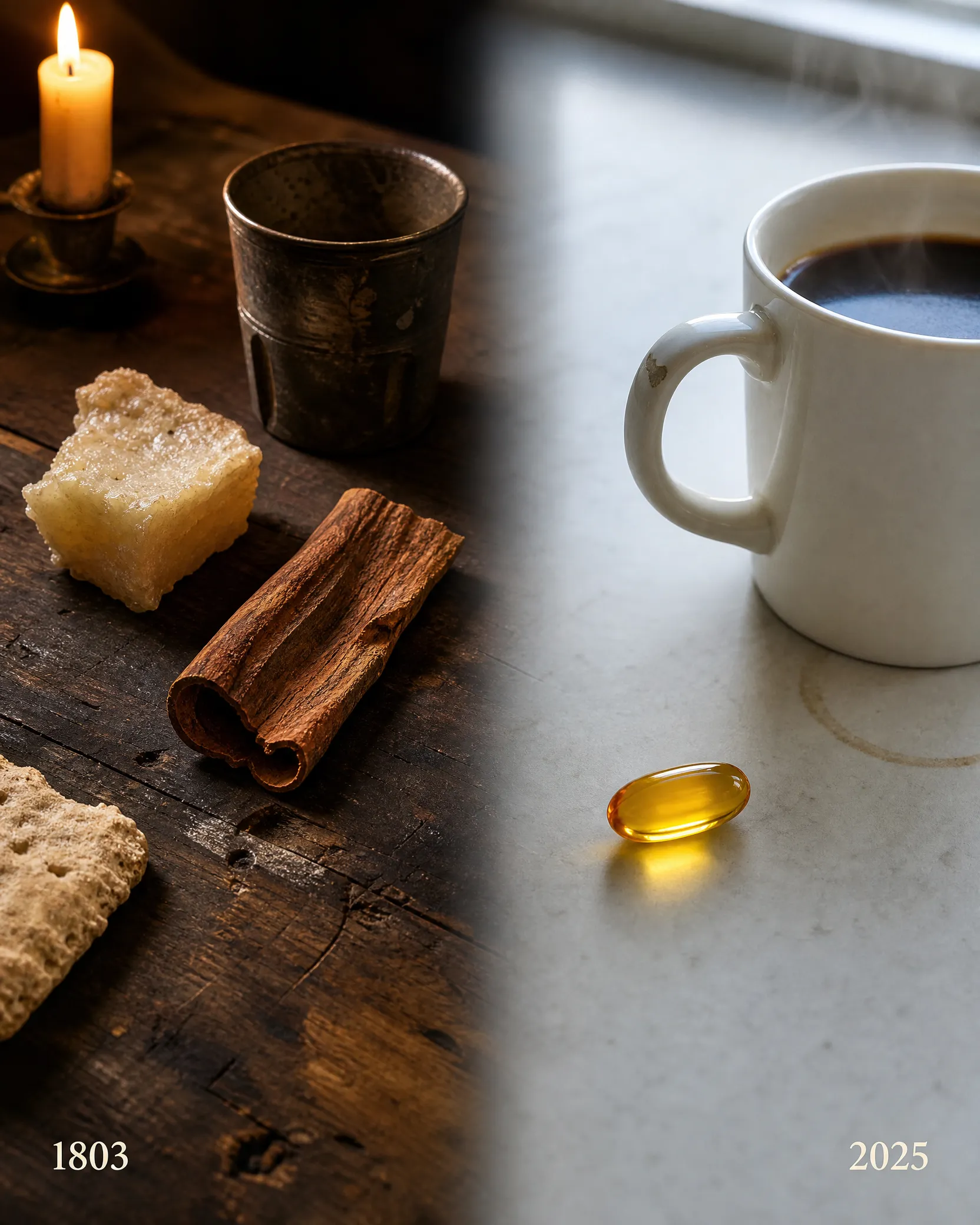
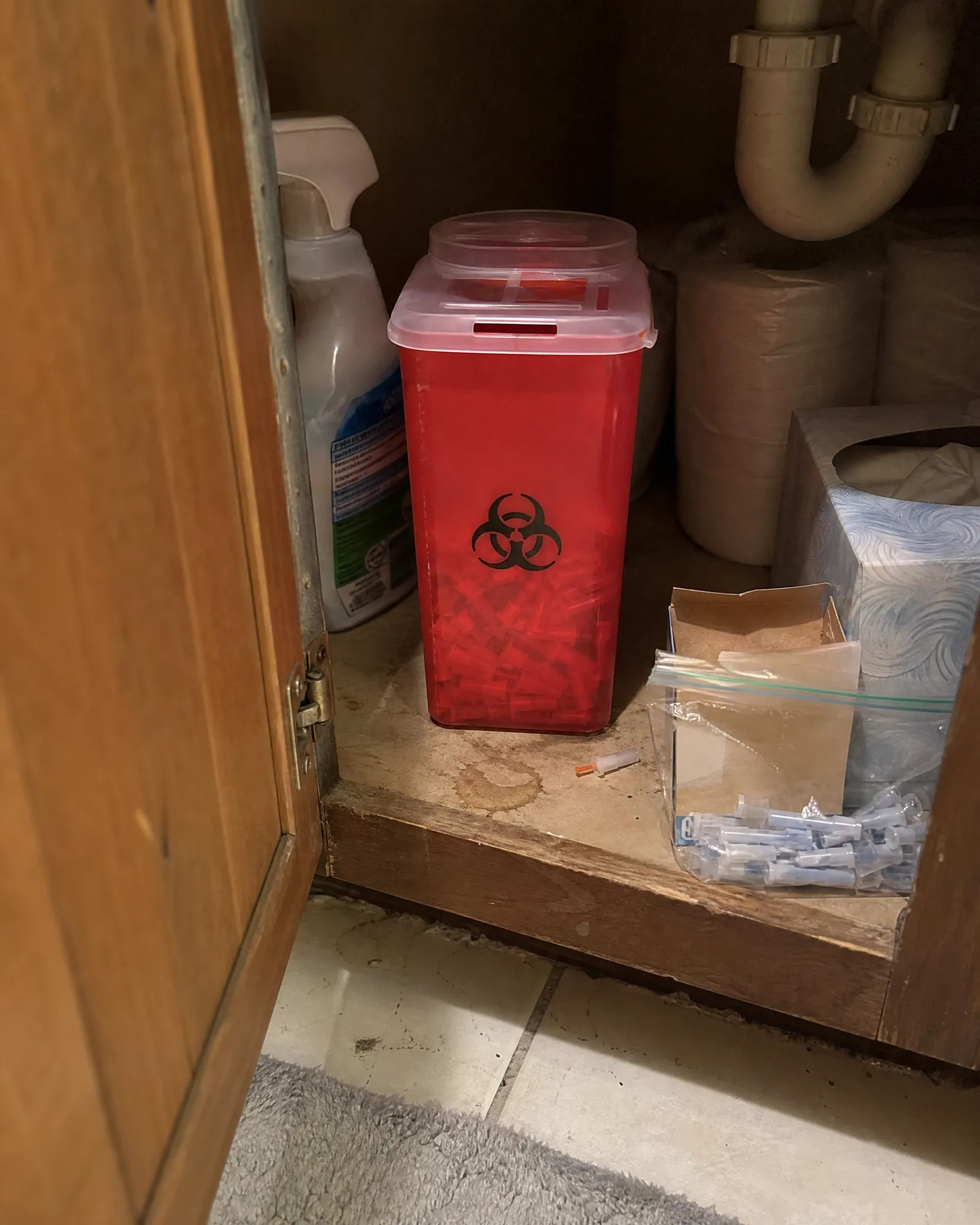
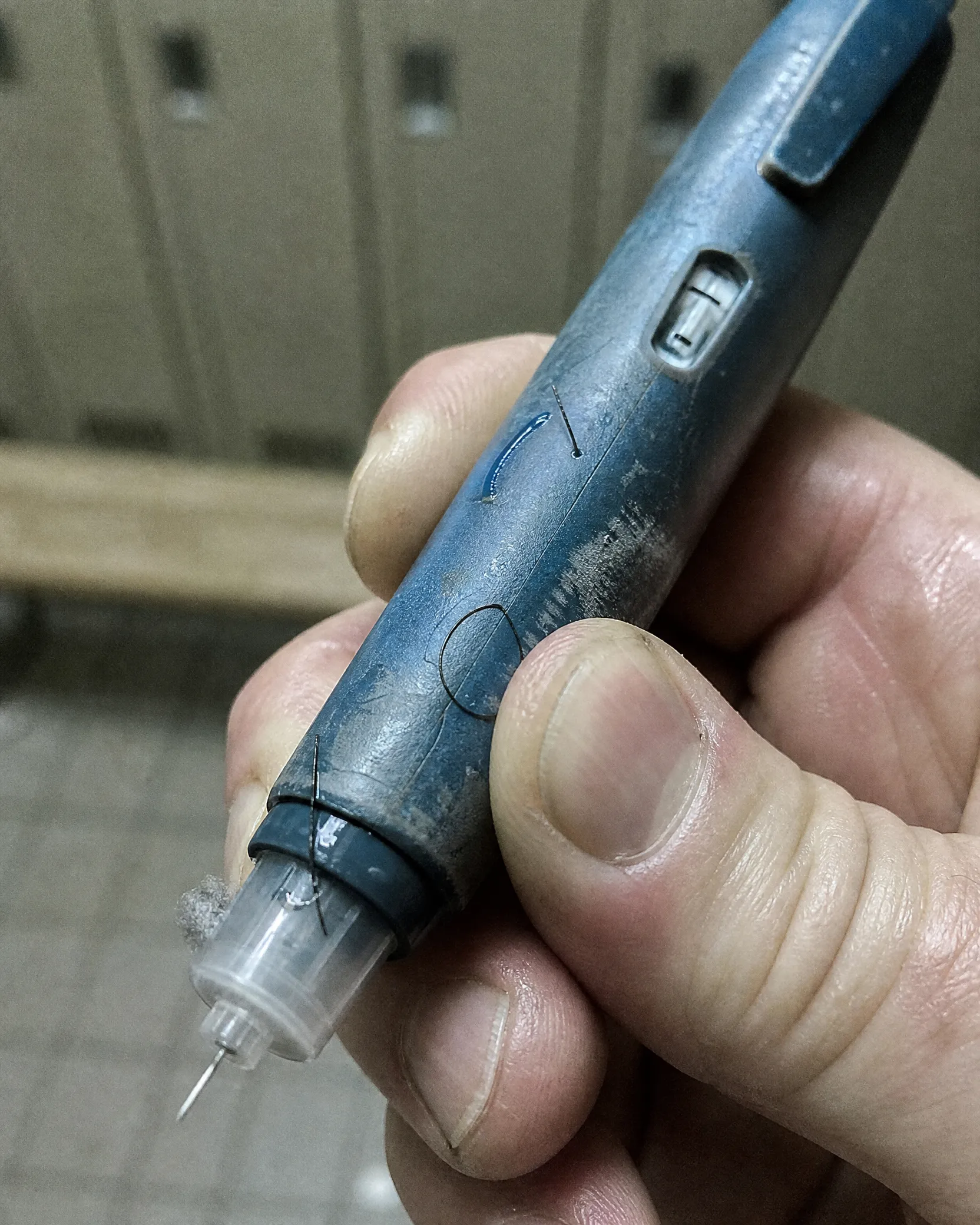
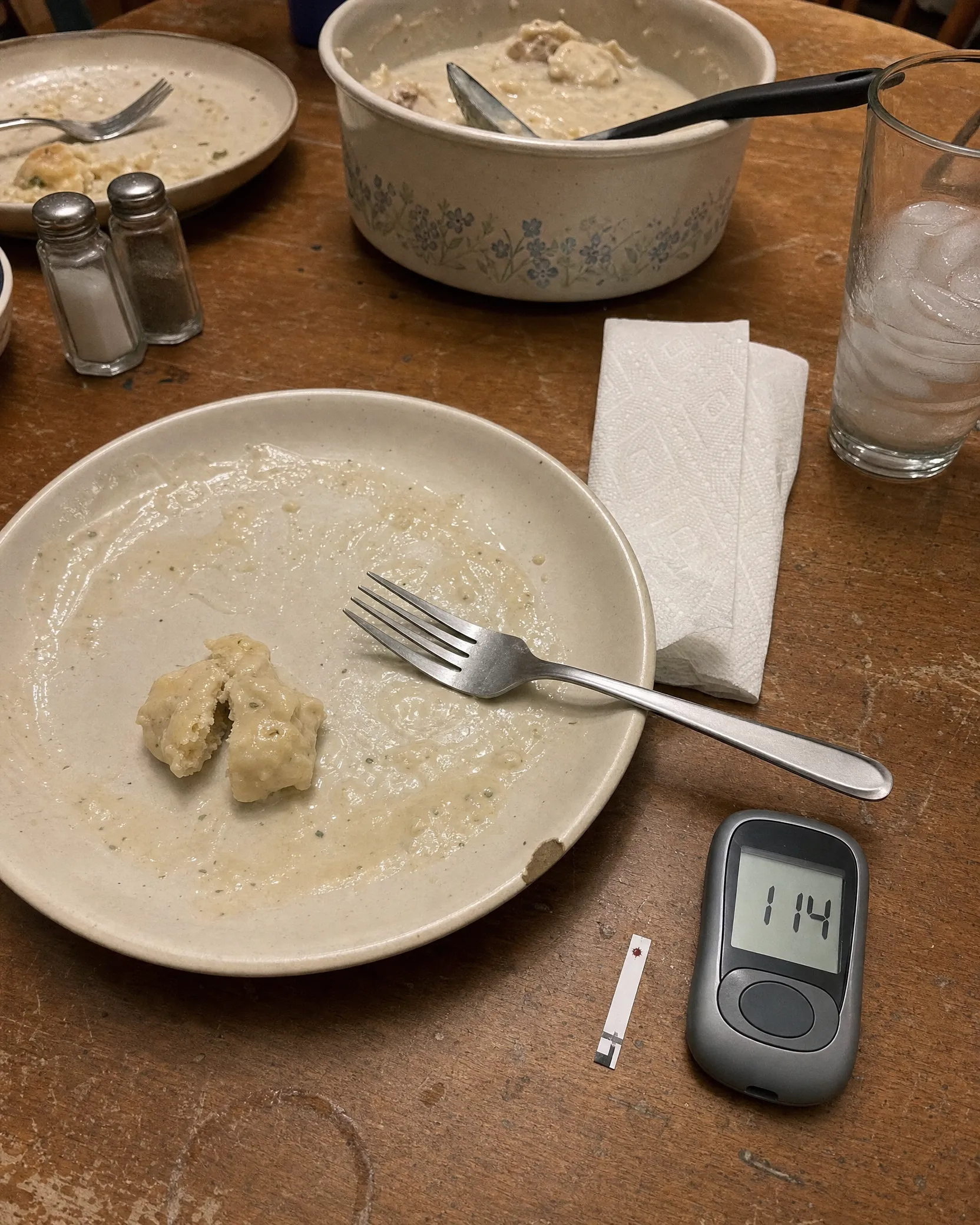
Your doctor didn't put you on insulin because your body can't make its own. Your body makes plenty. He put you on it because something broke. And more insulin doesn't fix what broke. A stranger at my gym figured that out eight months before I did. He hasn't touched a needle since. My insulin pen fell out of my bag in the gym locker room. I grabbed it off the floor fast. Shoved it back in the side pocket. Zipped it. Didn't look up. Three years of carrying one of those pens and I still haven't made peace with it. A guy two lockers down said, "I used to carry one of those everywhere." I looked up. He was pulling a shirt over his head. Normal guy. Mid-40s. Not jacked. Not a fitness influencer. Just a regular guy getting dressed after a workout. "Used to?" I said. He nodded. "Haven't touched insulin in eight months." I just stood there. Holding my gym bag with the pen inside it. The pen I use twice a day. The pen that leaves bruises on my stomach. The pen I set an alarm for because if I miss a dose my numbers go haywire. The pen I've accepted as the rest of my life. Eight months. "You got Instagram?" he said. Like he'd just told me where to get a good haircut. We exchanged handles. I sat in my car in the gym parking lot for ten minutes not starting the engine. Five minutes after I got in, a DM popped up. A link to a study. One sentence underneath. "Let's grab something to eat tomorrow and I'll show you." I didn't sleep well that night. Kept thinking about "used to." Used to carry insulin. Used to inject. Past tense. The two words I'd stopped believing applied to this disease. His name was Derek. 47. Sales guy for a building materials company. Married, two kids. The kind of guy who coaches his daughter's soccer team on Saturdays and grills for the neighbors on Sundays. Nothing about him looked like a man who'd spent three years injecting insulin twice a day. Because he wasn't anymore. We met at a diner the next morning. Laminate tables. A waitress who's been there since before either of us had a diagnosis. He slid into the booth and ordered without looking at the menu. Cheeseburger. Fries. Coffee. I looked at the menu for a while. Ordered a grilled chicken salad. No croutons. Dressing on the side. Derek looked at my order and shook his head. Not mean. Just recognition. "Still doing the diabetic diet, huh." It wasn't a question. I said something about watching my carbs. He nodded the way someone nods when they've said the same thing to themselves for years before they stopped needing to. His food came. He picked up the burger. Full-size. Bun and everything. Cheese dripping. Took a bite. Set it down. Pulled out his phone. "Let me show you something." He opened a health app and turned the screen toward me. His A1C chart. Three data points. January 2025. 9.8. On insulin. July 2025. 6.7. No insulin. October 2025. 6.1. Still clean. I looked at those numbers. Then I looked at the cheeseburger. Then back at the numbers. "How," I said. He wiped his hands on a napkin. Took a sip of coffee. "I'm going to tell you something and it's going to sound too simple. You're going to have the same reaction I had, which is that it can't possibly be real. Then you're going to go home and look it up and realize it is." I said okay. "Your cells stopped listening to insulin," he said. "That's the whole problem. Not sugar. Not carbs. Not your pancreas. Your cells." He held up a fist. "Think of your cells like a house with a doorbell. Insulin comes to the door carrying glucose. Rings the bell. Your cells are supposed to hear it, open up, take the glucose in, burn it for energy. That's how it works when everything's running right." He opened his fist. "Your doorbell broke. Years ago. Insulin keeps coming. Keeps ringing. Your cells can't hear it. Glucose piles up on the porch. Your cells are sitting inside starving while the delivery guy stands outside holding groceries nobody will take." "So what does your doctor do?" he said. "Sends more delivery guys. That's what insulin injections are. More insulin, ringing harder, knocking louder, hoping your cells eventually answer. They don't. The doorbell is still broken." "You can send a hundred delivery guys. If the doorbell is dead, nobody answers the door." I sat there with my salad. "So what fixes the doorbell?" I said. He reached into his jacket pocket and set something on the table between his coffee and my water glass. A small amber softgel. Held it there for a second, then set it down on the table. "This." I asked what it was. "True Ceylon cinnamon," he said. "Not the stuff on the spice rack. That's cassia. Different plant entirely. Cassia has about five percent coumarin in it, which is why European regulators limit daily intake. It strains your liver. You can't take it every day at real doses for years." "Ceylon is different. Trace of coumarin. Safe for daily use. And the compounds in it don't just manage the glucose level on the chart. They reactivate the receptors on the cells that stopped hearing insulin. They fix the doorbell." "Once it works again, the cells hear the insulin. They open up. Glucose goes in. Gets burned. Your blood sugar drops because the sugar is actually going where it's supposed to instead of piling up in your blood." He picked up his burger and took another bite. "That's why I can eat this," he said. "My cells work again. The food goes where it's supposed to. My doctor isn't managing the overflow anymore because there isn't an overflow." I asked how he found it. "A buddy of mine. Paramedic. He kept seeing diabetics come through who'd turned their numbers around. Not managed. Turned around. He started asking what they were doing. Same answer kept coming up. Same brand. He told me about it last year." "I was skeptical," Derek said. "But when the alternative is stabbing yourself in the stomach twice a day for the rest of your life, you try whatever someone puts in front of you." I asked about the dose. Most cinnamon supplements I'd seen at the store were 500mg. "That's the other part most people get wrong," he said. "500mg is nothing. Well below what the published research used. You could take those for a year, see nothing, and decide cinnamon doesn't work. Wrong conclusion for a reason nobody explained." "This is 7,200mg equivalent. In a softgel with MCT oil so it actually absorbs instead of passing straight through. Third-party tested. The brand is Resia." He said it the same way he'd ordered the cheeseburger. Just information. "My doctor didn't tell me about it," he said. "He can't. There's no billing code for a supplement. Insurance covers insulin. Insurance covers Metformin. Insurance doesn't cover the thing that fixed what insulin was trying to manage. So your doctor either prescribes what insurance pays for, or he quietly tells you what he'd actually take if it was his body. Most never say a word." I drove home that afternoon and sat at my kitchen table. My insulin pen was on the counter where I'd left it that morning. Next to it, the pen needles in their little box. Next to that, the sharps container I keep under the sink that I empty every few months. Three years of my life organized around twice-daily injections. Alarms on my phone. Bruises on my stomach. A routine I never questioned because nobody told me there was something to question. And a guy in a diner just ate a cheeseburger and showed me an A1C of 6.1. I ordered Resia that night. One bag. Sat there looking at the order confirmation on my phone screen next to the insulin pen on the counter. Week one. My blood sugar stopped swinging. The spikes after meals that I'd accepted as normal started flattening. I didn't notice it from how I felt. I noticed it from the meter. The numbers were just quieter. Less chaos. Week three. I felt full after meals for the first time in years. Not stuffed. Full. My body actually registering that I ate. I made a sandwich for lunch. Real bread. Haven't had real bread in two years. Checked after. 121. Sat there looking at that number for a while. Week four. My doctor looked at my daily logs. Two weeks of stability. No swings. No crashes. He said, "Let's cut your insulin to once a day and see how you hold." Once a day. Three years at twice a day and he'd never once suggested reducing. Week six. Fasting glucose dropped from the 180s to the low 100s. Steady. Not bouncing. I tested every morning for a week straight because I didn't trust it. Same range every day. Week eight. My doctor looked at another two weeks of logs. Stable. Consistent. He said, "Let's try stopping the insulin entirely and monitoring closely." Stopping. Not reducing. Stopping. Week ten. A1C came back at 6.3. Down from 9.1 four months earlier. No insulin. The nurse ran it twice. My doctor pulled up my chart. Three years of data. Three years of injections and mediocre numbers and slow climbing. Then a cliff. Everything dropping. Everything stabilizing. Everything heading where it should have been heading the whole time. "What did you change?" he said. I told him. Derek. The gym. The diner. The doorbell. The Ceylon versus cassia. The MCT oil. The 7,200mg. He listened without interrupting. Then quiet for a while. "I haven't been trained on this," he said. "But your numbers speak for themselves. Stay off the insulin. We'll recheck in three months." I walked out of that office without an insulin prescription for the first time in three years. I sat in my car in the parking lot and opened my gym bag. The insulin pen was still in the side pocket. I unzipped it and looked at it. The pen that bruised my stomach. The pen I set alarms for. The pen that fell out of my bag and started a conversation with a stranger. I didn't throw it away. I put it in my glove compartment. It's still there. I haven't opened the glove compartment in two months. I texted Derek. "Off insulin. A1C 6.3." He wrote back one word. "Told you." Then, "Now order the burger next time." I think about something Derek said at the diner. He said, "I spent three years stabbing myself twice a day thinking that was my life. Waking up and the first thing I do is inject myself. Going to restaurants and excusing myself to the bathroom before the meal. Carrying a sharps container under my sink. Setting alarms that never end." "My wife used to watch me do it every morning and neither of us said anything. It was just what I did. Part of the routine. She'd make coffee, I'd stab my stomach. Normal Tuesday." "Then one morning I came downstairs and she'd already made breakfast and I just sat down and ate it. No pen. No needle. No alarm. She looked at me across the table and said, 'This is what mornings are supposed to feel like.' Neither of us said anything else. We just sat there eating breakfast." "And I realized three years of my life had been organized around a broken doorbell that nobody told me could be fixed." If you're carrying a pen right now. If you've got alarms on your phone. If you've got bruises on your stomach and a sharps container under your sink and an A1C that barely moves no matter how many times a day you inject. It doesn't have to be your life. It was mine. It was Derek's. We both thought it was permanent. We were both wrong. Two things to know. The cinnamon in most kitchen cabinets and most supplements is cassia. Different species entirely. Cassia contains roughly five percent coumarin, which is why European regulators cap daily intake. It was never meant to be taken at clinical doses every day. It strains your liver. True Ceylon from Sri Lanka carries a trace of coumarin. Same word on the label. Different plant. The only one you can take daily long term. And dose is where almost everyone fails. Most supplements sit at 500mg. Well below what the published research used. You could take those for a year, see nothing, and decide cinnamon doesn't work. Wrong conclusion for a reason nobody explained. Resia. True Ceylon cinnamon from Sri Lanka. DNA-verified. 7,200mg equivalent. Suspended in MCT oil so it actually absorbs. Third-party tested for purity, which matters more than it should given the FDA has flagged lead contamination in eighteen cinnamon brands since 2025. One softgel a day. Link is below. Ninety-day guarantee. Your numbers move or you don't pay. Derek was right. I ordered the burger last week. Checked after. 114. I didn't even think about it until I was halfway through. That's the part that changes. Not the number. The not thinking. Eating a meal and not calculating what it's going to cost you afterward. Three years of needles. Three years of salads. Three years of alarms. And a stranger in a locker room who said four words. "I used to carry one."
More from Paul Mitchell

Ceylon Cinnamon 7200mg Equivalent with MCT Oil
Paul Mitchell
Ceylon Cinnamon 7200mg Equivalent with MCT Oil
Paul Mitchell

Your toilet is showing you something about your kidneys every single day. You've been flushing the evidence for months. Maybe years. One phone call with a friend who'd seen the same foam told me what no doctor, no medication, and no lab result ever made clear. That foam isn't soap. It's protein. And protein in the bowl means your body is breaking down in a way that only gets one ending if you keep flushing and forgetting. Took me three months to realize my kidneys were leaking protein every time I peed. At first I'd flush and forget it. Little foam on top. Figured it was cleaner or water pressure or one of those things that just happens. Then it kept showing up. Every morning. Every night. Same foam. I'd stand there looking at it thinking, that's weird, and still do nothing. What finally shook me was when it started looking thicker. Like someone had swirled dish soap in the bowl. Thick enough that it didn't pop and disappear. It just sat there. That's when it stopped feeling like a toilet problem and started feeling like a me problem. I booked a checkup. My doc ran labs. Two days later he called. Protein spillage way over normal. Creatinine creeping up. He said, "That foam? That's your kidneys leaking because your blood sugar's been beating up the filters for years." Then came the part that stuck. "We're going to need to add another medication on top of your Metformin if this doesn't improve in the next few months." I hung up feeling trapped. Already on meds. Already watching what I ate. Already sick of adding bottles to the counter. And now I had a deadline. A few months before another prescription got added to the pile, and the pile never gets smaller. It only grows. I kept thinking about that word. Another. Not instead of. On top of. The Metformin wasn't working well enough, so the answer was more. More medication, more side effects, more pharmacy trips, more copays, more proof that this thing was winning and I was managing the losing. That night I called my college buddy Dave. Dave's had diabetes longer than me. But every time the subject comes up, his numbers are clean. I've never understood it. Same age, same build, same garbage diet in college. He's fine. I'm foaming. I told him about the toilet. The labs. The protein. The creatinine. The medication deadline. He was quiet for a second. Then he said, "Yeah. That was me about five years ago. Exact same conversation with my doctor. Exact same deadline." I said, "So what happened? What'd they put you on?" He said, "Nothing. I didn't go that route." I asked him what he meant. He told me about a cycling trip he'd done through the Blue Ridge Mountains a few years back. Said he'd stopped in a small town one weekend and ended up at a shop run by a woman who'd been a clinical pharmacist for eighteen years before she left the industry. I asked why she left. "She said she spent eighteen years filling prescriptions for diabetic patients and watching them come back every three months for a higher dose or a new drug added on top. She said she watched too many of them end up on dialysis while their doctors called the treatment plan managed. So she left and started doing her own research." She'd spent years working on a concentrated formulation. True Ceylon cinnamon bark extract, the real species from Sri Lanka, not the cassia that fills every supplement shelf. Blended with MCT oil so the body could actually absorb the active compounds instead of passing them straight through. She told Dave the whole goal was restoring insulin sensitivity at the cellular level. When cells stop responding to insulin, sugar stays in the blood and acts like acid on your organs. Your kidneys take the hit first because they become the backup filter for sugar your cells won't absorb. That's the foam. That's the protein leaking. The kidneys are doing a job they were never built to hold long-term. When cells start responding to insulin again, sugar gets handled where it's supposed to. The pressure on the kidneys drops. The filters stop leaking. She said people she'd worked with were seeing protein levels drop, creatinine stabilize, blood sugar smooth out. Not overnight. Over weeks. The kind of gradual shift that shows up in lab work and stays. Before Dave left, she gave him a small jar to try. Told him to take it with breakfast every day. A few weeks in, the foam in his toilet started thinning. By a month it was barely there. She later sent him a link to the same formula in softgel form so he didn't have to mess with droppers and oils. Same concentrated Ceylon bark. Same MCT oil. Just packed into a daily capsule. Resia. Dave said, "I take one Resia with breakfast. Still use my meds. Still eat normal. But that's what stopped the foam and kept me off the medication carousel." I said, "Why didn't you tell me this before?" He said, "You never told me about the foam before." Fair point. I ordered it that night. Kept thinking about that deadline. A few months before another prescription. Another bottle on the counter. Another step on a path that only goes in one direction. One Resia softgel with my first meal every day. That was it. First couple of weeks, the foam was lighter. I'd flush and it would break up faster. Not gone. But different. I started checking every time, which I know sounds insane but when you've been watching foam in your toilet for months and it starts changing, you notice. By week three it cleared faster. The thick dish-soap consistency was gone. Just a few small bubbles that popped and disappeared the way bubbles are supposed to. A month in, most mornings there was barely any foam at all. I'd stand there looking at clear water thinking about the three months I spent blaming cleaning products while my kidneys were leaking protein. The deadline was getting closer. I could feel it. Every week that passed was a week closer to sitting in that office and hearing my doctor say it's time for another medication. Two months in I went back for labs. Protein spillage had dropped. Significantly. Creatinine stopped climbing. Fasting glucose was lower than it had been at any point in the last three years. My doctor pulled up my chart. Scrolled through the history. Went quiet for a moment. "Whatever you've been doing, keep doing it. We don't need to add another medication right now." Right now. Those two words. That was the deadline lifting. Not forever. Not cured. But the carousel stopped for now. The next bottle didn't get added. The pile didn't grow. I didn't tell him about Dave. I didn't tell him about the pharmacist in the Blue Ridge Mountains. I didn't tell him about Resia. I just said, "Thank you." And walked out. I kept taking it. One softgel with breakfast. Every morning. Same as Dave. Two things I learned through all of this that I wish someone had told me earlier. The cinnamon in most kitchen cabinets and most supplements is cassia. Completely different species from Ceylon. Cassia contains roughly five percent coumarin, which is why European regulators cap daily intake. It was never designed to be taken at real doses every day for years. It puts strain on your liver, which is the last thing you need when your kidneys are already struggling. True Ceylon from Sri Lanka carries a trace of coumarin. Same word on the label. Different plant entirely. The only one safe for daily long-term use. And dose matters. Most cinnamon supplements sit at 500mg. Well below what the published research used. You could take those for a year, see nothing, and decide cinnamon doesn't work. You'd be wrong for a reason nobody told you. Resia is 7,200mg equivalent. Suspended in MCT oil so it actually absorbs. Third-party tested for purity, which matters more than it should given the FDA has flagged lead contamination in eighteen cinnamon brands since 2024. One softgel a day. I think about those three months a lot. Three months of looking at foam in the toilet and blaming soap residue. Three months of flushing and walking away. Three months of my kidneys sending me a signal I didn't want to read. If your toilet has been foaming and you've been telling yourself it's the cleaner or the water pressure or nothing, stop. Look at it. That foam is protein. And protein in the bowl means your kidneys are leaking because your blood sugar has been grinding through the filters. You can keep flushing and forgetting. Or you can do what I didn't do for three months and actually find out what's happening. Get your labs done. Ask for protein and creatinine specifically. Know your numbers. Resia. True Ceylon cinnamon from Sri Lanka. DNA-verified. 7,200mg equivalent. MCT oil. Third-party tested. One softgel a day. Link is below. Ninety-day guarantee. Your numbers move or you don't pay. I'm not a doctor. I'm not a pharmacist. I'm a guy whose toilet was foaming for three months while he blamed the cleaning products. Dave told me what to look for. Now I'm telling you. That's all this is.
Paul Mitchell
Ceylon Cinnamon 7200mg Equivalent with MCT Oil
Paul Mitchell
Ceylon Cinnamon 7200mg Equivalent with MCT Oil
Paul Mitchell
Your toilet is showing you something about your kidneys every single day. You've been flushing the evidence for months. Maybe years. One phone call with a friend who'd seen the same foam told me what no doctor, no medication, and no lab result ever made clear. That foam isn't soap. It's protein. And protein in the bowl means your body is breaking down in a way that only gets one ending if you keep flushing and forgetting. Took me three months to realize my kidneys were leaking protein every time I peed. At first I'd flush and forget it. Little foam on top. Figured it was cleaner or water pressure or one of those things that just happens. Then it kept showing up. Every morning. Every night. Same foam. I'd stand there looking at it thinking, that's weird, and still do nothing. What finally shook me was when it started looking thicker. Like someone had swirled dish soap in the bowl. Thick enough that it didn't pop and disappear. It just sat there. That's when it stopped feeling like a toilet problem and started feeling like a me problem. I booked a checkup. My doc ran labs. Two days later he called. Protein spillage way over normal. Creatinine creeping up. He said, "That foam? That's your kidneys leaking because your blood sugar's been beating up the filters for years." Then came the part that stuck. "We're going to need to add another medication on top of your Metformin if this doesn't improve in the next few months." I hung up feeling trapped. Already on meds. Already watching what I ate. Already sick of adding bottles to the counter. And now I had a deadline. A few months before another prescription got added to the pile, and the pile never gets smaller. It only grows. I kept thinking about that word. Another. Not instead of. On top of. The Metformin wasn't working well enough, so the answer was more. More medication, more side effects, more pharmacy trips, more copays, more proof that this thing was winning and I was managing the losing. That night I called my college buddy Dave. Dave's had diabetes longer than me. But every time the subject comes up, his numbers are clean. I've never understood it. Same age, same build, same garbage diet in college. He's fine. I'm foaming. I told him about the toilet. The labs. The protein. The creatinine. The medication deadline. He was quiet for a second. Then he said, "Yeah. That was me about five years ago. Exact same conversation with my doctor. Exact same deadline." I said, "So what happened? What'd they put you on?" He said, "Nothing. I didn't go that route." I asked him what he meant. He told me about a cycling trip he'd done through the Blue Ridge Mountains a few years back. Said he'd stopped in a small town one weekend and ended up at a shop run by a woman who'd been a clinical pharmacist for eighteen years before she left the industry. I asked why she left. "She said she spent eighteen years filling prescriptions for diabetic patients and watching them come back every three months for a higher dose or a new drug added on top. She said she watched too many of them end up on dialysis while their doctors called the treatment plan managed. So she left and started doing her own research." She'd spent years working on a concentrated formulation. True Ceylon cinnamon bark extract, the real species from Sri Lanka, not the cassia that fills every supplement shelf. Blended with MCT oil so the body could actually absorb the active compounds instead of passing them straight through. She told Dave the whole goal was restoring insulin sensitivity at the cellular level. When cells stop responding to insulin, sugar stays in the blood and acts like acid on your organs. Your kidneys take the hit first because they become the backup filter for sugar your cells won't absorb. That's the foam. That's the protein leaking. The kidneys are doing a job they were never built to hold long-term. When cells start responding to insulin again, sugar gets handled where it's supposed to. The pressure on the kidneys drops. The filters stop leaking. She said people she'd worked with were seeing protein levels drop, creatinine stabilize, blood sugar smooth out. Not overnight. Over weeks. The kind of gradual shift that shows up in lab work and stays. Before Dave left, she gave him a small jar to try. Told him to take it with breakfast every day. A few weeks in, the foam in his toilet started thinning. By a month it was barely there. She later sent him a link to the same formula in softgel form so he didn't have to mess with droppers and oils. Same concentrated Ceylon bark. Same MCT oil. Just packed into a daily capsule. Resia. Dave said, "I take one Resia with breakfast. Still use my meds. Still eat normal. But that's what stopped the foam and kept me off the medication carousel." I said, "Why didn't you tell me this before?" He said, "You never told me about the foam before." Fair point. I ordered it that night. Kept thinking about that deadline. A few months before another prescription. Another bottle on the counter. Another step on a path that only goes in one direction. One Resia softgel with my first meal every day. That was it. First couple of weeks, the foam was lighter. I'd flush and it would break up faster. Not gone. But different. I started checking every time, which I know sounds insane but when you've been watching foam in your toilet for months and it starts changing, you notice. By week three it cleared faster. The thick dish-soap consistency was gone. Just a few small bubbles that popped and disappeared the way bubbles are supposed to. A month in, most mornings there was barely any foam at all. I'd stand there looking at clear water thinking about the three months I spent blaming cleaning products while my kidneys were leaking protein. The deadline was getting closer. I could feel it. Every week that passed was a week closer to sitting in that office and hearing my doctor say it's time for another medication. Two months in I went back for labs. Protein spillage had dropped. Significantly. Creatinine stopped climbing. Fasting glucose was lower than it had been at any point in the last three years. My doctor pulled up my chart. Scrolled through the history. Went quiet for a moment. "Whatever you've been doing, keep doing it. We don't need to add another medication right now." Right now. Those two words. That was the deadline lifting. Not forever. Not cured. But the carousel stopped for now. The next bottle didn't get added. The pile didn't grow. I didn't tell him about Dave. I didn't tell him about the pharmacist in the Blue Ridge Mountains. I didn't tell him about Resia. I just said, "Thank you." And walked out. I kept taking it. One softgel with breakfast. Every morning. Same as Dave. Two things I learned through all of this that I wish someone had told me earlier. The cinnamon in most kitchen cabinets and most supplements is cassia. Completely different species from Ceylon. Cassia contains roughly five percent coumarin, which is why European regulators cap daily intake. It was never designed to be taken at real doses every day for years. It puts strain on your liver, which is the last thing you need when your kidneys are already struggling. True Ceylon from Sri Lanka carries a trace of coumarin. Same word on the label. Different plant entirely. The only one safe for daily long-term use. And dose matters. Most cinnamon supplements sit at 500mg. Well below what the published research used. You could take those for a year, see nothing, and decide cinnamon doesn't work. You'd be wrong for a reason nobody told you. Resia is 7,200mg equivalent. Suspended in MCT oil so it actually absorbs. Third-party tested for purity, which matters more than it should given the FDA has flagged lead contamination in eighteen cinnamon brands since 2024. One softgel a day. I think about those three months a lot. Three months of looking at foam in the toilet and blaming soap residue. Three months of flushing and walking away. Three months of my kidneys sending me a signal I didn't want to read. If your toilet has been foaming and you've been telling yourself it's the cleaner or the water pressure or nothing, stop. Look at it. That foam is protein. And protein in the bowl means your kidneys are leaking because your blood sugar has been grinding through the filters. You can keep flushing and forgetting. Or you can do what I didn't do for three months and actually find out what's happening. Get your labs done. Ask for protein and creatinine specifically. Know your numbers. Resia. True Ceylon cinnamon from Sri Lanka. DNA-verified. 7,200mg equivalent. MCT oil. Third-party tested. One softgel a day. Link is below. Ninety-day guarantee. Your numbers move or you don't pay. I'm not a doctor. I'm not a pharmacist. I'm a guy whose toilet was foaming for three months while he blamed the cleaning products. Dave told me what to look for. Now I'm telling you. That's all this is.
Paul Mitchell

Ceylon Cinnamon 7200mg Equivalent with MCT Oil
Paul Mitchell
Ceylon Cinnamon 7200mg Equivalent with MCT Oil
Paul Mitchell
Ceylon Cinnamon 7200mg Equivalent with MCT Oil
Paul Mitchell
My buddy Travis is a type two diabetic. Last month I watched him eat a full rack of ribs, cornbread, mac and cheese, and sweet tea at a BBQ joint in Memphis. He tested his blood sugar 90 minutes later. 117. His buddy, a paramedic, made him test again thinking he grabbed the wrong finger. Same number. I drove six hours to find out what he takes before walking into a restaurant that serves diabetes on a plate. I met Travis at the same barbecue place where it all started. He ordered the full rack. I'm sitting there with my sad little salad watching this man slather sauce on ribs and he's grinning like he just got away with something. He pulled out his glucose log. Barbecue platter on April 3rd, 117 ninety minutes later. Fried catfish the week before, 119. Pulled pork sandwich with fries, 113. Every meal dripping in carbs and sugar came back cleaner than my salad ever did. His doctor kept running labs convinced the machine was broken. It wasn't. His A1C dropped from 9.2 to 6.4 in 10 weeks while eating BBQ twice a week. I asked what medication he was on. None. Zero. The next morning over coffee, Travis leaned in and said something that flipped everything I thought I knew upside down. "The food's not the enemy. Your broken cells are. Fix the cells and BBQ stops being off limits." Then he slid a bag across the table. Said it's the only thing that brought his cells back to life instead of condemning him to grilled chicken forever. Resia. I asked how he found it. "My doctor told me about it. Not in the appointment. After. He pulled me aside in the hallway and said, look, there's something I want you to try but I can't write it on your chart." I asked him why. "Because the system doesn't work that way. Insurance covers Metformin. Insurance covers Ozempic. Insurance covers the drugs that manage your numbers on paper while the damage keeps going underneath. It doesn't cover the thing that actually addresses what's broken at the cellular level. There's no billing code for it. So your doctor can either prescribe what insurance pays for, or he can quietly tell you what he'd actually take if it was his body. Mine did the second one. Most won't." That hit me harder than anything else he said all weekend. My doctor has been seeing me for nine years. Writing prescriptions. Adjusting doses. Scheduling follow-ups. And the thing that actually moved Travis's numbers isn't something he can officially recommend because the system doesn't have a box for it. I asked Travis to explain what it actually does. "Your cells stopped responding to insulin years ago," he said. "Every carb you eat turns into glucose floating in your blood with nowhere to go. Your cells are starving while you're drowning in sugar. Cutting carbs doesn't fix the cells. It just means less glucose knocking on doors that won't open." "Think of your cells like a doorbell that stopped working. Insulin's been ringing for years trying to deliver glucose. Your cells can't hear it. Glucose piles up on the porch while your cells sit inside starving. Your doctor keeps pressing the button harder with more drugs, louder insulin, hoping your cells finally answer." "They won't. The doorbell's dead." "Resia doesn't press harder. It replaces the doorbell. It reactivates the receptors that stopped hearing insulin. The doorbell rings. Your cells answer. Glucose gets delivered. The system works again." I asked him what it actually is. "Bark extract from true Ceylon cinnamon," he said. "Not the cinnamon sitting in your kitchen cabinet. That's cassia. Completely different plant. Cassia has about five percent coumarin in it, which is why European regulators limit how much you can take daily. It was never meant to be taken every day at real doses for years. It'll put strain on your liver." "Ceylon has a trace of coumarin. Same word on the label. Different species. The only one you can take daily long term." "And the dose is the part most people get wrong," he said. "Most supplements on the shelf are 500mg. That's nothing. Well below what the published research used. You could take those for a year, see nothing, and decide cinnamon is bullshit. You'd be wrong for a reason nobody told you." "Resia is 7,200mg equivalent. In a softgel with MCT oil so it actually gets into your bloodstream instead of passing straight through. Third-party tested. Which matters more than it should, because the FDA has flagged lead in eighteen cinnamon brands since 2024." I sat there for a while after that. Thinking about nine years of Metformin. Nine years of grilled chicken and steamed vegetables and pretending I didn't miss real food. Nine years of my doctor adjusting doses and scheduling follow-ups and never once mentioning that the cells themselves were the problem. Not because he didn't know. Because the system he works inside doesn't have a billing code for the answer. I ordered my first supply that day. Week one, my energy leveled out. The 3pm crash that had me reaching for coffee just to get through the afternoon stopped happening. I didn't notice it until Wednesday when I realized I'd made it to dinner without that familiar wall. Week three, I stopped obsessing over every meal. For the first time in years I actually felt full after eating instead of immediately planning my next snack or worrying about what the number would be. Week six, my morning glucose dropped from the 170s into the high 90s. I tested three days in a row because I didn't believe the first one. Week ten, my A1C came back at 6.3. Down from 8.6. My doctor stared at it. Ran another test. Same number. He pulled up my chart, scrolled through it, and said, "I'm not sure what you changed, but whatever it is, keep doing it." No pills. No restrictions. Just cells that remembered their job. I went back to see my doctor after those results came in. I told him about Resia. About Travis. About the 7,200mg and the MCT oil and the doorbell. He was quiet for a long time. Then he said, "I can't officially recommend this. But I can tell you your numbers are better than they've been in nine years and I'm cutting your Metformin in half." That's the system. The same doctor who can't recommend it is cutting my medication because of what it did. He knows. He just can't say it out loud. Travis told me something before I left Memphis. He said, "I spent two years sitting in restaurants watching people eat what I couldn't. Ordering the grilled chicken. Skipping the bread. Pretending I didn't care." "It turns out I just needed to fix the doorbell. Not change the address." I think about that every time I sit down to eat now. All those years of restriction. All those meals I didn't enjoy. All those barbecue joints I drove past. And the whole time the problem wasn't the food on the plate. It was what was happening inside the cell. And the system that was supposed to help me couldn't even point me toward the thing that actually worked because there's no insurance code for it. Get your blood work done first. Full panel. HbA1c, fasting glucose, everything. Know your real numbers before you start so you can see what actually changes. One warning. There are knockoffs flooding Amazon right now with similar packaging but cassia and seed oils inside instead of real Ceylon and MCT. Cassia does nothing for blood sugar and puts strain on your liver at daily doses. Only order through the official site. They produce in small batches and it's backordered more often than not. If it's in stock when you click, don't wait. Resia. True Ceylon cinnamon from Sri Lanka. DNA-verified. 7,200mg equivalent. MCT oil. Third-party tested. One softgel a day. Link is below. Ninety-day money-back guarantee. Your numbers move or you don't pay.
Paul Mitchell

 Add to Chrome