
Ceylon Cinnamon 7200mg Equivalent with MCT Oil
Ad Copy
I almost died on a fishing boat in Alaska. My son was holding me up. I could hear his voice but I couldn't answer him. There was a man staying at our lodge. Retired physician from Denmark. Twenty-two years in the Danish military, another eight in metabolic medicine at one of the top hospitals in Copenhagen. He asked me one question that made fifteen years of American doctor visits look like they'd been reading from the wrong page. I'm 62 years old. My son and I had been talking about this trip since he was in high school. Alaska. Real salmon. Real cold. Real silence. Not a resort. Not a cruise. A wooden fishing lodge outside Sitka, tucked between the mountains and the Tongass, accessible only by floatplane from Juneau. I've had a photo of a guy holding a king salmon pinned to my office corkboard for as long as my son can remember. Somebody I worked with went in the nineties. I'd look at that photo sometimes when I thought nobody was watching. We finally booked it last March. Five nights. Three days on the water. Charter boat with a guide named Jim who'd been running charters out of Sitka for twenty years. We flew into Juneau and took a six-seater floatplane to the lodge. When we touched down on the water I turned to my son and said, "I've been waiting thirty years for this." Day one and day two were everything I'd pictured. On the water by 6am both mornings. Mist coming off the channels. Eagles sitting in the spruce trees like they owned the place. My son caught two silvers on day one. I got one on day two. Jim barely talked. Just pointed, tied rigs, and let the water do the work. That's the kind of guide you want. Day three my son hooked a king salmon. You hear about king salmon your whole life if you're the kind of person who pins photos to a corkboard for thirty years. They're the ones you go to Alaska for. Jim saw the rod bend and said one word. "King." My son's face lit up like he was twelve years old again. He fought it for almost forty minutes. Jim talking him through it. The line screaming out, then the slow reel back. My son's arms shaking. I was standing behind him watching him do the thing I'd been dreaming about doing myself since before he was born. He landed it. Thirty-eight pounds. Jim netted it and my son stood there holding it with both hands, soaking wet, grinning so wide I could see every tooth. I took a photo. He looked exactly like the guy in the picture on my corkboard. That's the last clear memory I have before everything changed. I'd been feeling something during the fight. Standing at the stern, watching my son, my heart had started pounding. Not the normal excitement of watching your kid land a big fish. A deep, heavy pounding. The same pounding I'd been feeling at home for the last six months walking up the stairs to our bedroom at night. I'd been telling myself it was just getting older. Just being out of shape from too many years behind a desk. I'd told my son the same thing when he noticed me stopping on the landing one evening. I believed it. Standing on the back of that boat, I felt it getting worse. Not better after the excitement settled. Worse. My chest started to feel tight, not painful exactly, but like someone was pressing a hand flat against my sternum. I started sweating through my shirt even though it was forty-eight degrees. I felt the blood go out of my face. I leaned against the gunwale. Tried to slow my breathing. It didn't slow. My son was still holding the fish. Still grinning. He turned to show me and the grin disappeared. "Dad?" My legs were going. I grabbed the gunwale with both hands and my knees buckled and I went down onto the deck. My son dropped the fish and got to me and grabbed my arm. He was saying my name. I could hear him but I couldn't get a word out. My mouth was open and nothing was coming. Jim cut the engine. My son was holding me up against the side of the boat. I could feel his hands shaking on my arm, or maybe my arm was shaking, I couldn't tell the difference. He kept saying "Dad, talk to me, talk to me" and I couldn't. Then I heard him say something to Jim. "Is my dad dying?" I heard every word. I couldn't turn my head. I couldn't answer. Jim didn't say anything. I was on the deck of a fishing boat in Alaska with my son's hands on my arm, listening to the silence after that question, and I was somewhere else entirely. I was thinking about my father. My father had a heart attack at 68. He was sitting on the sofa watching the Bears game on a Sunday afternoon. He wasn't doing anything. Just sitting there. Quiet. Still. And then he slumped sideways into the armrest and he was gone. I was fourteen. I was in the next room. That's all I need to say about that. One minute he was there and the next minute he wasn't, and I have carried it for forty-eight years. And now my son was asking a stranger if I was dying, and I couldn't speak, and the only thing in my head was: he's getting the image. Right now. The one I've carried since I was fourteen. He's getting his version of it and he's going to carry it the way I've carried mine. That scared me more than dying. Jim radioed the lodge. Twenty-five minutes back to the dock. My son held me in a deck chair the whole way. I couldn't talk for most of it. I just sat there watching the tree line and feeling his hand on my arm and thinking about how my father never got a boat ride. He just went. Sofa. Sunday. Gone. We got to the dock and two guys from the lodge helped me up the ramp. My legs were working but barely. They got me onto a cot in the back room. Clean, small, a window looking out at the water we'd just come from. The lodge owner said there was a guest staying in one of the cabins who could help. Retired physician. His name was Dr. Lindberg. Tall, white-haired, calm in the way that only people who have seen real emergencies are calm. Slight Danish accent. He'd been a military physician in the Danish armed forces for twenty-two years. Deployed to Greenland twice, Afghanistan once. Then spent eight years in metabolic medicine at Rigshospitalet in Copenhagen before he retired and started spending his summers fishing in Alaska. He wasn't there for me. He was there for the salmon. He walked in, set down his coffee, and went to work like he'd done this a thousand times. Checked my blood pressure. Took it twice. 174 over 102. Checked my pulse at the wrist and at the neck. Irregular. Looked at my fingernails. Looked at my ankles. Pressed the skin on my shins and watched how long the dent stayed. Asked me to squeeze both his hands. Asked me to push against his palms with both feet. He set his stethoscope down. "You did not have a heart attack today. But you came close." I was lying on that cot with my son standing by the window. I just stared at the ceiling. My father had a heart attack at 68. Sitting on the sofa. Doing nothing. Gone. And I had just come close to the same thing. On a fishing boat. In front of my son. Then he asked. "How long have you been diabetic." Eleven years. Type 2. On Metformin. My doctor says I'm managed. A1C between 6.8 and 7.2 for most of that time. My doctor is happy with the numbers. Dr. Lindberg looked at me for a moment. Then he pulled up a chair. "Managed." He said it like it tasted wrong. "I have treated diabetic patients for thirty years. Military deployments, hospital medicine, remote clinics in Greenland where the nearest hospital was an eight-hour helicopter flight. And the single biggest difference I see between European metabolic medicine and what American doctors are doing is this." "American doctors monitor. They do not treat. They look at the A1C. They look at the blood pressure. They adjust the dose. They write the next prescription. They schedule the next appointment. And they call that managed." "It is not managed. It is observed. Managed means the disease is being addressed at the place where it lives. Observed means the damage is being measured while it continues." He looked at me. "What happened to you on that boat today was not a surprise to your body. Your body has been telling you for years. The question is whether anyone has been listening." He asked about my feet. "Do they tingle at night. Or burn." I nodded. Couple of years at least. My doctor called it neuropathy. Common with diabetes. Said we'd watch it. "Your kidneys. Has anything changed in your lab work." My creatinine had been creeping up. My doctor said it was borderline. Said we'd watch it. "Your vision." My optometrist mentioned some changes at my last appointment. Nothing serious yet. "Your blood pressure." It had been climbing for the last few years. My doctor talked about adding a second medication but hadn't done it yet. "And today on that boat. Your heart pounding so hard your son asked the guide if you were dying." I didn't answer that one. I looked at my son standing by the window and I thought about my father on that sofa and me in the next room and the silence after. Dr. Lindberg let it hold. "Tingling feet. Kidney function declining. Vision changing. Blood pressure climbing. Heart straining. Five symptoms. Five different body systems. Your American doctor has been treating each one as a separate issue. Watching each one individually. Probably has a different note in your chart for each." "They are not five separate issues. They are one issue showing up in five places." He leaned forward. "When your cells stop responding to insulin, the sugar from every meal you eat has nowhere to go. It cannot enter the cells where it is supposed to be burned for energy. It stays in your blood. Trapped. And it does not sit quietly. It moves with every heartbeat. It grinds against the lining of every blood vessel in your body. It damages the smallest ones first." "The ones feeding the nerves in your feet. Those go early. That is the tingling." "The ones filtering your kidneys. Those go next. That is the creatinine climbing." "The ones in the back of your eyes. That is the vision changes." "Then the medium-sized vessels. The ones regulating your blood pressure. That is the number your doctor has been watching climb." "And then the arteries feeding your heart muscle." He paused. "That is what happened to you today. On that boat. In front of your son." I asked what the Metformin had been doing for eleven years if all of this was happening underneath it. "Metformin tells your liver to produce less new sugar. It reduces the supply coming in. The number on your chart goes down. Your doctor is satisfied. But it does not open the doors on the cells that have stopped responding to insulin. It does not move the sugar already trapped in your blood. It turns down the faucet. The drain is still clogged. The flood continues." I sat with that. "My doctor wants to put me on Ozempic. He brought it up at my last appointment." Dr. Lindberg nodded. "The GLP-1 drugs. Ozempic, Mounjaro, Wegovy. Everyone is calling them a miracle. They slow how fast your stomach empties so less sugar enters your blood after a meal. Some patients lose weight. Some see real benefits. But they do not open the cellular doors. The sugar that is already trapped stays trapped. The grinding does not stop." He paused. "And the lawsuits accumulating right now. Gastroparesis. Muscle wasting. Bone density loss. Real problems showing up in real patients who trusted they were safe." I asked what addresses it if the medications don't. "In Denmark we have been approaching this differently for over a decade. We focus on insulin sensitivity at the cellular level. Not the supply side. The demand side. Getting the doors to open again so the sugar moves out of the blood and into the cells where it belongs." He pulled a small notebook from his jacket pocket and started writing. "There are two compounds in one plant that address both sides of this." "The first is MHCP. It signals the cellular doors to start responding to insulin again. Once those doors open, the trapped sugar finally moves out of the blood and into the cells where it gets burned for energy. Published research going back twenty years. The American Diabetes Association's own journal, Diabetes Care, published the foundational trial. American doctors still do not recommend it." "The second is cinnamaldehyde. The compound that gives cinnamon its smell. Cinnamaldehyde supports the lining of the blood vessels that have been damaged by years of trapped sugar grinding through them. It helps the endothelium start producing nitric oxide again, which is what tells the vessels to relax and let blood flow back to the places it stopped reaching. Your feet. Your kidneys. Your eyes. The arteries feeding your heart." "Two compounds. One plant. One opens the doors. The other helps repair the damage already done. Together they address the disease where it actually lives instead of just managing the number on the chart." He kept writing. "There is one critical distinction. The cinnamon in most American kitchen cabinets and most supplements is cassia. A completely different species. Cassia contains roughly five percent coumarin, a compound European regulators limit for daily intake because of the load it puts on the liver at sustained doses. You cannot take cassia every day at clinical amounts for years. It was never designed for that." "True Ceylon, Cinnamomum verum, from Sri Lanka, carries a trace of coumarin. Same word on the label. Different plant entirely. The only one suitable for daily long-term use." "And the dose matters. Most supplements sit at 500mg. Well below what the published research used. You could take it for a year, see no change, and conclude cinnamon does not work. You would be wrong for a reason nobody told you." He tore the page out and handed it to me. "I have been recommending one specific product for the last three years. A colleague at Rigshospitalet, a cardiologist, put me onto it. True Ceylon. DNA-verified from Sri Lanka. Concentrated to match the dosing in the published research. Suspended in MCT oil so the active compounds actually absorb instead of passing through the gut. Third-party tested." Resia. He wrote the name on the paper. "I contacted this company myself before I put my name behind it. That is how I was trained. They sent the lab work and the sourcing documentation within the day. The species was verified. The oil was real. The testing was clean." He looked at me one last time. "Your body is not failing you. The protocol that has been monitoring your compliance for eleven years while the damage accumulated is what failed you. What happened on that boat today was not a surprise to your body. It was only a surprise to you." We didn't fish on day four. My son and I sat on the lodge's back porch looking at the water. I held the piece of paper Dr. Lindberg had given me. Read it. Folded it. Put it in my shirt pocket. Took it back out. Read it again. I kept thinking about my father on the sofa. How still he was. How it happened in the middle of nothing. A heart attack at 68 with a managed A1C and three medications and a doctor who said everything was fine. And about my son on the boat. His hands on my arm. His voice asking Jim if I was dying. Jim not answering. Same disease. Different room. One generation later. After a while I said something I didn't plan to say out loud. "I didn't want you to see that." My son didn't say anything. But I think he understood. I've carried the image of my father on that sofa for forty-eight years. And what almost happened on that boat wasn't just me almost dying. It was handing my son the same weight to carry for the rest of his life. That's the thing nobody tells you about this disease. It doesn't just take you. It takes the people watching. We flew home Saturday. I couldn't sleep Sunday night. Sat at the kitchen table at 11pm and opened my laptop. Typed in what Dr. Lindberg had written on the paper. True Ceylon cinnamon. MHCP. Cinnamaldehyde. Diabetes Care. The 2003 Diabetes Care trial. Real human patients. Type 2 diabetics. Fasting glucose reductions of up to 29 percent. A 2024 meta-analysis. Twenty-eight randomized trials. Over three thousand patients. Same results across the board. I sat at that kitchen table until 1am reading study after study. The mechanism was exactly what Dr. Lindberg had described. The dormant cellular doors. The trapped sugar. The endothelial repair. All of it published. All of it in journals my doctor should have been reading. All of it sitting there in the medical literature while he wrote me Metformin scripts for eleven years and watched my blood pressure climb without ever asking what was causing it to climb. I ordered Resia that night. Three bags. I wasn't doing this halfway. My son called the next morning. He told me to get the blood work done first. Full panel. HbA1c, kidney function, everything. Real baseline, not the number from eight months ago I'd been carrying around in my head. He was right. I did it Monday morning. Week one. Not much. No buzz. No surge. I just took the softgel with breakfast and went about my day. My son asked how I felt. I said the same. He told me to keep going. Week two. I mowed the entire yard without stopping on a Wednesday. Hadn't been able to do that since spring. Called my son that evening. Didn't make a big deal of it. Just mentioned it. Week three. The tingling in my feet at night was easing. I lay in bed and realized my feet were just feet. Not buzzing. Not burning. Just quiet. Week four. Blood pressure at the pharmacy self-check: 136/84. It had been 156/94 at my last doctor visit. And 174/102 on the cot in Alaska. Week six. Fasting glucose one morning: 108. I'd been running in the 140s and 150s for years. Week eight. I walked up the stairs to the attic to get something and realized halfway up that my heart wasn't pounding. Same stairs. Same landing I'd been stopping at since last winter. Same pounding I'd been blaming on getting older. I went up. Back down. Up again. Just to make sure. I called my son. I don't think my voice sounded normal because he got very quiet on the other end. Week twelve. Full panel at my doctor's office. A1C: 5.9. Down from 7.1 three months earlier. Fasting glucose: averaging 101 across two weeks of morning tests. Blood pressure: 128/78. Kidney creatinine: back inside normal range for the first time in three years. LDL: down 18 points. The nurse ran the A1C twice because the first result came back so different from my history that she thought the lab had made an error. My doctor pulled up the chart. Scrolled through eleven years of notes. Looked at me. "What did you change?" I told him everything. The fishing trip. The Danish doctor. The trapped sugar. The two compounds. The Diabetes Care trial. I talked for fifteen minutes. He didn't interrupt once. Long silence. Then: "I haven't been trained on this. But your numbers have improved significantly across the board. Let's cut your Metformin in half and see where they hold at the next panel." I walked out of that office with my Metformin halved. I never started the Ozempic. I called my son from the parking lot. I didn't say much. Just, "I don't want you carrying what I carried about my dad." Then, "I want to go back to Alaska." I want to be clear about something. I'm not cured. Diabetes doesn't work that way and anyone who tells you otherwise is selling you something. I still have Type 2. I still monitor my numbers. I still see my doctor. But the tingling is gone. The blood pressure is down. The kidneys are stable. My doctor is cutting medication, not adding to it. And for the first time in eleven years, my body is moving in the right direction instead of the wrong one. That's not a miracle. That's what happens when you stop monitoring the number on the chart and start addressing what's happening inside the cell. If I had died on that boat, my son would have flown my body home. The autopsy would have said cardiac event in a Type 2 diabetic patient with managed A1C. Common in patients his age. Nothing that could have been done. Nobody would have asked why a man with a "managed" A1C had been quietly losing his feet, his kidneys, his eyes, and his heart for eleven years while his doctor watched the numbers climb and wrote prescriptions for a drug that only addressed the number on the chart. And my son would have carried that image for the rest of his life. His father going gray on the deck of a fishing boat in Alaska. The rod going slack. Jim not answering his question. The twenty-five minutes back to the dock not knowing. The same way I've carried my father. Sitting on the sofa. Watching the Bears. Still and quiet and then gone. A heart attack at 68 with a managed A1C and a doctor who never once connected the dots. Same disease. Same word on the chart. Same ending. Just a different room. I got a different ending. Barely. It took a Danish physician who happened to be staying in the next cabin to explain in forty-five minutes what my American doctor never explained in eleven years. It took almost dying in front of my son to make me listen. My father never had that chance. Nobody told him what to look for. Nobody connected the five symptoms to one cause. His doctor watched the numbers for twenty years and called it managed until a Sunday afternoon when he was sitting on the sofa doing nothing at all and his heart just stopped. Three generations of this disease. My father died from it. I almost died from it. My son almost watched it happen again. It stops here. If you're diabetic and your doctor has been calling your A1C managed while your feet tingle, your blood pressure climbs, your vision changes, and your kidneys creep in the wrong direction, please hear me. Those are not five separate problems. They are one problem showing up in five places. And every day it goes unaddressed at the cellular level is another day the grinding continues through every vessel in your body. One warning. There are knockoffs flooding Amazon and other sites right now with similar packaging and similar softgels, but cassia and seed oils inside instead of real Ceylon and MCT oil. Cassia does nothing for blood sugar and actually puts strain on your liver at daily doses. Only order through the official site. If it is in stock when you click, do not wait. They produce in small batches to keep the potency intact and it is backordered more often than not. Resia. True Ceylon cinnamon from Sri Lanka. DNA-verified. An extract equivalent to 7,200mg, suspended in MCT oil so it actually absorbs. Third-party tested for purity, which matters more than it should, given the FDA has flagged lead contamination in eighteen cinnamon brands since 2024. One softgel a day. Link is below. Ninety-day money-back guarantee. But get the blood work done first. Full panel. HbA1c, kidney function, everything. Know your real numbers. That is the part that matters most. I'm going back to Alaska in September. Same lodge. Same guide. Already booked it. I'm going to catch that king salmon.
More from Paul Mitchell
Ceylon Cinnamon 7200mg Equivalent with MCT Oil
Paul Mitchell

Ceylon Cinnamon 7200mg Equivalent with MCT Oil
Paul Mitchell
Ceylon Cinnamon 7200mg Equivalent with MCT Oil
Paul Mitchell

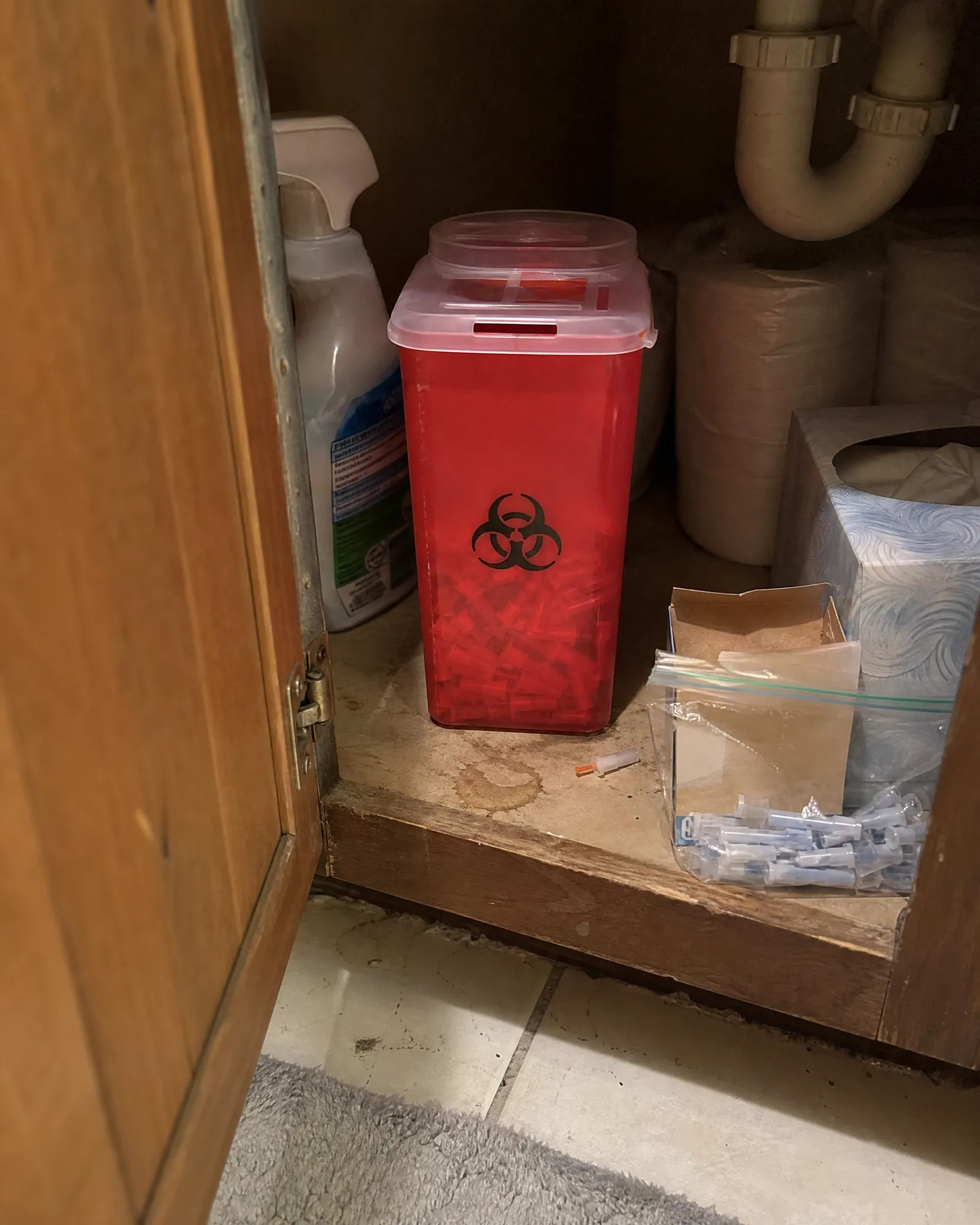
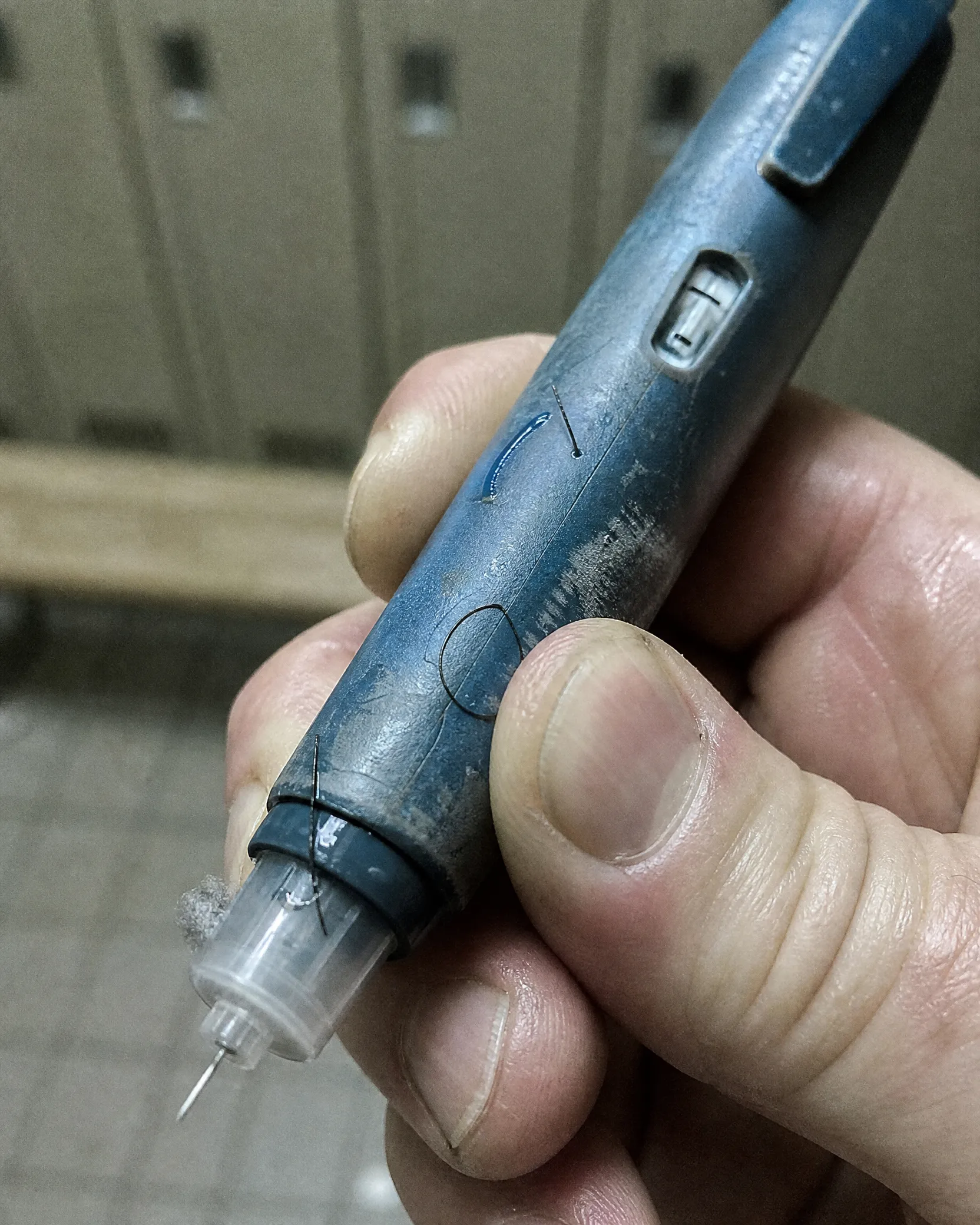
Your toilet is showing you something about your kidneys every single day. You've been flushing the evidence for months. Maybe years. One phone call with a friend who'd seen the same foam told me what no doctor, no medication, and no lab result ever made clear. That foam isn't soap. It's protein. And protein in the bowl means your body is breaking down in a way that only gets one ending if you keep flushing and forgetting. Took me three months to realize my kidneys were leaking protein every time I peed. At first I'd flush and forget it. Little foam on top. Figured it was cleaner or water pressure or one of those things that just happens. Then it kept showing up. Every morning. Every night. Same foam. I'd stand there looking at it thinking, that's weird, and still do nothing. What finally shook me was when it started looking thicker. Like someone had swirled dish soap in the bowl. Thick enough that it didn't pop and disappear. It just sat there. That's when it stopped feeling like a toilet problem and started feeling like a me problem. I booked a checkup. My doc ran labs. Two days later he called. Protein spillage way over normal. Creatinine creeping up. He said, "That foam? That's your kidneys leaking because your blood sugar's been beating up the filters for years." Then came the part that stuck. "We're going to need to add another medication on top of your Metformin if this doesn't improve in the next few months." I hung up feeling trapped. Already on meds. Already watching what I ate. Already sick of adding bottles to the counter. And now I had a deadline. A few months before another prescription got added to the pile, and the pile never gets smaller. It only grows. I kept thinking about that word. Another. Not instead of. On top of. The Metformin wasn't working well enough, so the answer was more. More medication, more side effects, more pharmacy trips, more copays, more proof that this thing was winning and I was managing the losing. That night I called my college buddy Dave. Dave's had diabetes longer than me. But every time the subject comes up, his numbers are clean. I've never understood it. Same age, same build, same garbage diet in college. He's fine. I'm foaming. I told him about the toilet. The labs. The protein. The creatinine. The medication deadline. He was quiet for a second. Then he said, "Yeah. That was me about five years ago. Exact same conversation with my doctor. Exact same deadline." I said, "So what happened? What'd they put you on?" He said, "Nothing. I didn't go that route." I asked him what he meant. He told me about a cycling trip he'd done through the Blue Ridge Mountains a few years back. Said he'd stopped in a small town one weekend and ended up at a shop run by a woman who'd been a clinical pharmacist for eighteen years before she left the industry. I asked why she left. "She said she spent eighteen years filling prescriptions for diabetic patients and watching them come back every three months for a higher dose or a new drug added on top. She said she watched too many of them end up on dialysis while their doctors called the treatment plan managed. So she left and started doing her own research." She'd spent years working on a concentrated formulation. True Ceylon cinnamon bark extract, the real species from Sri Lanka, not the cassia that fills every supplement shelf. Blended with MCT oil so the body could actually absorb the active compounds instead of passing them straight through. She told Dave the whole goal was restoring insulin sensitivity at the cellular level. When cells stop responding to insulin, sugar stays in the blood and acts like acid on your organs. Your kidneys take the hit first because they become the backup filter for sugar your cells won't absorb. That's the foam. That's the protein leaking. The kidneys are doing a job they were never built to hold long-term. When cells start responding to insulin again, sugar gets handled where it's supposed to. The pressure on the kidneys drops. The filters stop leaking. She said people she'd worked with were seeing protein levels drop, creatinine stabilize, blood sugar smooth out. Not overnight. Over weeks. The kind of gradual shift that shows up in lab work and stays. Before Dave left, she gave him a small jar to try. Told him to take it with breakfast every day. A few weeks in, the foam in his toilet started thinning. By a month it was barely there. She later sent him a link to the same formula in softgel form so he didn't have to mess with droppers and oils. Same concentrated Ceylon bark. Same MCT oil. Just packed into a daily capsule. Resia. Dave said, "I take one Resia with breakfast. Still use my meds. Still eat normal. But that's what stopped the foam and kept me off the medication carousel." I said, "Why didn't you tell me this before?" He said, "You never told me about the foam before." Fair point. I ordered it that night. Kept thinking about that deadline. A few months before another prescription. Another bottle on the counter. Another step on a path that only goes in one direction. One Resia softgel with my first meal every day. That was it. First couple of weeks, the foam was lighter. I'd flush and it would break up faster. Not gone. But different. I started checking every time, which I know sounds insane but when you've been watching foam in your toilet for months and it starts changing, you notice. By week three it cleared faster. The thick dish-soap consistency was gone. Just a few small bubbles that popped and disappeared the way bubbles are supposed to. A month in, most mornings there was barely any foam at all. I'd stand there looking at clear water thinking about the three months I spent blaming cleaning products while my kidneys were leaking protein. The deadline was getting closer. I could feel it. Every week that passed was a week closer to sitting in that office and hearing my doctor say it's time for another medication. Two months in I went back for labs. Protein spillage had dropped. Significantly. Creatinine stopped climbing. Fasting glucose was lower than it had been at any point in the last three years. My doctor pulled up my chart. Scrolled through the history. Went quiet for a moment. "Whatever you've been doing, keep doing it. We don't need to add another medication right now." Right now. Those two words. That was the deadline lifting. Not forever. Not cured. But the carousel stopped for now. The next bottle didn't get added. The pile didn't grow. I didn't tell him about Dave. I didn't tell him about the pharmacist in the Blue Ridge Mountains. I didn't tell him about Resia. I just said, "Thank you." And walked out. I kept taking it. One softgel with breakfast. Every morning. Same as Dave. Two things I learned through all of this that I wish someone had told me earlier. The cinnamon in most kitchen cabinets and most supplements is cassia. Completely different species from Ceylon. Cassia contains roughly five percent coumarin, which is why European regulators cap daily intake. It was never designed to be taken at real doses every day for years. It puts strain on your liver, which is the last thing you need when your kidneys are already struggling. True Ceylon from Sri Lanka carries a trace of coumarin. Same word on the label. Different plant entirely. The only one safe for daily long-term use. And dose matters. Most cinnamon supplements sit at 500mg. Well below what the published research used. You could take those for a year, see nothing, and decide cinnamon doesn't work. You'd be wrong for a reason nobody told you. Resia is 7,200mg equivalent. Suspended in MCT oil so it actually absorbs. Third-party tested for purity, which matters more than it should given the FDA has flagged lead contamination in eighteen cinnamon brands since 2024. One softgel a day. I think about those three months a lot. Three months of looking at foam in the toilet and blaming soap residue. Three months of flushing and walking away. Three months of my kidneys sending me a signal I didn't want to read. If your toilet has been foaming and you've been telling yourself it's the cleaner or the water pressure or nothing, stop. Look at it. That foam is protein. And protein in the bowl means your kidneys are leaking because your blood sugar has been grinding through the filters. You can keep flushing and forgetting. Or you can do what I didn't do for three months and actually find out what's happening. Get your labs done. Ask for protein and creatinine specifically. Know your numbers. Resia. True Ceylon cinnamon from Sri Lanka. DNA-verified. 7,200mg equivalent. MCT oil. Third-party tested. One softgel a day. Link is below. Ninety-day guarantee. Your numbers move or you don't pay. I'm not a doctor. I'm not a pharmacist. I'm a guy whose toilet was foaming for three months while he blamed the cleaning products. Dave told me what to look for. Now I'm telling you. That's all this is.
Paul Mitchell
Ceylon Cinnamon 7200mg Equivalent with MCT Oil
Paul Mitchell
Ceylon Cinnamon 7200mg Equivalent with MCT Oil
Paul Mitchell
Your toilet is showing you something about your kidneys every single day. You've been flushing the evidence for months. Maybe years. One phone call with a friend who'd seen the same foam told me what no doctor, no medication, and no lab result ever made clear. That foam isn't soap. It's protein. And protein in the bowl means your body is breaking down in a way that only gets one ending if you keep flushing and forgetting. Took me three months to realize my kidneys were leaking protein every time I peed. At first I'd flush and forget it. Little foam on top. Figured it was cleaner or water pressure or one of those things that just happens. Then it kept showing up. Every morning. Every night. Same foam. I'd stand there looking at it thinking, that's weird, and still do nothing. What finally shook me was when it started looking thicker. Like someone had swirled dish soap in the bowl. Thick enough that it didn't pop and disappear. It just sat there. That's when it stopped feeling like a toilet problem and started feeling like a me problem. I booked a checkup. My doc ran labs. Two days later he called. Protein spillage way over normal. Creatinine creeping up. He said, "That foam? That's your kidneys leaking because your blood sugar's been beating up the filters for years." Then came the part that stuck. "We're going to need to add another medication on top of your Metformin if this doesn't improve in the next few months." I hung up feeling trapped. Already on meds. Already watching what I ate. Already sick of adding bottles to the counter. And now I had a deadline. A few months before another prescription got added to the pile, and the pile never gets smaller. It only grows. I kept thinking about that word. Another. Not instead of. On top of. The Metformin wasn't working well enough, so the answer was more. More medication, more side effects, more pharmacy trips, more copays, more proof that this thing was winning and I was managing the losing. That night I called my college buddy Dave. Dave's had diabetes longer than me. But every time the subject comes up, his numbers are clean. I've never understood it. Same age, same build, same garbage diet in college. He's fine. I'm foaming. I told him about the toilet. The labs. The protein. The creatinine. The medication deadline. He was quiet for a second. Then he said, "Yeah. That was me about five years ago. Exact same conversation with my doctor. Exact same deadline." I said, "So what happened? What'd they put you on?" He said, "Nothing. I didn't go that route." I asked him what he meant. He told me about a cycling trip he'd done through the Blue Ridge Mountains a few years back. Said he'd stopped in a small town one weekend and ended up at a shop run by a woman who'd been a clinical pharmacist for eighteen years before she left the industry. I asked why she left. "She said she spent eighteen years filling prescriptions for diabetic patients and watching them come back every three months for a higher dose or a new drug added on top. She said she watched too many of them end up on dialysis while their doctors called the treatment plan managed. So she left and started doing her own research." She'd spent years working on a concentrated formulation. True Ceylon cinnamon bark extract, the real species from Sri Lanka, not the cassia that fills every supplement shelf. Blended with MCT oil so the body could actually absorb the active compounds instead of passing them straight through. She told Dave the whole goal was restoring insulin sensitivity at the cellular level. When cells stop responding to insulin, sugar stays in the blood and acts like acid on your organs. Your kidneys take the hit first because they become the backup filter for sugar your cells won't absorb. That's the foam. That's the protein leaking. The kidneys are doing a job they were never built to hold long-term. When cells start responding to insulin again, sugar gets handled where it's supposed to. The pressure on the kidneys drops. The filters stop leaking. She said people she'd worked with were seeing protein levels drop, creatinine stabilize, blood sugar smooth out. Not overnight. Over weeks. The kind of gradual shift that shows up in lab work and stays. Before Dave left, she gave him a small jar to try. Told him to take it with breakfast every day. A few weeks in, the foam in his toilet started thinning. By a month it was barely there. She later sent him a link to the same formula in softgel form so he didn't have to mess with droppers and oils. Same concentrated Ceylon bark. Same MCT oil. Just packed into a daily capsule. Resia. Dave said, "I take one Resia with breakfast. Still use my meds. Still eat normal. But that's what stopped the foam and kept me off the medication carousel." I said, "Why didn't you tell me this before?" He said, "You never told me about the foam before." Fair point. I ordered it that night. Kept thinking about that deadline. A few months before another prescription. Another bottle on the counter. Another step on a path that only goes in one direction. One Resia softgel with my first meal every day. That was it. First couple of weeks, the foam was lighter. I'd flush and it would break up faster. Not gone. But different. I started checking every time, which I know sounds insane but when you've been watching foam in your toilet for months and it starts changing, you notice. By week three it cleared faster. The thick dish-soap consistency was gone. Just a few small bubbles that popped and disappeared the way bubbles are supposed to. A month in, most mornings there was barely any foam at all. I'd stand there looking at clear water thinking about the three months I spent blaming cleaning products while my kidneys were leaking protein. The deadline was getting closer. I could feel it. Every week that passed was a week closer to sitting in that office and hearing my doctor say it's time for another medication. Two months in I went back for labs. Protein spillage had dropped. Significantly. Creatinine stopped climbing. Fasting glucose was lower than it had been at any point in the last three years. My doctor pulled up my chart. Scrolled through the history. Went quiet for a moment. "Whatever you've been doing, keep doing it. We don't need to add another medication right now." Right now. Those two words. That was the deadline lifting. Not forever. Not cured. But the carousel stopped for now. The next bottle didn't get added. The pile didn't grow. I didn't tell him about Dave. I didn't tell him about the pharmacist in the Blue Ridge Mountains. I didn't tell him about Resia. I just said, "Thank you." And walked out. I kept taking it. One softgel with breakfast. Every morning. Same as Dave. Two things I learned through all of this that I wish someone had told me earlier. The cinnamon in most kitchen cabinets and most supplements is cassia. Completely different species from Ceylon. Cassia contains roughly five percent coumarin, which is why European regulators cap daily intake. It was never designed to be taken at real doses every day for years. It puts strain on your liver, which is the last thing you need when your kidneys are already struggling. True Ceylon from Sri Lanka carries a trace of coumarin. Same word on the label. Different plant entirely. The only one safe for daily long-term use. And dose matters. Most cinnamon supplements sit at 500mg. Well below what the published research used. You could take those for a year, see nothing, and decide cinnamon doesn't work. You'd be wrong for a reason nobody told you. Resia is 7,200mg equivalent. Suspended in MCT oil so it actually absorbs. Third-party tested for purity, which matters more than it should given the FDA has flagged lead contamination in eighteen cinnamon brands since 2024. One softgel a day. I think about those three months a lot. Three months of looking at foam in the toilet and blaming soap residue. Three months of flushing and walking away. Three months of my kidneys sending me a signal I didn't want to read. If your toilet has been foaming and you've been telling yourself it's the cleaner or the water pressure or nothing, stop. Look at it. That foam is protein. And protein in the bowl means your kidneys are leaking because your blood sugar has been grinding through the filters. You can keep flushing and forgetting. Or you can do what I didn't do for three months and actually find out what's happening. Get your labs done. Ask for protein and creatinine specifically. Know your numbers. Resia. True Ceylon cinnamon from Sri Lanka. DNA-verified. 7,200mg equivalent. MCT oil. Third-party tested. One softgel a day. Link is below. Ninety-day guarantee. Your numbers move or you don't pay. I'm not a doctor. I'm not a pharmacist. I'm a guy whose toilet was foaming for three months while he blamed the cleaning products. Dave told me what to look for. Now I'm telling you. That's all this is.
Paul Mitchell
Ceylon Cinnamon 7200mg Equivalent with MCT Oil
Paul Mitchell
Ceylon Cinnamon 7200mg Equivalent with MCT Oil
Paul Mitchell
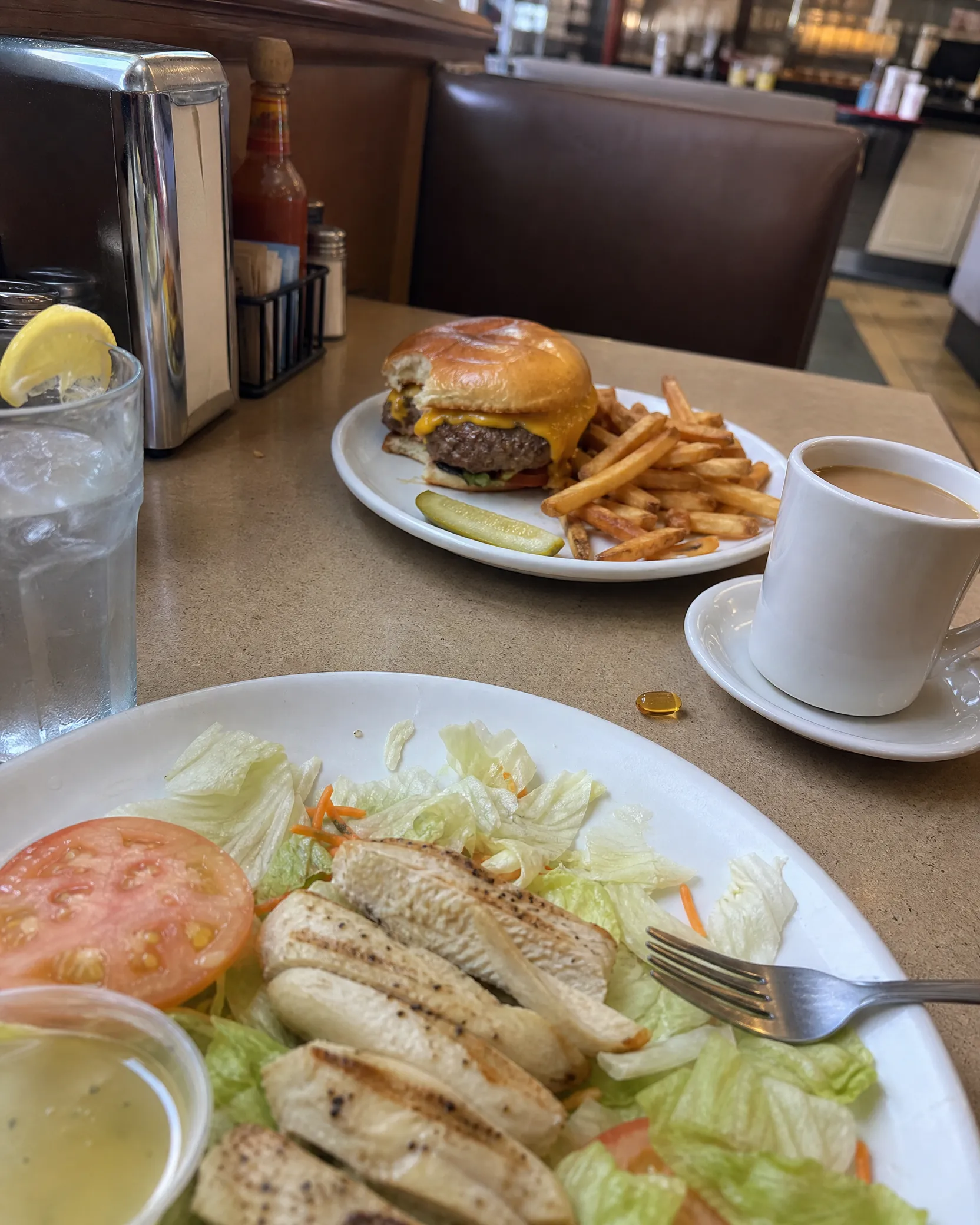
My buddy Travis is a type two diabetic. Last month I watched him eat a full rack of ribs, cornbread, mac and cheese, and sweet tea at a BBQ joint in Memphis. He tested his blood sugar 90 minutes later. 117. His buddy, a paramedic, made him test again thinking he grabbed the wrong finger. Same number. I drove six hours to find out what he takes before walking into a restaurant that serves diabetes on a plate. I met Travis at the same barbecue place where it all started. He ordered the full rack. I'm sitting there with my sad little salad watching this man slather sauce on ribs and he's grinning like he just got away with something. He pulled out his glucose log. Barbecue platter on April 3rd, 117 ninety minutes later. Fried catfish the week before, 119. Pulled pork sandwich with fries, 113. Every meal dripping in carbs and sugar came back cleaner than my salad ever did. His doctor kept running labs convinced the machine was broken. It wasn't. His A1C dropped from 9.2 to 6.4 in 10 weeks while eating BBQ twice a week. I asked what medication he was on. None. Zero. The next morning over coffee, Travis leaned in and said something that flipped everything I thought I knew upside down. "The food's not the enemy. Your broken cells are. Fix the cells and BBQ stops being off limits." Then he slid a bag across the table. Said it's the only thing that brought his cells back to life instead of condemning him to grilled chicken forever. Resia. I asked how he found it. "My doctor told me about it. Not in the appointment. After. He pulled me aside in the hallway and said, look, there's something I want you to try but I can't write it on your chart." I asked him why. "Because the system doesn't work that way. Insurance covers Metformin. Insurance covers Ozempic. Insurance covers the drugs that manage your numbers on paper while the damage keeps going underneath. It doesn't cover the thing that actually addresses what's broken at the cellular level. There's no billing code for it. So your doctor can either prescribe what insurance pays for, or he can quietly tell you what he'd actually take if it was his body. Mine did the second one. Most won't." That hit me harder than anything else he said all weekend. My doctor has been seeing me for nine years. Writing prescriptions. Adjusting doses. Scheduling follow-ups. And the thing that actually moved Travis's numbers isn't something he can officially recommend because the system doesn't have a box for it. I asked Travis to explain what it actually does. "Your cells stopped responding to insulin years ago," he said. "Every carb you eat turns into glucose floating in your blood with nowhere to go. Your cells are starving while you're drowning in sugar. Cutting carbs doesn't fix the cells. It just means less glucose knocking on doors that won't open." "Think of your cells like a doorbell that stopped working. Insulin's been ringing for years trying to deliver glucose. Your cells can't hear it. Glucose piles up on the porch while your cells sit inside starving. Your doctor keeps pressing the button harder with more drugs, louder insulin, hoping your cells finally answer." "They won't. The doorbell's dead." "Resia doesn't press harder. It replaces the doorbell. It reactivates the receptors that stopped hearing insulin. The doorbell rings. Your cells answer. Glucose gets delivered. The system works again." I asked him what it actually is. "Bark extract from true Ceylon cinnamon," he said. "Not the cinnamon sitting in your kitchen cabinet. That's cassia. Completely different plant. Cassia has about five percent coumarin in it, which is why European regulators limit how much you can take daily. It was never meant to be taken every day at real doses for years. It'll put strain on your liver." "Ceylon has a trace of coumarin. Same word on the label. Different species. The only one you can take daily long term." "And the dose is the part most people get wrong," he said. "Most supplements on the shelf are 500mg. That's nothing. Well below what the published research used. You could take those for a year, see nothing, and decide cinnamon is bullshit. You'd be wrong for a reason nobody told you." "Resia is 7,200mg equivalent. In a softgel with MCT oil so it actually gets into your bloodstream instead of passing straight through. Third-party tested. Which matters more than it should, because the FDA has flagged lead in eighteen cinnamon brands since 2024." I sat there for a while after that. Thinking about nine years of Metformin. Nine years of grilled chicken and steamed vegetables and pretending I didn't miss real food. Nine years of my doctor adjusting doses and scheduling follow-ups and never once mentioning that the cells themselves were the problem. Not because he didn't know. Because the system he works inside doesn't have a billing code for the answer. I ordered my first supply that day. Week one, my energy leveled out. The 3pm crash that had me reaching for coffee just to get through the afternoon stopped happening. I didn't notice it until Wednesday when I realized I'd made it to dinner without that familiar wall. Week three, I stopped obsessing over every meal. For the first time in years I actually felt full after eating instead of immediately planning my next snack or worrying about what the number would be. Week six, my morning glucose dropped from the 170s into the high 90s. I tested three days in a row because I didn't believe the first one. Week ten, my A1C came back at 6.3. Down from 8.6. My doctor stared at it. Ran another test. Same number. He pulled up my chart, scrolled through it, and said, "I'm not sure what you changed, but whatever it is, keep doing it." No pills. No restrictions. Just cells that remembered their job. I went back to see my doctor after those results came in. I told him about Resia. About Travis. About the 7,200mg and the MCT oil and the doorbell. He was quiet for a long time. Then he said, "I can't officially recommend this. But I can tell you your numbers are better than they've been in nine years and I'm cutting your Metformin in half." That's the system. The same doctor who can't recommend it is cutting my medication because of what it did. He knows. He just can't say it out loud. Travis told me something before I left Memphis. He said, "I spent two years sitting in restaurants watching people eat what I couldn't. Ordering the grilled chicken. Skipping the bread. Pretending I didn't care." "It turns out I just needed to fix the doorbell. Not change the address." I think about that every time I sit down to eat now. All those years of restriction. All those meals I didn't enjoy. All those barbecue joints I drove past. And the whole time the problem wasn't the food on the plate. It was what was happening inside the cell. And the system that was supposed to help me couldn't even point me toward the thing that actually worked because there's no insurance code for it. Get your blood work done first. Full panel. HbA1c, fasting glucose, everything. Know your real numbers before you start so you can see what actually changes. One warning. There are knockoffs flooding Amazon right now with similar packaging but cassia and seed oils inside instead of real Ceylon and MCT. Cassia does nothing for blood sugar and puts strain on your liver at daily doses. Only order through the official site. They produce in small batches and it's backordered more often than not. If it's in stock when you click, don't wait. Resia. True Ceylon cinnamon from Sri Lanka. DNA-verified. 7,200mg equivalent. MCT oil. Third-party tested. One softgel a day. Link is below. Ninety-day money-back guarantee. Your numbers move or you don't pay.
Paul Mitchell

 Add to Chrome