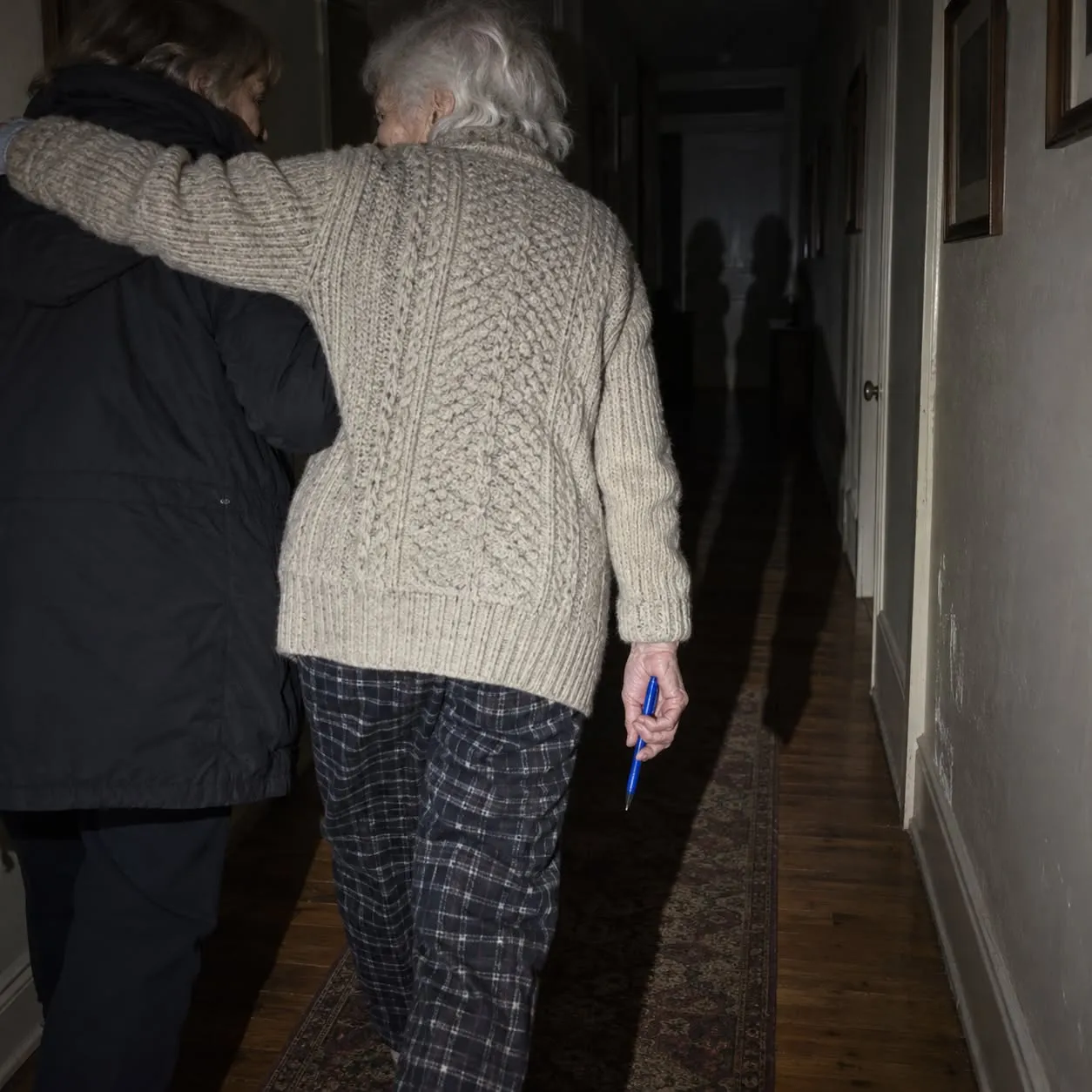
Six quilts and still cold
Ad Copy
My son swore his grandmother would be fine because her furnace was gas. He said it kindly, two hours away behind iced roads, on day two of the blackout: "Mom, the furnace is gas, it doesn't need the power." By the next night, Mother had gone still under six quilts and my arms. Last winter the power went out again. I found her in her chair by the window, doing the crossword in pen with warm pink hands. And that morning, Mark had called me with a very different sentence. There's a version of the blackout two winters ago where I buried my mother. In that version, six quilts and my own body weren't enough for her... and that part actually happened. It was the third day of the blackout. One candle was down to a stub on her nightstand. I was stretched out on top of her quilts in my winter coat, my boots still laced and still muddy from the drive, both arms around the shape of her and my cheek on her hair. And under my arms, she wasn't getting any better. Out in the hall, the little screen on her thermostat swore the furnace was on. That's the bed she's slept in since she came to that house as a bride. I'm the one in our family who makes sure everyone's okay, and I couldn't do it for her. She lived. I'll say that now, because for a long time I couldn't say it plainly to the one person who asked. Lily, my granddaughter, was nine that winter. For a whole year after, whenever she brought that night up, I kept my back to her at the sink and told her the same thing... ..."Gran-Gran was only very sleepy, honey." That was a lie, and it held right up until the power went out again last winter. So how did she live? I'll get there. But first you ought to know who she is. Edna Pruitt has lived sixty years in the brick house on Locust Street. Daddy carried her over that doorstep, and he's been gone nineteen years now. Every morning she does the newspaper crossword at the kitchen table. In pen. She sets out two teacups, too, even when nobody's coming. I asked her once who the second one was for. "Whoever shows up," she said. In my 67 years I have never once seen her let anybody carry her groceries in. Not me, not the boy at the store, not the pastor. I'm Carol Whitley. I was the school secretary at Lincoln Elementary for thirty-one years, I live ten minutes from Mother, and I've been the one who thinks ahead since I was a girl. I nearly lost my mother in her own bed. And Lily stood in that doorway and watched me try. I wasn't careless. It was the furnace I trusted, and one thing I didn't know it needed. The next morning, from a hospital bed, Mother told me something I've never repeated to Lily or to my son. I'm telling the rest of it because somebody told me what I didn't know, and that's the only reason she's still doing her crossword. The news said ice that Friday. Lily's weekend sleepover was at Gran-Gran's anyway, so I drove her over and figured the three of us would ride it out together. The power went out at supper and didn't come back. Nobody at that table thought it had one thing to do with the furnace. Mother didn't even put her spoon down. "The furnace is gas, honey, go home." I didn't go home. But I believed her. I thought maybe a couple hours. Maybe a day. So I pushed the thermostat up to 74, lit a burner on the stove with a kitchen match and made Lily cocoa, and because that stove caught right away on gas, I was surer than ever the furnace was fine... I never once put my hand to the vent. Two doors down, a flashlight was moving behind somebody's glass. A woman named Denise lived there. I'd waved at her from the car for years, and I couldn't have told you what she did for a living. By the second morning, the kitchen was colder than the porch. I finally held my hand over the vent in the hall. Nothing came out. Nothing at all. The thermostat screen still showed 74, furnace on. Right under it, on the hall table, Mother's glass of water had grown a skin I could tap with a fingernail. So I called the gas company. The woman on the line was kind, and I knew the calls were stacking up behind mine. The gas was on, she said. This was a power problem, and they didn't have anything to do with the power. I stood in that hall with the phone to my ear, staring at a screen that wouldn't stop telling me the furnace was on. That afternoon Lily came and tugged my sleeve. "Gran-Gran didn't finish her puzzle." Mother was still at the kitchen table in her church coat. The crossword lay half done in pen beside the second teacup, and the tea she'd poured for whoever showed up had set hard across the top. Her fingertips around the pen looked like candle wax. I have never in my life seen her leave a crossword. That evening my mother, who won't let a soul carry a sack of groceries, put her hand on my arm... and let me walk her down the hall to bed. Those quilts have gotten her through every winter I can remember. My grandmother made two of them. That night I lifted the sixth one out of the cedar chest, the last quilt in the house, and laid it over the other five. The fireplace earned its keep too. Once I saw her fingers I'd sat her in front of it, and her hands came back. But the woodpile out back had set into one solid lump I couldn't pry a stick off, so when the last log was gone, the back bedroom was right where it started. By the third day I had to tug the top quilt to turn it down, and the edge by her face stuck to my fingers. I put that down to the room. I got her into a nightgown straight off the shelf and moved her over to the side of the bed nobody had slept in... and her chin never held still. Why didn't I just put her in the car and go? I thought about it every hour. The roads were iced over, and the radio kept saying the power would be back soon, so we stayed. I couldn't even get Lily home to her parents. My car sat glazed over in the drive. A few minutes in it would warm her up, but then she'd be right back in that cold bed, and nobody sleeps a night in a running car, because the fumes can build up inside. My son Mark called from two hours away on the second day. He said it kindly. "Mom, the furnace is gas, it doesn't need the power. "Gran will be fine." On the third day I called 911. The whole county was swamped. Hours, they said. Keep her covered. I walked out to the end of the drive in my coat and boots to look at the road, and I came straight back in. I didn't stop for the boots. I didn't want to lift those quilts and let the room in on her, either, so I lay down right on top. That's where I was on the third night, and I stayed there for hours. The furnace runs on gas. Mother has six quilts. I'd told myself that for three days, and lying there with her hair against my face, I couldn't make either half of it hold. She was still cold under my arms. Lily took a picture from the doorway on my phone, to send her dad. I didn't find out she'd done it until weeks later. Sometime after that, Mother stopped answering me. A little later her chin quit moving... and she went still. From the doorway Lily said, "Is Gran-Gran dying?" I called 911 again. Still hours. I don't really remember getting up. I remember the hall, and my thumb jabbing the up arrow on that thermostat over and over, my breath showing in front of the little screen while it kept telling me the furnace was on. Then I was out the front door in my boots, sliding down the walk toward the one porch on the street with a light moving behind the glass. Denise's. She opened the door in her robe and boots with the flashlight in her hand. "My mother," I said. "She's gone still." She didn't ask me one question. She turned back to her bedroom and took something small from the nightstand drawer the flashlight had come out of. She followed me back up the street. She walked straight past the thermostat. She walked past the six quilts, too, without a word. Two fingers went to Mother's wrist. She waited. She nodded. "Carol, get up." I got up. She folded the quilts back, all six of them, and her hand stopped flat on the top one. It was wet at the edge where Mother's face had been. The thing from her drawer was an olive sack about the size of a soda can, with a cord and an orange whistle that swung as she worked it open. Out came a thin olive bag, crinkled flat. "Lift her shoulders for me." We worked it up around Mother over her nightgown, Denise at her feet and me at the top, until only her face was out in the air. Silver showed just where it folded open at her chin. Lily held the flashlight in the doorway. She didn't come any closer. Denise pulled the quilts back on top. All six. I remember thinking it. That little thing, under all those quilts? Only after that did she call dispatch. While we waited she sat on the edge of the bed with her hand on Mother's arm, and the first real thing she said to me was this: "Your furnace burns gas, Carol, but it can't run without the power." The thermostat runs on its own little batteries, she said. So the screen kept saying heat on, all three days, with nothing behind it. I thought about Mother at supper. The furnace is gas, honey. I thought about Mark on the phone, and the woman at the gas company, who'd been right about her half. The gas was on. It just had nothing to run it. And the quilts. Mother's body had kept working all three days, Denise said, and losing everything it made to a house where water grew a skin in the glass. With the furnace off for days, nothing in that room ever gets a chance to air out. A sleeping body breathes and sweats a little all night. The quilt up by her face soaked that up, a little at a time, for three days. That was the wet edge under Denise's hand. Dry, those quilts held Mother's heat in, the way they do every normal night. Damp, they let it through much more easily, so her own heat kept leaving through the pile faster than her body could make it back. A nightgown off the shelf couldn't fix that, because the trouble was in the quilt over it. "You know a tea cozy?" she said. "A dry one keeps the pot hot all morning. "Let it soak up drips till it sags, and the pot gives everything up right through the cloth. "You're making a fresh pot long before you should." By the third day, Mother's quilts were the damp cozy. Nobody kept that from me on purpose. The gas company only handles the gas. And that night every power crew in the county was stretched thin over every other house on the list. Nobody gained a thing from me not knowing. It just fell in between. "A bag the size of a soda can," I said. "Against six quilts?" "It's called TerraShell." "TerraShell," I said. She didn't make it out to be anything special. The thin film sits between Mother and the quilts, she said, so what the quilts took in, and the room itself, stay off her. The silver inside sends about 90% of the heat her own body makes right back to her. It doesn't make heat of its own, and it doesn't need power, fuel or a battery. That's why the quilts could go back on top and do their job from the outside. It uses the heat-reflecting technology NASA developed. First responders carry that kind of gear, she said, and this is the easier form of it. "How do you even have one in your nightstand?" "Later," she said. "Watch her hands." For a long while, nothing. I kept my hand on Mother's arm through the quilts. I was so scared I'd been too late. Then she shivered under my hand. "Good," Denise said. "That's her body working again." A while after, Mother turned her face toward me and said, "Carol." Just my name. I'd waited most of a day for her to say anything at all. By the time the crew got there, near dawn, her fingers were pink against the olive edge at the fold. The medic took her hands in his, looked up at Denise, and didn't say a word. They took her in to be checked, and Lily and I rode along. Out on the porch, while they loaded her, I asked again. Twenty-six years, Denise said. Twenty-six years as a county paramedic, carrying people out of cold houses. The ones she'd reached too late... she said they were always under the most covers. That's why she keeps one by her bed and one by her husband's, and one in each of their cars. She didn't want a thing for any of it. She pulled her robe closed and picked her way home down the walk. In a plastic chair in the hospital hallway, before the sun came up, Lily fell asleep against my side and I called Mark. I told him all of it. He didn't say anything for a long time. "Count me and Jen in, Mom." So I ordered four, right there on my phone, saying each name out loud so I'd get it right. One for Mother. One for me. One for Mark. One for Jen. Those are the grown-ups who look after Lily, and on a night like that one, every one of us has to stay warm enough to keep looking after her. Count the people, not the houses. That's how Denise does it. Last winter, the power went out again. On the second night I drove Lily over on roads that were open this time. I kicked my snow boots off at the door. I walked right past the hall thermostat, still saying heat on, and didn't touch it. Mother was in her chair by the bedroom window, in the brick house she came to as a bride, her own TerraShell around her up to her chest and one of the six quilts over it. The flashlight from her nightstand drawer sat on the sill. She was doing the crossword in pen with warm pink hands while ice glazed the glass. The second teacup was out. This time she'd poured it for me. Lily stood in the doorway a long minute. "Was Gran-Gran only sleepy that time?" I sat down on the arm of Mother's chair. "No, baby. "Gran-Gran was very cold. "And a neighbor knew what to do." Mother didn't look up from her puzzle. She just reached out and squeezed Lily's hand with her warm one. That morning Mark had called before I was even up, with a very different sentence than the one he'd said two winters before. "Mom, ours are out of the drawer. "Is Gran's?" If you've trusted your furnace and your quilts, you did nothing wrong. They work every normal night. They worked for my mother for sixty years. Here's what she told me from that hospital bed the next morning. I've never said it to Mark or to Lily. "It had gotten to the point it was so cold, I thought I might die. "I was crying. "I was scared." My mother. The woman who won't let anybody carry her groceries. When the power goes out, you won't have time to order one. You'll have what's in the house. It's one small step. I did mine on my phone in a hospital hallway. One for each person you love. Everybody gets their own. I ordered the "x4 TerraShell" because my count was four. If yours runs bigger, with a husband, your children and the people they married, the "x8 TerraShell" is the one the page marks most popular. Over 50,000 customers have already ordered theirs. TerraShell comes with a 120-day money-back guarantee. The day yours arrives, shake one open at your kitchen table and hold it in your hands. If it isn't what I've told you, send it back within those 120 days and get your money back. My order confirmation said this batch was one limited first run, and once it ships, the next one has to be made from scratch. So: If the link below is still active, they're in stock. If it's not, you missed this batch. https://tryterrashell.com/pp Count the people you love, not the houses, and put one where you can reach it before the power goes out. https://tryterrashell.com/pp P.S. When yours come, put each one where you'd reach for it in the dark: the drawer by the flashlight, the nightstand, the hall closet, the car. On the night you need it, there are three steps. Shake the bag open. Step in over dry clothes. Pull your quilts back on top. P.S. If your husband reads this over your shoulder and says the furnace is gas, hand him your phone. Let him do the counting. P.S. Lily doesn't ask me about that night anymore. When the forecast says ice, she asks if Gran-Gran's is in her drawer. It is. P.S. TerraShell comes with a 120-day money-back guarantee. I'd sooner you had one in the drawer and never needed it. P.S. The order page has them at up to 55% off. https://tryterrashell.com/pp
More from Karen Keller
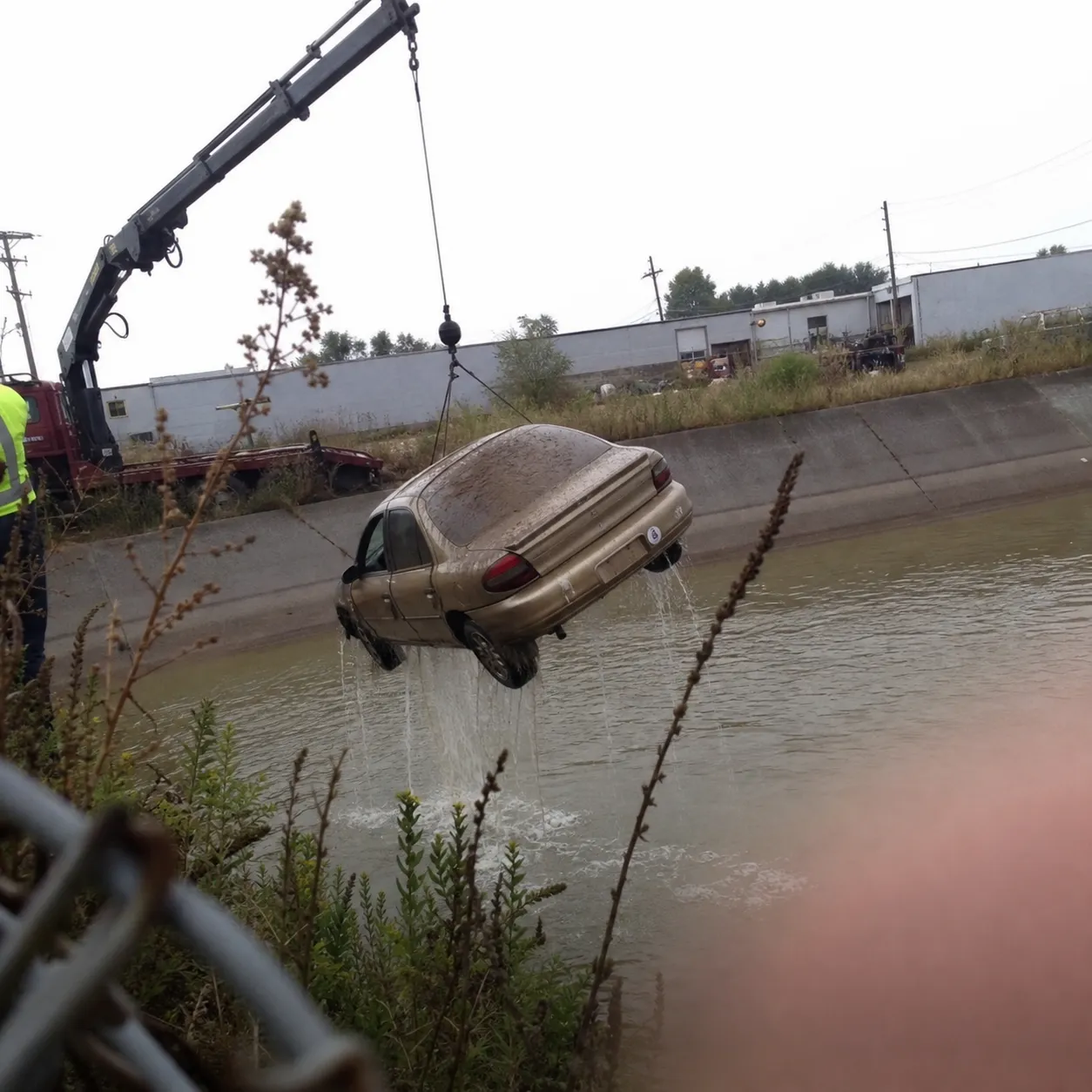
Get Out When Doors Jam
Karen Keller
Get Out When Doors Jam
Karen Keller
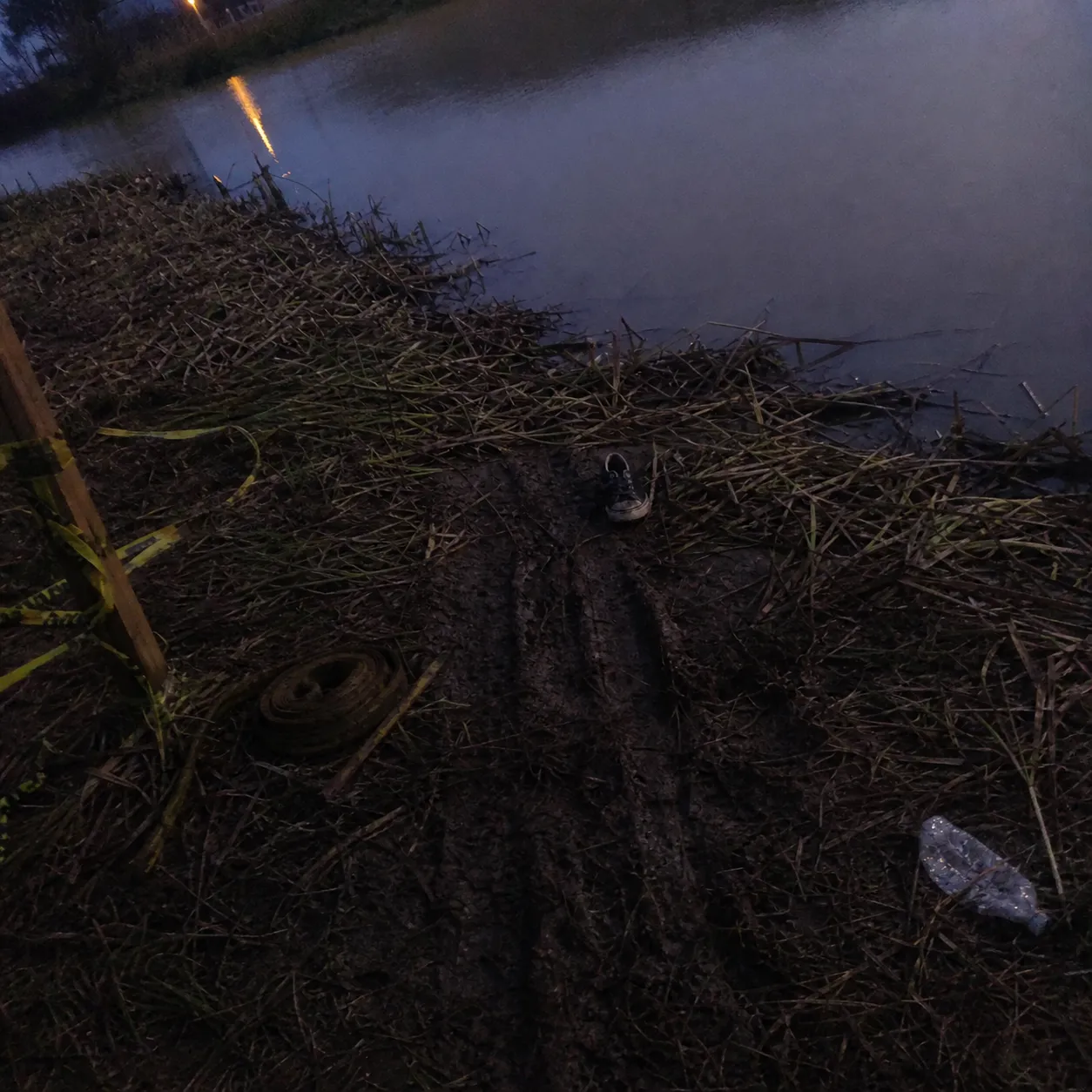
Get Out When Doors Jam
Karen Keller
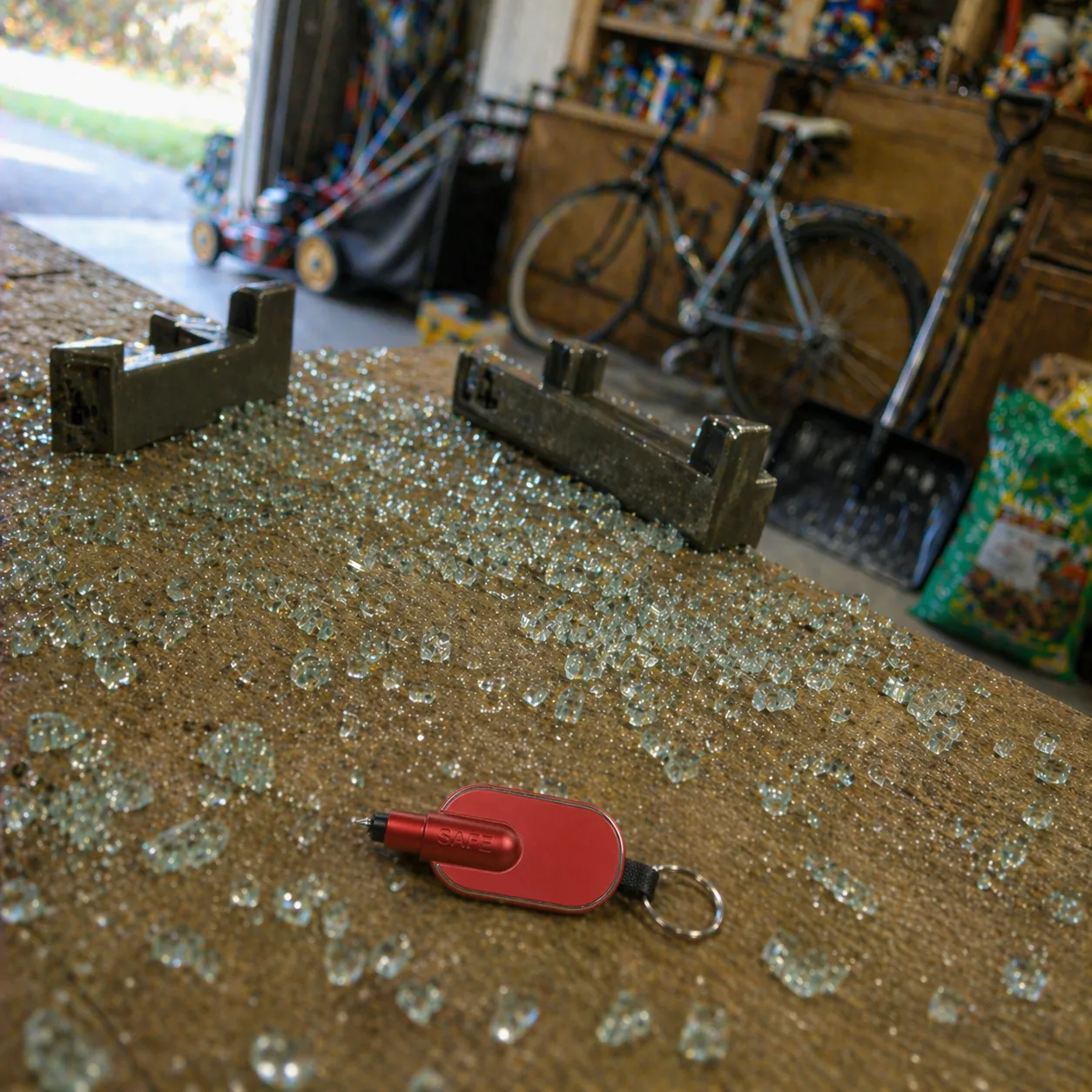
The Crash Was Survivable. The Door Killed Him.
Karen Keller
Get Out When Doors Jam
Karen Keller
Get Out When Doors Jam
Karen Keller
The Crash Was Survivable. The Door Killed Him.
Karen Keller
Get Out When Doors Jam
Karen Keller
Get Out When Doors Jam
Karen Keller
Get Out When Doors Jam
Karen Keller
The Crash Was Survivable. The Door Killed Him.
Karen Keller
Get Out When Doors Jam
Karen Keller

 Add to Chrome