The Crash Was Survivable. The Door Killed Him.
Ad Copy
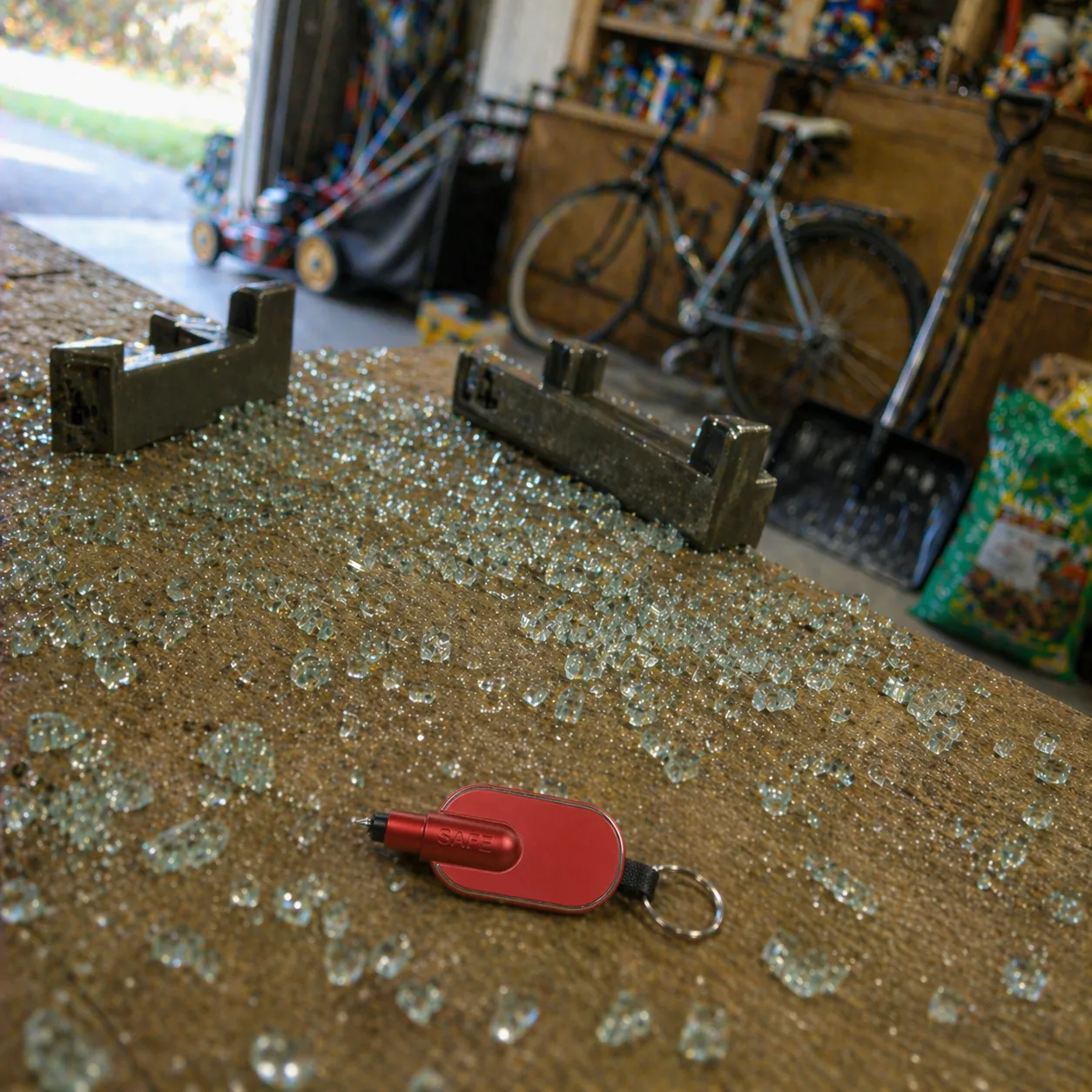
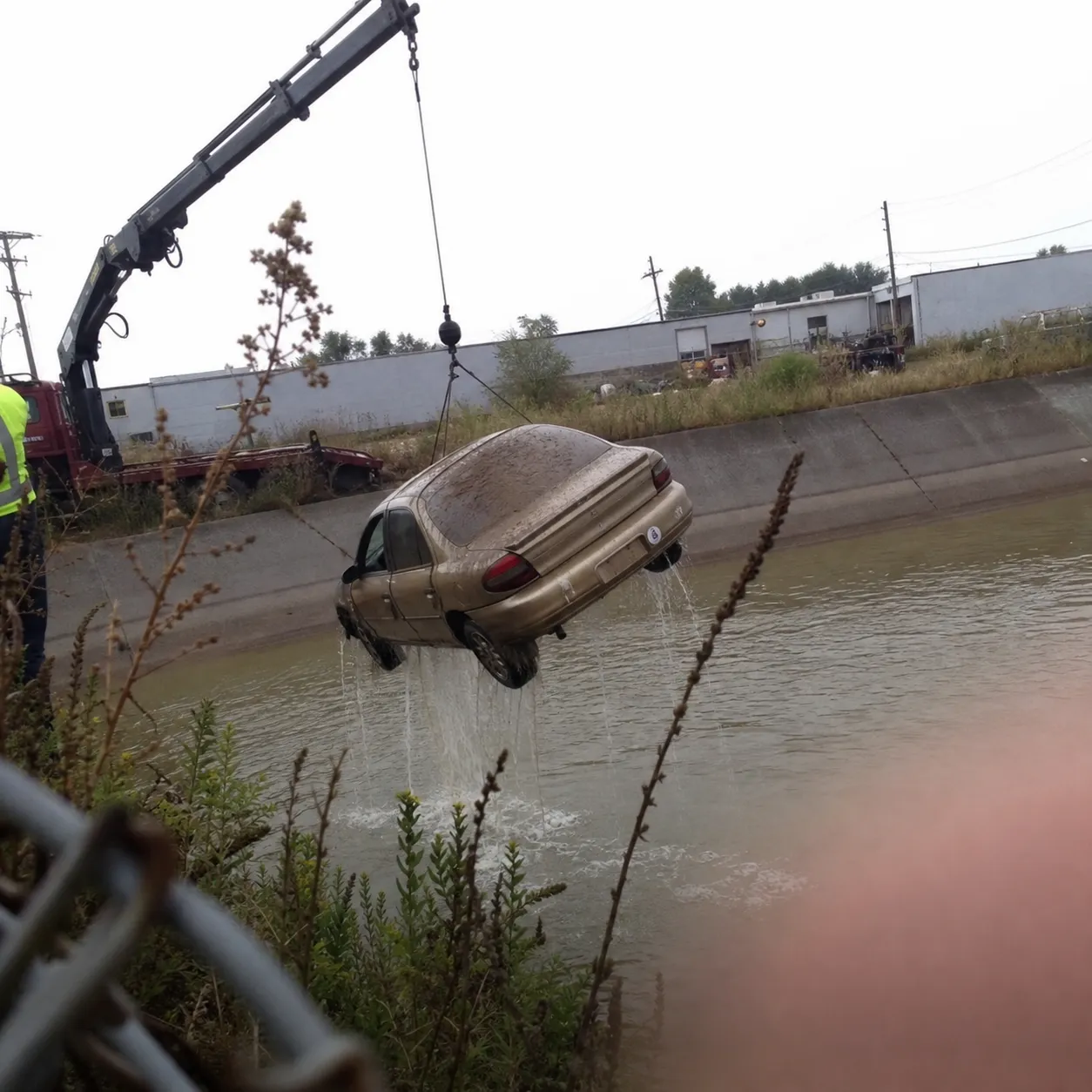
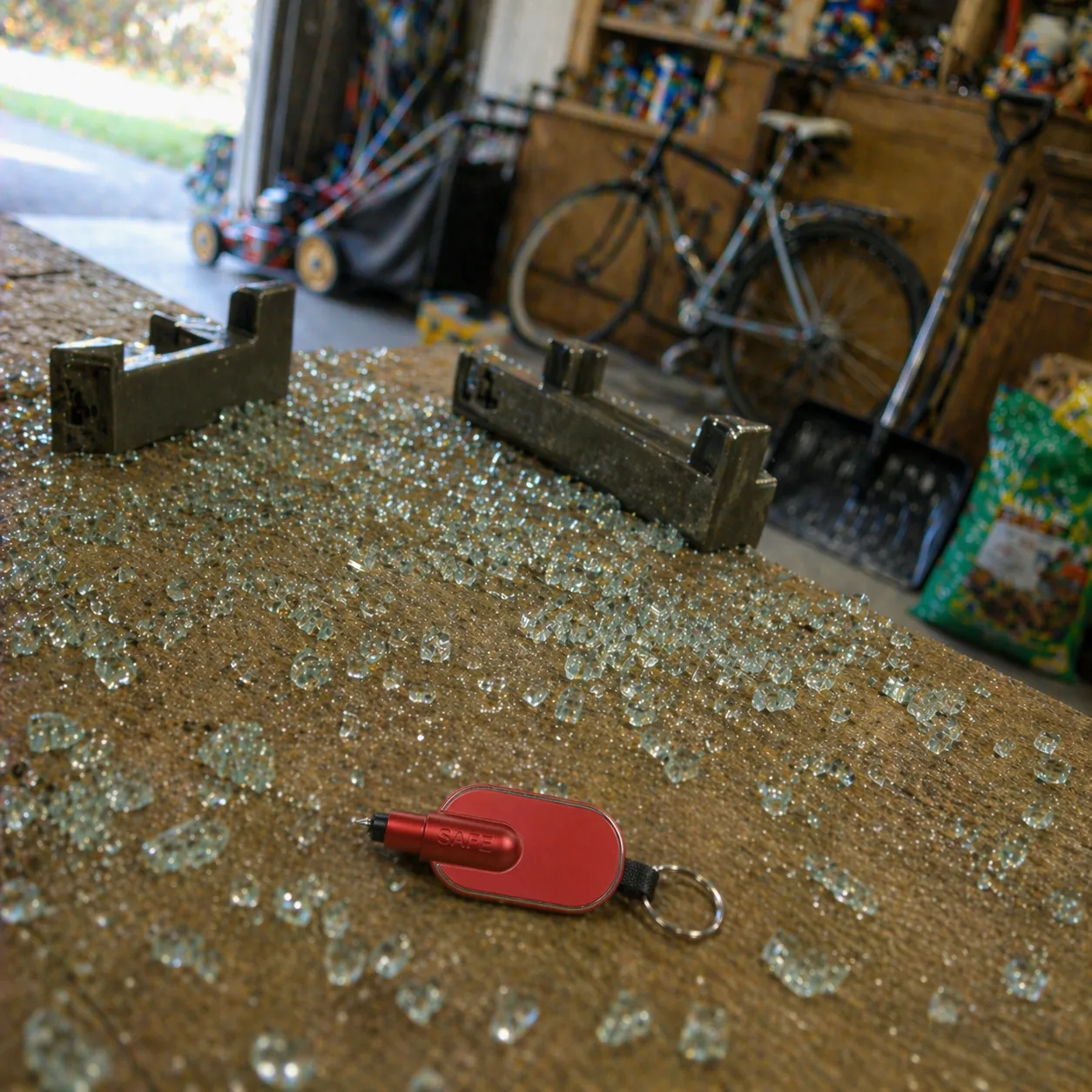
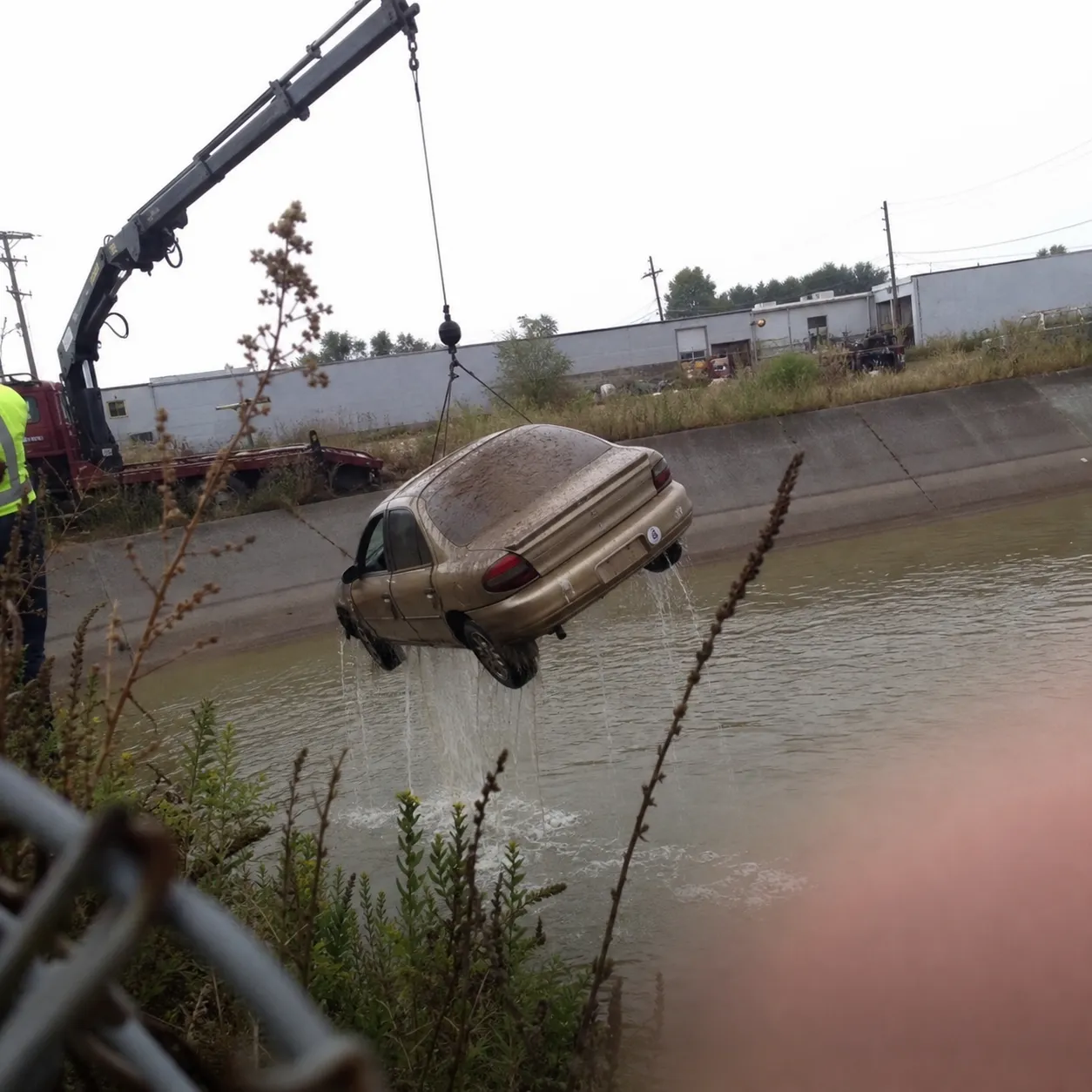
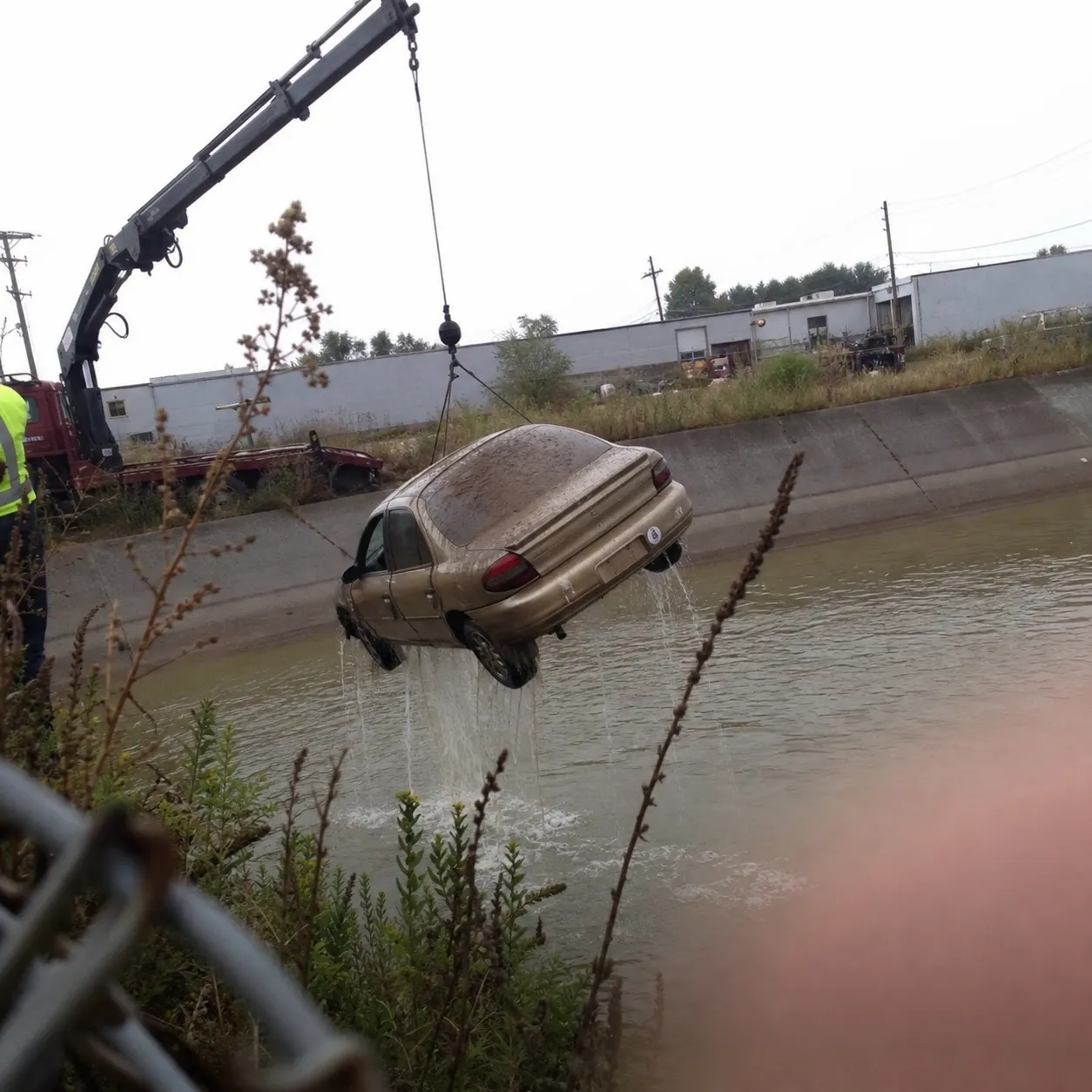
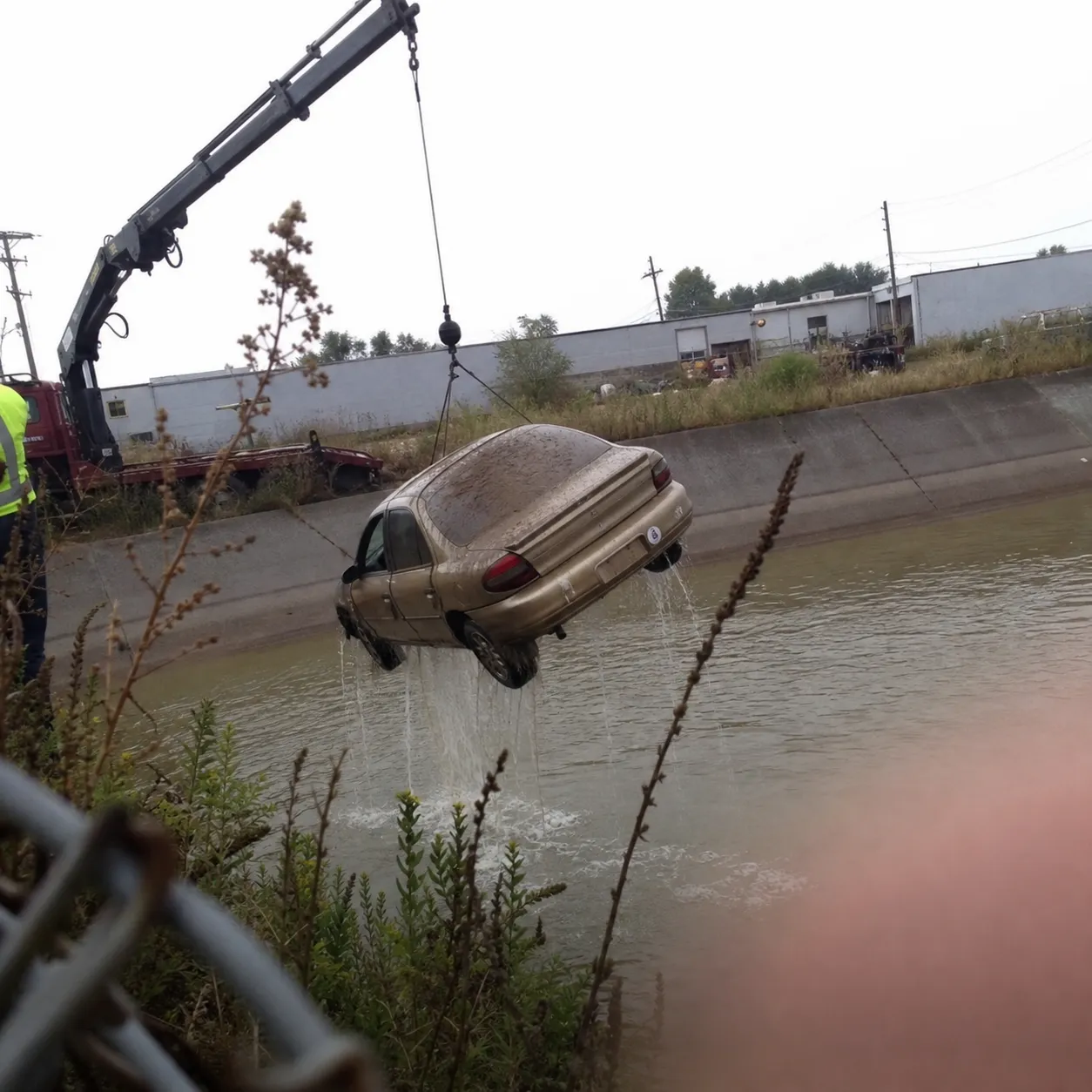
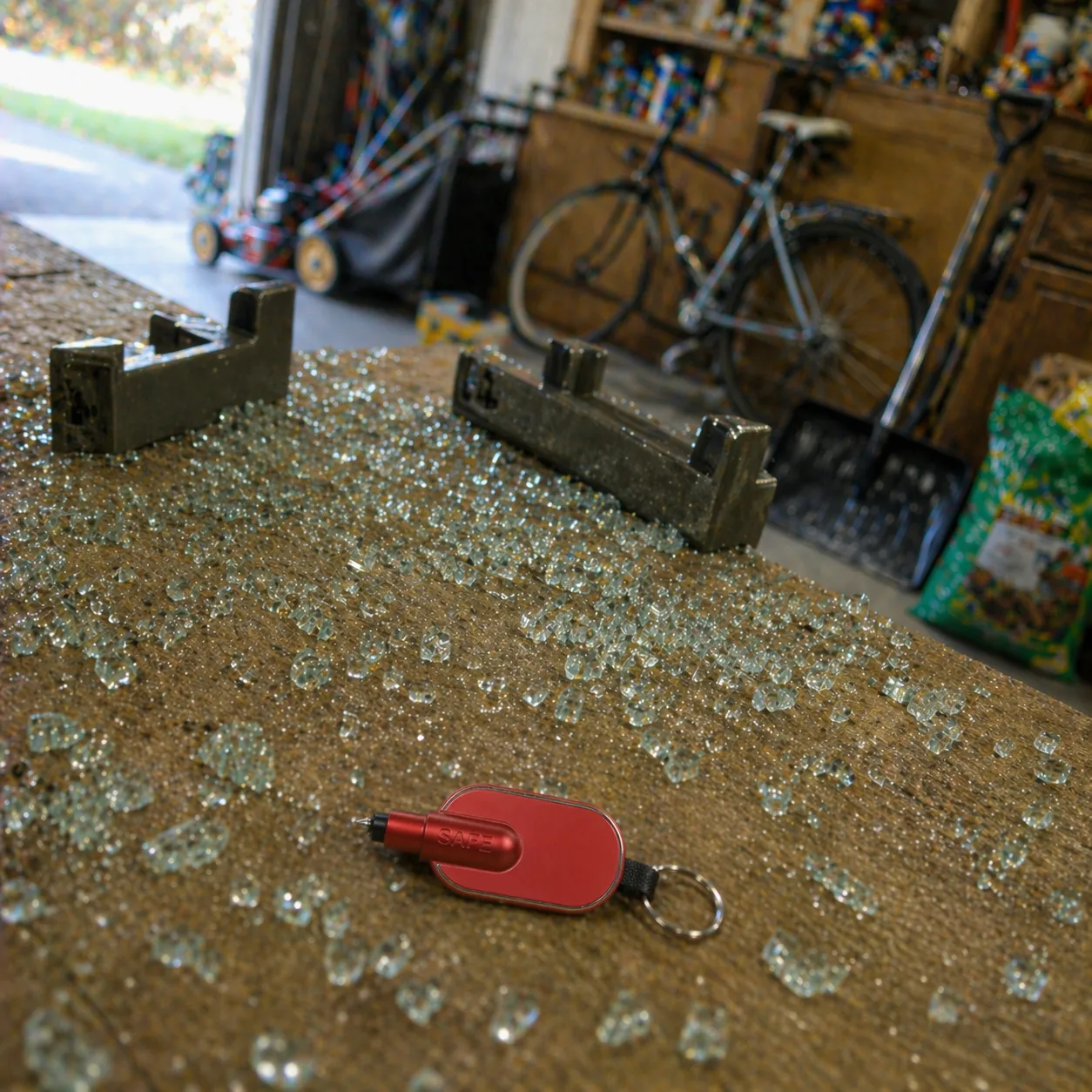
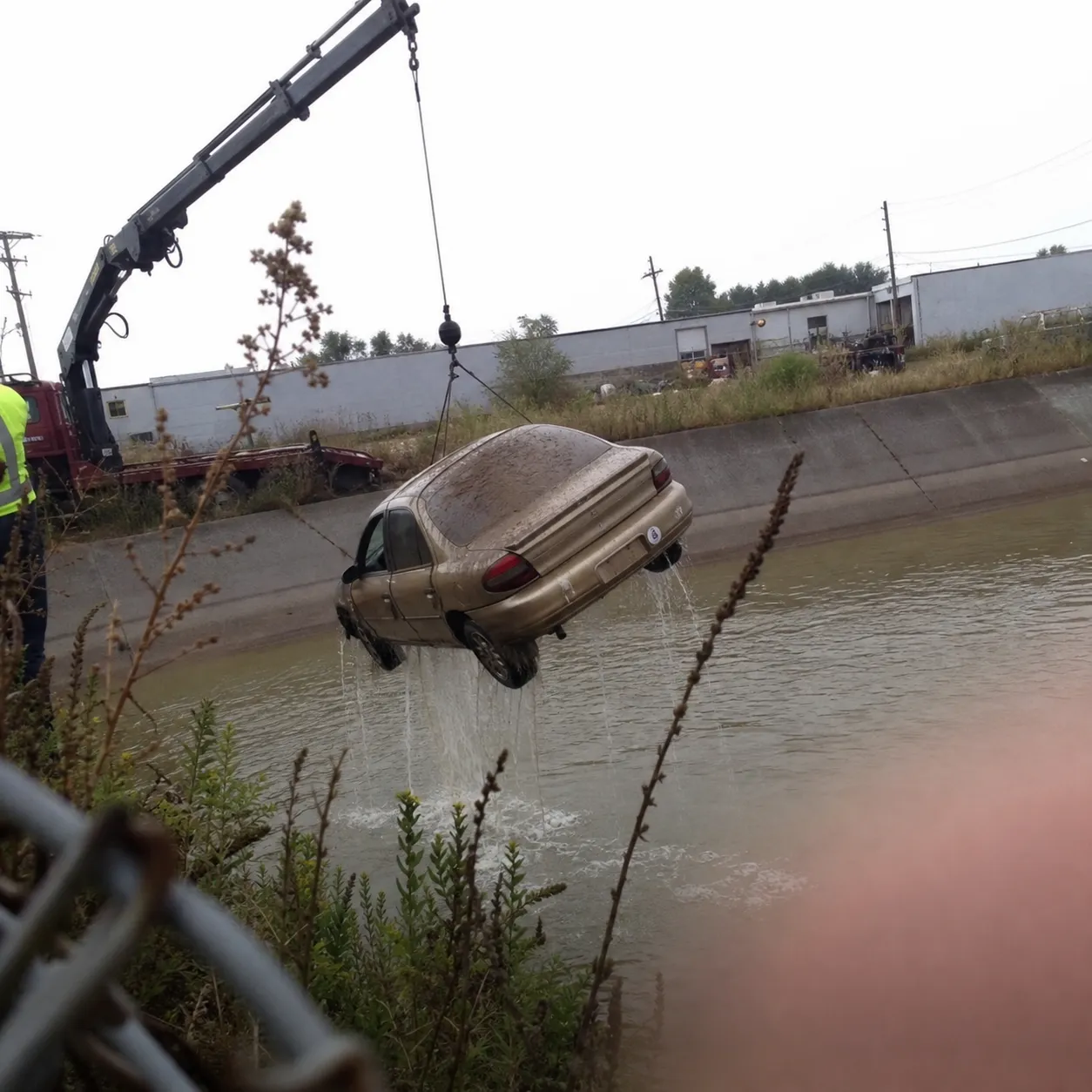
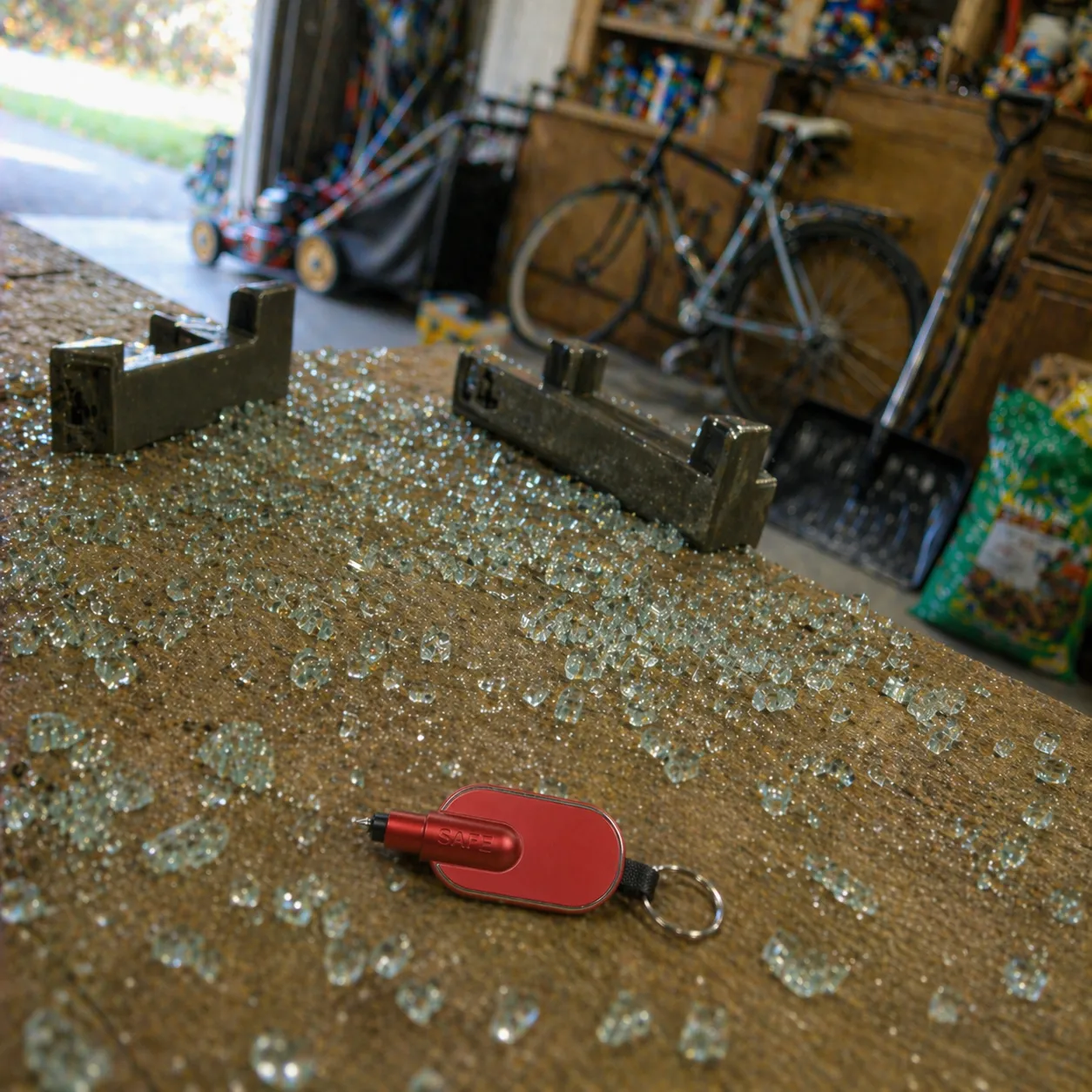
I don't post on Facebook. I have an account because everybody has one and I check it when my mother sends me pictures of her dahlias. I'm writing this because I ran into a woman at the grocery store last Tuesday and I couldn't look her in the eye. She was buying milk. Her son was one of the four boys in the car the day after Thanksgiving. Mine was the one who got out. I don't post on Facebook. I have an account because everybody does and I check it when my mother sends me pictures of her dahlias. I'm writing this because I ran into a woman at the grocery store last Tuesday and I couldn't look her in the eye. She was buying milk. I was buying coffee creamer. We'd stood next to each other at a parent night three years ago and I'd liked her then. Her son was one of the four boys in the car the day after Thanksgiving. Mine was the one who got out. I turned my cart around in the dairy aisle and I went home without the creamer. -- I'm going to tell you what happened in November because three months later, I can't stop thinking that there are other mothers reading this who don't know yet what I know. Four boys, all sophomores, all home from college for Thanksgiving. They'd grown up in our town together. They'd played soccer together when they were nine. The day after Thanksgiving they were going from one house to another. A short drive on a road they'd driven a thousand times. The car hit a wall. It hit a wall hard enough that the front was crushed but not so hard that anyone inside should have died from the impact. I'm told this because the coroner said so later. I'm told the impact was survivable. For all four of them. -- What killed three of them was that the doors wouldn't open. The car was a newer model with electronic door handles. When the front end hit the wall, the small battery that runs the electronics took the hit, and every electronic in the car went dark in the same second. The dashboard. The handles. The interior lights. There are mechanical backups for the doors, the manual releases the car company puts in for exactly this situation. The boys were 19 and 20. They'd bought the car used three months earlier. I'm sure not one of them had ever practiced finding the manual release. I'm not even sure I could find the manual release in my own car right now without Googling it. The fire started in the engine bay maybe a minute after impact. It was in the cabin within ninety seconds. -- A friend of theirs had been driving home from the same gathering, in his own car, behind them. He saw the crash and he pulled over. He was 20 years old, with no tools and bare hands, and he did what any 20-year-old would do. He ran to the driver's side and tried the handle. It didn't work. He tried the back doors. They didn't work either. He tried to punch the front passenger window with his fist. Tempered glass isn't designed to surrender to a fist. He cut his hand badly enough that he needed surgery on it later. The window didn't break. He went and found a piece of curb stone, a broken chunk of concrete from somewhere on that block, and he came back and he hit the window with that until it broke. He reached through. The boy in the front passenger seat was the closest. He pulled that boy out by the shoulders. That boy was my son. -- He couldn't reach the other three. The smoke had filled the cabin by then so he couldn't see to find them, the heat off the engine bay was burning his face, and the friends he'd grown up with were inside that car. He stood on the curb with my son and he watched. The fire department arrived four minutes after the call went out. That's a fast response. That's fire crews doing exactly what they're trained to do. It was three minutes too late for the other three. -- I got the phone call at 8:47 in the morning. I was making coffee. A police officer told me my son was alive before he told me anything else, because he knew which call this was about to feel like. I sat down on the kitchen floor with the phone still in my hand. I don't remember driving to the hospital. What I remember is the parking garage and the elevator and a young doctor coming out and telling me my son was conscious and breathing on his own and the worst injury was a broken collarbone from being pulled through the window. I asked about the friend who pulled him out. The doctor didn't know yet that three of the boys hadn't made it. I found that out in the waiting room because another parent was there already. She was the mother I saw last Tuesday at the grocery store. She'd been waiting in that room for two hours by the time I got there. Her boy was already gone, and she was sitting in a plastic chair with her purse on her knees, and her face was perfectly still in a way I won't forget for as long as I live. -- The coroner's report came eight days later. I hadn't asked to see it. It was sent to the families of all four boys for some reason I still don't understand. The other three families' reports were sealed. Mine wasn't, because my son lived. I read it. I read it because I needed to know what would have happened to my son if his friend had been a few seconds slower. The report on the boy in the back seat behind my son said he had no fatal injuries from the crash. He had bruising consistent with the impact and a fractured forearm. The cause of death was smoke inhalation and burns. That was a sentence in a report. It's also a sentence I haven't been able to stop reading in my head since the day it arrived. -- The crash was survivable. The exit was what killed him. That's what changed everything for me. I'd spent the week between the crash and the report being grateful, in a way that felt like falling, that my son had lived. I'd spent it being sorry for the other families in the way you're sorry for things you can't do anything about. I'd spent it not letting myself read the article that had been on my phone since the summer. The one in the news about the doors. The morning the report arrived I read that article. I read it twice. Then I sat at the kitchen table for a long time and I went and I looked at my own car. I sat in the driver seat with the door closed. I tried to find the manual release for the door without using my phone. It took me almost two minutes. It's in the door panel. It looks like part of the trim. If there'd been smoke I wouldn't have found it. If I'd been hanging upside down or pinned by a seat belt I wouldn't have found it. If I'd been my son's friend, standing outside in the cold, I couldn't have reached it from where it is. -- I'm not a survivalist. I'm a mother of a college kid and a high schooler with her permit and I work in an office that has a bowl of fruit nobody eats. I'm not the person who buys gear and I'm not the person who has a go bag. I have a glove box with napkins from a drive-through and a tire gauge from 2014. So what I'm about to tell you, I'm telling you as someone who would have rolled her eyes at this advice four months ago. There's a small tool, less than the cost of a tank of gas, that the boy who saved my son didn't have. It clips to a keychain. It's smaller than a key fob. You hold it against the corner of the window and you press it. A spring inside the tool drives a small piece of tungsten steel into the glass at a velocity your hand can't generate, no matter how strong you are, no matter how angry you are, no matter how desperate. The window goes. In one press. There's a second part to it that's recessed, a small hidden blade, and you slide a stuck seat belt through it and the belt is cut. The whole thing weighs less than two slices of bread. It's on the keychain because the keychain is the only place a tool actually is when the crash happens. It's called TerraStrike. -- I've watched my son demonstrate it on a piece of safety glass in our garage. The first time he tried, he set it against the corner of the glass and he pressed it and the glass surrendered the way it was supposed to surrender. He looked at me. He hasn't been the same since November. He looked at me and he didn't say anything for a minute. Then he said the friend who pulled him out should have had this. Then he said the friend who pulled him out has one now. He said his friend had clipped one to his keys two weeks after the crash, that he keeps it on him at all times, and that he doesn't talk about why. -- The mechanism is mechanical. That's the part that matters. There's no electronic component inside the tool, no battery to die, no software to fail. There's a spring. The spring stores a fixed amount of energy and releases it the same way every single time. It doesn't matter if you're panicking, or upside down, or if your hands are cut and bleeding, or if it's the day after Thanksgiving and your three friends are inside a car that's filling with smoke. You press the corner of the window. The spring fires. The glass goes. That's the entire mechanism. I've asked the kind of questions a tired mother asks. I've read what manufacturers say. I've looked at how it's rated. It's rated for the tempered glass that side windows are made of, which is the kind of glass that breaks into safe small cubes when it gives. It works on film-mounted glass. The manufacturer rates it for laminated glass too, which is what newer windshields are made of, though the windshield isn't where you go first. You go for a side window, and you go for the corner, because that's where tempered glass is most willing to surrender. Anybody can do it. A 20-year-old can do it. A 16-year-old can do it. I can do it. -- I bought four. I clipped one to my own keychain that night. The next morning, when my son came down for breakfast, I put one on his keys, and the same day I clipped one to my husband's truck key, which he keeps separate from his other keys for reasons he's never explained. The fourth one is for my daughter. She's sixteen and she has her permit and she'll be driving to school alone in the spring. That fourth one is sitting in a drawer in the kitchen and I'll clip it to her keys the day she gets her license, the way you'd put a thermos in a backpack. That's what this is. It's something you put on the keychain because the keychain is what's on the body when it happens. -- The company that makes it is the same company that makes the thermal blankets a lot of people in our town keep in their cars now after that bad winter, and the water filter you've probably seen at a hardware store, and a few other small things. More than fifty thousand families across the brand have one or another of their products in the house. I had two of those products already and I didn't know they made this until my son's friend told me what was on his keys. That conversation happened at our kitchen table in December. He'd driven down from school for a weekend and he came over and he sat with us for an hour. He's doing okay. He's not okay. Both of those things are true. He showed me the tool he keeps on his keys now. He told me the company makes them in two colors, black and red, and he'd gotten the red one because he wanted it to be visible. He said he wanted the next person who needed it to be able to find it on the floor of a cabin if it came to that. I bought black. I don't know why. -- What I want you to understand, if you've read this far, is that this isn't about a product. I'd tell you to clip a piece of broken concrete to your keys if I thought it would work. It wouldn't work. I tried in the garage. A 50-something woman holding a chunk of concrete and trying to break a piece of safety glass isn't what it looks like in the movies. I tried for a long time. The glass didn't break. The TerraStrike broke it on the first press. The spring did the work. I did nothing. I wasn't strong enough, I wasn't aimed right, and I wasn't calm. The spring didn't care. That's the difference. That's the entire difference. -- If you were to ask me what the cost of not having this is, I'd say the cost is a number you do not want. It isn't the cost of a tow after a wreck, which runs around fifteen hundred to three thousand dollars in our part of the country. It isn't the cost of an emergency room visit for a hand fractured trying to punch glass, which runs about twenty-five hundred. It isn't the cost of the helicopter that flies people out of car wrecks, which runs twelve thousand and up. The number is the one you don't want. It's a phone call at 8:47 in the morning where the police officer doesn't get to say "alive" first, and it's a chair in a hospital waiting room with a purse on your knees, and it's a coroner's report that uses the word survivable. I've seen what that number looks like on three other mothers and I can't afford it for my own family. I can't afford to write the version of this story where my son didn't get pulled out. I can't afford it. This costs less than a tank of gas. It comes with a 120-day money-back guarantee. If you don't feel safer with it on your keychain, you send it back and they refund you every penny. I haven't sent mine back. I'm not going to. -- These sell out. I've heard from the company that they sell out before every winter and they sell out again after every news cycle that puts the article about the doors back on the front page. The article was on the front page of three of the bigger papers last week. I'm not telling you this to get you to hurry. I'm telling you because the people I grew up with read advertising for a living and they have warned me my whole life about manufactured urgency. This one isn't manufactured. The article is real. The article is going to be on the front page again the next time another family gets the call. The supply tightens after every one of those cycles. I'd order before that next cycle. I'm not going to tell you to order today. I'm going to tell you to do what I did, which was sit at the kitchen table for an hour after I read the report and then get up and order four because there are four people I love who drive. If the link below is working, the company has them. If it isn't working, you've missed this batch and the next one is in a few weeks. -- I'm going to stop here because I've already written more than I would normally read and I want to leave you with one thing. The mother I saw at the grocery store last Tuesday is going to be at the next parent night. She's going to stand at a folding table with a name tag and a paper cup of coffee and she's going to be a person who has been through what I almost was. The woman she is now is the woman I was almost going to be. A small spring and a piece of tungsten on a keychain is the difference between us. That isn't a sentence I knew was true a year ago. It's a sentence I know is true now. The link is below. I'm going to go pick my daughter up from her permit class and on the way home we're going to drive by the corner where it happened and we're going to be quiet for a minute. Then we're going to go home and have dinner and I'm going to be grateful that I get to. https://www.tryterrastrike.com/article3 A mother of a college sophomore who got out, and a high schooler who's about to start driving
More from Karen Keller
Get Out When Doors Jam
Karen Keller
Get Out When Doors Jam
Karen Keller
Get Out When Doors Jam
Karen Keller
Get Out When Doors Jam
Karen Keller
Get Out When Doors Jam
Karen Keller
The Crash Was Survivable. The Door Killed Him.
Karen Keller
Get Out When Doors Jam
Karen Keller
Get Out When Doors Jam
Karen Keller
Get Out When Doors Jam
Karen Keller
The Crash Was Survivable. The Door Killed Him.
Karen Keller
Get Out When Doors Jam
Karen Keller
The Crash Was Survivable. The Door Killed Him.
Karen Keller

 Add to Chrome