Get Out When Doors Jam
Ad Copy
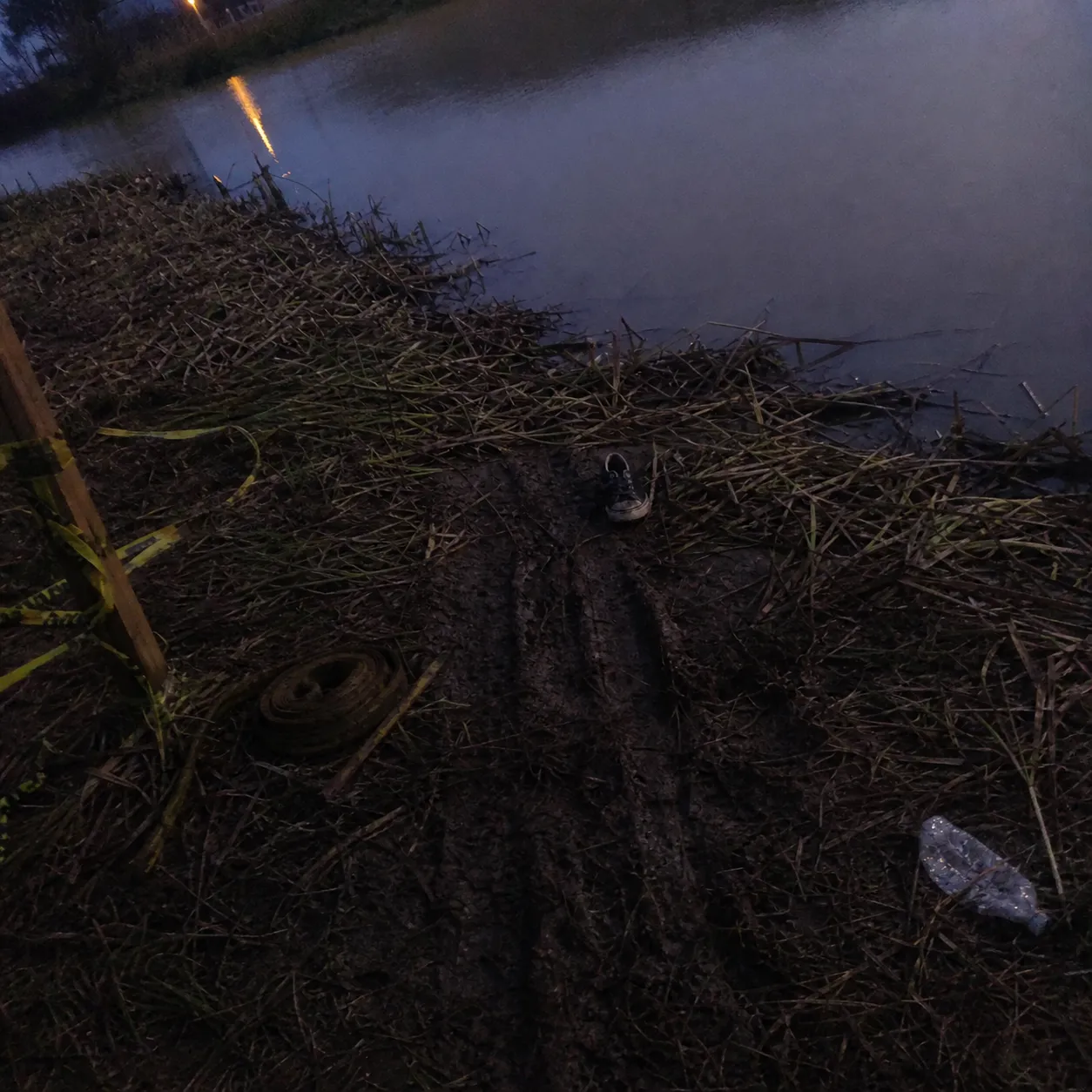
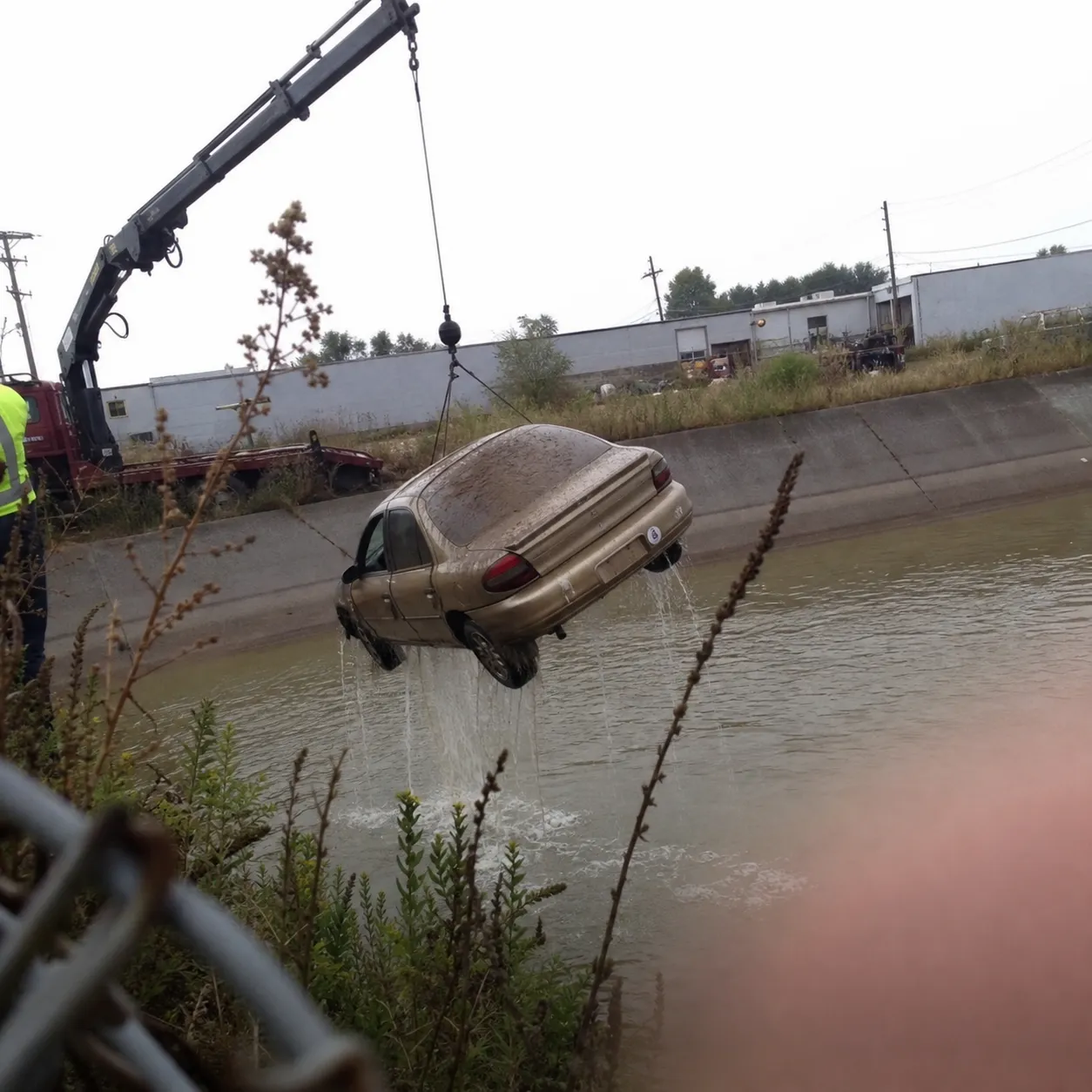
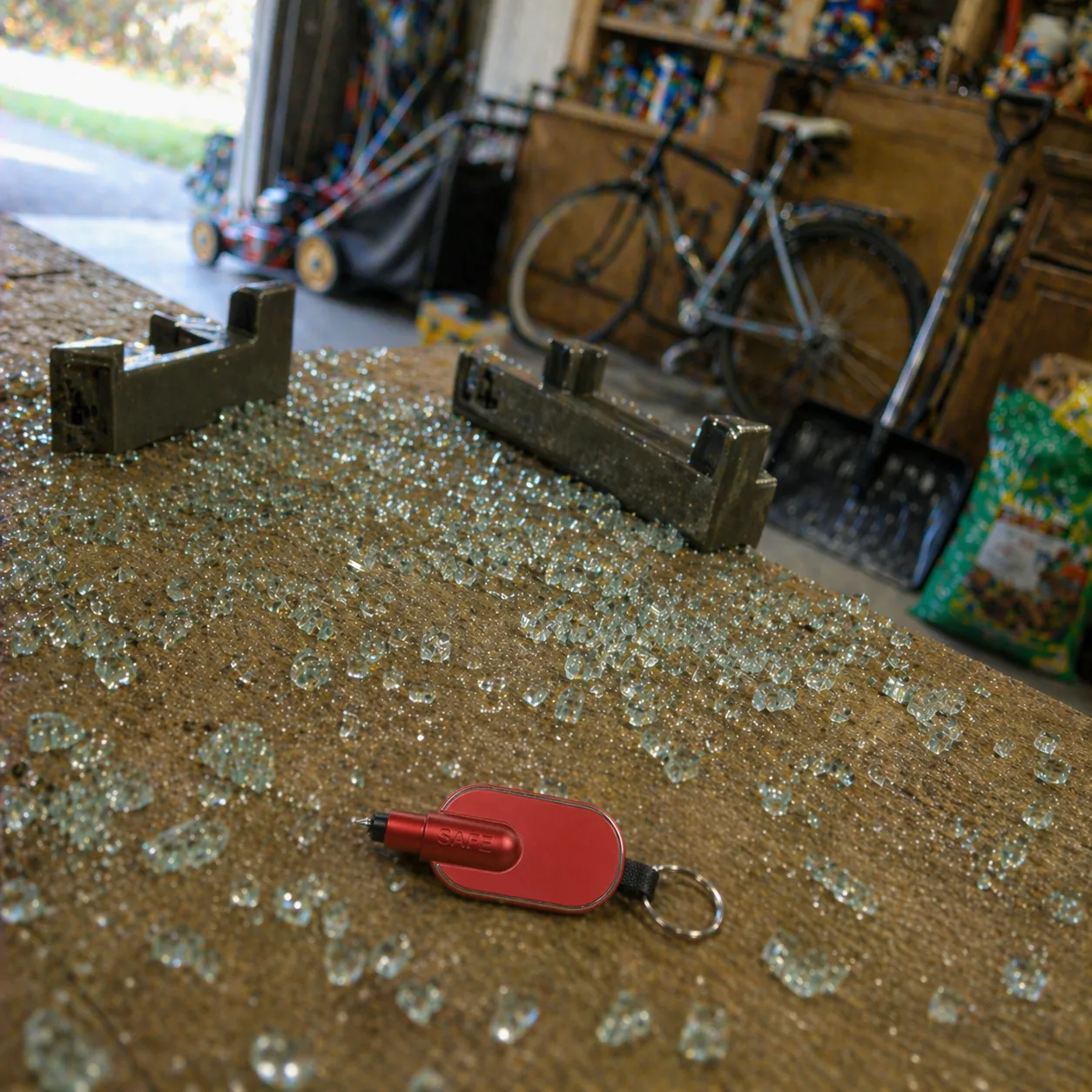
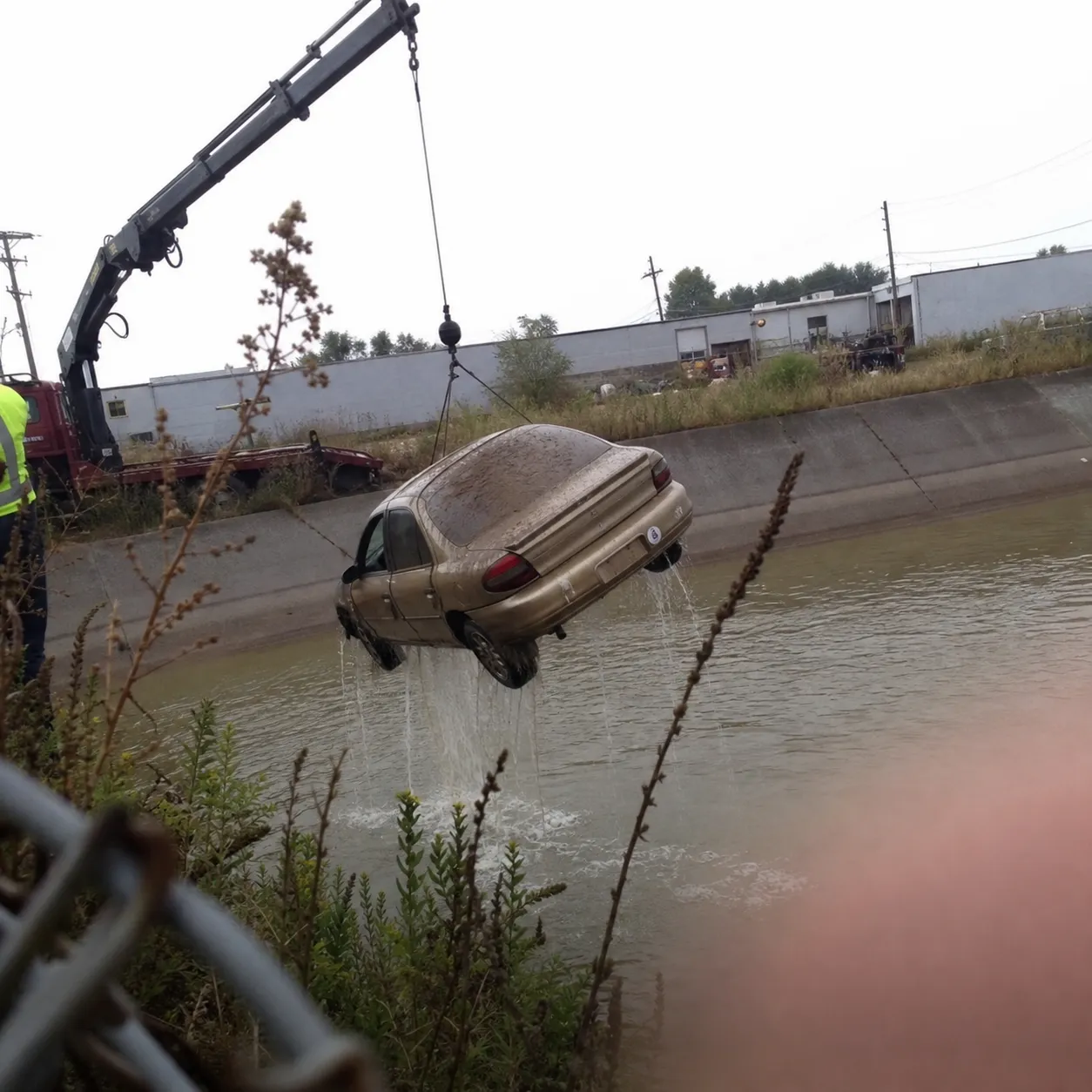
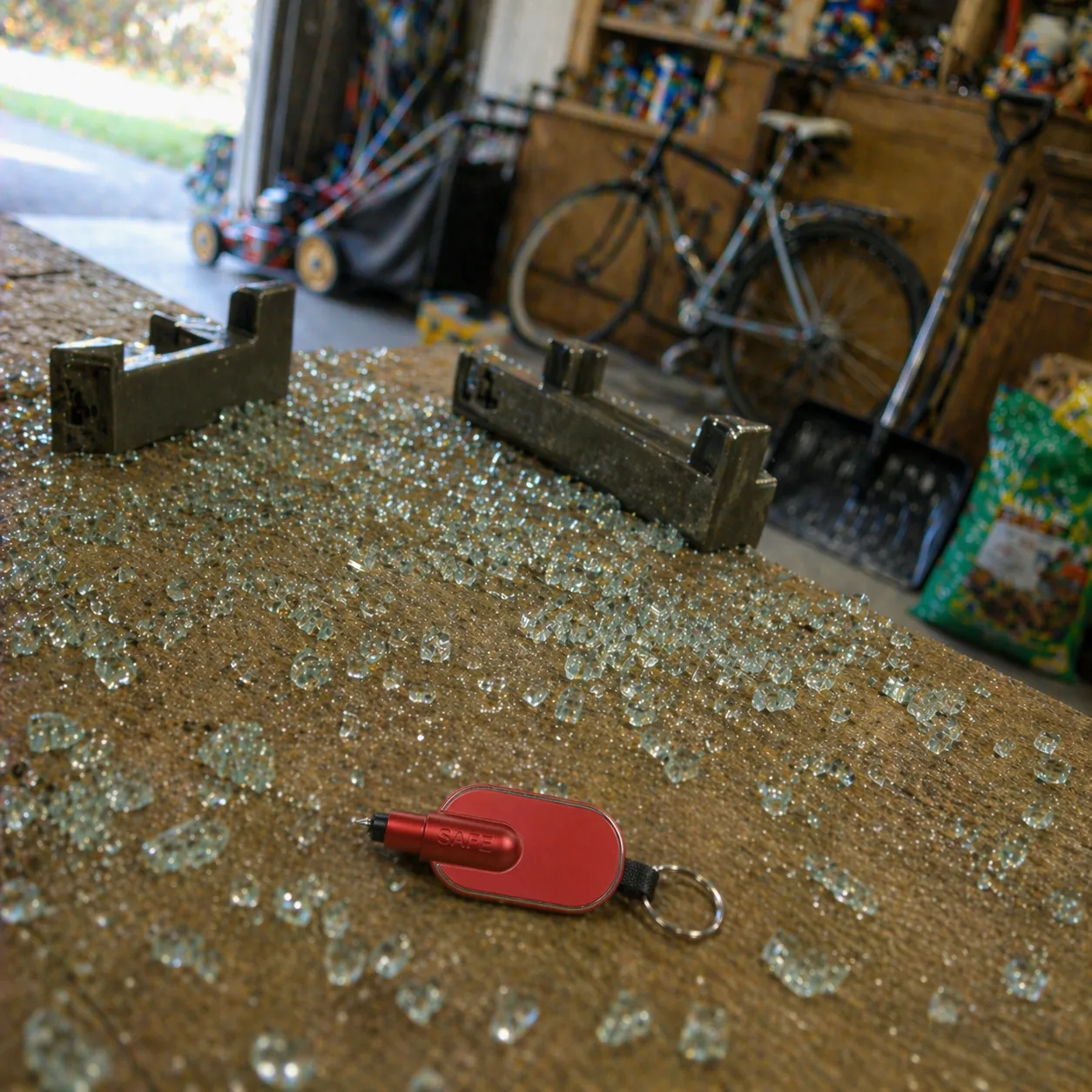
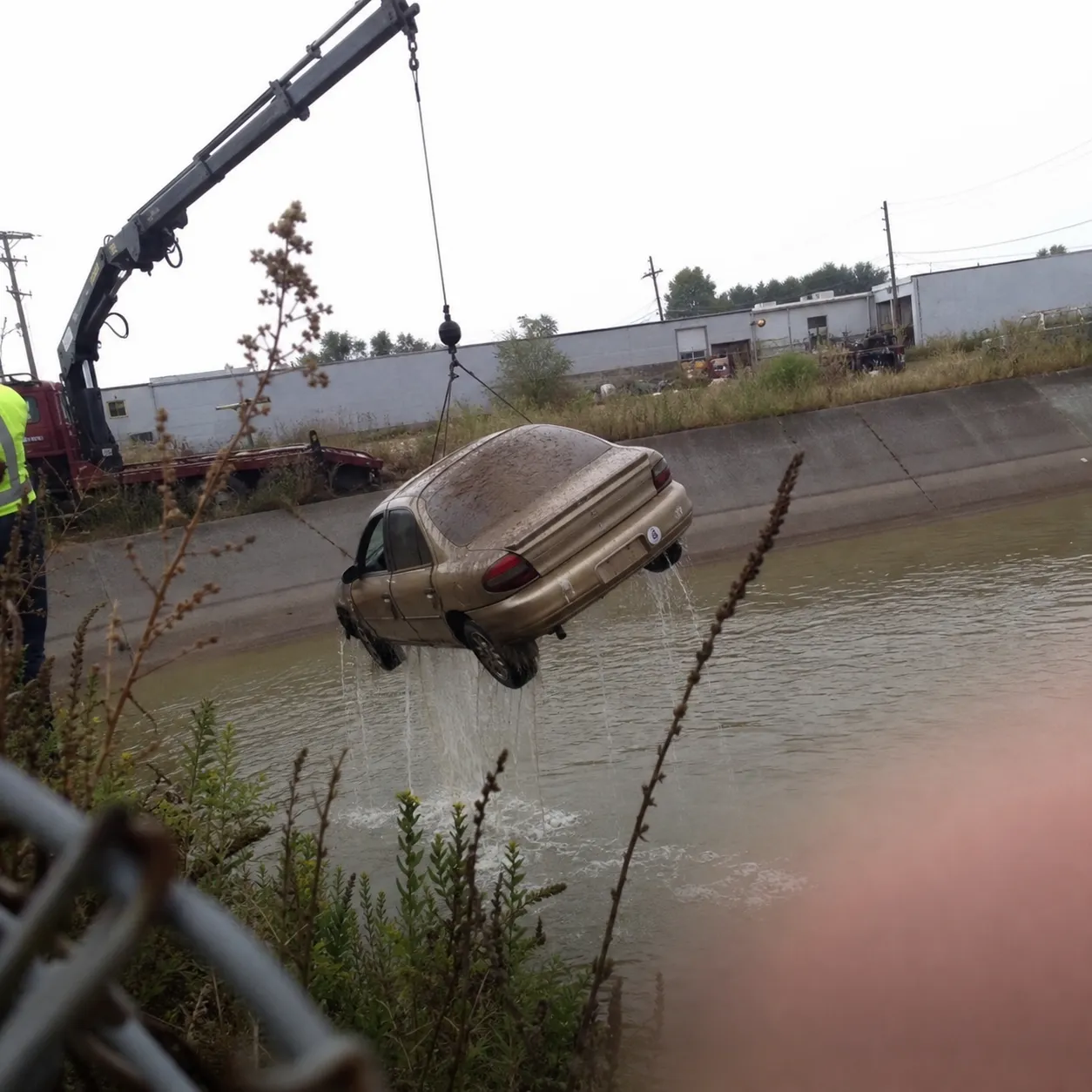
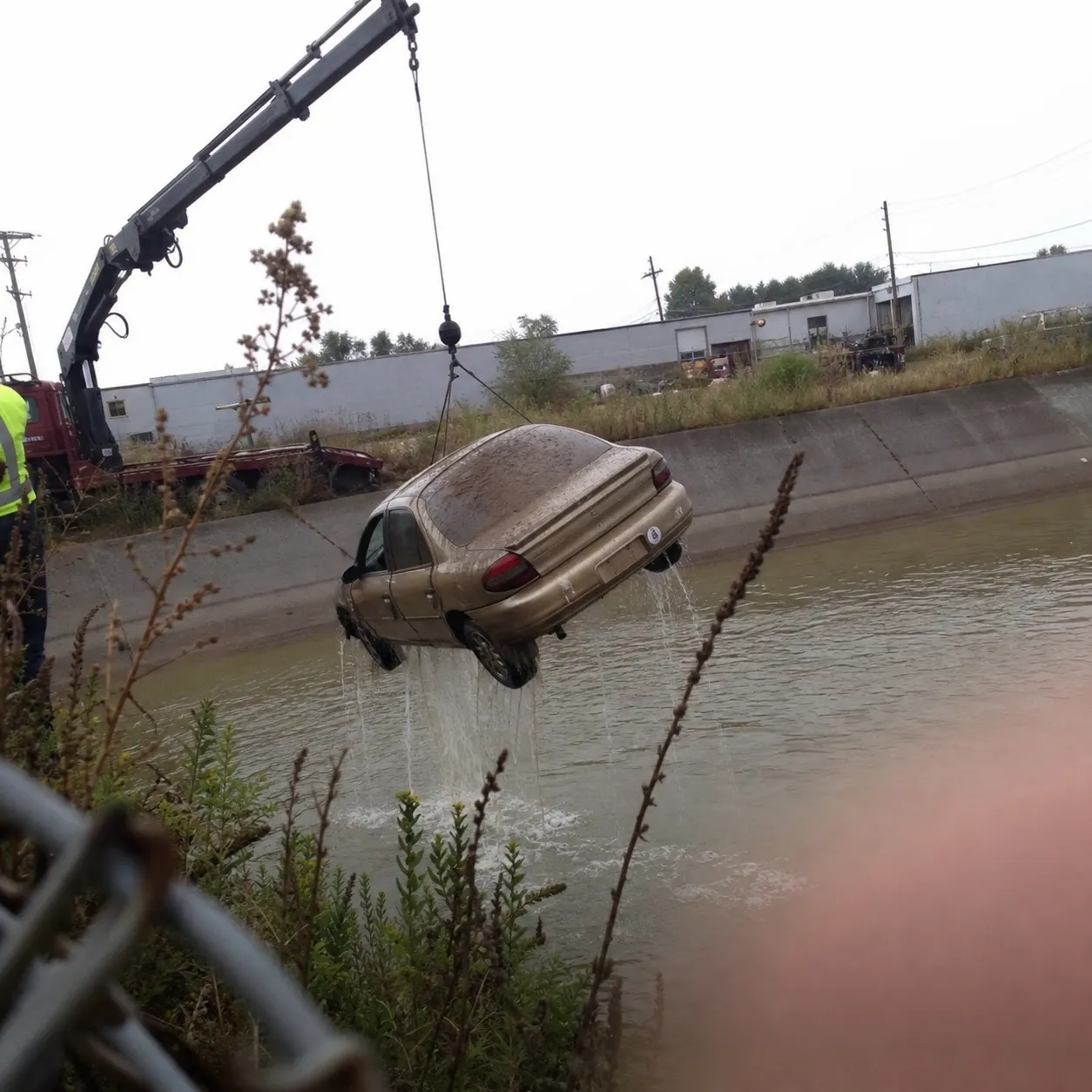
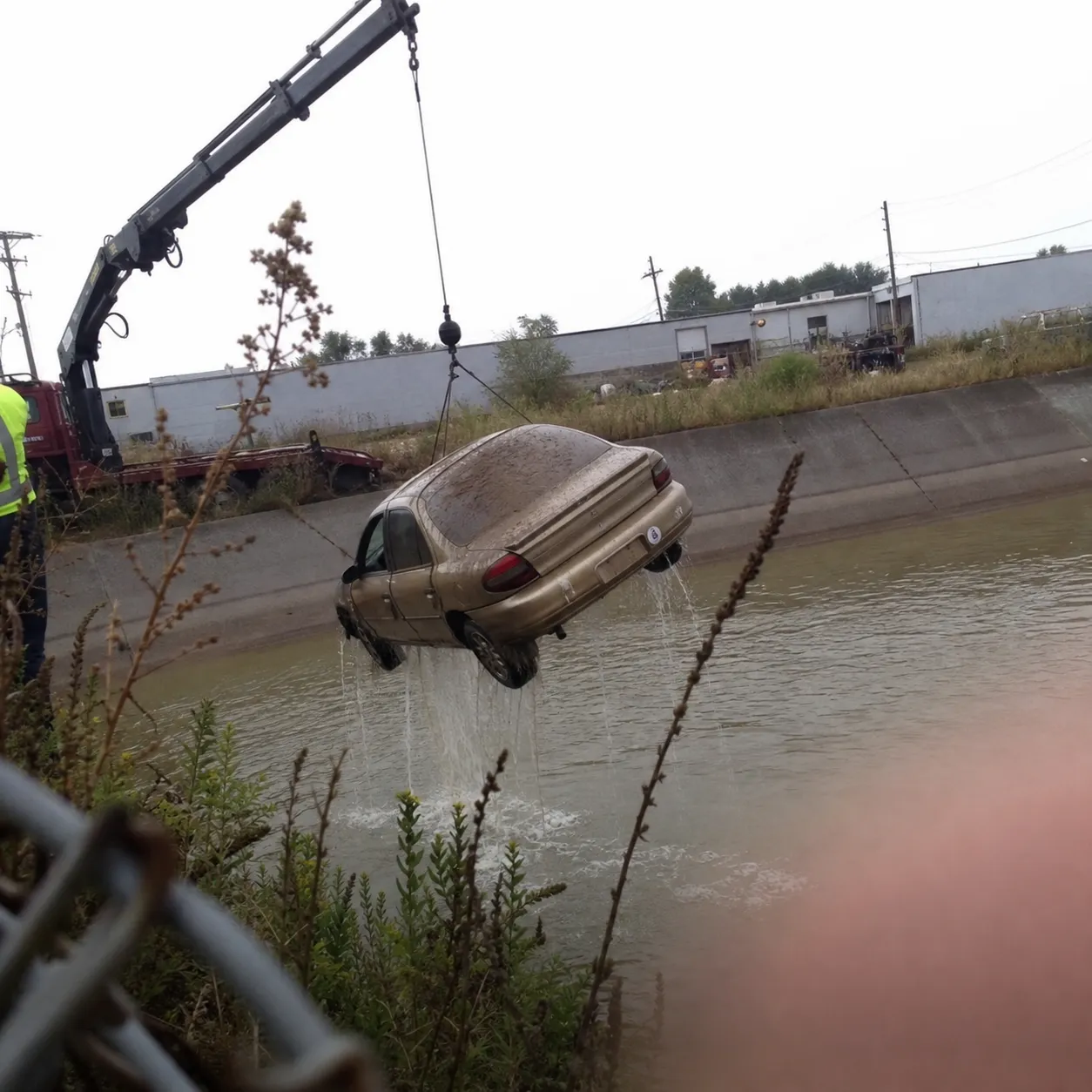
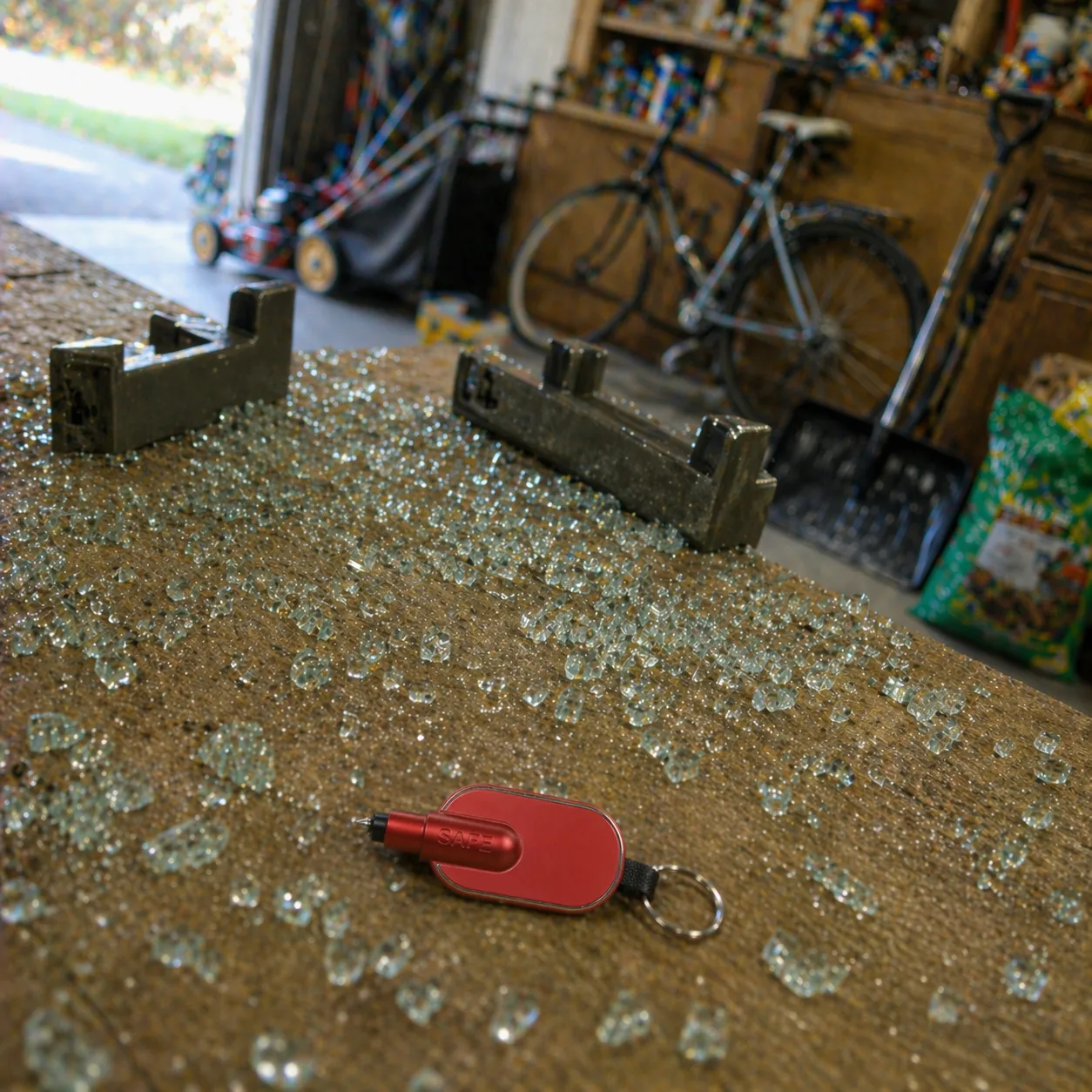
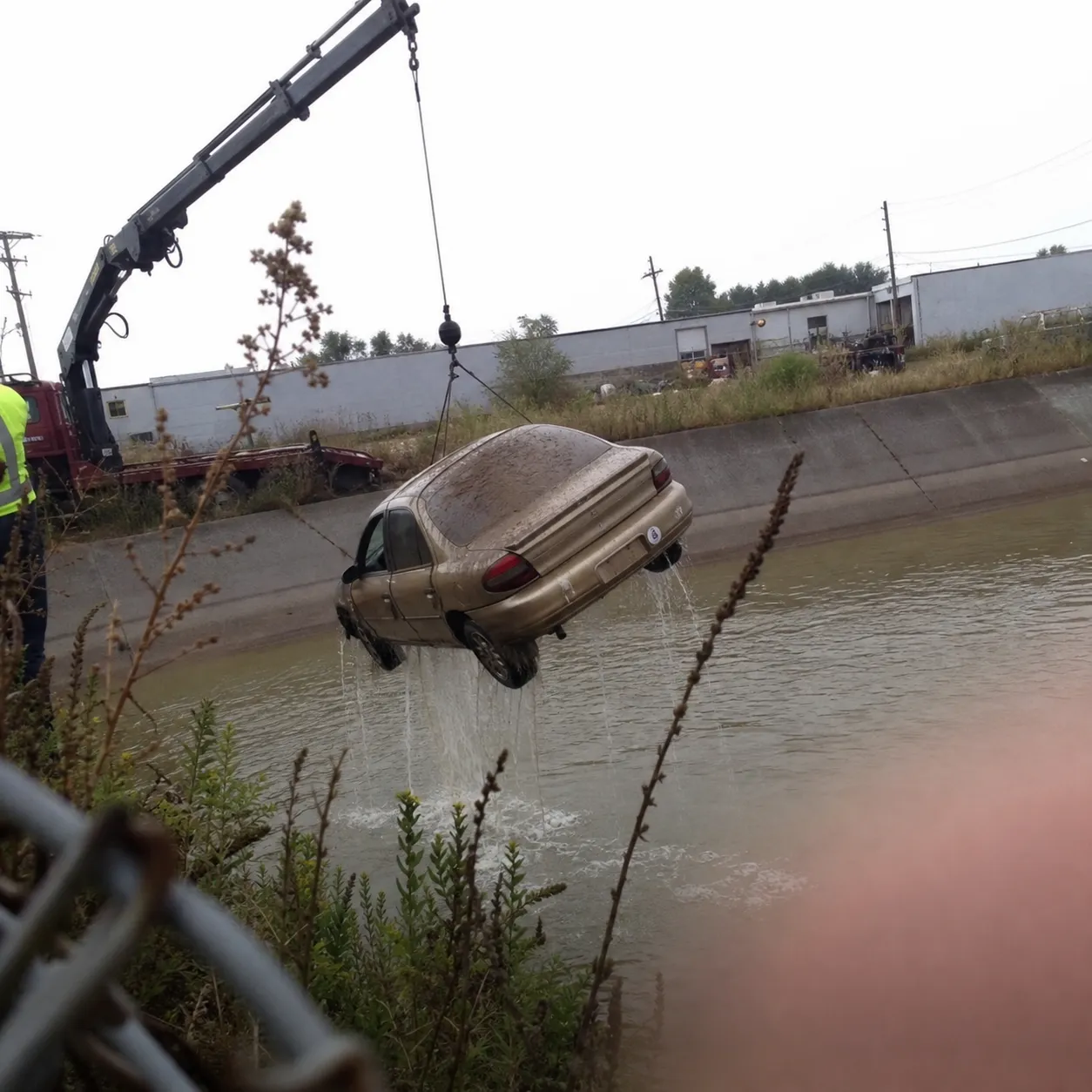
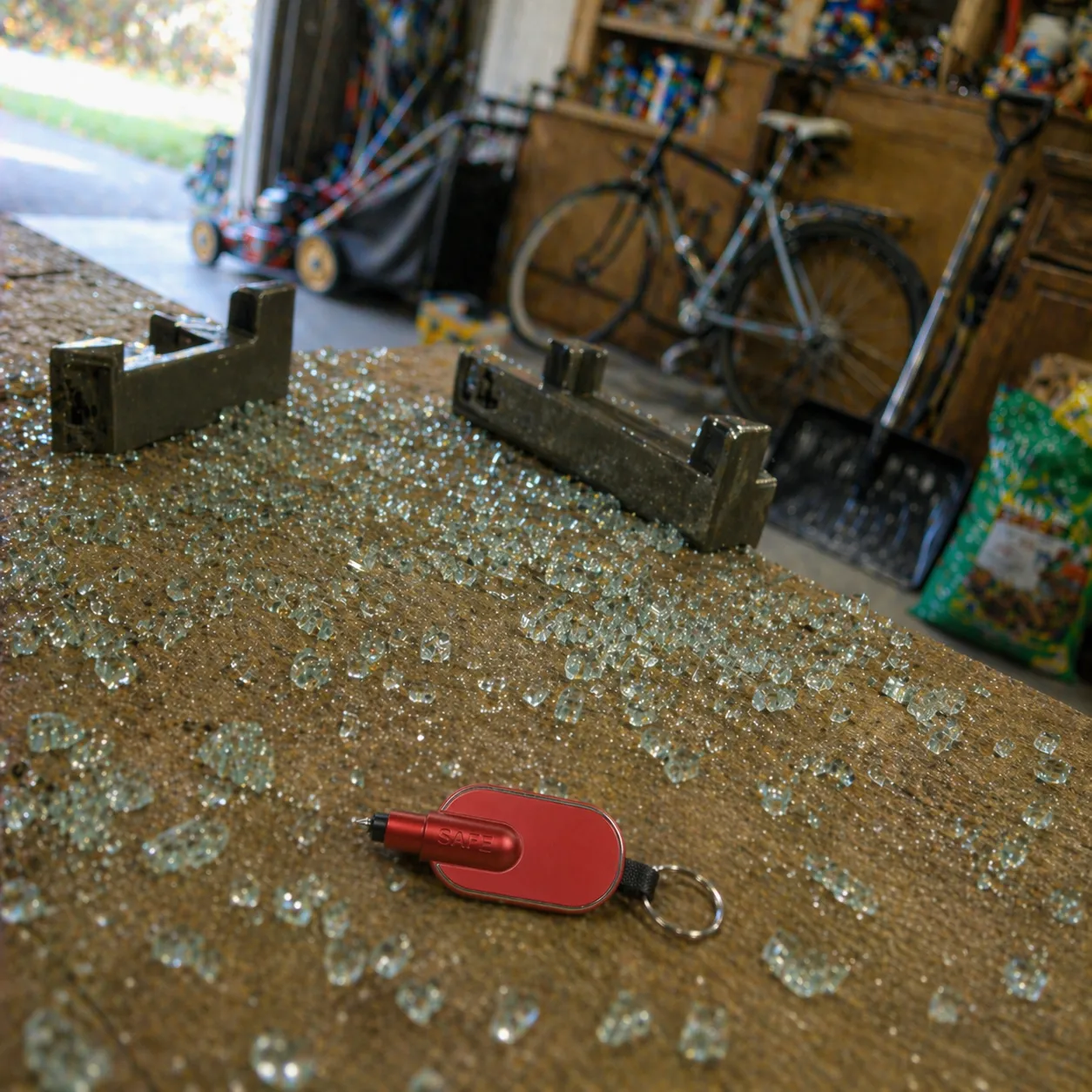
There's a photo going around our county Facebook group right now of a tan Buick hanging nose-down from a tow crane over the canal, water pouring out of it. Eleven hundred comments so far. People tagging their husbands, their new-driver kids, writing "this is why I hate that bridge." Nobody in those comments knows the woman who was inside it. I do. She's my mother. She was 68 that day, driving home from my daughter's seventh birthday party, three minutes from her own driveway. Everyone assumes the firemen broke that driver's side window to get her out. The firemen never touched her car. She was out before anyone knew she'd gone in. I've read every wrong guess in that comment thread, and I'm done staying quiet about what really happened in those ninety seconds. My name is Erin. I'm 42, and that Saturday I was the daughter with frosting on my shirt, paper plates in my sink, and a living room full of pink balloons losing air against the ceiling. My mother had been at my house since noon. She brought the veggie tray nobody touched. She sat beside my dad's old sister on the couch and helped my daughter read the cards out loud because the kids were shouting over each other. She wore the blue blouse she saves for church and birthdays. She left with three folded napkins in her purse because she said the flowers on them were too pretty to throw away. That was the mother I watched pull out of my driveway. She is the woman who rinses plastic forks before putting them in the trash because she says a person should not make a mess for the person carrying the bag. She is the woman who keeps a flashlight in the laundry room, an extra umbrella in the backseat, and crackers in the glove box for my kids. She checks the stove twice before she leaves the house. She is not a person people in a Facebook thread get to turn into a lesson about bad driving. She hugged my daughter in the driveway a little after four. My daughter had cake on her chin. My mother wiped it with her thumb and told her seven was the age where birthdays started counting for real. Then she climbed into the tan Buick, waved once, and backed down my driveway slow enough that my husband had time to move a scooter out of the way. I watched her taillights turn at the stop sign. Then I went back inside and started scraping melted ice cream off the kitchen table. Twenty-six minutes later, my phone rang from a number I did not know. I almost did not answer it because I had one hand in a trash bag and my son was yelling from the hallway that someone had left a gift bag in the bathroom. I put the phone between my shoulder and my ear. My mother said, "Honey, don't be mad." She skipped hello, skipped the word hurt, and skipped any request for me to come. She said, "Honey, don't be mad," like she had broken a casserole dish. I asked whose phone she was using. She said a woman named Paula had stopped. I asked where her phone was. She said, "It's a mess right now." I asked if she was in an ambulance. She said no. I asked if she needed me to come. She said no so fast I knew she had practiced it before the woman handed her the phone. Then she said the line that has sat in my chest all week. "It was just a little fender bender, and I might be a few minutes late for dinner." I was standing by the sink with a trash bag in my hand. There was a princess candle floating in a cup of warm lemonade. My daughter was in the next room opening the last present. My mother was standing soaked on a canal bank, borrowing a stranger's phone, and calling that a little fender bender. I did not know that part yet. I only knew her voice was too bright. I only knew the unknown number made my stomach pull tight. I only knew she kept asking if the birthday girl was still having fun. I told her I was coming. She said, "No, Erin. Please don't make a thing out of it." That please is what stopped me. My mother has used that tone with me three times in my adult life. She used it when my father died and she asked me not to sleep on her couch because she needed one night where nobody watched her. She used it when she sold his truck and asked me not to tell my brother until the title was done. She used it that day on a stranger's phone, with canal water running out of her sleeves. So I stayed in my kitchen. I wiped the table. I cut two slices of leftover cake for kids who had already eaten too much sugar. I told my husband Mom had bumped the Buick but said she was fine. He looked at my face and asked if I wanted him to drive over there. I said no because my mother had said no. For four hours, I left my phone beside the paper plates and did what my mother asked. I set out paper plates for dinner. I sent my daughter to find her shoes. I folded the birthday banner and put it back in the grocery bag because my mother likes to save decorations. I checked my phone every few minutes, but I did not call her because she had asked me not to make a thing out of it. At a little after eight, she called from her own landline. She said the tow was done. She said the car looked worse than it was. She said a neighbor had brought her home. She said she was going to take a bath. She said she had ruined my daughter's day and wanted me to tell her she was sorry. That was the first time I snapped. I said, "Mom, she's seven. She thinks the best part of today was the purple slime kit." My mother laughed in the wrong place. It was a small laugh with no air in it. Then she said, "Good. I didn't want her remembering this." I did not sleep much that night. I kept seeing the stop sign at the end of my street. I kept seeing my mother's blue blouse through the windshield. I kept hearing the unknown woman's voice in the background when my mother borrowed the phone. The next morning, my husband found the county post before I did. He was standing at the coffee maker with his phone in his hand. He said my name like the house had gone quiet around it. I looked at his screen and saw the Buick. The car was hanging from a tow crane with its nose pointed at the brown canal water. The driver's side was lower than the passenger side. Water was pouring out from under the doors in sheets. The back window had mud across it. My mother's little church parking sticker was still on the bumper. The caption said, "Be careful on Mill Bridge. Another one went in yesterday. Driver got lucky." Under it, people were talking like they had been handed a puzzle. "Firefighters must have broken the window." "Those roads need guardrails." "This is why older people shouldn't drive alone." "My husband keeps a hammer in his truck." "My son crosses that bridge after football." "How did she even get out?" I stood in my kitchen reading strangers take turns explaining my mother. My husband reached for the phone. I held it away from him. I scrolled until my thumb hurt. The same wrong answer kept showing up in different words. The crane got credit in one comment. The firemen got credit in another. Then someone typed lucky, like luck had fingers inside that car. Nobody gave any thought to the woman who had been in the Buick before the first siren. Nobody asked what a 68-year-old woman had in her hand while the water came up. Nobody asked why she called it a fender bender. I called my mother. She did not answer. I called again. She did not answer. I got in the car without brushing my hair and drove to her house with the birthday balloons still rolling around the back seat. Her porch light was on even though it was morning. That is one of her habits when she is rattled. She leaves lights on in rooms she is not using. I knocked once and opened the door with my key. She was at the kitchen table in a robe, with her wet shoes lined up on newspaper beside the back door. Her blue blouse was draped over a chair. Her keys were on the table next to a coffee mug she had not touched. She looked at my face and said, "I saw the post." I said, "You told me fender bender." She picked up the mug with both hands. There was no coffee in it. She said, "I told you what I could say without hearing myself say the other thing." I sat down because my knees did not feel useful, not because I was calm. I asked her what happened. She looked at the wet shoes, then at the keys, then at the little pile of napkins from the birthday party sitting beside her purse. She said she had taken Mill Bridge because the main road was backed up near the grocery store. She said the right tire hit the soft shoulder after the curve. She said the Buick slid in slow enough for her to think she could correct it. Then the front dropped. The whole car tipped nose-first like someone had pulled the road out from under it. She said she remembered the seatbelt tightening across her chest. She remembered her purse falling forward and dumping peppermints across the floor. She remembered one of my daughter's pink balloons floating into the passenger footwell because it had escaped from the back seat. Then she heard water, steady and close, like someone had turned a hose on inside the door. She reached for the door handle first. The handle moved. The door did not. She pulled harder. The door still did not move. She said she thought she was doing something wrong because she had opened that same door ten thousand times. She pressed the window button next. Nothing moved. She pressed it again. The little click sounded tiny compared with the water. The phone was gone. It had been in the cup holder. The car pitched forward, and the phone went somewhere against the windshield or the roof or the water. My mother said she could see its dark rectangle for a second, then it disappeared behind the seat. She reached down and the belt caught her. That was when she understood she was hanging from it. Her own weight had pulled the strap tight. The button at her hip would not give under her thumb. She said she pushed it the way she always had. The button may have moved or may not have moved. Her body did not. The water touched her waist. Then it touched the bottom of her ribs. She told me this at the kitchen table while her shoes dripped into the newspaper. I kept looking at her hands because they were still scratched red across the knuckles. I asked if she yelled. She shook her head. She said there was nobody close enough to hear. I asked if she hit the window. She looked embarrassed by the question. She said, "With what, Erin?" I gripped the edge of her kitchen table. With what. Her purse was under the water. Her phone was gone. The door was a wall. The button was dead. The belt had become the thing holding her in place. The glass had become the thing keeping the canal out and keeping her in. I asked what she did. She put her hand over the keys instead of around them, like she was covering a card in a game. She said she had not dropped them when the car went in. She had pulled them out of the ignition because the Buick was old enough that she still did that without thinking. They were in her right hand. House key, mailbox key, grocery tag, library tag, and the Christmas present my brother clipped on a year and a half ago while everyone was sitting around her kitchen table. I remembered that present. My brother had wrapped it in a little green bag with tissue paper. He had said, "Mom, keep this on your keys." She had smiled and thanked him the way you thank people for socks. She had not asked him to show her again. She had not practiced. She had clipped it on because he was her son and she did not want to hurt his feelings. Then she had carried it to the grocery store, church, doctor's appointments, my house, and that bridge without looking at it once. My mother said the water reached her shoulders before she understood what her hand was holding. She said she stared at the keys. She said her hand was shaking so badly the grocery tag kept tapping the steering column. She said her face was not screaming, but her mind had gone blank in a way she had never felt before. She could see the brown water. She could hear the seatbelt creak when she moved. She could taste canal mud in the air. But she did not have a next step. She said the part that scares her now is that she almost waited. She almost sat there holding the keys while the car kept filling because her mind was looking for a normal answer and there was no normal answer left. Then she remembered my brother at the table saying, "Press it against the corner." She said she did not remember his whole explanation. She did not remember what the little thing was called. She did not remember any brand or box or instructions. She remembered corner. She remembered press. That was enough. She reached to the driver's side window. She said the first touch felt wrong because the water was already against her arm. She pressed. The glass went. She did not call it shattered or exploded. She only said, "It went." Little cubes of glass moved with the water. Cold canal water shoved through the opening. She said it hit her face so hard she turned her head without meaning to. The belt still had her. She reached down again with the keys in the same hand. She found the strap by feel. She dragged the small edge my brother had shown her across the webbing. The belt let go. She did not use pretty words for that part. She said, "I came loose." Then she pushed toward the window because the door still would not open and the Buick was filling faster than she could think. She came out through the driver's side window. She scraped her hand on the frame. She lost one shoe. She kicked once and touched mud. Then she stood in water up to her chest beside her own car, holding her keys. The first person who saw her was Paula, the woman whose phone she used to call me. Paula had stopped because she saw the tire marks and then saw my mother climbing up the bank. The first fire truck arrived after my mother was already sitting on the grass. The first firefighter never touched her car. He put a blanket over her shoulders. He asked if anyone else was inside. She said no. He looked at the Buick and then at her and asked how she got out. She showed him the keys. That is the part she almost did not tell me. She could tell me about the water. She could tell me about the shoe. She could tell me about borrowing Paula's phone. But she did not want to tell me about the keys because the keys meant my brother had been right and she had not taken him seriously. She did not want to tell me that a Christmas gift she treated like socks had done the thing every stranger on Facebook was giving to the fire department. She did not want to tell my brother because she knew he would cry. She did not want to tell me because she knew I would go home and count every keyring in my house. She was right. But before I went home, I paid the cost she had been trying to spare me. I asked her to tell it again. She looked at me like I had asked her to get back in the Buick. I said, "Mom, the whole county thinks someone else got you out." She said, "Let them." I said, "They're tagging their kids." She looked at the table. I said, "They're tagging people who drive over that bridge with nothing on their keys." She picked up the napkins from the birthday party and squared the edges with her thumb. Then she said, "Don't use my name." She gave permission in a voice barely louder than the refrigerator. She did not straighten her shoulders or make the face people make for brave photos online. It was my mother sitting in a robe at her kitchen table, letting me tell the most frightening thing that had happened to her because she could see the wrong comments turning into wrong plans. I opened the Facebook post on her table. The comment count had climbed while we were talking. A man from church had written that older drivers panic and make everything worse. A woman I know from school pickup had tagged her son and told him to keep something under his seat. My cousin had written, "Thank God for first responders," with three praying hands. I put the phone faceup between us. My mother read the comments without touching the screen. Her mouth got smaller with every one. When she reached the comment about the firemen breaking the window, she closed her eyes. She said, "That is not what happened." I said, "I know." She said, "No, Erin. They need to know." My mother rubbed the birthday napkins until one corner curled. I watched it land on her shoulders harder than the blanket at the canal. She had spent her whole life making the hard thing smaller so nobody else had to carry it. She called my father's stroke a spell until the ambulance pulled away. She called her surgery a little procedure until I saw the staples. She called a car in the canal a fender bender while her blouse was still wet. That morning she let the thing stay the size it was. I drove home with my mother's keys in the cup holder because she had asked me to take a picture of them for my brother. The birthday balloons were still in the back seat. One of them had lost enough air that it dragged along the floor every time I turned. At the stop sign, I looked down at my own keys in the console. My own ring had a house key, a car key, a grocery tag, and the leather thing my daughter made at camp. That was the whole plan. My husband's keys were hanging on the hook by our garage door when I got home. His ring had a truck key, an office key, and a gym tag. Nothing on it belonged inside the first ninety seconds. My son's keys were in the ceramic bowl by the microwave. He is 17. He drives himself to school now. He drives past the same canal twice a week when he goes to his friend's house. His keyring had the school parking pass, a bottle opener his uncle thought was funny, and a tiny basketball from a tournament. I touched the school parking pass and saw nothing there for a dead window or a loaded belt. I stood in my kitchen and lined all three sets on the counter. My daughter came in still wearing one sock from the birthday party and asked why Grandma's keys were there. I told her Grandma had left them for me to check something. My daughter ran back to the hallway, and I kept my hand on the keys until she was gone. I put my hand on my son's keys. I pictured his phone sliding under the seat. I pictured a door handle moving and a door not opening. I pictured his seatbelt holding him in place because his own body had made the buckle hard to reach. I pictured him staring at glass that was doing exactly what glass in a car is designed to do. I pictured his hands waiting for instructions he had never been given. Then I understood why the Facebook comments bothered me so much. The people in that thread were not being cruel. They were making plans from the wrong part of the story. They saw a crane and thought rescue. They saw firefighters and thought rescue. They saw a bridge and thought road problem. They saw an older woman and thought driving problem. The thread never stepped inside the Buick. One comment never had my mother's phone sliding under water. The canal holding the door shut didn't show up in the thread. The belt across her body didn't fit inside anyone's guess. The keys in her shaking hand were missing from the whole page. I called my brother. He answered from a job site and I could hear a saw in the background. I said, "She used the Christmas present." The saw stopped. He did not ask which present. He said, "Is she okay?" I said yes. Then I heard him breathe into the phone like he had been hit in the chest. He said, "She never even looked at it." I said, "She looked when she had to." He was quiet for a long time. Then he said, "I should have made all of you practice." My brother's sentence stayed beside the three keyrings on our kitchen table. My brother had done the one useful thing at the Christmas table. But he had clipped it on and left the rest to a memory my mother almost could not find under water. A thing in a drawer, a trunk, a console, or a half-remembered explanation would have stayed outside the reach of her wet hand. I went back to the county post that night. My mother sat beside me on speakerphone because she did not want to read the comments alone. We wrote one comment together. I kept her name, her address, and any hero language out of the comment. I wrote that the woman in the Buick was my mother. I wrote that she had called it a fender bender because she did not want to ruin a seven-year-old's birthday. I wrote that the firemen did not break her window. I wrote that her phone was gone, the door would not open, the window button did nothing, and her seatbelt had her pinned while the water came up. I wrote that the only reason she was sitting at her kitchen table was because my brother had clipped something to her keys the Christmas before and told her one word she remembered under water. Corner. I watched the comment sit there for maybe ten seconds before the first reply came in. "What was on her keys?" A second reply landed under it. "Can you ask her what she used?" Then a woman from my daughter's school wrote, "My son drives over Mill Bridge every morning. I need to know." My mother heard me reading them. She said, "Tell them the part about the phone." I typed that part into the thread. I told them the phone was the first thing the canal took. She said, "Tell them the door opened every other day of my life." I typed that line too. I told them the door handle moved and the door did not. She said, "Tell them I nearly sat there because I didn't know what to do next." That one took me a minute to type. My hands did not want to put my mother that bare in front of people who leave comments while drinking coffee. But she waited on the phone. So I typed it. I wrote that she had almost waited because panic did not look like screaming in that car. It looked like a grandmother holding her keys and staring at water while her mind searched for a normal step. I need every person tagging a husband or a child or a parent to put that sentence inside the car. A plan stored somewhere else would have stayed somewhere else. The phone was already under water. The door handle had moved and done nothing. Her arm did not have room for a swing. The belt button was buried under the weight of her own body. The first move has to be small enough to live on the keys, strong enough to open side glass without a swing, sharp enough to free a loaded belt without finding the buckle, and simple enough for a frightened person to remember with one word. That is what my mother's ninety seconds taught me before I ever cared what the little thing was called. The little thing on my mother's keys is called TerraStrike. My brother found it months before the canal because a volunteer firefighter on one of his job sites had one clipped to his own keys. My brother didn't buy it because he thought Mom was careless. He bought it because she still drove to church, to my house, to the grocery store, and to the same roads she had used for forty years. He bought it because a rescue plan in a trunk or a console can stay clean and useless while the person inside the car is trying to breathe. He bought it because my mother always has her keys. I looked at the three keyrings on my table and saw the part I had missed. I had been thinking like a person standing in a kitchen. My brother had been thinking like a person with one hand left. The next afternoon he took me to Station 4 because the firefighter who had shown him the tool was working a shift there. His name was Caleb. He had gray in his beard, a coffee stain on his shirt, and a little red TerraStrike on his own keyring. He set my mother's keys on the metal table in the bay. Then he set an old strip of seatbelt webbing beside them. He didn't give me a speech. He pulled the webbing tight between both hands and told me to try the buckle button with my thumb tucked under my hip. I could not even get my hand flat. Caleb said, "That is the part families never picture." He slid the webbing into the recessed cutter and pulled once. The strap opened clean. Then he picked up a training piece of tempered side glass sitting in a plastic tub near the wall. He touched the TerraStrike tip to the lower corner. He pressed. The spring snapped inside the little body, and the glass fell into small cubes in the tub. He didn't swing his arm, rear back, or make a show out of it. He pressed the tool where the glass was weakest, and the spring did the hard part. Caleb put the tool back on the table and said, "In the car, the big move is usually gone." I looked from Caleb's mouth to the tool on the table, and the sentence made sense. In the Buick, Mom didn't have a big move. Her phone was under water. The door had become a wall. The window button had become a tiny click. The belt button was buried under the weight of her own body. Her arm didn't have room to swing at anything. My mother's fingers had only one small move left. Keys in hand. Corner. Press. Strap. Pull. Caleb told us TerraStrike is built for passenger vehicles, and it is best on tempered side glass. He told us to check the little stamp in the corner of our own windows because different cars use different glass. He told us to treat it like a real tool, use it only for passenger vehicle side glass, and still call 911. Then he looked at my brother and me and said, "But if the first minute belongs to the driver, put the first-minute tool where the driver's hand already goes." My brother stared at the table. I stared at my mother's keys. The difference was sitting beside my mother's house key. TerraStrike changed the kit from a place to a keyring. It was the part of the kit that traveled with the person. It weighed less than my son's key fob. It was small enough that my mother had carried it for a year and a half without thinking about it. The body was aluminum. The glass point was tungsten. The cutter was tucked down inside the slot so fingers could not brush the edge, but belt webbing could slide through. The spring was rated for repeated presses, which mattered to me because I didn't want one mystery click and a prayer. I wanted a little machine my son could understand at the kitchen table. I wanted a first move my mother could remember when her mind was trying to find a normal answer. That night I ordered one for every driver whose keys were in my house. I ordered one for me and one for my husband. I ordered one for my son. One for my mother because the canal took the first one with the Buick. One for my brother because his keys had been the only ones in the family that had answered the question. I didn't count the cars. I counted the hands. When the package came, I put all the keyrings on our kitchen table. My son walked in and saw them lined up like a little jury. He said, "Are we doing a safety lecture?" I said, "Yes." He rolled his eyes, but he stayed. My husband took his truck key off the old ring. My son took off the bottle opener his uncle had given him. My mother sat at the end of the table with a cup of tea and watched him clip the red one beside his school parking pass. Then my brother made every one of us say the two words out loud. Corner. Strap. My son said them first like he was humoring us. Then my mother said them. Her voice caught on strap. Nobody pointed it out. Nobody reached for her hand. We just let the word sit on the table with the keys. The first sign was not another accident. I need to say that because I don't want anyone waiting for a worse story before they call this proof. The first sign was my son keeping it on his keyring the next morning. The first sign was my husband tapping his pocket before he left for work because his keys felt different. The first sign was my mother driving to church the following Sunday and leaving her purse on the passenger seat instead of clutching it in her lap. Two weeks later, she asked me to follow her to the grocery store. She took the long way around Mill Bridge. I followed her past the church, past the hardware store, and through the light by the pharmacy. She parked at the grocery store and sat in the Buick's replacement with both hands on the wheel. Then she got out, shut the door, and said, "I know what you're doing, Erin." I said, "What am I doing?" She said, "Hovering." Then she went inside and bought crackers for my kids because she said the new car's glove box looked empty without them. Mom stood beside the grocery cart, and I saw my mother coming back. She was not brave in a movie way, and she was not over it. She was doing the little things she did before the canal tried to make her smaller. She drove to church. She drove to my daughter's dance recital. She put folded napkins in her purse at my son's graduation dinner because the pattern had tiny lemons on it. She drove over Mill Bridge one morning in May because the main road was backed up near the grocery store again. She called me afterward from her own phone. She said, "I did it." Then she said, "Don't make a thing out of it." I made a thing out of it anyway. I went to her house with muffins and found her keys on the hook by the back door. TerraStrike was hanging beside the house key. It had a scratch on the side from the canal day. She had asked the tow yard to save the keyring from the Buick. I didn't know that until I saw it. She said she wanted the same one back because it had already proven it knew what to do. My mother held the scratched keyring, and that is how she talked about hard things. She lets an object carry the sentence for her. If you're reading this because someone sent you the county post, I want you to do one plain thing before you decide whether this is for you. Go look at the keys in your house. Your keys, your spouse's keys, and your mother's keys. The keys your new driver drops in the bowl by the microwave. Leave the trunk kit out of this for one minute. Leave the bag in the back seat out too. Leave the thing you bought and put somewhere smart when you were calm. Look at the keys. If the phone goes first, if the door will not open, if the button only clicks, if the belt has your person pinned, what is in the hand? That question should have been sitting inside the Facebook thread. My mother answered that question from inside the Buick. I am not a survivalist. I am a daughter with birthday balloons still rolling around the back seat. I am a mother of a son who drives himself past the canal twice a week. I am the person who had to learn that a family can be careful and still have the wrong plan in the wrong place. TerraStrike is the rescue tool that lives on the keyring. One press at the lower corner of tempered side glass. One pull through a jammed belt. The spring does the hard part. The keyring does the other hard part because it keeps the tool on the person, not somewhere the wreck gets to choose. The company behind it is Quiet Protector. They have more than 50,000 customers across the brand family. I don't read that customer count as a promise that nothing bad happens. I read that line after the station table and after my mother's keys, and I trusted the order page. TerraStrike costs less than a tank of gas. The order page was plain about the risk, and that mattered to me. They sell direct, not on Amazon or eBay, so I bought from the same page my brother used. The family bundles made the most sense because nobody in my house drives only one person. My son's keys affect me. My husband's keys affect me. My mother's keys affect every person who loves her and pretends not to hover. I don't know how many are left in the current batch. I won't make up a number. The only stock note I can repeat is the one on the order page. If the order page is live, this batch is available. If it isn't, you wait for the next one while the same keys keep leaving the same house. Here is the page I used: https://www.tryterrastrike.com/discover P.S. My mother still has the birthday napkins from that day. She keeps them in the drawer with the church bulletins and the takeout menus. Last week my daughter found them and asked why Grandma saves paper napkins. Mom said, "Because pretty little things should not get thrown away just because the party is over." Then she picked up her keys and drove my daughter to the library. That library trip is the update I care about. P.P.S. When TerraStrike arrives, clip it on and teach the two words before fear has to do the teaching. Put the keys on the table. Say corner. Touch the tool to the lower corner of the side window from the outside so the driver knows the spot. Say strap. Show where the belt webbing slides into the recessed cutter. Keep the window intact and keep your family calm. Just give them two small words before the water, smoke, or panic takes the long words away. P.P.P.S. The guarantee is one of the reasons I was willing to buy for every driver at once. You get 120 days to hold it, clip it to the keys, check that it fits your family, and decide if you want to keep it there. If you don't, the company says they refund your money. The warranty runs two years. That felt fair to me for a tool I pray nobody in my house ever has to use. P.P.P.P.S. The order page is the only stock note I can honestly point to. Quiet Protector sells these direct. When the page is live, the batch is live. When it isn't, you wait. I keep one extra in the kitchen drawer now because somebody in our family always gets a new set of keys, borrows a car, or hands a ring to someone else. I would rather have the spare sitting by the tape and scissors than wish I had ordered it while my son is backing out of the driveway. P.P.P.P.P.S. My brother still feels guilty that he didn't make Mom practice when he gave her the Christmas present. I tell my brother he doesn't need to. His gift was on her keys. It was in her hand. It gave her one word she could find under water. But now, every time he comes over, he taps the TerraStrike on my son's keyring and asks him the two words. My son says corner and strap without looking up from the fridge. That little answer from my son's mouth is what lets me sleep. P.P.P.P.P.P.S. Before you close this, go look at the keys. Leave the car out of it for one minute. Leave the roadside bag out of it too. Leave the dry, level, quiet plan on the counter. The keys. If there is nothing there for the first ninety seconds, fix that while the people you love are still standing in your kitchen.
More from Karen Keller
Get Out When Doors Jam
Karen Keller
Get Out When Doors Jam
Karen Keller
The Crash Was Survivable. The Door Killed Him.
Karen Keller
Get Out When Doors Jam
Karen Keller
Get Out When Doors Jam
Karen Keller
The Crash Was Survivable. The Door Killed Him.
Karen Keller
Get Out When Doors Jam
Karen Keller
Get Out When Doors Jam
Karen Keller
Get Out When Doors Jam
Karen Keller
The Crash Was Survivable. The Door Killed Him.
Karen Keller
Get Out When Doors Jam
Karen Keller
The Crash Was Survivable. The Door Killed Him.
Karen Keller

 Add to Chrome