If You've Bought Your Husband Everything For The Ringing In His Ears, Read This 👆
Ad Copy
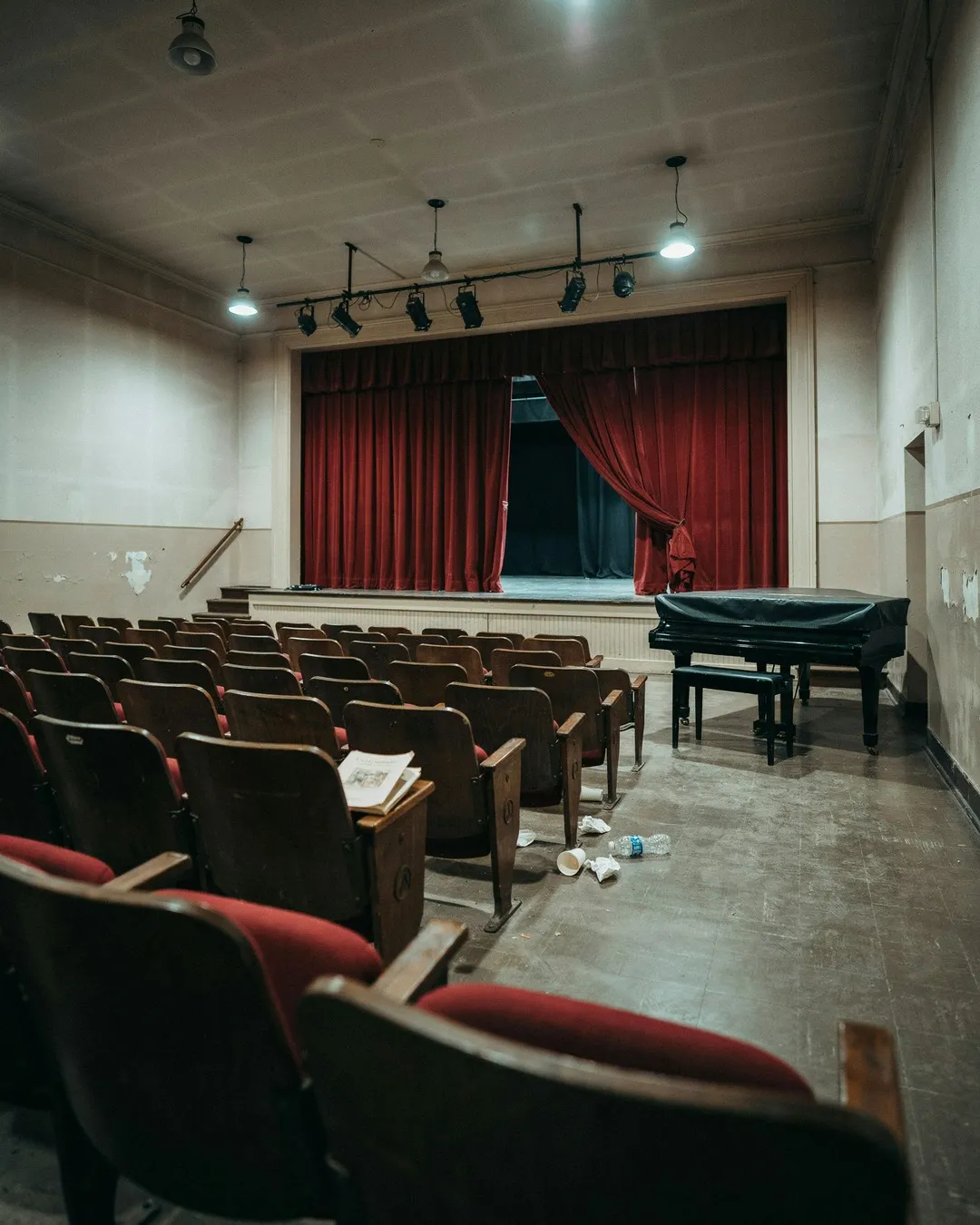
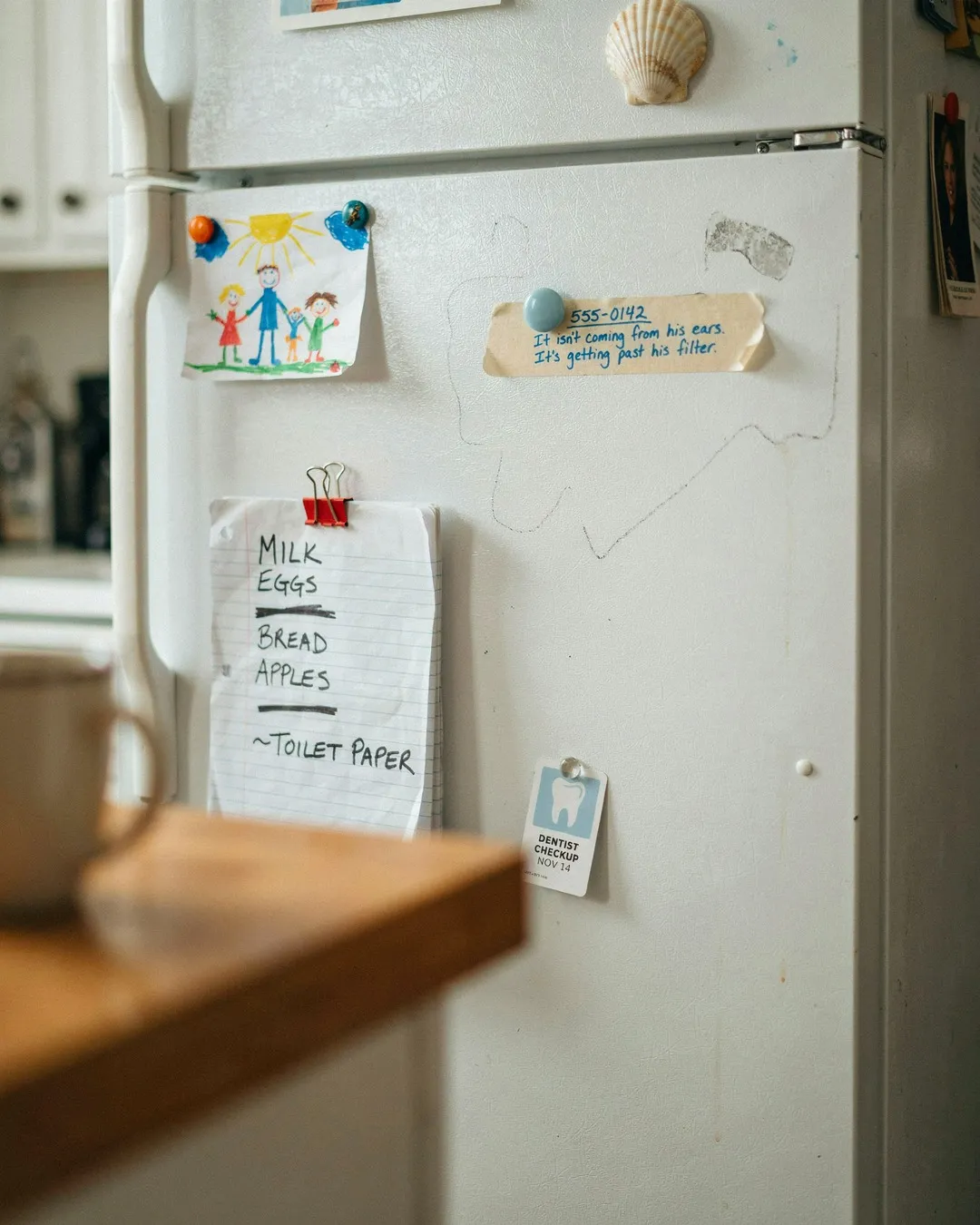
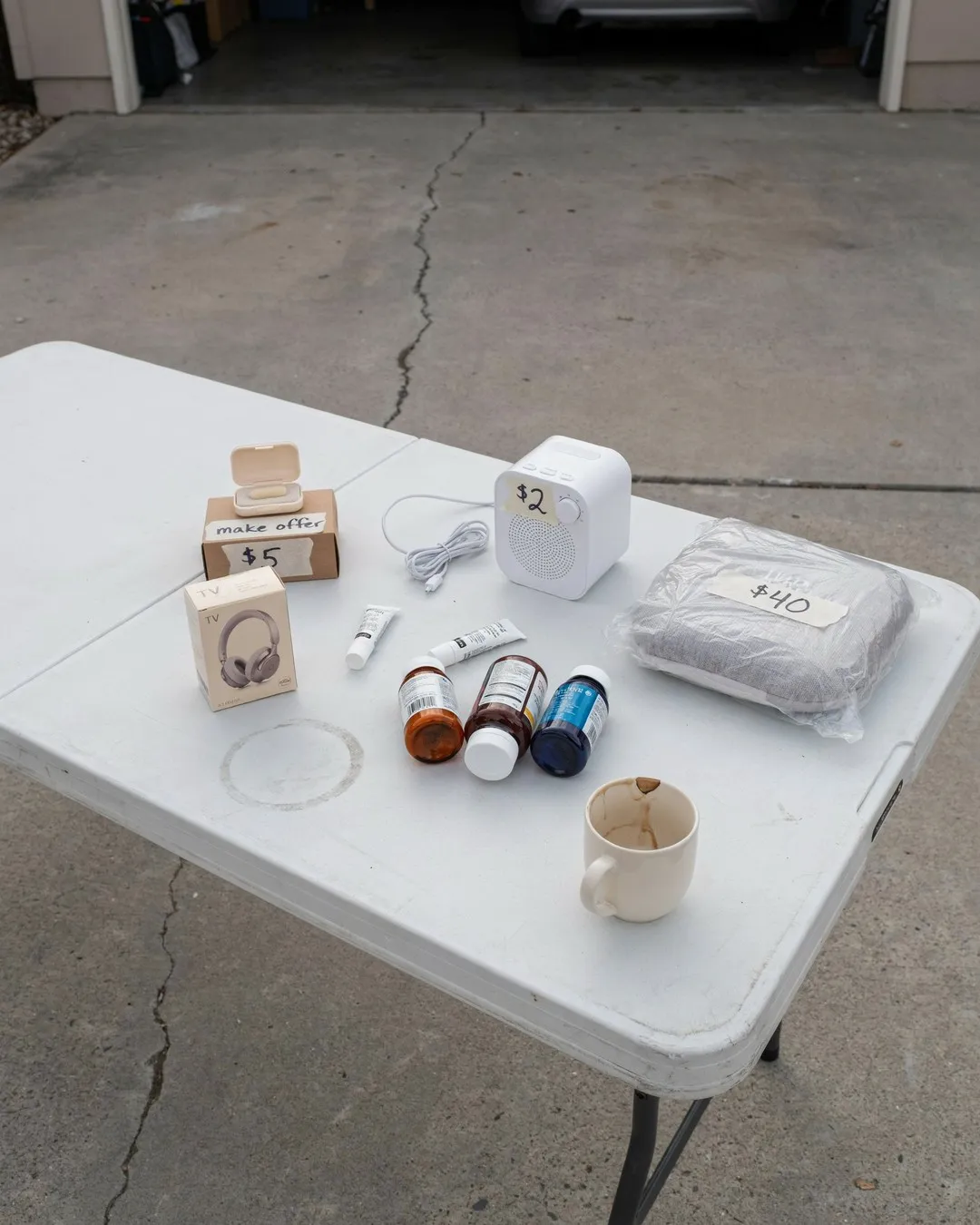
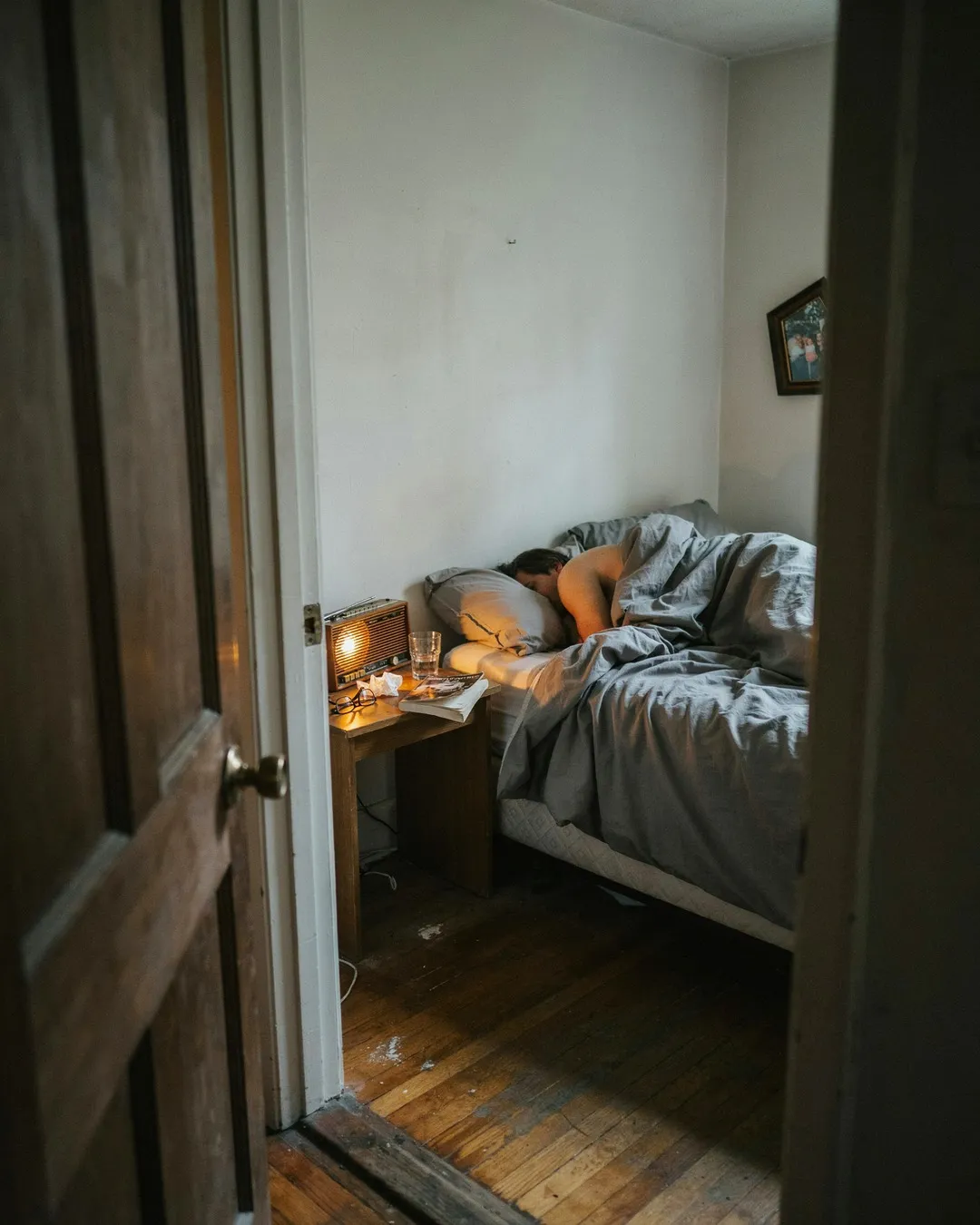
My husband walked out in the middle of our granddaughter's first piano solo. He stood up in the second row, pushed past six pairs of knees, and left her playing to an empty seat. His reading glasses were still on it, folded on top of the programme. Our daughter didn't speak to him for two months. For the first week of it, I didn't either. I knew Bill had the ringing in his ears. Eleven years of it. And I have a drawer in my kitchen full of everything I've ever bought him for it. What I didn't know was that those were the same story. A piano teacher who has had the ringing for twenty years told me so, in an empty auditorium with half the lights off. Then she told me why nothing in that drawer ever had a chance. In December, Bill was back in that auditorium. Front row. I want to tell you how he got there, and what our daughter did while he sat there, because I didn't see it coming. I'm Joyce. I'm 68. Bill is 71. We've been married 46 years. He did two years in the Army in the seventies, on the big guns, back before anybody handed out earplugs. Then thirty-one years reading gas meters. He knows every dog in this town by name. He isn't a talker. He isn't a complainer either. And he is not a pill person. Bill won't take an aspirin for a headache. He says pills are for people who've stopped trying. I kept the books at the lumberyard for twenty-six years, so you should know I'm the kind of woman who keeps receipts. That'll matter. Our daughter Nicole has one child, Ava. She's nine. She calls Bill "Pop," and as far as she's concerned he hung the moon. When Ava turned six, Bill moved his mother's old upright piano into Nicole's front room himself. Him, two neighbors and a borrowed dolly. His mother used to play one piece on it every Sunday after supper. Für Elise. Bill can still hum the first part. Badly. So you can guess what Ava chose for her first solo. Nobody told Bill. That was the whole point. She practised it for four months on his mother's piano, and every time we came over, Nicole shut the lid and Ava went pink and said, "It's a surprise." The spring recital was in the auditorium of the old high school, where Mrs. Parker has taught piano out of the music room for thirty-one years. High ceiling, wood everywhere. You can hear somebody unwrap a cough drop in the back row. Nicole saved us four seats in the middle of the second row, so Ava could find us from the stage. Eleven children on the programme. Ava was sixth. I've gone over that afternoon a hundred times since. Here's what I missed. Bill was fidgety from the start. He kept pressing his jaw with his thumb, the way he does. He had his head tipped to one side, like he was listening for something behind him. The first boy played a march, loud as anything, and Bill was fine. Then a little girl played something slow and soft, and Bill took his glasses off, set them on the programme on his knee, and closed his eyes. I elbowed him. I thought he was bored. I thought, you could at least look like you're enjoying it. Then Mrs. Parker stood up and said, "Ava is going to play Für Elise. She tells me it's for her grandfather." I looked at Bill. His face did something I couldn't read. Ava sat down at that big black piano, found us in the second row, and started. She played the first part beautifully. Then comes the little pause, the one everybody knows, where the whole room holds its breath before the notes start again. In that pause, my husband stood up. He said "excuse me" six times, all the way down the row. Six people pulled their knees in. The door at the back took forever to swing shut. Ava's hands stopped. I will never forget it. She sat there with her hands in her lap, looking at the empty seat in the second row. You could hear the radiators. Then she put her hands back on the keys and started again. From the very beginning. She got all the way through. Nobody in that room clapped harder than me. I think I was trying to clap loud enough for two. His glasses were still on his seat, on top of the folded programme. I put them both in my purse. He wasn't in the lobby. He was in the car, in the parking lot, with the engine off and both hands on the wheel. Nicole came out holding Ava's hand. Ava had a red carnation she'd been saving all afternoon to give her Pop. She didn't give it to him. Nicole leaned down to his window and said, very quietly, "She practised for four months. For you." Bill said, "I know." That was all. Nicole took Ava home. I got in the car and said, "What is wrong with you?" He said, "I couldn't sit there." "It was a nine-year-old playing the piano, Bill. It was your mother's piece." Then I said something I'm not proud of. I said, "Your mother would have been ashamed of you." He started the car and drove us home and didn't say a single word. Neither did I. I'd like to tell you I knew right then that something else was going on. I didn't. It took me a week and a piano teacher, and by then I had it all backwards. Nicole stopped calling on Sundays. She'd called the house every Sunday since college. Ava's Saturday sleepover got cancelled. "She's got a thing," Nicole texted. Ava never has a thing. This is how grandparents turn into people you visit twice a year. Nicole was so sure her father didn't care, and I was afraid she'd think twice about bringing Ava around at all. His glasses stayed in my purse. He didn't ask for them. I didn't offer. I'll tell you where they finally went. And here's my confession. I was on Nicole's side. Because when I added it up, it wasn't close to the first time. He'd left Nicole's fortieth birthday dinner before the cake came out. He'd stopped sitting with me in our old pew at church and moved to the back, by the door. Christmas Eve, during the quiet part before the candles, he went out to "check the car." For years he'd cancel things at the last minute and never say why. I filed every one of them under Bill getting old. Men get like this, I thought. Their world gets smaller and they get crankier about it. That's what I believed. He was turning into a grumpy old man, and our granddaughter had just found out in front of a hundred people. Now let me tell you about the ringing, because at the time I didn't think it had one thing to do with any of this. It started about eleven years ago. Bill calls it "the whistle." He says it's like a steam whistle a long way off that never finishes blowing. It was always worst at night. For years now he's fallen asleep in his recliner with the same old cowboy movie on, the one with the cattle drive. He's seen it a hundred times. He says that's the point. He doesn't have to watch it. He just needs it on. Keep that movie in mind. I thought of the whistle as a nighttime thing. A nuisance. Not something that could get a grown man out of his chair in the middle of his granddaughter's solo. And I did what I do. I bought things. They went in the third drawer down, left of the stove, with the receipts in an envelope, because that's who I am. Years ago we bought him hearing aids. They helped him hear the television. The whistle didn't even notice them. The night after the recital, I couldn't sleep, so I pulled that drawer out and emptied the whole thing onto the kitchen table. I was going to throw it all away. Eleven years of it. Instead I did what a bookkeeper does. I closed the account. I turned Bill's recital programme over, wrote down every item and every price, and added it up at the bottom. I'm going to read you that list the way I ended up reading it: out loud, in an empty auditorium, to the one person in this town who knew exactly what I was holding. The Tuesday after the recital, Nicole asked me to pick Ava up from her lesson. She asked the way you'd ask a favor of a neighbor. When the music room door opened, Mrs. Parker sent Ava off to wash the marker off her hands and asked me to stay a minute. She's seventy-four. Small, a grey braid, pencils in her cardigan pocket. She's taught half this town to play. She said, "Your husband. At the recital." I started to apologize. She put her hand on my arm. "The way he held his head," she said. "Tipped, like he was listening behind him. And his thumb on his jaw. I know that walk. I've done it." I didn't understand. I said, "Done what?" "Walked out of a quiet room," she said. "I've walked out of my own students' recitals. Twice. And my sister's funeral, during the silent prayer." Then she asked me, "How long has he had the ringing?" I hadn't said a word about the ringing. Not to her, not to anyone. "Eleven years," I said. "Twenty for me," she said. "Come with me a minute." She walked me down the back stairs into the auditorium. Half the lights were off. The chairs were still out from Saturday. She clapped her hands once. It went all the way to the back wall and came back to us. Then she waited. The quiet in that room was enormous. "That," she said. "That's what got him." And then, standing in the aisle where six people had pulled their knees in, she explained it to me. I'll give it to you the way she gave it to me. "Your hearing nerve is never completely quiet," she said. "Not in anyone. Even in a silent room it sends little stray signals up to your brain, all day long. That's normal. Everybody's does." "You never hear them because of a filter. It sits in your brainstem, the little stalk at the base of your brain where the hearing nerve plugs in. It lets the real sounds through, and it blocks the stray ones before you ever notice them." "That filter runs on a natural calming signal your brain makes. Age runs it low. Hearing loss runs it low. Years of loud noise run it low. Stress does too." Two years next to the Army's big guns, I thought. Before anybody handed out earplugs. "When it runs low, the stray signals get through, and your brain turns them into sound. His whistle. My kettle." Hers, she said, is a kettle that never comes off the boil. "Now think about Saturday," she said. "When there's real sound in a room, your brain has something to listen to. A loud march, fine. It's the quiet that does it. The second the music stops in a room like this, there's nothing left for the brain to hold on to but the stray signals. A room built to carry every note is the quietest room in town the second the notes stop." "And he was nervous. His granddaughter, her first solo, his mother's piece. Stress drains the filter faster. The lower it gets, the more gets through." She looked at me. "He got up in the first rest, didn't he?" I couldn't answer her. I just nodded. The little pause. The one everybody knows. He hadn't walked out on Ava. He'd walked out of the one moment in that piece when the whistle had him all to itself. I thought about the back pew by the door. The cake at Nicole's fortieth. Christmas Eve, the quiet part before the candles. Every one of them a quiet room. Eleven years of "Bill getting old," and every single time he'd been looking for the door out of a silence. He never told me. I don't think he knew how to say it without sounding like he was losing his mind. I'd like to say I felt better. I felt sick. Not because of the money. Because of the car. Because I'd told a man who got up out of a silence he couldn't stand that his mother would be ashamed of him. "What have you tried?" Mrs. Parker asked. I told her about the ear doctor first. We'd seen him twice. He looked in Bill's ears, sent him for a hearing test, and told us Bill's hearing was about what you'd expect for a man who'd spent two years next to artillery. "The ringing, you'll get used to," he'd said. "It's age. And the Army. Most men your age have a bit of it." Mrs. Parker nodded like she'd heard that sentence before. "And what did you buy?" So I opened my purse. There was his programme, with his glasses still folded on top of it. I turned it over, and I read her the list. Out loud. In that room. "Ear drops. Two kinds. Thirty-eight dollars." My voice came back to me off the back wall. "A pillow with a speaker sewn inside it. Forty-nine dollars." "A sound machine. Ocean waves. Sixty-four." "Hearing aids. Five thousand one hundred." "Headphones for the TV. Never opened. Seventy-nine." "Ear capsules. Three different bottles, every one with a picture of an ear on the label. One hundred seventy-one." "Five thousand, five hundred and one dollars," I said. I'd underlined it twice. It sounded worse out loud. Everything does in that room. Mrs. Parker was quiet a moment. Then she said, "Read it again. And this time, tell me where each one was aimed." The ear drops went in his ears. Ear. The pillow speaker covered the whistle with noise. Cover. The ocean machine covered it with more noise. Cover. The hearing aids help his ears hear. They're good for that; he watches the news with them. But they never went anywhere near a filter. Ear. The headphones would have covered it, if he'd ever opened them. Cover. The capsules had an ear on every bottle. Ear. Ear. Ear. Ear, cover, cover, ear, cover, ear. Eleven years. "And the doctor checked his ears," Mrs. Parker said. "A hearing test checks the ears. That's its job. Nobody in that whole chain was looking at the filter. It's not where they're trained to look." Then she told me the thing she says to herself on the bad nights. "The ringing isn't coming from your ears. It's getting past your filter. You can't cover it up with noise. You have to refill the filter." I sat down. Second row. His seat. And I said it out loud, to nobody, and that room gave it right back to me. "It's not his ears. It's his filter. That's why nothing worked." Mrs. Parker sat down next to me. "You bought what anybody would buy," she said. "They put an ear on the bottle because that's where everybody thinks it is. You weren't wrong to try. You were shopping in the wrong aisle." The wrong aisle. Eleven years, and I had never once been in the right one. "Low isn't broken," she said. "Low can be filled back up." I asked her what she does about hers. She looked at the clock over the door. Her four o'clock was already waiting in the hall. "Come back Thursday," she said. "I'll show you. It's easier to show you than tell you." Ava came in with clean hands and wanted to know why Grandma was sitting in the dark. I didn't say anything to Bill that night. I didn't know how to start. "I'm sorry about what I said about your mother" felt like it needed a whole lot more after it. So after he fell asleep in the recliner, with the cattle drive going, I sat at the kitchen table with the drawer's things in a box at my feet, and I read about the brainstem and the filter until the movie ended by itself and the screen went blue. Everything Mrs. Parker said was there. And the calming signal has a name. It's called glycine. Your brain makes it, and the filter runs on it. When there isn't enough of it, the filter can't hold the stray signals back. So I did the bookkeeper thing again. I took every bottle out of that box, turned it around and read the back. Three bottles of ear capsules. Two kinds of drops. Not one of them said glycine. Not one of them was even trying. By midnight I'd made a new list, on the same programme, under the old one. Not what to buy. What it had to pass. One. It couldn't be one more thing to wear or switch on. He'd worn and switched on almost nothing in that drawer. Two. It had to be something he takes at night. That's when the house goes quiet and the whistle has him to itself. Three. It had to refill the filter. Put back the glycine it runs on. Not feed his ears, not cover the noise. If there was an ear on the label, it was out. Four. A man who isn't a pill person had to agree to it. Which meant I had to explain it to him in one sentence without him walking out of the kitchen. I honestly didn't know if anything on earth could pass that one. Thursday at four, Mrs. Parker took me into the music room and shut the door. She has an old upright in there, older than Bill's mother's. On top of it there's a metronome, a jar of pencils, a sheet of the little gold stars she gives out, and a white bottle. She picked up the bottle and handed it to me. It's called Quietra. I'm sorry, but I laughed. A piano teacher with a bottle for the ringing sitting right there on her piano, between the metronome and the gold stars. She laughed too. "I know," she said. "But this is where I end every day." She told me that for about fifteen years she didn't play anything slow. Too many rests. She'd play marches and hymns, loud, and at night she left the radio on. Now the last thing she does before bed is play one slow piece. Then she takes two capsules and goes up. She keeps the bottle on the piano so she can't do one without seeing the other. "It's not gone," she said. "If I go looking for it, I can find it. But most nights I get to the end of the piece and realize afterwards I didn't think about it once." I turned the bottle over and read the back, because of course I did. Four ingredients, all listed, no mystery blend. Glycine first: that's the refill, it fills the filter back up. Magnesium, which helps it hold. Theanine and saffron, which calm the stress so it stops draining the filter again. No ear on the label. I went down my list. Nothing to wear or switch on. Taken at night. Refills the filter. Two capsules at bedtime. That left number four, the one I couldn't settle in a music room. Mrs. Parker told me where she gets it, and I ordered it from the car before I pulled out of the lot. It came on a Monday. That night I sat Bill down at the kitchen table with the programme between us. I said sorry first. For the car. For his mother. I got through it, mostly. Then I turned the programme over and read him the list, down to the number underlined twice. Then I told him about Mrs. Parker. That she's had it twenty years. That she walked out of her own students' recital. Twice. Bill looked at that programme for a long time. He didn't say a word. So I explained it to him the way Mrs. Parker explained it to me. The nerve that's never quiet. The filter that ran low. Why it's worst in a quiet room, and worse when he's nervous. Why every single thing in that drawer missed. "So it's not my ears," he said. "It's not your ears. It's what gets past the filter." Then I put the bottle on the table. He looked at it the way he looks at any pill. "Joyce. You know I don't take pills." Here's the one sentence I'd been practising since Thursday. "You don't have to believe it, and you don't have to wear a thing. Two capsules with the water you take up at night, after you lock the back door." He picked up the bottle and turned it around. I think he was looking for the ear. "This the one on the piano lady's piano?" he said. "Same one." "Hm," he said. And that night, after he locked the back door, he took two with his water. On his way up the stairs he said, "Don't you tell Nicole any of this. That's mine to tell." The first week, I couldn't point to anything. The cowboy movie went on every night like always. I told myself eleven years doesn't undo in a week. The second week, he was asleep in the recliner before the cattle got to the river. That's about twenty minutes in. For years he'd been awake through the whole thing and halfway into it again. The third week, on a Wednesday, I came down in the morning and the movie was still in its case on top of the TV. He'd gone up to bed and forgotten to put it on. I stood there holding that case like it was a letter. The fourth week, the first thing he said at breakfast was about Ava's birthday. Not the whistle. For eleven years, the first thing out of him in the morning was how the whistle was, whether he said it out loud or not. I could always tell. That night he told me about the recital. He said, "It came up in the quiet part like a train in a tunnel. Loudest I ever had it. All I could think was, I'm going to put my hands over my ears in front of the whole room. In front of her." "So I left. I thought leaving was better." I asked him why he'd never told me it got like that. He said, "You'd have bought something." Then he said, "Everything in that drawer was somebody's idea of quiet. Ocean waves. A pillow that plays rain. I don't want pretend quiet, Joyce. I want the real kind. Just once, a quiet room I can sit in. And I can't sit in the one I've got, because it isn't quiet. It's the whistle with the lights off." I laughed at the first part and cried at the second. Then he did the thing where he pats my hand like he's putting out a small fire. The fifth week, at church, he walked right past the back pew by the door and sat down with me in our old spot, fourth row. Through the silent prayer and all. Mrs. Kowalski leaned up from behind us and whispered, "Well, look who's back." In the car I asked him about the silent prayer. He said, "Didn't think about it till the organ started up." And somewhere in there, doing the crossword, he said, "Went looking for it last night. Took me a minute to find it." I want to be careful with you here, because I've read plenty of stories that make things sound like a miracle, and I never believed a single one. It isn't gone. He'll tell you that himself. On a bad week, when he's worn out or worried, the whistle is louder and he knows it. He still wears his aids for the television, because they're for hearing, and he still needs to hear. And I can't promise it'll go this way for your husband. I don't know your husband. People are different. But in the sixth week, Bill borrowed my car on a Saturday morning and didn't say where he was going. He was gone four hours. Nicole called me that night. The first time she'd called the house in two months. "Mom," she said. "Why didn't you tell me?" I said, "Honey, I didn't know. I don't think he did either, not really." She said, "He sat in my kitchen and explained it. He said, 'It's not my ears, Nicki. It's my filter.' He drew me a picture of it on a napkin." She was crying. "I said the worst thing to him in that parking lot." I said, "So did I. Get in line." The winter recital was the second Saturday in December. Same auditorium. Eleven children again. Ava asked Mrs. Parker if she could play Für Elise again. Mrs. Parker told me what Ava said: "The first time doesn't count. He wasn't there for the end." Bill walked in and took the aisle seat in the front row. I knew why. It's the easiest seat in the house to leave from. Before the lights went down, I took his reading glasses out of my purse, where they'd been since April, and handed them to him. He'd been using a drugstore pair all that time and never once asked me where his went. He put them on and read the whole programme. Every name. Ava was ninth. She walked out, sat at that big piano and found him. Not in the second row this time. Right there. She played the first part. Then came the little pause. I didn't watch Ava. God forgive me, I watched Bill. He didn't move. His head was up. His hands were in his lap. He was waiting for the notes like everybody else in that room. Then I looked down the row at Nicole. She wasn't watching her daughter either. She was watching her father. Ava played it all the way to the end. Bill stayed for all eleven children. Nobody had to pull their knees in. He never once touched the aisle. And when it was over, Ava came down off that stage and ran straight past her mother, straight past me, and into her Pop. She'd brought him a carnation. Red. Mrs. Parker went by us on her way to the piano, and she leaned down to me and said, "Different walk." In the car, I asked him about the pause. He said, "Didn't think about it till the clapping." I think about that empty hall a lot. The clap going all the way to the back wall and coming back. I spent eleven years and five thousand, five hundred and one dollars trying to get the whistle out of Bill's ears. It was never in his ears. One more thing. The night I read about the filter, I also found a forum full of wives. Hundreds of them. One wrote, "I’ve bought him headphones for the TV, not used once." Another wrote that early in their marriage her husband "would cancel last minute and he never told me why." I read that second one four times. I wasn't the only one with a drawer. And I wasn't the only one married to a man who'd rather be thought rude than tell anybody about the noise. So if you've got a drawer like mine, or a closet, or a box in the garage, here's what I'd want somebody to tell you, the way Mrs. Parker told me. It wasn't you. You bought what anybody would have bought. It all just went to the wrong place. His filter ran low, and nothing in that drawer was ever going to fill it back up. And if he's been walking out of rooms and never saying why, it might not be what you think. Ask him about the quiet. He doesn't have to believe it. He doesn't have to wear anything. Two capsules at bedtime, with whatever he already does at night. Give it a few weeks. Don't ask him every morning; you'll only make him dig his heels in. Just watch whether he still needs the noise on to fall asleep. It comes with a money-back guarantee. If he still can't get to sleep without his movie, or his fan, or his radio, send it back and get your money. He doesn't have to prove anything to anybody. And right now it's on sale. The link is below. Here's where Mrs. Parker told me to get it: 👉 https://noxtee.com/products/noxtee-quietra Thank you for reading all this. I hope your drawer gets a little emptier. — Joyce, 68 P.S. Both programmes are on our fridge now. The spring one, with the list on the back and the number underlined twice. And the December one. On the back of that one, Bill wrote in his reading glasses: "Stayed for all 11." P.P.S. The third drawer down, left of the stove, has one thing in it now. A white bottle. Bill checks it on Sundays to make sure I haven't let it run low. This is a man who is not a pill person. He'll still tell you so. P.P.P.S. Nicole calls on Sundays again. She asks for her father first. P.P.P.P.S. Mrs. Parker's bottle is still on her piano, between the metronome and the gold stars. Ava asked her what it was for. Mrs. Parker said, "It's what lets me play the slow ones." Ava is learning a slow one now. For her Pop, she says. P.P.P.P.P.S. If he takes anything else every day, show the label and his list to your pharmacist before he starts. It takes two minutes.
More from Hearing Health Report
If Your Husband Has Ringing In His Ears, You'll Want To Read This 👆
Hearing Health Report
If Your Husband Has Ringing In His Ears, You'll Want To Read This 👆
Hearing Health Report
If Your Husband Has Ringing In His Ears, You'll Want To Read This 👆
Hearing Health Report
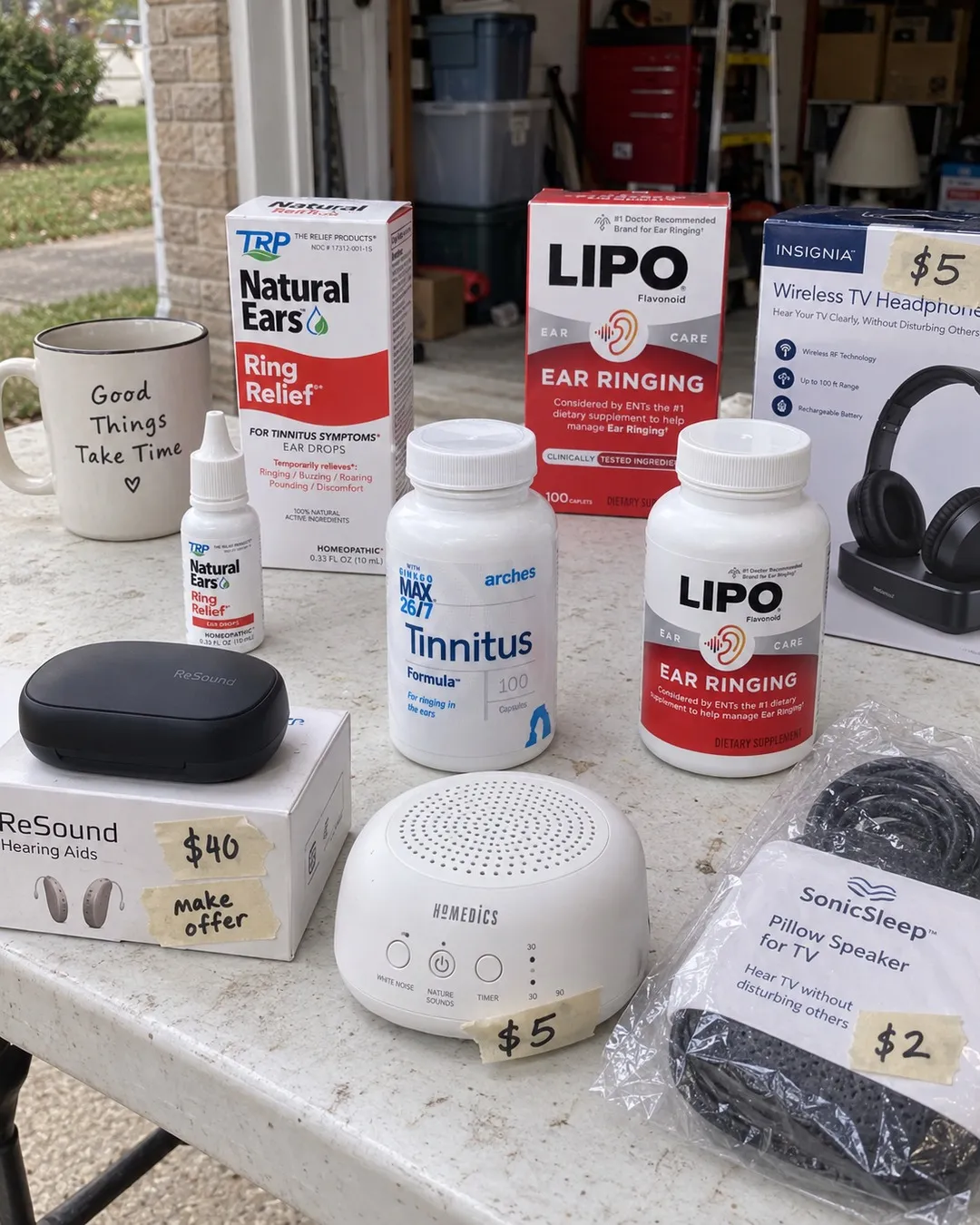
If Your Husband Has Ringing In His Ears, You'll Want To Read This 👆
Hearing Health Report
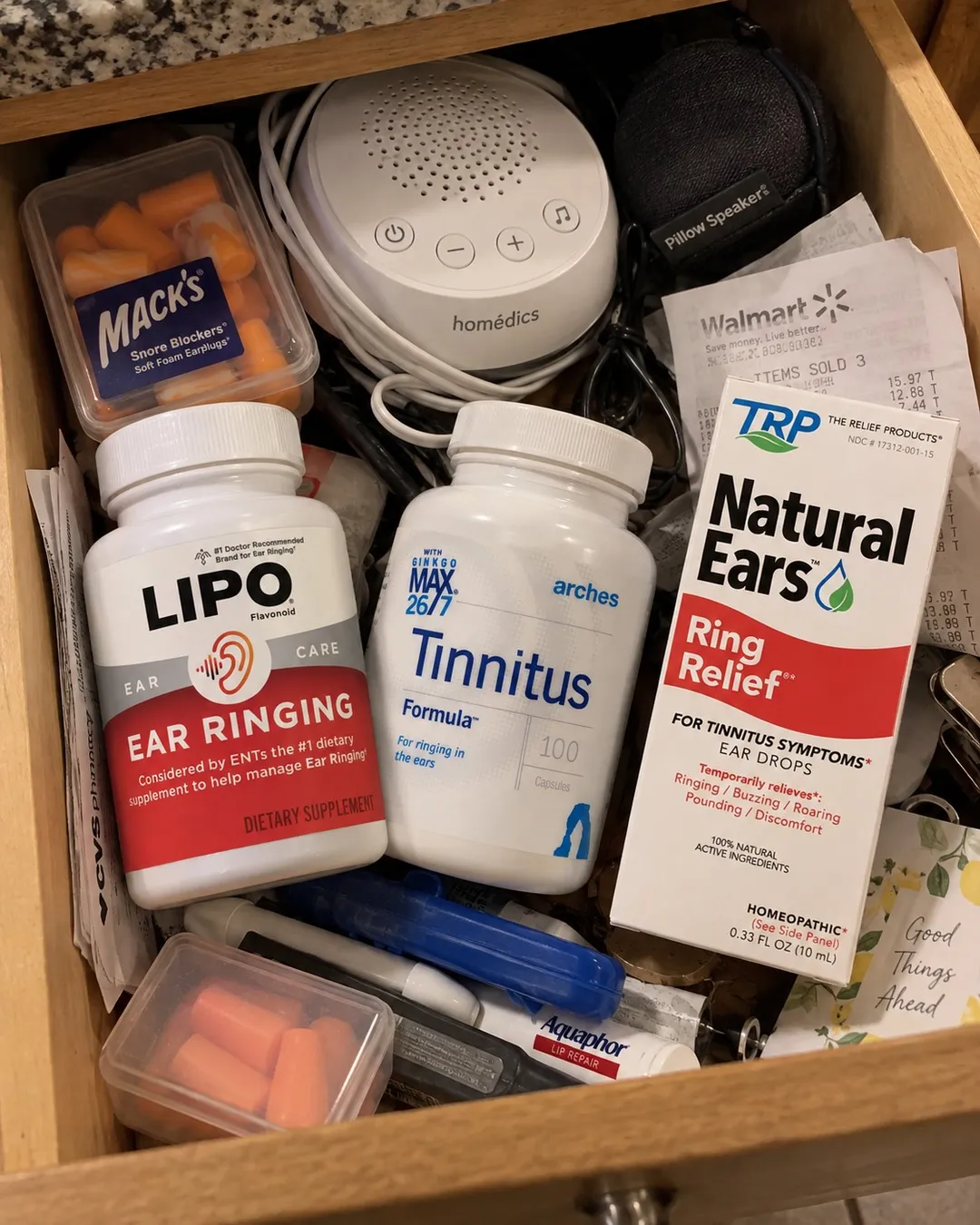
If You've Bought Your Husband Everything For The Ringing In His Ears, Read This 👆
Hearing Health Report
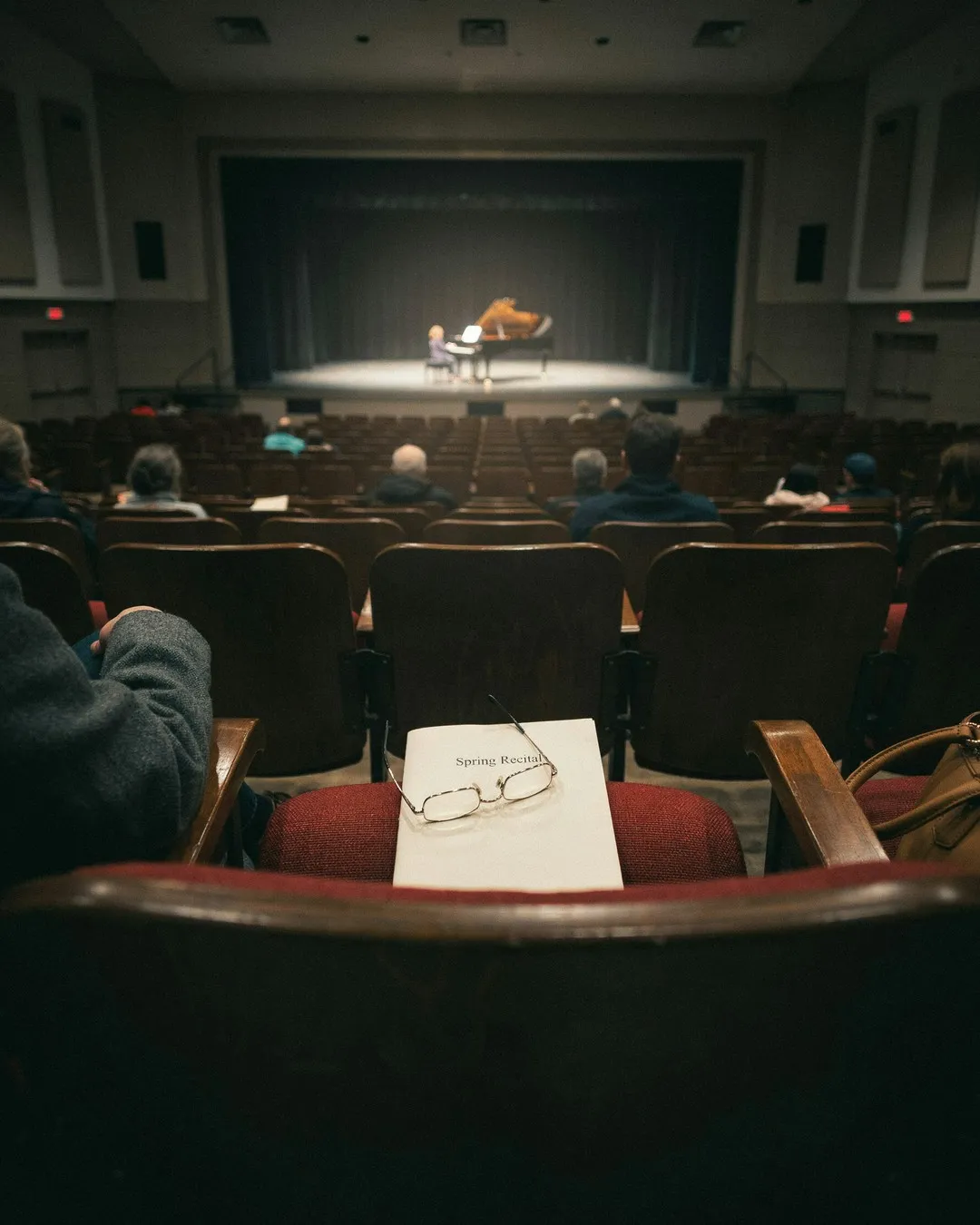
If You've Bought Your Husband Everything For The Ringing In His Ears, Read This 👆
Hearing Health Report

Calm & Relaxed Dry Food
Pooch & Mutt
The dance routine we didn't know we all needed 🔥
Just Eat UK
20% off your first order: REALLYGOOD20
Rocketo

Sharp Looks, Smoother Days
Fresha

Take the quiz. Find your Therapist.
BetterHelp

How it feels fr 🙏 #jobsearch #interview #career #workhumor #funny
AI Apply

 Add to Chrome