Support stamina and heart health every day
Ad Copy
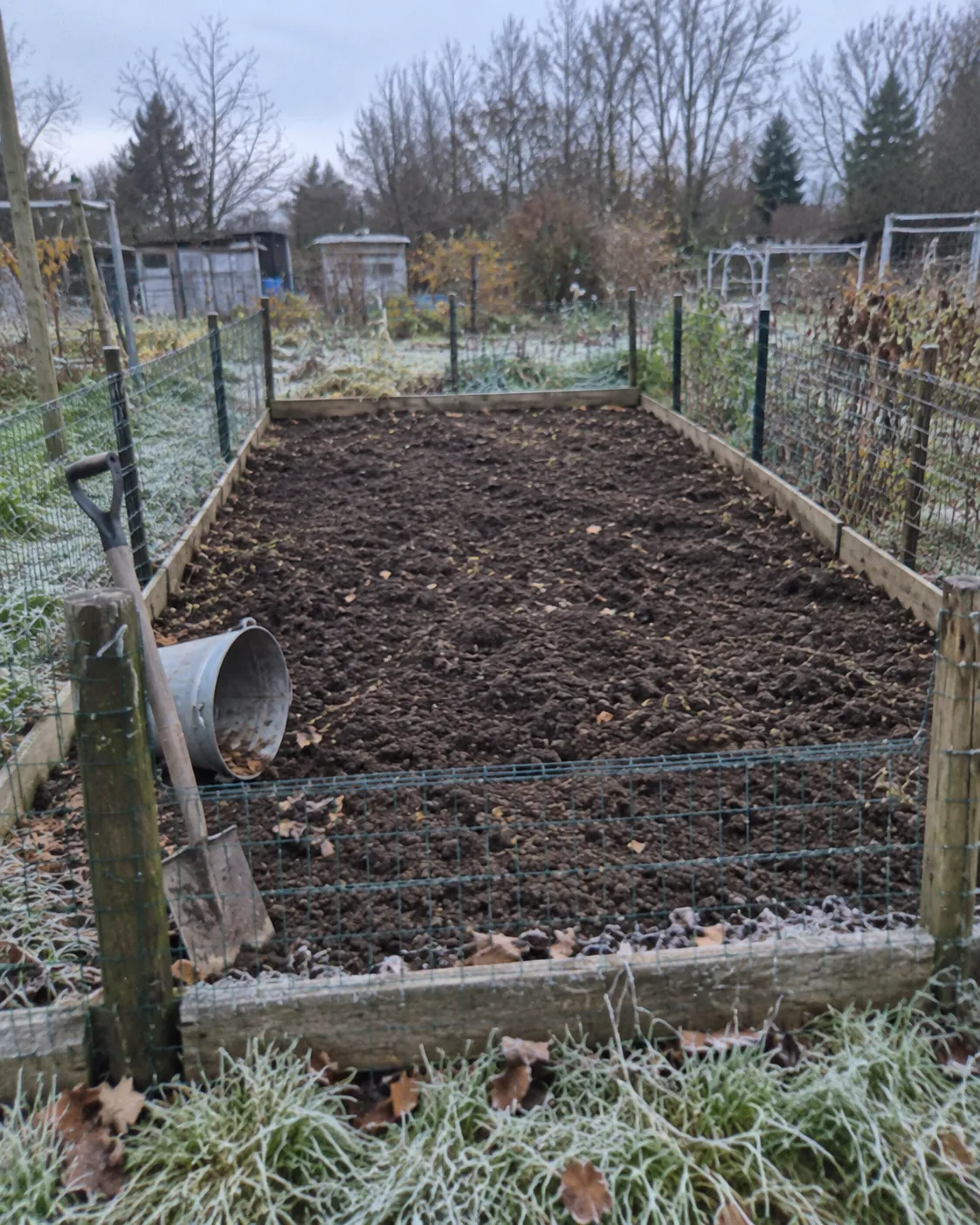
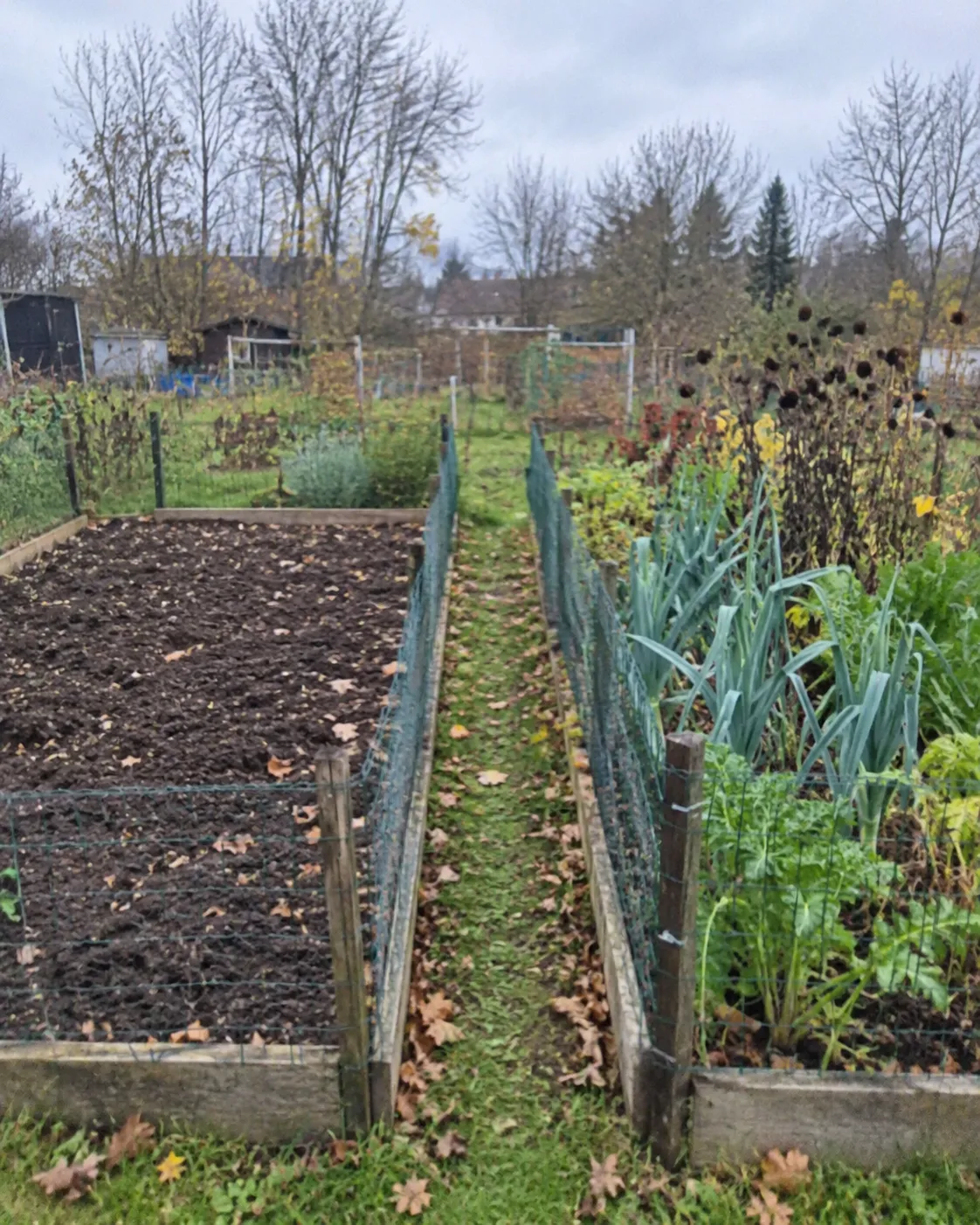
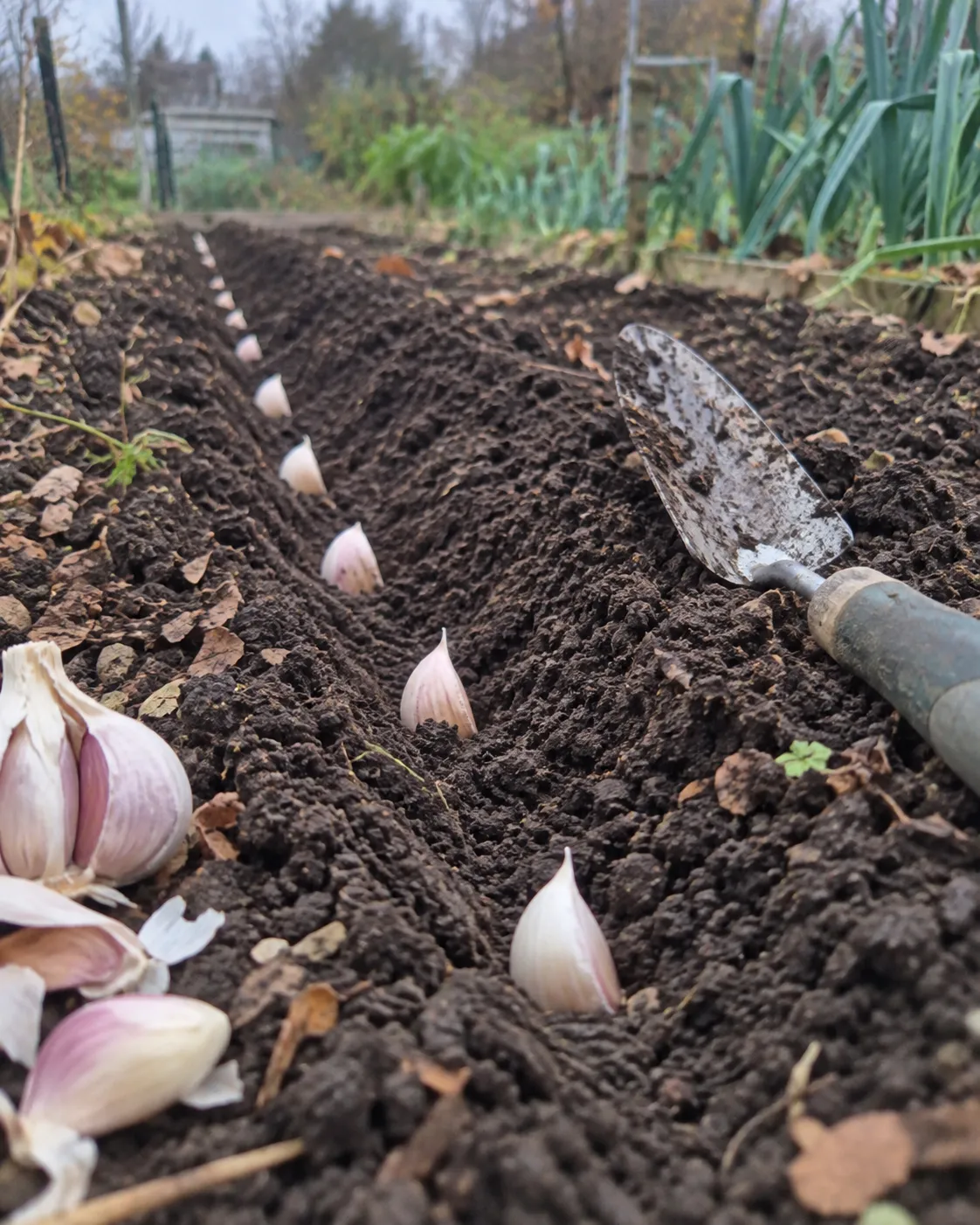
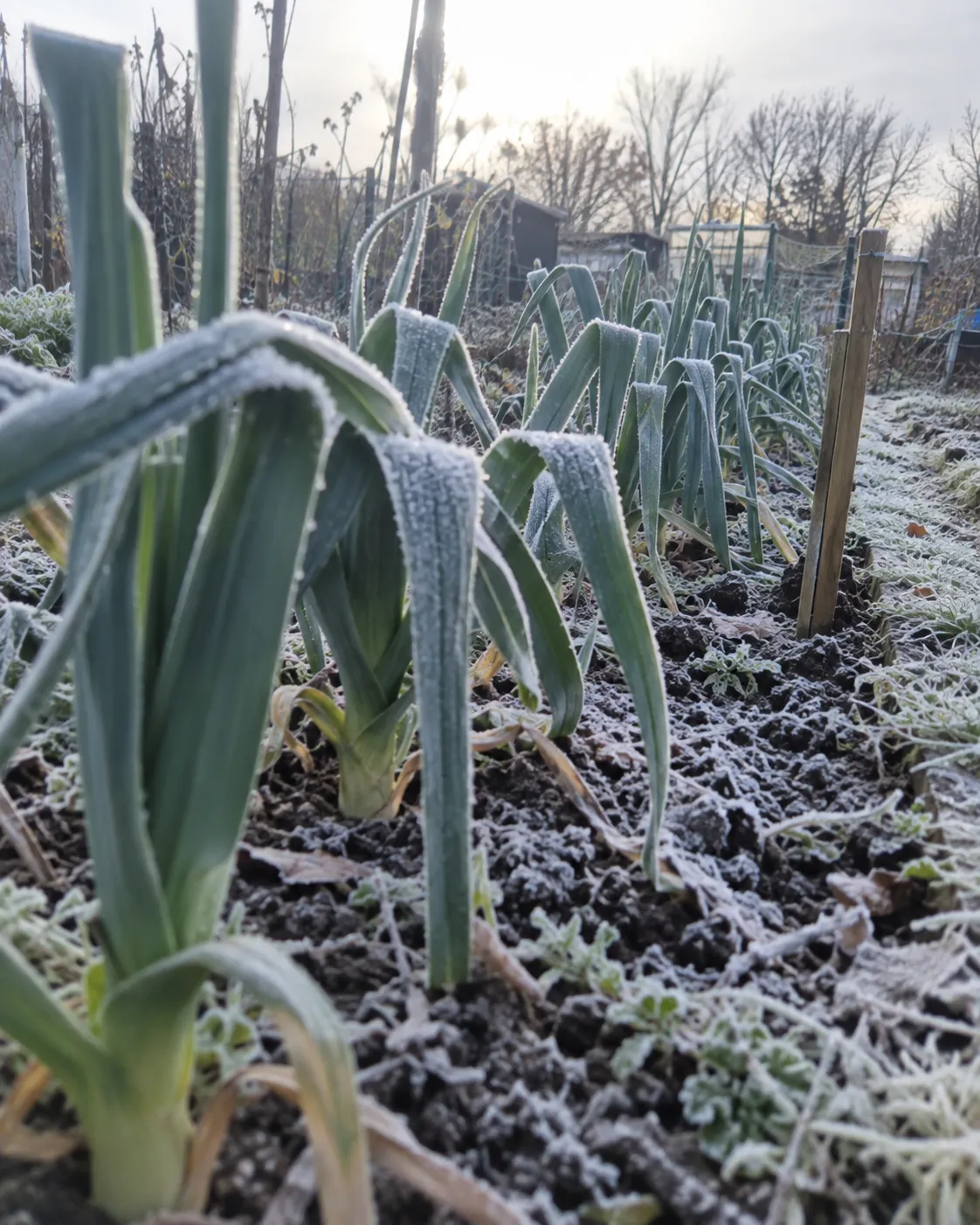
Picture Two Garden Plots, Side by Side, in the Last Week of October. Picture two garden plots, side by side, in the last week of October. Call the women Pam and Ines. They're sketches, not people, and so is the community garden they rent their plots in, and so is the town it sits in. Nothing here is evidence of anything. Pam has plot fourteen. She has had it for nine years, and for nine years she has done everything right. That's not a boast. It's the shape of her season. Seed in April, when the soil is warm enough to hold your hand in. Rows a hand-span apart, because that's the spacing. Thin in May, the smallest seedlings first, the way the book says and the way her mother said before the book. Water in July, early, at the roots, never the leaves. Pull the first ones in September, small, before they get woody. Pull the rest by the third week of October, before the frost. Beets, mainly. Pam grows other things, but beets are what she does properly. And she does them properly. Nobody in that garden would say otherwise. Her rows are the straight ones. Her bucket in October is the one people look into. Ines has plot fifteen. Ines has had it longer than Pam — nobody's sure how long, including possibly Ines — and Ines does not grow beets at all. Ines grows dahlias, and garlic, and leeks, and a row of something that Pam has never identified and has never asked about, because Ines is not a person you ask. Ines is a person you nod at. They have nodded at each other, across the path between fourteen and fifteen, for nine years. That's the whole relationship, and it's enough for this story, because nobody in it is going to explain anything to anybody. Here is what Pam notices, in the last week of October, in the ninth year, standing in her plot with the last row pulled and the bucket full. Ines is in her plot too. That isn't unusual. What's unusual is that Pam, for the first time, lets herself see what Ines is doing, which is planting. Garlic. Cloves pushed into the soil, pointed end up, a hand-span apart. In the last week of October, with the frost due any night, Ines is starting something. And Pam looks down at her own plot, which is done. Done the way it's done every year in the last week of October. Cleared. Bare. Correct. The way the book says to leave it. She doesn't say anything to Ines. Ines doesn't say anything to her. They nod. But Pam takes it home, and over the next week — while the frost comes and goes and the plot sits there being finished — she works something out. For nine years she has done everything right, and everything right lasts about six weeks. From the first small beet in September to the last one before the frost: six weeks in which the thing she does properly actually exists. The other forty-six weeks, plot fourteen is a rectangle of bare soil with a fence around it, and the beet — the one she grows, the one she does properly — is not a thing she has at all. She had never counted it that way. She'd counted the six weeks. Everyone counts the six weeks. The six weeks are what the bucket is for. Then she thinks about Ines's plot, which she has been nodding at for nine years without seeing. Ines's plot is never done. Garlic goes in as the beets come out. The leeks stand through January, looking like nothing, being leeks. The dahlias come up out of the ground in March in a bucket and go back into the ground in May. Something is always about to happen in plot fifteen, and nothing in it is ever finished, and nothing in it is ever bare. Ines isn't doing anything right. Pam is fairly sure of that; the rows aren't straight and the garlic is going in late. Ines is just never not doing something. This is the discovery, and Pam makes it alone, on a Thursday, with the seed catalog for next year already on the table. "Doing everything right," for her, had turned out to mean: the best possible version of one thing, for six weeks, and then nothing — with the nothing counted as part of doing it right, because the book says to clear the plot. The right way had a calendar. The calendar wasn't hers. The frost decided it. And she had spent nine years grading herself against a way of doing things that was only available in September, and quietly failing the other ten months by the standard of a month she wasn't in. That's all. Nobody told her. She got it from a bucket and a woman planting garlic. Here's where the story leaves her, because it's the honest place. Pam, in her kitchen, in the first week of November, with the last of the beets from the bucket, and forty-six weeks in front of her, and a seed catalog she has already opened to the same page as last year. She hasn't decided anything. She might do exactly what she always does; the six weeks are, after all, very good weeks. But she has noticed the other forty-six, and she can't un-notice them, and that's the only thing that's changed. Here's the thought, hedged the way an observation should be, because it came from two sketched women and a frost: "Doing everything right" may sometimes mean doing the best version of a thing for the short window in which the best version exists — and counting the rest of the year as correct because the best version isn't available in it. A format can be the right one and still have a season. Growing your own is about as right as a beet gets, and it lasts about six weeks. That's not a flaw in growing. It's the calendar. What a beet is the other forty-six weeks is a question the right way never asked, because the right way's answer was: nothing, until April. Now step out of the story. Pam and Ines are sketches. Plot fourteen and plot fifteen don't exist. Nothing above is about a supplement, nothing above is evidence for one, and the observation about seasons doesn't change when the subject is one. Separately, then: here are the beetroot product and format facts. A beet comes in a lot of formats. Grown, pulled, and roasted in October. Bought fresh and boiled. Juiced. Pickled in a jar. Dried and ground into a powder you scoop. Each one asks something of you — a season, a stove, a machine, a scoop — and each one is a perfectly good way to have a beet, when that's the way you want to have it. Beetroot naturally contains dietary nitrates. Rosabella Beetroot is organic beetroot powder in capsules — two capsules, once a day. What's in it reads in one breath: 1,300mg of organic beetroot powder per serving — a serving being those two capsules. One active ingredient, with the amount printed plainly on the label — nothing to decode. Non-GMO, third-party lab tested, produced under Good Manufacturing Practices, made in the USA from globally sourced ingredients. It contains no caffeine. Sixty capsules in a bottle; thirty days. The capsule format simply means you don't grow, pull, wash, roast, juice, or scoop the beet yourself. That is a fact about the format — not a promise about what any routine will look like, and not a claim that this format is the right one. It's one of the formats. If it joins your year at all, the labeled serving direction is two capsules, once a day. Where that sits — beside something already there, or nowhere in particular — is up to you. Follow the directions on the label. One thing before anything goes in a cart: talk to your doctor or pharmacist before adding any supplement, especially if you take any medication. This goes alongside the rest of a routine — the meals, the walks, the sleep — not in place of any of it. 4.4/5 from 16,700+ Amazon ratings (as of September 25, 2026) And the last part, plainly — because a story about a season ending is exactly what an ad would use to offer you the thing with no season, and we're not going to dress it up that way. We're not going to tell you what you'll feel or when. Bodies are different, and yours doesn't owe an advertisement anything. What we provide is a format, stated as a fact. The format is capsules. The labeled serving is two capsules, once a day. P.S. If you'd like Pam's question for your own year, it's a short one: of the things you do properly, how many weeks a year does the proper version actually exist — and what are you counting the other weeks as? There's no right answer. Some things are worth doing properly for six weeks and not at all the rest of the year. It may just be worth knowing which of yours those are. P.P.S. What it is, plainly: organic beetroot powder in capsules — 1,300mg per two-capsule serving, one active ingredient, amount printed on the label, no caffeine, non-GMO, third-party lab tested. Thirty days a bottle. Those are the basics. P.P.P.S. Not satisfied for any reason? Return the product within 90 days of delivery for a full refund. Individual experiences vary. These statements have not been evaluated by the Food and Drug Administration. This product is not intended to diagnose, treat, cure, or prevent any disease. https://track.tryrosabella.com/cdc16426-3e48-40a7-9fad-21098084f6cf
More from The Health Haven
Support stamina and heart health every day
The Health Haven
Support stamina and heart health every day
The Health Haven
Support stamina and heart health every day
The Health Haven
Support stamina and heart health every day
The Health Haven
Support stamina and heart health every day
The Health Haven
Support stamina and heart health every day
The Health Haven
Support stamina and heart health every day
The Health Haven
Support stamina and heart health every day
The Health Haven
Support stamina and heart health every day
The Health Haven
Support stamina and heart health every day
The Health Haven
Support stamina and heart health every day
The Health Haven
Support stamina and heart health everyday
The Health Haven

 Add to Chrome