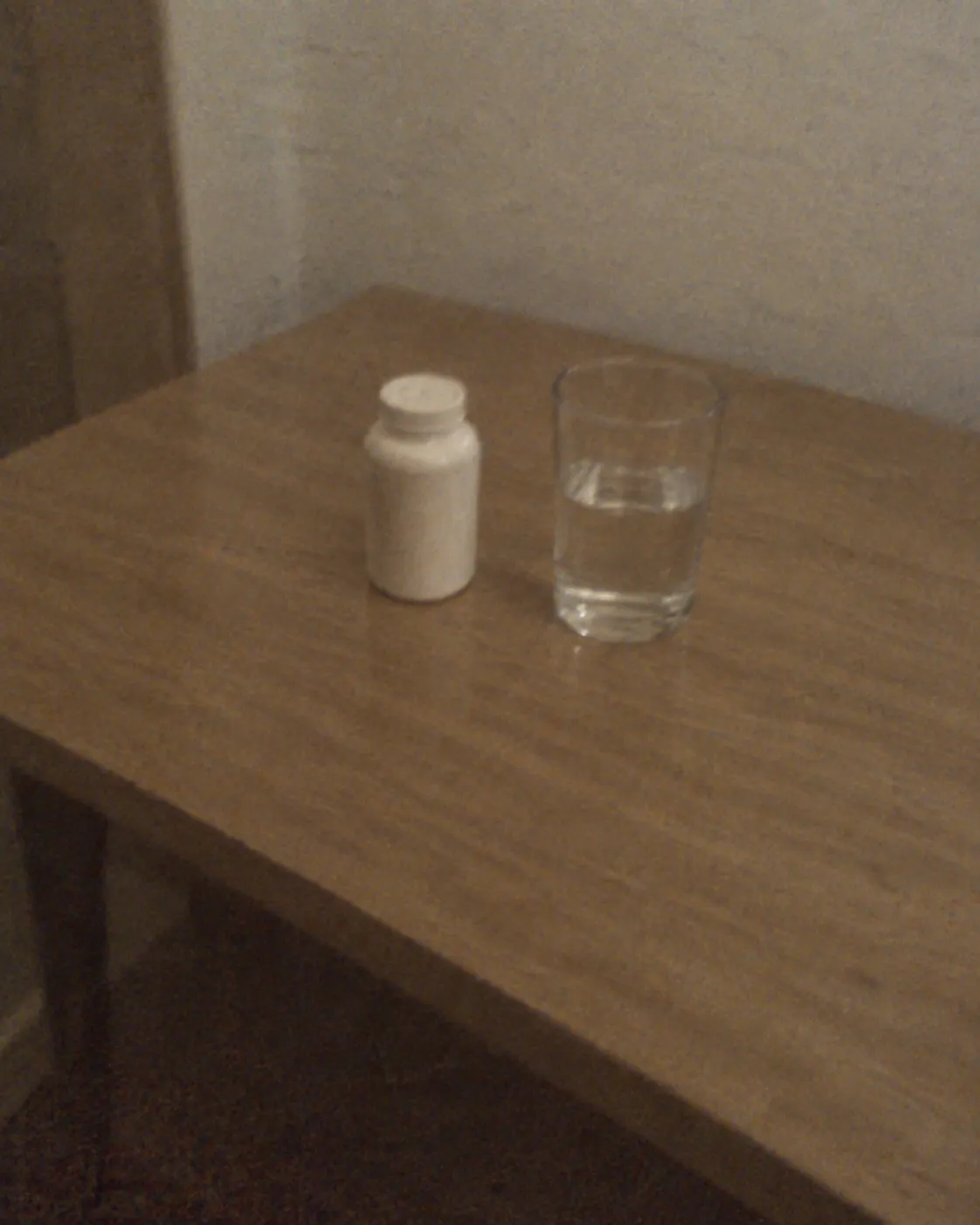
Support stamina and heart health every day
Ad Copy
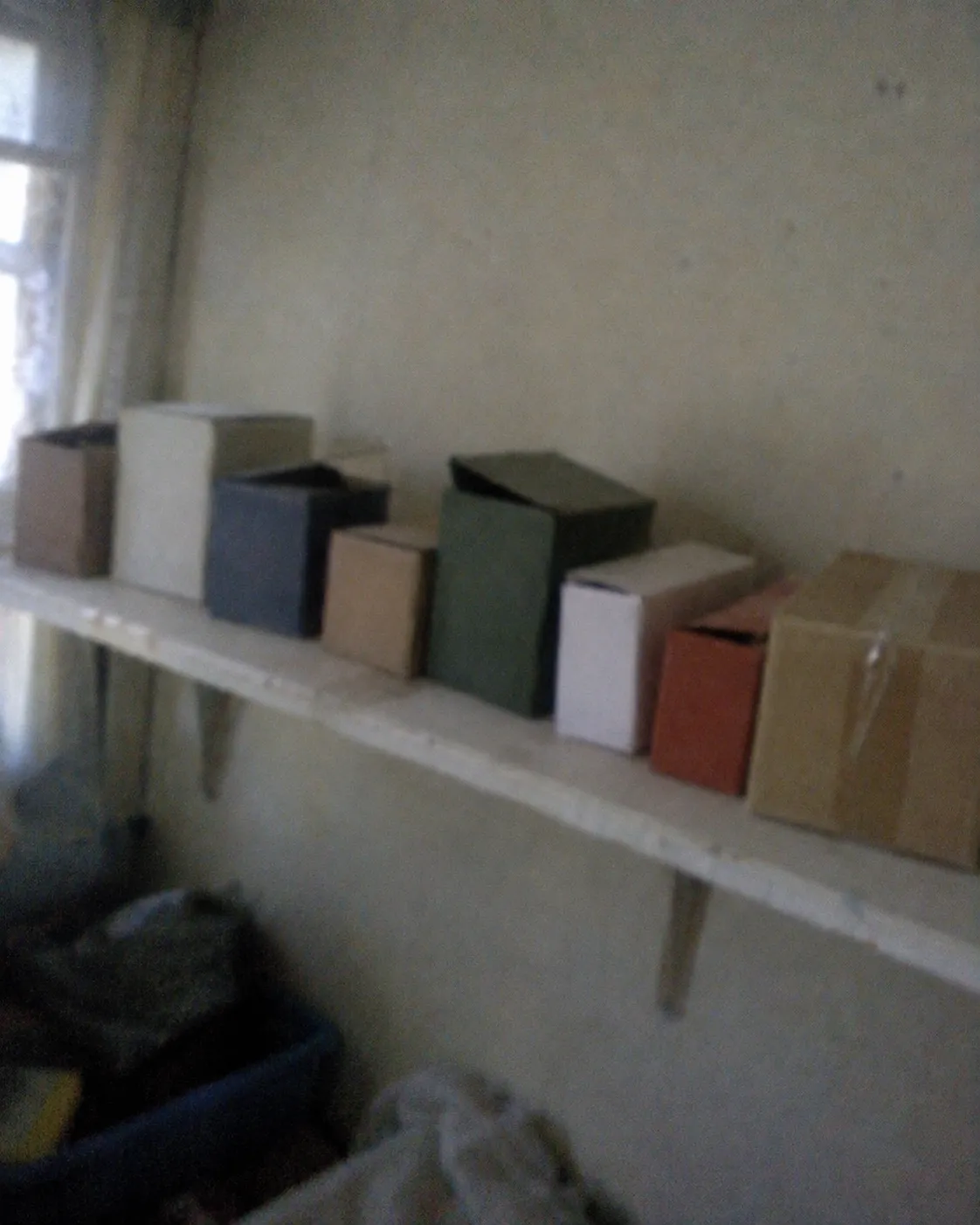
Every Family Has an Elaine — the One Who Has Tried Eight Different Ways of Staying in Touch With the Grandchildren, and Has Boxes to Prove It. Every family has an Elaine. Picture yours. She's not one woman; she's a type, and what follows is a sketch of the type, not a report on anyone. Picture her at sixty-nine, in a spare room with a shelf, and on the shelf, eight ways of staying in touch with three grandchildren who live four hours away — each in its box, each tried, each set down. Here is the thing everyone in the family knows about Elaine, and it's the whole engine of the portrait: Elaine has tried everything, and the everything is on a shelf. Understand the shelf and you understand the whole woman, so let's walk it. The tablet with the video-call app. Bought for Christmas three years ago. The calls happened for a month, then the grandchildren got bored of holding still, and the tablet became a recipe stand. The photo-book service. A book every month, from photos the family uploaded. Four books came. The family stopped uploading; the books stopped coming. The four are on the shelf, and they're lovely. The subscription that sends a printed newsletter to the grandchildren with a puzzle in it. Six months. The puzzles were too young for the eldest and too old for the youngest, and Elaine was writing the newsletter herself by month three. The shared family calendar. Everyone was invited. Elaine was the only one who ever put anything on it. The postcards. A box of a hundred, a stamp roll, a plan. Eleven sent. Eighty-nine left. The weekly-call scheme. Sundays at four. It lasted until soccer moved to Sundays. The messaging group. Alive, but the grandchildren post in a dialect Elaine can't read, and her messages arrive as long paragraphs into a stream of pictures, and sit there. The eighth. A box, unopened, from a company that sends a monthly craft to do "together over video." She hasn't had the heart. Eight formats. Six years. And at the end of it, Elaine talks to her grandchildren about as often as she did before she started — which is to say, at birthdays and Christmas and when their mother hands them the phone. She's concluded she's not a grandmother who's good at this. Keep that. Somebody is about to try to overturn it, and get it half right. Because her daughter Beth comes down for a weekend with a folder. Beth is forty-three, and she has been reading. Reviews of all eight formats. Articles about what works for grandparents. A comparison chart, printed, with columns. She sits Elaine down at the kitchen table, which is where these things happen, and gives the seminar. "Mom. I've looked at every one of these. The problem isn't you. The problem is the formats. Every one of them was built for someone else — the tablet's for a family that already calls, the newsletter's for one age, the calendar's for people who live in calendars. You picked wrong eight times because there was nothing right to pick." She slides the chart across. "So I've found the ninth. It's built for grandparents. It's simple. It does the reminders for you." And Elaine — who loves her daughter, and who has been sitting in a room with eight boxes for six years — looks at the chart, and looks at the folder, and sees something Beth has missed. Not that Beth is wrong about the formats. She's right about all eight; the chart is excellent. What Beth has missed is on the shelf, not in the folder. Every one of those eight formats — the tablet, the books, the newsletter, the calendar, the postcards, the calls, the group, the craft — had one thing in common, underneath. Each one, in its own way, was asking Elaine for the same small thing: A fixed time, and something to say. That was it. The tablet wanted a call at a time. The postcards wanted a Tuesday and a sentence. The newsletter wanted Sunday and a page. The calendar wanted a Sunday and a note. Strip the box off any of them and what's left is: pick a moment, have a thing to say, do it. None of the formats had failed because they were the wrong format. They'd all failed on the same day — the day the moment moved, or the day she had nothing to say — and every one of them had dressed that same small failure up as a product she'd got wrong. "Beth," she says, "I don't think it's the formats. I think every one of them was the same thing in a different box. And I don't think I need a ninth box. I think I need a Tuesday." Beth, to her credit, looks at the shelf for a long moment, and then at her chart, and then closes the folder. "That's not in any of the reviews." "No," says Elaine. "It's on the shelf." That's the discovery, and Elaine would want it said plainly — as hers, seen past a well-meant folder: Several formats of one task may turn out to be asking for the same small thing underneath — a fixed moment, and a little content. When each one fails, it can look like eight wrong choices, when it may have been one small requirement that never got met, dressed eight ways. The next format may not be the answer. What all the formats had in common may be. And the portrait closes where every real Elaine story closes: with the boxes still on the shelf, because she keeps things. There's a Tuesday now. Half past five, after the youngest's tea and before the eldest's homework, on whatever device their mother has to hand. Elaine has a small notebook with one line in it per week — the thing to say — because that was the other half. Some Tuesdays it's six minutes. Some Tuesdays it's the youngest holding the phone up to the dog. The ninth box never got ordered. Beth says the chart is still very good, and Elaine agrees, and has it in the folder, on the shelf, with the rest. Now step out of the story, because the rest of this is between us and you. Elaine is a type, not a person — we said so in the first lines — and her shelf, her Tuesday, and her daughter's chart belong entirely to the sketch. No supplement had anything to do with any of it, and nothing in this ad should be read that way. A capsule isn't a format for staying in touch with anyone, and it isn't the common denominator of anything. Separately, then: here are the beetroot product and format facts. Beetroot naturally contains dietary nitrates, and the body converts those into nitric oxide, a molecule that helps support healthy blood flow.* That's the whole science we'll state, and it belongs to the vegetable. Rosabella Beetroot is organic beetroot powder in capsules — two capsules, once a day. Some traditional beet preparations — especially juicing a batch or canning — can involve more prep and cleanup, and roasting has its own. Good formats, all of them, when that's what you want to do. The capsule format means you don't have to wash, roast, juice, or scoop beet powder yourself. That's a fact about the format, not a promise about how easily anyone will maintain the routine — and not a claim that it's the ninth box, or the one that finally works. Whether it asks anything of your week is something only your week can answer. What's in it reads in one breath: 1,300mg of organic beetroot powder per serving — a serving being those two capsules. One dietary ingredient, with the amount printed plainly on the label, nothing to decode. Non-GMO, third-party lab tested, manufactured in a GMP-certified facility, made in the USA from globally sourced ingredients. It contains no caffeine. Sixty capsules in a bottle; thirty days. Follow the directions on the label. One thing before anything goes in a cart: talk to your doctor or pharmacist before adding any supplement, especially if you take any medication. This goes alongside the rest of a routine — the meals, the walks, the sleep — not in place of any of it. On Amazon, Rosabella Beetroot is rated 4.4 out of 5 across 16,597 ratings as of September 23, 2026. That's the sketch, and those are the facts. The serving and ingredient facts are on the label, where you can check them for yourself. P.S. If there's a shelf in your house with the formats on it — the tablet, the books, the scheme, the box you haven't opened — the finding of this story, plainly: it may not have been eight wrong choices. Before the ninth, it may be worth asking what the eight had in common. In this sketch it was a Tuesday and a sentence. Yours may be something else, and it may be smaller than any box. P.P.S. What it is, plainly: organic beetroot powder in capsules — 1,300mg per two-capsule serving, one dietary ingredient, amount on the label, no caffeine, non-GMO, third-party lab tested. Thirty days a bottle. Those are the basics. P.P.P.S. Rosabella offers a 90-day money-back guarantee on eligible first-time purchases. Contact customer support within 90 days of delivery. Terms and exclusions apply. Individual experiences vary. These statements have not been evaluated by the Food and Drug Administration. This product is not intended to diagnose, treat, cure, or prevent any disease. https://track.tryrosabella.com/8ae97cac-2146-42d6-af75-de0e59d15644
More from Essential Health Finds
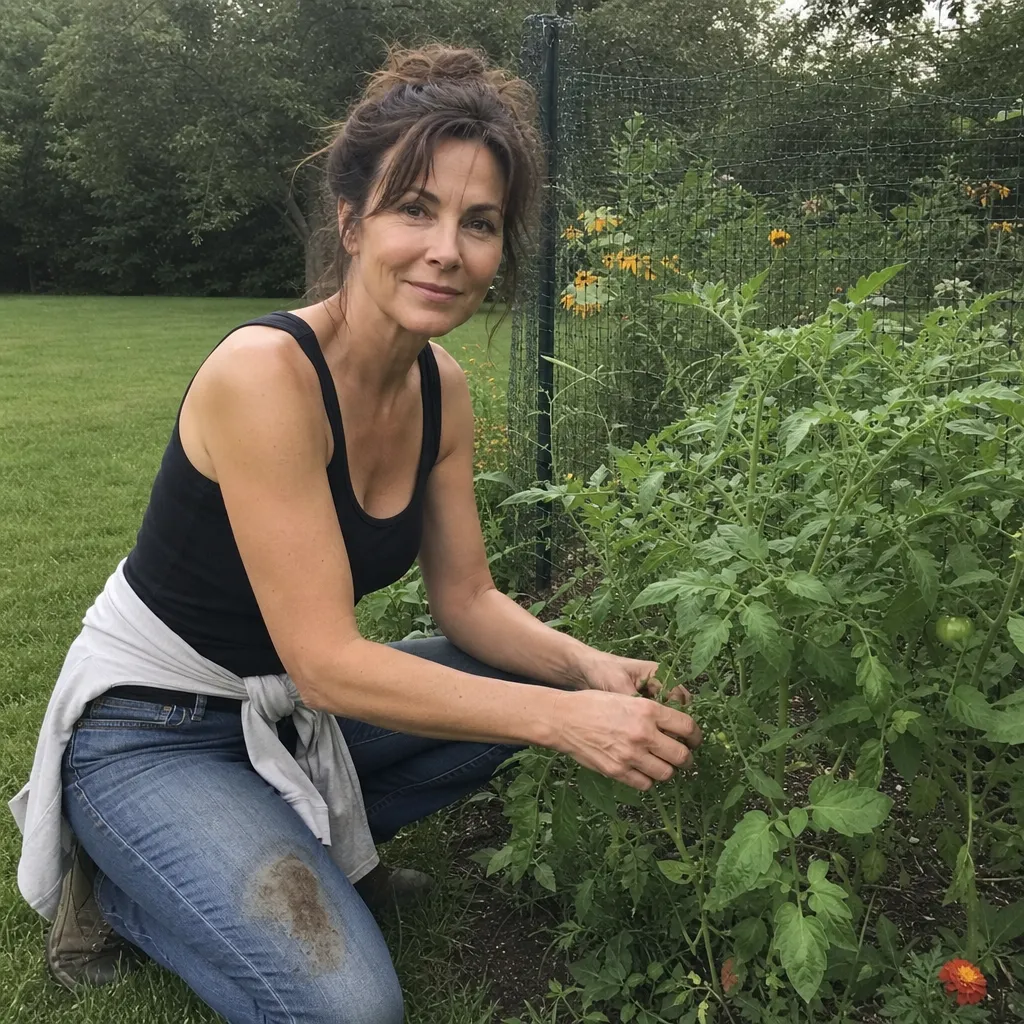
Support nerve health and healthy circulation every day
Essential Health Finds

Support stamina and heart health every day
Essential Health Finds

Support nerve health and healthy circulation every day
Essential Health Finds
Support stamina and heart health every day
Essential Health Finds
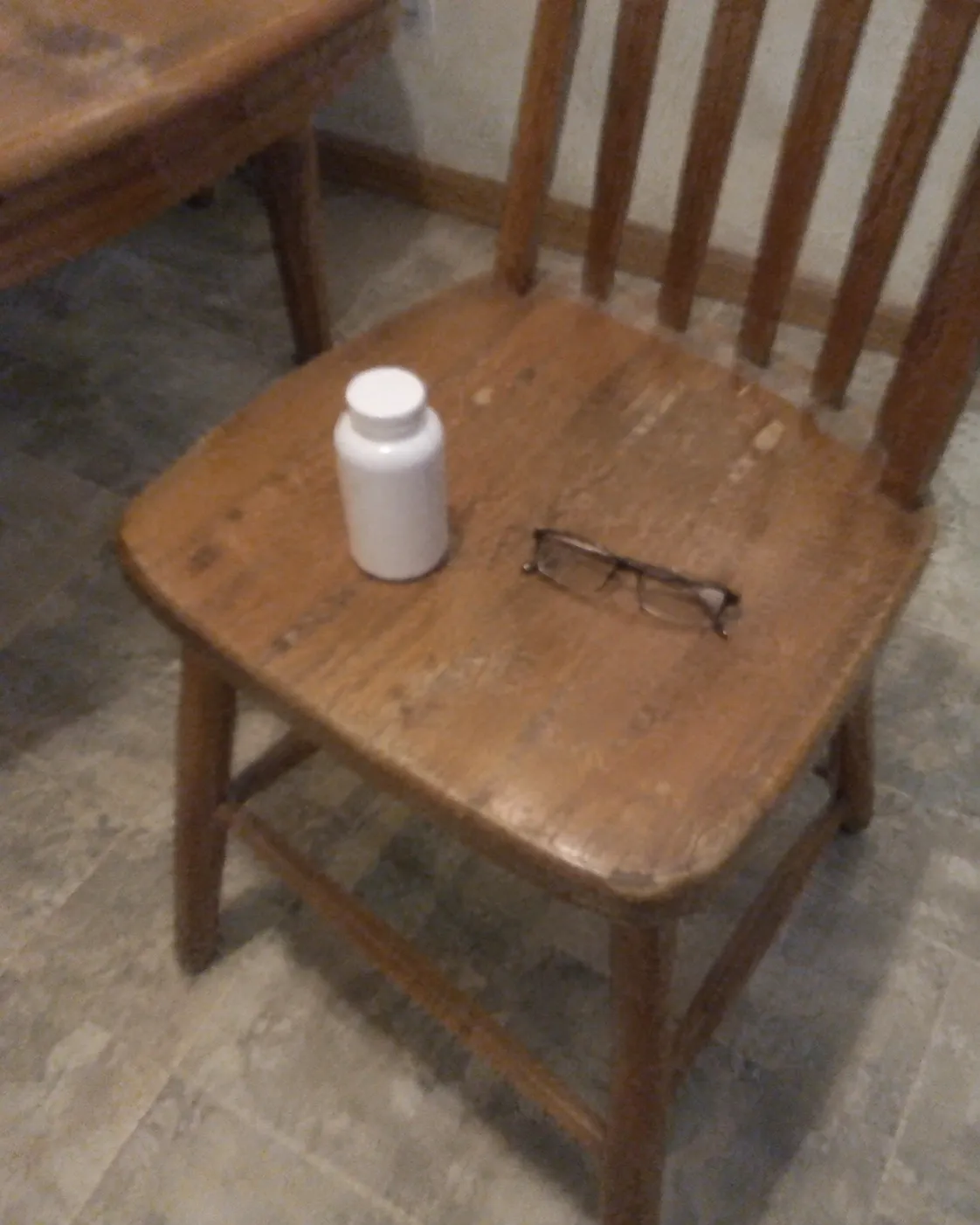
Support stamina and heart health every day
Essential Health Finds

Support stamina and heart health every day
Essential Health Finds
Support stamina and heart health every day
Essential Health Finds

Support stamina and heart health every day
Essential Health Finds
Support stamina and heart health every day
Essential Health Finds

Support stamina and heart health every day
Essential Health Finds
Support stamina and heart health every day
Essential Health Finds
Support stamina and heart health every day
Essential Health Finds

 Add to Chrome