Support stamina and heart health every day
Ad Copy
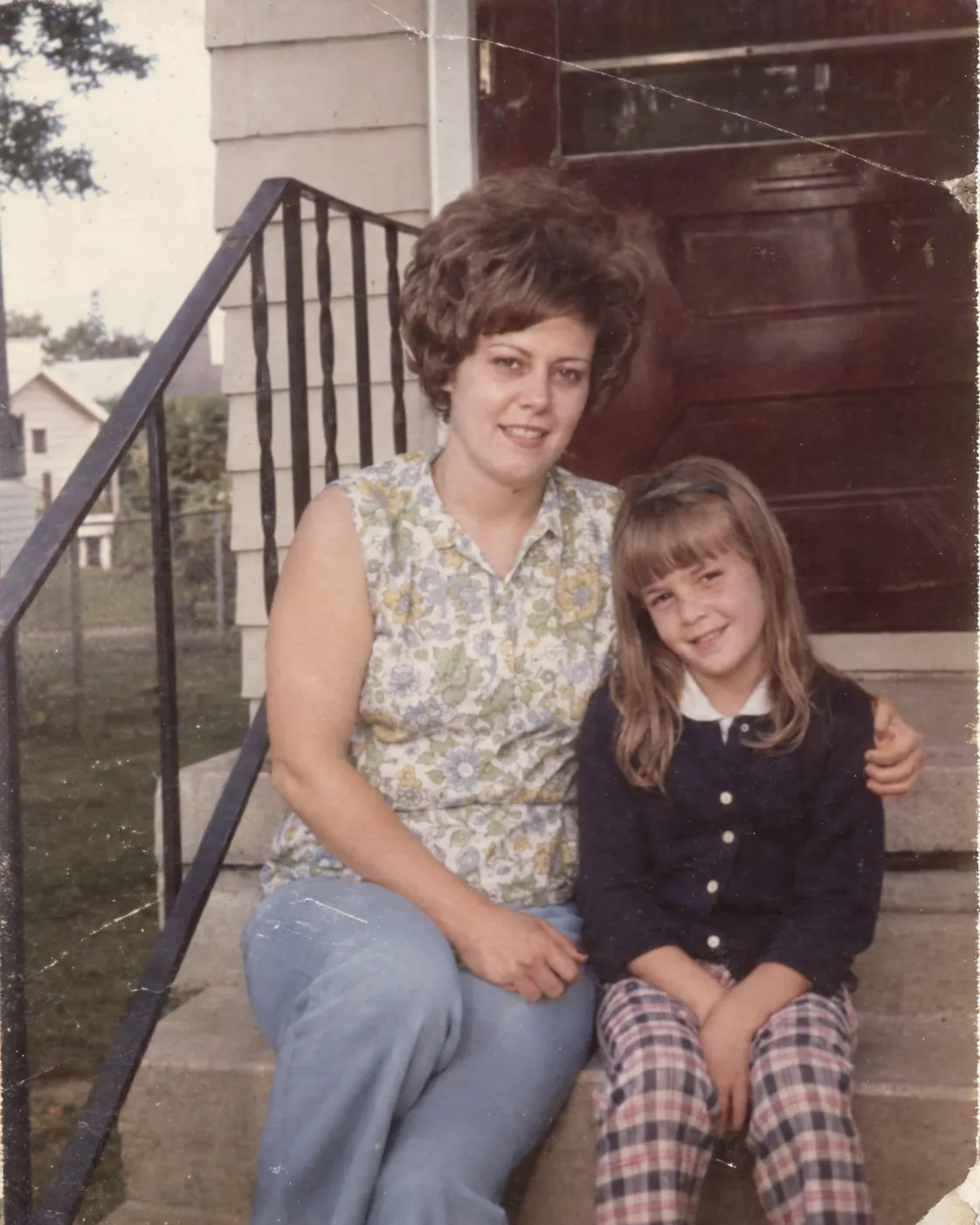
The day my mother died broke me. The day I buried my only son broke what was left. And a Tuesday afternoon last October is the day I found out the medication I'd been taking for three years was slowly killing me. I want to tell you about the third day, because it's the only one of the three I could do anything about. I was in my recliner with the television on and my phone in my hand, and I read a sentence that made me get up out of that chair for the first time all day, walk to the kitchen windowsill, and pick up a bottle I had picked up every single night for three years. I stood there holding it for a long time. Then I went to the hall closet, and I got down the shoebox with my mother's things in it, and I found what I was looking for. Let me tell you how I got there. I'm a woman who respects people in authority. Police officers, firemen, doctors. I would never do anything to disobey them. A police officer flashes his lights, you pull over. A fire truck honks, you get out of the way. A doctor gives you a prescription, you fill it. At least that's what I thought. Three years ago I went to my doctor, Dr. Smithers. He's been our family doctor for as long as I can remember — he was my mother's doctor before he was mine. He always treated us right, explained things in simple words, and he was an honest man. When he said a few of my numbers were on the high side, I did not hesitate to listen to him. He was the doctor, of course, and I was a receptionist. One of us had eight years of school and the other had maybe two years of college. The medication he gave me was a statin — I found that out later. He said this pill, taken daily, would manage my numbers. At first I didn't really understand what it did, but like I said before, if a doctor gives you something, it's best to take it. He had always been an honest man. The specific one I was taking was atorvastatin, the Lipitor kind — I know there are a few other name-brand ones, but that's the one I was on. Ten milligrams every day. I normally took it before bed, because that's when your liver produces the most cholesterol, while you sleep. Let me tell you a bit more about who I was, so you have the full picture. My name is Arlene. I'm 66. I live outside Fort Wayne, Indiana, in the house my husband and I bought in 1984. He's been gone for nine years. My daughter Krista calls every night at seven. For twenty-two years, Thursday morning was knitting circle in the Lutheran church basement — eleven of us, coffee in styrofoam, an afghan for every baby born in that congregation and a prayer shawl for every funeral. I was the one who could turn a heel without looking. Saturdays I baked. Funeral lunches, bake sales, the fire department pancake breakfast. Pie crust from scratch, never once from a box. Sundays I cooked dinner for whoever showed up, and somebody always showed up. Now my mother. She was 79. She'd been on a cholesterol pill for six years — the same kind, I'd find out later, though at the time it was just "Mom's pill." Dr. Smithers loved her numbers. I drove her to every appointment and I heard him say it: "Evelyn, your numbers look great." Every six months. Great. The last year of her life, she got tired. She stopped going to her card club. She started taking the stairs one at a time, with her hand on the rail. She'd put her hand flat on her chest sometimes, and if you asked, she'd say indigestion. Her aches were her age. Her tiredness was her age. I found her in her garden chair on a Saturday morning with her coffee still warm beside her. The certificate said heart attack. Her last blood draw, three weeks before, had said great. I cleaned out her house that spring. I threw her pill bottles in a trash bag with everything else on her windowsill. I kept one thing from that windowsill, a little ceramic bird she'd had for years, and I put it in a shoebox in my hall closet with her reading glasses and her recipe cards, and I didn't open that box again for eight years. That was the worst day of my life. I want you to remember the details, because I didn't. Four years later, my son Tim. February, a car, a road he'd driven a thousand times. That's all I'm going to say about that, because I can't say more and still write the rest of this. I want you to understand that I kept going after Tim. I was in my chair at knitting circle the Thursday after the funeral, because those women had knitted the shawl that went in the casket with him, and I wasn't going to let them sit there without me. So when I tell you what the pill took, understand it wasn't grief. Grief I know. This was something else. The first few months on the pill I felt fine. At three months Dr. Smithers tested me and said things were looking good. Around the four-month point is when I started to feel different. At first it was less energy through the day. A nap here and there. Before, I was never a nap person — I'd be up at six and asleep at nine or ten every night of my life. The naps got longer. One to one-thirty. Then one to one-forty-five. Then one to two-thirty. Then came the joint and muscle pain. Slowly, every week, a little more. It started in my thighs going up the stairs. Then my shoulders. Then my hands, which is the one that mattered, because my hands were my life. At six months, Dr. Smithers ran my blood. 181 down to 131. He was pleased. I told him about the naps and my thighs on the stairs. He said, gently, that I'd been through a lot, and at my age some aches were to be expected. Here's what the word "good" cost me. I'm going to go room by room, because that's how it went. First, the church basement. Eight months in, I dropped a stitch. Then a row. I'd get to the end of a row and couldn't tell you how many I'd done, and I've been counting rows since I was nine. My hands got heavy. Not painful exactly — heavy. An hour with the needles and my forearms felt like I'd carried groceries up a hill. I told the girls it was my eyes. I bought new readers. It wasn't my eyes. By the second winter I was going to circle and not knitting. Just sitting with the coffee. By spring I'd stopped going, because it's a knitting circle, and I wasn't knitting. Then the kitchen. Pie crust is done standing up. You cut the fat into the flour with your fingers, and you roll, and you don't sit down until it's in the pan. I started needing to sit halfway. Then I bought the box crust, which I'd have died before doing five years ago. Then I stopped baking for the sales and told them it was my back. Sunday dinner went from a roast, to a rotisserie chicken from the store, to me telling Krista not to come because I was tired. And Krista saying, "Mom, you're always tired." And me saying it was my age. Then the stairs. Fourteen, up to my bedroom. Hand on the rail at the landing. One at a time. Then the recliner, all the time. Asleep by eight. Awake at three with my hand flat on my chest and something pressing that I told myself was the store chicken. And then the television. This is the part that's hardest to tell. Krista set up YouTube on the TV so I could watch church services. I found the cooking videos. Women my age in their kitchens, rolling crust with their hands. Turning a heel. And I sat in that recliner from breakfast to bed and watched other women's hands do everything mine used to do. Eight, ten hours a day, the remote in my lap. A woman in Kentucky rolling out dough, and me in Indiana watching her, with a box crust in my freezer. That's who I was by the third year. A woman with a beautiful cholesterol number, watching television. And every six months, 94. Great. I told Dr. Smithers about my hands and he said arthritis was common at my age. I told him about the chair by eight and he said grief does that. I told him about three in the morning and he said it sounded like reflux, and he handed me one of those free sample packs of an acid reducer — the kind the drug reps leave at the front desk. I know, because I was the one who used to sign for them. Two bottles on the windowsill became five. My numbers were great. I need to tell you about one Sunday in the third year, because it's the closest I came, and I didn't know it. I woke up at three with the pressure on my chest, the way I had a hundred times. But this time it didn't pass. It sat there. I sat up on the edge of the bed with my phone in my hand and my thumb on the 9, and I sat like that for twenty minutes deciding whether to call, and I didn't, because it was reflux, because the doctor said, because my numbers were great. It let go around four. I lay back down. I didn't tell Krista. I didn't tell Dr. Smithers. I told myself it was the chicken. Two weeks later I couldn't get out of the recliner. Not wouldn't. Couldn't. My legs wouldn't take me. Krista came by at four in the afternoon and found me where she'd left me at ten that morning, and she stood in the doorway and didn't say anything, and I saw her face, and I said, "I'm fine, honey, I'm just tired." That was the third year. Krista tried. She brought me fish oil. Then red yeast rice. Six weeks, every morning. Heavy hands. Box crust. Three in the morning. Then I bought a bottle of heart-health capsules off the vitamin aisle at the drugstore — the kind with a heart on the label — and took two every morning for four weeks. A little lift in the afternoons, then nothing. Most of that bottle is still in my kitchen cabinet. That's who I was when the third day came. It was a Tuesday afternoon in October. I was in the recliner. YouTube was on. A woman was braiding a pie edge and I was half-watching her with my phone in my hand, scrolling Facebook the way you do when you're not doing anything. And I stopped on a post. A long one. Written by a retired county coroner. I almost scrolled past. I'm not a person who reads long things on Facebook. But he said he'd opened chests for forty years and found the same thing in body after body, and then he said the thing that made me put the remote down. He said their cholesterol numbers had all looked great. I read the whole post, right there in the recliner. And I'm going to give you what I understood from it in my words, because he said it in his, and I'm a receptionist who bakes. The number your doctor loves — my 94, my mother's great — is a count. How much cholesterol is floating in your blood on the day they draw it. That's all it is. It can't tell you what condition that cholesterol is in. Because cholesterol isn't the bad guy. Your body makes it on purpose. What's bad is when it turns. He said it's like a cut apple going brown on the counter. Nobody added anything to the apple. The air did it. The same thing happens to the cholesterol inside you. Things called free radicals attack it — from stress, from the food that comes in boxes, from the years — and the cholesterol goes rusty. Sticky. And the rusty kind packs itself into the wall of your arteries, year after year, and hardens. That's what he'd been pulling out of chests for forty years, out of people whose charts said great. Because one day a piece of it tears loose, the artery jams shut, and that's the heart attack. The test can't see any of it. It counts what's floating. It can't see what's already gone rusty and buried itself in the wall. So the pill does one job. It turns down how much cholesterol your body makes. The count drops. The doctor says great. And the rust keeps building behind the number, because the pill was never aimed at the rust. He put it in one sentence: "You can have a beautiful number and rusting arteries in the same body." Here's why the pill can never catch up. When cholesterol goes rusty, your body reads that rust as damage. An injury. It does what a body does with an injury. It sends more cholesterol to patch it. Which gives the rust more to work on. Which the body reads as more damage. So it makes more still. He called it a wheel. And the rust is what spins it. "The pill bails water as fast as it can," he wrote, "and never once finds the hole the water's coming in through." Then he got to the other half, and this is the half that stood me up out of the chair. The same assembly line the statin shuts down to lower the count also makes something called CoQ10. He called it the spark — the thing every muscle in your body runs on, your heart most of all. You can't turn one down without turning down the other. They're on the same switch. So while the rust is packing the wall, the pill is turning down the spark in the very muscle that has to push blood through it. He wrote that high cholesterol has no symptoms. None at all. It's silent. Whatever you've been feeling since you started the pill, it was never the cholesterol. And it isn't your age. "They call it a side effect," he wrote. "It isn't. It's the pill doing exactly what it's built to do." So the pill fails twice. It never touches the rust that's killing you. And it turns down the spark that keeps you standing. And then he wrote what the widows had told him. I'm going to give you his words, because I read them and my hands went cold. "He'd been so tired the last few months." "He'd stopped taking the stairs." "He'd been putting his hand on his chest and not saying why." That was my mother. Word for word. The card club she stopped going to. The rail. The hand on her chest and "indigestion." Her age, her age, her age, and great, great, great. A Saturday morning in a garden chair with the coffee still warm. And it was me. The chair by eight. Fourteen stairs, one at a time. Three in the morning with my thumb on the 9. I got up out of that recliner. My legs took me, which they hadn't done reliably in a month. I walked to the kitchen windowsill and I picked up the bottle — the one I'd picked up every night for three years — and I read the label like I had never read it before. Atorvastatin. Ten milligrams. Take one at bedtime. Then I went to the hall closet and got down the shoebox, and under the recipe cards, next to the ceramic bird, was the thing I'd forgotten I kept. Her last pharmacy receipt, folded in her reading-glasses case. Atorvastatin. Twenty milligrams. Six refills. I sat down on the hall floor with my back against the closet door. I'm 66 years old and I sat on the floor. That's the third day. Not the day I found out a pill wasn't helping me. The day I found out that the pill that had been managing my mother's number while the rust took her — quietly, with a chart that said great, while everyone called it her age — was on my windowsill. And I'd been taking it faithfully for three years, and I was three-quarters of the way down the same road, and the same doctor was pleased. I'd pulled over for the lights. I'd gotten out of the way for the truck. I'd filled what the doctor wrote and never once asked a question. And I'd driven my mother to every one of her appointments. We'd both heard the word great. We'd both done exactly as we were told. I sat on that floor and I was not sad. I was angrier than I have been in my life, and I didn't know where to put it. Not at Dr. Smithers, not yet — I'd get to him. At the paper. At the word. At three years and a church basement and my kitchen and every Sunday, and at eight years of thinking my mother had died of being 79. Then I picked the phone back up off the recliner, because the post wasn't finished, and I needed to know if there was anything to do about it. He said there was. And this is where I almost put the phone down again, because I'd been burned by every bottle anyone had ever handed me. He said the answer was a beet. I went to the kitchen cabinet and turned that drugstore bottle around. Beet root powder. Right there on the back, in letters I'd never read. I nearly laughed. But he'd been right about my mother from three states away, so I kept reading. Two things have to happen at once, he wrote. He put it in four words, and I read them four times. Stop the rust. Leave the spark. The deep red that stains your hands and your cutting board does both. It has a name. Betalains. The color is the medicine. Most antioxidants are a carpet bomb. They wipe out every free radical in you, even the ones your body needs to fight off infection. Betalains are a smart missile. They only pick off the rust-makers. And they get in. They're carried into your blood folded right inside the cholesterol itself — the exact place the rusting starts. The pill can't reach in there. Fish oil can't. Nothing Krista ever brought me could. They shut the rusting down before the cholesterol ever turns sticky. Before it ever reaches the wall. When the rust stops, the wheel stops with it. Your body quits patching damage that isn't there. The number comes down on its own — not held down. It just has no reason to be high. They never go near that assembly line, either. So they never lay a finger on the spark. None of this is new, he wrote. Decades of research. Hundreds of published papers, out of Germany and Italy. In one twelve-week trial, people taking betalains every day saw their cholesterol number come down about fifteen points. But the rusted kind — the kind that kills you — came down more than twenty percent. The rust fell further than the number. Then he explained why my drugstore bottle had done nothing. Two reasons. The first is the beet itself. For a hundred years, the beet in the grocery store has been bred for one thing. Sugar. Sweeter, bigger, easier to ship. And every time you breed a beet for sugar, you breed the red down. "The beet that used to be medicine," he wrote, "became candy." The second is heat. Betalains are fragile. And almost every beet powder on the shelf is dried fast and hot, because it's cheap. The red is dead before the capsule is ever sealed. What's left is a brown powder. He called it red dust. Even the dust moves your blood a little, he wrote. That's the fastest thing a beet does, and it's why the cheap ones fool you. You feel a little something. And the rust never gets touched. A little lift in the afternoons, then nothing. I'd bought the dust. I'd felt the dust. The real thing still exists. You just have to know what to look for. And then he did what nobody who'd ever handed me a bottle had done. He gave me a list to check before you buy. One. The right beet. An old heirloom strain called Blutwurzel — blood root — that the Amish in Lancaster County, Pennsylvania have been saving by hand for a hundred and fifty years. Never crossed with the sugar beet. Up to ten times the red of anything in a store. The Amish there have some of the lowest heart attack rates in the country, he wrote. Researchers have been studying them for years. Two. Dried in the shade, never heated. If it's been cooked, it's dust. Three. 1,300 milligrams a capsule. That's the dose in the studies. Most bottles give you a fraction of it and hide the number inside a "proprietary blend." Four. A published lab report — a certificate of analysis — with the betalain content, purity, and heavy metals on it, so you can read it yourself. "Trust the lab, not the reviews," he wrote. "Anyone can buy five stars. Nobody can fake a number on a lab sheet." He named the one that did all four. Rosabella. And the last line of his post was this: "Nobody should quit a prescription because of something they read on Facebook. Take this to your doctor. Let your doctor decide." I read that part too. I want you to remember that I did. I did not order it that night. I'd ordered things at night before. I went to their website and found the lab report, and I read it with my glasses on, the way I'd read a recipe I didn't trust. Betalain content. Purity. Heavy metals. The name of the lab that ran it. I looked up the lab. I read the guarantee twice. Ninety days, empty bottles or full. Then I called Krista. I told her about the post. I told her about the receipt in the shoebox. She didn't say anything for a while, and then she said, "Mom. Grandma." And I said, "I know." And she said, "What's the risk." I ordered it Wednesday morning. It came Saturday. The post had said the dead kind goes brown. So before I swallowed anything, I got down a white saucer and the drugstore bottle, and I opened one capsule of each at the kitchen counter — the counter I hadn't rolled a crust on in eighteen months. The drugstore one spilled out the color of brick dust. Dull. Brown. The Rosabella was deep crimson, almost violet. I touched a drop of water to it and it bled across the saucer like a fresh cut. One was dead in the dish. The other looked alive. I took two with a glass of water. Then I sat at the kitchen table, not the recliner, and waited. Seventeen minutes. It wasn't dramatic. It started in my hands. A warmth, like the blood coming back into them after the cold. Then it was like somebody had opened the curtains in a room I'd been sitting in with the lights off. A clearness behind my eyes. I sat there and thought, well. Something got in. The post had been plain about that part. The feeling is real, he wrote, but it isn't the benefit. That's just your blood moving the way it's supposed to. The real work is on the rust, and that shows up on your bloodwork in eight to twelve weeks. I'd read that. I sat with the curtains open anyway. Two capsules. Every morning. That's the only thing I changed. I kept taking the atorvastatin at bedtime like always — angry as I was, I'd disobeyed a doctor exactly zero times in my life and I wasn't going to start by quitting a pill on my own because of something I read on Facebook. I put the Rosabella on the windowsill next to the atorvastatin, and I decided the paper would have to make the case. Day five, I didn't nap. I looked at the clock at two-thirty and realized I'd been up since six. Week two, the clearness held. I stayed awake for Krista's seven o'clock call, and I had things to say. But my hands were still heavy. The stairs were still fourteen, one at a time. Three in the morning still came. And I knew why. The post had explained it. The beet could stop the rust. It couldn't give back what the pill was taking from me every night. Same switch. Week three, I did something I had never done in my life. I stopped taking the atorvastatin. No phone call. No appointment. I'd already told him about my hands, and the chair, and three in the morning. I knew what he'd say. I stood at the windowsill at bedtime, the way I had every night for three years, and I didn't take it. I carried that bottle to the hall closet and put it in the shoebox, next to my mother's receipt. Same pill. Same box. I need to be honest with you: that was the wrong way to do it. The post had told me not to. Dr. Smithers would tell me the same thing, and I'll get to that. But I won't pretend it didn't happen. I had disobeyed a doctor exactly zero times in my life. That night made one. Week four. I picked up my needles. I don't know why that day. I did a row, and I knew how many stitches it was, and my hands didn't feel like groceries. I did a second row. I did an hour. I put them down and looked at my hands like they belonged to somebody else. Week six. Saturday. I got the flour out. I cut the fat in with my fingers, and I rolled, and I did not sit down, and I put it in the pan, and I stood at my own counter and cried over a pie crust, which I'll admit to you and no one else. Week seven. Fourteen stairs, hand on nothing. I slept in my own bed. Week eight. I woke at three out of habit and there was nothing pressing on my chest. I lay there in the dark and waited for it. It didn't come. I thought about my mother. I went back to sleep. The television is off. The cooking videos are still there if I want them, and I don't, because I'm the woman in the kitchen now. That same week was my six-month draw. Dr. Smithers pulled it up, and then he pulled up the old ones, and he sat there scrolling back and forth for a while, and for the first time in three years he didn't say great. My LDL was 89. It had sat at 94 for two years on the same ten milligrams. "Your triglycerides are down by a third," he said, mostly to the screen. "And your HDL, the good one. It was 43. It's 57." He looked up. "That number hasn't moved in three years. I don't see jumps like that. Not from anything I prescribe." He asked what I'd changed. I told him about the capsules, and about the post. And then I told him the atorvastatin had been in a shoebox for five weeks. He took his glasses off. "Arlene. You don't do that. Not on your own. Coming off one of these is something we do together. Slowly, with me watching your blood the whole way. People have events doing what you did." "I know," I said. "It's the only time in my life I've done it, and I did it badly." He looked back at the screen, and I watched him work it out. Five weeks with no pill. That number should have jumped. It had gone down. And then I took the receipt out of my purse and put it on his desk. He looked at it for a long time. He'd written that prescription. He'd said "great" to her across this same desk, eight years ago, three weeks before a Saturday morning. I watched his face, and I want you to know he didn't get defensive. He got quiet. He said, "I remember." He read something on his laptop for a couple of minutes. Then he said, "Arlene, whatever this is, keep doing it." He didn't reach for the pad. And then he did what an honest doctor does with a number he didn't expect. He went slow. He didn't write me a new prescription. He wrote me a lab order, and told me to come back in three months so he could watch it himself. I did. Eighty-four. No pill. Nothing holding it down. It just didn't have a reason to be high. He sat back in his chair and didn't say anything for a minute. Then he said, "I'd like to read that post." This is where I'll say it, because I've earned the right to and so has he. Dr. Smithers is still an honest man. He was never lying to me, and he was never lying to my mother. He was reading a paper that couldn't see what either of us was losing, and neither he nor anyone else in that office knew the paper was answering the wrong question. I told him that, kindly. He nodded, and wrote something down, and I think he reads it different now. My first Thursday back in the church basement, my chair was still there. Eleven of us. I turned a heel without looking, and one of the girls looked at my hands and said, "Arlene, where have you been," and I said, "Sitting down. I'm done sitting down." Three of those women asked me what changed. I told them about the post. I baked for the Easter sale. From scratch. Four pies. Gone by ten. The first Sunday I made a roast again, somebody showed up. Krista stopped in the kitchen doorway. I'd seen her stand in a doorway like that once before. This time she washed her hands and said, "Teach me the crust." So I did. The way my mother taught me. And I put my mother's ceramic bird on the windowsill, next to the Rosabella, where the atorvastatin used to be. So here's what I need you to hear, and I'm talking to the woman in the recliner, because I know she's reading this on her phone with the television on. I almost scrolled past that post. You almost scrolled past this one. If your hands have gotten heavy. If the naps got longer and you weren't a nap person. If you've stopped going to the thing you went to for twenty years and told them it was your back. If you take the stairs one at a time with your hand on the rail. If you're asleep by eight and awake at three with your hand on your chest and your thumb on the 9. If the TV is on all day and you're watching other women's hands. And if your mother, or your father, or your husband went the same way with a chart that said great — and everybody called it their age. Your numbers will say great. Mine said great for three years. My mother's said great three weeks before a Saturday morning. The test counts what's floating. It can't see what's already gone rusty and buried itself in the wall. That's the cholesterol that kills you. And the pill that's lowering your count is turning down the spark your hands and your heart run on, every night, before bed. Two things. Neither one on the paper. Both of them, right now, in you. What reaches the rust is a beet. The right one. Not the fish oil floating in your blood. Not the red yeast rice chasing the same number the pill chases. Not the drugstore capsules that were cooked to dust before the bottle was sealed. Rosabella. Heirloom Blutwurzel beets, grown by Amish families in Lancaster County. Hand-harvested after the first frost, when the root is at its reddest. Dried in the shade, never heated, so the red gets to you alive. 1,300 milligrams a capsule. The dose from the studies. Third-party tested. The lab report is on their website. I read it with my glasses on. Grown in the USA. Two capsules. One glass of water. Every morning. That's the whole thing. If all you want is a lower number on the paper, you already have it — mine was beautiful, and so was my mother's. This is for the rust behind the number. The spark is a conversation with your doctor. Now you know to have it. And if you won't give it eight to twelve weeks and a second blood draw, don't bother. The seventeen minutes is real. The proof is on the paper. Here's the deal. They run a buy 3, get 3 free, and that's the one I get now. Three months is exactly the window my hands and my paper came back in. The other three are for whoever you were picturing while you read this. If your numbers don't move and your rooms don't come back in 90 days, send the bottles back — empty or full — and every penny comes back with them. No questions. Think about that. Nobody offered me a refund on three years of atorvastatin. Nobody offered my mother one on six. A small company selling beet capsules will stake its own money on what your next blood draw says. I've decided what that tells me. They're small. One old seed line, a handful of Amish farms, one harvest a year after the first frost, and a shade-drying that takes weeks because it can't be rushed. They sell out. I tried to reorder after my week-eight draw and waited eleven days. If you click and it's there, don't sit on it. I sat for a year. My mother sat for six. Every day you wait is another day the rust keeps building. Another day the pill keeps turning down the spark. Another day the television's on and you're watching someone else's hands. You're at a crossroads. I was at one on my hall floor with a pharmacy receipt in my hand. One path: you keep taking the paper's word for it. Great, every six months, while the rooms go one at a time — right up until a Saturday morning with the coffee still warm. The other path: two capsules, one glass, and in twenty minutes the curtains open. You have the conversation with your doctor that I should have had. You pick up the needles. You stand at the counter. You take the stairs. And in eight to twelve weeks you sit across from your doctor while he scrolls back through the old ones and doesn't say great. With a 90-day guarantee, the second path costs you nothing to test. The first one cost me three years. It cost my mother everything. I still pull over for the lights. I still get out of the way for the truck. I still fill what Dr. Smithers writes. But I've learned there's one more thing a woman who respects authority is allowed to do, and that's ask what the paper can't see. My mother's day and my son's day I carry. The third day I did something about. One morning at a time. The pill took my rooms one at a time. I took them back the same way. — Arlene, Fort Wayne, Indiana 👉 https://track.tryrosabella.com/bfcb877b-9f52-4175-9be6-9bc1a89ce3a8 P.S. — I came off my statin in this story, and I need to be plain about how: badly. The man who wrote that post told me not to quit a prescription over something I read on Facebook, and I did it anyway, at my windowsill, angry. Dr. Smithers told me what he thought of that, and he was right. People end up in the hospital doing what I did. If you're on one now, don't do it my way. Take the capsules alongside your pill. Get your blood drawn. Bring the printout to your doctor and let your doctor decide the steps — slowly and watched, or not at all. The beetroot doesn't ask you to choose. It works on the rust either way. The point isn't to fight him. It's to put the thing on his desk that the count could never show. P.P.S. — Here's my challenge, from a woman who'd been burned by every bottle. When yours comes, open one capsule over a white saucer before you swallow anything. If it isn't deep crimson, if it doesn't bleed across the dish the second water touches it, send it back. Then take two with a glass of water. Set a timer for twenty minutes. If you don't feel something shift — a warmth in your hands, a clearness, like somebody opened the curtains — maybe this isn't for you. But if you feel it, that isn't your imagination. That's the red getting into your blood alive, which nothing off the drugstore shelf ever did. The numbers take weeks. That first morning is your body telling you something finally got in. P.P.P.S. — Remember the 90-day money-back guarantee. If your numbers don't move and your hands don't come back, you get every penny back, no questions asked. Compare that to the atorvastatin I took every night for three years. Nobody offered me a refund on the pill that took my Thursdays, and nobody offered my mother one on the pill that kept her chart beautiful. A small company staking its own money on your bloodwork told me more than a paper handed across a desk ever did. P.P.P.P.S. — Rosabella is a small company and they sell out regularly. I'm not saying that to pressure you — I'm saying it because I tried to reorder after my week-eight draw and waited eleven days for a restock, and the rust doesn't wait eleven days. One seed line. One harvest a year. Weeks in the shade. They won't rush any of it, which is the same reason it works and the same reason it runs out. The buy 3, get 3 covers you and somebody else for three months each. If you click and it's in stock, don't sit on it. I know what sitting costs. I've got a shoebox that knows too. P.P.P.P.P.S. — If you're a son or a daughter reading this, and somewhere around the shoebox you stopped picturing me and started picturing your own mother in her chair — the one who used to bake for everyone and now tells you not to come because she's tired, whose doctor says her numbers are great — then let me tell you what Krista would tell you. Don't send her this and hope. She'll say she's fine, because that's what we say. Her doctor is reading the paper. You're watching your mother. You're closer to the truth than the paper is. Order it. Go over Saturday morning, shake two into her hand, put a glass of water next to her coffee, and say four words: "Take them. For me." She'll take them, because you asked. And in twelve weeks, when her doctor scrolls back through the old labs and goes quiet, she'll tell everyone it was her idea. Let her. Then ask her to teach you the crust. I'd give anything to have asked my mother one more thing. 👉 https://track.tryrosabella.com/bfcb877b-9f52-4175-9be6-9bc1a89ce3a8
More from The Health Haven
Support stamina and heart health every day
The Health Haven
Support stamina and heart health every day
The Health Haven

Support stamina and heart health every day
The Health Haven
Support stamina and heart health every day
The Health Haven
Support stamina and heart health every day
The Health Haven
Support stamina and heart health every day
The Health Haven
Support stamina and heart health every day
The Health Haven
Support stamina and heart health every day
The Health Haven
Support stamina and heart health every day
The Health Haven

Stop leaky blood vessels naturally
The Health Haven
Support stamina and heart health every day
The Health Haven

Stop leaky blood vessels naturally
The Health Haven

 Add to Chrome