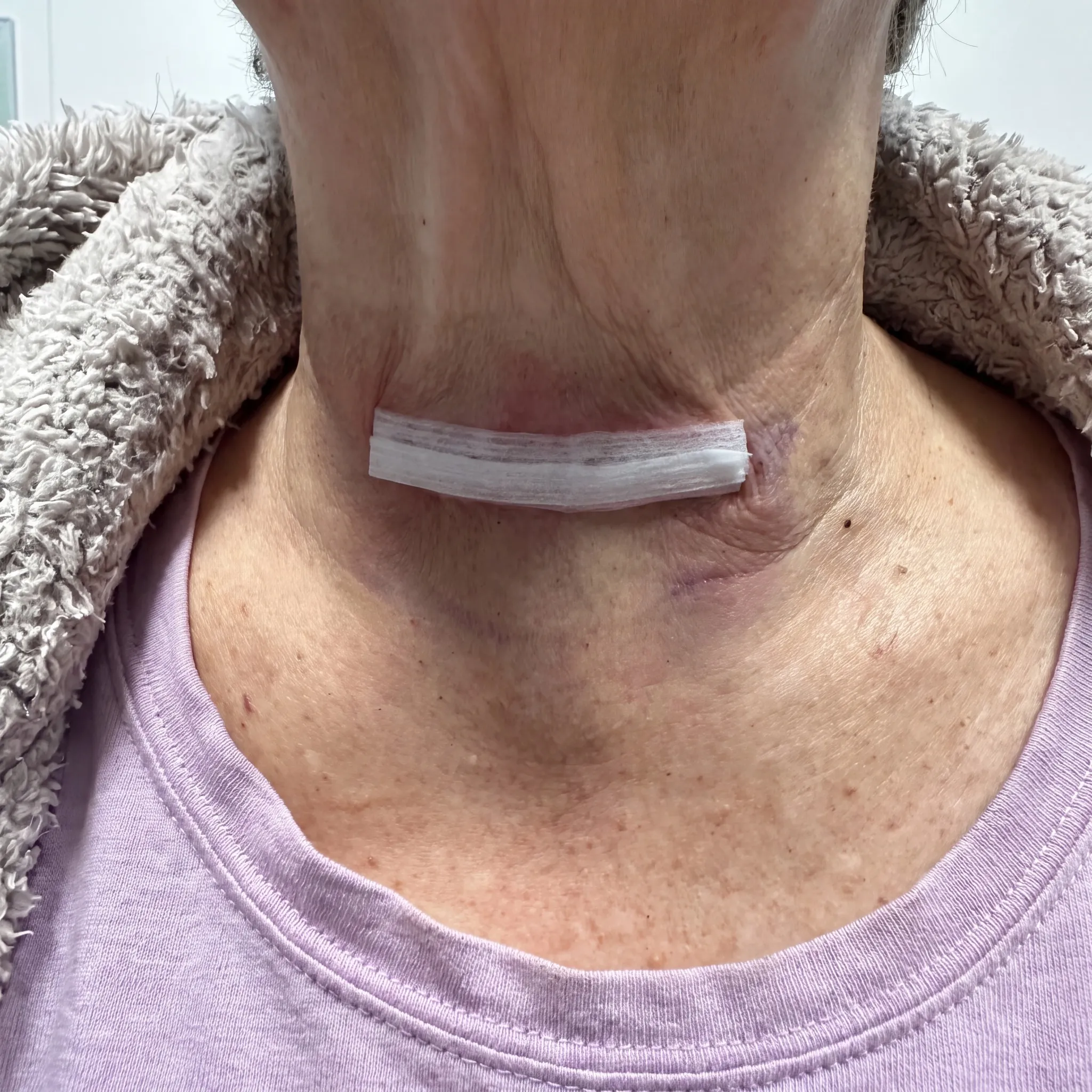
Read this if you had a thyroidectomy
Ad Copy
I've performed over two hundred thyroidectomies in my career. And for most of that time, I believed the follow-up was simple. Remove the thyroid. Put the patient on levothyroxine. Monitor the TSH. Adjust the dose until the number looks right. That's what every training program teaches. That's what every textbook says. But after enough years in practice, something started to bother me. Patients I'd operated on would come back months later still exhausted. Still gaining weight. Still losing hair. Still foggy. Still cold. The TSH looked perfect. They didn't. And for a long time, I didn't have an answer for them. ======== I remember one patient clearly. A 44-year-old teacher named Sarah. Had her thyroid removed after a cancer diagnosis. Clean margins. Excellent prognosis. We got her on levothyroxine within two weeks. Six months later her TSH was 2.3. Textbook perfect. But she sat in my office and said: "I feel like a completely different person." She'd gained 25 pounds. Her brain felt like cotton. She was sleeping nine hours and waking up exhausted. Her hair was thinning at the temples. Her joints ached every morning. And her desire was gone. Completely. "I thought levothyroxine was supposed to fix this," she said. I told her the levothyroxine was working. That her levels were exactly where they should be. She looked at me and said: "It's been six months. How much more time do I give it?" I didn't have a good answer. ======== Sarah wasn't the only one. Over the years I started noticing a pattern I couldn't ignore. Patient after patient coming back with perfect labs and terrible quality of life. The TSH was in range. The T4 was in range. On paper, everything looked right. But they were exhausted. Gaining weight. Losing hair. Foggy. Cold. Depressed. And almost none of them mentioned it because they assumed this was just life after losing a thyroid. When I started asking directly, the answers were always the same. "I thought this was just how it was going to be." "My labs are fine so I figured I was being dramatic." "I didn't want to complain when the levothyroxine is supposed to be working." They were suffering quietly. And I was checking a number on a screen and telling them they were fine. That started keeping me up at night. ======== If levothyroxine replaces the hormone, why were so many of my patients still falling apart? That question changed everything for me. I started reading beyond the standard surgical literature. Late nights at my desk. Cold coffee beside my laptop. The same thought repeating: what are we missing? ======== Then I found it. A series of studies on T4-to-T3 conversion in post-thyroidectomy patients. Here's what I'd been missing for over two hundred surgeries. Levothyroxine is synthetic T4. That's the storage form of thyroid hormone. Your body has to convert it into T3, the active form that actually runs your metabolism, your energy, your brain, your mood. That conversion doesn't happen automatically. It needs cofactors. Selenium. Zinc. Iron. Magnesium. Iodine. And dozens of trace minerals most doctors never test for. When a patient loses their thyroid, their system goes under massive stress. Cortisol spikes. Mineral reserves get depleted. The enzymatic pathways that convert T4 to T3 slow down. So the T4 is there. The TSH looks normal. Because the pituitary sees the T4 and thinks everything is fine. But the T3 that actually does the work isn't being produced efficiently. The patient feels terrible. The labs say they're fine. We'd been replacing the number but not restoring the system. ======== That realization hit me hard. Because it meant that for over two hundred surgeries, I'd been looking at a dashboard light and assuming the engine was running. It wasn't. The fuel was in the tank. But the engine didn't have what it needed to burn it. ======== That's why so many patients couldn't lose weight despite perfect TSH. Their metabolism wasn't actually running at full speed. That's why the brain fog persisted. T3 drives cognitive function, not T4. That's why the fatigue didn't resolve. Cellular energy depends on active T3 reaching the cells. That's why desire flatlined. The hormonal cascade that creates wanting runs downstream of thyroid function. If the foundation is broken, everything built on top of it suffers. Levothyroxine was keeping them alive. But it wasn't giving them their life back. ======== Once I understood that, I started looking for ways to support the conversion process. Not to replace levothyroxine. To fill the gaps it was never designed to cover. I needed something that could replenish the mineral foundation, support hormonal balance beyond thyroid, and reduce the cortisol load. Something safe. Something my patients would actually take consistently. ======== That's when a colleague at a women's health conference mentioned something she'd been recommending to her post-surgical patients. She said: "It's not a medication. It's not another supplement to add to the pile. It's three botanicals in a gummy." I gave her the same look most doctors give. But then she showed me the research behind each ingredient. And I stopped smiling. ======== Shilajit. 85+ trace minerals and fulvic acid. These are exactly the cofactors the T4-to-T3 conversion pathway needs. Selenium. Zinc. Magnesium. Iron. And dozens of trace elements that most multivitamins don't carry in meaningful amounts. Fulvic acid increases bioavailability, meaning the minerals actually reach the cells instead of passing through. This was the missing foundation I'd been looking for. Shatavari. A phytoestrogenic adaptogen with clinically documented hormonal-balancing properties. When the thyroid goes, it doesn't just affect metabolism. It disrupts the entire hormonal chain. Estrogen. Progesterone. Cortisol regulation. Levothyroxine was never designed to address any of that. Shatavari was. Saffron. Clinically shown to reduce cortisol, support mood, and improve female sexual function. The brain fog. The flatlined desire. The mood crashes. These all run on pathways levothyroxine doesn't touch. Saffron reaches them. Together they don't replace levothyroxine. They support everything levothyroxine can't do alone. ======== The company is called Bloomin. Small operation. One gummy a day. I was skeptical. I'm always skeptical. That's my job. But the ingredient profile matched exactly what the research was telling me my patients needed. So I tried it myself first. After two decades of surgery, my own energy wasn't what it used to be. Long days, high cortisol, the toll that comes with years of demanding work. I took it every morning for three weeks. By week two, my focus was sharper. My energy was steadier. I wasn't crashing at 3 PM anymore. I noticed. My staff noticed. My husband noticed. That was enough for me to start recommending it carefully to selected patients. ======== Sarah was one of the first. I called her in and said: "I want to try something different. Keep your levothyroxine. Don't change the dose. But add this." She looked at the gummy and raised an eyebrow. "Just try it for 90 days," I said. "There's a money-back guarantee if nothing changes." She agreed. More out of desperation than belief. Three weeks later she called my office. "Dr. Patel, something is happening." Her energy was back. Not jittery. Steady. She was getting through a full school day without collapsing at her desk by 2 PM. The fog was lifting. She described it as "someone turned the lights back on in my brain." Six weeks later she came in for a follow-up. She'd lost seven pounds without changing anything. Her hair had stopped falling out. Her joints didn't ache in the morning. And then she said something quietly: "I feel things again. For my husband. I thought that part of me was gone." I had to look away for a moment. Because that's the part nobody talks about. The desire that disappears. The intimacy that dies. The quiet grief of losing something you can't explain to your doctor because they're too busy checking your TSH. ======== Sarah wasn't the only one. Over the next year, I recommended Bloomin to dozens of post-thyroidectomy patients who were "fine on paper" but falling apart in real life. The results were consistent. Better energy. Clearer thinking. Weight finally moving. Mood stabilizing. And for many of them, desire coming back for the first time in years. Not every patient. Not overnight. But enough that I couldn't call it coincidence anymore. ======== I still perform thyroidectomies. I still put every patient on levothyroxine after. That doesn't change. But I don't stop there anymore. Because I've seen what happens when you replace the number but not the system. You get perfect labs and a patient who can't get through the day. The pill keeps the engine from shutting off. Bloomin gives it the fuel to actually run. ======== I'm not sharing this as a sales pitch. I've just seen too many women sit in my office, exhausted and hollow, while I pointed at a number on a screen and told them they were fine. They weren't fine. And I should have known sooner. ======== If you've had your thyroid removed and you're on levothyroxine... If your labs look perfect but you feel terrible... If your doctor keeps saying "the levothyroxine is working" but your body disagrees... If you're exhausted, foggy, gaining weight, losing hair, and losing yourself... If nobody has asked about your desire, your mood, or your quality of life because the TSH number looks right... Levothyroxine replaces the hormone. It doesn't restore the system. Bloomin has a 90-day money-back guarantee. One gummy a day. Take it alongside your levothyroxine. No pressure. Just information I wish I'd known when I started operating. Sometimes healing doesn't come from the prescription pad. Sometimes it comes from giving the body what it's been missing all along.
More from Dr. Imani Brooks, PhD

Painful sex after menopause is not just in your head
Dr. Imani Brooks, PhD
All-natural menopause relief
Dr. Imani Brooks, PhD
Why Women Over 35 Are Quietly Switching to This
Dr. Imani Brooks, PhD
Why Women Over 40 Are Quietly Switching to This
Dr. Imani Brooks, PhD
Why Women Over 40 Are Quietly Switching to This
Dr. Imani Brooks, PhD
Why Women Over 40 Are Quietly Switching to This
Dr. Imani Brooks, PhD
What doctors don't tell you....
Dr. Imani Brooks, PhD
Natural solution to low libido post hysterectomy
Dr. Imani Brooks, PhD
Supports Vaginal Lubrication
Dr. Imani Brooks, PhD
What HRT Was Never Built To Do
Dr. Imani Brooks, PhD
All-natural menopause relief
Dr. Imani Brooks, PhD
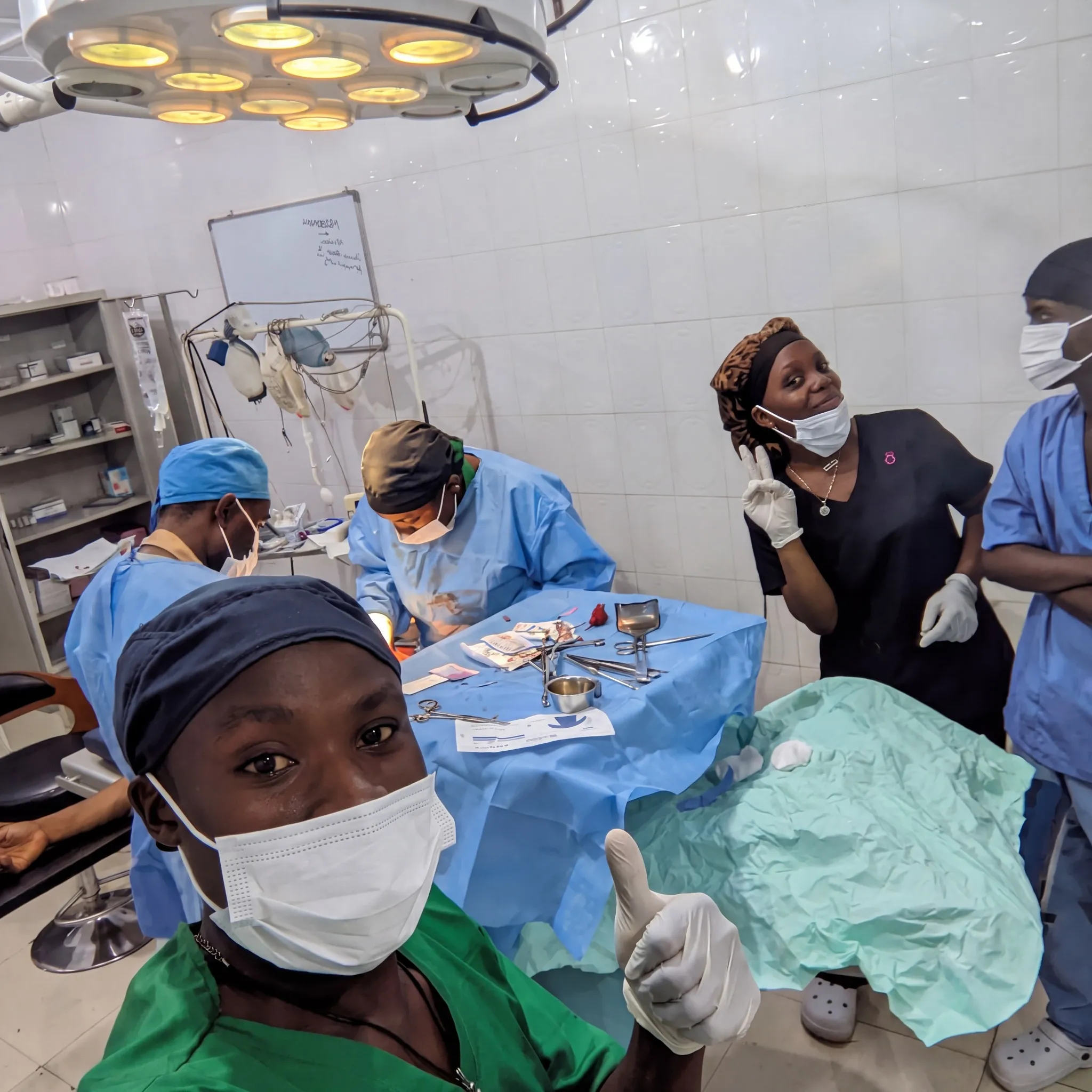
Read this if you had a thyroidectomy
Dr. Imani Brooks, PhD

 Add to Chrome